The best gravel rides around Badia Pavese
4.5
(43)
360
riders
21
rides
Gravel biking around Badia Pavese offers diverse terrain across the Pavia region of Italy. The area features a mix of agricultural plains with rice fields and *cascina* farmhouses, rolling hills covered in vineyards, and riverine environments along the Po and Ticino rivers. This landscape provides varied surfaces for gravel cyclists, from flat paths to more challenging ascents in the Oltrepò Pavese. The region's topography includes both extensive flat sections and undulating hills, with routes extending towards the Apennines for more…
Last updated: September 27, 2026
4.6
(5)
50
riders
46.1km
03:21
550m
550m
Hard gravel ride. Very good fitness required. Mostly paved surfaces. Suitable for all skill levels.
4.4
(7)
40
riders
99.3km
06:19
370m
370m
Hard gravel ride. Very good fitness required. You may need to push your bike for some segments of this route.

4.3
(7)
44
riders
70.6km
04:06
140m
140m
Moderate gravel ride. Good fitness required. Mostly paved surfaces. Suitable for all skill levels.
4.7
(7)
40
riders
100km
06:05
330m
330m
Hard gravel ride. Very good fitness required. You may need to push your bike for some segments of this route.
4.5
(4)
36
riders
71.9km
04:14
230m
230m
Moderate gravel ride. Good fitness required. Mostly paved surfaces. Suitable for all skill levels.
Get access to more routes and recommendations from other explorers.
Already have an account?
Our route recommendations are based on thousands of hikes, rides, and runs completed by other people on komoot.
Start today with a free account
Your next adventure awaits.
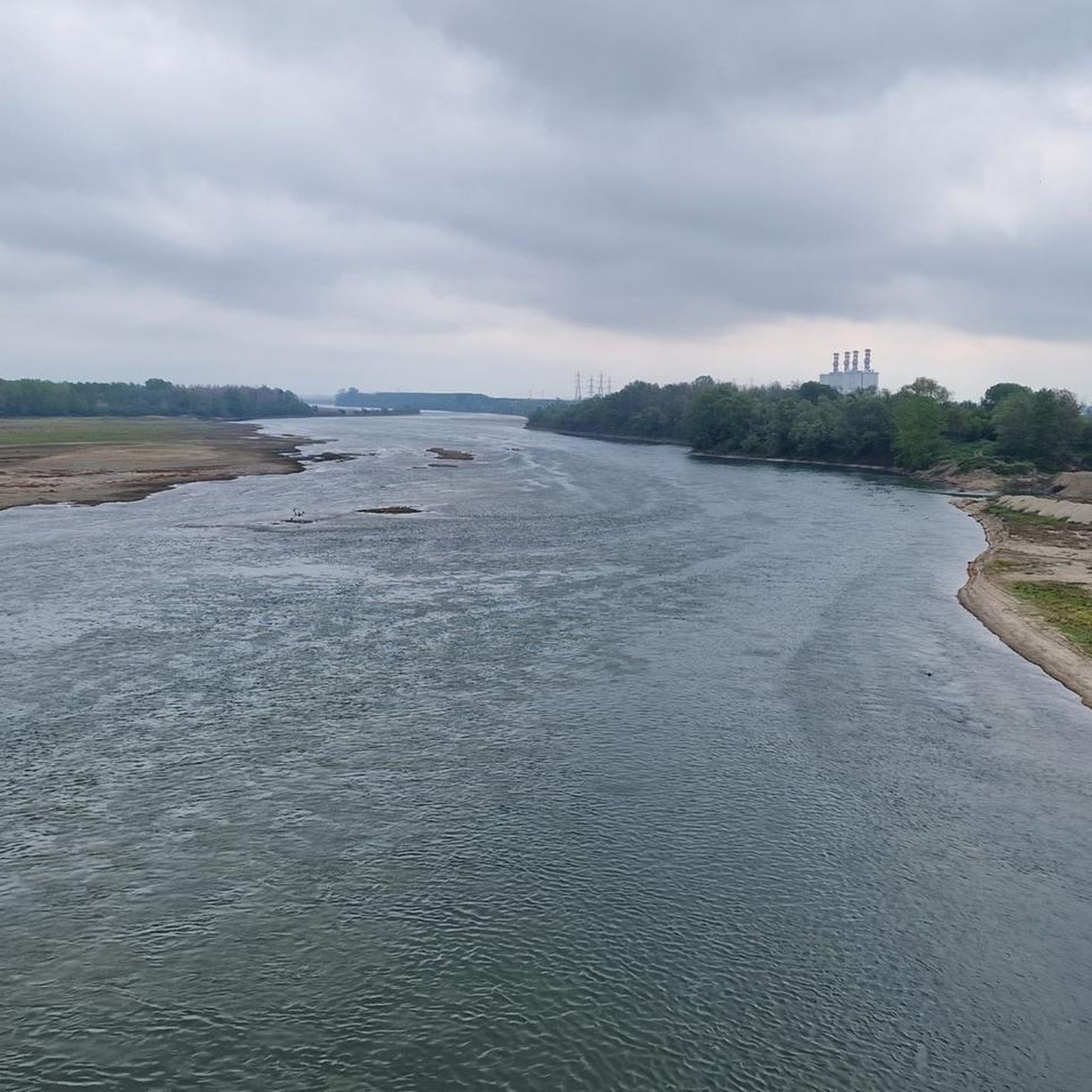
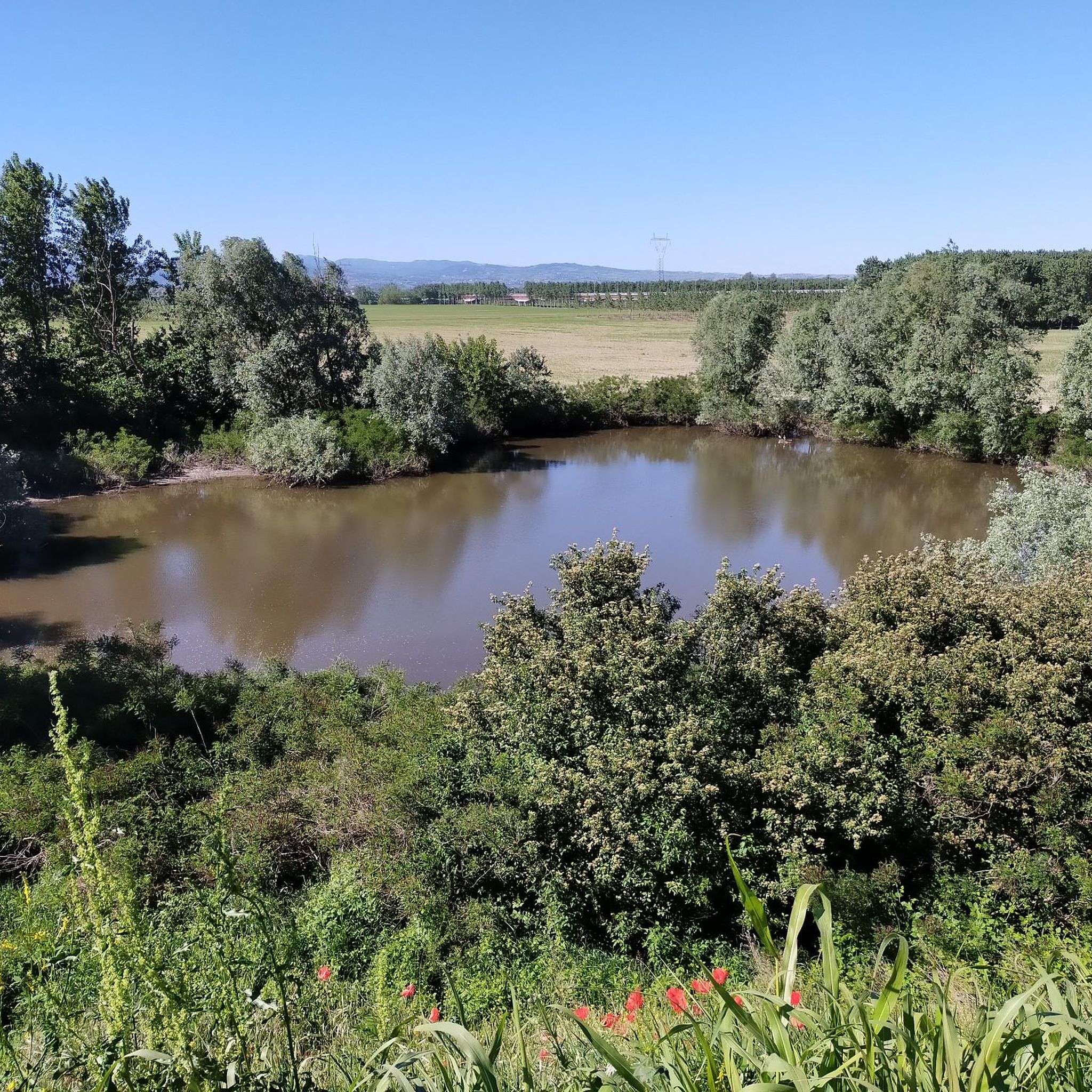
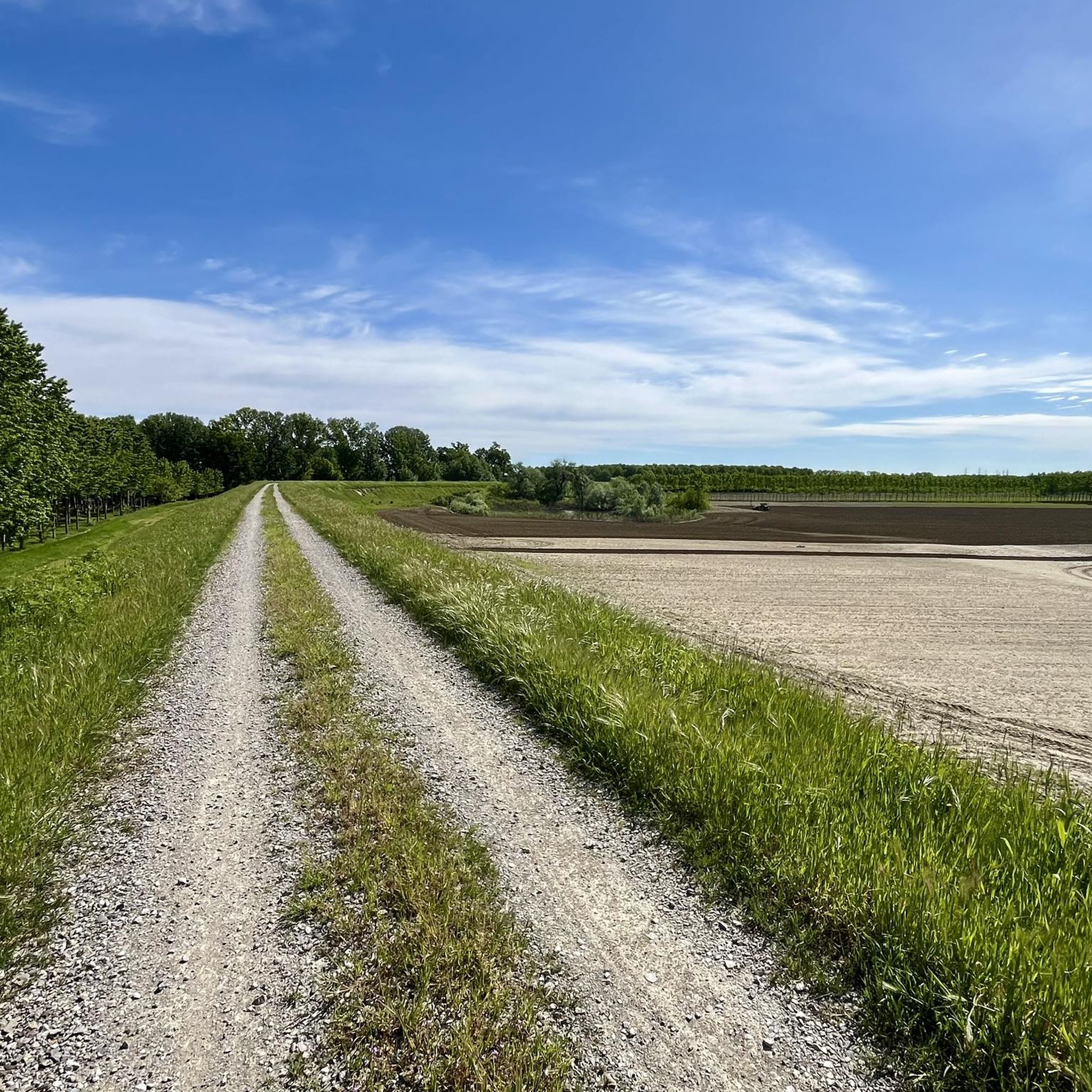
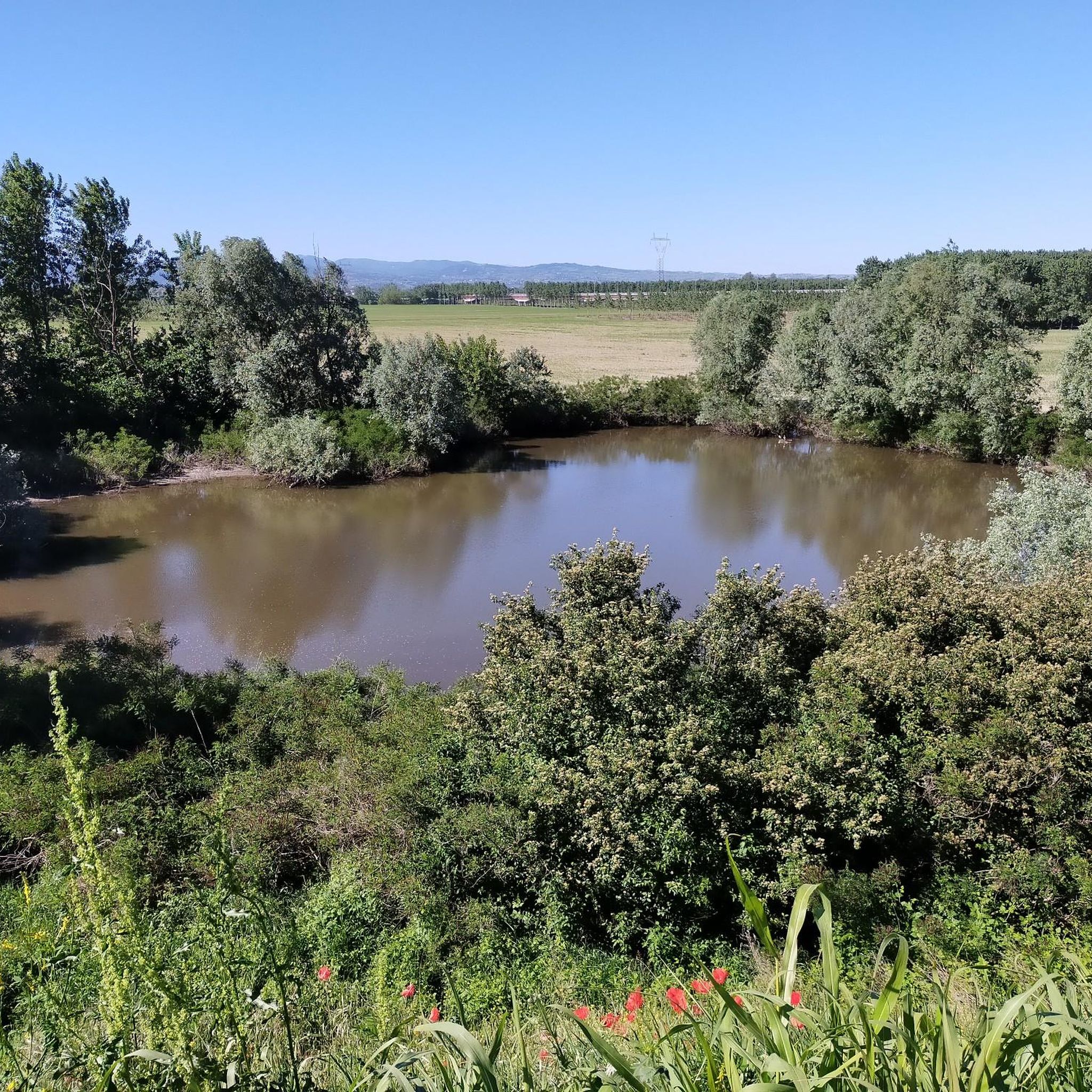
Tips from the Community

The Castello di San Colombano (or Castello Belgioioso) stands in the medieval village famous for its vineyards and for being an exclave in the province of Milan. Dating back to the 6th century and rebuilt by Barbarossa in 1164, it is divided between a private area (the keep) and a communal one (the fortified village).
0
0
The Ramp on Via Collada in San Colombano al Lambro (MI) is a climb of about 700-1160 meters that starts right by the castle walls. It is known for its challenging average gradient of ~17% and peaks exceeding 20%] Length: Approximately 1.16 km (with a steep initial section of ~ 500 meters). Elevation gain: ~ 199 meters. Average gradient: 17.12%. Maximum gradient: Very steep, suitable for intense training (MTB/road bike climb category).
1
0
The Ciaparat Chapel is a landmark mainly known on road cycling routes around Sant'Angelo Lodigiano and the Parco Agricolo Sud Milano, often included in loop itineraries between Bascapè, Locate Triulzi, and Vistarino. It is a popular area for moderate road bike training, with asphalted roads.
1
0

The path is easy to ride with a simple bike. The paths are exemplary!
0
0

The patronage of this shrine, dedicated to the Madonna, refers to the town of Loreto. This is one of the great and important Marian pilgrimage sites in Europe, along with Lourdes in the French Pyrenees and Fatima in Portugal. Unlike the other two places mentioned, however, Loreto is not known for apparitions of the Mother of God. Here, pilgrims can find something very tangible: Mary's childhood home in Nazareth (Israel). Her parents—not mentioned by name in the biblical writings of the New Testament—are mentioned in apocryphal traditions: Saint Anne and Saint Joachim are thus the grandparents of Jesus Christ (their common feast day in the calendar of saints is July 26). Crusaders likely dismantled the venerated building in Nazareth and brought it to Europe when the era of the Christian kingdoms in the Holy Land came to an end towards the end of the 13th century. But this very sober assumption is countered by a much more interesting legend: According to this, four angels carried out the translation and flew the house over the Mediterranean.
0
0

The villa was built according to its original design by Count Antonio Cavazzi della Somaglia, VIII Count and Baron of Somaglia, to showcase the power of his family, in an area where he owned several lands and estates. The count entrusted the design to architect Giovanni Ruggeri. Upon his death in 1688, Antonio bequeathed the villa to his great-nephew Antonio Dati, who subsequently assumed the title of Count of Somaglia. Dati oversaw the expansion of the palace, transforming it into a majestic residence intended as a holiday resort and meeting place for great figures of 18th-century Italian literature and culture, but he never lived to see the work completed, which was completed by his son Antonio Giovanni Battista in 1749.
2
0

This palace is called the "Versailles" of Lombardy. Everything is locked. According to the sign, it can be visited by appointment. The grounds are vast.
1
0
The weed situation has been partially resolved
1
0
Frequently Asked Questions
How many gravel bike trails are available around Badia Pavese?
There are over 30 gravel bike trails in the Badia Pavese area, offering a diverse range of experiences. You'll find routes suitable for various skill levels, from easy rides to more challenging excursions.
What kind of terrain can I expect on gravel bike routes near Badia Pavese?
The terrain around Badia Pavese is quite varied. You can expect to ride through picturesque agricultural plains with luminous rice fields, along the peaceful banks of the Po and Ticino rivers, and into the rolling hills of Oltrepò Pavese, which are covered in vineyards. For those seeking more challenging climbs, some routes extend towards the Apennines.
Are there any easy gravel bike trails suitable for beginners or families?
Yes, while many routes are rated as moderate or difficult, there is at least one easy gravel bike trail available. These easier options typically follow flatter sections along riverbanks or through the plains, making them suitable for beginners or family outings.
What are some of the more challenging gravel bike routes for experienced riders?
Experienced riders looking for a challenge can explore routes with significant elevation gain. For example, the Miradolo Trails – Ascent of the Forest loop from Miradolo Terme features a notable forest ascent. Other difficult routes include the extensive Chignolo Po Castle – Sillari Park loop from Monticelli Pavese, which covers over 100 km.
What historical or natural landmarks can I see along the gravel bike trails?
The region is rich in historical and natural attractions. You can encounter impressive castles like Chignolo Po Castle and San Colombano Castle. The ancient pilgrimage route, the Via Francigena, also passes through the area, with notable points like Sigeric's Ford. Riverine scenery, including the confluence of the Po and Ticino rivers at Ponte della Becca, and vast vineyards in Oltrepò Pavese, also offer beautiful sights.
Are there any loop gravel bike trails in the Badia Pavese area?
Yes, many of the gravel bike trails around Badia Pavese are designed as loops, allowing you to start and end at the same point. Examples include the Barrier on the Olona – Cava di Sostegno loop from Lambrinia and the Via Francigena Near Pavia – Cava di Sostegno loop from Lambrinia.
What is the best time of year for gravel biking in Badia Pavese?
The Pavia region, including Badia Pavese, is generally pleasant for cycling from spring through autumn. Spring offers lush green landscapes and blooming fields, while autumn provides beautiful colors in the vineyards. Summer can be warm, especially in the plains, so early morning or late afternoon rides are often preferred. Winters are generally mild but can be damp.
What do other gravel bikers enjoy most about the trails in Badia Pavese?
The area is highly rated by the komoot community, with an average score of 4.6 stars from over 50 reviews. Riders often praise the diverse landscapes, from peaceful river paths and agricultural plains to scenic vineyard-covered hills, and the variety of routes suitable for different ability levels.
Are there options for gravel biking routes that incorporate public transport access?
While specific public transport connections for each route are not detailed, the Pavia region is generally accessible. For broader information on cycling in the area and potential public transport links, you might find resources on the official tourism website helpful, such as Bicycle Touring in Lombardy or Pavia by Bike.
Can I find routes that take me through the famous Oltrepò Pavese vineyards?
Absolutely. Moving south from Badia Pavese, the landscape transitions into the rolling hills of Oltrepò Pavese, which are renowned for their endless rows of grapevines. Routes in areas like Stradella, Val Versa, Broni, and Casteggio will immerse you in this picturesque wine-producing region, offering beautiful ascents and descents through the vineyards.
What are the typical distances and durations for gravel bike routes in this area?
Route distances vary significantly, from shorter rides of around 45 km, like the Miradolo Trails – Ascent of the Forest loop from Miradolo Terme (approx. 28 miles), to much longer excursions exceeding 100 km, such as the Chignolo Po Castle – Sillari Park loop from Monticelli Pavese (approx. 62 miles). Durations can range from a few hours to a full day, depending on the route length and your pace.
Most popular routes around Badia Pavese
Most popular attractions around Badia Pavese

Get inspired with the komoot mobile app


Explore more
Browse the best Gravel rides in other regions.
