The best gravel rides in Rambla De Arejos
4.7
(3)
56
riders
13
rides
Gravel biking in Rambla De Arejos offers routes through a landscape characterized by coastal stretches, rolling hills, and open terrain. The region features a mix of unpaved roads and tracks, often passing near natural monuments and protected areas. Riders can expect varied surfaces suitable for gravel bikes, with some routes providing views of the Mediterranean coast and inland sierras. The terrain includes areas like Paisaje Protegido Cuatro Calas and Monumento Natural de Isla de Terreros e Isla Negra.
Best gravel…
Last updated: July 3, 2026
2
riders
Moderate gravel ride. Good fitness required. Mostly paved surfaces. Suitable for all skill levels.
2
riders
Hard gravel ride. Very good fitness required. Mostly paved surfaces. Suitable for all skill levels.

Sign up for free
1
riders
Hard gravel ride. Very good fitness required. Mostly paved surfaces. Suitable for all skill levels.
4
riders
35.3km
02:11
320m
320m
Moderate gravel ride. Good fitness required. Mostly paved surfaces. Suitable for all skill levels.
6
riders
41.3km
02:55
460m
460m
Hard gravel ride. Very good fitness required. Mostly paved surfaces. Suitable for all skill levels.
Get access to more routes and recommendations from other explorers.
Sign up for free
Already have an account?
Our route recommendations are based on thousands of hikes, rides, and runs completed by other people on komoot.
Start today with a free account
Your next adventure awaits.
Login or Signup
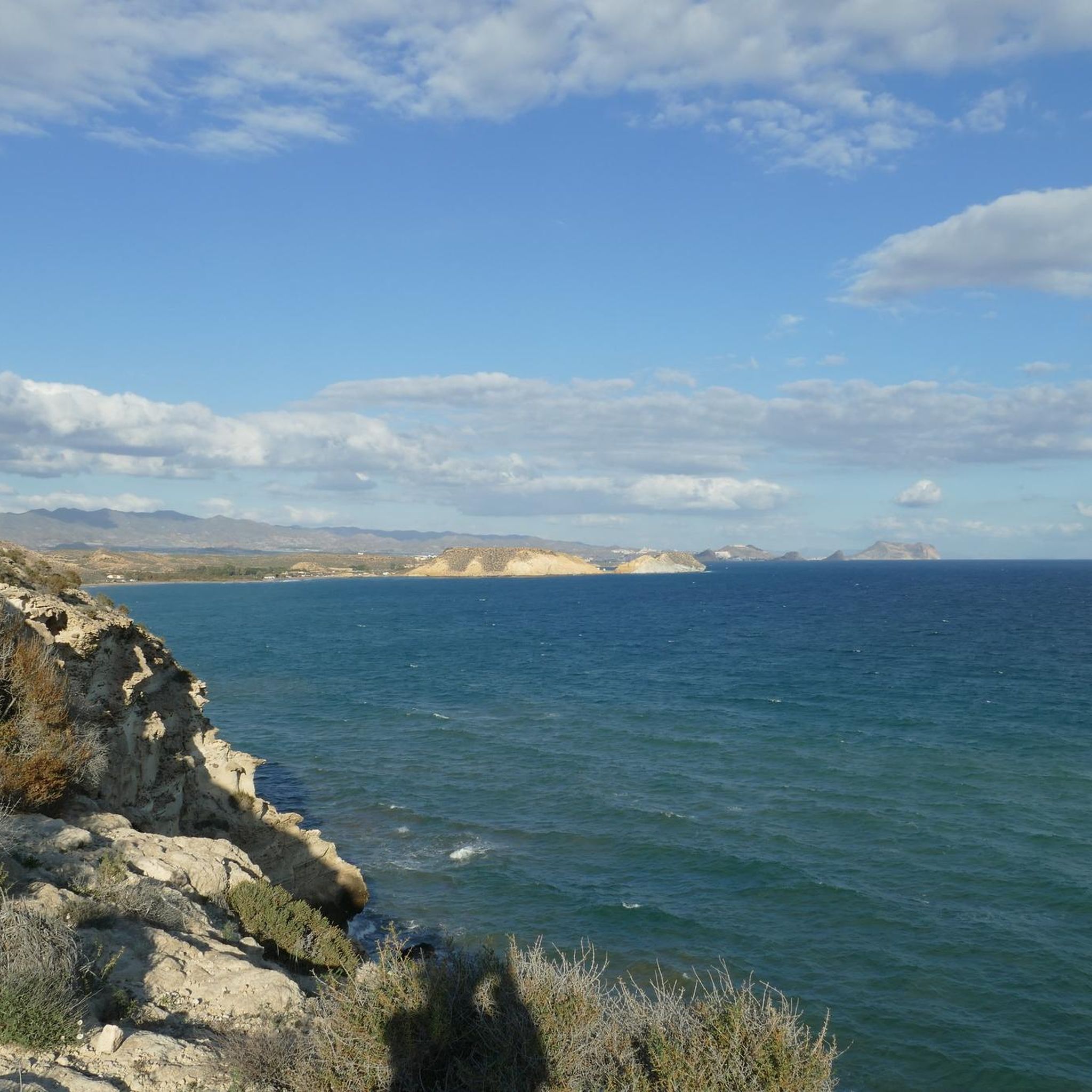
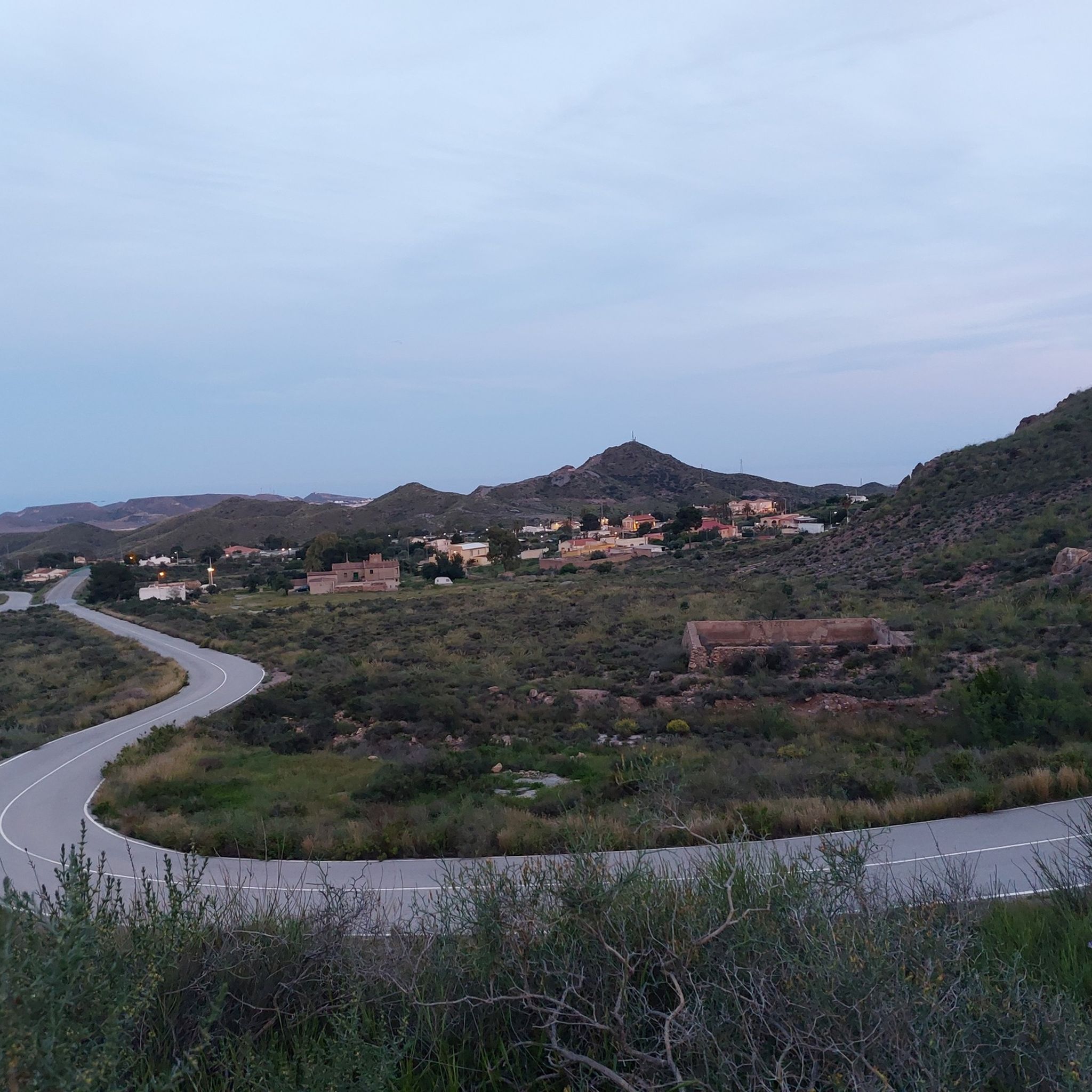
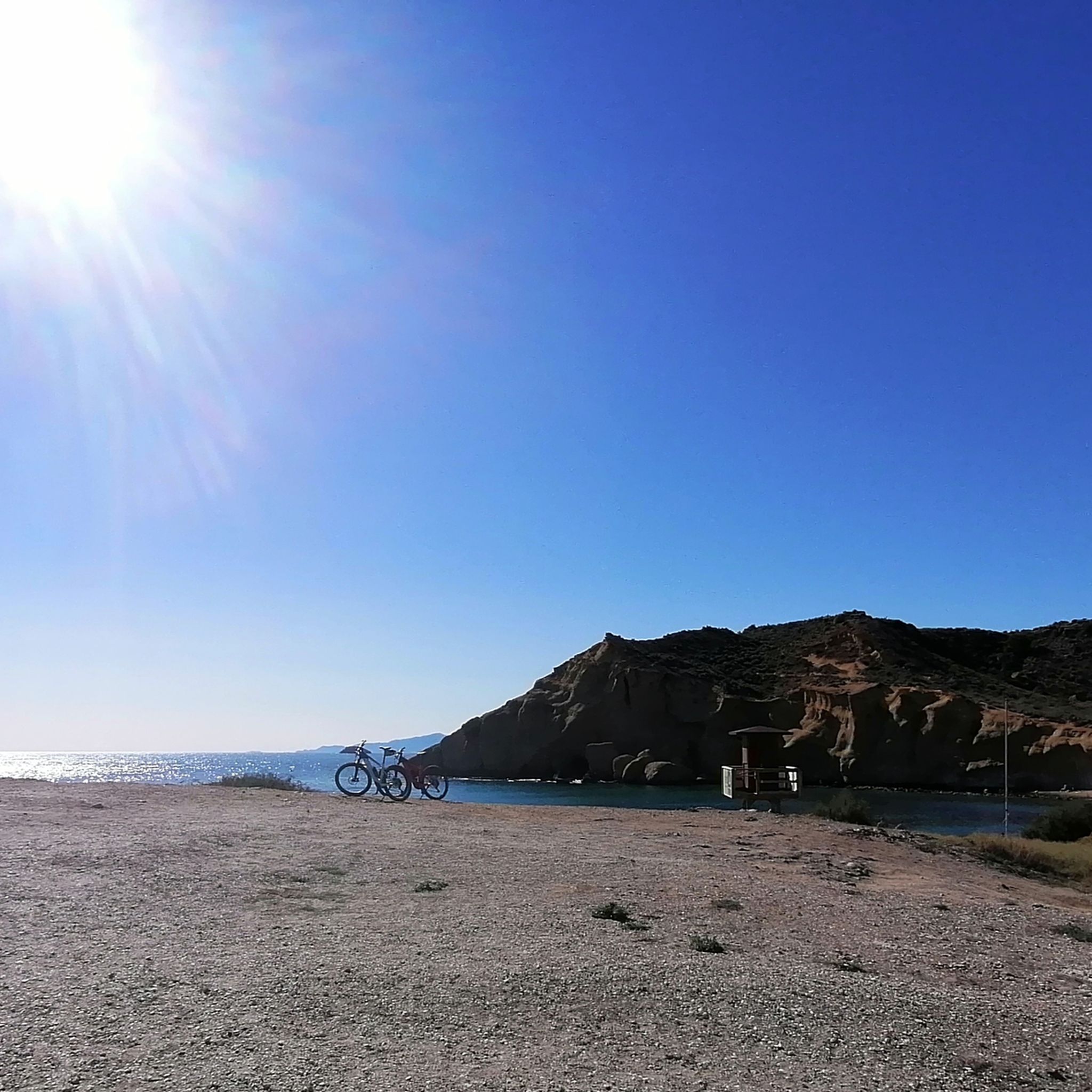
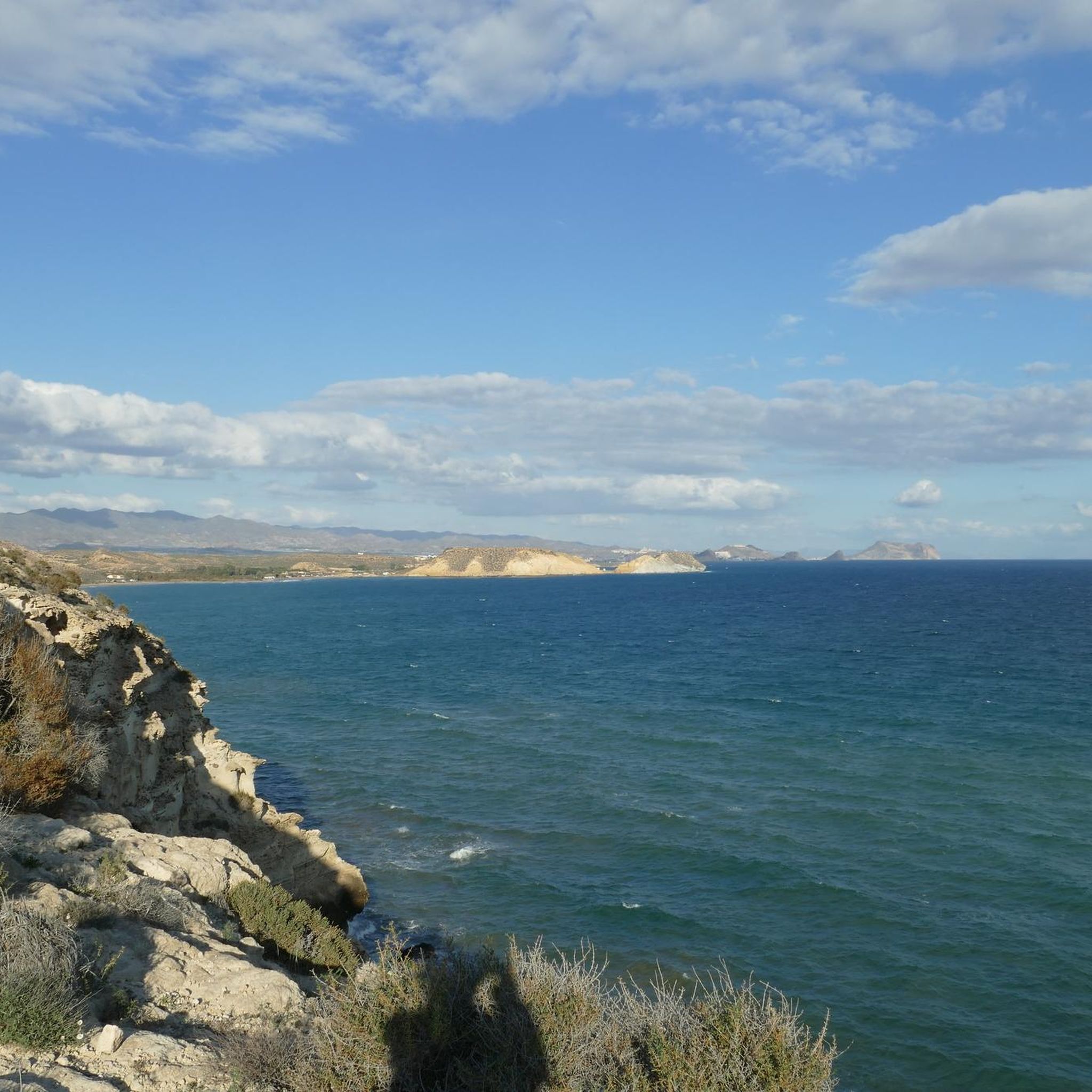
Tips from the Community


Top beach, running, swimming, climbing, everything is possible
1
0

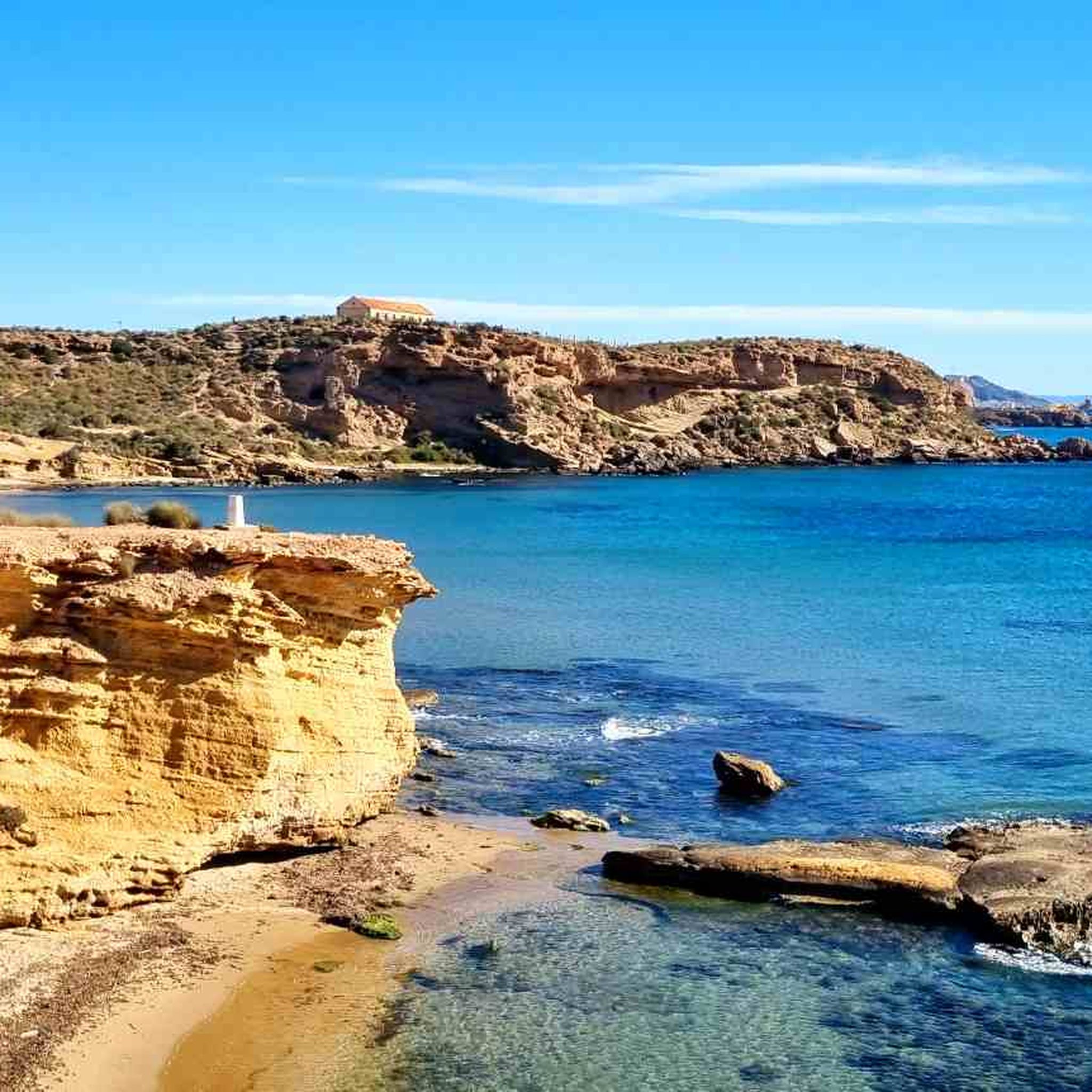
Playa de los Cocedores, also known as Cala Cerrada, is a small beach located between the municipality of Pulpí, in the province of Almería, and the municipality of Águilas, in the Region of Murcia. It belongs to the Murcia section of the Cuatro Calas protected natural area. It has a length of 150 meters and a semicircular shape. Its sand is fine and yellow, and its waters are calm because they are protected by a small, almost closed natural bay. The bottoms are sandy.
5
0

The tower can be climbed via an outside staircase.
1
0

The beach is not exactly quiet, because it is embedded between the rocks, the water is calm, and in winter you can paddle and swim there.
10
0
Imposing defense tower intended to protect the shepherds against invaders from Africa
9
0
Los Cocedores beach is considered one of the most peculiar and beautiful beaches in the Spanish litography. This is thanks to its landscape eroded by the sea, which has created curious caves. In ancient times, these caves were used as cooking places, hence their name, in English ‘cookers’. This, together with its calm, crystal-clear waters, makes it one of the most beautiful natural spots in Spain. Los Cocedores beach is located on the border between Murcia and Almería. In fact, there is a dispute between the two regions over who owns the beach. It is not surprising, as it is one of the most fascinating spots in the area and both want to have it in their geography. Thats why tere are TWO BARS at the beach, ons with the flag of Murcia and one with the flag of Andalusia.
12
0
Frequently Asked Questions
Are there any easy gravel bike trails in Rambla De Arejos suitable for beginners?
While Rambla De Arejos primarily features moderate to difficult gravel bike routes, some of the moderate trails could be suitable for beginners with a reasonable level of fitness. For instance, the Playa de la Carolina – Los Cocedores Beach loop from Los Baldíos is a moderate 12.7-mile route that offers a good introduction to the region's coastal gravel paths.
What are the typical lengths and difficulties of gravel bike trails in Rambla De Arejos?
Gravel bike trails in Rambla De Arejos vary significantly in length and difficulty. You'll find routes ranging from around 12 miles up to nearly 50 miles. The majority of the 12 available routes are classified as difficult (7 routes), with the remaining 5 being moderate. There are no routes specifically categorized as easy.
Where can I find parking when planning a gravel bike ride in Rambla De Arejos?
Parking availability often depends on your chosen starting point. Many routes begin near natural areas or towns. For example, if you're starting a coastal route, look for parking near popular beaches or natural monuments like the Monumento Natural de Isla de Terreros e Isla Negra or Paisaje Protegido Cuatro Calas, which are common access points for trails.
Is public transport a viable option to reach the gravel bike trails in Rambla De Arejos?
Public transport options directly to trailheads in Rambla De Arejos can be limited, as many routes start in more natural or less populated areas. It's generally recommended to use a car for flexibility, especially if you plan to explore different starting points. However, local bus services might connect to larger towns near some trail access points, so checking local schedules for specific areas is advisable.
What is the best time of year for gravel biking in Rambla De Arejos?
The best time for gravel biking in Rambla De Arejos is typically during the spring (March to May) and autumn (September to November) months. During these periods, the weather is generally milder and more pleasant, avoiding the intense heat of summer and the cooler, potentially wetter conditions of winter. This allows for more comfortable riding along both coastal and inland routes.
Are there any circular gravel bike routes in Rambla De Arejos?
Yes, many of the gravel bike routes in Rambla De Arejos are designed as loops, allowing you to start and finish at the same point. An example is the challenging Cope Tower – View of Cabo Cope loop from Paisaje Protegido Cuatro Calas, which offers extensive views and returns to its origin.
What kind of views can I expect on the gravel bike trails in Rambla De Arejos?
Rambla De Arejos offers diverse views, from stunning Mediterranean coastlines to rolling inland hills and open ramblas. Many routes provide panoramic vistas, such as those found on the Cope Tower – View of Cabo Cope loop from Águilas-El Labradorcico, which showcases the protected coastal landscape and the iconic Cabo Cope.
What do other gravel bikers enjoy most about the trails in Rambla De Arejos?
The komoot community highly rates the gravel biking experience in Rambla De Arejos, with an average score of 4.5 stars. Riders often praise the varied terrain, which includes coastal paths, inland hills, and open ramblas, providing a diverse and engaging challenge. The scenic beauty, particularly the coastal stretches and views of the Mediterranean, is also a frequently highlighted aspect.
Are there any cafes or places to refuel along the gravel bike routes?
While specific cafes directly on remote gravel trails might be scarce, many routes in Rambla De Arejos pass near or through coastal towns and villages where you can find cafes, restaurants, and shops to refuel. Planning your route to include stops in these areas, especially along the coast, is recommended for refreshments.
What kind of wildlife might I encounter while gravel biking in Rambla De Arejos?
Given the region's mix of coastal and natural areas, you might encounter various bird species, especially near protected coastal landscapes and wetlands. Inland, smaller mammals and reptiles common to Mediterranean scrubland could be present. Always observe wildlife from a distance and respect their natural habitat.
Are there any alternatives to the well-known gravel bike routes in Rambla De Arejos?
Beyond the most popular routes, Rambla De Arejos offers a network of unpaved roads and tracks that allow for exploration. For a different experience, consider the Golf Course – Golf Course loop from Urbanización Bellavista, a moderate route that explores a different inland area, providing an alternative to the more coastal-focused trails.
What should I wear for gravel biking in Rambla De Arejos?
Given the Mediterranean climate, lightweight, breathable cycling apparel is generally recommended. Layers are useful for cooler mornings or evenings, especially during spring and autumn. Sun protection, including sunscreen, sunglasses, and a hat or buff, is essential due to the open terrain and coastal exposure. Always check the weather forecast before heading out.
Most popular routes in Rambla De Arejos

Get inspired with the komoot mobile app


Explore more
Browse the best Gravel rides in other regions.
