The best gravel rides in Costa Da Morte
4.1
(22)
247
riders
22
rides
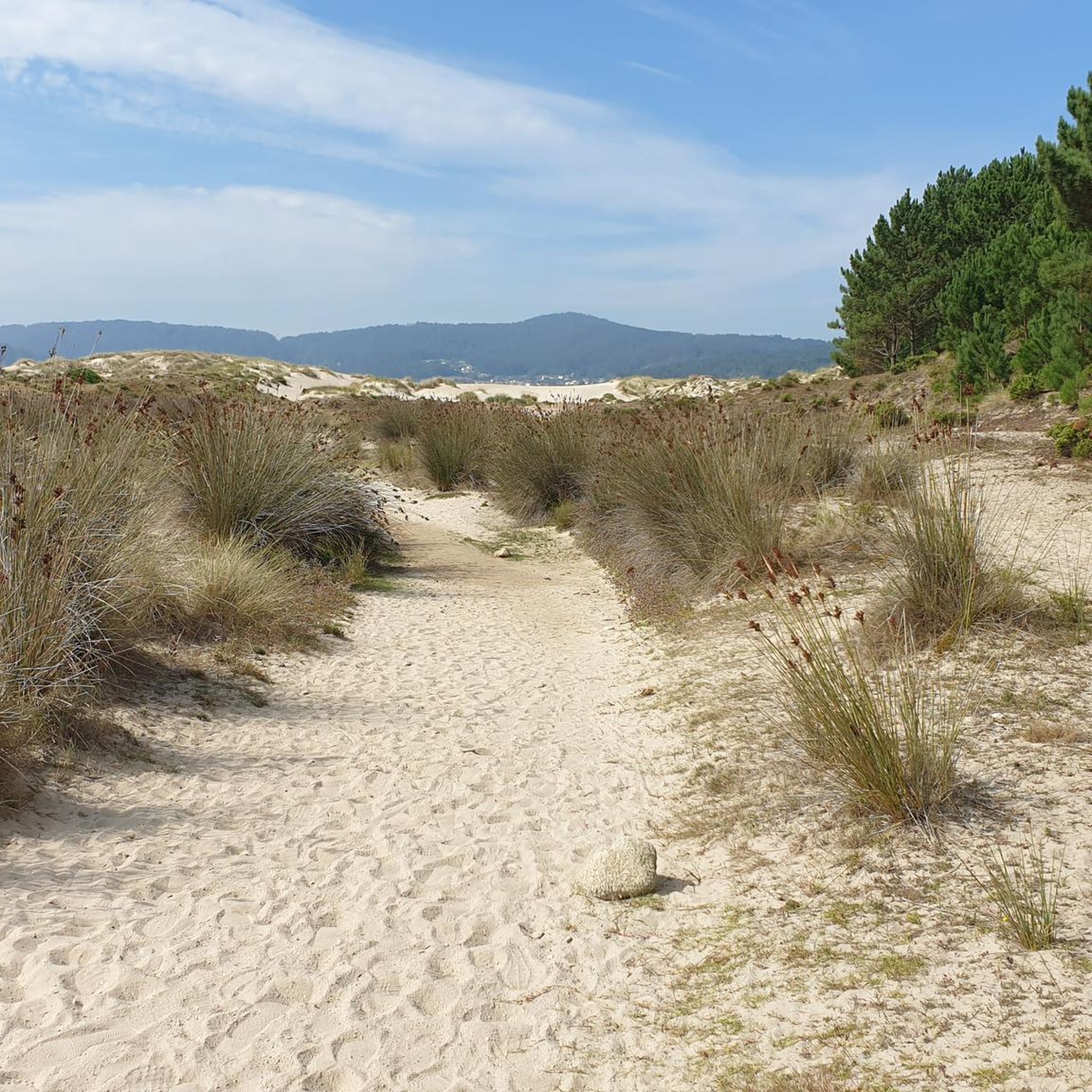
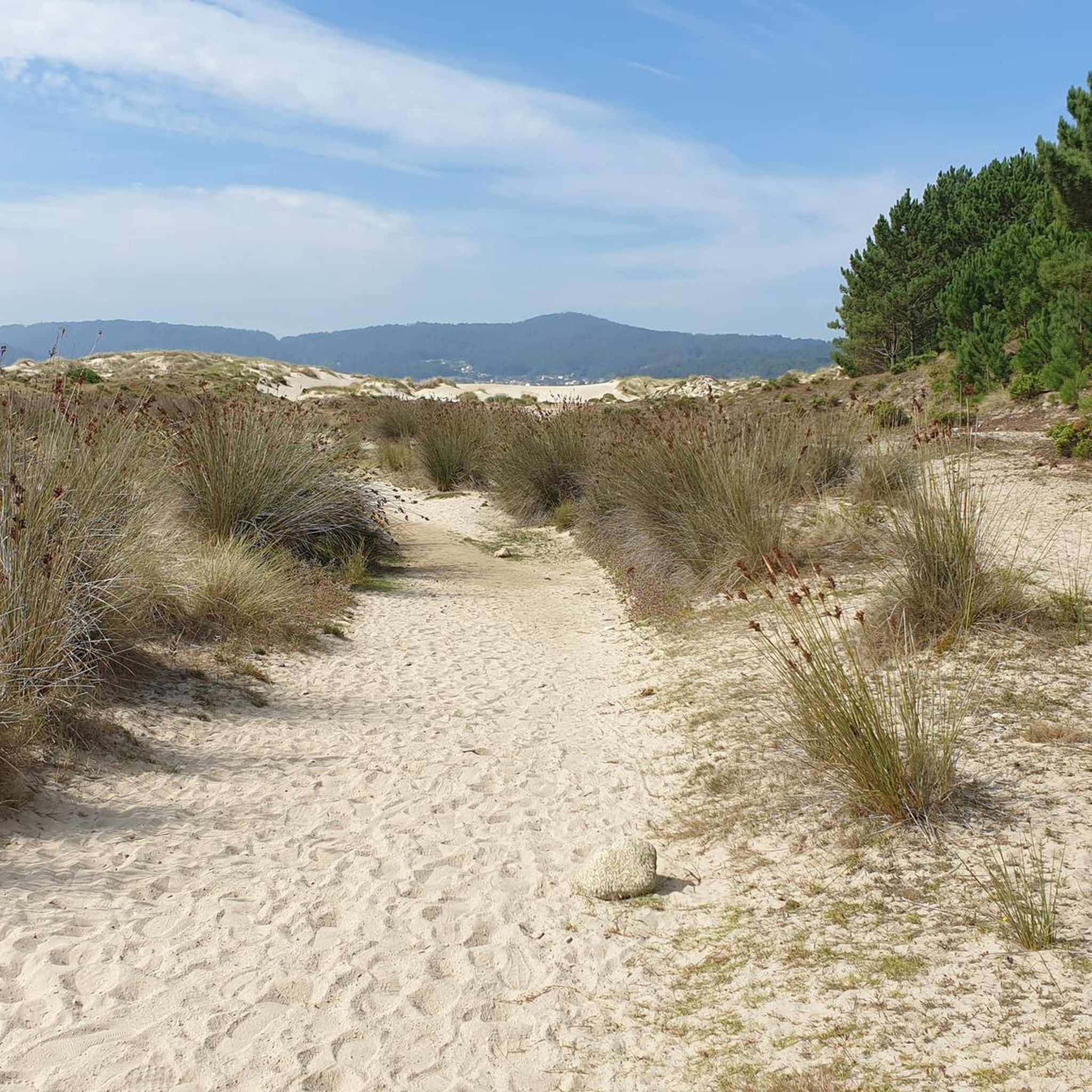
Gravel biking in Costa Da Morte offers a rugged coastal experience along the northwestern edge of Galicia, Spain. The region is characterized by its dramatic Atlantic coastline, featuring rocky cliffs, sandy coves, and a network of unpaved roads and tracks. Inland, the terrain transitions to rolling hills and forested areas, providing varied surfaces for gravel cyclists. The landscape is shaped by its proximity to the ocean, with numerous viewpoints overlooking the sea.
Best gravel bike trails in Costa Da Morte
…Last updated: October 5, 2026
3.5
(2)
23
riders
57.3km
04:13
1,070m
1,070m
Hard gravel ride. Very good fitness required. Mostly paved surfaces. Suitable for all skill levels.
4.0
(2)
12
riders
41.9km
03:07
850m
850m
Hard gravel ride. Very good fitness required. Mostly paved surfaces. Suitable for all skill levels.

4.5
(13)
96
riders
Moderate gravel ride. Good fitness required. Mostly paved surfaces. Suitable for all skill levels.
4.5
(2)
34
riders
67.3km
03:54
590m
590m
Hard gravel ride. Very good fitness required. Mostly paved surfaces. Suitable for all skill levels.
9
riders
40.2km
03:12
820m
820m
Hard gravel ride. Very good fitness required. Mostly paved surfaces. Suitable for all skill levels.
Get access to more routes and recommendations from other explorers.
Already have an account?
Our route recommendations are based on thousands of hikes, rides, and runs completed by other people on komoot.
Start today with a free account
Your next adventure awaits.
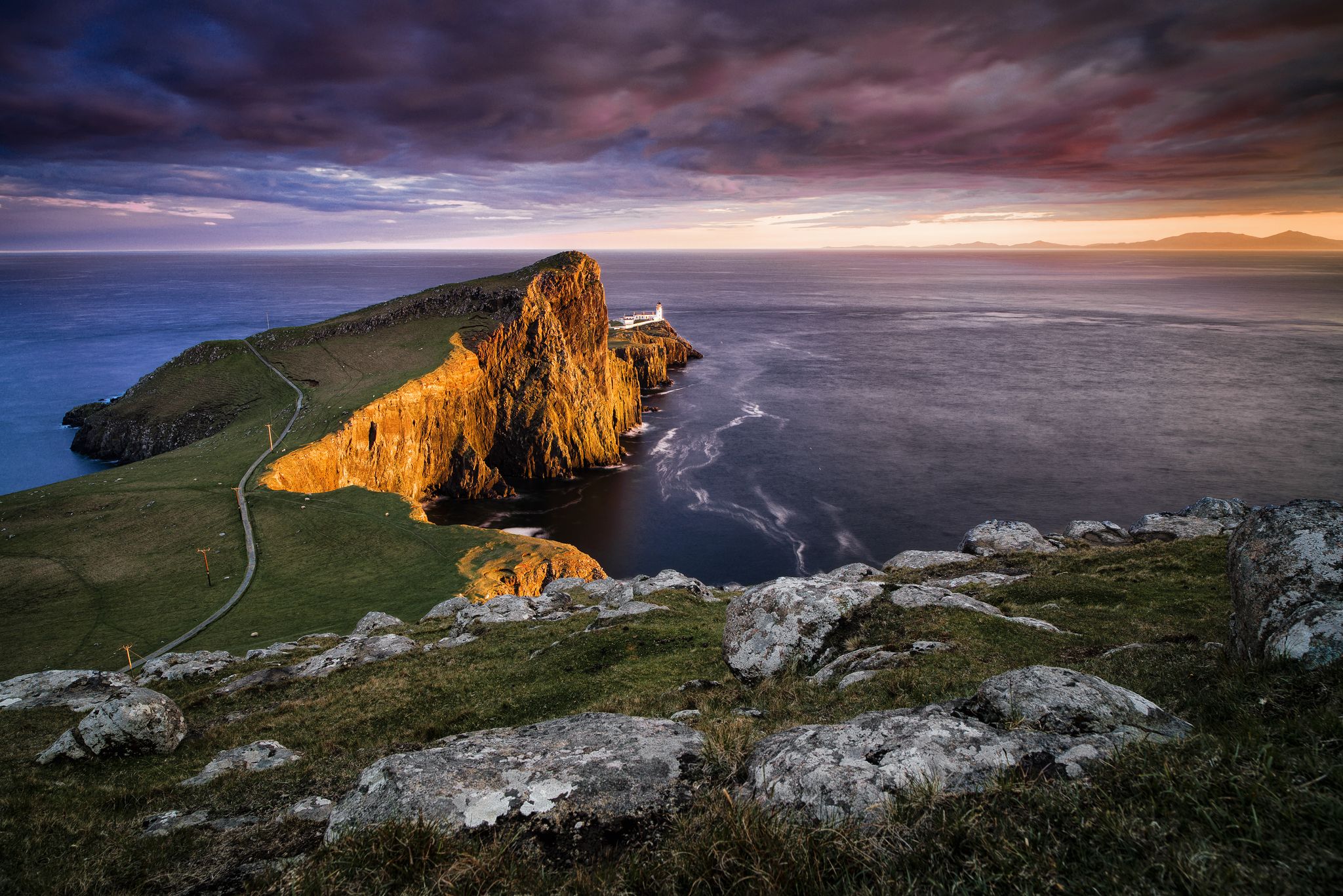
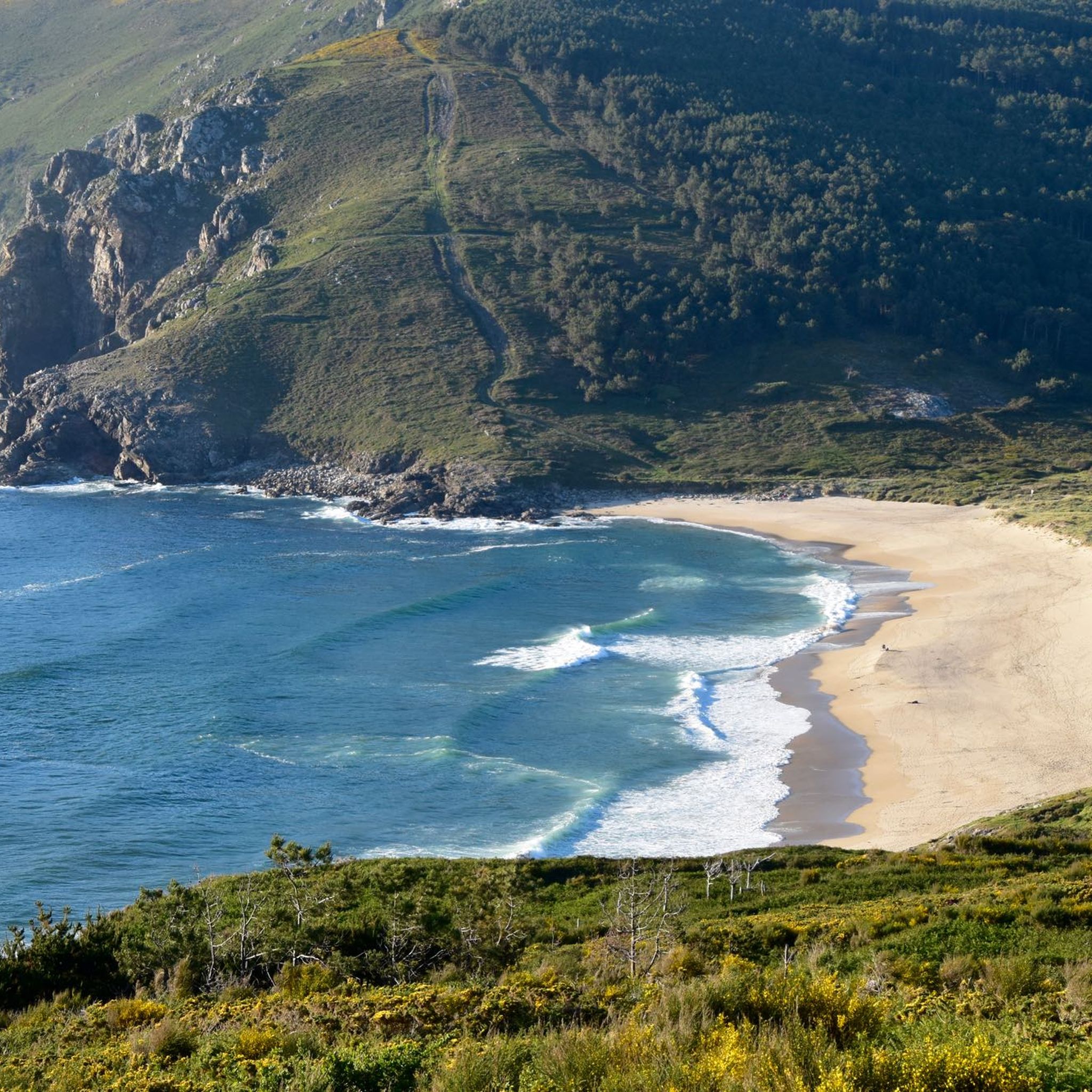
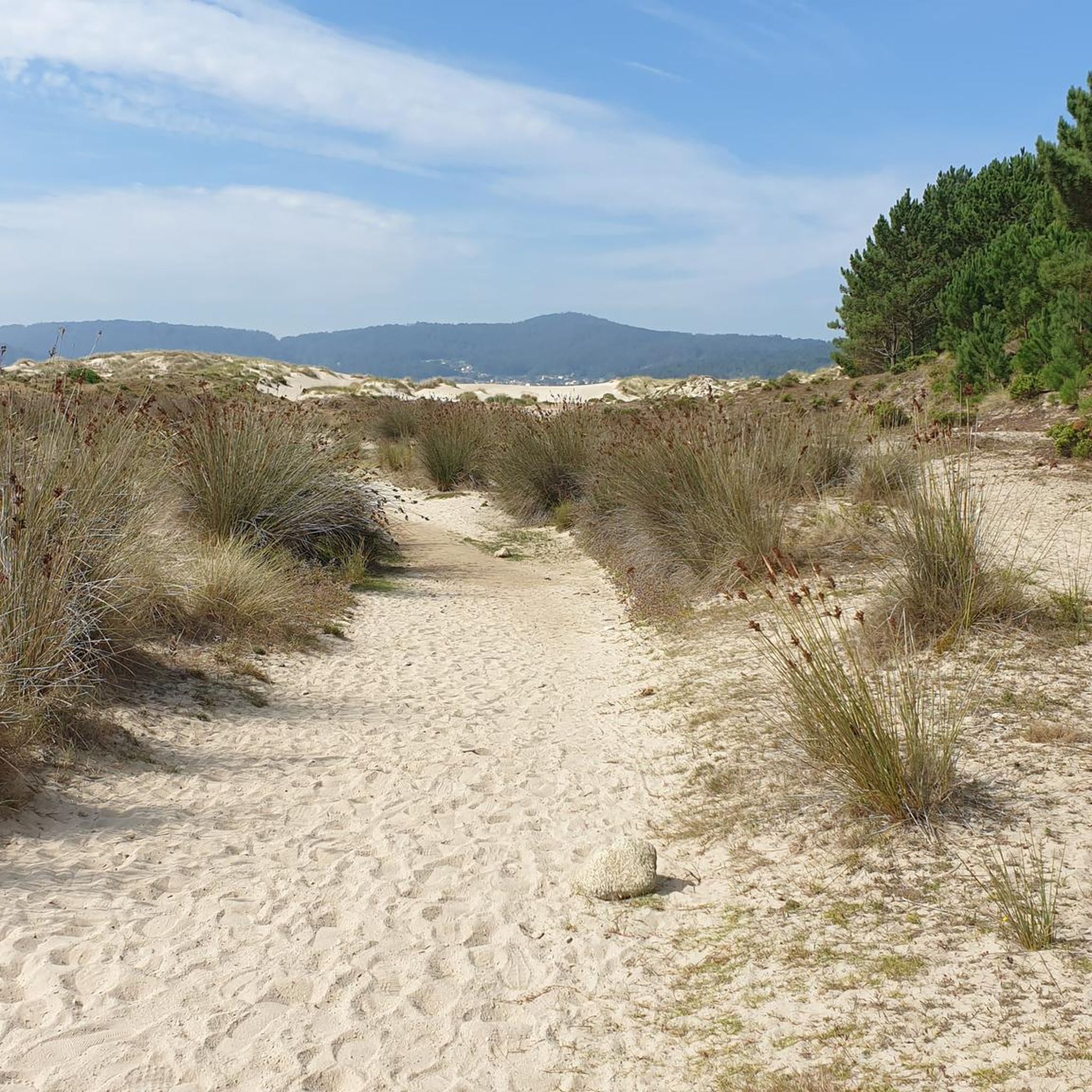
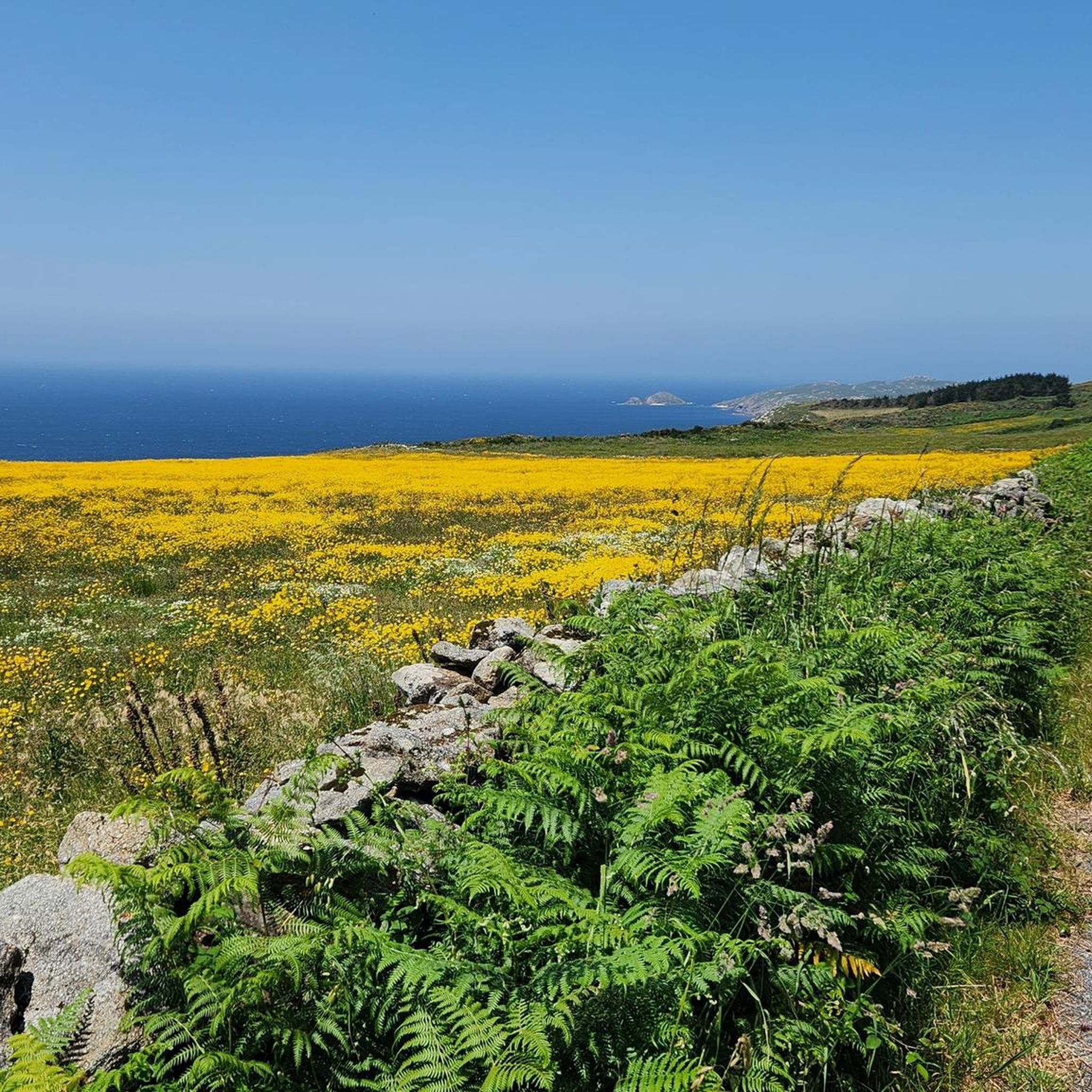
Other adventures in Costa Da Morte

Tips from the Community

My friends, the Burgo Bridge is not a Roman bridge, its origin is medieval and dates back to the twelfth century, please let's be serious with the information.
1
0

Hape Kerkeling, a well-known comedian in Germany, set out on the Way of St. James through Spain in 2001 and kept a diary that was later published as a book. In the 'Real Monasterio San Zoilo', he writes: "The enormous crucifix hangs directly above it, and for the first time, I consciously perceive that the crucified Christ is clearly looking in one direction: From our perspective, in most depictions, Jesus Christ is looking to the left. Towards the west. Towards the sunset, the night, and death. But from his perspective, he is looking to the right, to the east. Towards the sunrise and life. What appears to us as a gloomy end is, in truth, for him a radiant beginning. And without a doubt, only his perception can be considered the correct one." (Hans-Peter Kerkeling in "I'm Off Then. My Journey on the Way of St. James") Even though this cross here on the coast—which for many centuries represented the "end of the world"—is without a body, we can certainly adopt Christ's perspective as we gaze upon the endless expanse of the sea.
3
0

We are at the end of a long journey. At the dreamed halfway point. A look at the ocean and a photo.
4
0

Very quiet place and good for riding slowly or pushing it if you want.
0
0

A memorial and a very beautiful memory.
4
0
It's a small place at the end of the world. Unfortunately, there aren't many options here.
3
1

Quiet place, without traffic and with good views
0
0

The monument, also known as the Muxia Monument, commemorates a tanker accident. Through the gap in the work of art you can see the wide sea. The rough but beautiful landscape with the strong surf reveals why this area is called the Death Coast (Galician: Costa da Morte, Galician, Spanish: Costa de la Muerte). Here is a final stone of the Way of St. James (km 0.000).
1
0
Frequently Asked Questions
How challenging are the gravel bike trails in Costa Da Morte?
The gravel biking routes in Costa Da Morte are predominantly challenging, catering to experienced riders. Out of 17 available routes, 16 are rated as difficult, featuring significant elevation gains and varied terrain. For example, the View of Lourido Beach – Sanctuary of Our Lady of the Boat loop from O Cruceiro covers 57.4 km with over 1000 meters of ascent.
Are there any beginner-friendly gravel biking routes in Costa Da Morte?
While most routes in Costa Da Morte are challenging, there is one route rated as moderate. However, the region is generally characterized by rugged coastal and inland terrain, making it more suitable for riders with some experience. It's advisable to check individual route details on komoot for specific difficulty ratings before heading out.
What kind of scenery can I expect on the gravel bike trails in Costa Da Morte?
Gravel biking in Costa Da Morte offers dramatic Atlantic coastal views, including rocky cliffs, sandy coves, and expansive ocean vistas. Inland, you'll find rolling hills and forested areas. Many routes, such as the View of Beo Beach – Playa de Area Maior loop from A Area de Canido, provide a mix of coastal and varied inland landscapes.
What are some notable landmarks or attractions I can see along the gravel routes?
Costa Da Morte is rich in historical and natural landmarks. Along or near many routes, you can visit iconic lighthouses like Fisterra Lighthouse, Punta Nariga Lighthouse, and Cape Vilán Lighthouse. Other points of interest include the Kilometre Zero Marker at Cape Finisterre and the Cabanas water spring.
Are there any particularly long gravel bike routes for endurance riders?
Yes, for endurance riders seeking a significant challenge, the Sanctuary of Our Lady of the Boat – Muxía Harbor loop from Arou stands out. This difficult route spans over 102 kilometers with more than 1600 meters of elevation gain, offering an extensive exploration of the region's diverse terrain.
What do other gravel bikers say about the trails in Costa Da Morte?
The gravel biking routes in Costa Da Morte are highly regarded by the komoot community, holding an average rating of 3.9 stars from over 10 reviews. Riders often praise the dramatic coastal scenery, the challenging nature of the trails, and the unique experience of exploring this rugged corner of Galicia.
Are there circular gravel routes available in Costa Da Morte?
Yes, many of the gravel routes in Costa Da Morte are designed as loops, allowing you to start and finish at the same point. Examples include the View of Soesto Beach – Petón das Borrallas loop from Laxe and the Playa de Razo – Pedra do Sal Beach loop from Arnados, both offering diverse coastal and rural paths.
Is Costa Da Morte suitable for family gravel biking trips?
Given that most gravel routes in Costa Da Morte are rated as difficult with significant elevation changes and rugged terrain, the region is generally more suited for experienced adult riders. Families with younger children or those seeking very easy, flat paths might find the options limited. It's best to review specific route profiles carefully.
What is the best time of year to go gravel biking in Costa Da Morte?
The best time for gravel biking in Costa Da Morte is typically during the spring (April to June) and early autumn (September to October). During these periods, the weather is generally milder and more stable, with less rain and comfortable temperatures for riding. Summer can be pleasant but may see more tourists, while winter can bring strong winds and heavy rainfall.
Are there any specific regulations or permits needed for gravel biking in Costa Da Morte?
Generally, no specific permits are required for gravel biking on public roads and established trails in Costa Da Morte. However, it's always advisable to respect local signage, private property, and any protected natural areas you might encounter. Always practice Leave No Trace principles.
Where can I find parking for gravel biking trails in Costa Da Morte?
Many of the gravel routes in Costa Da Morte start from towns or villages where public parking is usually available. For example, routes often begin near O Cruceiro, A Area de Canido, Laxe, Arnados, or Arou. It's recommended to check the starting point of your chosen route on komoot for specific parking suggestions or nearby facilities.
Most popular routes in Costa Da Morte
Most popular attractions in Costa Da Morte

Get inspired with the komoot mobile app


Explore more
Browse the best Gravel rides in other regions.
