The best gravel rides around Coed Hafod
4.4
(115)
561
riders
25
rides
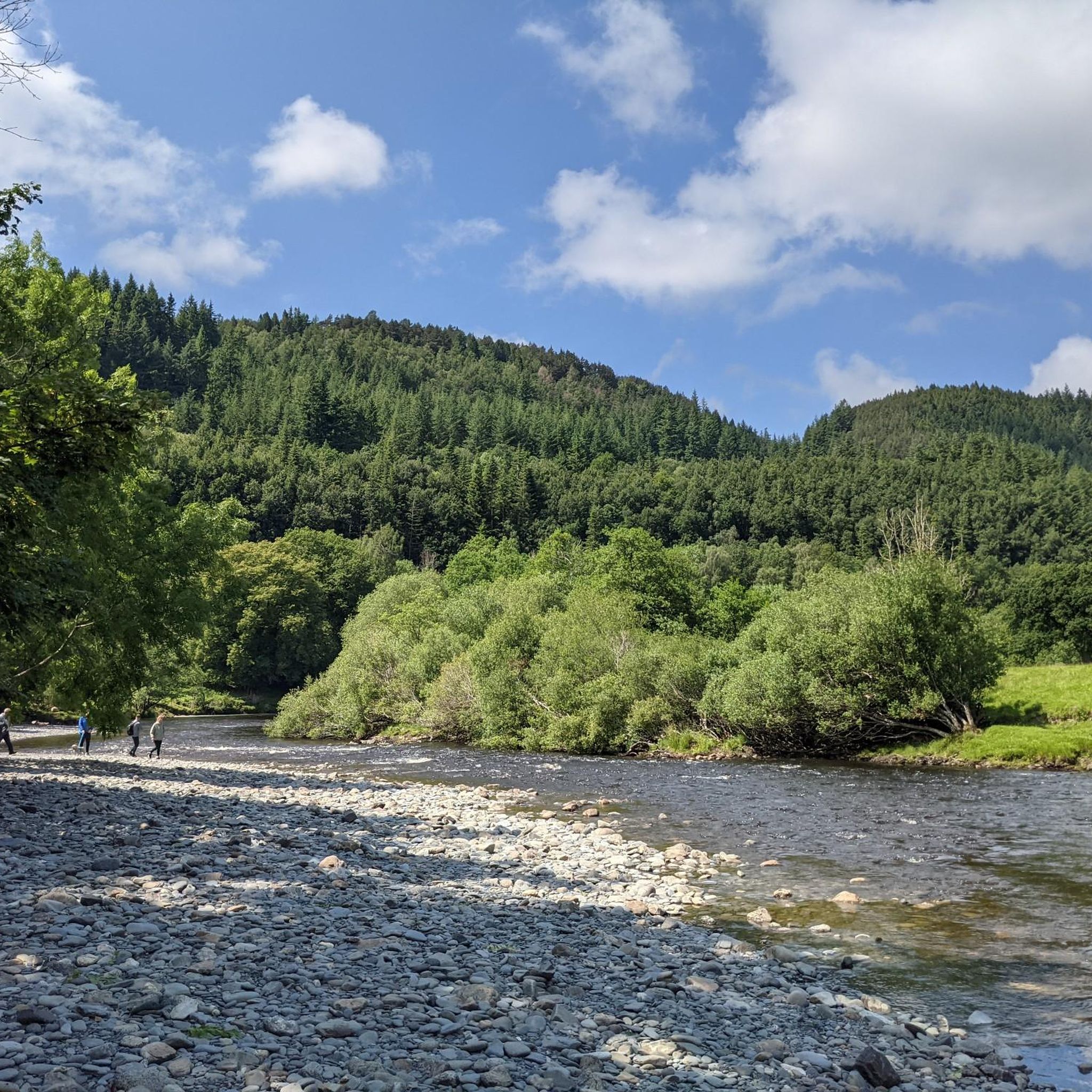
Gravel biking around Coed Hafod offers routes through dense woodlands, past serene lakes, and across varied terrain characteristic of North Wales. The region features significant elevation changes, providing challenging climbs and rewarding descents for gravel cyclists. Its landscape is shaped by ancient forests and water bodies, creating a diverse environment for off-road exploration.
Best gravel bike trails around Coed Hafod
- The most popular gravel bike trail is Betws-y-Coed Village – Llyn Crafnant loop from Llyn y Parc, a 37.9…
Last updated: July 2, 2026
5
riders
61.9km
05:11
1,560m
1,560m
Hard gravel ride. Very good fitness required. Mostly paved surfaces. Suitable for all skill levels.
4.2
(9)
46
riders
31.0km
03:07
640m
640m
Embark on the Gwydir Mawr Trail, a challenging gravel biking route spanning 19.3 miles (31.0 km) with a significant 2108 feet (643 metres) of elevation gain. This difficult ride, typically…

Sign up for free
46
riders
78.1km
06:51
1,820m
1,820m
Hard gravel ride. Very good fitness required. Mostly paved surfaces. Suitable for all skill levels.
4.5
(2)
18
riders
43.2km
03:14
870m
870m
Hard gravel ride. Very good fitness required. Mostly paved surfaces. Suitable for all skill levels.
3.5
(2)
9
riders
18.3km
01:39
440m
440m
Moderate gravel ride. Good fitness required. Mostly paved surfaces. Suitable for all skill levels.
Get access to more routes and recommendations from other explorers.
Sign up for free
Already have an account?
Our route recommendations are based on thousands of hikes, rides, and runs completed by other people on komoot.
Start today with a free account
Your next adventure awaits.
Login or Signup
Tips from the Community

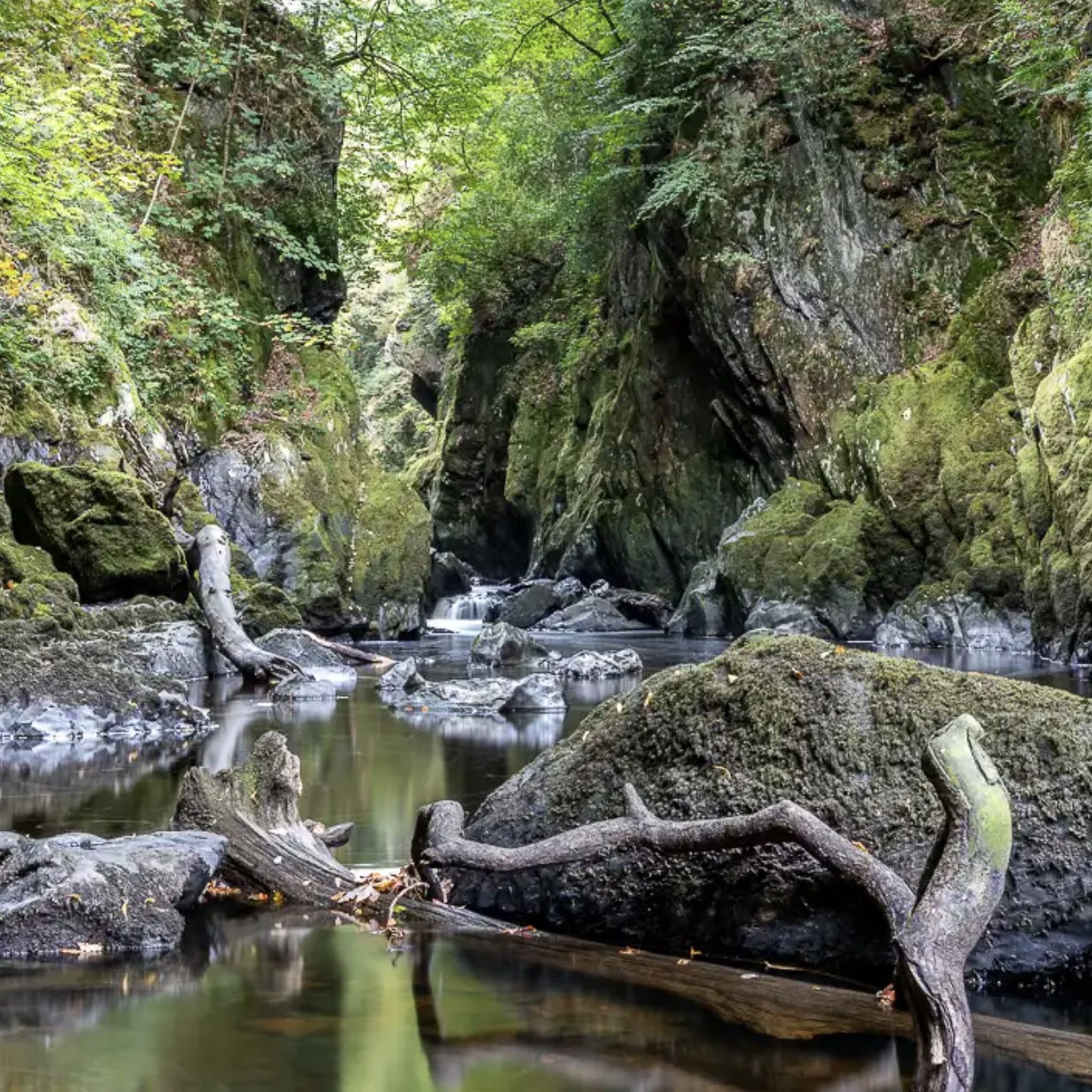
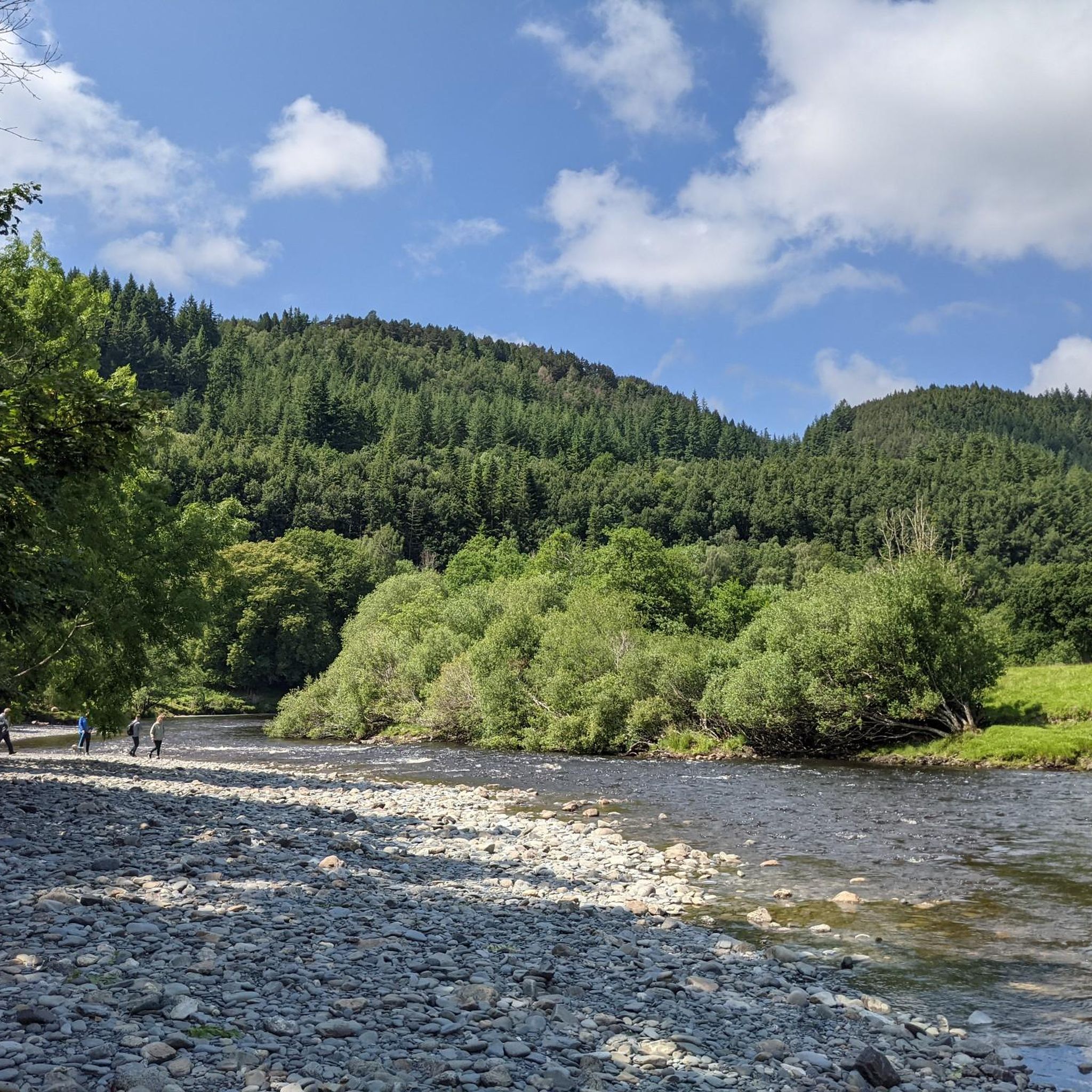
Often referred to as the "gateway to Snowdonia," Betws-y-CoedClick to open side panel for more information is a charming alpine-style village in North Wales that feels like it’s been plucked straight from a Victorian postcard. It’s a place where stone bridges cross bubbling rivers and the air always smells slightly of pine and rain. The Heart of the Village The town itself is centered around a large village green, perfect for a slow stroll or a picnic while watching the world go by. It’s lined with cozy independent shops, outdoor gear stores, and cafes that make it a favorite for both hikers and those looking for a quiet afternoon. Iconic Bridges and Waterfalls Betws-y-Coed is famous for its picturesque crossings and dramatic water features that are just a short walk from the center.
0
0

take a short break here after big climb from Mawdach trail.
0
0
Opened 1868: Passenger trains began serving Betws-y-Coed on April 6, 1868. The London & North Western Railway extended the Conwy Valley line (which had reached Llanrwst in 1863) to Betws-y-Coed, initially for freight in 1867. Slate Transport: The primary purpose of the Conwy Valley line was to transport dressed slate from the quarries in Blaenau Ffestiniog to Deganwy for export. A further extension to Blaenau Ffestiniog opened in 1879. Tourist Hub: The railway became the main way for tourists to reach Betws-y-Coed, and the station was designed with ample facilities to cope with the crowds. Local Builder: The station building itself is quite substantial for a country branch line and was constructed by local contractor Owen Gethin Jones, a renowned stonemason, carpenter, civil engineer, and poet. Decline and Revival: Like many branch lines, it saw a decline in the 20th century. However, its scenic route and importance for tourism have ensured its continued operation.
0
0


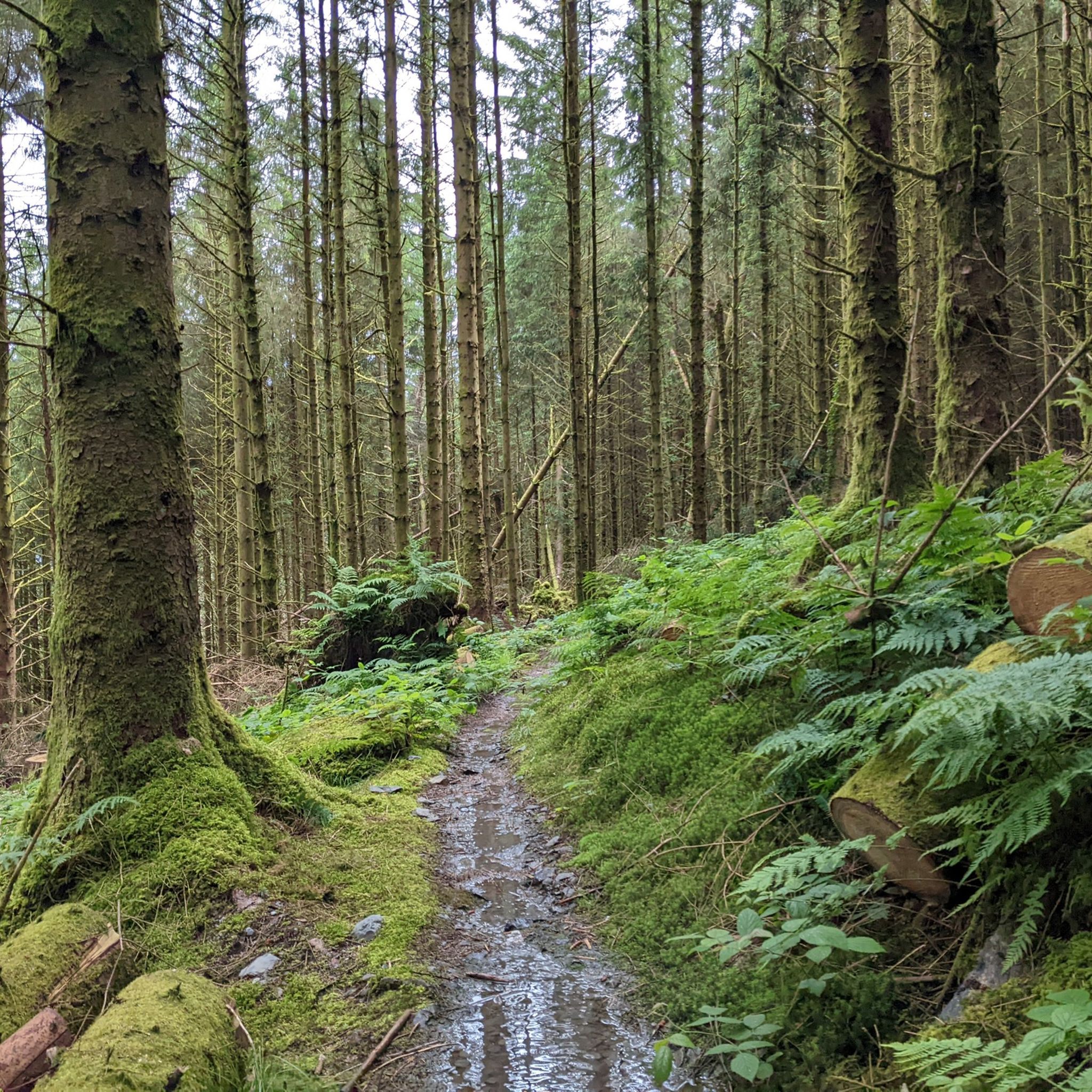
If you're planning to ride this route from south to north after autumn, be prepared for a wet experience—especially on a rainy day. The summit offers stunning, open views, but you'll need to tackle large, deep puddles that will likely leave your feet soaked. On the descent, expect a tricky combination of slick, leaf-covered rocks and a stream of water flowing down the trail, if heavy rain. It's a technical challenge, and even walking your bike can be risky on the slippery terrain.
0
0

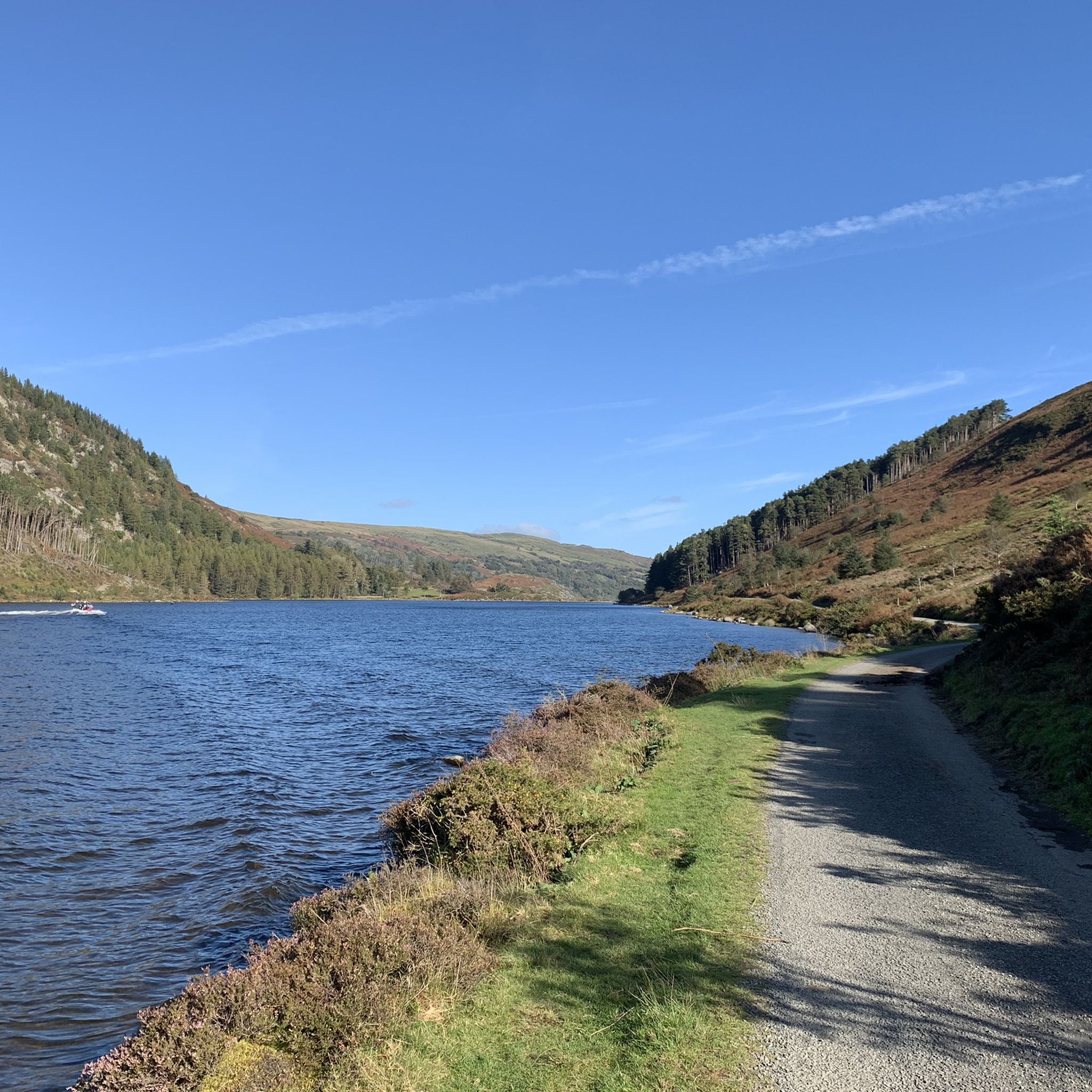
This is a serene lake located in the Conwy Valley surrounded by forested hills and the rugged landscape of Snowdonia. There's a cafe and fishery further south along the lake which is a lovely place to stop and refuel.
2
0

Betws-y-Coed is a village and community in the Conwy valley in Conwy County Borough, Wales, located in the historic county of Caernarfonshire, right on the boundary with Denbighshire, in the Gwydir Forest. It is now a very popular visitor destination in the Snowdonia National Park. Popular with cyclists a fantastic area if you enjoy a good climb.
2
0
Llyn Crafnant is a lake that lies in a valley in Wales where the northern edge of the Gwydir Forest meets the lower slopes of the Carneddau mountains and, more specifically, the ridge of Cefn Cyfarwydd. The head of the valley offers a profile of crags which are silhouetted at sunset. The Forest Park guide (2002) states that "the (view along Llyn Crafnant) is one of the most breathtaking views in all Snowdonia" Crafnant takes its name from “craf”, an old Welsh word for garlic, and “nant”, a stream or valley. Many visitors walk there from the village or from the neighbouring lake of Llyn Geirionydd, which runs parallel to it, but a mile distant, the two being separated by Mynydd Deulyn – “mountain of the two lakes”. The lake can also be reached on foot from Capel Curig.
1
0
Frequently Asked Questions
How many gravel bike trails are available in Coed Hafod?
Coed Hafod offers a diverse network of over 25 gravel bike trails. These routes primarily cater to moderate and difficult ability levels, providing varied terrain through woodlands and along lake shores.
Are there any beginner-friendly gravel bike routes in Coed Hafod?
While Coed Hafod is known for its challenging terrain, there are a few moderate options. For a route that balances scenic beauty with a manageable distance, consider the Betws-y-Coed Village – Llyn Parc loop from Betws-y-Coed. This route is rated moderate and covers about 18.5 miles (29.7 km).
What is the best time of year for gravel biking in Coed Hafod?
The region's dense woodlands and varied terrain make it enjoyable throughout much of the year. Spring and autumn offer pleasant temperatures and vibrant scenery. While winter conditions can be challenging due to potential mud and colder weather, experienced riders can still find rewarding routes.
Are there any circular gravel bike routes in Coed Hafod?
Yes, many of the gravel bike routes in Coed Hafod are designed as loops. For a significant circular challenge, the Betws-y-Coed Village – Llyn Crafnant loop from Llyn y Parc is a popular choice, covering over 37 miles (60 km) through forests and along lake shores.
What are the typical difficulty levels for gravel biking in Coed Hafod?
Gravel biking in Coed Hafod is characterized by significant elevation changes, making most routes moderate to difficult. Out of the 27 available tours, 6 are rated moderate and 21 are considered difficult, offering challenging climbs and rewarding descents.
Is public transport available to access gravel bike trails in Coed Hafod?
Access to Coed Hafod's trails often involves reaching towns like Betws-y-Coed, which has train and bus connections. From there, you might need to cycle a short distance to the trailheads. It's advisable to check local transport schedules and bike carriage policies before planning your trip.
Where can I find parking for gravel biking in Coed Hafod?
Parking is generally available in and around key access points like Betws-y-Coed village. Many trailheads, especially those within the Gwydir Forest Park, also have designated parking areas. Always check local signage for any parking fees or restrictions.
What do other gravel bikers enjoy most about Coed Hafod?
The komoot community highly rates Coed Hafod, with an average score of 4.4 stars from over 100 reviews. Riders frequently praise the challenging terrain, the beauty of the dense woodlands, and the serene lake views that define the region's gravel routes.
Are there any advanced gravel biking routes for experienced riders?
Absolutely. Coed Hafod is well-suited for advanced gravel bikers looking for a challenge. The Gwydir Mawr Trail is a prime example, known for its challenging sections and scenic views within the Gwydir Forest. Another demanding option is the Paradwys Picsi MTB Trail – Betws-y-Coed Village loop from Betws-y-Coed, which covers over 48 miles (77 km).
Are there any cafes or pubs near the gravel bike trails in Coed Hafod?
Yes, the village of Betws-y-Coed, often a starting point for many routes, offers several cafes and pubs where you can refuel. Many establishments in the area are accustomed to outdoor enthusiasts and may offer bike parking facilities. For a route that passes through varied landscapes, including potential stops, consider the Llyn Crafnant – Betws-y-Coed Village loop from Betws-y-Coed.
What kind of terrain can I expect on Coed Hafod's gravel bike trails?
You can expect a mix of dense woodlands, forest tracks, and paths along serene lake shores. The terrain is often hilly with significant elevation changes, providing both challenging climbs and exhilarating descents. The landscape is characteristic of North Wales, offering a diverse environment for off-road exploration.
Most popular routes around Coed Hafod

Get inspired with the komoot mobile app


Explore more
Browse the best Gravel rides in other regions.
