The best gravel rides around Schweriner Lake
4.5
(9)
31
riders
4
rides
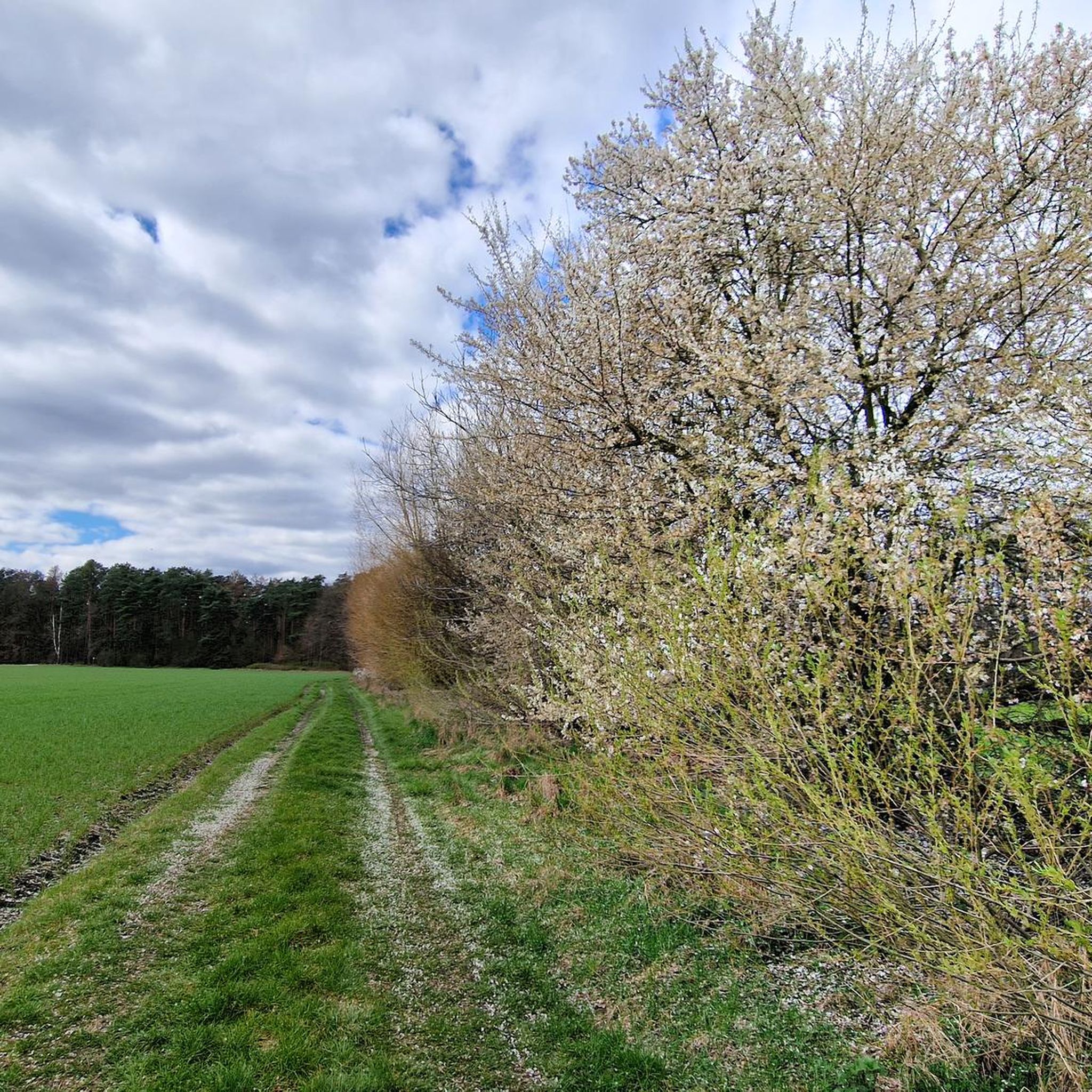
Gravel biking around Schweriner Lake offers diverse landscapes within Mecklenburg-Vorpommern, Germany. The region is characterized by its extensive lake district, dense forests, and protected natural areas, providing varied terrain for gravel cyclists. Surfaces include gravel roads, forest tracks, and unpaved farm and field paths, offering a dynamic experience. This area is part of the Mecklenburg Lake District, known for its natural features and biodiversity.
Best gravel bike trails around Schweriner Lake
- The most popular gravel bike trail is Bridge over…
Last updated: July 2, 2026
4.5
(2)
5
riders
58.2km
03:21
210m
210m
Moderate gravel ride. Good fitness required. Mostly paved surfaces. Suitable for all skill levels.
3
riders
26.8km
01:40
70m
70m
Hard gravel ride. Great for any fitness level. You may need to push your bike for some segments of this route.

Sign up for free
5.0
(2)
4
riders
45.3km
02:54
170m
170m
Moderate gravel ride. Good fitness required. Mostly paved surfaces. Suitable for all skill levels.
4.0
(5)
19
riders
50.3km
02:55
120m
120m
Hard gravel ride. Good fitness required. You may need to push your bike for some segments of this route.
Our route recommendations are based on thousands of hikes, rides, and runs completed by other people on komoot.
Start today with a free account
Your next adventure awaits.
Login or Signup
Tips from the Community

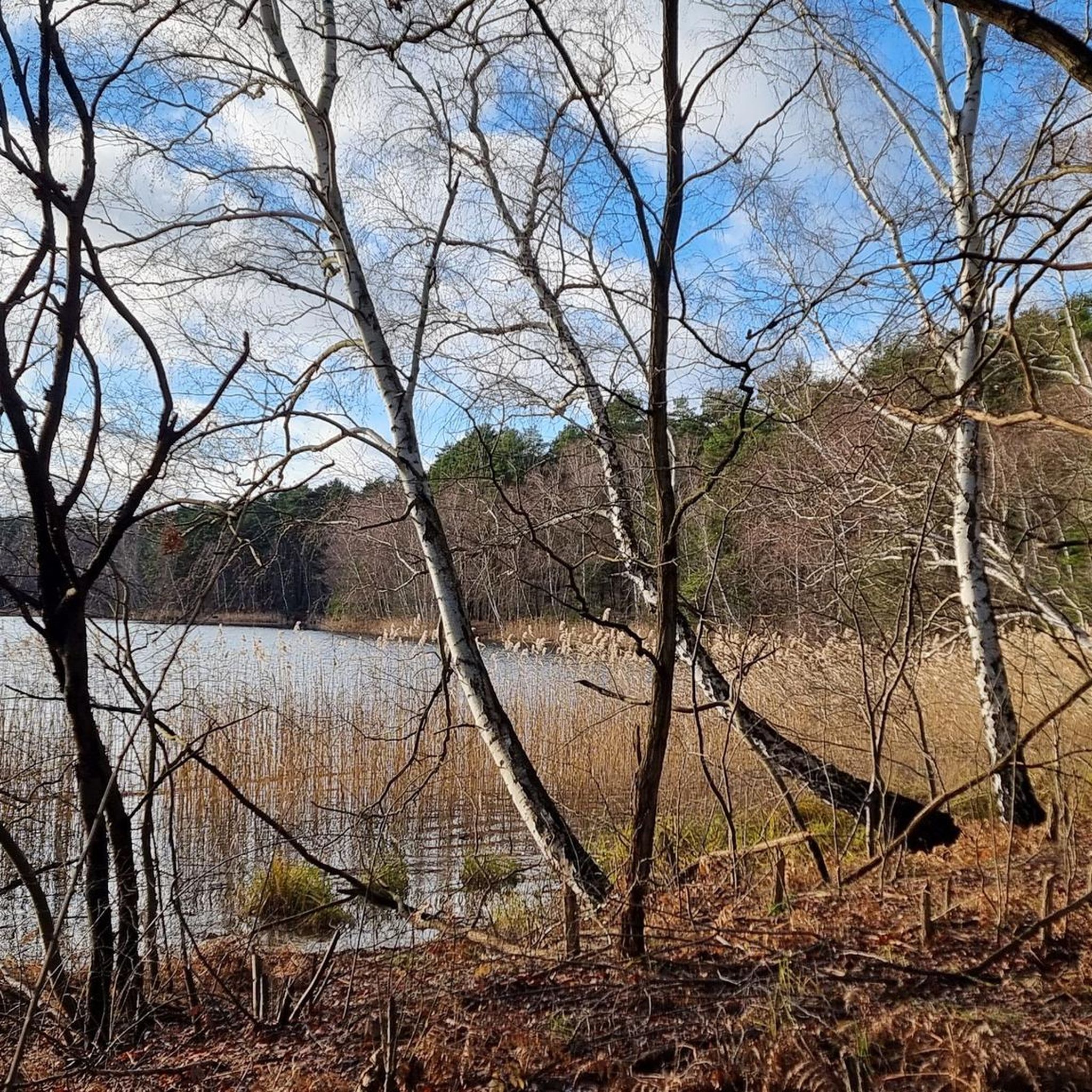
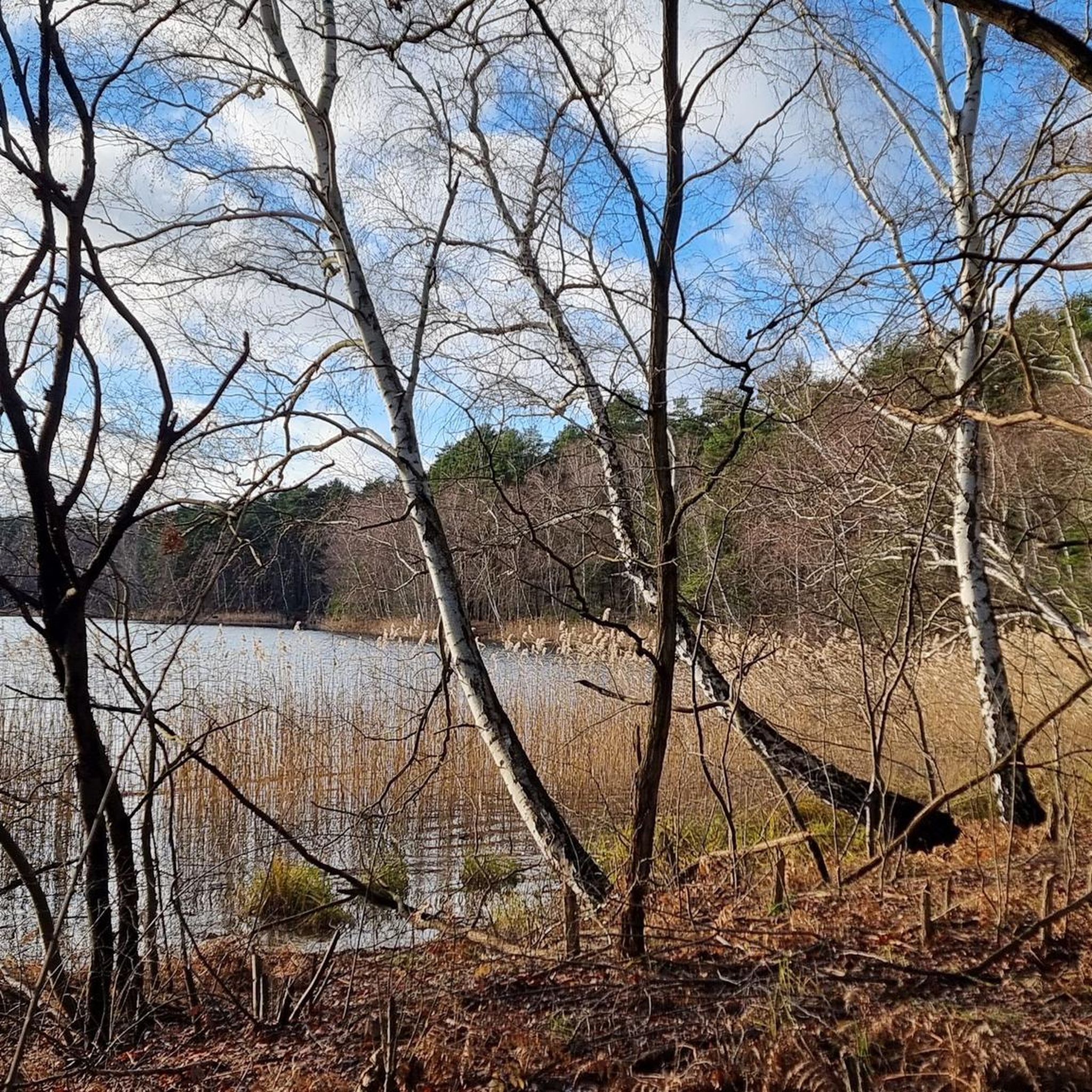
A nice spot to dive into the lake, which belongs to a chain of lakes. Two benches are available, and near the road there is also a covered seating area. Even a tent could be pitched here.
1
0

A great lake for swimming. Very clear water. The bike path along the western shore is mostly well-paved.
0
0

If you turn off the Gurkenradweg (cucumber cycle path), you'll find a place beyond the village that needs no spectacle: a bench with a roof, a bit of moss, a glassy Spree River, sometimes with swans on it. The Pretschen Spree Pond isn't a destination in the traditional sense—it's simply a good place to slow down. There's a gentle chirping here, the willows hang low, and if you're lucky, you might even see the church tower in the background. A rest stop that seems out of time—just right for a banana, a sandwich, and a moment to yourself.
0
0
This simple yet charming pedestrian bridge marks one of the most beautiful crossings of the Spree south of Neuendorf am See – a place that doesn't impose itself loudly, but quietly seduces. Ideal for hikers seeking the water and for paddlers who trust the river's flow. For hikers: The bridge is a hub on regional walking and hiking trails – those coming from the center of Neuendorf will encounter an almost meditative scenery: reflective water, wide meadows, gently rustling willows. Particularly rewarding at sunrise or in the evening hours, when the sky and landscape merge into one. For canoeists: From a kayak, the bridge appears almost sculptural. It spans the Spree with a gentle sweep, signaling: Here the river flows gently, but not without depth. A good opportunity for a rest, as there are shallow spots along the bank for landing. If you like, you can dock briefly and climb the few steps up to the bridge – the view is worth it.
0
0

Well-paved roadside cycle path between Wendisch-Rietz and Dahmsdorf
0
0

The lock, which has existed since 1865, was renovated in 1965 with concrete chamber walls and automated in 2004. The lock is activated using the request levers at the waiting points in the respective outer harbor. During operation in the summer months, up to 10,000 pleasure boats are on the move here. It is one of three locks that must be overcome on the way from Berlin to Scharmützelsee.
14
0

The waterways in the Margraviate of Brandenburg were already important transport routes for bulk goods in the Middle Ages. With the expansion of the Dahme waterway in the 19th century, the construction of several new locks at the river's barrages became necessary. This was also the case in the area of the Kummersdorf lock. This was built between 1862 and 1865. In the first two years, 1,009 barges and 84 rafts were locked through each year, mainly with bulk goods such as grain, wood, peat and bricks. The waterway was used extensively for transporting wood towards Berlin. The waterway was originally designed for barges according to the Finow dimension. Shortly before the end of the Second World War, the lock was blown up. The lock was renovated in 1966 and 1967. According to the Federal Waterways and Shipping Administration, around 10,000 sports and leisure boats and passenger ships currently pass through the lock every year.
0
1
The canal developed from the Storkower Flößerkanal, which was built in 1732 and expanded into a canal under the reign of Frederick II in the middle of the 18th century. Used for centuries to supply Berlin with timber and bricks, its current transport importance lies largely in the leisure and tourism industry. As a rule, it is only used by passenger ships, pleasure boats and for water hiking.
0
0
Frequently Asked Questions
How many gravel bike trails are available around Schweriner Lake?
You'll find over a dozen dedicated gravel bike trails around Schweriner Lake, offering a variety of routes to explore the region's diverse landscapes.
What is the typical difficulty level of gravel bike trails in the Schweriner Lake region?
The trails around Schweriner Lake are primarily moderate to difficult, offering a good challenge for experienced gravel bikers. There are 7 moderate routes and 5 difficult routes, ensuring varied terrain and engaging rides.
Are there any circular gravel bike routes around Schweriner Lake?
Yes, many of the gravel bike routes around Schweriner Lake are designed as loops. For example, you can enjoy the Königs Wusterhausen Palace – Neue Mühle Lock loop from Kummersdorf (bei Storkow), which is a moderate 57 km trail, or the Kummersdorf Lock – Dobrasee swimming spot loop from Kummersdorf (bei Storkow), a moderate 34.1 km path.
What kind of landscapes can I expect to see on a gravel bike tour around Schweriner Lake?
Gravel biking around Schweriner Lake offers a rich tapestry of landscapes. You'll encounter extensive lake views, dense forests, rolling hills, and protected shore regions. The area is part of the Mecklenburg Lake District, known for its untouched nature and biodiversity, including an EU bird sanctuary.
What are some notable attractions or viewpoints along the gravel bike trails?
While cycling, you'll often catch glimpses of the magnificent Schwerin Castle, sometimes called the 'Neuschwanstein of the North,' situated on its own island. Other attractions in the region include Wiligrad Castle and Park, the Open-Air Museum Schwerin-Mueß, and various observation towers offering panoramic views of the lake and surrounding forests.
What do other gravel bikers enjoy most about gravel biking in Schweriner Lake?
The komoot community highly rates the gravel biking experience around Schweriner Lake, with an average score of 4.6 stars from over 21 reviews. Riders often praise the diverse terrain, the stunning lake views, and the opportunity to explore the region's natural beauty.
Are there any longer gravel bike routes for extended rides?
Absolutely. For a longer ride, consider the Kummersdorf Lock – View of the Dahme River loop from Kummersdorf (bei Storkow), a moderate 68.7 km trail. Another excellent option is the Springsee – Great Glubig Lake loop from Kummersdorf (bei Storkow), which covers 58.4 km.
What is the best season for gravel biking around Schweriner Lake?
The best season for gravel biking around Schweriner Lake is typically spring through autumn, when the weather is mild and the natural scenery is at its most vibrant. While some paths are paved, certain segments, especially on the 'Outer Lake,' can include loose sand, which is more manageable in drier conditions.
Are there any specific challenges or unique features for gravel bikers in this region?
The region offers a mix of paved paths and segments with loose sand, particularly around the 'Outer Lake,' which can add a challenging element suitable for gravel bikes. The diverse terrain, from dense forests to rolling hills, ensures a varied and engaging ride.
Can I find trails that are suitable for more experienced gravel bikers?
Yes, there are several routes designed for experienced gravel bikers. For instance, the View of the Dahme River – Dobrasee swimming spot loop from Streganz is a difficult 34.1 km trail that features varied terrain, perfect for those seeking a greater challenge.
Are there opportunities to spot wildlife while gravel biking around Schweriner Lake?
Yes, the Schweriner Lake landscape is designated as an EU bird sanctuary, offering excellent opportunities to spot rare birds like the white-tailed eagle. The region's untouched nature and rich biodiversity mean you might encounter various wildlife, especially in the dense forests and protected shore regions.
Most popular routes around Schweriner Lake

Get inspired with the komoot mobile app


Explore more
Browse the best Gravel rides in other regions.
