Top 20 Caves around Sonnenbühl
Best caves around Sonnenbühl are found in the Swabian Alb region, an area known for its geological formations. The landscape features numerous cave systems, offering insights into natural history and subterranean environments. These caves are characterized by dripstone formations and unique geological features. The region provides opportunities to explore these natural landmarks.
Best caves around Sonnenbühl
- The most popular caves is Sonnenbühl fog cave, a cave that can be visited without a guide. This cave is known for its…
Last updated: May 10, 2026
Sonnenbühl fog cave
Highlight • Cave
Translated by Google •
Tip by

Maultaschen Restaurant at the Nebelhöhle
Highlight • Restaurant
Translated by Google •
Tip by

Sign up now to discover places like this
Get recommendations on the best single tracks, peaks, & plenty of other exciting outdoor places.
Sign up for free
Tufa cave at Upper Gönninger Lake
Highlight • Cave
Translated by Google •
Tip by

Sommerkirch Cave
Highlight • Cave
Translated by Google •
Tip by

Goldloch Cave
Highlight • Cave
Translated by Google •
Tip by

Sign up for free to discover even more caves around Sonnenbühl.
Sign up for free
Already have an account?
Start today with a free account
Your next adventure awaits.
Login or Signup
Popular around Sonnenbühl
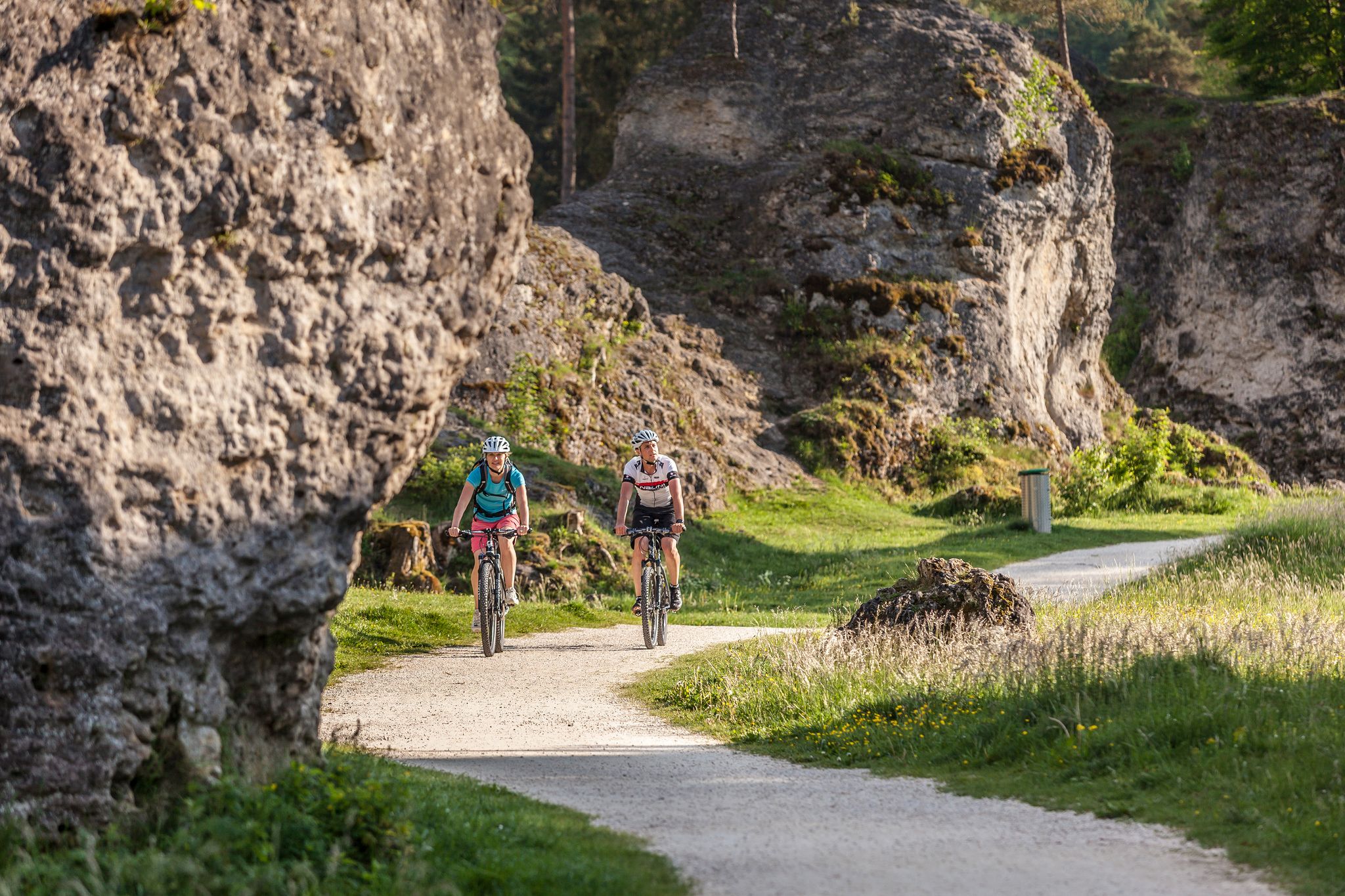
Experience nature by bike in the Swabian Jura
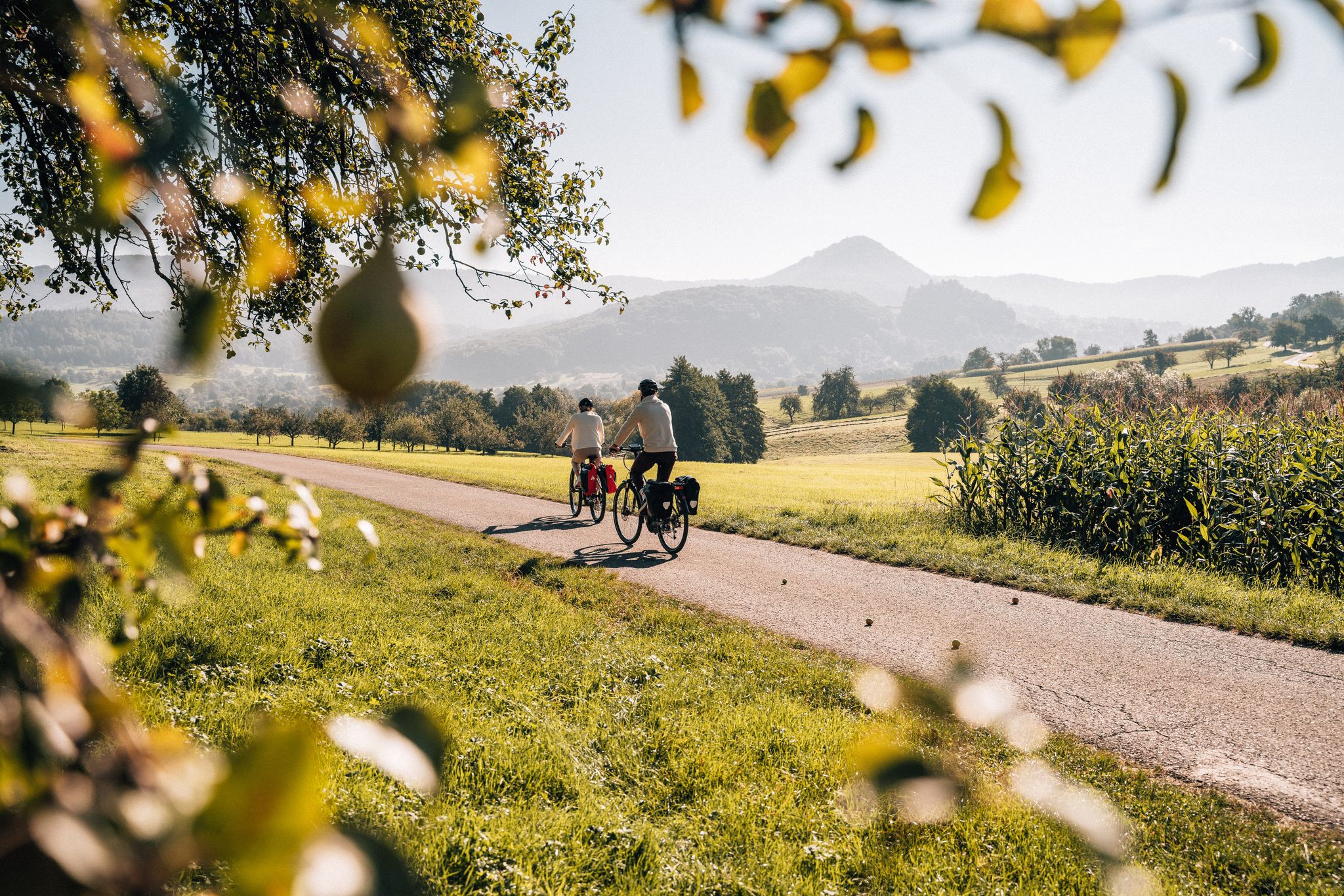
Cycle the Swabian Alb Cycle Path to Lake Constance
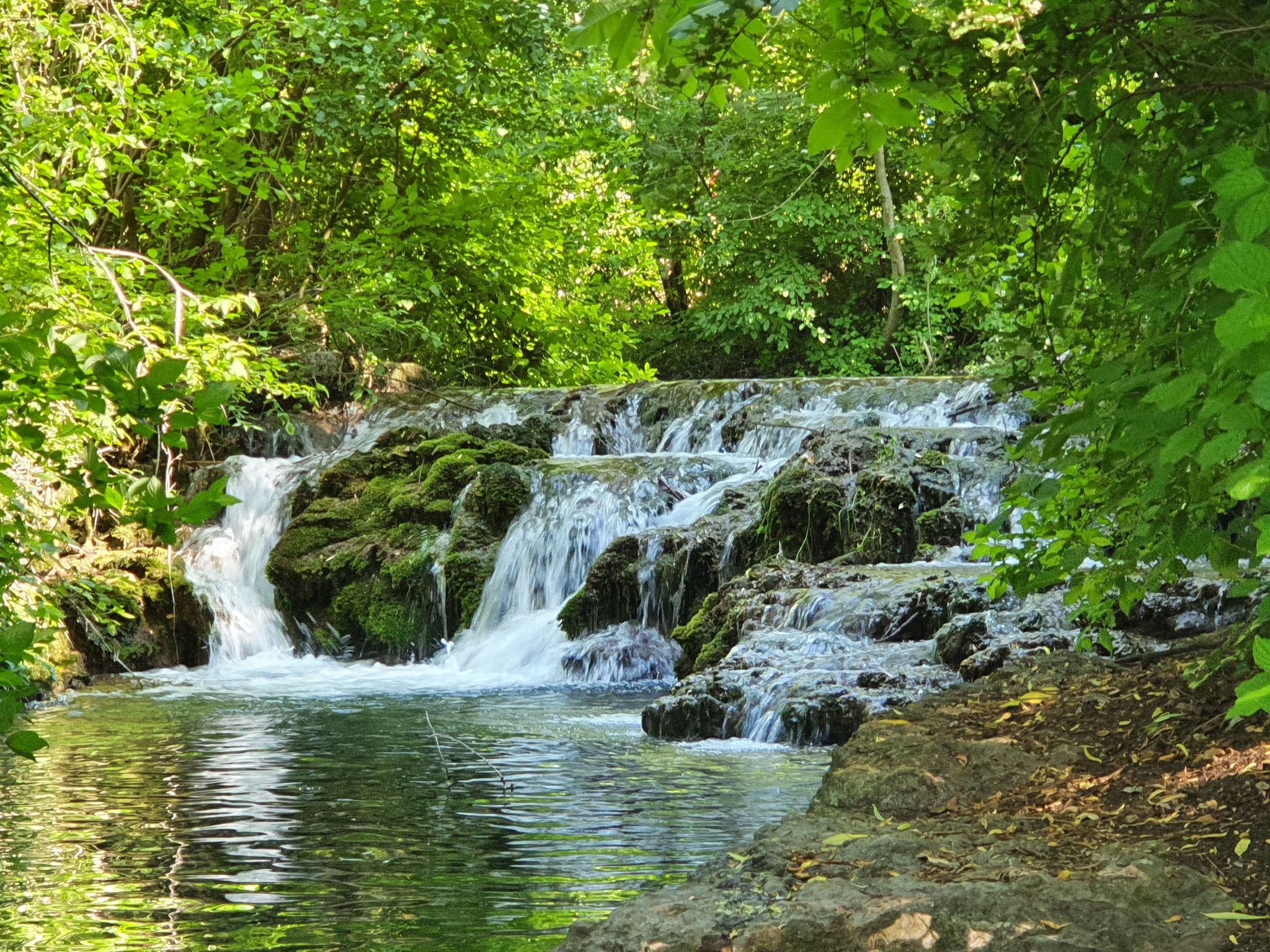
Explore the myths of the Swabian Alb – 20 fantastic bike Tours
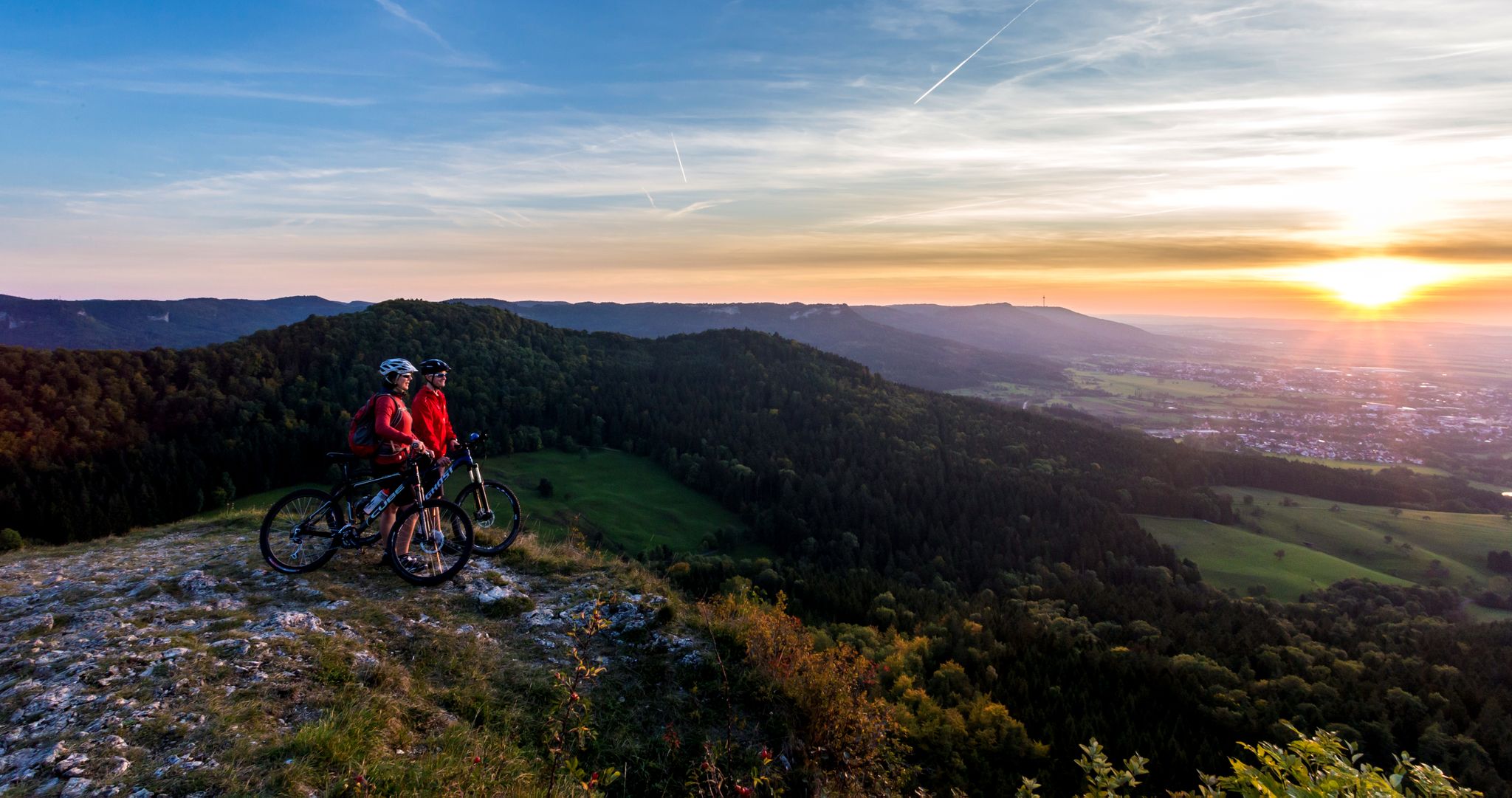
Alb-Crossing in Germany – traversing the Swabian Alb by bike
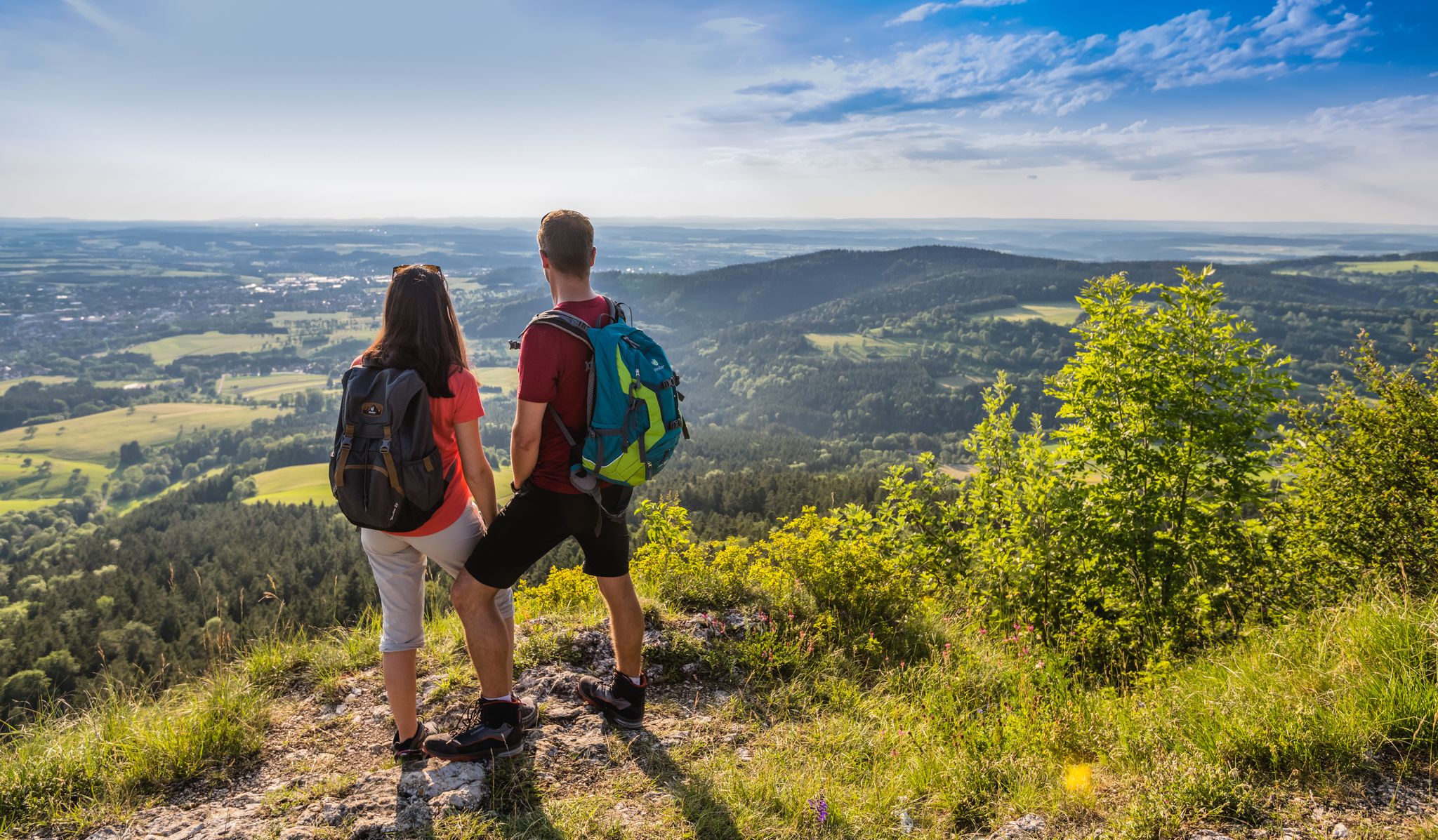
The Swabian Albsteig (HW1) – 16 stages of panoramic views
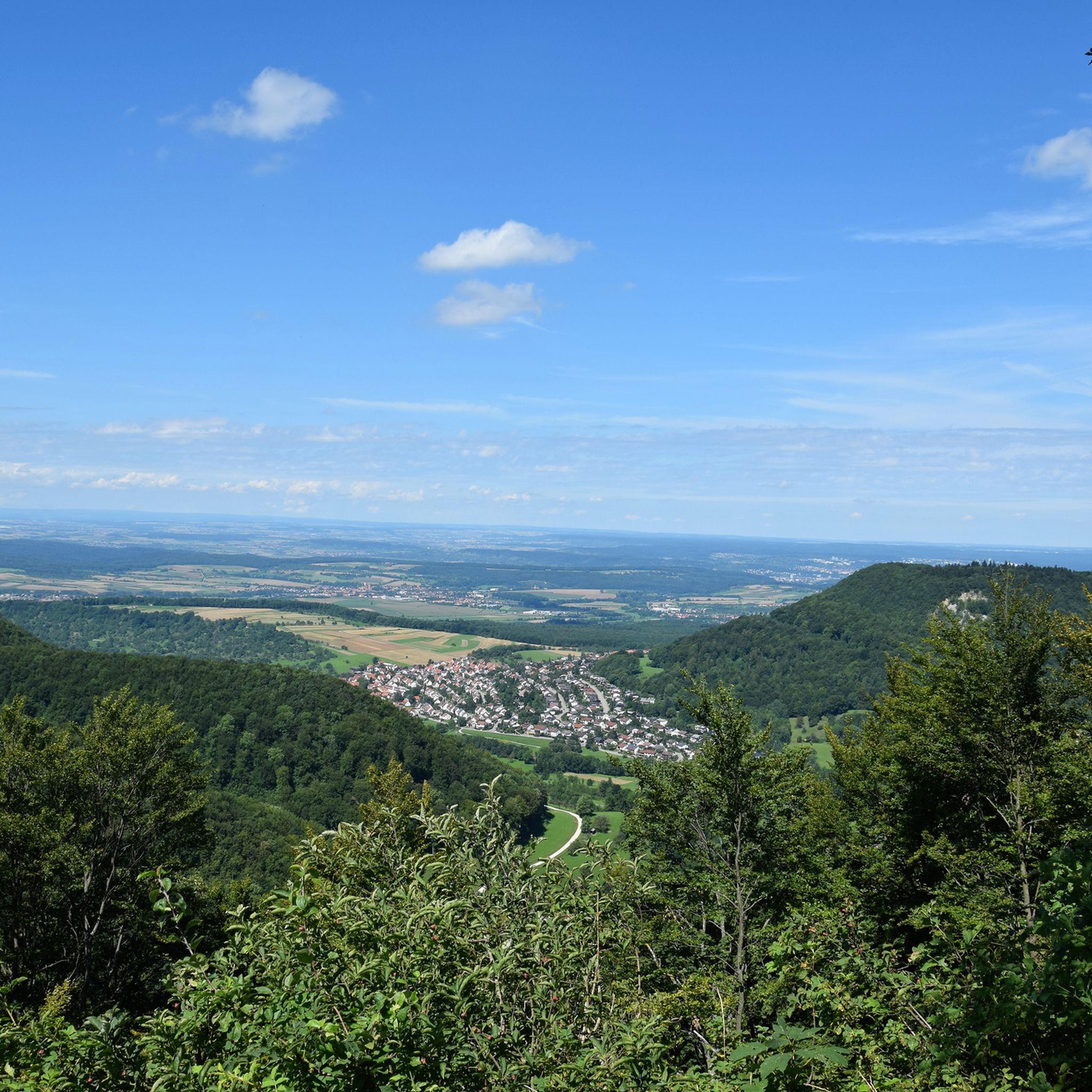
Hiking around Sonnenbühl
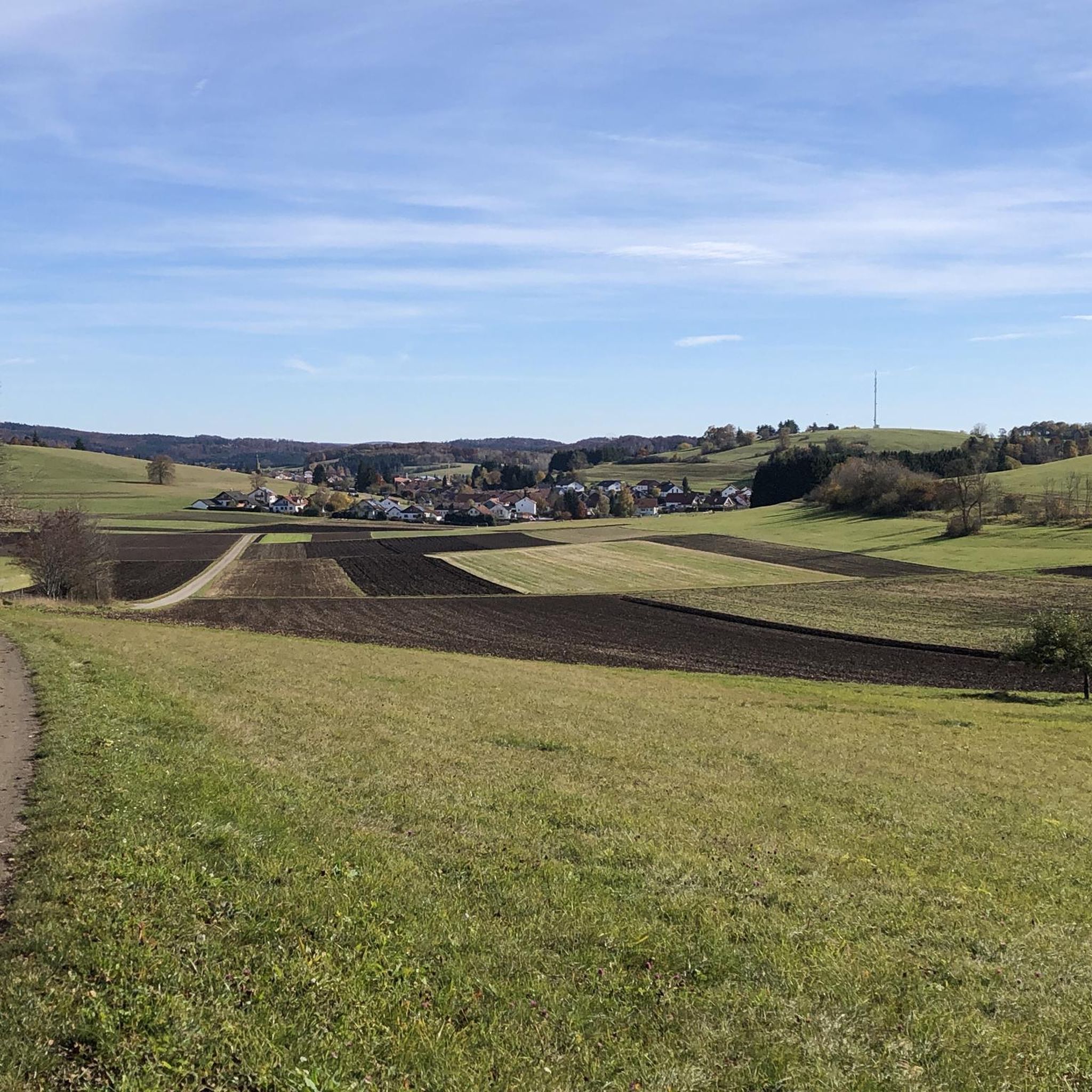
Cycling around Sonnenbühl
MTB Trails around Sonnenbühl
Road Cycling Routes around Sonnenbühl
Running Trails around Sonnenbühl
Other adventures around Sonnenbühl

Tips from the Community

Dimension: ~ Size: 6 m long, 7 m wide, 2 m high The natural monument - also called the summer church, the cave at the Sommerkirchhalde or the Sommerkirch cave - is a rock overhang and once served as a dwelling for Stone Age people, which was proven by animal bones (including reindeer, cave bear and rhinoceros), shards and stone tools found during test excavations in the 1940s. 🤩👍
0
0

Former tufa quarry, where "cauliflower" tufa remains can still be seen. A small steep path leads to a viewpoint over the Upper Gönniger Lake and explanations of the formation of tufa.
5
0

a hill where Stone Age people lived.
0
0

The Maultaschenwirt is located in the large square in front of the cave. Right next to it is a nice children's playground.
11
0

Not a very deep cave. At the moment you have to pass numerous fallen trees in front of the cave.
3
1

Exactly at the cave, the path continues up to the left and then you come up
1
0

You have to be careful not to walk past. Only 20m next to the path but not clearly visible
4
0

a very interesting rock landscape
11
0
Frequently Asked Questions
What are the most popular caves to visit around Sonnenbühl?
The Sonnenbühl fog cave (Nebelhöhle) is highly popular, known for its impressive dripstone formations and the unique phenomenon of self-generated fog. Another well-regarded site is the Tufa cave at Upper Gönninger Lake, which features interesting rock landscapes and a viewpoint.
Are there any family-friendly caves in the Sonnenbühl region?
Yes, the Sonnenbühl fog cave is considered family-friendly. While it can be explored without a guide, sturdy footwear is recommended due to potentially slippery paths and some low ceiling areas. The nearby Bärenhöhle (Bear Cave), mentioned in region research, is also very popular with families, especially with the adjacent 'Traumland auf der Bärenhöhle' amusement park.
What historical significance do the caves around Sonnenbühl hold?
Many caves in the region have historical importance. The Sonnenbühl fog cave is one of the oldest show caves in the Swabian Alb, with documentation dating back to 1486, and legend says Duke Ulrich von Württemberg hid there in 1519. The Sommerkirch Cave, a rock overhang, once served as a dwelling for Stone Age people. The Bärenhöhle (Bear Cave) is famous for numerous Ice Age cave bear bones found within it.
What natural features can I expect to see in the caves?
The caves around Sonnenbühl are rich in geological formations. The Sonnenbühl fog cave and Bärenhöhle are known for their impressive dripstone formations, including stalactites and stalagmites. The Tufa cave at Upper Gönninger Lake showcases unique "cauliflower" tufa remains. The Goldloch Cave also features very nice stalactites.
What is the best time to visit the caves in Sonnenbühl?
The Sonnenbühl fog cave is generally open from late March to late October daily, with limited hours in November and March. It closes for winter break and bat protection from December to February. The internal temperature remains consistently between 8-10°C year-round, so bringing warm clothing is advisable regardless of the season. For the Goldloch Cave, it's important to respect the bat protection period from October to March and avoid entering during these months.
How long does it take to explore the Nebelhöhle (Sonnenbühl fog cave)?
The Sonnenbühl fog cave offers a 450-meter path for visitors, which includes 141 steps. You can also explore smaller side paths. Since it can be visited without a guide, you can take your time, but a typical visit might last anywhere from 45 minutes to an hour or more depending on your pace and interest in the formations.
Are there hiking or cycling routes near the caves around Sonnenbühl?
Yes, the region offers various outdoor activities. You can find numerous mountain hikes around Sonnenbühl, including routes like the 'Wackerstein – Schönberg Tower loop' or the 'Lichtenstein Castle – View of Lichtenstein Castle loop'. For cyclists, there are MTB trails and road cycling routes available, such as the 'Kalkofen to Nebelhöhle Road' for road biking. You can explore these options further in the Mountain Hikes around Sonnenbühl, MTB Trails around Sonnenbühl, and Road Cycling Routes around Sonnenbühl guides.
What should I wear when visiting the caves?
Given the consistent cool temperatures inside the caves (8-10°C in the Sonnenbühl fog cave), it's advisable to bring something warm to wear, even in summer. Sturdy footwear is also highly recommended, as paths can be slippery, and some areas may have low ceilings requiring careful navigation.
Are there dining options near the Nebelhöhle?
Yes, the Maultaschenwirt at the Nebel Cave is an excellent restaurant located directly at the Sonnenbühl fog cave. It's known for delicious Maultaschen dishes and local Ulrichsbier, as well as cake and coffee.
Do I need a permit to visit the caves in Sonnenbühl?
For show caves like the Sonnenbühl fog cave, you typically purchase an entrance ticket, which serves as your permit to access the designated visitor areas. For natural monuments like the Goldloch Cave, which is freely accessible, no permit is required, but it's crucial to respect bat protection periods from October to March.
What makes the Bärenhöhle (Bear Cave) unique compared to other caves?
The Bärenhöhle, located near Sonnenbühl-Erpfingen, is particularly unique due to the extensive number of bones and skeletons of Ice Age cave bears found within it. It served as a significant shelter for these animals, and a restored bear skeleton is on display. This offers a tangible connection to prehistoric life beyond its impressive dripstone formations.
Can I find viewpoints near the caves?
Yes, the Tufa cave at Upper Gönninger Lake features a small steep path leading to a viewpoint overlooking the lake. While the region research mentions viewpoints near Bärenhöhle, specific highlight data for those is not provided in this guide.
Most popular routes around Sonnenbühl
Most popular attractions around Sonnenbühl

Get inspired with the komoot mobile app


Explore more
Extend your search for the best caves by checking out these guides of the top ones around Sonnenbühl:
