The best gravel rides around Reserva Natural do Paul de Arzila
5.0
(1)
35
riders
8
rides
Gravel biking around Reserva Natural do Paul de Arzila offers routes through a unique wetland ecosystem near the Mondego River, characterized by diverse vegetation and rich birdlife. The reserve encompasses valleys, forested areas, and marshlands, providing varied terrain for cycling. While primarily a natural reserve, its existing walking paths and rural roads are suitable for gravel biking. The landscape features hygrophilous vegetation, including bulrushes, reeds, willows, and Scots pine, alongside wooden bridges that add to the route experience.
Best gravel…
Last updated: July 2, 2026
3
riders
50.9km
03:23
570m
570m
Hard gravel ride. Very good fitness required. Mostly paved surfaces. Suitable for all skill levels.
5.0
(1)
1
riders
39.8km
03:03
740m
740m
Hard gravel ride. Very good fitness required. Mostly paved surfaces. Suitable for all skill levels.

Sign up for free
1
riders
35.0km
02:30
540m
540m
Hard gravel ride. Very good fitness required. Mostly paved surfaces. Suitable for all skill levels.
2
riders
Hard gravel ride. Very good fitness required. Mostly paved surfaces. Suitable for all skill levels.
1
riders
Hard gravel ride. Very good fitness required. Mostly paved surfaces. Suitable for all skill levels.
Get access to more routes and recommendations from other explorers.
Sign up for free
Already have an account?
Our route recommendations are based on thousands of hikes, rides, and runs completed by other people on komoot.
Start today with a free account
Your next adventure awaits.
Login or Signup
Popular around Reserva Natural do Paul de Arzila

Tips from the Community

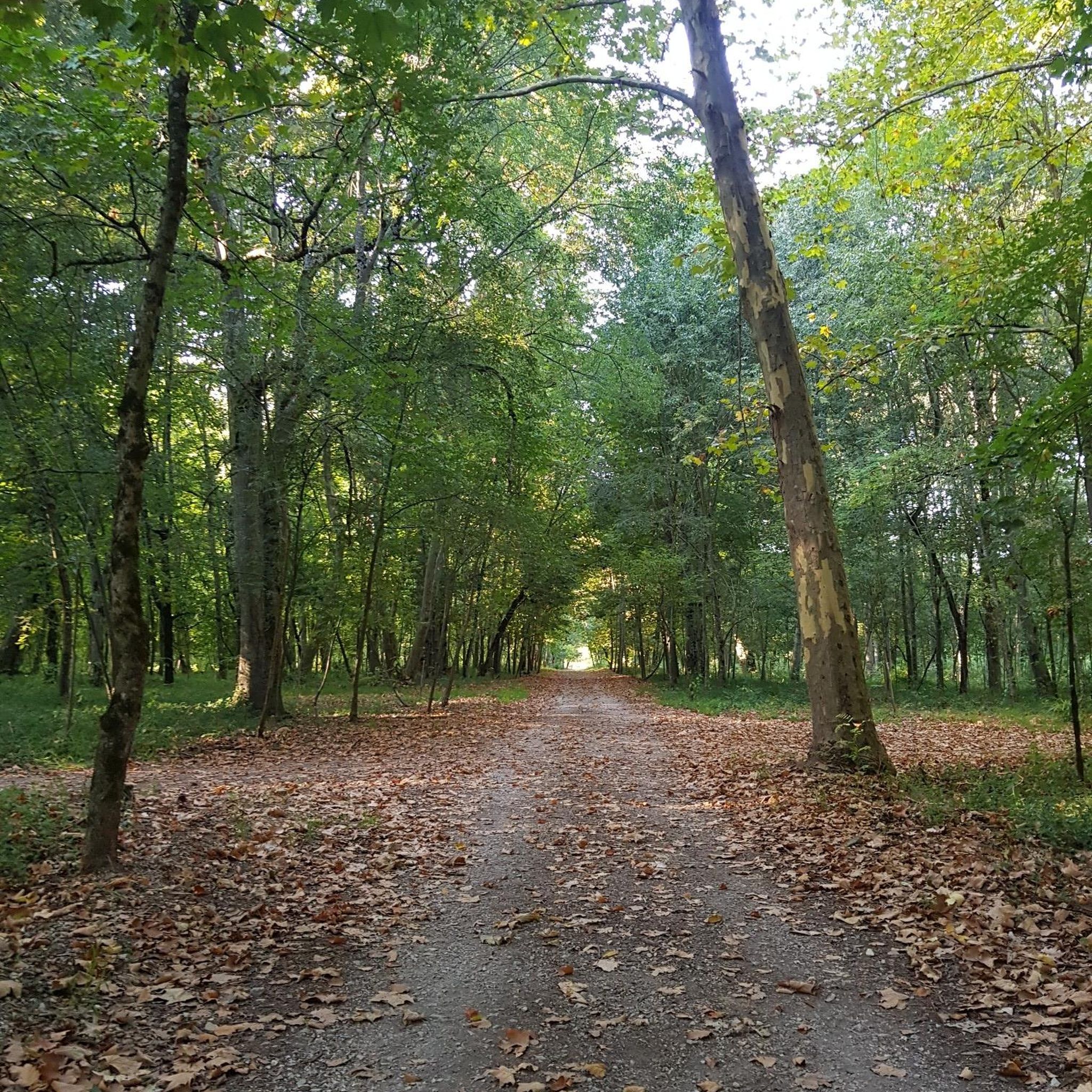
An excellent place for a hike or simply a walk along the Mondego river, from Choupal to the Convent of São Francisco. Steps for Peace Hike, to be held on September 27, 2026, during the Season of Creation, on the occasion of the 800th anniversary of the Easter of Saint Francis of Assisi, pioneer of integral ecology and inspirer of Laudato Si'.
0
0

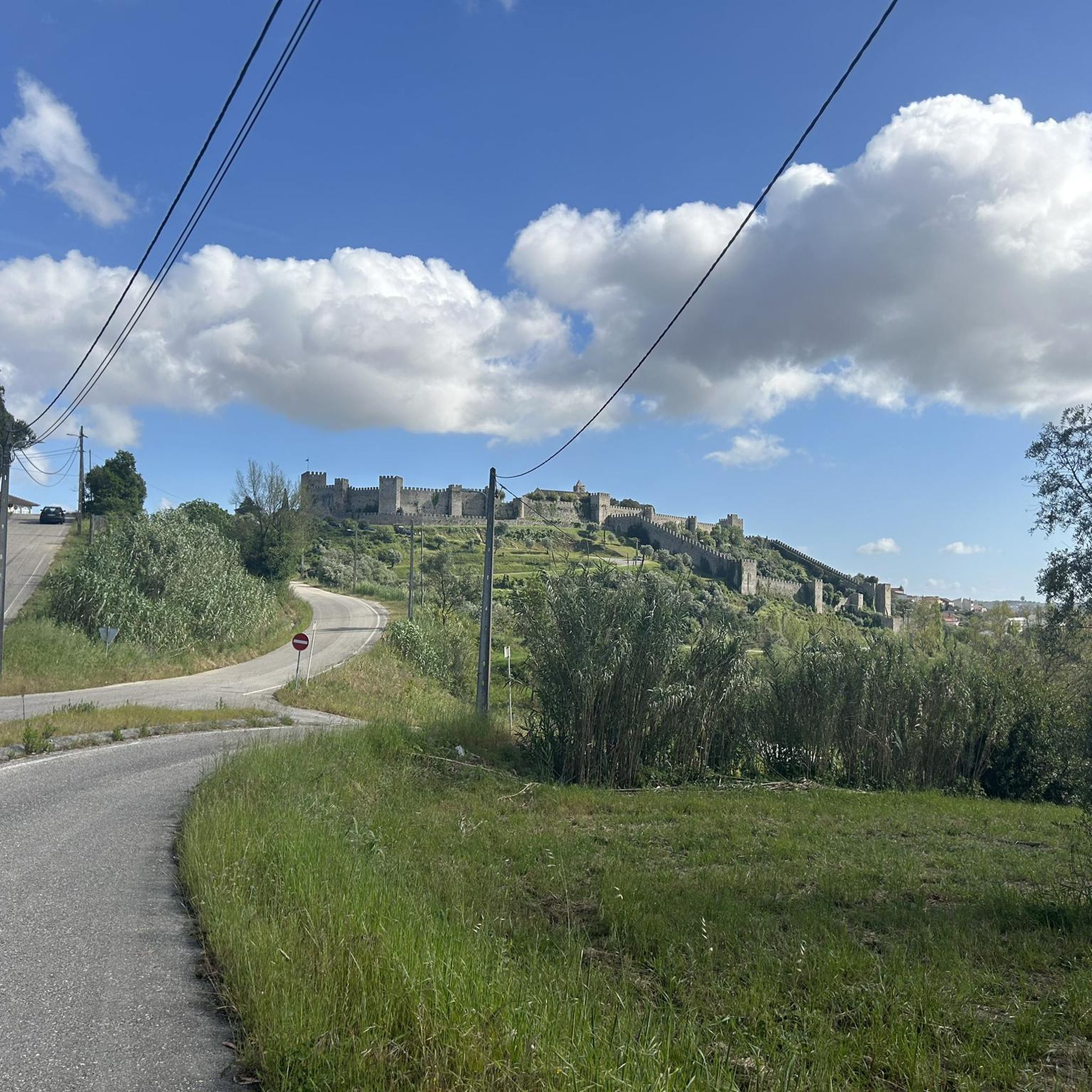
Penela Castle stands atop the rocky outcrop that gave it its name (peñela, "small stone hill"), dominating the town with imposing walls and towers dating from the 15th and 16th centuries. Founded in the 11th century by D. Sesnando Davides, it formed part of the Mondego defensive line, and its walls still reach 19 meters in height today. From the original fortress arose the castle that later served as a keep. On the walls, facing the Serra da Lousã mountain range, stand out arrow slits and loopholes, marks of its long military life, from arrows to firearms. Penela preserves three historical entrances: the Porta da Vila (Town Gate), the evocative Porta da Traição (Gate of Treason), with its double opening and Moorish inspiration, and the Porta do Relógio (Clock Gate), a reminder of the old breach where two towers collapsed in the 1755 earthquake. In short, a castle small in form, but enormous in history.
1
0
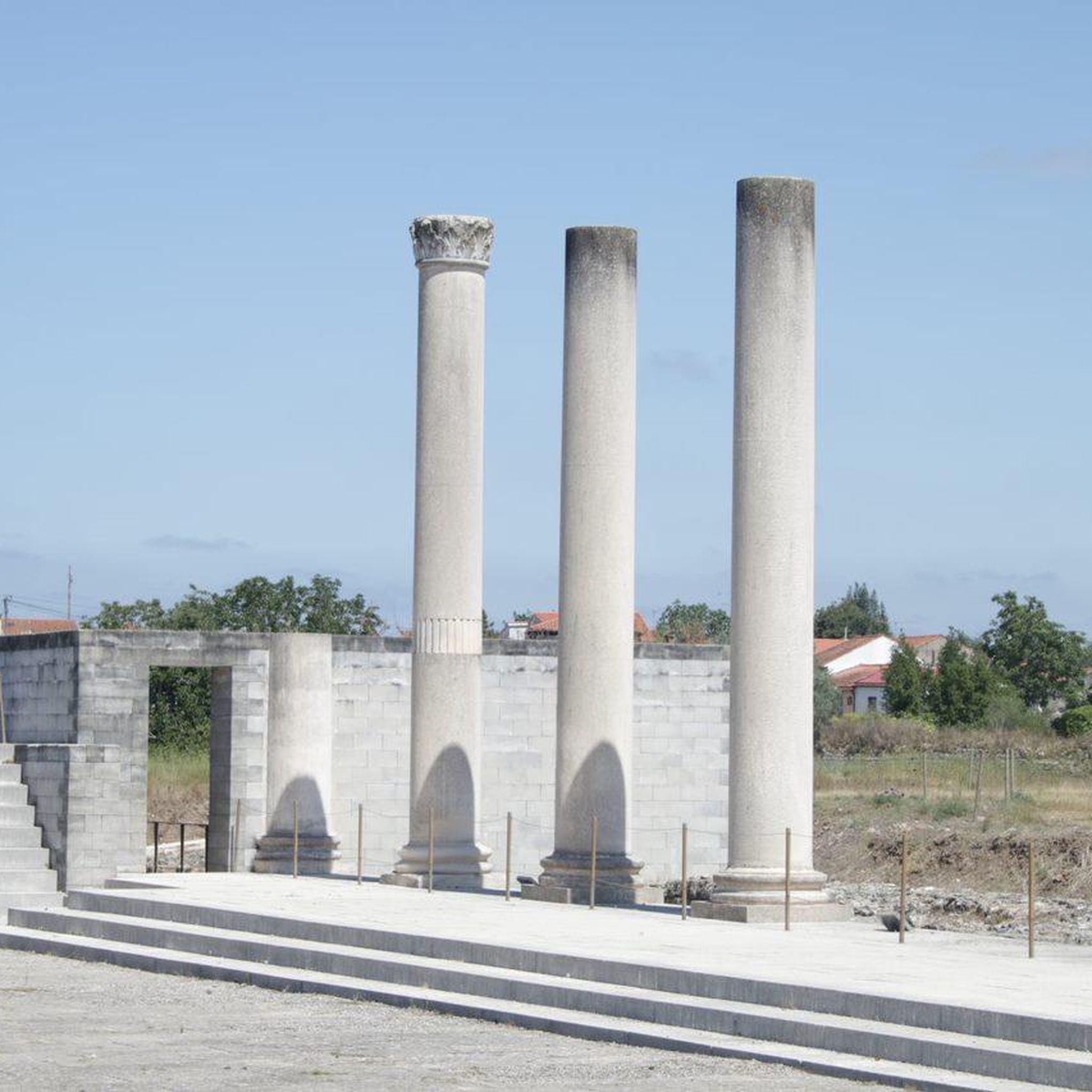
Built in the 1st century, the Castellum of Alcabideque, classified as a National Monument, is an impressive Roman structure designed to capture and raise water from the local spring to the aqueduct that led to Conímbriga, three kilometers away. The name "Alcabideque" preserves this memory: an Arabicized echo of the Latin, caput aquae, "mother of water," a direct reference to the spring that fed the entire system.
2
0

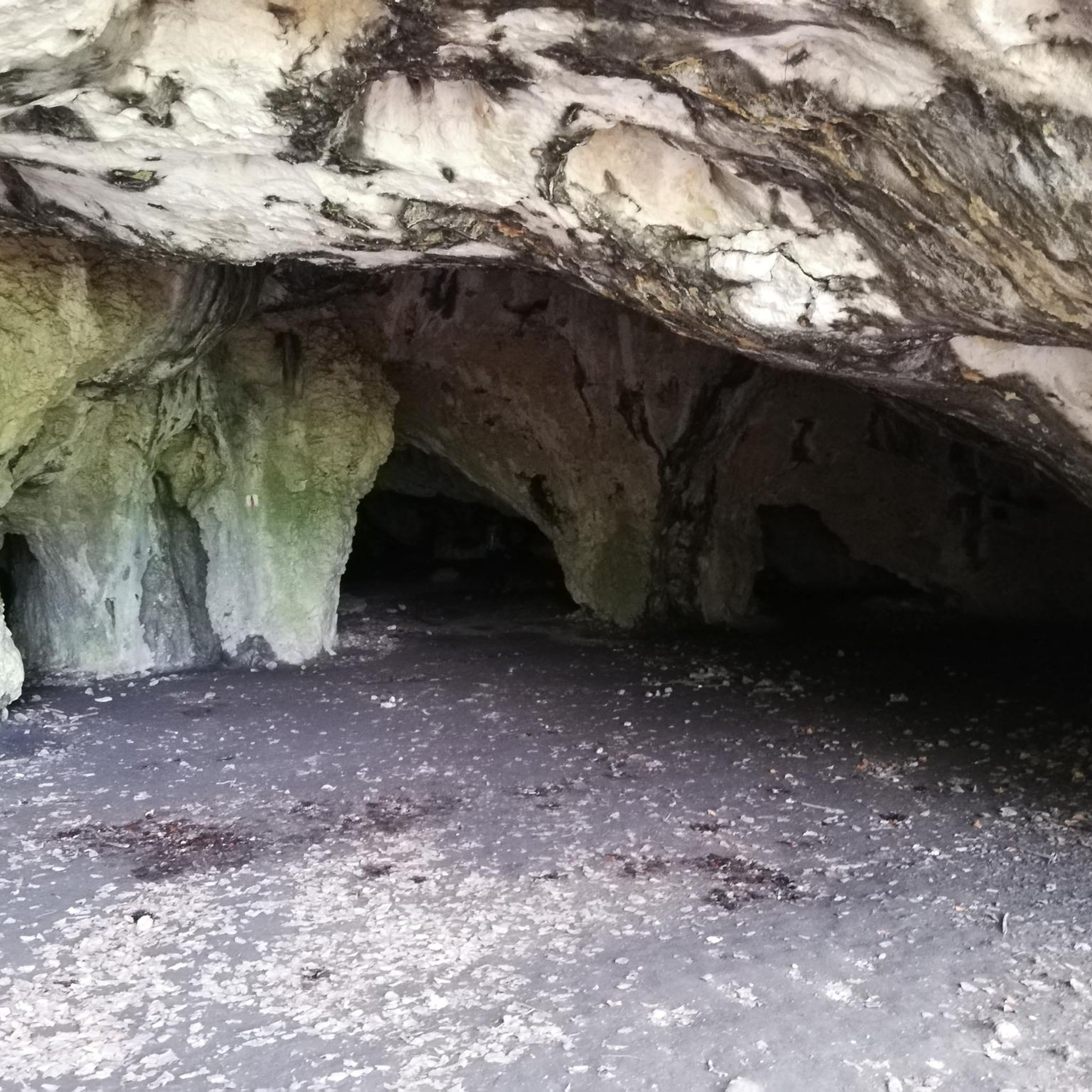
✨ Landscapes of rare natural beauty; 🏞️ Lapiaz, dolines and unique rock formations in Portugal; 🌿 Buracas do Casmilo and Bosque do Vale dos Covões are the highlights; 📸 Ideal for photography, geological observation and contemplation; 🍂 Perfect for autumn, with the valley painted in golden tones.
2
0

The drought continues! There are almost no sinkholes left!
0
0

Bridge built during the Spanish occupation of Portugal (1580-1640). Currently, next to this bridge, there is a place with benches and tables for pilgrims to rest.👍
4
0
Here, you can rest and get your pilgrim's notebook stamped. Restore your physical and spiritual energy to continue your journey.👍
6
0
A place to rest and relax. You can even get your pilgrim's notebook stamped. 👍
6
0
Frequently Asked Questions
What kind of terrain can I expect on gravel bike trails in Reserva Natural do Paul de Arzila?
The Reserva Natural do Paul de Arzila offers a diverse landscape for gravel biking, characterized by its unique wetland ecosystem, forested areas, and rural roads. You'll encounter hygrophilous vegetation like bulrushes and reeds, alongside willows, laurels, Scots pine, and eucalyptus. Many routes feature existing walking paths and even wooden bridges, providing varied surfaces suitable for gravel bikes.
Are there any family-friendly gravel biking options in the Reserva Natural do Paul de Arzila?
While the routes listed in this guide are generally rated as 'difficult' due to significant elevation gain, the reserve is known for its easy, circular walking paths. These paths, often tranquil and scenic, could be suitable for families with older children or those comfortable with moderate distances on gravel bikes. Always check the specific route details for elevation and distance to ensure it matches your family's capabilities.
Can I bring my dog on the gravel bike trails in Reserva Natural do Paul de Arzila?
The Reserva Natural do Paul de Arzila is a protected area known for its rich birdlife and diverse wildlife. While specific regulations for dogs on gravel bike trails are not detailed, it's generally advisable to keep dogs on a leash to protect the local fauna, especially ground-nesting birds and other sensitive species. Always respect local signage and conservation guidelines.
What are the typical distances and durations for gravel bike routes in this region?
Gravel bike routes around Reserva Natural do Paul de Arzila vary in length and duration. For example, the Casmilo Sinkholes – Ponte Filipina loop from Urbanização Fornos de Castel is approximately 39.6 km (24.6 miles) and typically takes around 3 hours 34 minutes. Another route, the EN 342-1 Road – Red Bicycle Path loop from Condeixa-a-Nova, covers about 50.9 km (31.6 miles) and can take over 3 hours. Most routes in the area are considered difficult, involving notable elevation changes.
Are there any circular gravel bike routes available?
Yes, many of the gravel bike routes in and around Reserva Natural do Paul de Arzila are designed as loops, allowing you to start and end at the same point. Examples include the Casmilo Sinkholes – Ponte Filipina loop from Urbanização Fornos de Castel and the Mãe de Água de Alcabideque – Chanca Sinkhole loop from Condeixa-a-Nova. These circular routes are ideal for exploring the region's diverse landscapes without retracing your steps.
What is the best time of year for gravel biking in Reserva Natural do Paul de Arzila?
The Reserva Natural do Paul de Arzila, with its wetland characteristics, can be particularly beautiful in spring and autumn when bird migration is active and vegetation is lush. Summers can be hot, while winters might bring more rain, making some trails muddy. Spring and early autumn generally offer milder temperatures and pleasant conditions for gravel biking, allowing for comfortable exploration of the reserve's natural beauty.
Where can I park my car when visiting the Reserva Natural do Paul de Arzila for gravel biking?
While specific parking areas for gravel bikers are not explicitly listed for every trailhead, the reserve does have an Interpretation Centre which typically offers parking facilities. Many routes also start from nearby towns like Condeixa-a-Nova or Urbanização Fornos de Castel, where public parking options may be available. It's advisable to check the starting point of your chosen route for the most convenient parking.
How can I access Reserva Natural do Paul de Arzila using public transport from Coimbra?
The Reserva Natural do Paul de Arzila is located near Coimbra. While direct public transport specifically for gravel bikers to trailheads might be limited, you can typically reach the vicinity of the reserve by bus from Coimbra to nearby towns such as Arzila or Condeixa-a-Nova. From there, you might need to cycle a short distance to reach the main trails or the Interpretation Centre. Planning your route in advance with local bus schedules is recommended.
Are there any permits required for gravel biking within the Reserva Natural do Paul de Arzila?
Generally, gravel biking on existing paths and rural roads within the Reserva Natural do Paul de Arzila does not require special permits. However, as it is a protected natural area, visitors are expected to respect environmental regulations, stay on marked trails, and avoid disturbing wildlife. Always look for local signage that might indicate specific restrictions or guidelines for certain areas.
What kind of wildlife can I expect to see while gravel biking in the reserve?
Reserva Natural do Paul de Arzila is a significant wildlife sanctuary, especially renowned for its diverse birdlife, with about 130 species recorded. You might spot various ducks, herons (including the Purple Heron, the reserve's symbol), White Storks, and smaller birds like the Savi's Warbler. Beyond birds, the reserve is home to mammals such as the Eurasian otter, as well as various fish, amphibian, and reptile species. Early mornings or late afternoons are often the best times for wildlife observation.
What do other gravel bikers enjoy most about the routes in Reserva Natural do Paul de Arzila?
The gravel biking routes around Reserva Natural do Paul de Arzila are highly rated by the komoot community, with an average score of 5.0 stars from over 1 review. Over 30 gravel bikers have explored the area using komoot. Riders often appreciate the challenging terrain, the immersive natural experience within the wetland ecosystem, and the opportunity to discover diverse landscapes and rich birdlife away from urban areas.
Are there any viewpoints or notable natural features along the gravel bike routes?
The reserve itself is a notable natural feature, offering scenic views of its wetland ecosystem, diverse vegetation, and the valleys of Moinhos, Meio, and Costa. You'll encounter tranquil forest settings and the unique hygrophilous vegetation. While specific named viewpoints are not highlighted, the entire area provides opportunities for nature observation and picturesque landscapes, especially along the Mondego River and its historical meanders. The presence of wooden bridges also adds an interesting element to the routes.
Where can I find cafes or restaurants near the gravel bike trails?
The Reserva Natural do Paul de Arzila is a natural area, so amenities like cafes and restaurants are not typically found directly on the trails. However, you can find dining options in the nearby towns and villages such as Arzila, Condeixa-a-Nova, or Coimbra. It's a good idea to plan your route to pass through these towns for refreshment stops or to bring your own snacks and drinks for the ride.
Most popular routes around Reserva Natural do Paul de Arzila

Get inspired with the komoot mobile app


Explore more
Browse the best Gravel rides in other regions.
