The best gravel rides around Castaneda
4.5
(4)
86
riders
5
rides
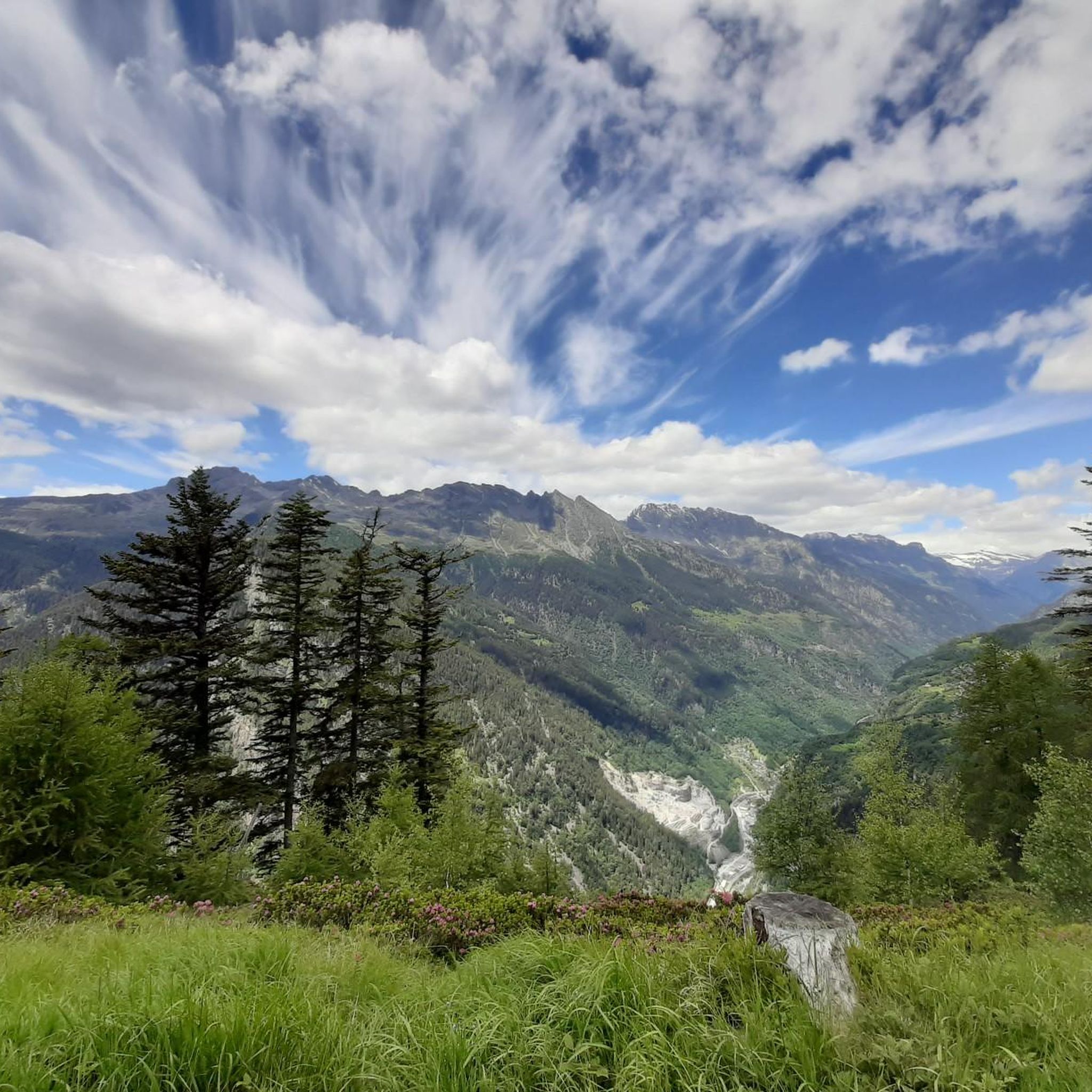
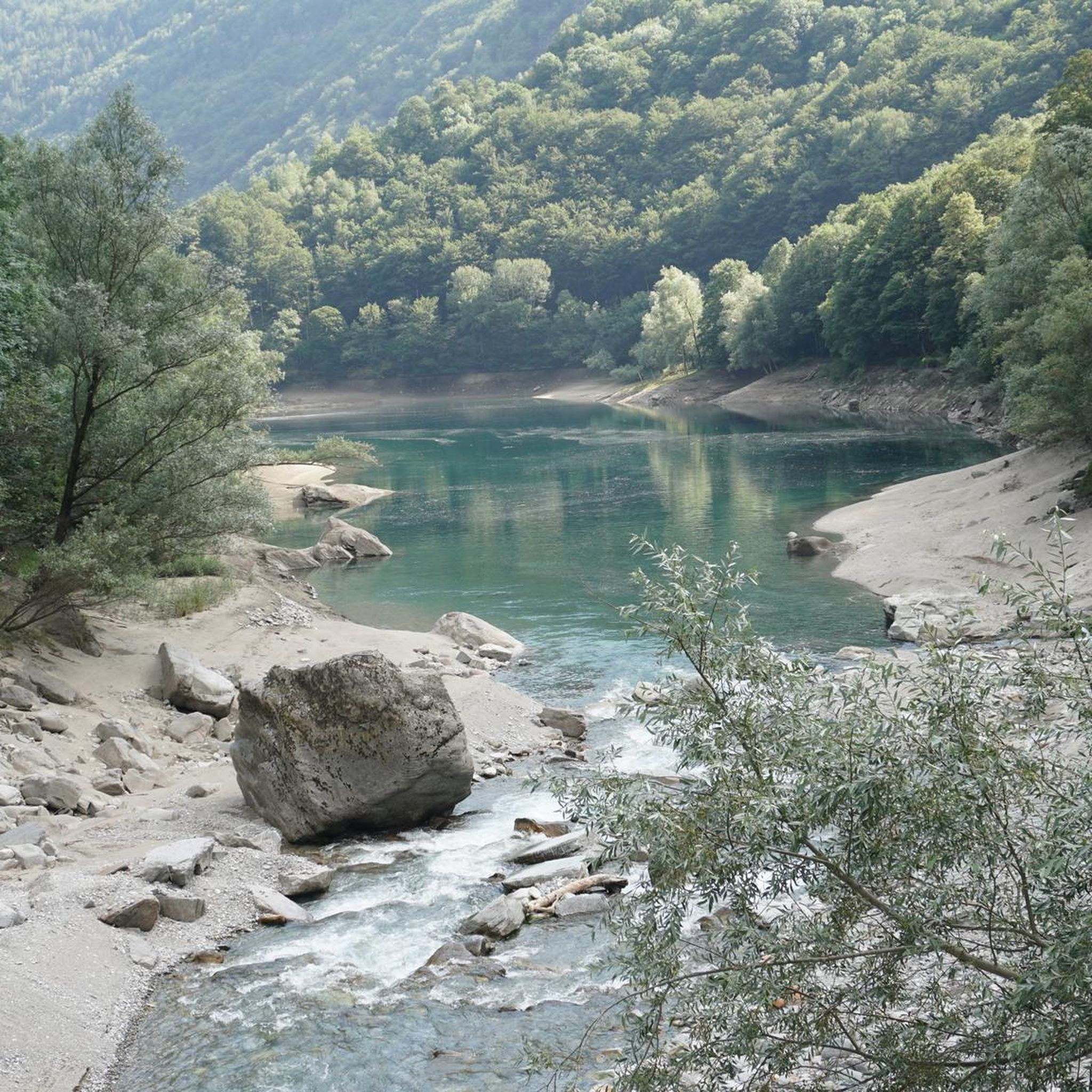
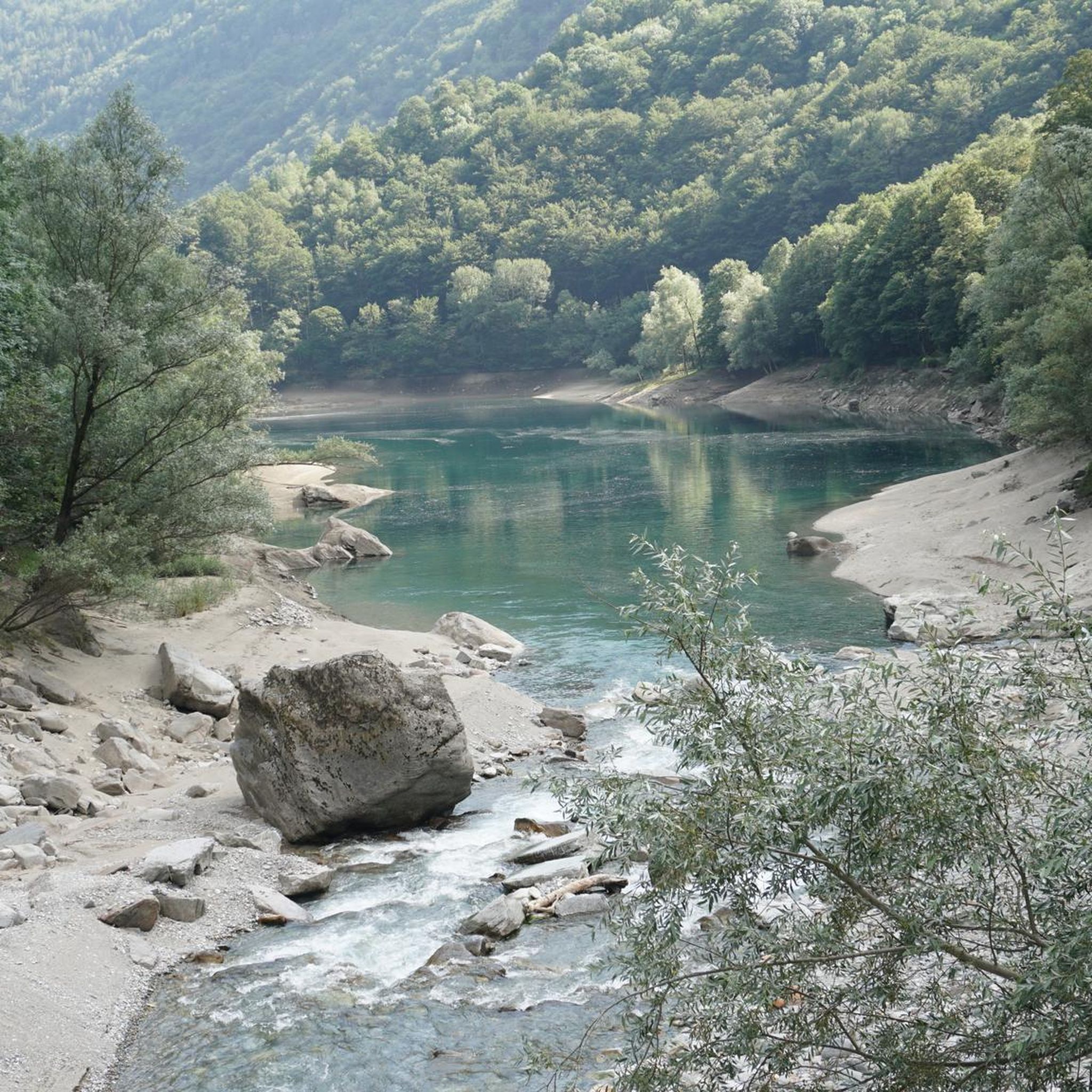
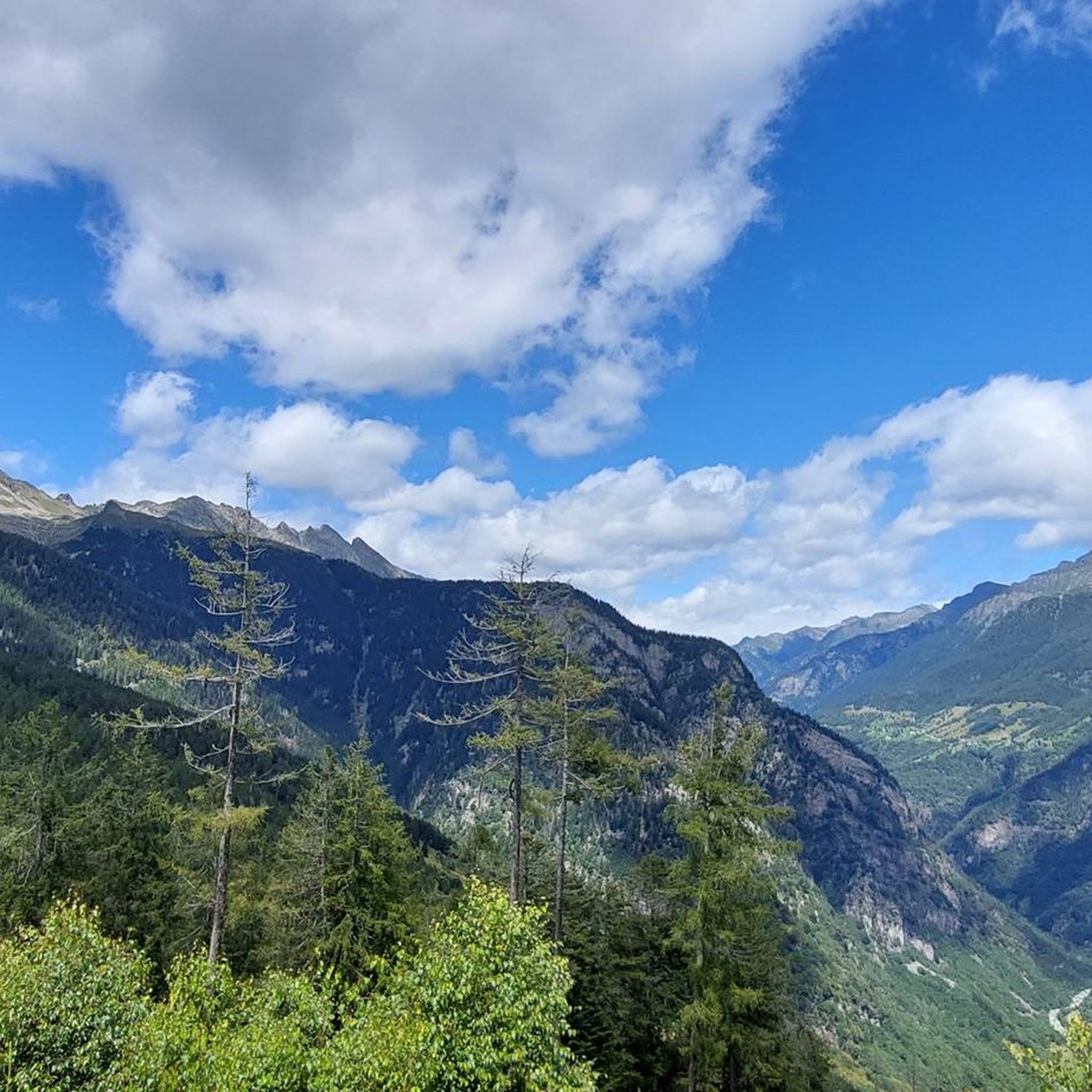
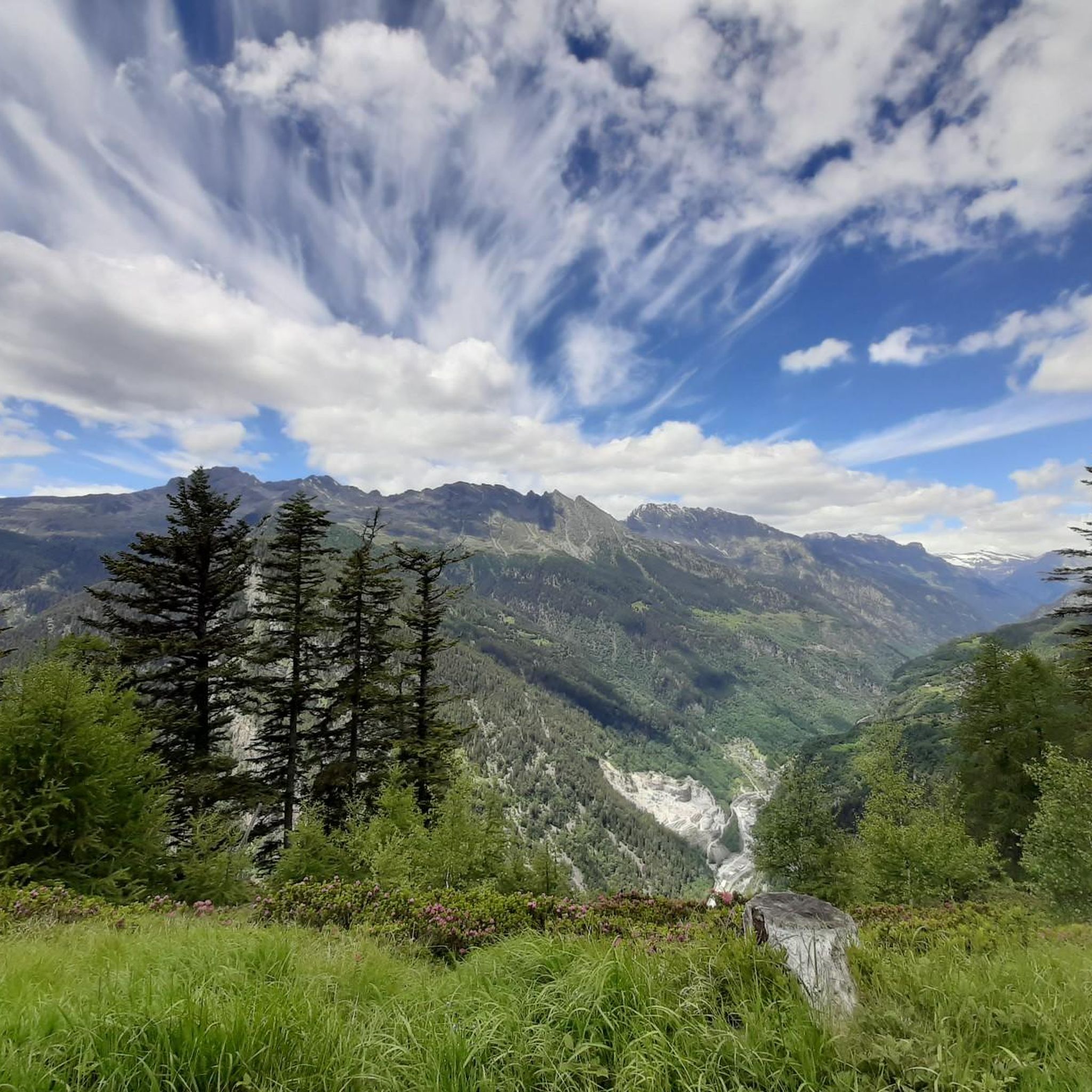
Gravel biking around Castaneda is characterized by routes that traverse river valleys and offer views of the surrounding mountainous terrain. The region, situated in the Moesa Region of the Swiss canton of the Grisons, features a mix of paved and unpaved paths, often following waterways like the Moesa river. Riders can expect varied landscapes, from open areas to sections passing through more wooded environments, frequently connecting small villages and historical sites. The terrain is largely forested and mountainous, providing diverse…
Last updated: October 8, 2026
5.0
(3)
33
riders
61.2km
03:30
370m
370m
Moderate gravel ride. Good fitness required. Mostly paved surfaces. Suitable for all skill levels.
4.0
(1)
19
riders
30.7km
01:48
260m
260m
Moderate gravel ride. Good fitness required. Mostly paved surfaces. Suitable for all skill levels.

20
riders
60.0km
03:33
230m
230m
Moderate gravel ride. Good fitness required. Mostly paved surfaces. Suitable for all skill levels.
8
riders
23.9km
02:16
1,050m
1,050m
Hard gravel ride. Very good fitness required. Mostly paved surfaces. Suitable for all skill levels.
6
riders
Moderate gravel ride. Good fitness required. Mostly paved surfaces. Suitable for all skill levels.
Our route recommendations are based on thousands of hikes, rides, and runs completed by other people on komoot.
Start today with a free account
Your next adventure awaits.
Tips from the Community

I can only recommend it too. Cycling is fun here
0
0
The old track bed is now a very beautiful cycle path.
0
0
Picturesque place in the middle of the valley.
0
0

Cycle path bridge over the Brenno river. From here, head up into the Valle di Blenio and discover all the best MTB trails at www.komoot.com/it-it/collection/3576744/-blenio-bike-28-tour-mtb-in-valle-di-blenio-la-valle-del-sole or on the official association website www.bleniobike.ch
0
0

In Bellinzona's Old Town From the train station, the bus takes us to the stop at the end of Via Lugano. To the east is the Church of Santa Maria delle Grazie. On the other side of the railway line, we pass the Villa dei Cedri, nestled in a magnificent park and home to the municipal art collection. We head north along Via Pedotti to Piazza San Biagio, where the 13th-century church of the same name can be admired. The church, one of the most interesting in the region, has been restored and stripped of its Baroque additions. The remarkable frescoes date from the late Middle Ages. We return and follow Via Lugano north to Piazza Indipendenza, where we find the Church of San Rocco, a building dating back to 1330 and enlarged in 1478. This is where the actual old town begins. The town hall, with its elegant courtyard, was completely rebuilt in 1924, using materials from the previous 15th-century building. At Piazza Nosetto, with its beautiful porticoes, we turn left onto Via Teatro, passing the restored theater building from the previous century and reaching the government building. The oldest part consists of the former Ursuline convent, dating back to the 13th century and rebuilt in the previous century. Returning to Piazza Nosetto, we approach Piazza Collegiata, passing the Casa Rossa, a brick-clad building inspired by the Lombard style of the 15th century. The massive church of SS. Pietro e Stefano reflects the Renaissance style with Baroque elements. A lively market is held every Saturday in Piazza Collegiata. On Viale Stazione, we find ourselves in the city's commercial district. The post office building is noteworthy, a prime example of contemporary Ticino architecture. Text / Source: Agenzia turistica ticinese SA., Via C. Ghiringhelli 7, Bellinzona https://www.ticino.ch/de/commons/details/In-Bellinzonas-Altstadt/3156.html
14
0
The Fortress of Bellinzona and its Castles Once upon a time, there were knights and drawbridges. Where? In Bellinzona, of course! Take a journey back in time and visit the castles, which were declared UNESCO World Heritage Sites in 2000. Arm yourself with a camera and discover Castel Grande, Montebello, and Sasso Corbaro. Tin-reinforced walls, towers, and enormous gates: you'll be catapulted straight into the Middle Ages! Dream of the knights' heroic deeds and immerse yourself in life back then. The Fortress of Bellinzona offers visitors a hands-on experience of medieval history. You can purchase the Fortress Pass online, at the InfoPoint in Bellinzona, or at the ticket offices of the three castles. It allows you to visit the fortress and its walls, the Castel Grande Museum, the Archeologia Montebello exhibition trail, and the temporary exhibitions. Are you primarily interested in visiting the exhibitions? Then buy the new Expo Pass: a combined ticket that grants access to the temporary exhibitions at Castel Grande, Sasso Corbaro, and the Museo Villa dei Cedri! Text / Source: Bellinzona e Valli Tourism https://www.bellinzonaevalli.ch/de/discover/castles.html
14
0
In Bellinzona's Old Town From the train station, the bus takes us to the stop at the end of Via Lugano. To the east is the Church of Santa Maria delle Grazie. On the other side of the railway line, we pass the Villa dei Cedri, nestled in a magnificent park and home to the municipal art collection. We head north along Via Pedotti to Piazza San Biagio, where the 13th-century church of the same name can be admired. The church, one of the most interesting in the region, has been restored and stripped of its Baroque additions. The remarkable frescoes date from the late Middle Ages. We return and follow Via Lugano north to Piazza Indipendenza, where we find the Church of San Rocco, a building dating back to 1330 and enlarged in 1478. This is where the actual old town begins. The town hall, with its elegant courtyard, was completely rebuilt in 1924, using materials from the previous 15th-century building. At Piazza Nosetto, with its beautiful porticoes, we turn left onto Via Teatro, passing the restored theater building from the previous century and reaching the government building. The oldest part consists of the former Ursuline convent, dating back to the 13th century and rebuilt in the previous century. Returning to Piazza Nosetto, we approach Piazza Collegiata, passing the Casa Rossa, a brick-clad building inspired by the Lombard style of the 15th century. The massive church of SS. Pietro e Stefano reflects the Renaissance style with Baroque elements. A lively market is held every Saturday in Piazza Collegiata. On Viale Stazione, we find ourselves in the city's commercial district. The post office building is noteworthy, a prime example of contemporary Ticino architecture. Text / Source: Agenzia turistica ticinese SA., Via C. Ghiringhelli 7, Bellinzona https://www.ticino.ch/de/commons/details/In-Bellinzonas-Altstadt/3156.html
14
0
Bellinzona Old Town With elegant churches, magnificent parks, and squares, Bellinzona's old town offers a fascinating insight into the region's history and culture. The remarkable post office building also reflects contemporary Ticino architecture. Bellinzona undoubtedly deserves its reputation as the most authentic old town in Ticino. The popular "Viale Stazione" street, which leads directly from the train station and into the old town, makes access particularly easy and convenient. An absolute highlight that shouldn't be missed is the 15th-century Church of Santa Maria delle Grazie. It impresses with its elegance and houses a stunning Renaissance fresco that transports visitors back to a bygone era. Bellinzona's old town also offers a variety of charming shops, cafés, and restaurants where you can enjoy local cuisine and the Ticino ambiance. The picturesque alleyways invite you to stroll and continually offer new discoveries. Not to be forgotten are the well-preserved city walls and castles that surround the old town, offering an interesting insight into medieval defensive architecture. Text / Source: Bellinzona e Valli Turismo, Piazza Collegiata 12, Bellinzona https://www.myswitzerland.com/de/erlebnisse/old-town-of-bellinzona/
14
0
Frequently Asked Questions
How many gravel bike trails are available around Castaneda?
There are 11 gravel bike trails documented around Castaneda on komoot. These routes offer a variety of experiences, ranging from moderate to difficult.
What kind of landscapes can I expect on Castaneda's gravel trails?
Gravel biking around Castaneda is characterized by routes that traverse river valleys, often following waterways like the Moesa river. You'll find a mix of paved and unpaved paths, with varied landscapes from open areas to more wooded environments. The trails frequently connect small villages and historical sites.
Are there any challenging gravel bike routes in Castaneda?
Yes, Castaneda offers several challenging gravel bike routes. For instance, the Tenero–Bellinzona Cycle Path – Osteria Grotto Monti di Motti loop from Castione-Arbedo is a difficult 53.2 km route with significant elevation gain, providing a demanding ride for experienced gravel bikers.
Are there any circular gravel bike routes near Castaneda?
Many of the gravel routes in the Castaneda area are designed as loops. A popular option is the OpenArt Sculpture Park – Ponte della Maggia loop from Lostallo, which is a 59 km circular trail passing through varied landscapes and cultural sites.
What do other gravel bikers say about the trails in Castaneda?
The gravel biking routes around Castaneda are highly rated by the komoot community, with an average score of 4.88 stars from over 13 reviews. More than 170 gravel bikers have used komoot to explore the varied terrain, often praising the scenic river valleys and historical points of interest.
Can I access Castaneda's gravel trails using public transport?
While specific public transport connections to every trailhead vary, the region's trails often connect small villages. It's advisable to check local bus or train schedules to nearby towns like Roveredo GR or Lostallo, which serve as starting points for some routes, to plan your access.
Are there parking options available near the gravel bike trails?
Many of the starting points for gravel bike routes in the Castaneda area, especially in larger villages or near popular attractions, offer parking facilities. For example, routes starting from Lostallo or Roveredo GR typically have designated parking areas for visitors.
What is the best time of year for gravel biking in Castaneda?
The spring and autumn months generally offer the most pleasant conditions for gravel biking in Castaneda, with milder temperatures and beautiful scenery. Summer can also be enjoyable, especially in the mornings or late afternoons, though some days might be warmer. Winter riding is possible but may require checking for snow or ice, particularly at higher elevations.
Are there any interesting landmarks or attractions along the gravel bike routes?
Yes, the routes frequently connect small villages and historical sites. You can find various points of interest, including mountain huts like Brogoldone Hut or Capanna Gesero, and viewpoints such as Motto della Croce viewpoint. Many routes also offer views of the valley and historical landmarks.
Are there any less-known or 'hidden gem' gravel bike routes in Castaneda?
While the komoot community highlights several popular routes, exploring trails that connect smaller hamlets along the Moesa river can reveal quieter sections. The Lumino–Grono Cycle Path – Torre di Pala, San Vittore loop from Cama offers a moderate 32.7 km ride through varied terrain, providing a less crowded experience while still showcasing the region's beauty.
Are there family-friendly gravel biking options in Castaneda?
While the guide primarily features moderate to difficult routes, families with older children or those comfortable with longer distances might enjoy sections of the river valley trails. These often have less steep gradients and pass through picturesque villages. Always check the route's specific difficulty and elevation profile to ensure it suits your family's ability.
Where can I find places to stop for food or drinks near the trails?
The gravel routes in Castaneda often pass through or near small villages. These villages typically have local eateries, grottoes, or cafes where you can refuel. For example, the Trail along the Moesa river – The Castles of Bellinzona loop from Roveredo GR passes through areas where you can find refreshments.
Most popular attractions around Castaneda

Get inspired with the komoot mobile app


Explore more
Browse the best Gravel rides in other regions.
