The best gravel rides around Eggersriet
4.4
(155)
827
riders
64
rides
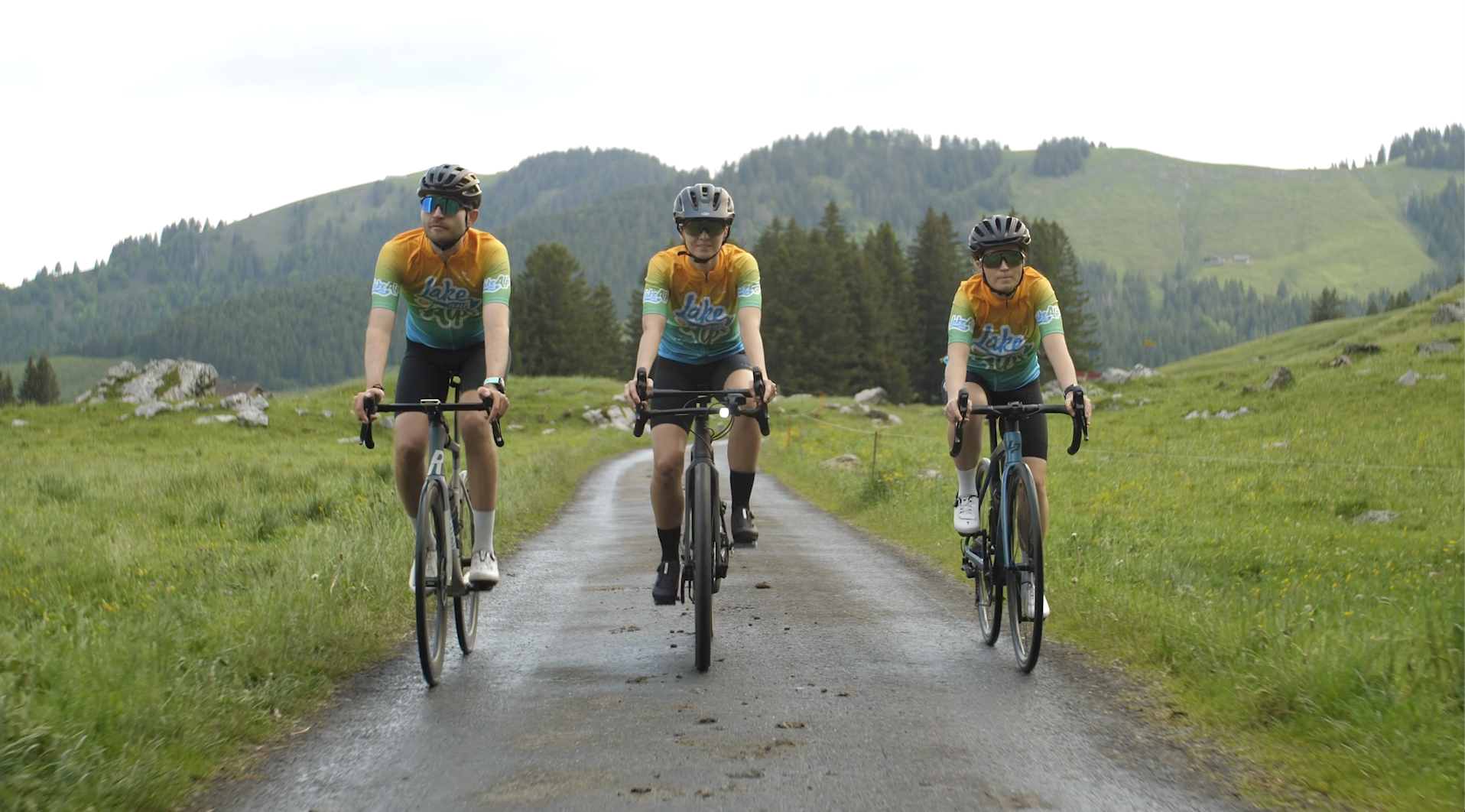
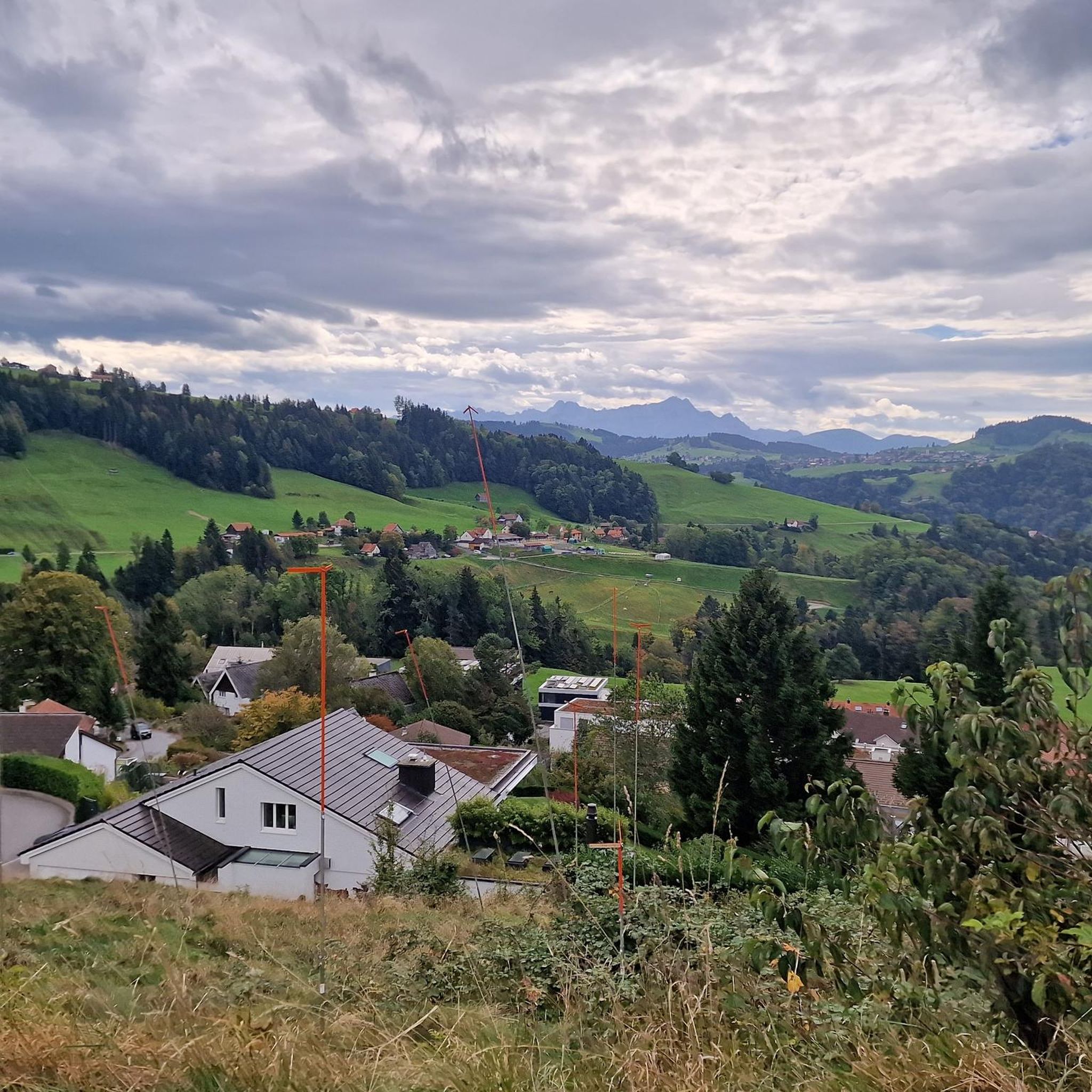
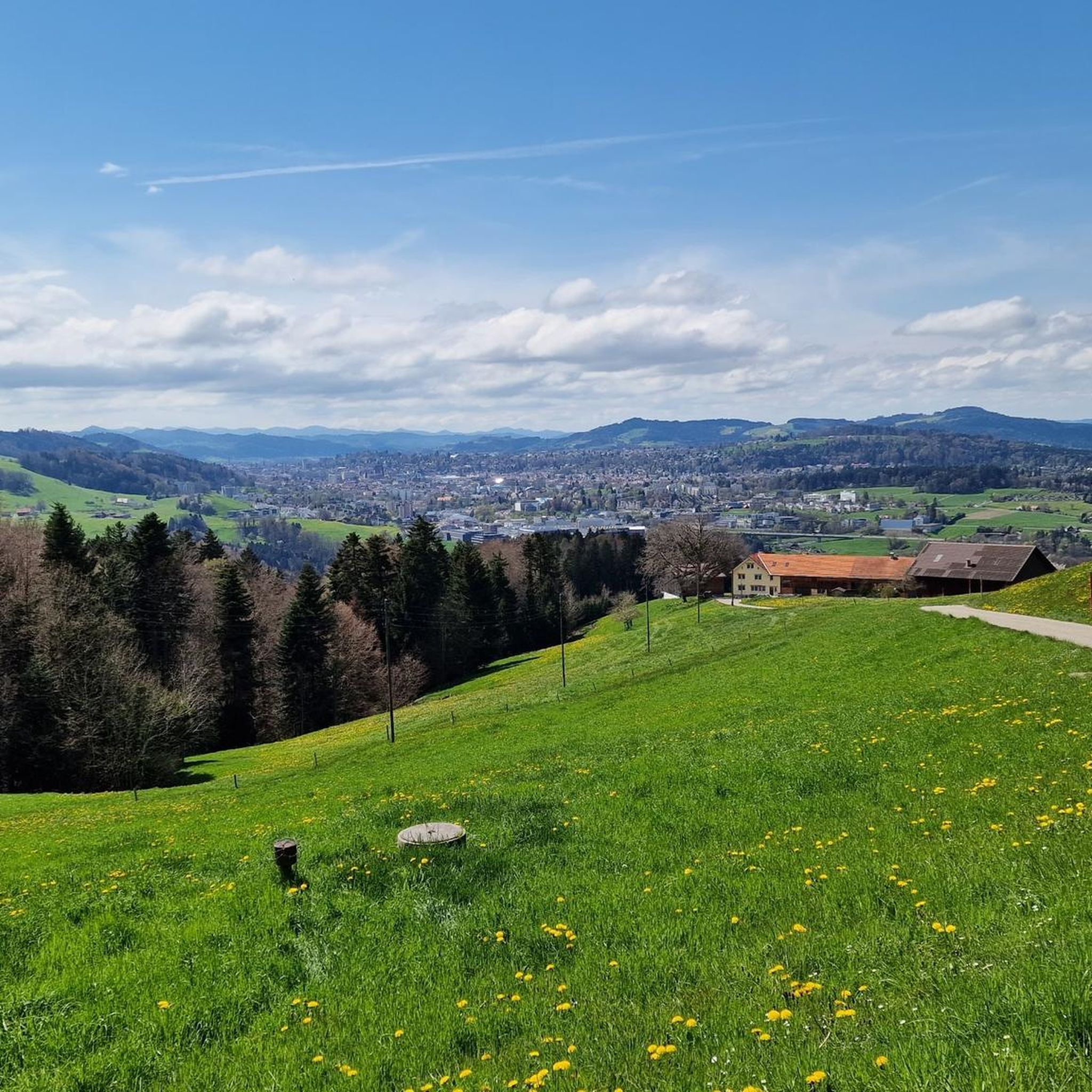
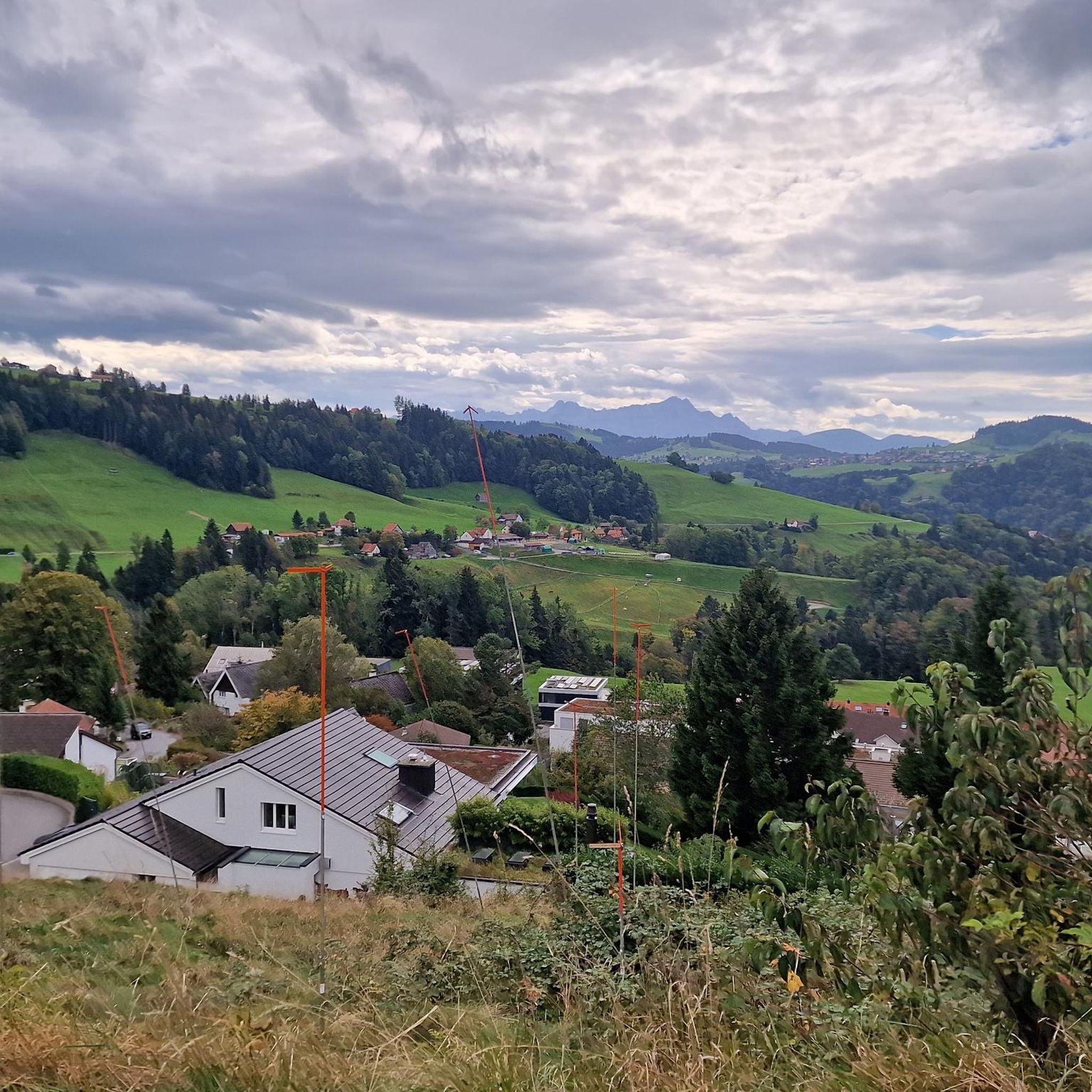
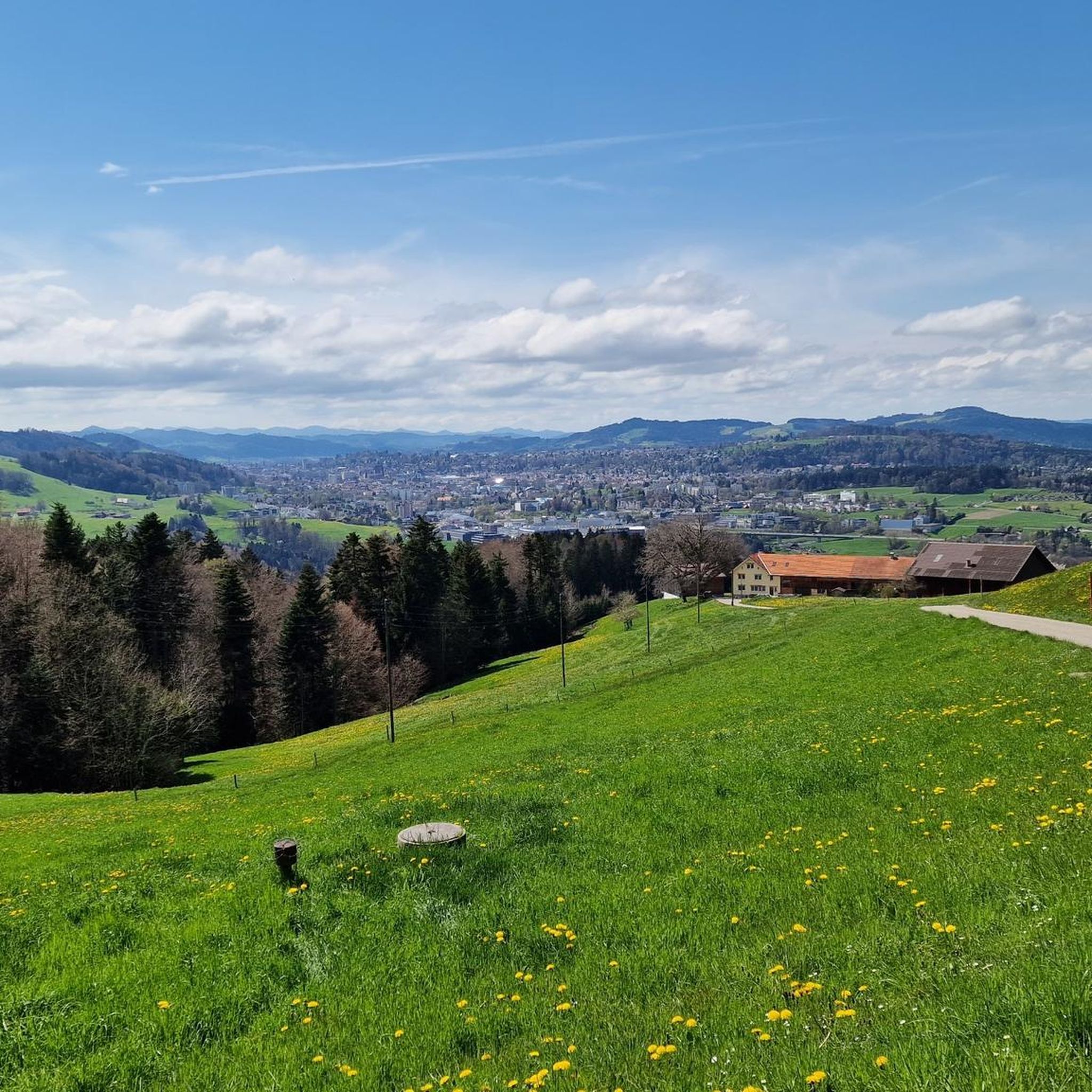
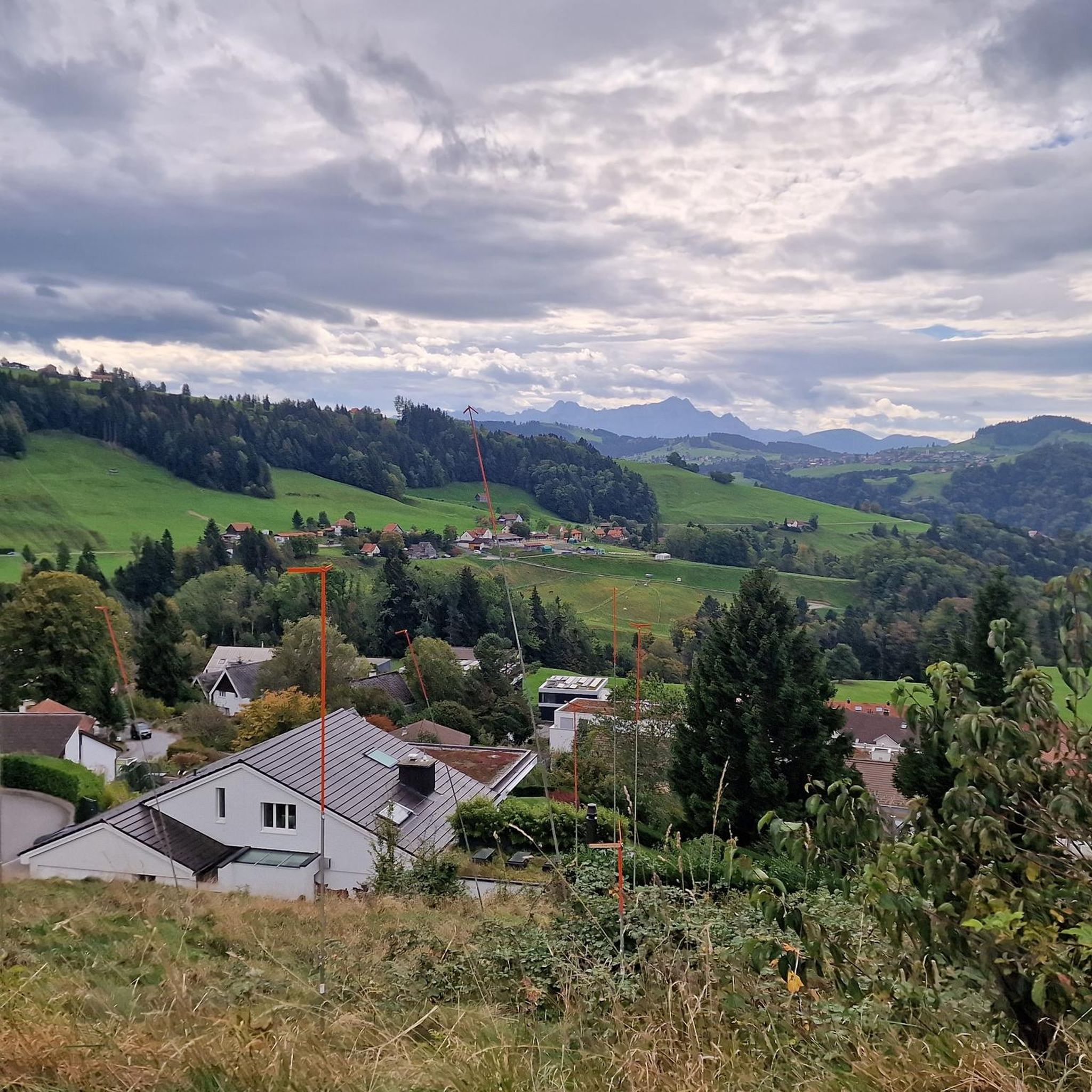
Gravel biking around Eggersriet offers diverse terrain, ranging from routes along the Old Rhine to trails with views of Lake Constance and the Alpstein Mountains. The region features a mix of rolling hills, forested sections, and open landscapes, providing varied surfaces for gravel cyclists. Elevations can vary, with some routes including significant climbs to viewpoints such as St. Anton. The area is characterized by gentle hills, mixed forests, and a diverse mix of asphalt, gravel, and unpaved sections.
Best gravel…
Last updated: October 6, 2026
4.5
(6)
42
riders
29.1km
02:14
570m
580m
Hard gravel ride. Very good fitness required. Mostly paved surfaces. Suitable for all skill levels.
5.0
(2)
42
riders
36.3km
02:46
710m
710m
Hard gravel ride. Very good fitness required. Mostly paved surfaces. Suitable for all skill levels.

4.0
(2)
24
riders
19.9km
01:36
470m
470m
Hard gravel ride. Very good fitness required. Mostly paved surfaces. Suitable for all skill levels.
4.0
(1)
12
riders
36.6km
03:09
1,080m
1,080m
Hard gravel ride. Very good fitness required. You may need to push your bike for some segments of this route.
5.0
(1)
10
riders
21.5km
01:51
620m
620m
Hard gravel ride. Very good fitness required. Mostly paved surfaces. Suitable for all skill levels.
Get access to more routes and recommendations from other explorers.
Already have an account?
Our route recommendations are based on thousands of hikes, rides, and runs completed by other people on komoot.
Start today with a free account
Your next adventure awaits.
Other adventures around Eggersriet

Tips from the Community

fascinating road from the pass to Trogen
0
0

Schloss Dottenwil, built by Peter Graf in 1543 The Schloss Dottenwil, built by Peter Graf in 1543, has a rich history. It was first mentioned in 1302 and later built by Weibratha Graf. Weibratha married Konrad Atzenholz, who expanded the small castle and inherited the estate with the small castle in 1587. Margaretha, the daughter of Weibratha and Konrad Atzenholz, married Christoph Buffler and brought the Schloss and Gut Dottenwil into her marriage. The ownership of the castle changed hands several times in the 19th century, until Johann Baptist Blattmann acquired the castle for 7000 Gulden in 1807. Blattmann built a large spa house next to the castle and laid out a magnificent garden. The hotel and whey spa enjoyed great popularity and were very well-known. However, Blattmann incurred high debts, so his creditors had the estate publicly auctioned in 1816. Text / Source: wikipedia.org https://de.wikipedia.org/wiki/Schloss_Dottenwil
10
0
Schloss Dottenwil, Wittenbach This jewel, built in 1543, is a popular attraction for families, day-trippers and culture lovers on weekends. Enjoy a wine from the in-house vineyard in the castle garden with a magnificent view, discover old and new treasures in the local museum and the cellar gallery, or experience stars of the Swiss cabaret scene after a delicious dinner – no wish remains unfulfilled here. Every weekend, volunteers work here with great passion. Text / Source: IG Schloss Dottenwil, Dottenwil 661, Wittenbach https://www.dottenwil.ch/geschichte
10
0


In the old town, the artistically decorated oriel windows stand out, bearing witness to the travels of the St. Gallen textile merchants of the 18th and 19th centuries all over the world. They are a reminder of St. Gallen's importance in the linen and embroidery trade. There are more than a hundred such oriel windows in the old town. Some are multi-story, painted, or carved from wood.
10
0


Of course, you can also ride past a castle on a mountain bike.
1
0

Info: Bridge currently closed due to construction. August 18, 2025
0
0
Frequently Asked Questions
How many gravel bike trails are available around Eggersriet?
There are over 120 gravel bike routes in the Eggersriet area, offering a wide range of options for different skill levels and preferences. The komoot community has explored these trails over 1000 times.
Are there challenging gravel bike trails in Eggersriet?
Yes, Eggersriet offers numerous challenging gravel bike trails. Approximately 96 routes are classified as difficult, often featuring significant elevation gains and varied terrain. An example is the St. Anton Viewpoint – St. Anton Viewpoint loop from Espenmoos, which includes over 850 meters of climbing.
Are there easy gravel bike trails suitable for beginners in Eggersriet?
While many routes are moderate to difficult, there are a few easier options. The region's terrain often includes rolling hills, but some routes along the Old Rhine offer less strenuous sections. For a moderate ride, consider the Along the Old Rhine – Bruggerloch Lake loop from Staad, which has minimal elevation gain.
What kind of views can I expect on gravel bike routes in Eggersriet?
Many gravel routes in Eggersriet offer stunning views. You can expect panoramic vistas of Lake Constance, the majestic Alpstein Mountains, and the picturesque Old Rhine. The View of Lake Constance – Goldach Suspension Bridge loop from Rorschach Stadt is a great example, providing expansive lake views.
Are there circular gravel bike routes around Eggersriet?
Yes, many gravel bike routes in the Eggersriet area are designed as loops, allowing you to start and finish at the same point. Popular circular options include the Drei Weieren – Waldegg loop from Notkersegg and the View of the Alpstein Mountains – Waldegg loop from Notkersegg.
What natural attractions can I see along the gravel bike trails?
The region around Eggersriet is rich in natural beauty. Along the trails, you might encounter highlights such as the Rhine Delta Nature Reserve, the tranquil Drei Weieren (St. Gallen) ponds, or the Eselschwanz Nature Reserve on the Old Rhine. These natural monuments offer diverse landscapes to explore.
What do other gravel bikers enjoy most about gravel biking in Eggersriet?
The area is highly rated by the komoot community, with an average score of 4.6 stars from over 250 reviews. Reviewers often praise the diverse terrain, ranging from riverside paths to challenging climbs with rewarding views, and the well-maintained gravel surfaces.
Are there options for longer gravel bike rides near Eggersriet?
Yes, for those seeking longer distances, Eggersriet offers several routes that extend beyond 30 kilometers. The St. Anton Viewpoint – St. Anton Viewpoint loop from Espenmoos, for instance, covers nearly 38 kilometers, providing a substantial ride.
What is the best season for gravel biking in Eggersriet?
While gravel biking is possible year-round, spring and autumn generally offer the most pleasant conditions with mild temperatures and vibrant scenery. Summer can be excellent, but some exposed sections might be warm. Winter riding is possible, but be prepared for potentially colder temperatures and occasional snow or ice, especially at higher elevations.
Are there any mountain passes accessible by gravel bike near Eggersriet?
Yes, the region includes several mountain passes that can be incorporated into gravel bike routes. Notable passes nearby include Ruppen Pass, Wissegg Pass, and Sömmerlipass, offering challenging climbs and scenic descents.
Can I find family-friendly gravel bike trails in Eggersriet?
While many routes feature significant climbs, some sections along the Old Rhine or around flatter lake areas can be suitable for families. Look for routes with lower elevation gain and shorter distances, focusing on the more gentle riverside paths for a family-friendly experience.
Most popular routes around Eggersriet
Most popular attractions around Eggersriet

Get inspired with the komoot mobile app


Explore more
Browse the best Gravel rides in other regions.
