Top 20 Castles around Kreuther Forst
Best castles around Kreuther Forst are situated in a region characterized by its forested landscapes and historical significance. The area offers a blend of natural beauty and cultural heritage, with numerous historical sites dotting the surroundings. These castles provide insights into centuries of regional history and architectural development. The vicinity of Kreuther Forst is known for its diverse historical landmarks, making it a destination for those interested in exploring the past.
Best castles around Kreuther Forst
- The most popular castles…
Last updated: July 7, 2026
Ruins of Donaustauf Castle
Highlight • Castle
Translated by Google •
Tip by

Regendorf Castle
Highlight • Castle
The castle was built in 1515 by the Regensburg master mint master Martin Lerch. The choleric moneymaker had killed his servant in …
Translated by Google •
Tip by

Sign up now to discover places like this
Get recommendations on the best single tracks, peaks, & plenty of other exciting outdoor places.
Sign up for free
Spindlhof Castle
Highlight • Castle
Translated by Google •
Tip by

Heilsberg Castle Ruins
Highlight • Castle
Translated by Google •
Tip by

Forstenberg Castle Ruins
Highlight • Castle
Translated by Google •
Tip by

Sign up for free to discover even more castles around Kreuther Forst.
Sign up for free
Already have an account?
Start today with a free account
Your next adventure awaits.
Login or Signup
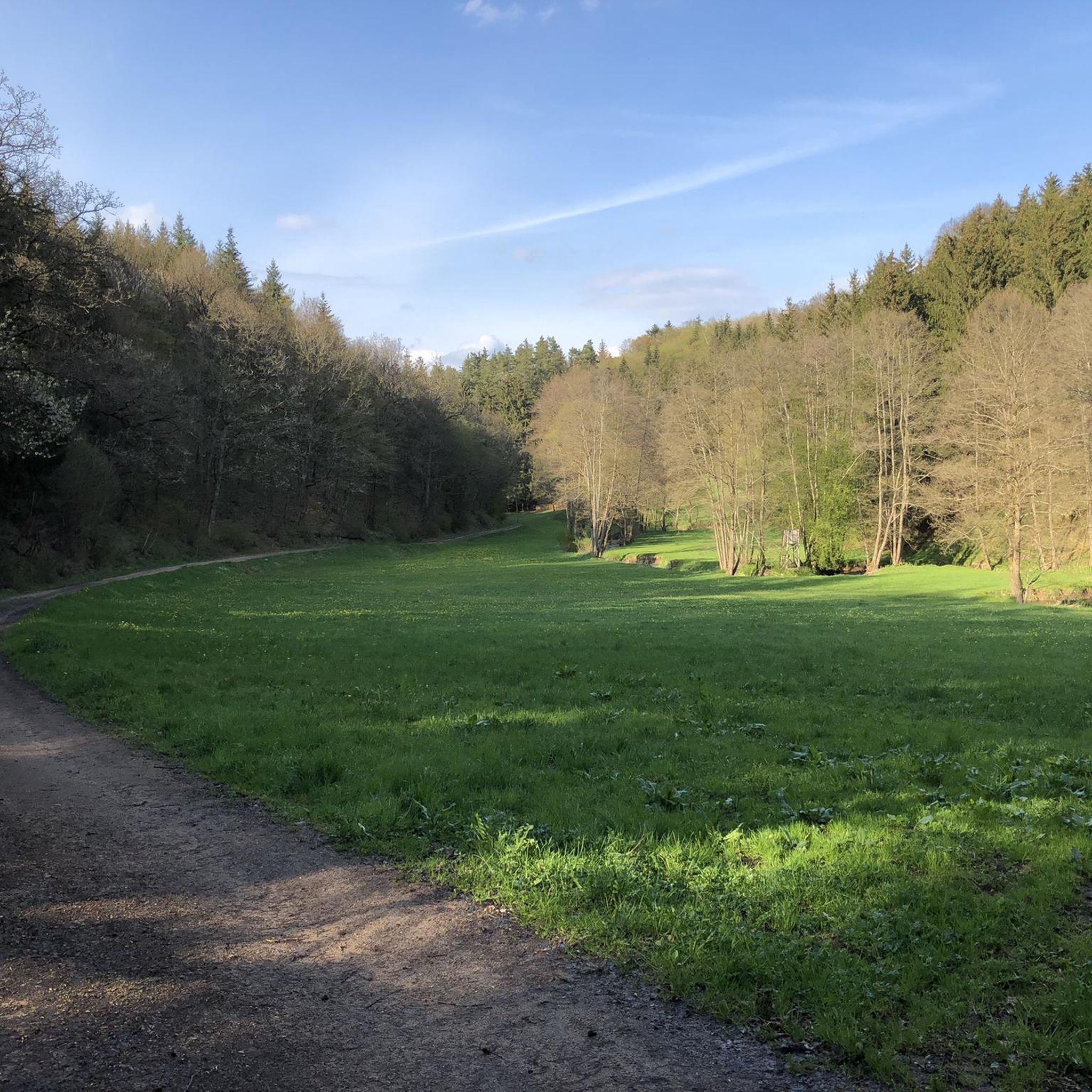
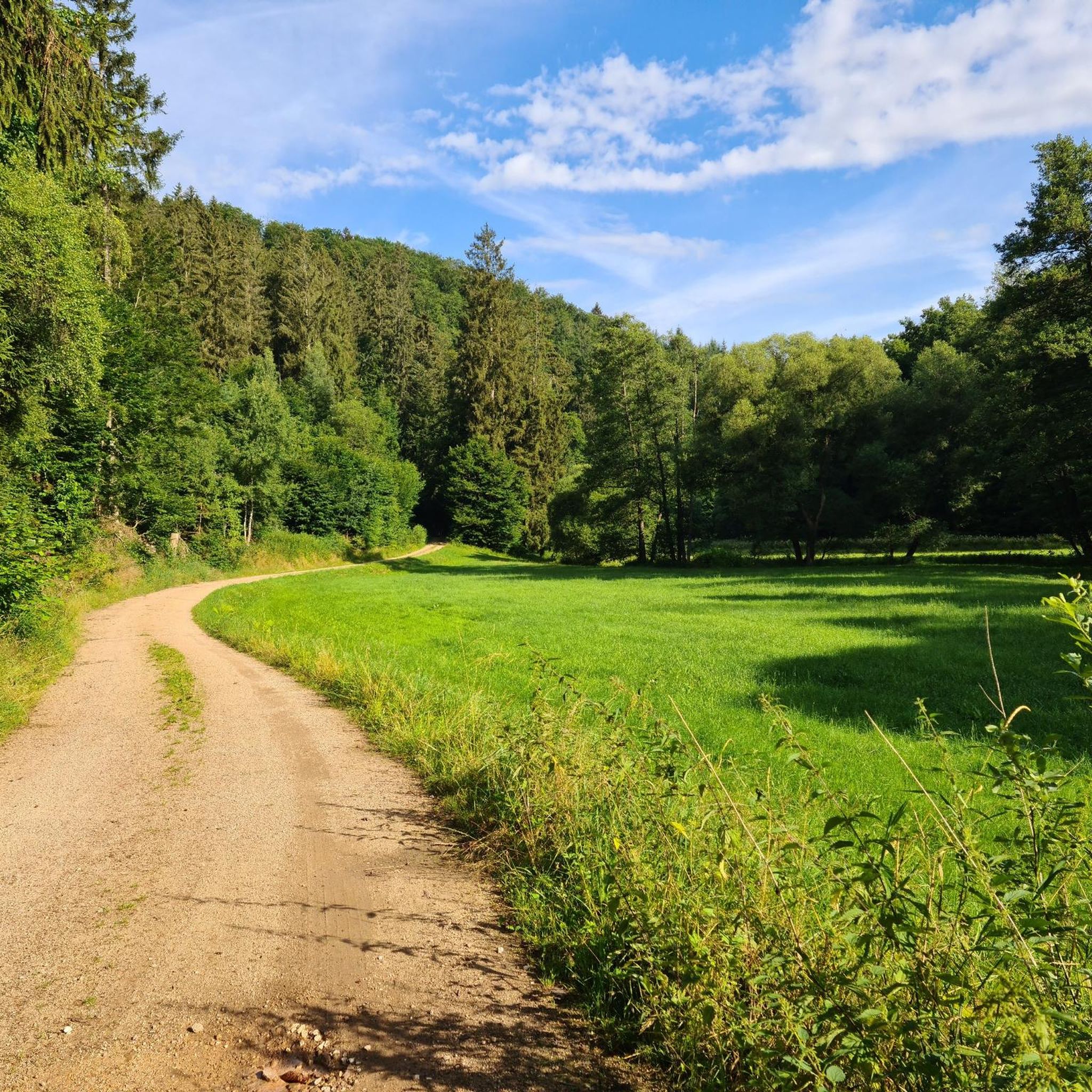
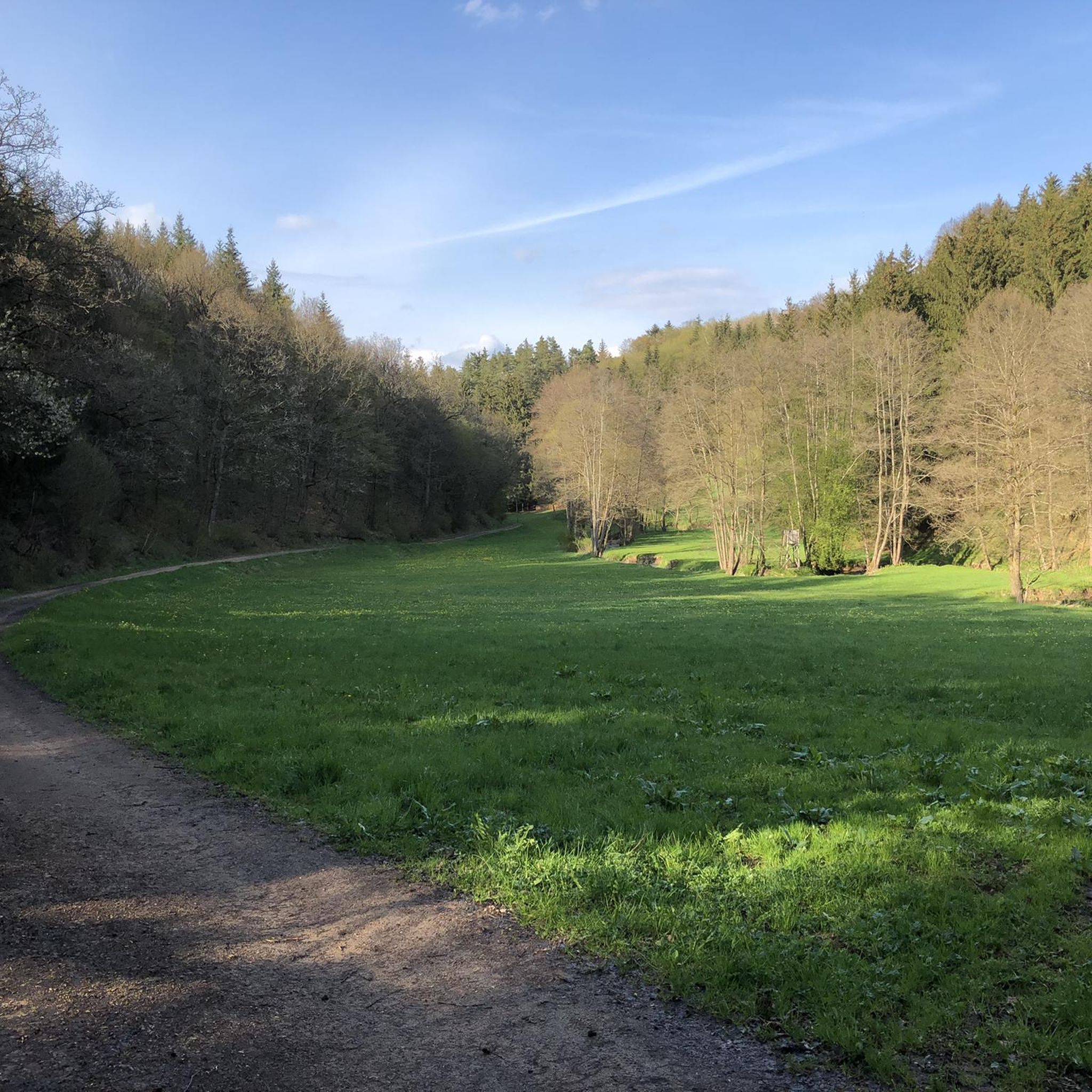
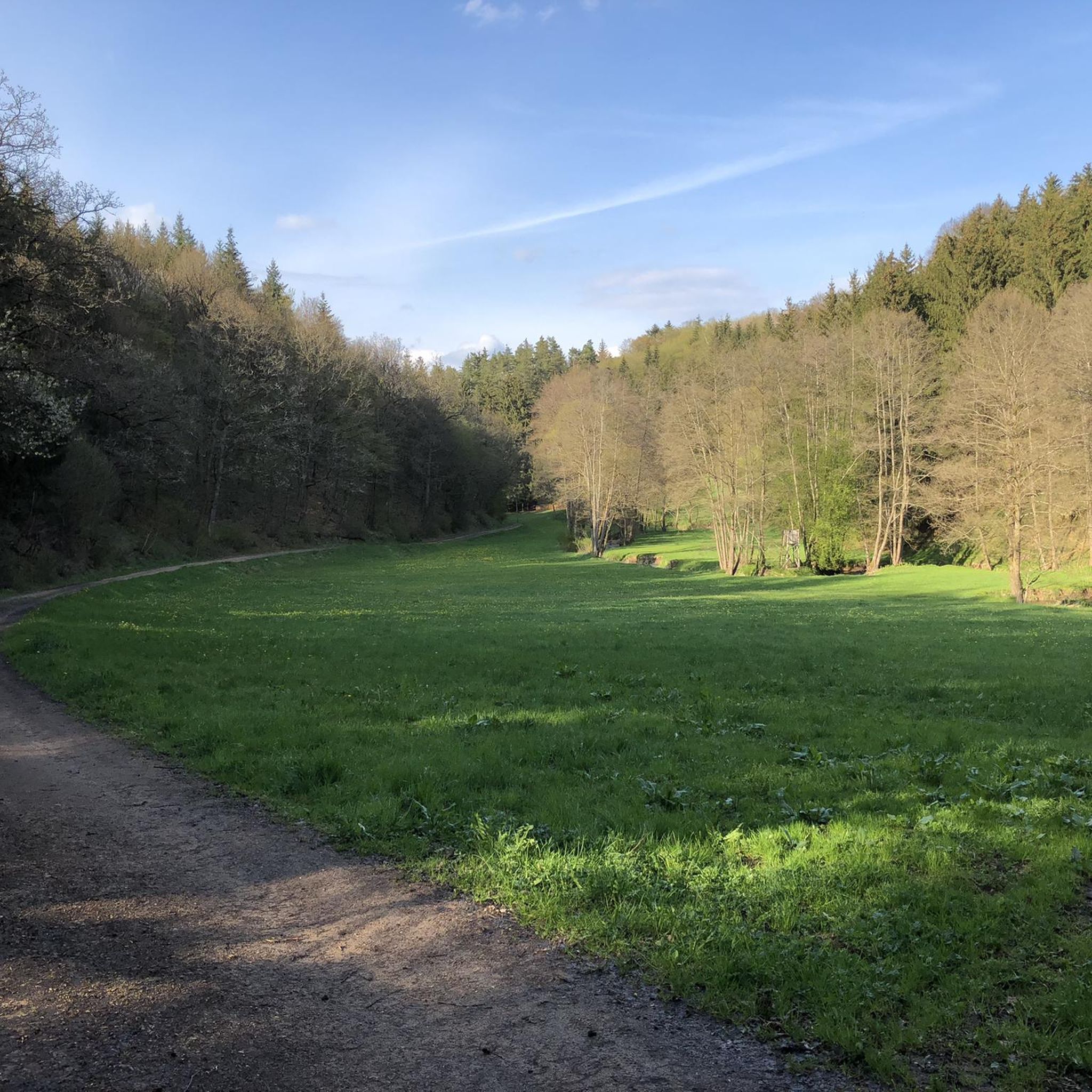
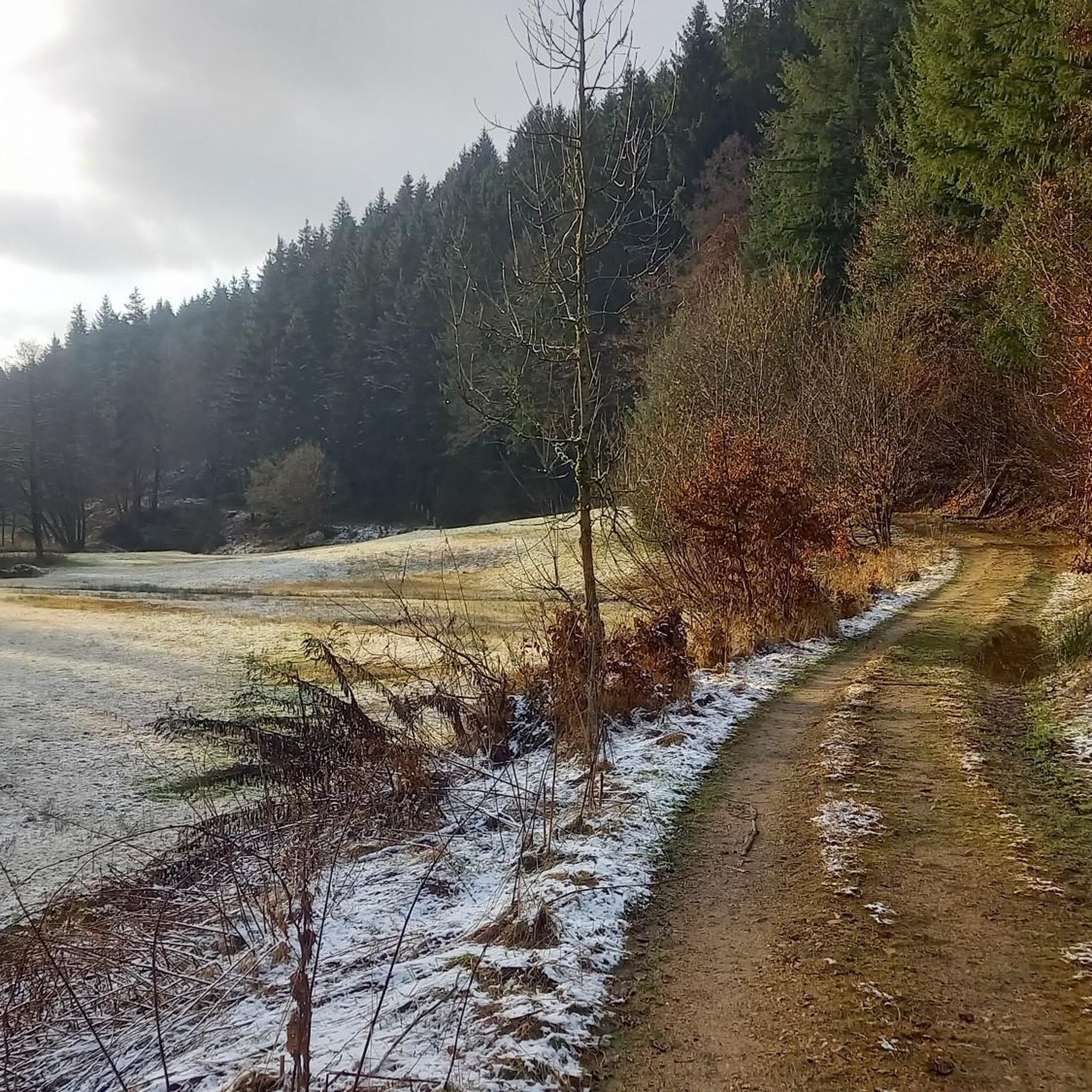
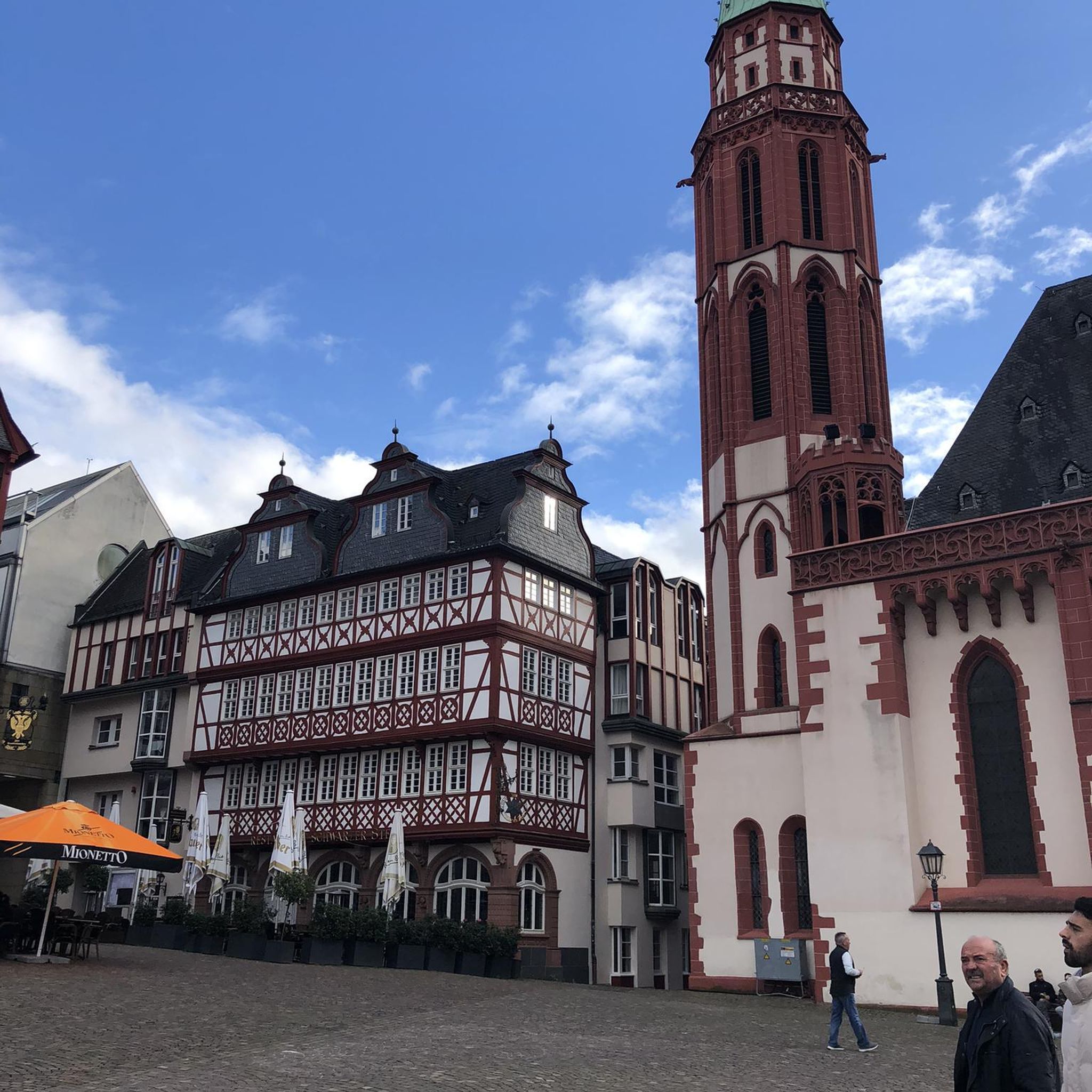
Tips from the Community

If the battery of the e-bike starts to run low, there is a free charging station opposite the lock, which really impressed me.
0
0

Few remains of the ruins, but very beautiful and photogenic.
0
0

Regendorf Castle The Lords of Regendorf, initially referred to as "Lords of Regeldorf", were first mentioned at the beginning of the 13th century. In 1490, Hans Regeldorfer of Regeldorf and Wolfsegg is entered in the Land Register. In 1475, he appears in the entourage of Duke Ludwig IX at the Landshut wedding. Hans Regeldorfer was married twice, he left behind two daughters and no male descendants, and so Regendorf passed into other hands as a male fief after his death. In 1515, the castle was rebuilt for the then owner, the Regensburg Imperial Mint Master Martin Lerch. He had to have a crucifixion group erected for the manslaughter of a mint clerk in 1513. This is now in the apse of the Minorite Church in Regensburg. In 1699, Franziska Adelheid von Braittenburg sold the Regendorf castle and manor to Philipp Anton Leopold Freiherr von Oberndorff, who came from the Upper Palatinate line of the Oberndorff family. They rebuilt the castle around 1840 and added a floor. In 1884, Regendorf Castle was sold to the Imperial Councilor Freiherr von Faber in Stein near Nuremberg and later to the Counts of Faber-Castell. In 1916, it was purchased from them by the royal Bavarian treasurer Eduard von Harnier. As the von Harnier family was known to the National Socialist authorities as anti-National Socialists, they had to vacate the castle in 1936 and sell it to the city of Regensburg. Regendorf Castle is a complex dating back to 1515 and consists of two parallel wings that are connected in the middle by an intermediate building. The main building is a three-story hipped roof building with an H-shaped floor plan. The eastern wing has two four-storey round towers and a garden staircase. The castle chapel at the north end of the east wing dates from 1688. The former stables are a two-storey stable barn with a half-hipped roof from 1830. Remains of the terraced landscape garden with staircase from the 18th century can be found to the west of the castle. The park enclosure, with a fence to the south, otherwise a stone wall with stone pillars, dates from around 1840. Source: Excerpts from www.wikipedia.de
2
0
Heilsberg Castle Ruins In the last third of the 12th century, Ulrich and Wernhardus from Heilsberg appeared in documents for the first time. Since Ulrich's successor Ekbert, they were also vassals of Eggmühl and fiefs of the Bavarian duke. They were thus in the middle of the power struggle between the Wittelsbach dukes and the Regensburg bishops. In a contract, Duke Ludwig of Kelheim had to give up a castle that was already under construction near Heilsberg, which the Heilsbergers were obviously supposed to receive as a fief. Over the course of the 13th century, Ekbert and his son Ulrich repeatedly tried to use their bailiwick rights to alienate property from the bishop. The bishop accused them of forcing their subjects to perform unjust feudal labor in order to illegally expand their castle. In addition, the Heilsbergers had bloody feuds with the Paulsdorfers and with Konrad von Hohenfels. In the first third of the 14th century, the male line of Heilsberg died out, followed by a series of owners, including the powerful Upper Palatinate knightly family of Notthafft. It was not until around 1500 that the Wittelsbachs were finally able to take over the Heilsberg domain, and in 1505 it was assigned to the Palatinate-Neuburg line. The castle was probably already abandoned in the 16th century, and on Apian's map of 1568 it is already marked as a ruin. A local support group has recently been working to save the ruins. The most striking remains of the castle are the keep, which dates from around 1200 and has a side length of 7.5 meters with 2.5 m thick walls. This is evidenced by its masonry, which consists of smooth blocks and humped blocks with 5 to 10 centimetre wide edges; the ring wall fragment with the archway is so deep in the ground that it is almost impossible to date it. Among the later extensions to the castle that are known to have been made, there is also a new gate in 1498. In 1474, a new bridge and a new gate were built. In 1498, the castle was repaired after a fire, and work on the bower, the new parlor and the stables is known to have been carried out. Recently, the keep has been secured and renovated at great expense, and the buried interior of the tower has also been uncovered. The extremely deep, almost circumferential moat separates the castle grounds from the Heilsberg plateau on two sides. Source: Extracts from www.burgenseite.de / www./burgen/detail/burgruine-heilsberg/178
4
0


Somehow a mystical-looking place
0
0
Spindlhof Castle Spindlhof Castle was first recorded on a map from the Regenstauf Nursing Office in 1597. The business, initially called “Mühlhof”, was owned by Hans Spindler, who coins the current name. In 1691, the Spindlhof, which was expanded to include a forest and several pieces of land and was owned by Hans Christoph Freiherr von Diemantstein, was granted land estate freedom and thus became a noble seat. Over time, the Spindlhof experienced a number of changes in ownership. It should be particularly noted that it was not a permanent family property, but that many noble barons coveted the building and had it expanded and changed according to their own ideas at the time of ownership. The Spindlhof experienced its earliest clerical influences around 1800, while it was owned by the auxiliary bishop Valentin Anton von Schneid, who had a chapel built adjacent to the main castle. The castle boasted its largest property holdings in 1918, when it and 400 hectares of land were sold to the Argentine diplomat and aircraft manufacturer Hermann von Frémery. When the Frémery family returned to Argentina in 1947, they offered the Spindlhof to the then Archbishop Michael Buchberger for use, whereupon it was looked after by the Mallersdorf sisters until 1969. Spindlhof Castle has been owned by the Episcopal See of Regensburg since 1955. Spindlhof Castle consists of six interconnected building complexes. The neo-Gothic main palace, which was rebuilt between 1894 and 1901, merges into the north wing on the north side of the building, which was built in the mid-1950s. In the west, the main castle is connected to the hall building, built in 1999, which leads into the south wing housing the castle chapel (1791), which was completed in the 1970s. In addition, the Albertus Magnus Church was built in 2004, which, in addition to its own entrance, is also connected to the castle chapel. The interior of the castle is now largely used as meeting rooms. The largest room in the Spindlhof is the so-called plenum. The Belétage on the second floor houses seven halls from the late historicist period, most of which have been preserved in their original form. The styles, which are also reflected in the furniture of the halls, range from neo-rococo to Gothic and Moorish influences. Source: Excerpts from www.wikipedia.de
2
0

Unusually accessible castle ruins. A special place! ⭐️
2
0
Frequently Asked Questions
What types of castles can I explore around Kreuther Forst?
The region around Kreuther Forst offers a diverse range of castles, from well-preserved historical residences to ancient ruins. You can find impressive structures like Regendorf Castle, which has a rich history dating back to 1515, or explore the remnants of places like Forstenberg Castle Ruins, hidden in the forest.
Are there any castles with significant historical importance in the area?
Yes, several castles in the vicinity boast significant historical importance. The Regendorf Castle, for instance, has a fascinating past involving master mint masters and noble families, with parts dating back to 1515. Further afield, the Imperial Castle Nuremberg offers extensive history and architectural significance, having been a major landmark for centuries.
Which castles are particularly suitable for families with children?
For families, the Ruins of Donaustauf Castle are a great choice, with visitor tips describing it as 'a dream for kids' due to its extensive areas for exploration and powerful castle gates. The Imperial Castle Nuremberg is also very family-friendly, offering free admission for children under 18.
Can I visit castles with my dog around Kreuther Forst?
Yes, the Ruins of Donaustauf Castle are noted as being 'a dream for kids and dogs' in visitor tips, making it a good option for a castle walk with your canine companion.
Are there any castles that offer good viewpoints or natural features?
Absolutely. The Ruins of Donaustauf Castle is described as a beautiful lookout point with incredible views in good weather. Similarly, the Heilsberg Castle Ruins also offers a viewpoint, allowing visitors to appreciate the surrounding landscape.
What are some lesser-known or 'hidden gem' castles to discover?
While not widely publicized, Forstenberg Castle Ruins is a small ruin well-hidden in the forest, offering a sense of discovery. Neunhof Castle, with its 15th-century framework and baroque park, also provides a unique glimpse into a well-preserved historical residence away from the main tourist routes.
Are there any castles that are easily accessible or located near bike paths?
Yes, Spindlhof Castle is conveniently located directly on a bike path, making it an easy stop for cyclists and a notable photo opportunity. The Ruins of Donaustauf Castle are also accessible by car, bike, or on foot.
What kind of outdoor activities can I combine with a castle visit?
The region offers various outdoor activities. You can find numerous running trails, such as the 'Running loop from Wenzenbach', or enjoy easy hikes like the 'Small Reservoir – Franz Josef Strauß Memorial loop'. For cyclists, there are road cycling routes like the 'Regendorf Castle – Schönberg Castle loop'. You can find more details on these activities in the Running Trails around Kreuther Forst, Easy hikes around Kreuther Forst, and Road Cycling Routes around Kreuther Forst guides.
Are there any castles that have been extensively renovated or are well-maintained?
Atzelsberg Castle, with over 300 years of history, was thoroughly renovated by 2013 and is praised for its well-maintained condition. It remains open to the public, allowing visitors to appreciate its historical significance and renovated splendor.
What should I wear for castle walks or explorations in the area?
Given the varied terrain, which can include forest paths and ascents with stairs, it's advisable to wear comfortable walking shoes or hiking boots. Layers of clothing are also recommended to adapt to changing weather conditions, especially if you plan to explore ruins or viewpoints.
Are there any castles that offer guided tours or audio guides?
Yes, the Imperial Castle Nuremberg offers guided tours providing in-depth information on its history and architecture. Audio guides in multiple languages are also available for self-paced exploration, making it an engaging and educational visit.
What do visitors enjoy most about the castles around Kreuther Forst?
Visitors particularly appreciate the blend of natural beauty and cultural heritage. The historical significance, architectural variety from well-preserved structures to ancient ruins, and the opportunities for exploration are highly valued. The komoot community has shared over 2000 photos and given more than 900 upvotes, highlighting the region's appeal.
Most popular routes around Kreuther Forst
Most popular attractions around Kreuther Forst

Get inspired with the komoot mobile app


Explore more
Looking for the best castles somewhere else? Discover other guides around Kreuther Forst:
