The best gravel rides in the Trans-Mexican Volcanic Belt
4.7
(13)
172
riders
10
rides
Gravel biking in the Trans-Mexican Volcanic Belt offers a diverse landscape characterized by rugged volcanic terrain, high plateaus, and significant elevation changes. The region features numerous active and dormant volcanoes, including Pico de Orizaba and Nevado de Toluca, which create a dramatic backdrop for rides. Extensive pine-oak forests thrive in the temperate climate, providing varied surfaces from smooth dirt to rocky sections. This geological diversity supports a network of unpaved roads and dirt tracks ideal for gravel cycling.
Best gravel…
Last updated: July 2, 2026
4.7
(7)
82
riders
70.0km
04:48
1,350m
1,350m
Hard gravel ride. Very good fitness required. Mostly paved surfaces. Suitable for all skill levels.
28
riders
44.5km
03:17
1,050m
1,050m
Hard gravel ride. Very good fitness required. Mostly paved surfaces. Suitable for all skill levels.

Sign up for free
4.5
(4)
17
riders
Hard gravel ride. Very good fitness required. Mostly paved surfaces. Suitable for all skill levels.
14
riders
16.1km
01:02
110m
110m
Easy gravel ride. Great for any fitness level. Mostly paved surfaces. Suitable for all skill levels.
7
riders
54.5km
04:45
820m
820m
Hard gravel ride. Very good fitness required. Mostly paved surfaces. Suitable for all skill levels.
10
riders
48.5km
03:18
610m
610m
Hard gravel ride. Very good fitness required. Mostly paved surfaces. Suitable for all skill levels.
Get access to more routes and recommendations from other explorers.
Sign up for free
Already have an account?
Our route recommendations are based on thousands of hikes, rides, and runs completed by other people on komoot.
Start today with a free account
Your next adventure awaits.
Login or Signup
Popular around Trans-Mexican Volcanic Belt
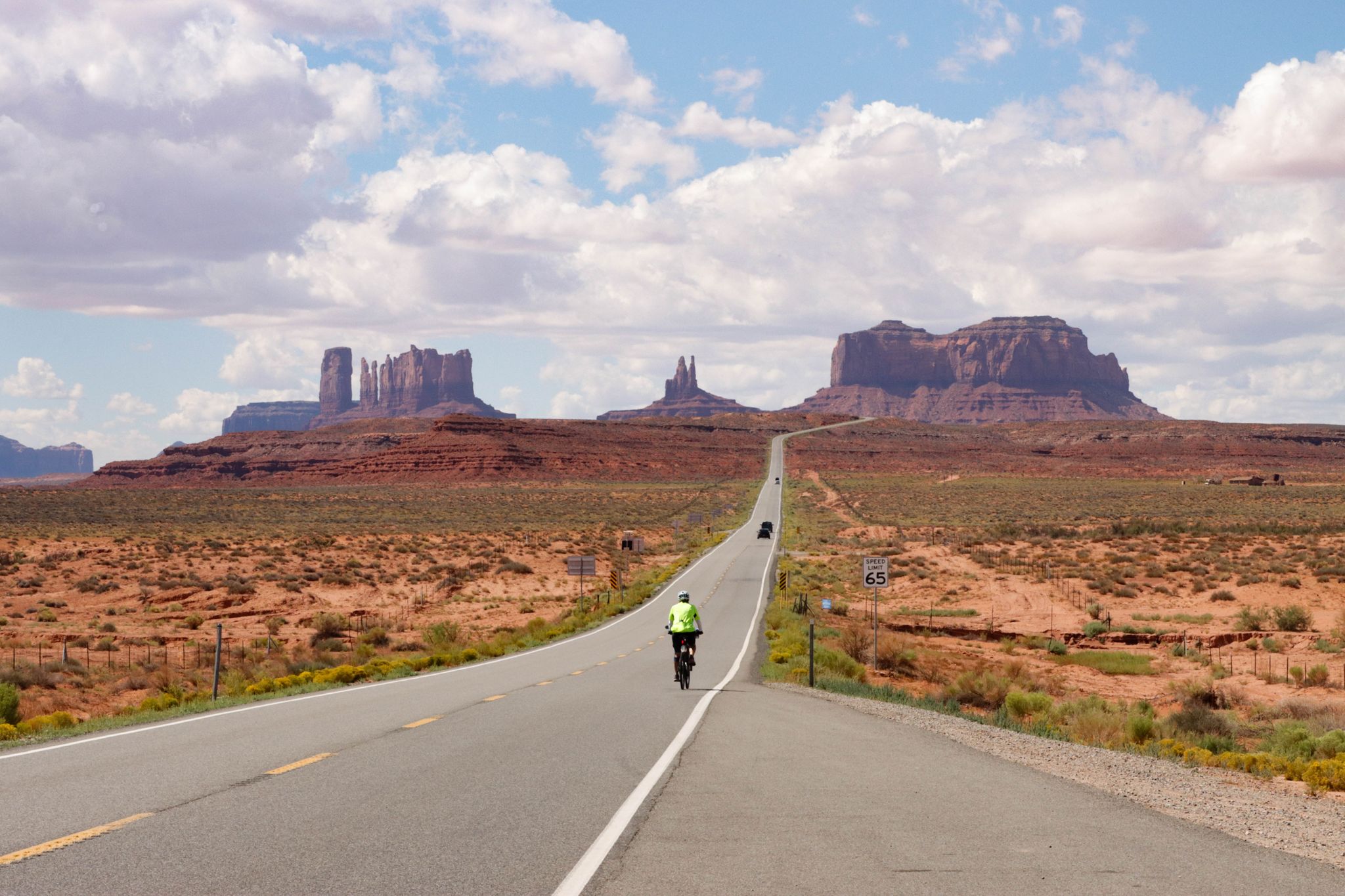
From the Arctic Ocean to the Panama Canal — North American Epic

Triathlon 360 – my journey around the world
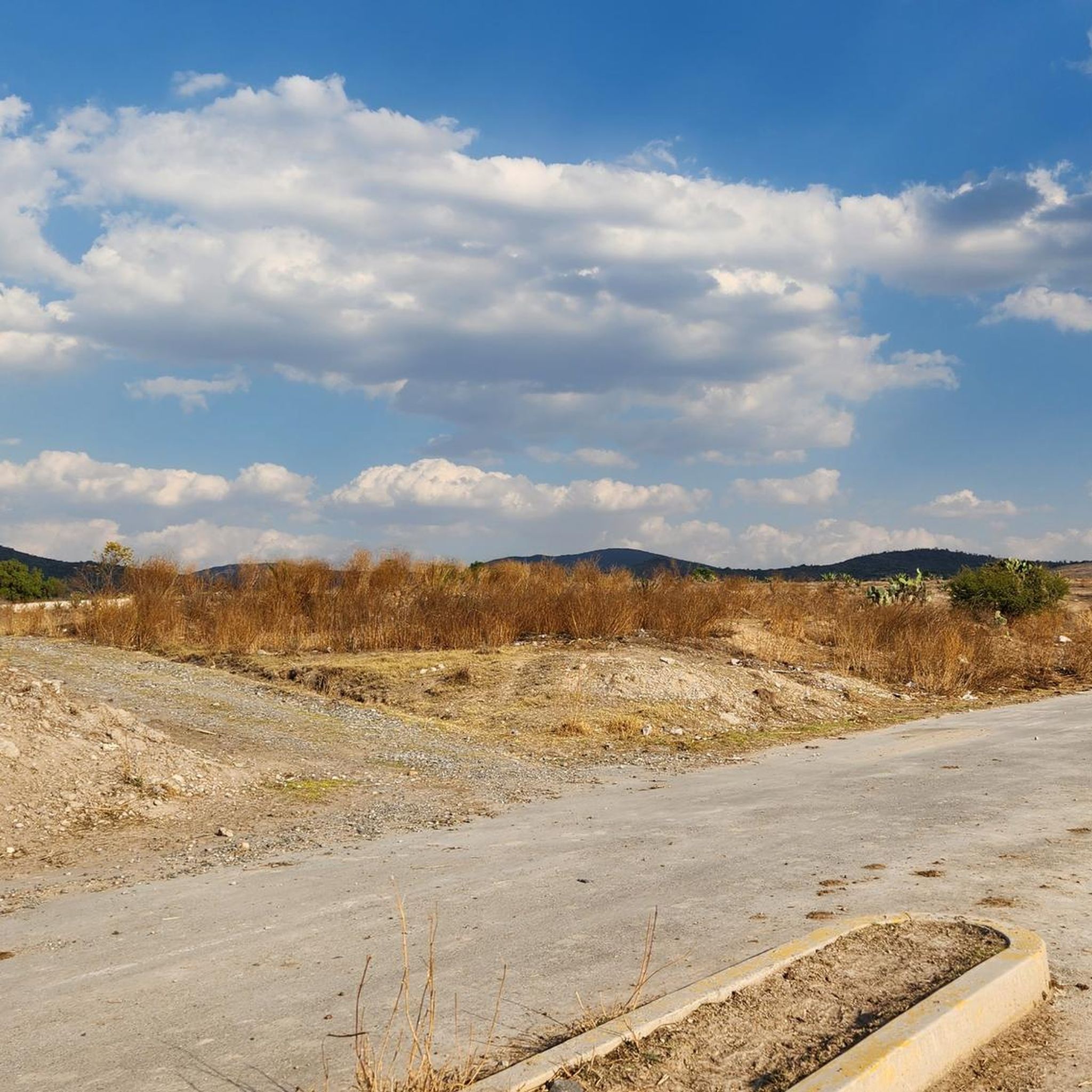
Hiking in the Trans-Mexican Volcanic Belt
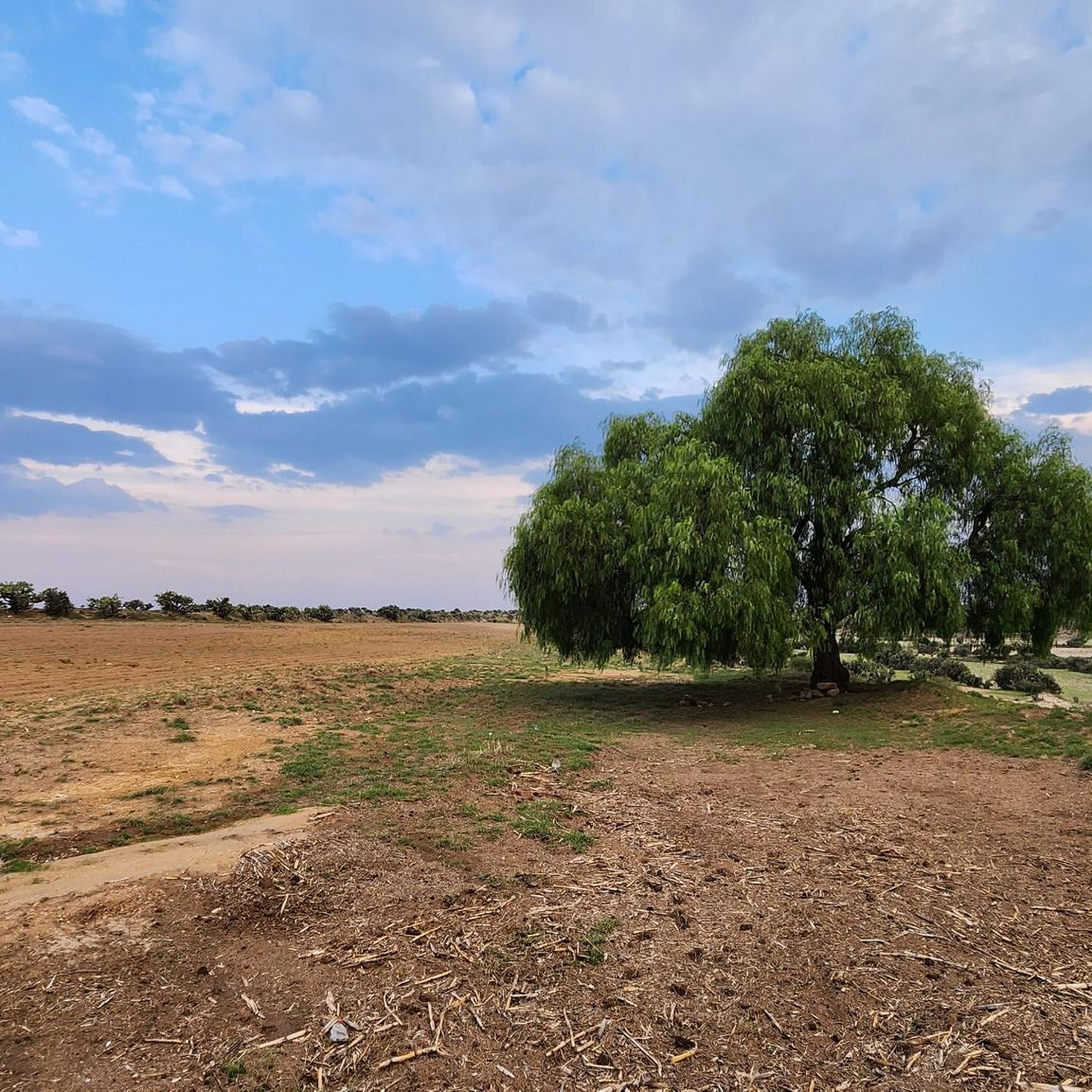
Running Trails in the Trans-Mexican Volcanic Belt
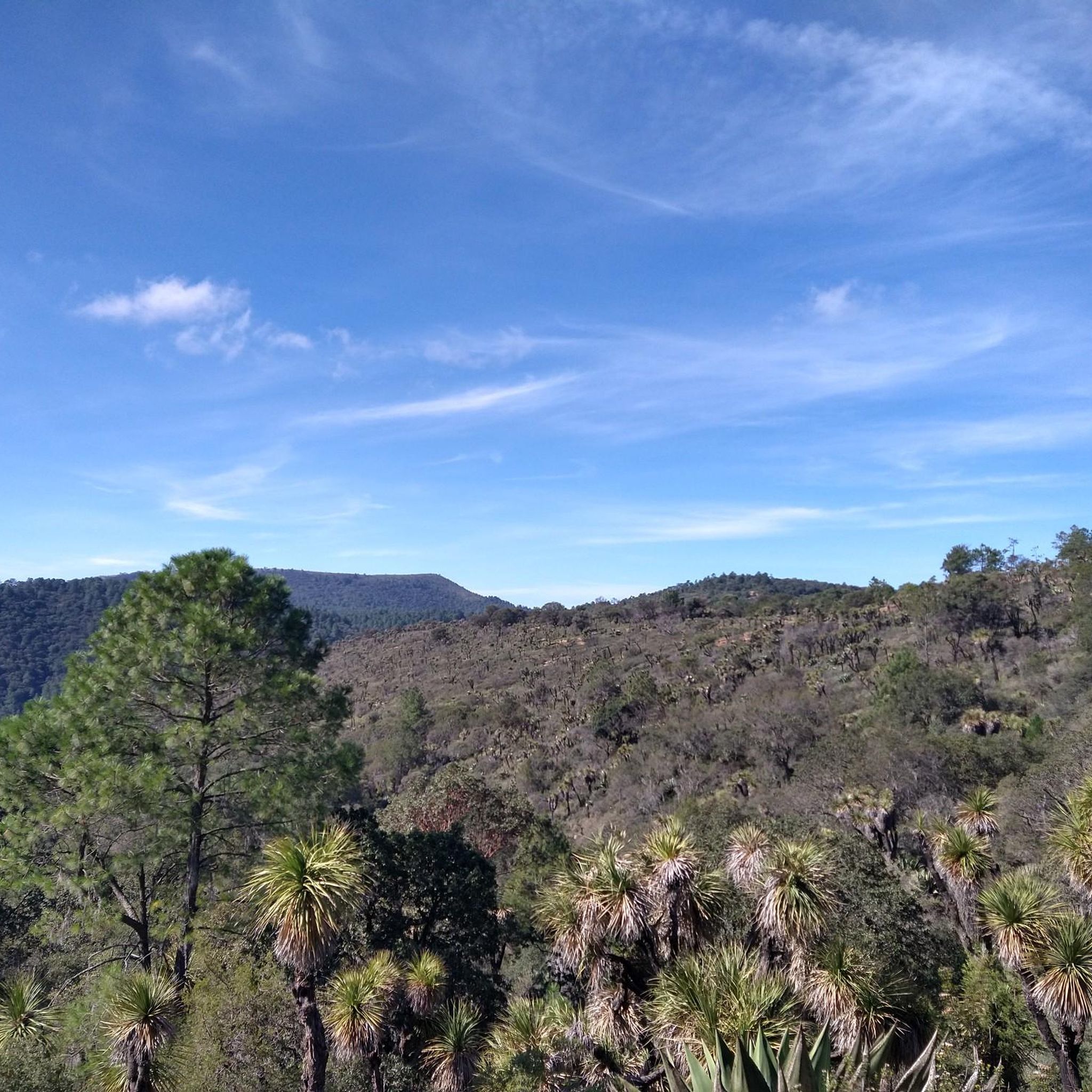
Cycling in the Trans-Mexican Volcanic Belt
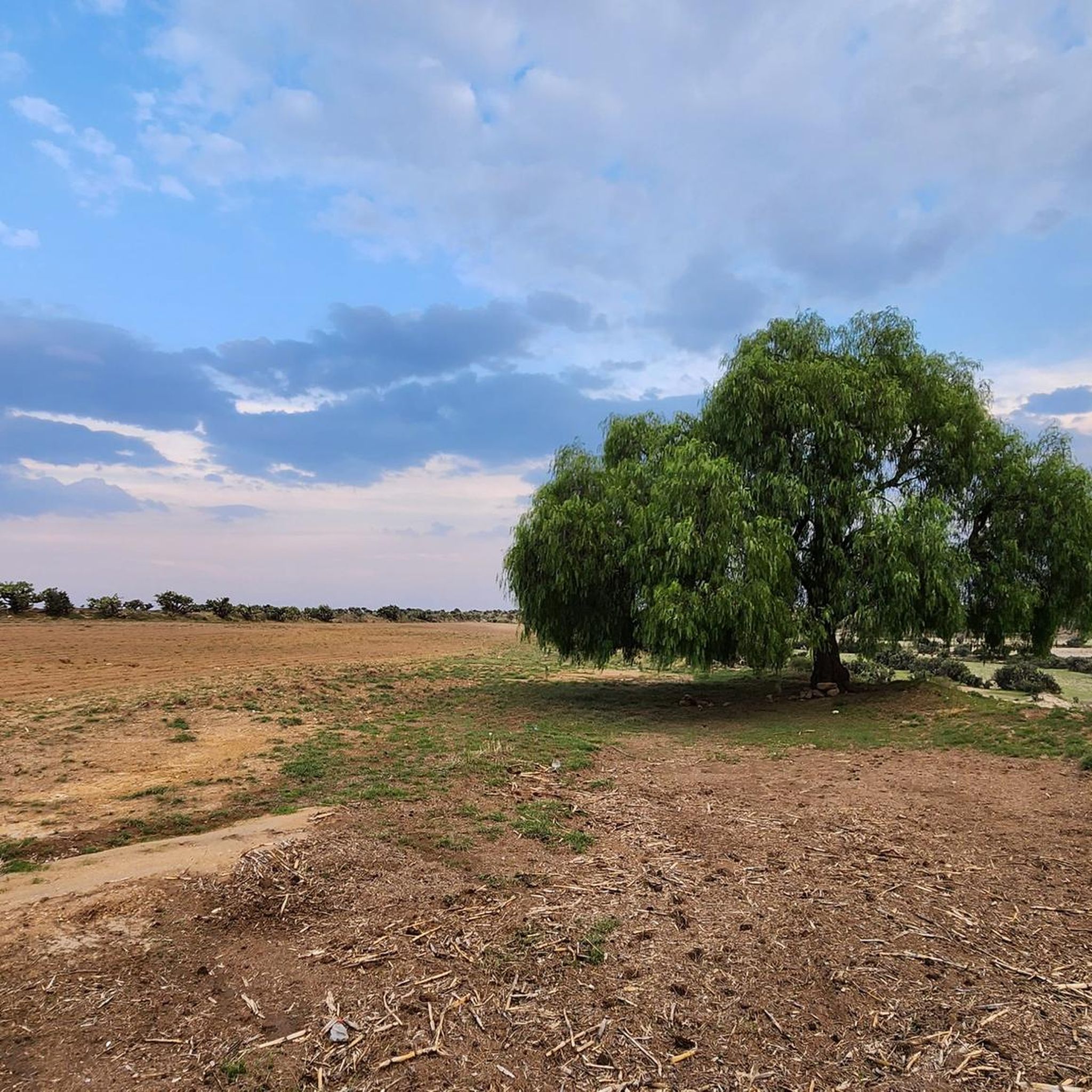
Road Cycling Routes in the Trans-Mexican Volcanic Belt
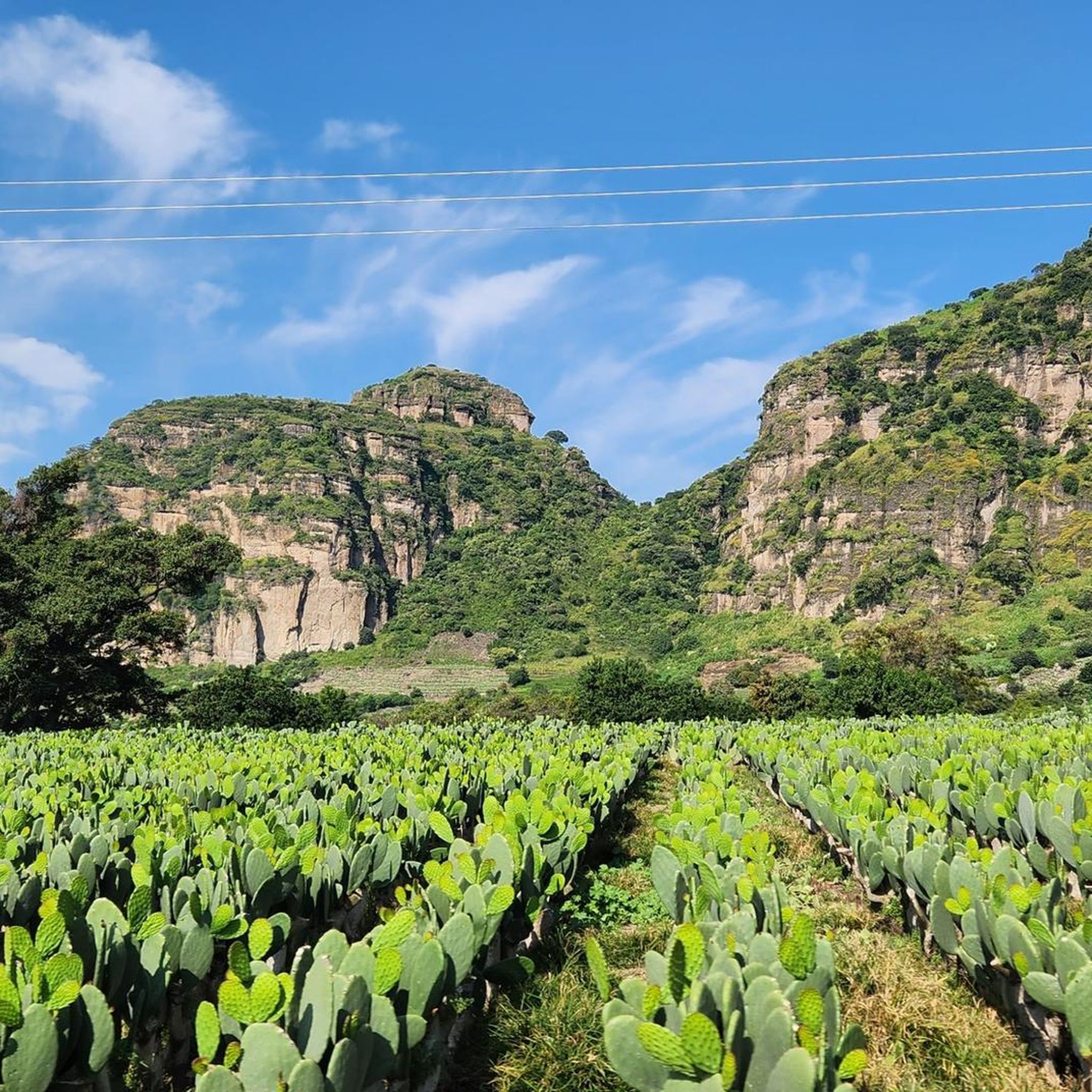
MTB Trails in the Trans-Mexican Volcanic Belt

Mountain Hikes in the Trans-Mexican Volcanic Belt
Other adventures in the Trans-Mexican Volcanic Belt


Tips from the Community

It's the perfect place to stop at the end of your adventure, rest for a moment and enjoy a comforting snack after your exertion.
0
0
Beside the road stands a small image of Our Lady of Guadalupe, watched over with devotion by passersby. Many people stop for a few minutes to leave flowers, candles, or other offerings, giving thanks for favors received or asking for protection on their journey. It's a simple spot, but full of faith and meaning.
0
0

This interesting convent, built in the 17th century by Carmelite monks, later converted into a military barracks and which holds many "paranormal" stories, is now open to visitors and serves as a base for numerous walks in the area.
0
0

One of the best places in Mexico City to go MTB
1
0

The route is shared with cyclists in some sections.
0
0

It's a pleasant route and suitable for all cyclists...
0
0

You'll inevitably have to pay to enter the park and enjoy the desert trails, which are well worth the effort. The security guards on weekends are good; while they don't charge during the week, they leave much to be desired. There have been robberies due to the lack of security.
1
0
A stretch of the many Desert roads, rather than recommending the place, is definitely worth a visit, and it's enjoyable unless it's a crowded Sunday, in any case, it's the way to reach some route.
1
0
Frequently Asked Questions
How many gravel bike trails are available in the Trans-Mexican Volcanic Belt?
There are over a dozen gravel bike trails documented in the Trans-Mexican Volcanic Belt on komoot. These routes cater to various skill levels, from easy paths to challenging climbs, offering diverse experiences across the region's unique volcanic landscape.
What kind of terrain can I expect on gravel bike trails in the Trans-Mexican Volcanic Belt?
The Trans-Mexican Volcanic Belt offers a diverse and rugged landscape. You can expect to encounter unpaved roads, dirt tracks, and chunky gravel paths winding through dramatic volcanic terrain, high plateaus, and extensive pine-oak forests. Routes often feature significant elevation gains and descents, providing a challenging and dynamic experience with varied surfaces.
Are there any beginner-friendly gravel bike trails in the Trans-Mexican Volcanic Belt?
Yes, there is at least one easy gravel bike trail suitable for beginners. The Rancho El Lobo – Wolf Sculpture loop from El Lobo is a good option, offering a less strenuous ride through the region's beautiful scenery.
What are some challenging gravel bike routes for experienced riders in the Trans-Mexican Volcanic Belt?
For experienced riders seeking a challenge, the region offers several difficult routes. The Dirt Path in the Forest – Oyameles Dam loop from Chilpancingo is a popular choice, featuring significant elevation gain through pine forests. Another demanding option is the Dirt Path in the Forest – Oyameles Dam loop from Estación Vasco de Quiroga, which winds through volcanic landscapes with panoramic views.
What natural features or landmarks can I see along the gravel bike trails?
The Trans-Mexican Volcanic Belt is rich in natural beauty and historical sites. While cycling, you'll experience dramatic volcanic landscapes, high plateaus, and extensive pine-oak forests. Notable nearby attractions include the Nevado de Toluca Summit, offering breathtaking views. You might also find historical sites like Teotihuacan or the Chapultepec Castle, though these may require a slight detour from the immediate gravel paths.
Are there any circular gravel bike routes in the Trans-Mexican Volcanic Belt?
Yes, many of the gravel bike routes in the Trans-Mexican Volcanic Belt are designed as loops, allowing you to start and end at the same point. For example, the Cruz Blanca – Desierto de los Leones Viewpoint loop from San Lorenzo Acopilco is a popular circular trail leading through high plateaus and diverse forest types.
What do other gravel bikers enjoy most about cycling in the Trans-Mexican Volcanic Belt?
The area is highly rated by the komoot community, with an average score of 4.9 stars from over 13 reviews. Reviewers often praise the dramatic volcanic landscapes, the challenge of significant elevation changes, and the opportunity to explore diverse ecosystems through pine-oak forests. The varied surfaces, from smooth dirt to rocky sections, also contribute to a dynamic and engaging riding experience.
What is the best season for gravel biking in the Trans-Mexican Volcanic Belt?
The Trans-Mexican Volcanic Belt generally experiences a temperate climate. While specific conditions can vary, the dry season (typically November to May) often offers more stable weather and clearer skies, making it ideal for gravel biking. However, the pine-oak forests act as 'rain traps,' so be prepared for potential moisture, especially during the rainy season (June to October).
Are there any accommodations or huts available along the routes?
Yes, for those looking to extend their adventure, there are various huts and cabins in the Trans-Mexican Volcanic Belt. Options include Las Plumas Mountain Hut and Piedra Grande Hut, Pico de Orizaba. These can provide convenient resting points or overnight stays for bikepacking trips.
Is it possible to access gravel trails using public transport?
While specific public transport options directly to trailheads can vary, many routes in the Trans-Mexican Volcanic Belt are accessible from towns and cities that have public transport links. It's advisable to research local bus services or shared rides to the nearest communities, from where you can often cycle to the starting points of the gravel trails.
Are there any permits required for gravel biking in the Trans-Mexican Volcanic Belt?
Generally, permits are not required for casual gravel biking on public roads and trails in the Trans-Mexican Volcanic Belt. However, some areas, particularly within national parks like Nevado de Toluca National Park or Cofre de Perote National Park, might have specific regulations or require entrance fees. It's always best to check with local authorities or park management for the most current information if you plan to ride within protected areas.
What should I pack for a gravel biking trip in this region?
Given the varied terrain and potential elevation changes, it's recommended to pack layers of clothing suitable for changing weather conditions. Essential items include a helmet, repair kit, sufficient water and snacks, navigation tools (like komoot!), and sun protection. For longer rides, consider bringing a first-aid kit and extra layers for cooler temperatures at higher altitudes.
Most popular routes in the Trans-Mexican Volcanic Belt
Most popular attractions in the Trans-Mexican Volcanic Belt

Get inspired with the komoot mobile app


Explore more
Browse the best Gravel rides in other regions.
