The best gravel rides in the Cordillera Central Costa Rica
41
riders
4
rides
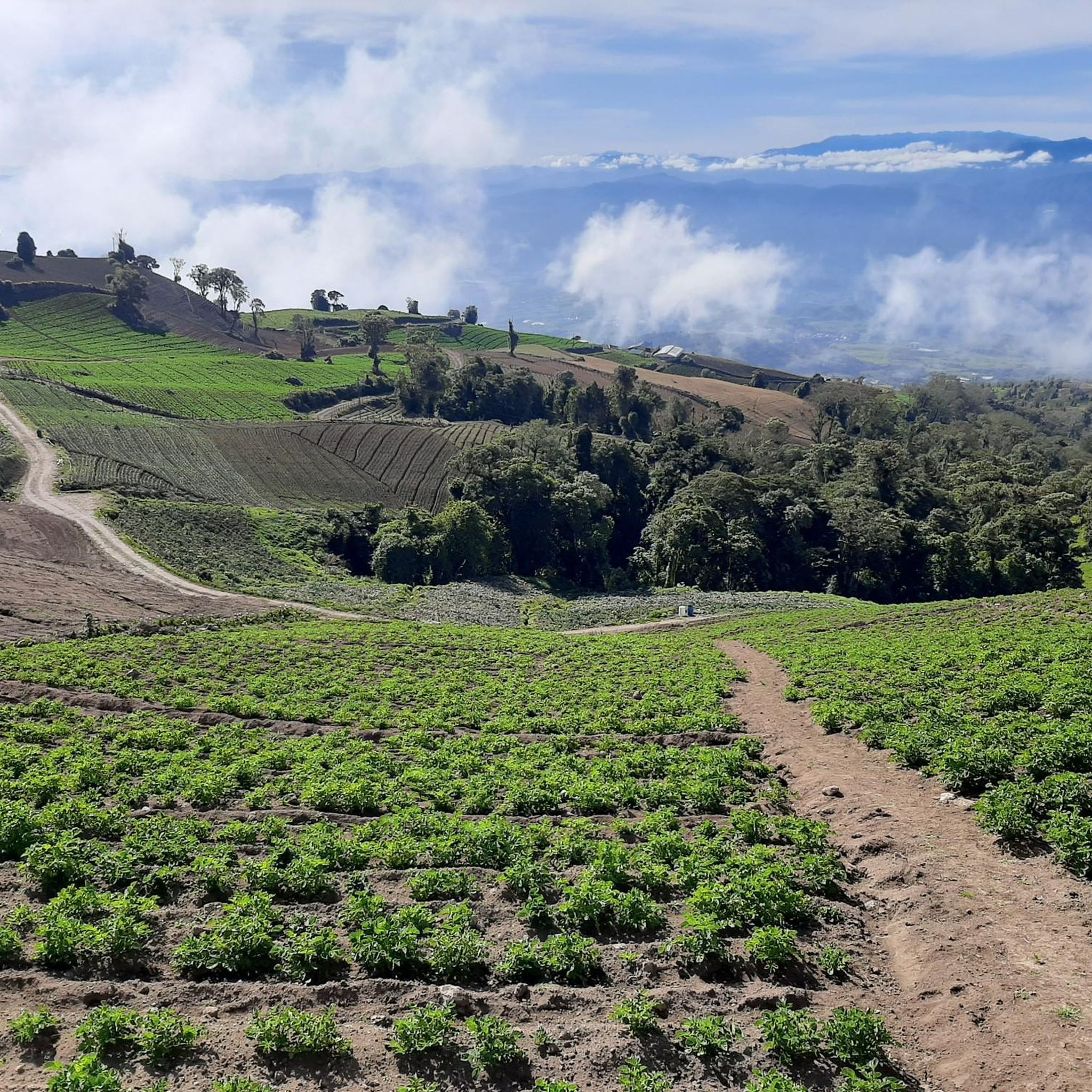
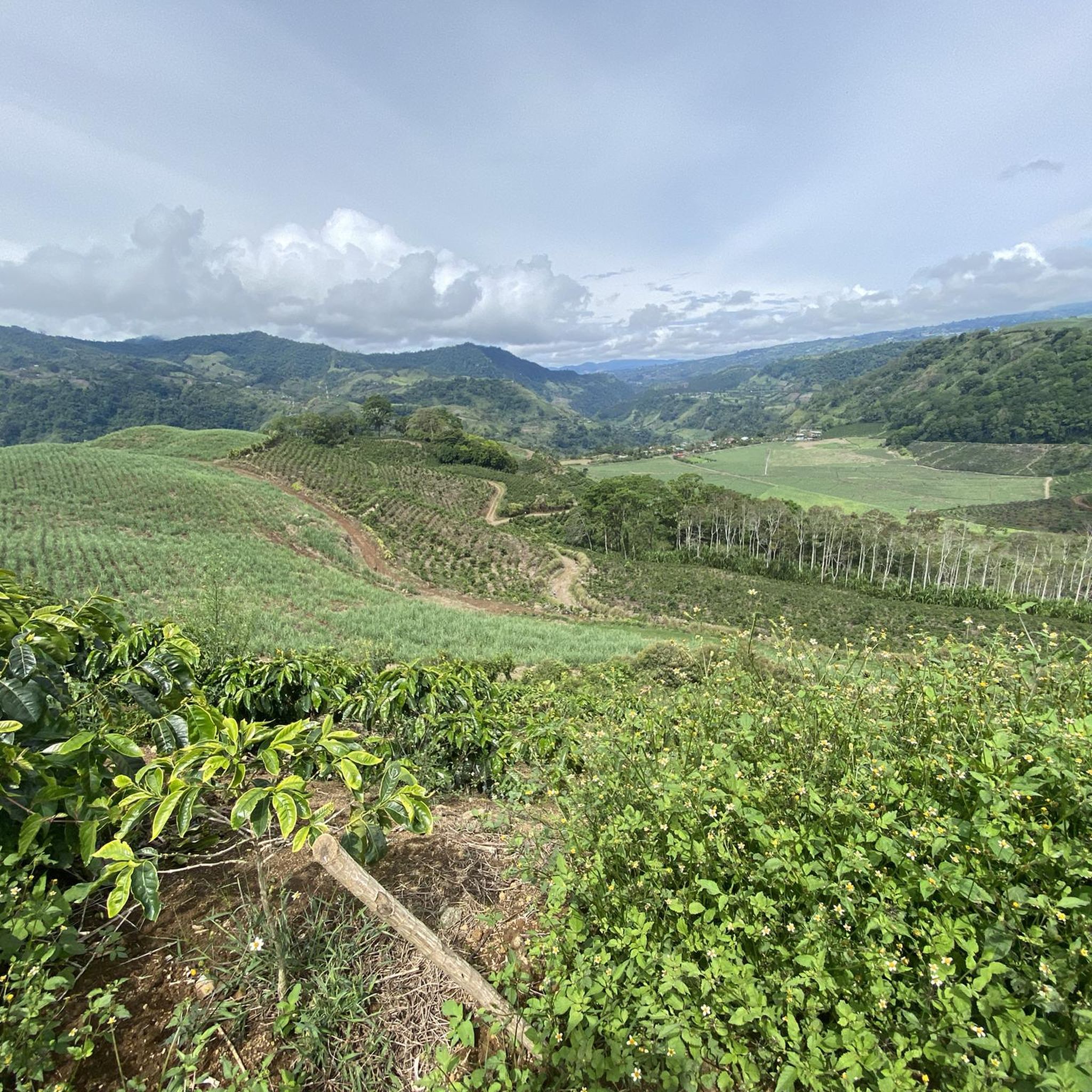
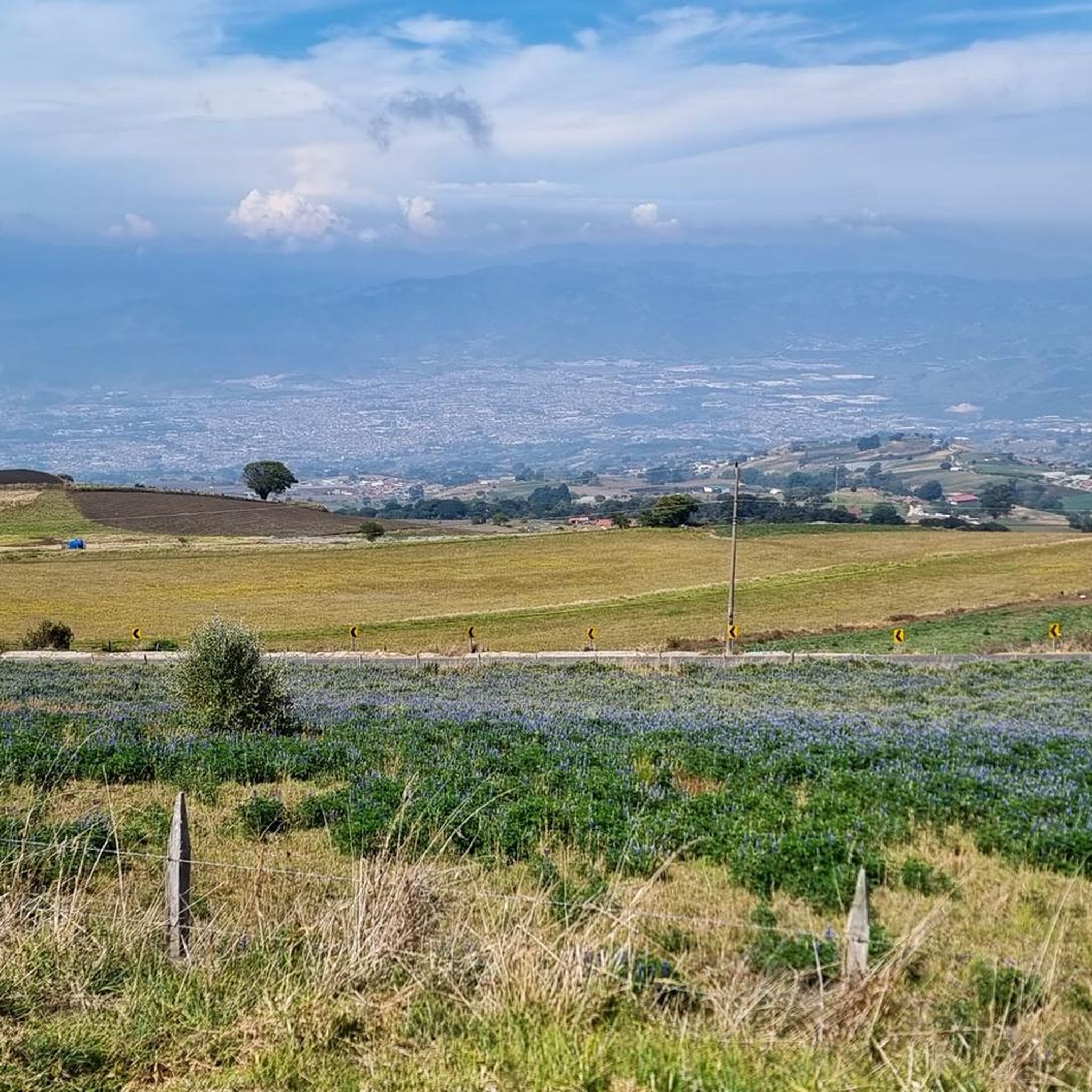
Gravel biking in the Cordillera Central Costa Rica offers routes through dramatic volcanic landscapes and diverse ecosystems. The region is characterized by a chain of towering volcanoes, including Irazú, Poás, Barva, and Turrialba, and features steep, dissected topography. Cyclists can expect varied terrain, from tropical wet and cloud forests to rural gravel and dirt roads, often involving significant climbs and descents. Approximately 70% of the routes consist of unpaved surfaces, including gravel roads, dirt jungle paths, and volcanic rock.
Best…
Last updated: July 2, 2026
20
riders
54.9km
03:57
1,000m
1,000m
Hard gravel ride. Very good fitness required. Mostly paved surfaces. Suitable for all skill levels.
10
riders
50.4km
03:58
1,230m
1,240m
Hard gravel ride. Very good fitness required. Mostly paved surfaces. Suitable for all skill levels.

Sign up for free
5
riders
31.6km
02:31
680m
680m
Hard gravel ride. Very good fitness required. Mostly paved surfaces. Suitable for all skill levels.
4
riders
32.7km
02:18
570m
580m
Hard gravel ride. Very good fitness required. Mostly paved surfaces. Suitable for all skill levels.
2
riders
54.6km
04:24
1,460m
1,460m
Hard gravel ride. Very good fitness required. Mostly paved surfaces. Suitable for all skill levels.
Our route recommendations are based on thousands of hikes, rides, and runs completed by other people on komoot.
Start today with a free account
Your next adventure awaits.
Login or Signup

Tips from the Community

You can take photos on the suspension bridge, the Pejiballe River is clean. Be careful, it only supports 3 people at a time.
1
0


A nice low degree 7 km gravel road through the forest
0
0

Frequently Asked Questions
What kind of terrain can I expect on gravel bike trails in Cordillera Central Costa Rica?
Gravel biking in the Cordillera Central features dramatic volcanic landscapes with steep, dissected topography. You'll encounter a mix of rural gravel and dirt roads, often with significant climbs and descents. Surfaces can range from firm to looser or rougher gravel, traversing volcanic foothills, lush forests, and areas offering superb views. Routes often combine paved and unpaved sections, with many being predominantly non-paved.
Are there any easier gravel biking routes for beginners in the Cordillera Central?
The routes listed in this guide are generally rated as 'difficult' due to the region's mountainous terrain and significant elevation changes. For example, the Calle Coyotera – Extralum Montaña de Cristal loop from Grecia, while shorter at 27.2 miles (43.8 km), still involves considerable climbing. Beginners should be prepared for challenging conditions and consider routes with less elevation gain if available, or focus on shorter distances to build experience.
What natural attractions or landmarks can I see while gravel biking in Cordillera Central Costa Rica?
The region is rich in natural beauty. You can explore areas near iconic volcanoes like Poás Volcano and Irazú Volcano, known for their active craters and unique landscapes. The area also boasts numerous waterfalls, such as La Paz Waterfall, and serene lakes like Poza Azul. Many routes offer views of these features and pass through diverse ecosystems, from tropical wet forests to cloud forests.
Are there any routes that feature waterfalls?
Yes, the Cordillera Central is home to several beautiful waterfalls. While specific routes may not pass directly by them, areas like the La Paz Waterfall Gardens are easily accessible. You can find highlights such as La Paz Waterfall, Twin Falls, and Las Gemelas Waterfall in the region, which can be incorporated into your gravel biking adventure.
What is the best time of year for gravel biking in Cordillera Central Costa Rica?
The Cordillera Central experiences distinct wet and dry seasons. The dry season, generally from December to April, offers more predictable weather with less rain, making it ideal for gravel biking. During the wet season (May to November), trails can be muddier and more challenging, though the lush greenery is at its peak. Always check local weather forecasts before heading out.
Are there any long-distance gravel biking routes in the Cordillera Central?
Yes, the region offers several longer routes that provide a significant challenge. For instance, the Forest Stream – Sarapiquí Sign loop from Puerto Viejo is a substantial 47.4 miles (76.3 km) trail, typically taking over 5 hours to complete. Another option is the Hotel Turire – Infiernillo Climb loop from Turrialba, which covers 34.0 miles (54.6 km) through mountainous terrain.
Can I find circular gravel biking routes in this region?
Many of the gravel biking routes in the Cordillera Central are designed as loops, allowing you to start and finish at the same point. Examples include the La Gloria Gate – Piedras Negras Trail loop from El Futuro and the Japis River – Piedras Negras Trail loop from Brasil. These circular routes are convenient for day trips and exploring diverse landscapes without needing shuttle arrangements.
What are some notable viewpoints along the gravel bike routes?
The Cordillera Central is renowned for its panoramic vistas. From higher elevations, especially near the volcanoes, you can often enjoy commanding views of the surrounding valleys and even catch glimpses of both the Caribbean Sea and the Pacific Ocean on clear days. Routes traversing volcanic foothills and open rural areas frequently offer stunning scenic overlooks.
Is public transport available to reach gravel bike trailheads?
While some towns in the Cordillera Central are served by public buses, direct public transport to specific gravel bike trailheads can be limited, especially for more remote routes. It's advisable to research local bus routes to the nearest towns or consider private transport options to access starting points for your rides.
Are there any specific permits required for gravel biking in the Cordillera Central?
Generally, no specific permits are required for gravel biking on public roads and trails in the Cordillera Central. However, if your route takes you through national parks (like Poás Volcano National Park or Irazú Volcano National Park), you will need to pay entrance fees and adhere to park regulations. Always check the specific requirements for any protected areas you plan to enter.
What kind of wildlife might I encounter while gravel biking?
The diverse ecosystems of the Cordillera Central are home to abundant wildlife. You might spot various bird species, including hummingbirds, and potentially see monkeys, sloths, or other small mammals, especially in forested areas. The region's rich biodiversity includes unique plant species, making for an immersive natural experience. Remember to observe wildlife from a respectful distance.
Are there options for accommodation or places to eat near the gravel biking trails?
The Cordillera Central, particularly towns like Turrialba and those in the Central Valley, offers various accommodation options ranging from eco-lodges to hotels. You'll also find local sodas (small restaurants) and cafes in these towns where you can refuel. Some routes might pass through or near smaller villages with basic amenities, but it's always wise to carry sufficient water and snacks, especially on longer or more remote rides.
Most popular routes in the Cordillera Central Costa Rica
Most popular attractions in the Cordillera Central Costa Rica

Get inspired with the komoot mobile app


Explore more
Browse the best Gravel rides in other regions.
