Attractions and Places To See around Kälberberg - Top 20
Best attractions and places to see around Kälberberg, a district of Buttenheim in the Bamberg region of Upper Franconia, Germany, offer a mix of historical sites and natural landscapes. The area is situated near the UNESCO World Heritage city of Bamberg, providing access to significant cultural landmarks. Kälberberg itself has historical roots, first documented in 1145, and features local points of interest alongside opportunities for outdoor activities like hiking and cycling in the surrounding terrain.
Best attractions and places to…
Last updated: June 22, 2026
Bad Brückenau Spa Park
Highlight • Natural Monument
Translated by Google •
Tip by

Rhönexpress Rail Trail
Highlight • Cycleway
Translated by Google •
Tip by

Sign up now to discover places like this
Get recommendations on the best single tracks, peaks, & plenty of other exciting outdoor places.
Sign up for free
Rhönexpress Railway Cycle Path at Römershag
Highlight • Cycleway
Translated by Google •
Tip by

Ramholz Castle
Highlight • Castle
Translated by Google •
Tip by

Chestnut Avenue, Bad Brückenau Castle Park
Highlight • Structure
Translated by Google •
Tip by

Sign up for free to discover even more attractions around Kälberberg.
Sign up for free
Already have an account?
Start today with a free account
Your next adventure awaits.
Login or Signup
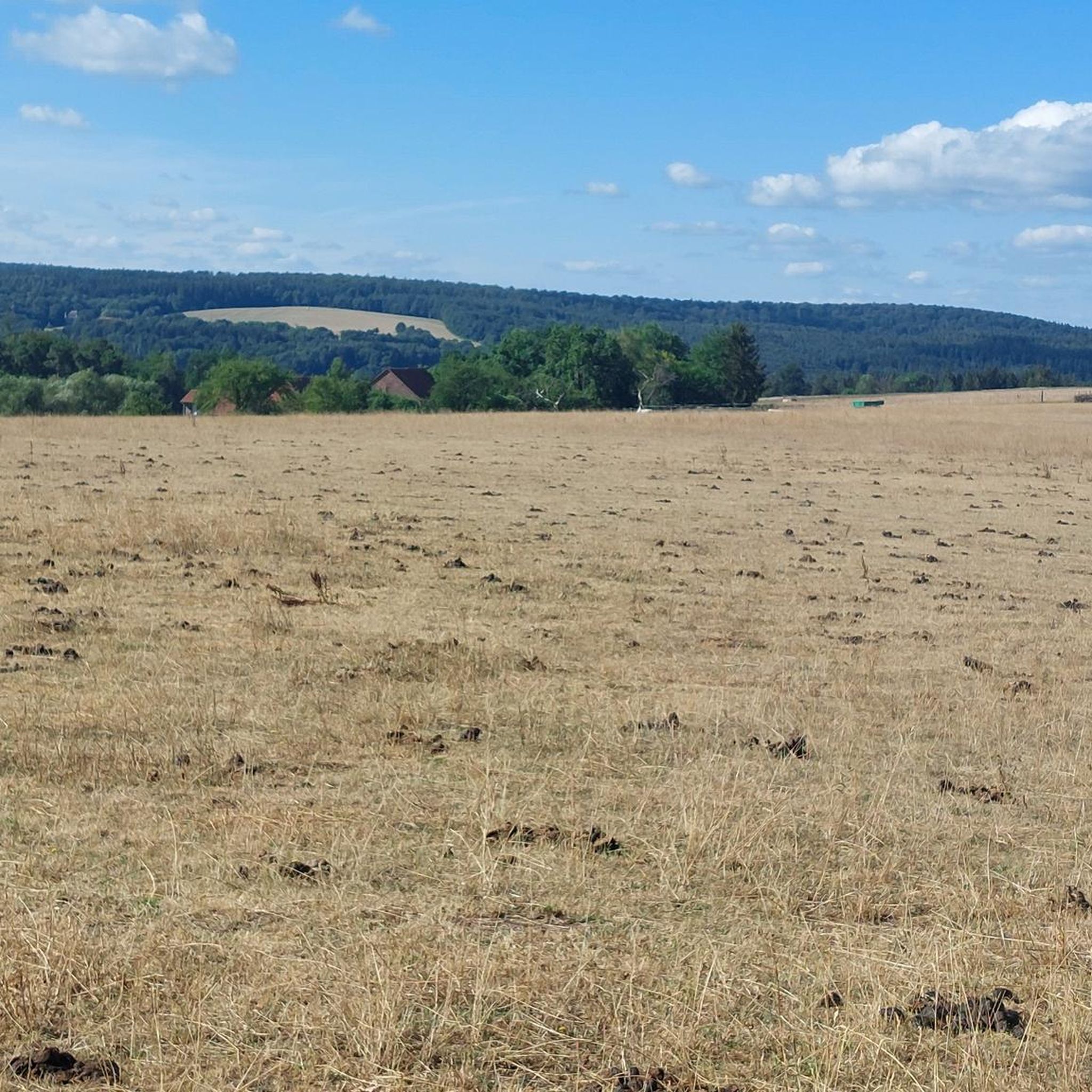
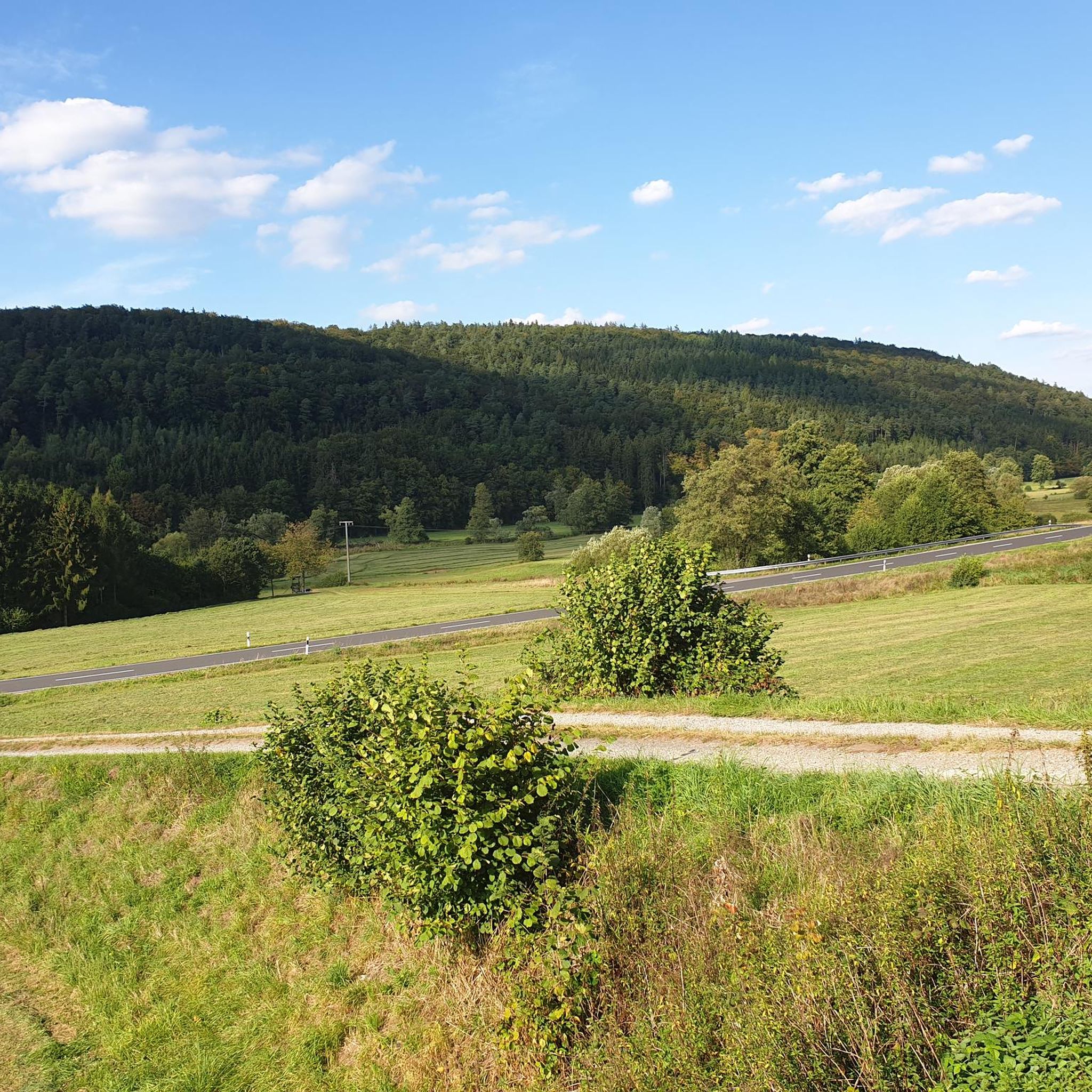
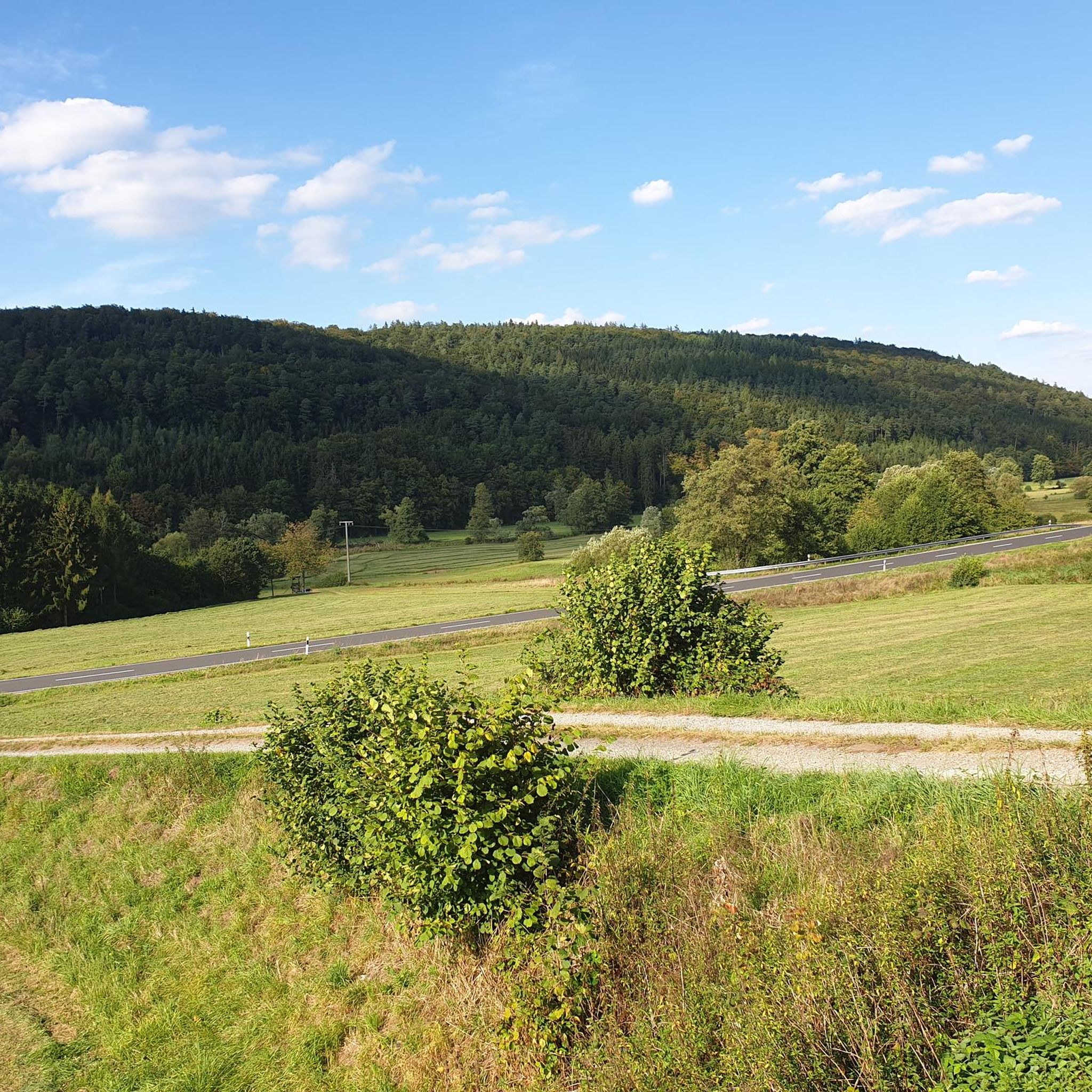
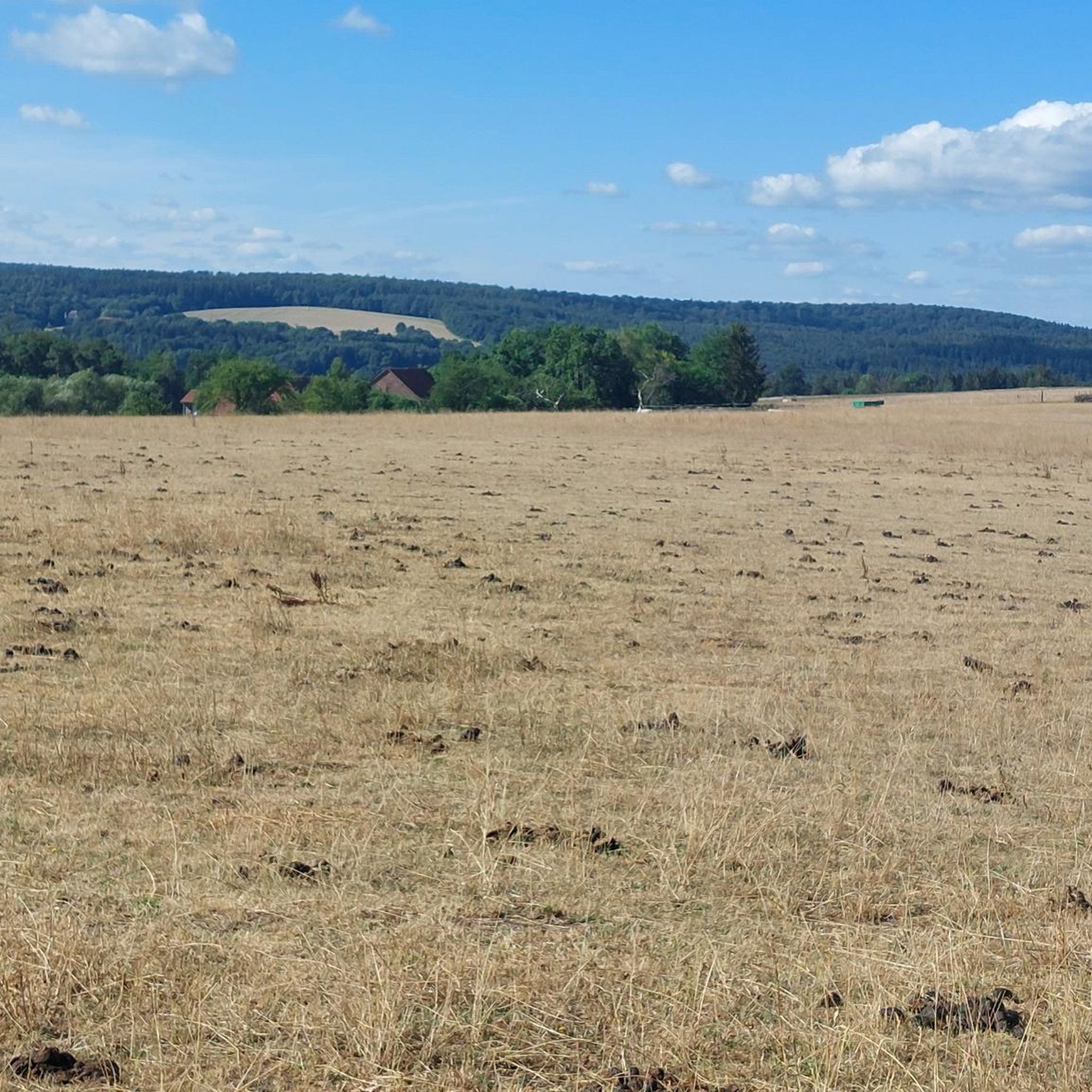
Tips from the Community

The chestnut avenue in the Bad Brückenau state spa is a magical destination that impresses with its idyllic atmosphere. The avenue, lined with old chestnut trees, connects historic buildings and the well-kept spa gardens in a picturesque way. It is particularly enchanting in spring and autumn with its splendor of colors and offers walkers and hikers a perfect place to slow down. The quiet, elegant surroundings invite you to linger and make the chestnut avenue a highlight for nature lovers and photographers alike. A place that brings peace and beauty into harmony!
0
0

Easy to ride and varied cycle path.
1
0

The Jossa–Wildflecken railway line, also known as the Sinntalbahn, was a branch line in Hesse and Bavaria. It branched off from the Flieden–Gemünden railway line in Jossa and ran through the Sinntal via Altengronau and Bad Brückenau to Wildflecken. The building permit for the line was granted on March 8, 1888, so that construction work could begin on July 1, 1890. The line was opened on October 9, 1891, and stops along the way began on October 15, 1891. Passenger traffic, which had always been of secondary importance, declined sharply due to competition from private transport. After the German Federal Railway stopped weekend traffic on the line with the 1982 summer timetable and no longer served the Bad Brückenau–Wildflecken section except for a single pair of trains, it stopped passenger traffic on the line completely on May 27, 1988. The last freight train traveled the route on February 4, 2002. On June 26, 2002, the Bad Brückenau-Wildflecken section of the route had to be closed due to a dam slide near the Römershag stop, and the entire route was closed on October 17, 2002. Until the entire route was finally closed by the Federal Railway Authority on March 31, 2005, special trips by railway associations continued. Finally, at the end of 2009, DB Netz submitted an application to dismantle the route. The actual dismantling of the tracks finally took place in October 2016. The dismantling of the tracks began in 2017. The Rhönexpress rail cycle path, which was partially built on the route of the Sinntalbahn, was opened on June 28, 2019. The first section, Zeitlofs - Bad Brückenau-Römershag, was opened on December 1, 2018. Source and further information: https://de.wikipedia.org/wiki/Bahnstrecke_Jossa-Wildflecken Rhönexpress rail cycle path homepage: https://rhoenexpress.bayern
2
0
The Jossa–Wildflecken railway line, also known as the Sinntalbahn, was a branch line in Hesse and Bavaria. It branched off from the Flieden–Gemünden railway line in Jossa and ran through the Sinntal via Altengronau and Bad Brückenau to Wildflecken. The building permit for the line was granted on March 8, 1888, so that construction work could begin on July 1, 1890. The line was opened on October 9, 1891, and stops along the way began on October 15, 1891. Passenger traffic, which had always been of secondary importance, declined sharply due to competition from private transport. After the German Federal Railway stopped weekend traffic on the line with the 1982 summer timetable and no longer served the Bad Brückenau–Wildflecken section except for a single pair of trains, it stopped passenger traffic on the line completely on May 27, 1988. The last freight train traveled the route on February 4, 2002. On June 26, 2002, the Bad Brückenau-Wildflecken section of the route had to be closed due to a dam slide near the Römershag stop, and the entire route was closed on October 17, 2002. Until the entire route was finally closed by the Federal Railway Authority on March 31, 2005, special trips by railway associations continued. Finally, at the end of 2009, DB Netz submitted an application to dismantle the route. The actual dismantling of the tracks finally took place in October 2016. The dismantling of the tracks began in 2017. The Rhönexpress rail cycle path, which was partially built on the route of the Sinntalbahn, was opened on June 28, 2019. The first section, Zeitlofs - Bad Brückenau-Römershag, was opened on December 1, 2018. Source and further information: https://de.wikipedia.org/wiki/Bahnstrecke_Jossa-Wildflecken Rhönexpress rail cycle path homepage: https://rhoenexpress.bayern
4
0

Very beautiful spa park that invites you to take a stroll.
2
1

There is a lot more history in this part of the property than in the baron's country castle, which was built later
12
1
A property built around 1890 that you wouldn't have expected in this architectural style... in private hands... the direct park is no longer accessible... still quite impressive
20
0

Very well maintained and sophisticated looking facility, worthwhile.
7
0
Frequently Asked Questions
What historical sites can I visit around Kälberberg?
The region offers several historical attractions. You can explore the impressive Ramholz Castle, a private property built around 1890 known for its architectural style. Another significant site is the Ruins of Steckelberg Castle, a well-preserved ruin with panoramic views. Additionally, the Bad Brückenau Spa Park is a historical site with stately buildings and gardens, where King Ludwig I once resided. Kälberberg itself has historical roots, first documented in 1145.
Are there any natural features or viewpoints to enjoy near Kälberberg?
Yes, the area offers natural beauty and scenic viewpoints. The Bad Brückenau Spa Park is a natural monument featuring preserved gardens. From the Ruins of Steckelberg Castle, you can enjoy spacious panoramic views. The Fernmeldeturm Bamberg, a telecommunications tower on the Wachknock hill, serves as an unofficial landmark and offers wide visibility across the landscape.
What outdoor activities are available around Kälberberg?
The region is excellent for various outdoor activities. You can enjoy cycling on routes like the Rhönexpress Rail Trail, which is 26.3 km long with a gentle gradient, or the Rhönexpress Railway Cycle Path at Römershag, known for its smooth asphalt. For hiking, there are trails around Kälberberg, including a moderate 16.6 km loop from Bad Brückenau Spa Park. You can find more routes for mountain biking, hiking, and running in the dedicated guides: MTB Trails around Kälberberg, Hiking around Kälberberg, and Running Trails around Kälberberg.
Are there family-friendly attractions or activities in the area?
Yes, several attractions are suitable for families. The Bad Brückenau Spa Park is family-friendly, offering gardens and historical buildings to explore. The Rhönexpress Rail Trail is specifically highlighted as an ideal destination for family outings due to its gentle incline. The Ruins of Steckelberg Castle are also considered family-friendly, offering an open facility to explore.
What is the best time of year to visit Kälberberg for outdoor activities?
The region around Kälberberg is generally pleasant for outdoor activities from spring through autumn. The Rhönexpress Rail Trail, for example, was completed in June 2019, suggesting it's well-suited for warmer months. Spring and early autumn offer comfortable temperatures for hiking and cycling, while summer allows for full enjoyment of the parks and outdoor trails.
Are there any wheelchair-accessible routes or attractions?
Yes, the Bad Brückenau Spa Park is noted as being wheelchair accessible, allowing visitors with mobility challenges to enjoy its stately park, imposing buildings, and gardens.
What can I expect from the cycling trails near Kälberberg?
The cycling trails around Kälberberg are well-regarded, especially the Rhönexpress Rail Trail and the Rhönexpress Railway Cycle Path at Römershag. They are described as 'bicycle motorways' with super smooth asphalt, making them easy to ride with almost no inclines. The Rhönexpress Rail Trail has a maximum gradient of 3%, making it suitable for all skill levels and families. It's also part of a larger network, 'From the Main to the Rhön'.
What is the significance of Bamberg to Kälberberg?
Kälberberg is a district of Buttenheim in the Bamberg region, and it's located near the UNESCO World Heritage city of Bamberg. This proximity means that many significant cultural and historical attractions of Bamberg are easily accessible from Kälberberg. These include the Bamberg Old Town, Bamberg Cathedral, the Altes Rathaus (Old Town Hall) on the Regnitz River, and the charming 'Little Venice' area.
What do visitors particularly enjoy about the attractions around Kälberberg?
Visitors appreciate the mix of historical architecture and scenic routes. The Ruins of Steckelberg Castle are loved for their well-preserved state, panoramic views, and a resting area. The Bad Brückenau Spa Park is enjoyed for its stately buildings, historical significance, and preserved garden structure. The Rhönexpress Rail Trail is praised for being a 'pleasure to ride' due to its smooth surface and gentle gradients.
Are there any unique local landmarks in Kälberberg itself?
Within Kälberberg village, a notable local landmark is the Glockenturm (Bell Tower), which was erected in 1996. The Fernmeldeturm Bamberg, visible from a wide area, also serves as an unofficial landmark for the Kälberberg region.
Can I find information about hiking trail difficulty around Kälberberg?
Yes, hiking trails around Kälberberg vary in difficulty. For example, the loop from Bad Brückenau Spa Park to Elisabethenhof is rated as moderate, covering 16.6 km. There are also easy options like the 5.1 km Rhönexpress Rail Trail loop from Zeitlofs, and more difficult routes such as the 17.9 km loop from Zeitlofs Castle to Jewish Cemetery Altengronau. You can find detailed difficulty ratings for various routes in the Hiking around Kälberberg guide.
What kind of architecture can I see in the Kälberberg area?
The architecture in the Kälberberg area ranges from historical castles to well-preserved urban structures. Ramholz Castle, built around 1890, showcases an impressive architectural style. The Ruins of Steckelberg Castle offer a glimpse into medieval castle design. In nearby Bamberg, a UNESCO World Heritage site, you'll find an exceptionally well-preserved Old Town with over 1,300 listed buildings, including Romanesque and Gothic styles in Bamberg Cathedral, and Baroque decorations on the Altes Rathaus.
Most popular attractions around Kälberberg

Get inspired with the komoot mobile app


Explore more
Still not found the Highlight you’re looking for? See guides of the top attractions in other regions:
