The best gravel rides around Mittelangeln
4.5
(3)
29
riders
3
rides
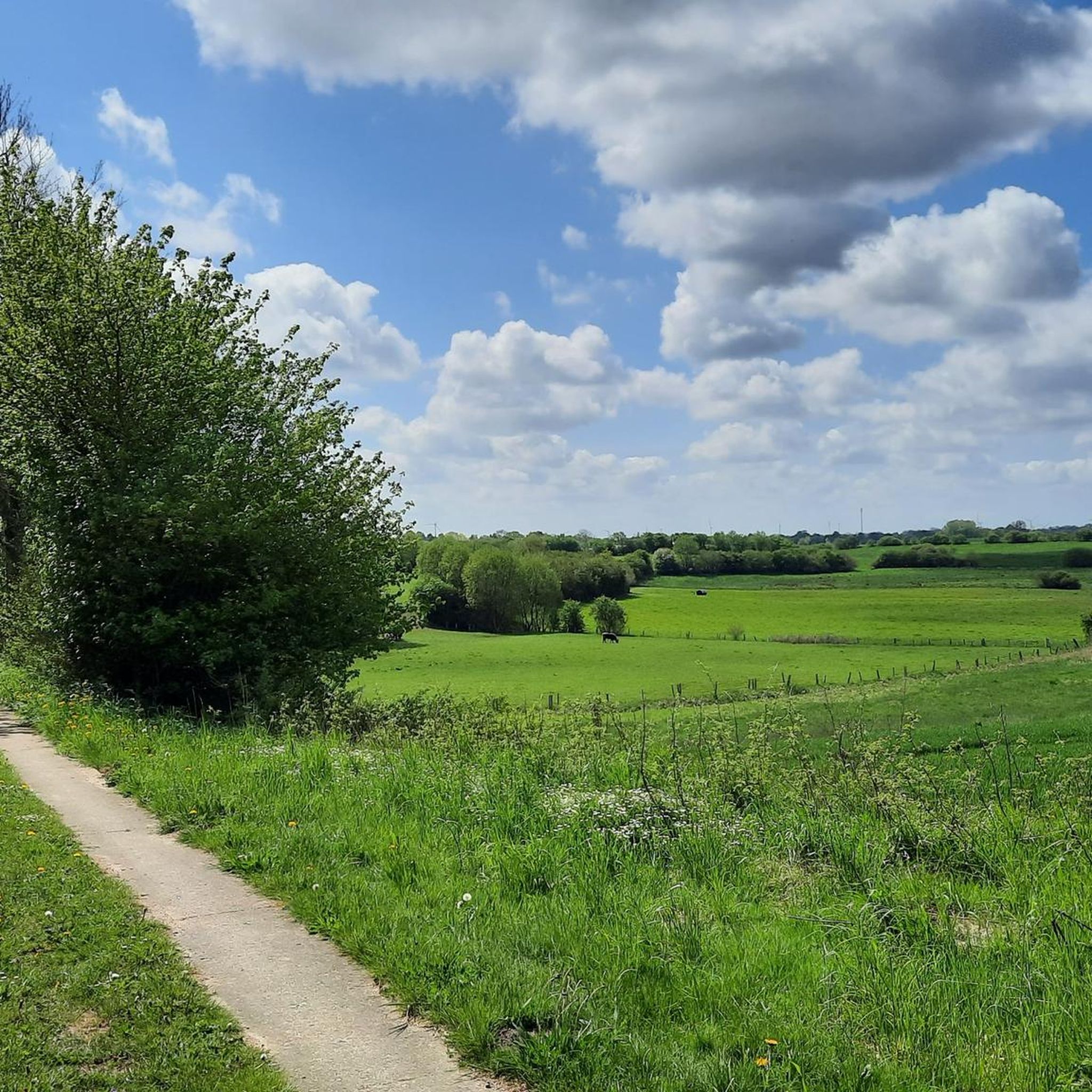
Gravel biking around Mittelangeln offers a diverse landscape characterized by an ice-age formed hilly terrain, dotted with numerous lakes, biotopes, and rural forests. The region's strategic location between the Flensburg Fjord and the Schlei River provides a blend of coastal and inland scenery, featuring rolling hills and extensive forests. Gravel bike trails in Mittelangeln navigate a mix of surfaces, including gravel paths, paved sections, and forest tracks, accommodating various skill levels. This varied terrain allows cyclists to explore routes along…
Last updated: July 2, 2026
5.0
(2)
22
riders
48.7km
02:26
180m
180m
Moderate gravel ride. Good fitness required. Mostly paved surfaces. Suitable for all skill levels.
4.0
(1)
3
riders
Easy gravel ride. Great for any fitness level. Mostly paved surfaces. Suitable for all skill levels.

Sign up for free
2
riders
34.8km
02:04
170m
170m
Moderate gravel ride. Good fitness required. Mostly paved surfaces. Suitable for all skill levels.
Our route recommendations are based on thousands of hikes, rides, and runs completed by other people on komoot.
Start today with a free account
Your next adventure awaits.
Login or Signup
Popular around Mittelangeln
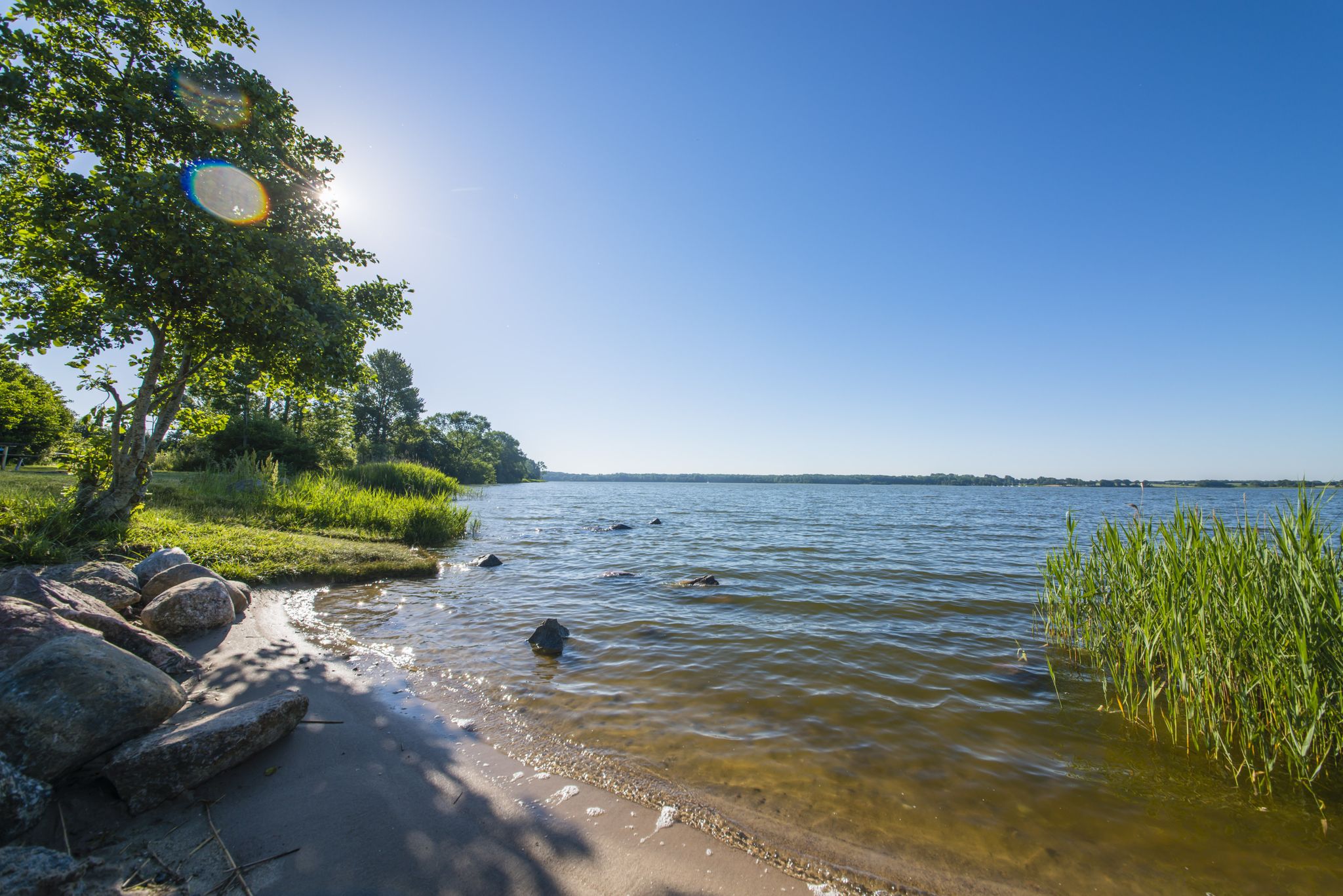
The journey is the destination – hikes along the River Schlei in Germany
Wandern im Angelner Land im hohen Norden von Schleswig-Holstein
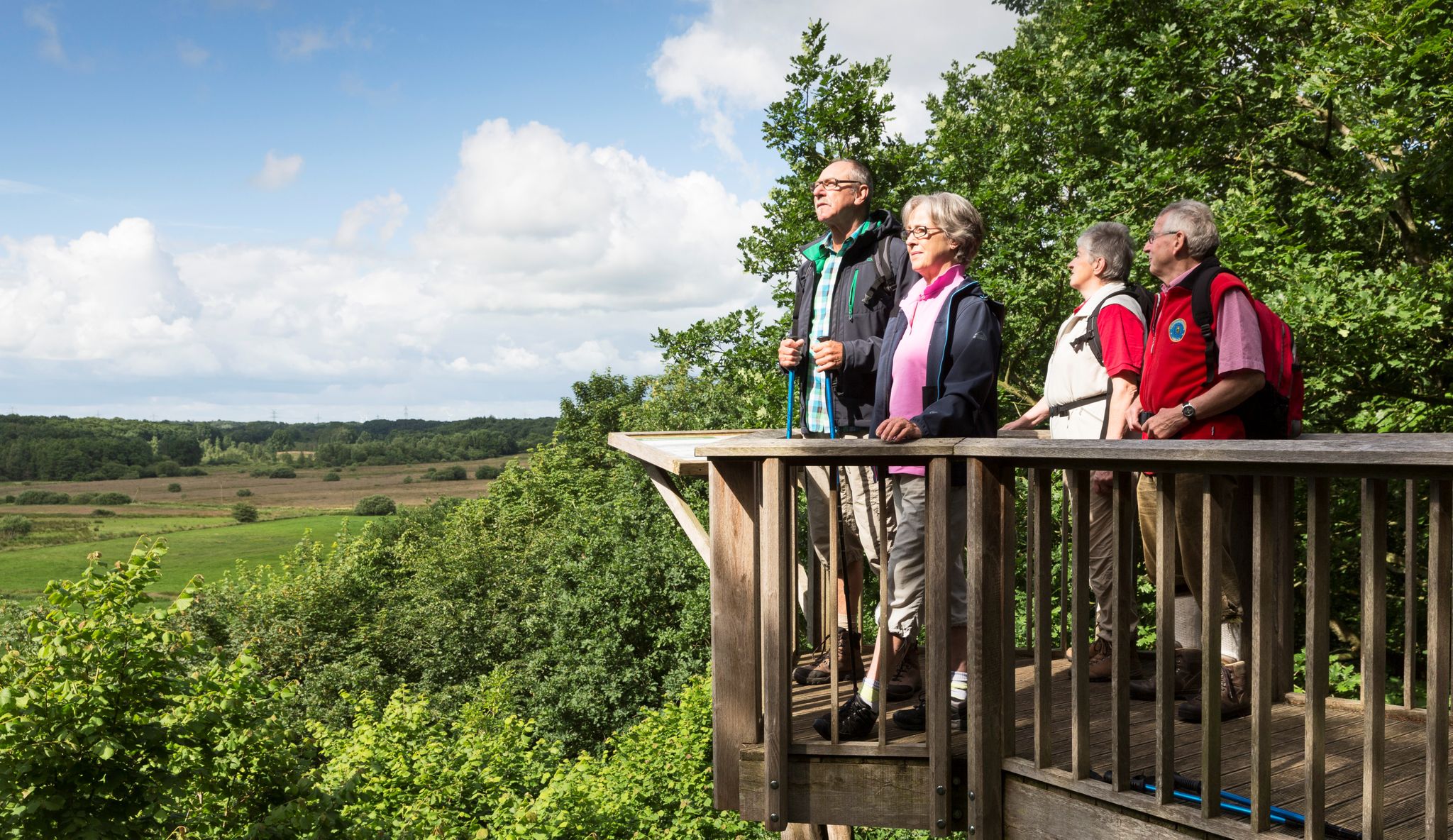
Wandern im Grünen Binnenland
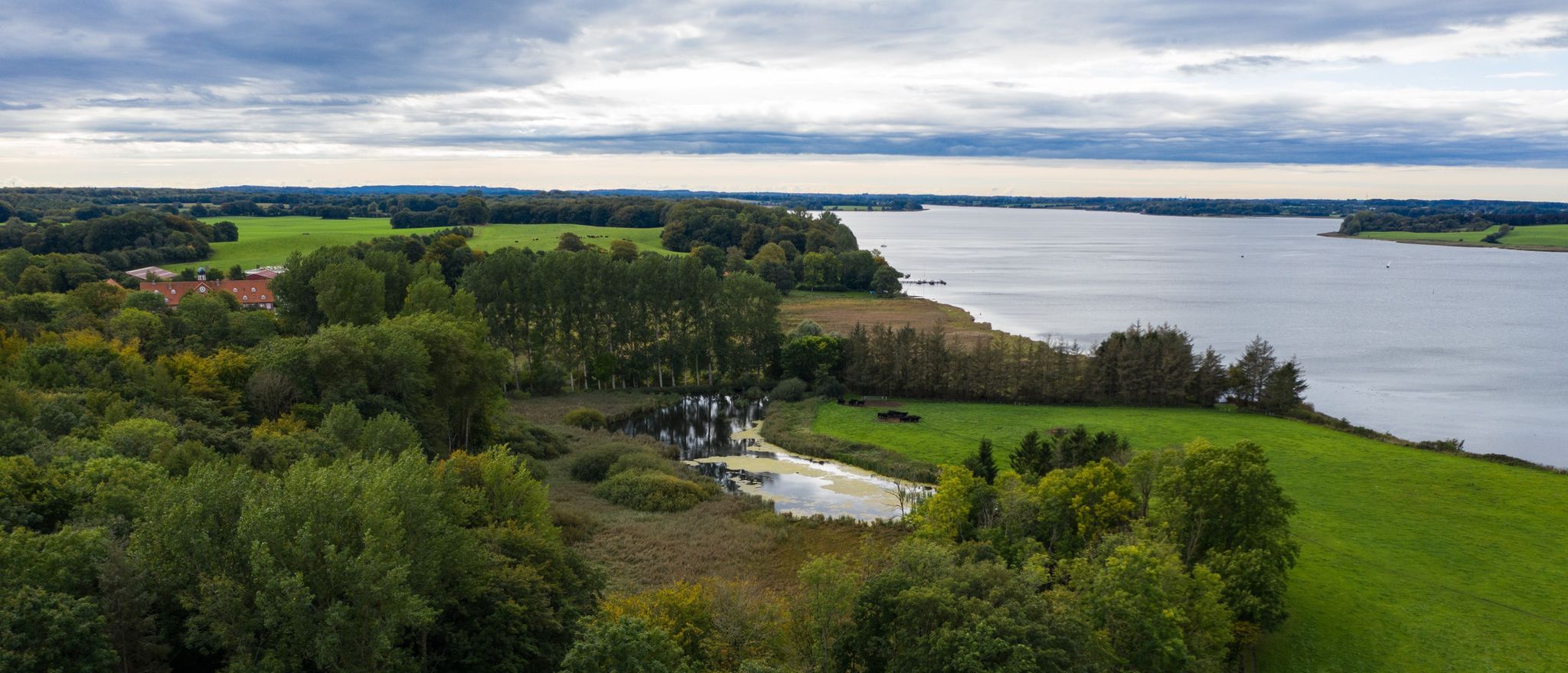
Wandern an der Schlei
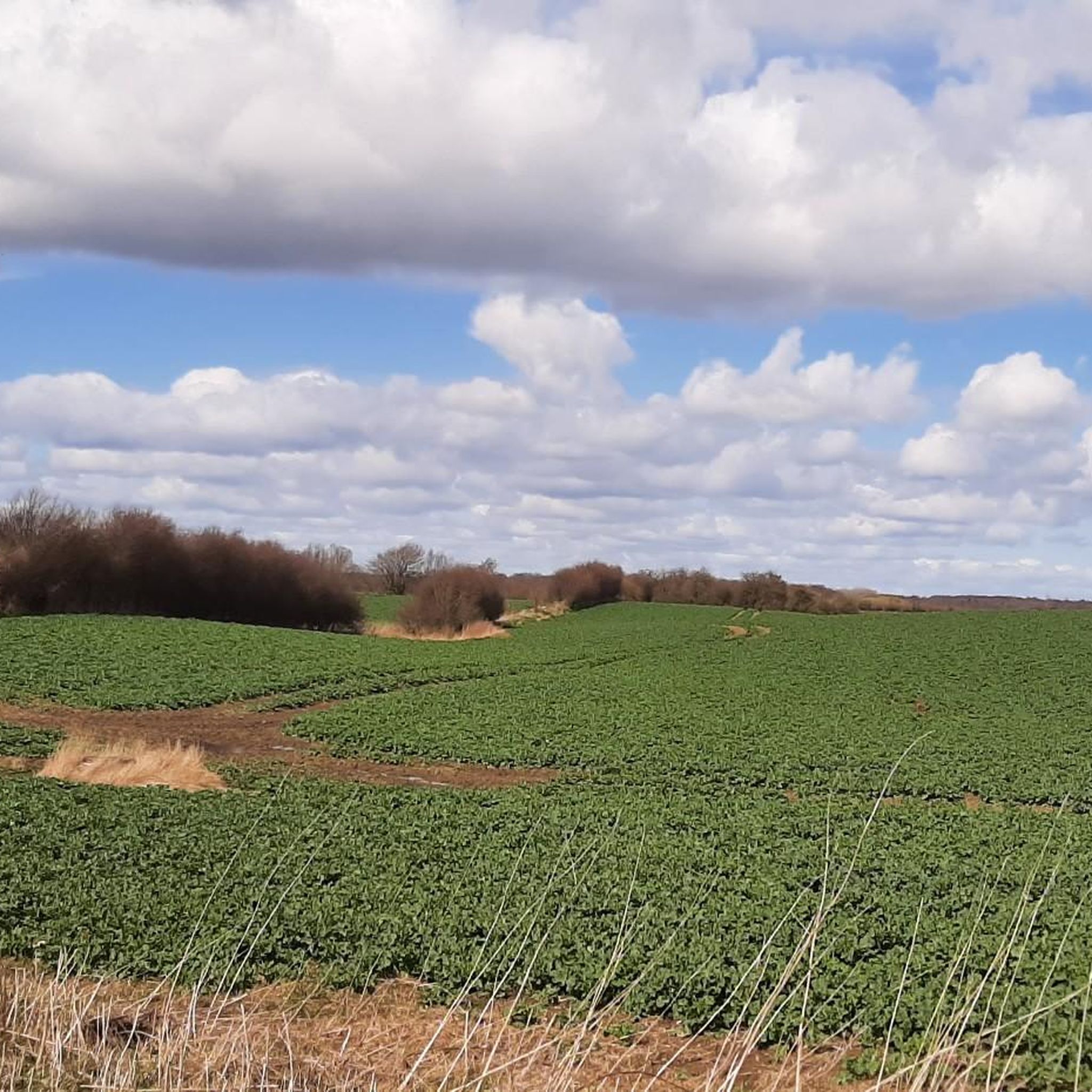
Hiking around Mittelangeln
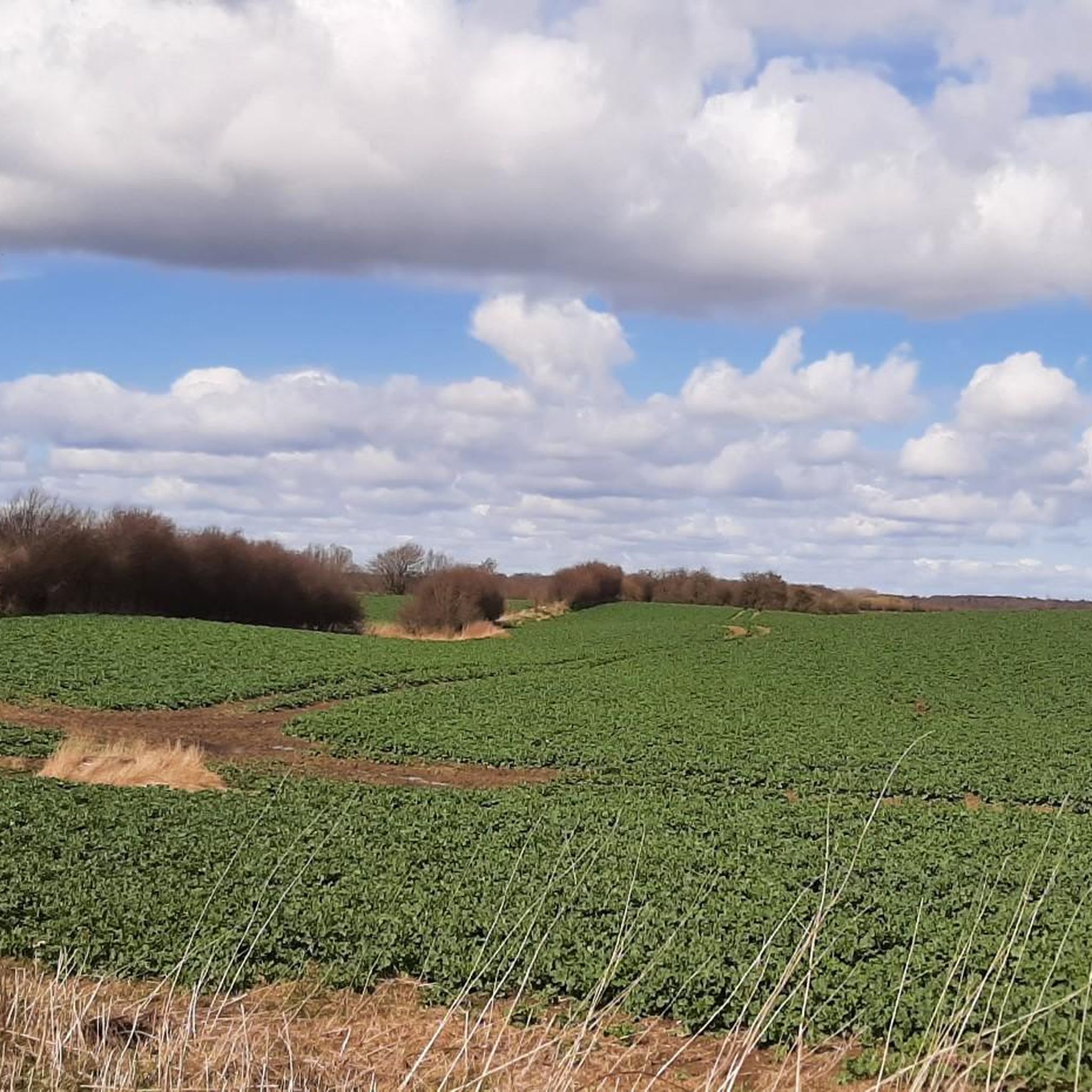
Cycling around Mittelangeln
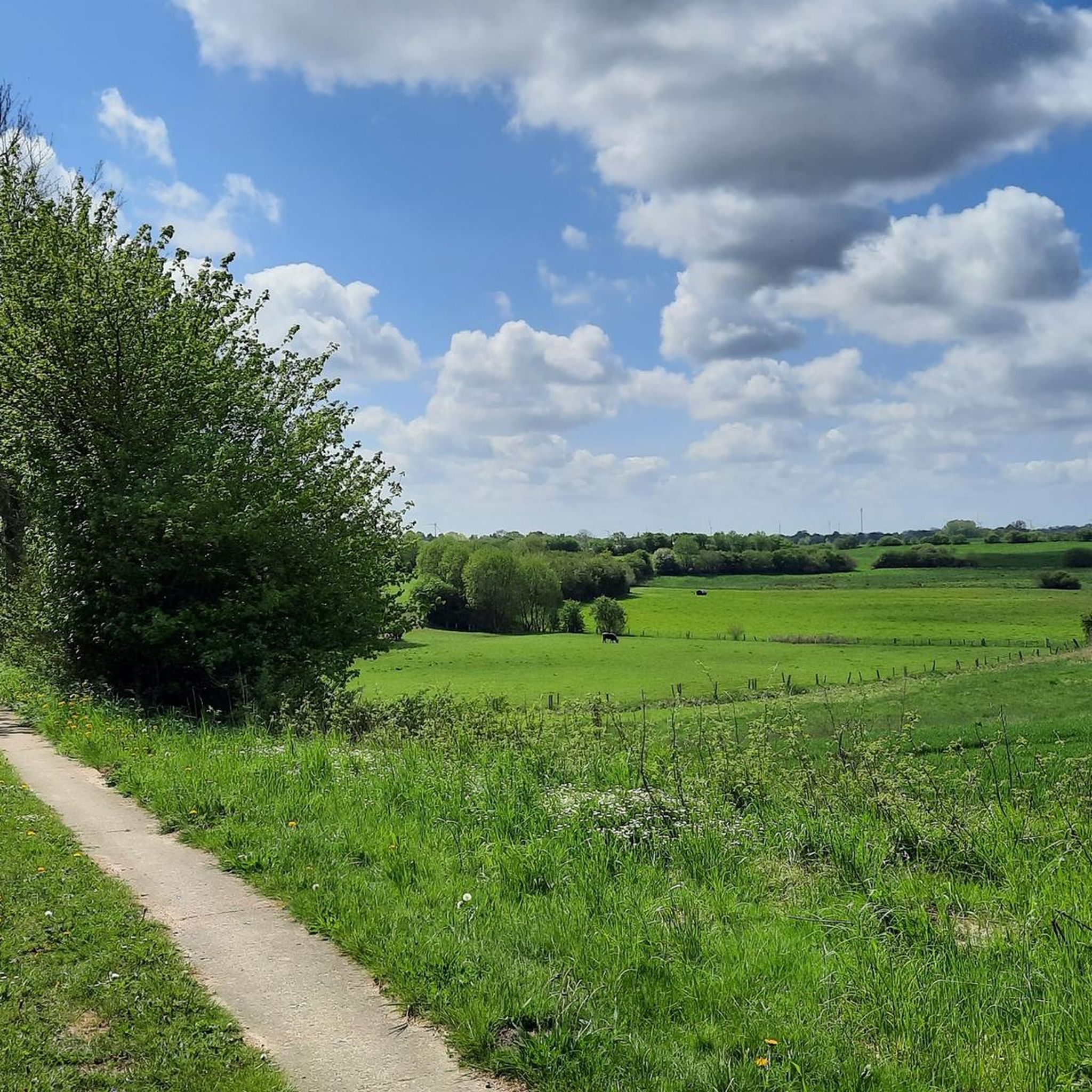
Running Trails around Mittelangeln
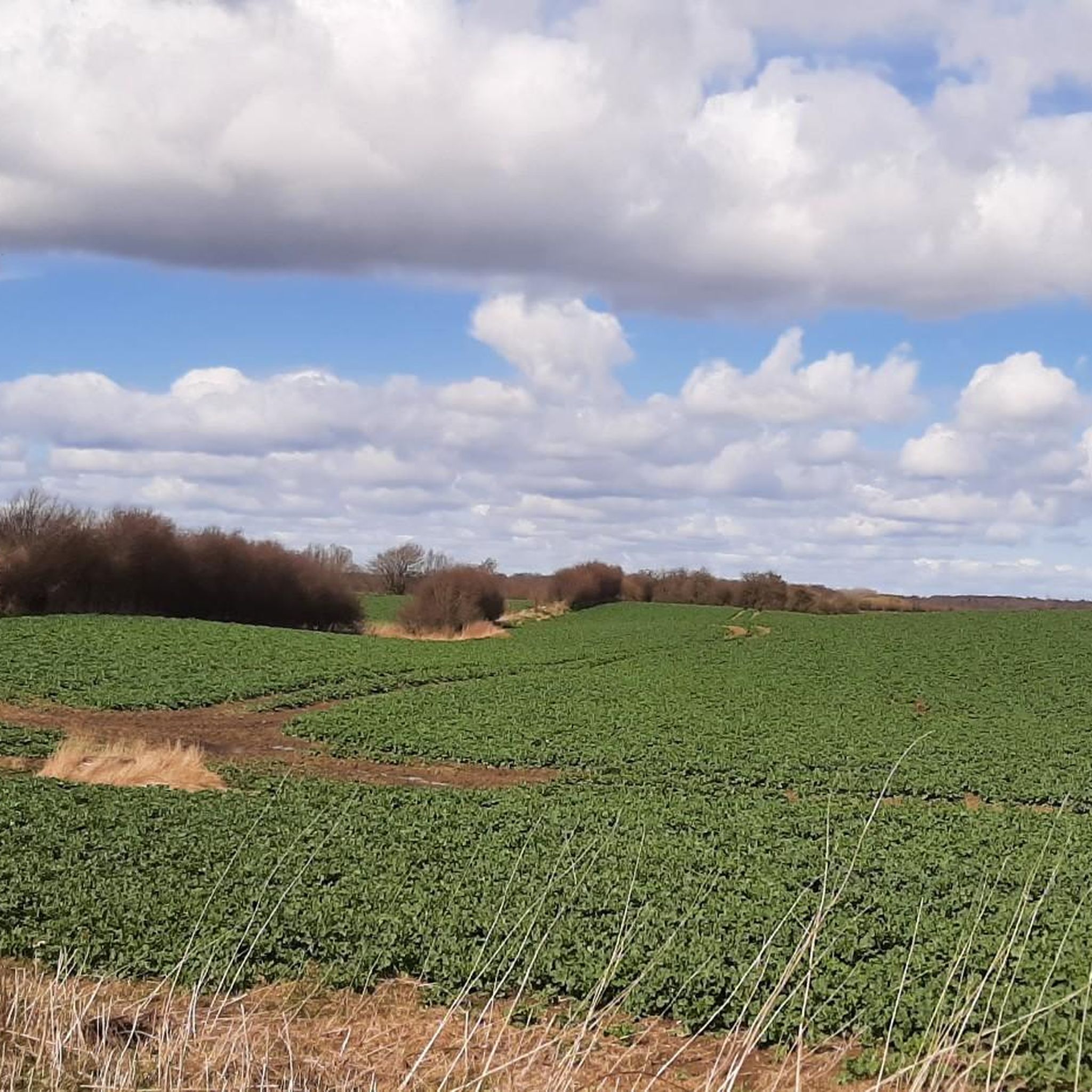
Road Cycling Routes around Mittelangeln
MTB Trails around Mittelangeln
Other adventures around Mittelangeln


Tips from the Community

A very nice section to ride, the way to a good view...with mustard :-)
0
1

Very nice technical but fast trail
0
0

The castle houses Schleswig-Holstein's most important museums and is involved in a wide range of cultural events. In addition to changing exhibitions (including those by contemporary artists), theater performances in the courtyard and concerts are held at irregular intervals. The entire grounds and many of the interior rooms are open to visitors. Some of the castle's original furnishings have been preserved and can be viewed as part of the museum tours. Of particular note are the festive Hirschsaal (Stag Hall) from 1591 and the two-story Renaissance chapel. The castle is considered the most important secular building in the state of Schleswig-Holstein.
15
1
At the beginning of 1945, more and more refugees from the eastern territories of the German Reich arrived in Schleswig, their number rising to almost 18,000 by the summer. Gottorf, like many of the country's residences, was used as a temporary reception camp, and several hundred refugees were housed in the castle.[31] In the post-war period, the entire complex was made available to the Schleswig-Holstein State Museums from 1948 onwards.
15
1
After the war of 1848, the Danes first set up a hospital and then a barracks in the castle,[22] in order to be able to operate more effectively against the insurgents in Schleswig-Holstein. The building was adapted to the new needs, and the interior lost much of its once significant furnishings. The former state rooms and ducal apartments were converted into dormitories and dining rooms. The outbuildings were demolished and replaced by extensive stables, and the defensive structures were demolished. Gottorf remained a barracks[22] when it fell to Prussia in 1867 as a result of the Second Schleswig War, and it retained this function until 1945.
15
1
Subsequently, Gottorf became the center of power of the Dukes of Schleswig and was repeatedly at the center of political conflicts. In 1283, the young Duke Waldemar IV of Schleswig was imprisoned in the castle for a time by the Danish King Eric V. In 1329, Gottorf was besieged for the first time (unsuccessfully) by a coalition of Jutland nobles in their fight against Count Gerhard III of Holstein, who had served as Duke for several years.[6] In June 1340, the castle was transferred as a pledge into the permanent possession of the Counts of Holstein from the House of Schauenburg,[7] who resided in Gottorf until their extinction in 1459. Initially as counts, after Count Gerhard VI was invested with the duchy by the Danish regent Margaret I in 1386[8], then formally again as dukes.[9]
15
1
After the Schleswig bishop Niels II was captured during the Battle of Lohheide in 1261, Gottorf became the property of Duke Eric I of Schleswig. In return, the bishops received lands on the lower reaches of the Treene, where the episcopal castle of Schwabstedt was built a short time later.[4] It was only the duke, as the contemporary annals of the Rude monastery report, who had a new castle built "at great expense", which replaced the older ducal castle on the Möweninsel in the Schlei.
16
1
The present-day castle, on an island in the Schlei west of the town, had several predecessor buildings, but little is known about their function and appearance. The oldest structures date to the 13th century and possibly originate from a residence of the bishops of Schleswig called Klein-Gottorf. The name goes back to an older, still visible complex called Alt- or Groß-Gottorf in the Ruhekrug near the Falkenberg estate, which, according to the Danish chronicler Saxo Grammaticus, was destroyed around 1161.[2] As a result, the residence was probably relocated to the more centrally located Klein-Gottorf, where a possibly barely fortified half-timbered building with warm-air heating was built around the middle of the 13th century.
16
1
Frequently Asked Questions
How many gravel bike trails are available in Mittelangeln?
Mittelangeln offers a good selection of gravel bike trails, with over 10 routes available. These range from easy to difficult, catering to various skill levels.
Are there easy gravel bike trails suitable for beginners in Mittelangeln?
Yes, Mittelangeln has several easy gravel bike trails perfect for beginners or those looking for a relaxed ride. For example, the Kreisbahntrasse Schlei – Cycle path "Old District Railway Line" loop from Tolk is an easy route that follows a former railway line, offering a relatively flat and enjoyable experience.
What are the typical distances of gravel bike routes in Mittelangeln?
The gravel bike routes in Mittelangeln vary in distance. You'll find shorter loops around 18 miles (29 km), such as the Schmidt's meadow pond – Forest lake in the Fröruper Hills loop from Tarp, up to longer excursions like the Windmill Charlotte – Geltinger Birk Nature Reserve loop from Langballig, which is over 53 miles (86 km).
Are there challenging gravel trails for experienced riders in Mittelangeln?
Yes, for more experienced gravel bikers, there are routes with greater distances and elevation changes. The Windmill Charlotte – Geltinger Birk Nature Reserve loop from Langballig is classified as difficult, covering over 53 miles (86 km) and offering a more demanding ride through varied terrain.
When is the best time of year to go gravel biking in Mittelangeln?
The best time for gravel biking in Mittelangeln is generally from spring through autumn (April to October). During these months, the weather is usually milder and drier, making for more pleasant riding conditions. The region's coastal and open landscapes can be exposed, so checking the forecast is always a good idea.
What kind of scenic views can I expect on gravel routes in Mittelangeln?
Mittelangeln's gravel routes offer diverse scenic views, including coastal areas, fjords, and rolling hills. You can expect views of the Flensburg Fjord on routes like the Flensburg Harbor – Flensburg Fjord loop from Husby, or panoramic views over the Schlei on the View over the Schlei – Gottorf Castle loop from Süderbrarup. Many trails also pass through nature reserves and open countryside.
What attractions or landmarks can I see along the gravel bike trails in Mittelangeln?
Many gravel routes in Mittelangeln pass by interesting attractions. You might encounter historical sites like the Angeln/Unewatt Landscape Museum, or natural highlights such as Schmidt's meadow pond, Sankelmarker Lake, and the Fröruper Hills Nature Reserve. The View over the Schlei – Gottorf Castle loop from Süderbrarup specifically passes by Gottorf Castle.
Are there any circular gravel bike routes in Mittelangeln?
Yes, many of the gravel bike routes in Mittelangeln are designed as loops, allowing you to start and end at the same point. Examples include the Flensburg Harbor – Flensburg Fjord loop from Husby and the Windmill Charlotte – Geltinger Birk Nature Reserve loop from Langballig.
What do other gravel bikers enjoy most about gravel biking in Mittelangeln?
The gravel biking experience in Mittelangeln is highly rated by the komoot community, with an average score of 5.0 stars. Reviewers often praise the diverse landscape, which includes coastal paths, nature reserves, and routes along former railway lines, offering varied terrain and scenic beauty.
Are there places to stop for refreshments or rest along the gravel trails?
While specific pub stops aren't detailed for every route, the region's network of trails often passes through or near villages and towns where you can find opportunities for refreshments. Additionally, there are several huts and shelters, such as the Wooden Shelter by the Pilgrims' Trail, that can provide a place to rest.
What are the conditions like for gravel biking in Mittelangeln during winter?
Gravel biking in Mittelangeln during winter can be challenging due to colder temperatures, potential for ice or snow, and shorter daylight hours. The coastal areas can also experience strong winds. It's advisable to check local weather forecasts, dress in layers, and ensure your bike is equipped for winter conditions if you plan to ride during this season.
Most popular routes around Mittelangeln
Most popular attractions around Mittelangeln

Get inspired with the komoot mobile app


Explore more
Browse the best Gravel rides in other regions.
