The best gravel rides around Bitz
4.3
(34)
246
riders
34
rides
Gravel biking around Bitz offers routes through varied terrain, characterized by scenic valleys and nature reserves. The region's landscape includes features such as the Schmeietal and Fehlatal valleys, providing diverse environments for gravel cyclists. Trails often traverse natural areas like the Fehlatal Nature Reserve, with some routes originating from nearby towns. The area presents a mix of moderate and challenging gravel bike trails.
Best gravel bike trails around Bitz
- The most popular gravel bike trail is Schmeietal Valley Trail – Lauchert Valley loop from Winterlingen, a 29.9 miles (48.2 km) trail that takes 2 hours 47 minutes to complete. This route navigates through two distinct valleys, offering varied gravel surfaces.
- Another top favourite among local gravel bikers is Fehla Valley Trail – Fehlatal Nature Reserve loop from Albstadt-Ebingen, a difficult 32.8 miles (52.9 km) path. This trail explores the Fehlatal Nature Reserve, featuring a mix of forest and open valley sections.
- Local gravel bikers also love the Fehla Valley Trail – Fehlatal Nature Reserve loop from Bitz, a 26.7 miles (43.0 km) trail leading through the Fehlatal Nature Reserve, often completed in about 2 hours 41 minutes.
- Gravel biking around Bitz is defined by its valley routes, nature reserves, and mixed forest paths. The network offers options for different ability levels, including moderate and difficult gravel bike trails.
- The routes in Bitz are highly rated by the komoot community with an average score of 4.5 stars from over 30 reviews. More than 200 gravel bikers have used komoot to explore Bitz's varied terrain.
Last updated: November 17, 2026
4.6
(7)
49
riders
48.1km
02:48
530m
530m
Hard gravel ride. Very good fitness required. Mostly paved surfaces.
13
riders
53.6km
03:31
670m
670m
Hard gravel ride. Very good fitness required. You may need to push your bike for some segments of this route.

3.5
(2)
7
riders
43.0km
02:38
430m
430m
Moderate gravel ride. Good fitness required. Mostly paved surfaces.
3.0
(1)
9
riders
38.7km
02:25
410m
400m
Moderate gravel ride. Good fitness required. Mostly paved surfaces.
3
riders
36.5km
02:21
430m
430m
Moderate gravel ride. Good fitness required. Mostly paved surfaces.
Get access to more routes and recommendations from other explorers.
Already have an account?
Our route recommendations are based on thousands of hikes, rides, and runs completed by other people on komoot.
Start today with a free account
Your next adventure awaits.
Tips from the Community

The first documented mention of Sigmaringen Castle can be found in the year 1077, in the annals of the Petershausen monastery. It reports on the stay of King Henry IV during his investiture controversy with the Pope – an indication that the castle already had strategic importance at that time. The oldest preserved parts date back to the Staufer period around 1200. These include the castle gate, the palas, and the keep. Over the centuries, the castle was repeatedly expanded, rebuilt, and adapted to the changing needs of its inhabitants. The 15th and 16th centuries in particular were marked by profound structural changes. A first major construction period dates back to the Counts of Werdenberg, who began in the 15th century to expand the castle into a representative residence. The extension to the northeast is documented today only by the preserved door lintel on the so-called Swedish Tower with the year 1498. A few years later, another extension to the west followed. With the handover of the castle to the Hohenzollern-Sigmaringen line in 1535, a new era began. Count Karl II of Hohenzollern-Sigmaringen (1576–1606) had the castle extensively rebuilt and expanded it according to modern standards. Another milestone was the merging of two separate building parts by Michael Beer around 1650. The master builder, who came from the Bregenzerwald, connected the facilities from the Werdenberg period into a unified castle architecture. In the 18th century, mainly smaller renovations and furnishing measures followed. Particularly noteworthy is the establishment of a knight's hall in 1736, which was redesigned and restored as an ancestral hall in 1878. In the course of the emerging Neo-Gothic style, the castle was further remodeled in the second half of the 19th century by the princely master builder Josef Laur. A dramatic event shook the castle in 1893, when a devastating fire destroyed large parts of the complex. As a result, one of the most significant reconstruction phases in the castle's history occurred. The architectural conclusion of this phase is marked by the Portuguese Gallery, completed in 1907. It forms an elegant connection between the castle wings and delimits the inner courtyard towards the city side – a masterpiece of courtly representative architecture. hohenzollern-schloss.de/de/component/content/article/65-historie?catid=2
2
0

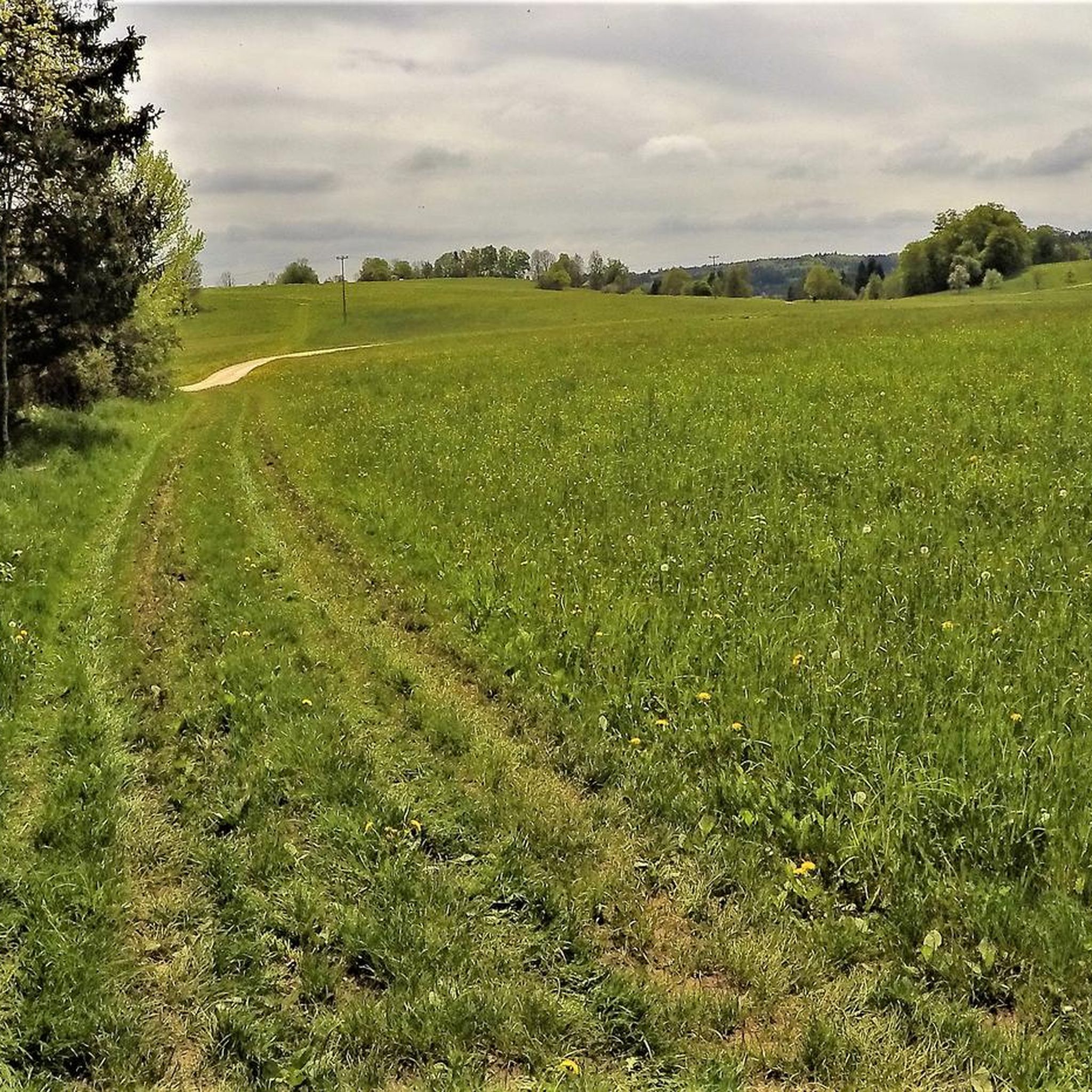
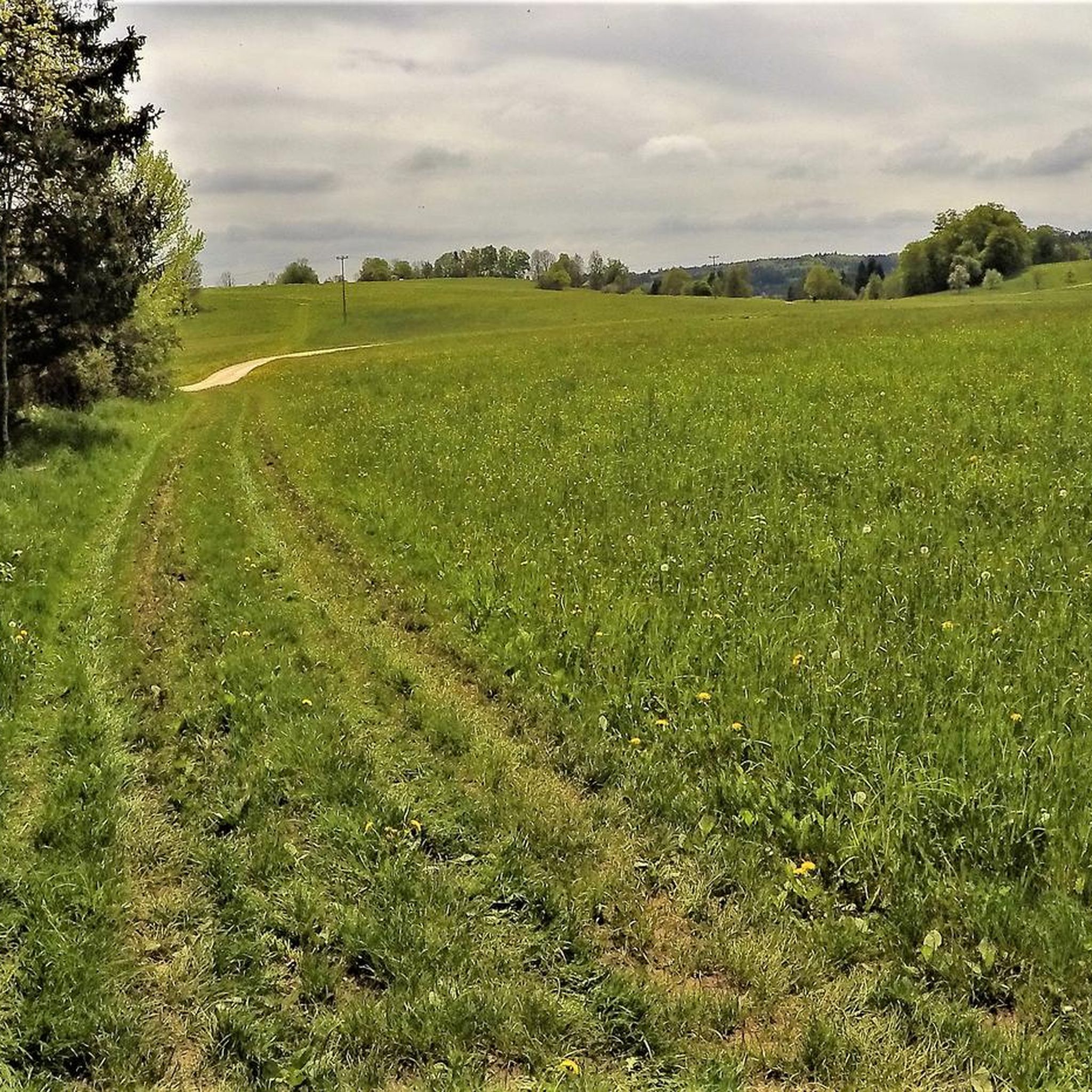
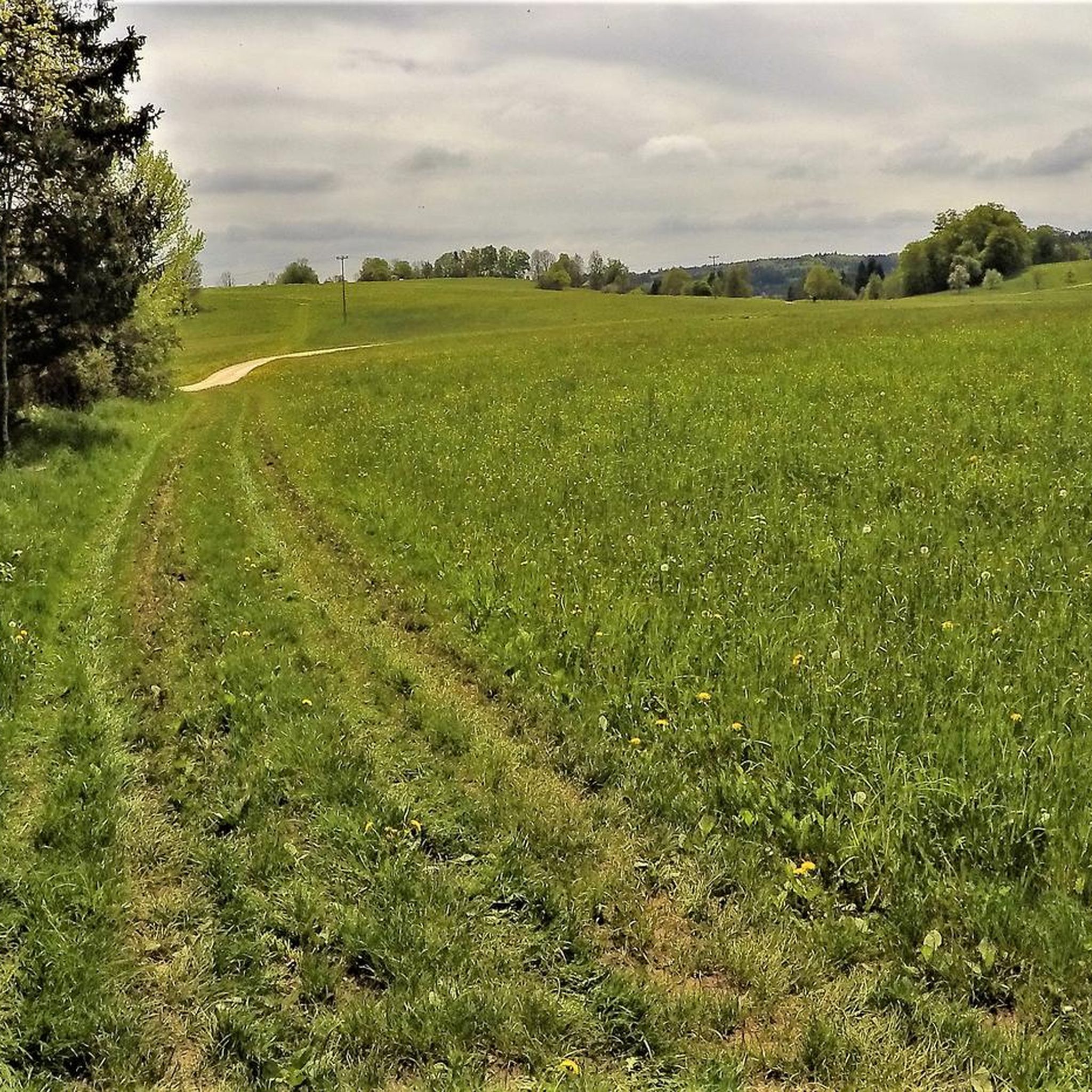
The section also rolls really well and you have a really nice view.
0
0

This tour offers a lot of shade and is not as crowded as the Danube Valley.
1
0

Better known as Dreifürstenstein
0
0

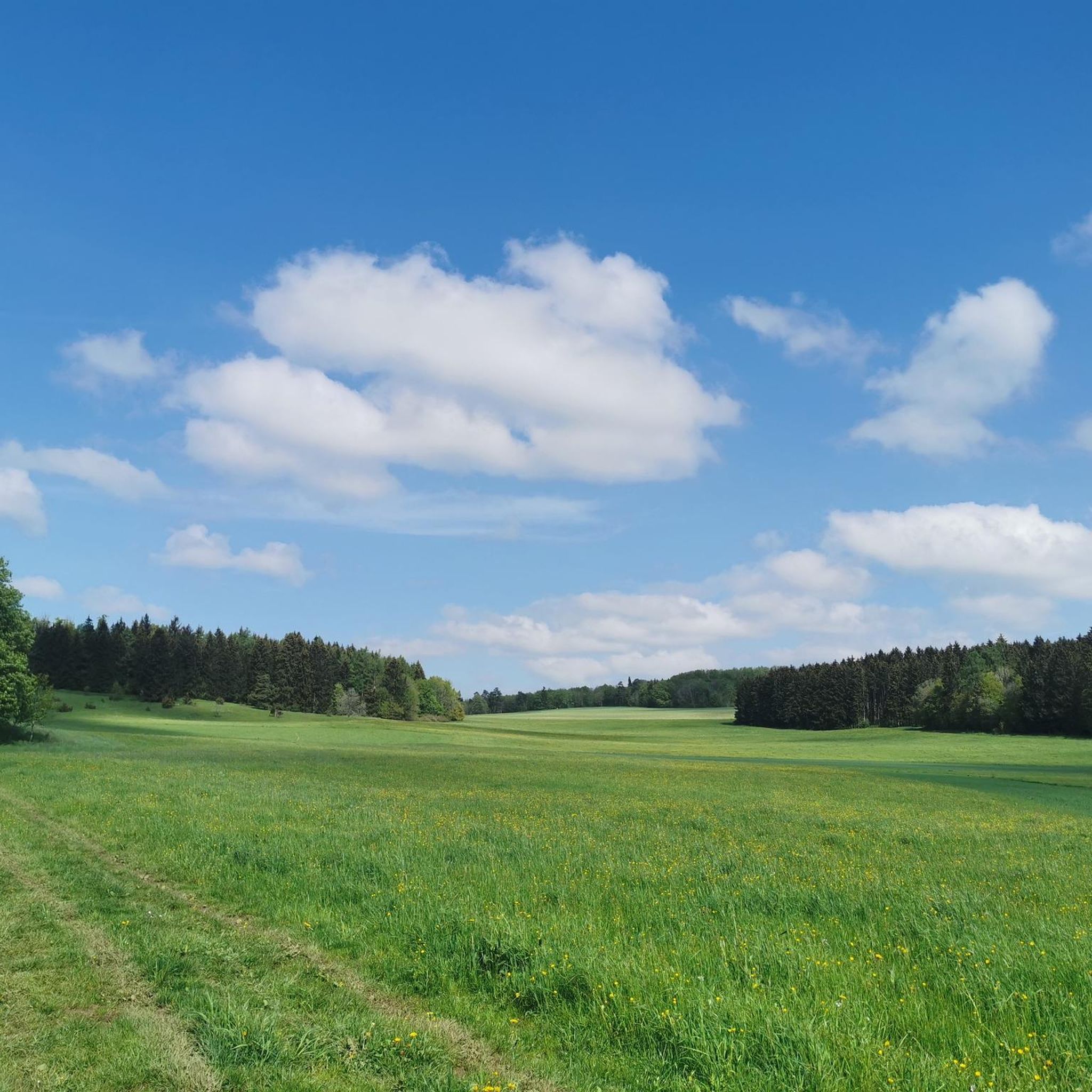
The Lauchertal is a gentle meadow valley in which the Lauchert meanders strongly. I find it so calming, soothing in its seclusion and "peacefulness" every time. Peaceful and simple bike route without big climbs
0
1

Beautiful boundary stone with inscription - Fehla Spring 🌊 - 720 m above sea level - Burladingen - Zollernalb district
1
0

A nice stop on the ascent from Burladingen to Hermannsdorf
0
0
Further along its course, the Fehla flows through a beautiful, unspoiled valley and empties into the Lauchert near Hermentingen.
0
0
Frequently Asked Questions
How many gravel bike trails are available around Bitz?
There are over 50 gravel bike trails around Bitz, offering a range of options for different skill levels. The region features a mix of moderate and challenging routes.
What is the general difficulty level of gravel biking trails in Bitz?
The gravel bike trails around Bitz are predominantly moderate to difficult. While there is one easy route, you'll find 22 moderate and 33 difficult trails, providing ample challenge for experienced riders.
Are there any family-friendly gravel bike trails near Bitz?
While most trails around Bitz are moderate to difficult, the region's landscape with its valleys and nature reserves can be enjoyed by families. For a less strenuous option, consider exploring parts of the Harthauser Valley – Roßberg Playground loop from Winterlingen, which is rated moderate and offers a shorter distance.
Are there any circular gravel bike routes around Bitz?
Yes, many of the gravel bike trails around Bitz are designed as loops. Popular circular routes include the Schmeietal Valley Trail – Lauchert Valley loop from Winterlingen and the Fehla Valley Trail – Fehlatal Nature Reserve loop from Bitz, allowing you to start and end at the same point.
What kind of natural attractions can I see along the gravel bike trails?
The trails often traverse scenic areas like the Schmeietal and Fehlatal valleys, including the Fehlatal Nature Reserve. You can also discover interesting geological features nearby, such as the Heidenstein Cave or the Gieß Waterfall (Veringendorf), which are part of the broader natural landscape surrounding Bitz.
What do other gravel bikers enjoy most about the trails in Bitz?
The komoot community highly rates the gravel biking experience around Bitz, with an average score of 4.5 stars from over 30 reviews. Riders often praise the varied terrain, the scenic valley routes, and the well-maintained paths through nature reserves.
What is the best time of year for gravel biking in Bitz?
The region is generally suitable for gravel biking from spring through autumn. During these seasons, the weather is typically more stable, and the natural landscapes are at their most vibrant. Winter conditions can vary, with some trails potentially becoming muddy or icy.
Are there any cafes or pubs along the gravel bike trails in Bitz?
While specific cafes or pubs directly on every trail are not guaranteed, many routes either start or pass through towns and villages like Bitz, Winterlingen, or Albstadt-Ebingen. These locations offer opportunities to find refreshments and local eateries to refuel during or after your ride.
What are some longer, more challenging gravel bike routes in the area?
For a more challenging and longer ride, consider the Fehla Valley Trail – Fehlatal Nature Reserve loop from Albstadt-Ebingen. This difficult 32.8-mile (52.9 km) path explores the Fehlatal Nature Reserve with significant elevation changes. Another option is the Playground at Horn – View of Albstadt loop from VVG der Stadt Albstadt, which is also a difficult 50 km route.
Is public transport accessible for reaching gravel bike trails around Bitz?
Bitz and nearby larger towns like Albstadt-Ebingen are connected by public transport, including bus services. You can plan your journey to start points of trails from these towns, though direct access to every trailhead via public transport might require some planning. Check local transport schedules for the most current information.
Where can I find parking for gravel biking in Bitz?
Parking is generally available in the towns and villages where many of the gravel bike routes begin, such as Bitz, Winterlingen, or Albstadt-Ebingen. Look for designated public parking areas in these locations, often near town centers or trailheads.
Most popular attractions around Bitz

Get inspired with the komoot mobile app


Explore more
Browse the best Gravel rides in other regions.
