The best gravel rides around Rodenberg
4.7
(61)
426
riders
72
rides
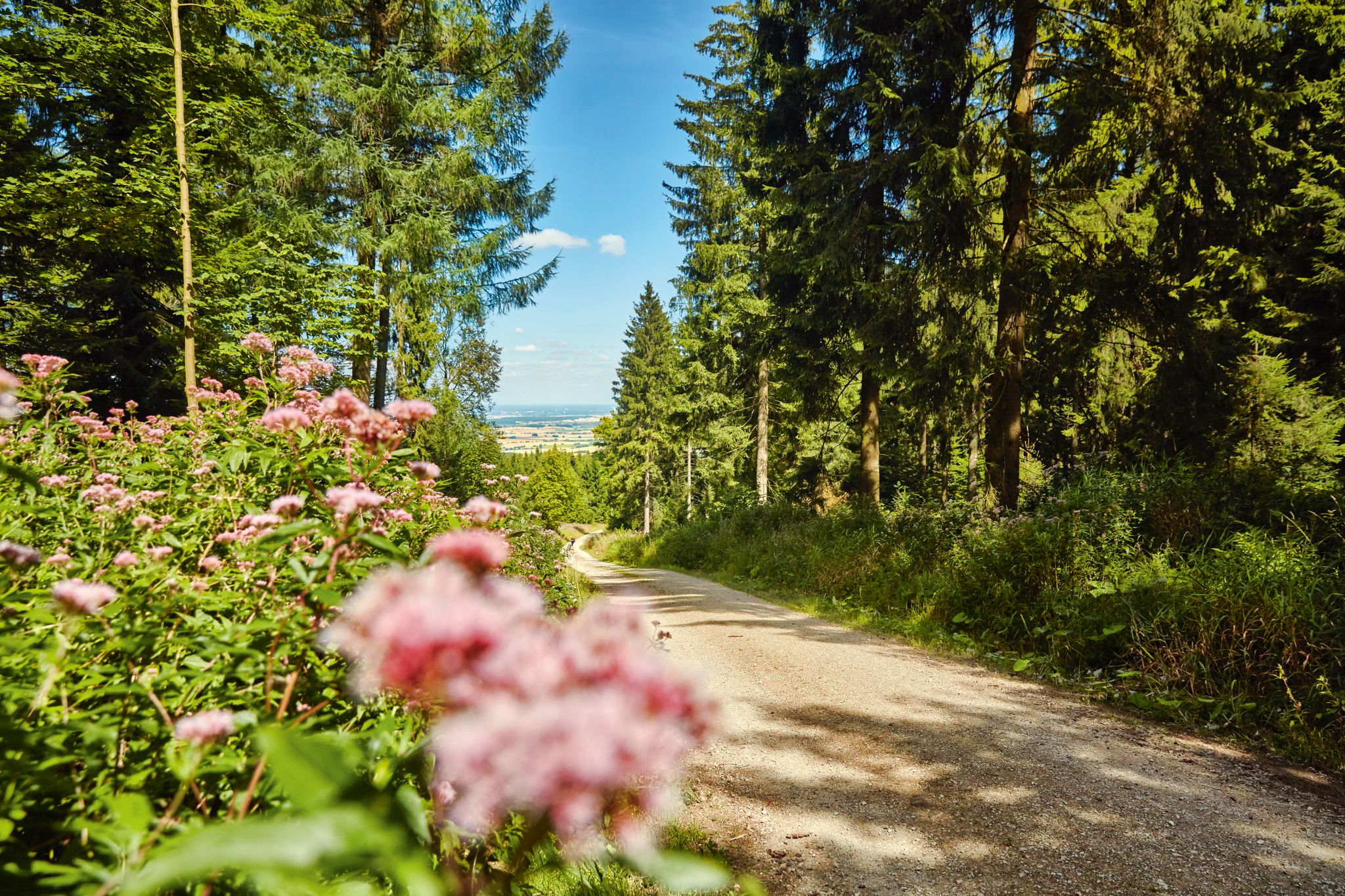
Gravel biking around Rodenberg offers access to diverse terrain, blending off-road trails with paved sections. The region features the Deister Hills, providing routes with elevation gain through dense woodlands. Contrasting this, the Steinhuder Meer Nature Park offers flatter paths with views of the lake. The area is characterized by a mix of quiet gravel roads, forest paths, and smooth asphalt links, allowing for varied riding experiences.
Best gravel bike trails around Rodenberg
- The most popular gravel bike trail is Nienstedter…
Last updated: July 2, 2026
5.0
(1)
15
riders
51.4km
03:34
1,100m
1,100m
Hard gravel ride. Very good fitness required. Mostly paved surfaces. Suitable for all skill levels.
5.0
(2)
21
riders
58.1km
03:45
970m
970m
Hard gravel ride. Very good fitness required. Mostly paved surfaces. Suitable for all skill levels.

Sign up for free
4.0
(4)
8
riders
Hard gravel ride. Very good fitness required. Mostly paved surfaces. Suitable for all skill levels.
5.0
(2)
6
riders
49.7km
03:28
870m
870m
Hard gravel ride. Very good fitness required. You may need to push your bike for some segments of this route.
4.0
(1)
5
riders
21.3km
01:24
390m
390m
Moderate gravel ride. Good fitness required. Mostly paved surfaces. Suitable for all skill levels.
Get access to more routes and recommendations from other explorers.
Sign up for free
Already have an account?
Our route recommendations are based on thousands of hikes, rides, and runs completed by other people on komoot.
Start today with a free account
Your next adventure awaits.
Login or Signup
Other adventures around Rodenberg

Tips from the Community

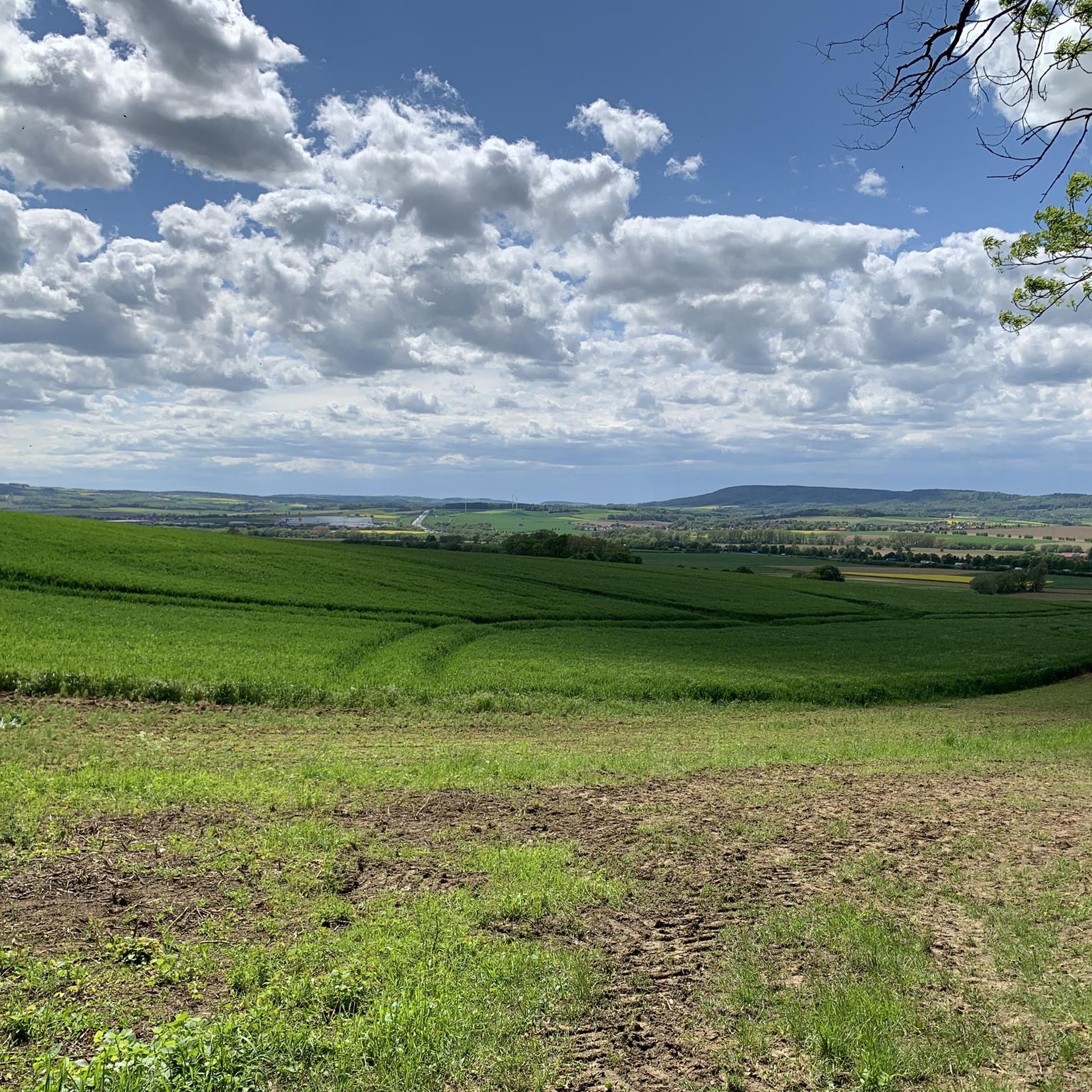
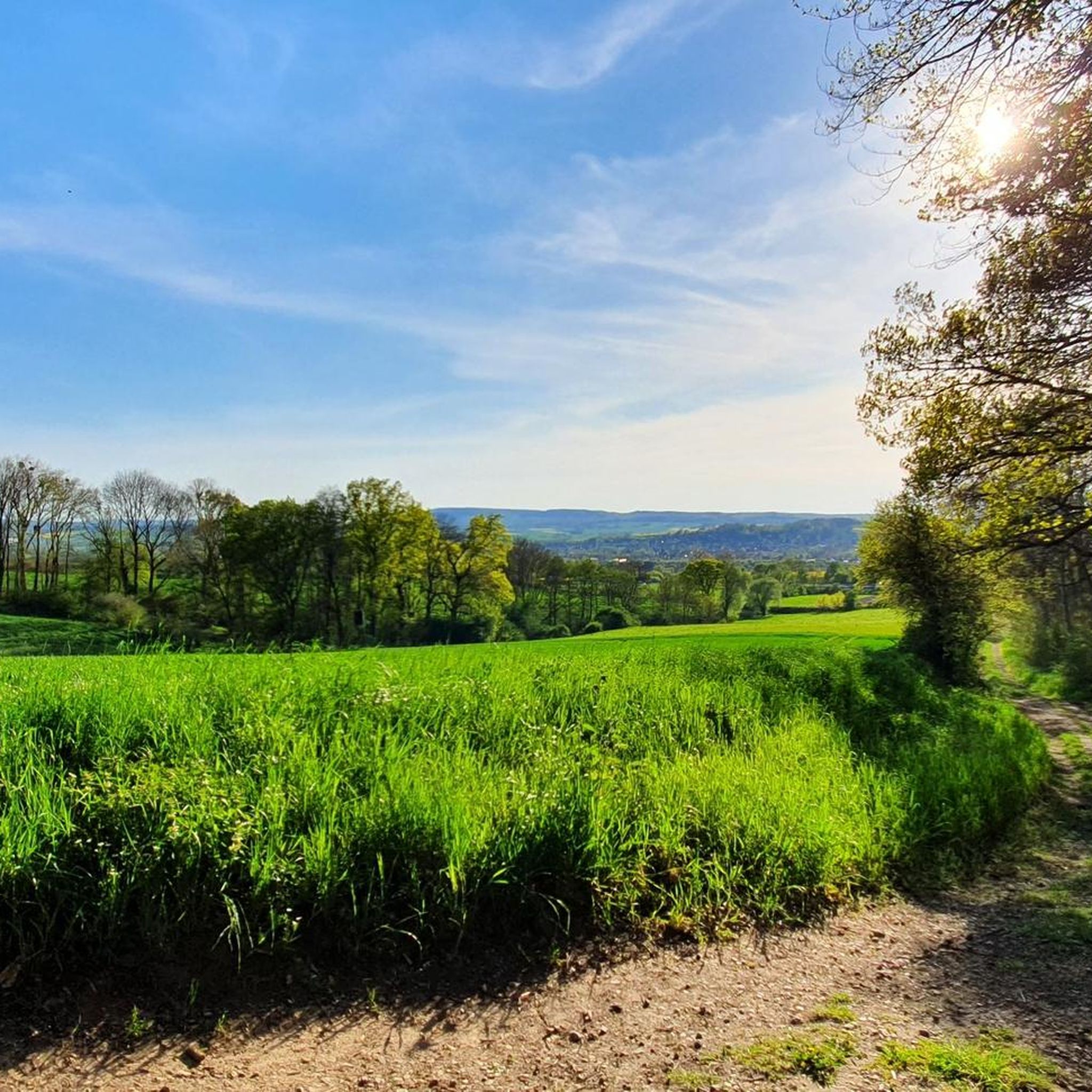
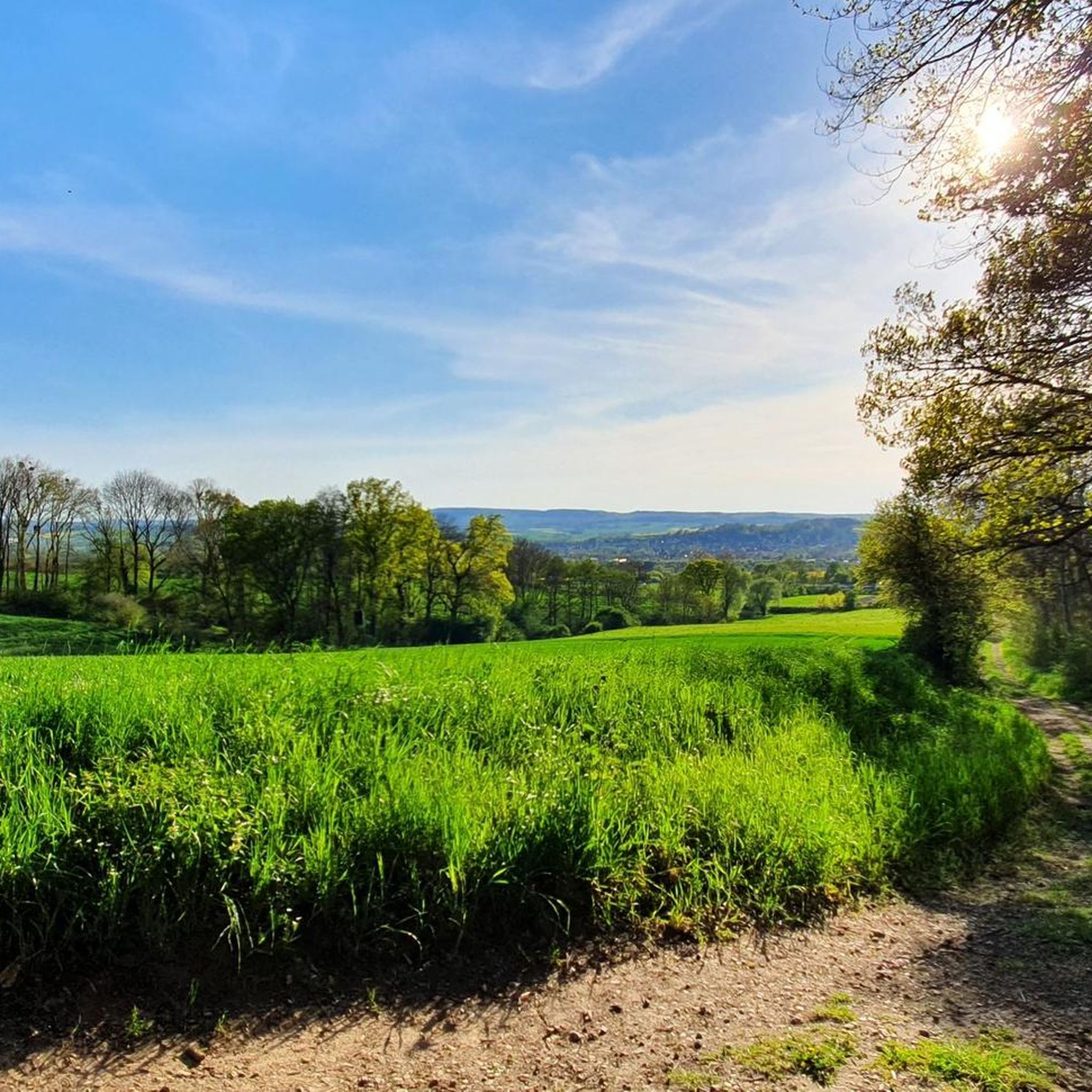
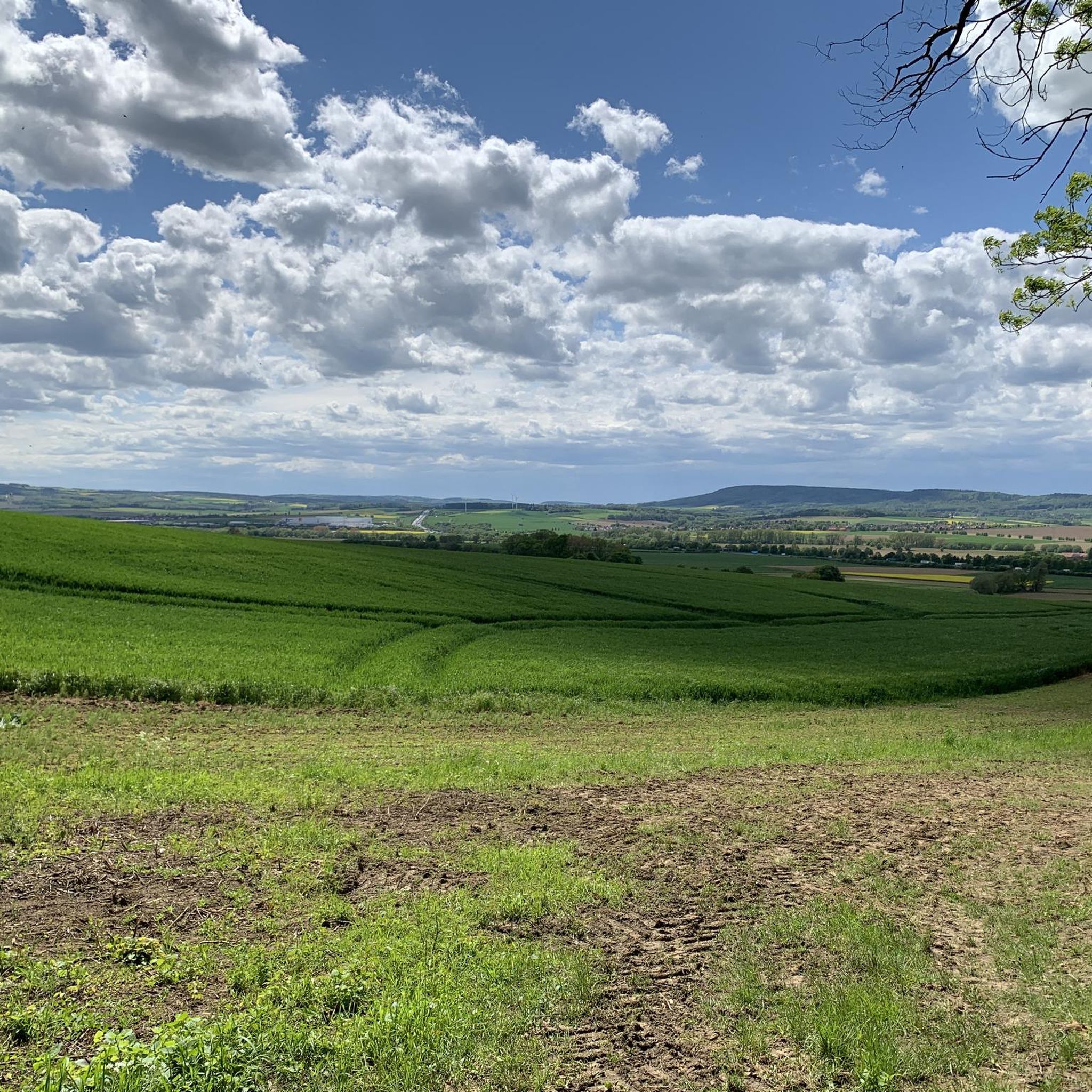
Beautiful view of the surrounding area.
0
0
Rest stop with a bench, great view of the surrounding area. Beautiful distant view.
0
0

On July 8, 1951, at the initiative of forest chief Otto Korn, a memorial was inaugurated at the Kreuzbuche for employees of the forestry administration who fell in World War II. The monument, financed by donations from employees of the forestry administration, consists of a 2.50-meter-high memorial stone and a 12-meter-high wooden cross, made from a 15-meter-long oak trunk that cost 344 German marks at the time. Carved into the crossbeams is In hoc signo vince (Latin for: "Conquer under this sign"). The Wealden sandstone, worked by the Egestorf stonemason Karl Sondershausen, bears 10 names of the fallen or missing on the front and another 6 names subsequently chiseled on its left side, and on its back a quote from the Gospel of John. Source: https://de.wikipedia.org/wiki/Kreuzbuche_(Barsinghausen)
1
0

You can eat very well 🥘 or just take a short break with coffee and cake 🍰 after hiking 🥾 in the Deister or cycling 🚴♂️
0
0

There used to be a restaurant guide called "To the Right and Left of the Highway." This fantastic inn definitely should have been included. We had a wonderful rest here, went for a short walk, and continued our journey feeling refreshed.
0
0

Next to the construction sites for the State Garden Show is the idyllic NABU Oasis, worth a visit.
0
0
Originally, where the Mooshütte is today, there was a shelter made of sticks and moss, next to a small pond that was fed by the Hessian spring. As early as 1895, the innkeeper of the Königseiche in Bantorf, Fritz Hecht, had been running the restaurant at the spring with a horse and cart, and only when the weather was good. In 1924, Fritz Hecht had the building of today's Mooshütte built, but it only contained a bar and a kitchen and was only later converted to residential use. In 1940, an ice and storage cellar was built into the mountain behind the Mooshütte, which always had the same temperature in summer and winter. In 1951, the steel construction company Preussag began emergency mining facilities around the Mooshütte. In 1954, the hall was added to the left of the building. Five years later, the Mooshütte was taken over by the daughter of the innkeeper Friedolf Hecht and her family, the Watermann family, who continued to expand the Mooshütte. After mining ceased in 1960, the Watermann family had the washhouse converted into a guest house. In October 1998, the Mooshütte was purchased by the Flügge family from Schmarrie, who had been interested in the building for some time and were in negotiations with the previous owner. They immediately set about renovating the property. On May 1, 1999, the Mooshütte opened its doors as a restaurant for day trippers and hikers. Since then, the Mooshütte has once again enjoyed its traditionally lively popularity. In the 2000s, further extensive renovations took place. There were new extensions and further redesigns. Source: https://mooshuette.de/#hi
4
0

Trail to the mine
0
0
Frequently Asked Questions
How many gravel bike trails are available around Rodenberg?
There are over 90 gravel bike trails in the Rodenberg area, offering a wide range of options for different skill levels and preferences. The komoot community has explored these routes over 500 times.
What kind of terrain can I expect on gravel bike trails near Rodenberg?
The terrain around Rodenberg is quite varied. You'll find quiet gravel roads, forest paths, and smooth asphalt links. The Deister Hills offer routes with significant elevation gain through dense woodlands, while areas around the Steinhuder Meer Nature Park provide flatter, scenic paths with views of the lake.
How difficult are the gravel bike trails in the Rodenberg area?
The trails cater to various fitness levels and technical abilities. Out of 94 available routes, 14 are considered easy, 43 are moderate, and 37 are difficult. This means you can find everything from relaxed rides to challenging climbs and descents.
What do other gravel bikers say about the trails in Rodenberg?
The gravel biking routes in Rodenberg are highly rated by the komoot community, with an average score of 4.7 stars from over 60 reviews. Riders often praise the diverse landscapes, from rolling hills to expansive views of the Calenberger Land, and the well-maintained network of forest roads and quiet gravel paths.
Are there any interesting landmarks or points of interest along the gravel bike routes?
Yes, many routes pass by notable landmarks. For example, you can encounter the Nienstedter Pass in the Deister Hills, or explore historical sites like the Hülsede Water Castle and the Heisterburg Ruins. The Bad Nenndorf Spa Park – Belvedere Tower loop also takes you past the Belvedere Tower.
Are there circular gravel bike routes around Rodenberg?
Yes, many of the gravel bike trails in the Rodenberg area are designed as loops. For instance, the popular Nienstedter Pass – View of the Calenberger Land loop from Bad Nenndorf is a 36.1-mile circular route through the Deister Hills.
Are there family-friendly gravel bike trails in Rodenberg?
While many routes in the Deister Hills involve significant elevation, there are easier options available. Look for routes categorized as 'easy' in the guide, which often feature flatter sections suitable for families. The areas around Steinhuder Meer Nature Park tend to offer more gentle paths.
Is there parking available for gravel bikers in Rodenberg?
Yes, various starting points for gravel bike routes around Rodenberg, such as Bad Nenndorf and Bantorf, typically offer parking facilities. It's advisable to check specific route descriptions for details on parking at the trailhead.
Can I reach the gravel bike trails around Rodenberg using public transport?
Rodenberg and its surrounding towns are generally accessible by public transport within Lower Saxony. You can often find train or bus connections to towns like Bad Nenndorf or Bantorf, which serve as common starting points for many gravel bike tours.
Are there places to stop for refreshments or food along the gravel routes?
Yes, especially within the Deister Hills, you might find rustic spots like the Mooshütte Forest Inn. Additionally, towns and villages along the routes, such as Bad Nenndorf, offer cafes and pubs where you can refuel during your ride.
What is the best time of year for gravel biking in Rodenberg?
The region is enjoyable for gravel biking across multiple seasons. Spring and autumn offer pleasant temperatures and beautiful scenery, while summer provides longer daylight hours. Winter conditions can vary, with some trails potentially being muddy or icy, so checking local conditions is always recommended.
Can I bring my dog on the gravel bike trails near Rodenberg?
Generally, dogs are welcome on many public trails in the Rodenberg area, especially on forest paths and quiet gravel roads. However, it's always best to keep your dog on a leash, particularly in nature reserves or areas with wildlife, and to check for any specific local regulations.
Most popular attractions around Rodenberg

Get inspired with the komoot mobile app


Explore more
Browse the best Gravel rides in other regions.
