The best gravel rides around Aiglsbach
4.5
(109)
408
riders
60
rides
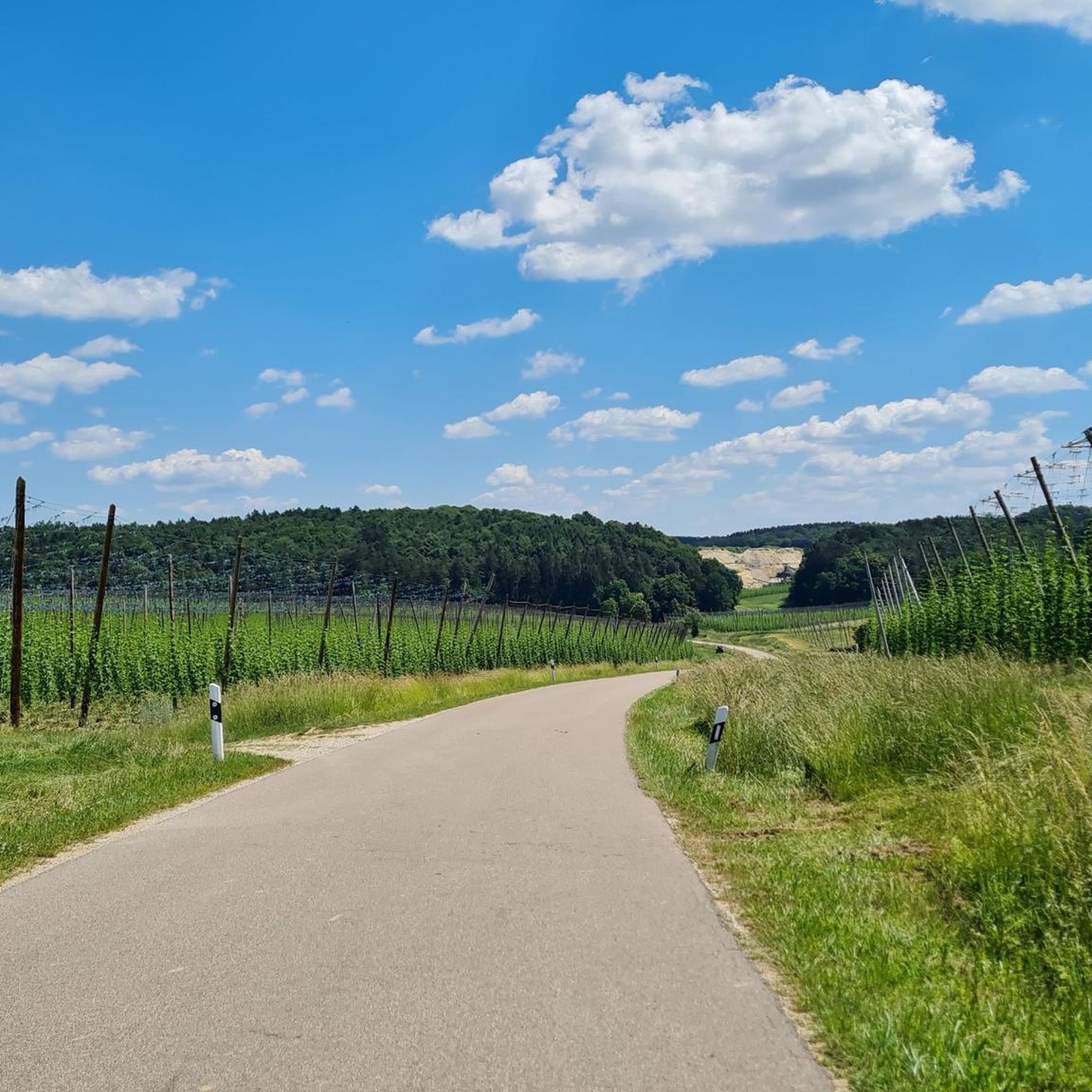
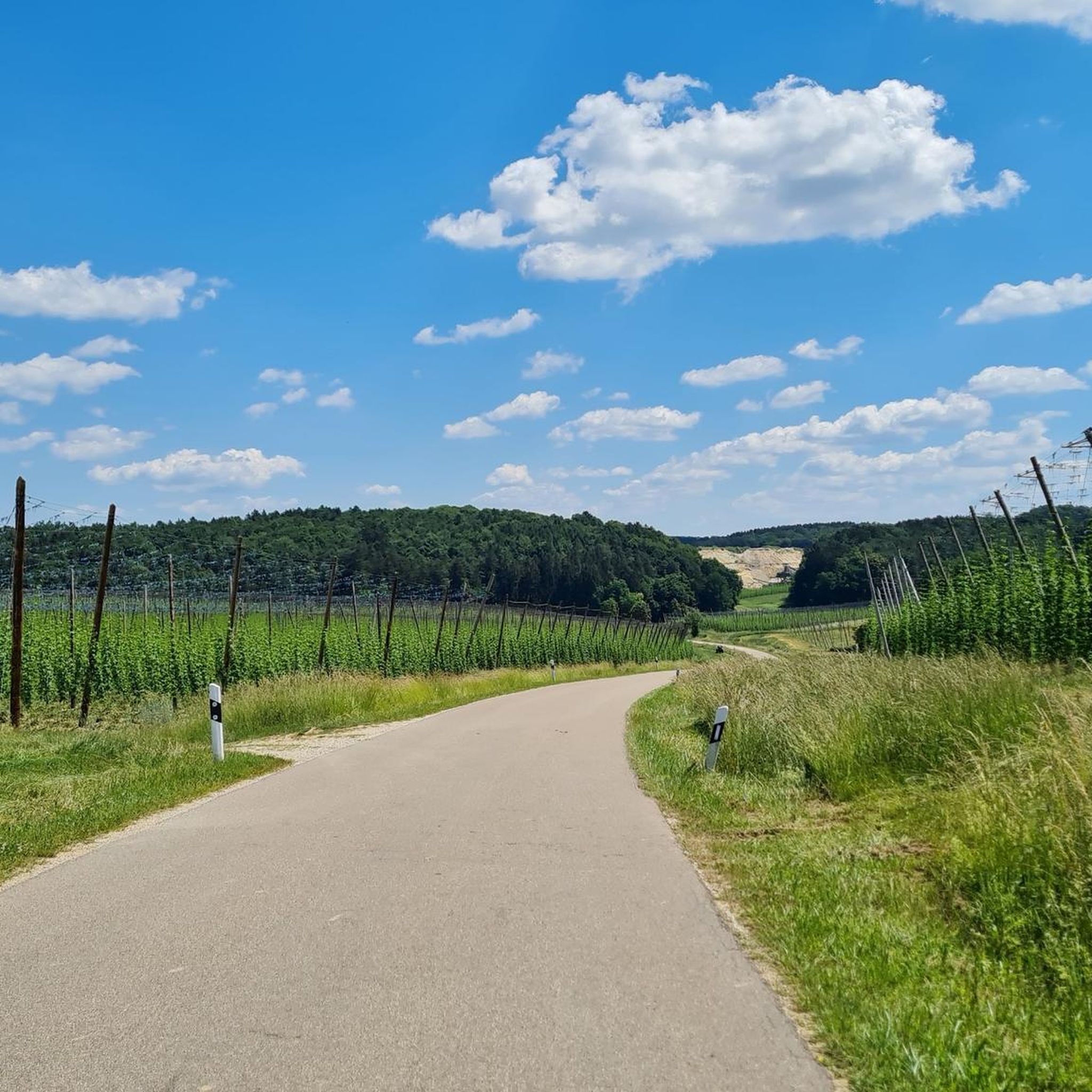
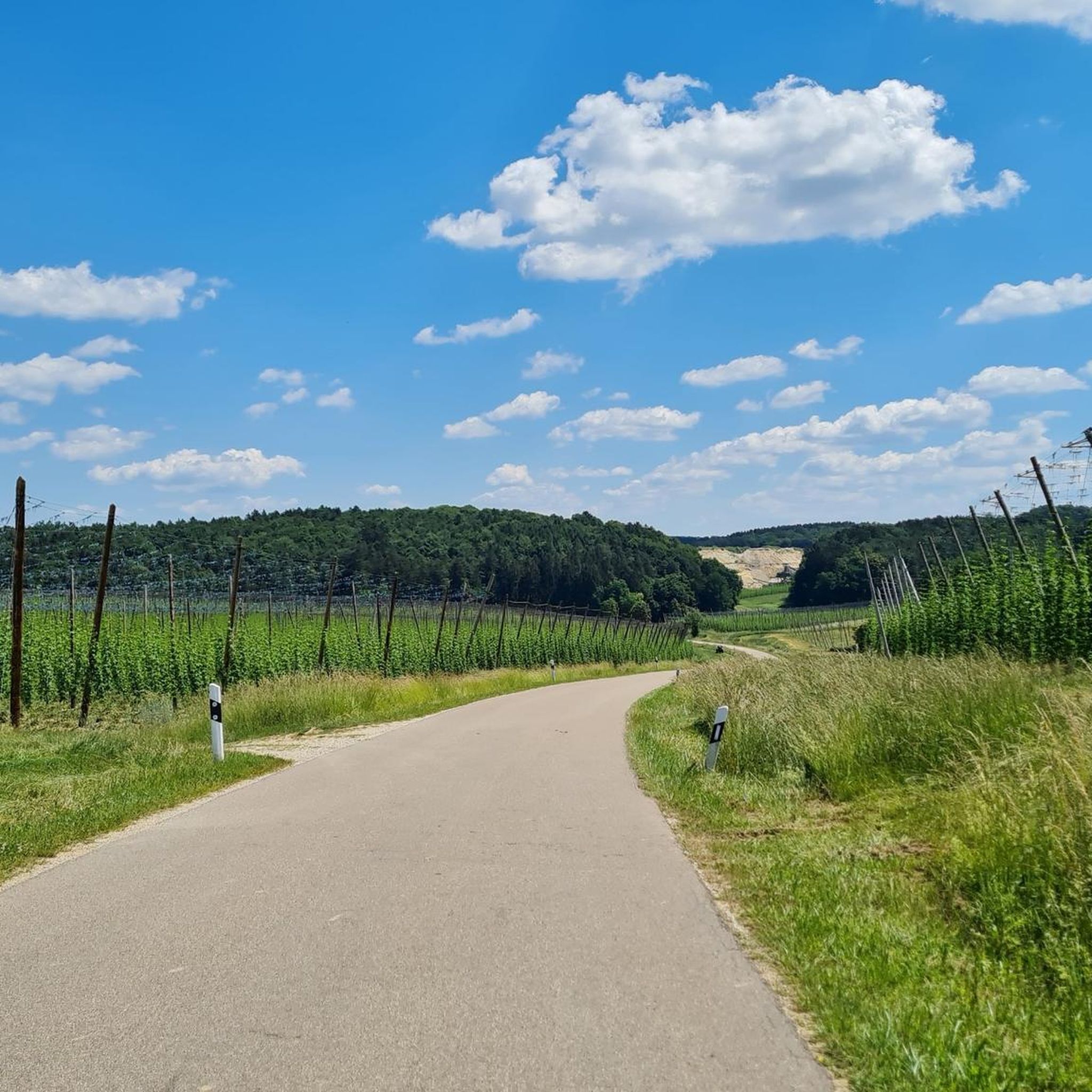
Gravel biking around Aiglsbach offers diverse terrain within Lower Bavaria's Kelheim district. The region is characterized by the expansive Hallertau hop-growing area, featuring rolling agricultural landscapes and distinctive hop trellises. Riders can explore shaded routes through the Dürrnbucher Forest and navigate undulating hills and valleys within the Donau-Isar-Hügelland, providing varied elevation profiles. The area also provides access to riverside paths along the Danube, combining unpaved segments with well-maintained tracks.
Best gravel bike trails around Aiglsbach
- The most popular gravel bike…
Last updated: October 6, 2026
4.7
(7)
27
riders
45.4km
02:18
180m
180m
Moderate gravel ride. Good fitness required. Mostly paved surfaces. Suitable for all skill levels.
5.0
(2)
14
riders
54.9km
02:54
120m
120m
Moderate gravel ride. Good fitness required. Mostly paved surfaces. Suitable for all skill levels.

4.8
(6)
13
riders
57.2km
02:53
110m
110m
Moderate gravel ride. Good fitness required. Mostly paved surfaces. Suitable for all skill levels.
4.5
(2)
10
riders
48.6km
02:49
140m
140m
Moderate gravel ride. Good fitness required. Mostly paved surfaces. Suitable for all skill levels.
5.0
(2)
7
riders
31.8km
01:55
130m
130m
Easy gravel ride. Great for any fitness level. Mostly paved surfaces. Suitable for all skill levels.
Get access to more routes and recommendations from other explorers.
Already have an account?
Our route recommendations are based on thousands of hikes, rides, and runs completed by other people on komoot.
Start today with a free account
Your next adventure awaits.
Tips from the Community

Wonderful to cycle in the shady forest on good forest paths.
0
0

Beautiful view of the currently very empty Danube
0
0

Turn off the main path at this hiking parking lot and follow the hiking trail to Mitterbachel: it's worth it, many exotic trees are picturesquely planted there around two small forest ponds. Always worth a detour..
0
0

The cycle path along the Abens near Sittling (a district of Neustadt an der Donau) is a real treat for pleasure cyclists who like it flat and close to nature. You ride through an idyllic meadow landscape. As the area around Sittling and the nearby Bad Gögging is an important refuge for birds, you can often observe storks and herons.
0
0
I recommend stopping off for an ice cream or coffee at the Dolce Vita ice cream parlor in Neustadt an der Donau.
0
0

Klenze Park is worth a stop. Across the street, at the Cavalier Dalwigk monument, cannons were once cast. Today, you can enjoy the view of the Danube with a cool drink in the summer lounge. Be sure to check the opening hours.
0
0

View of the castle and the Danube in the background the city
1
0

Frequently Asked Questions
What kind of terrain can I expect on gravel bike trails around Aiglsbach?
The Aiglsbach region offers a diverse mix of terrain. You'll find yourself cycling through the expansive hop fields of the Hallertau, which provide rolling agricultural landscapes. There are also shaded routes through the Dürrnbucher Forest and undulating hills and valleys within the Donau-Isar-Hügelland, offering varied elevation profiles. Many routes combine unpaved segments with well-maintained tracks, including riverside paths along the Danube.
How many gravel bike trails are available in Aiglsbach?
There are over 80 gravel bike trails available around Aiglsbach. This includes 23 easy routes, 56 moderate routes, and 8 more challenging options, ensuring there's something for every skill level.
Are there any easy gravel bike routes suitable for beginners or families?
Yes, Aiglsbach offers several easy gravel bike routes. For a shorter, less strenuous ride, consider the Ilm Sluice and Riverside Bench – Ilm River near Parleiten loop from Geisenfeld, which is about 17.7 km long. These routes often feature gentler terrain and riverside paths, ideal for a relaxed outing.
What are some notable natural features or viewpoints to look out for on the trails?
The region is rich in natural beauty. You'll encounter the unique landscape of the Hallertau hop fields, especially picturesque during the growing season. The Dürrnbucher Forest provides shaded, natural paths, and the Donau-Isar-Hügelland offers panoramic views from its undulating hills. Many routes also provide expansive views of the Danube River, such as the Ilm River near Ilmendorf – Danube Riverside View loop from Geisenfeld.
Are there any circular gravel bike routes in the area?
Yes, many of the gravel bike routes around Aiglsbach are designed as loops. For example, the Weltenburg Abbey – Weltenburg Abbey loop from Münchsmünster is a popular circular route that takes you past the historic abbey. Another great option is the Ilm River near Ilmendorf – Vohburg Danube Gate loop from Geisenfeld.
What kind of attractions can I visit along the gravel bike trails?
Beyond the natural landscapes, you can integrate cultural and historical stops into your rides. The historic town of Vohburg an der Donau, with its well-preserved old town and Danube Gate, is accessible via cycling routes. While not directly on a trail, the German Hop Museum in Wolnzach is also nearby and offers insights into the region's hop-growing heritage. For a break, you might find highlights like the Birkenheide Beer Garden near some lake areas.
What do other gravel bikers enjoy most about Aiglsbach?
The gravel biking experience in Aiglsbach is highly rated by the komoot community, with an average score of 4.8 stars from nearly 100 reviews. Riders often praise the diverse terrain, from the unique hop fields to the quiet forest paths and scenic riverside sections, as well as the well-maintained network of routes suitable for various ability levels.
Are there any specific highlights or points of interest for mountain biking or singletrack enthusiasts?
While this guide focuses on gravel biking, the broader area around Aiglsbach does offer some singletrack options. You might find highlights such as the Singletrack very steep or the Singletrack at Griesweiher, which cater to more technical riding preferences.
What is the best time of year for gravel biking in Aiglsbach?
The Hallertau region, including Aiglsbach, is particularly beautiful during the warmer months when the hop fields are lush and green. Spring and autumn offer pleasant temperatures for cycling, while summer provides vibrant scenery. Always check local weather conditions before heading out.
Are there any routes that pass by lakes or offer water-based activities?
While Aiglsbach itself isn't directly on a large lake, the wider region features several lakes and water bodies. You can find highlights like the Old Danube Oxbow, Pförring or Maurer See, which can be incorporated into longer rides. Some areas also offer activities like the Wake & Groove Cable Park.
Can I find routes that offer views of the Danube River?
Absolutely. Several routes in the Aiglsbach area extend towards the Danube, providing beautiful riverside views. The Ilm River near Ilmendorf – Danube Riverside View loop from Geisenfeld is specifically designed to offer expansive vistas of the Danube, combining gravel paths with scenic river stretches.
Most popular attractions around Aiglsbach

Get inspired with the komoot mobile app


Explore more
Browse the best Gravel rides in other regions.
