The best gravel rides around Ellerbek
4.4
(922)
4,108
riders
103
rides
Gravel biking around Ellerbek offers access to diverse natural landscapes and a network of suitable paths. The region is characterized by renaturalized waterways like the Beek and Mühlenau, alongside green spaces such as the Klimawald. Proximity to the Himmelmoor Nature Reserve provides routes through varied terrain, including soft peat soil and birch forests. A dense network of forestry and service roads further enhances the area's appeal for gravel cyclists.
Best gravel bike trails around Ellerbek
- The most popular gravel bike…
Last updated: July 3, 2026
5.0
(1)
25
riders
Moderate gravel ride. Good fitness required. Mostly paved surfaces. Suitable for all skill levels.
4.4
(8)
23
riders
Easy gravel ride. Great for any fitness level. Mostly paved surfaces. Suitable for all skill levels.

Sign up for free
5.0
(4)
22
riders
52.7km
02:59
120m
120m
Moderate gravel ride. Good fitness required. Mostly paved surfaces. Suitable for all skill levels.
4.4
(10)
35
riders
Hard gravel ride. Great for any fitness level. You may need to push your bike for some segments of this route.
4.6
(8)
41
riders
50.3km
02:56
100m
100m
Hard gravel ride. Good fitness required. You may need to push your bike for some segments of this route.
Get access to more routes and recommendations from other explorers.
Sign up for free
Already have an account?
Our route recommendations are based on thousands of hikes, rides, and runs completed by other people on komoot.
Start today with a free account
Your next adventure awaits.
Login or Signup
Tips from the Community

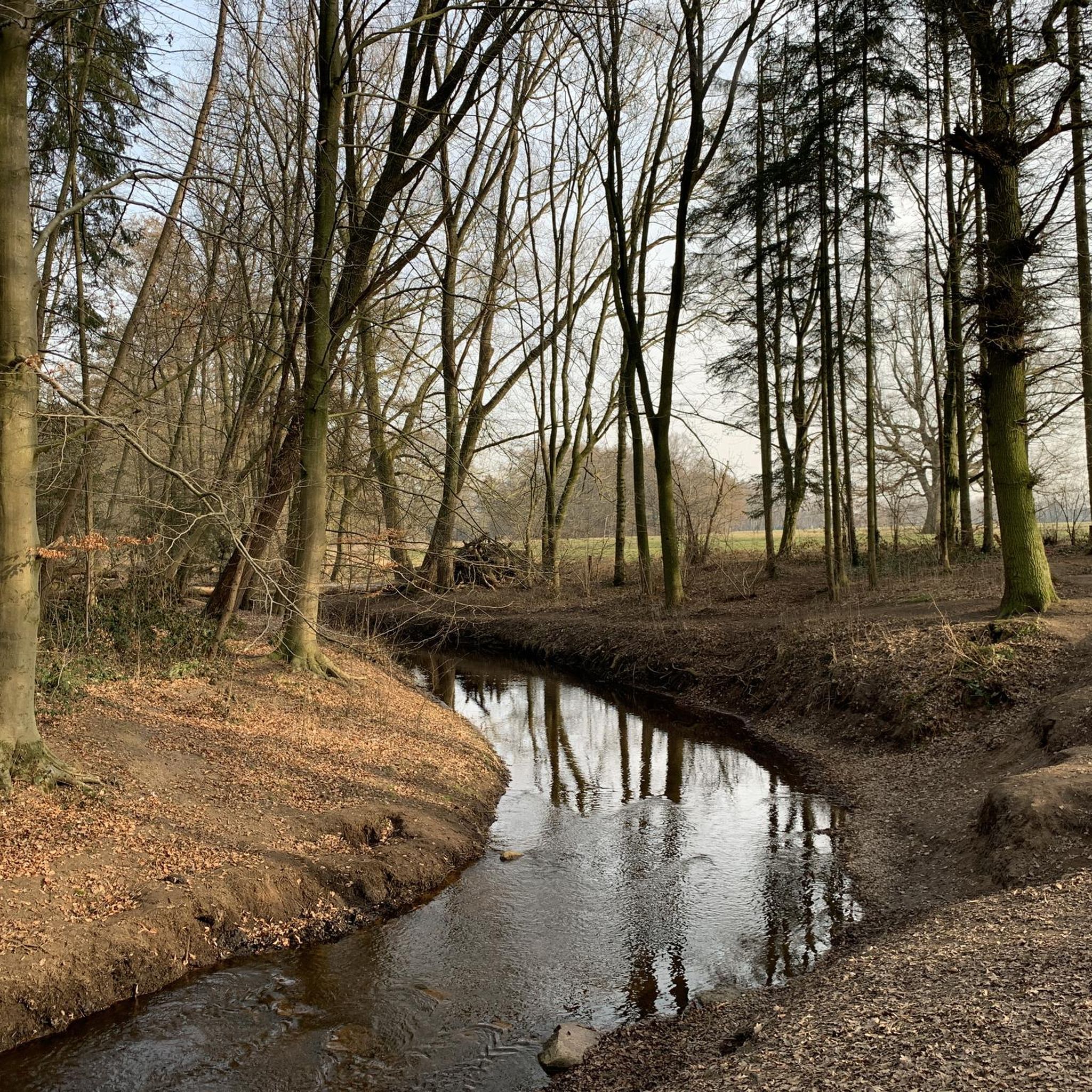
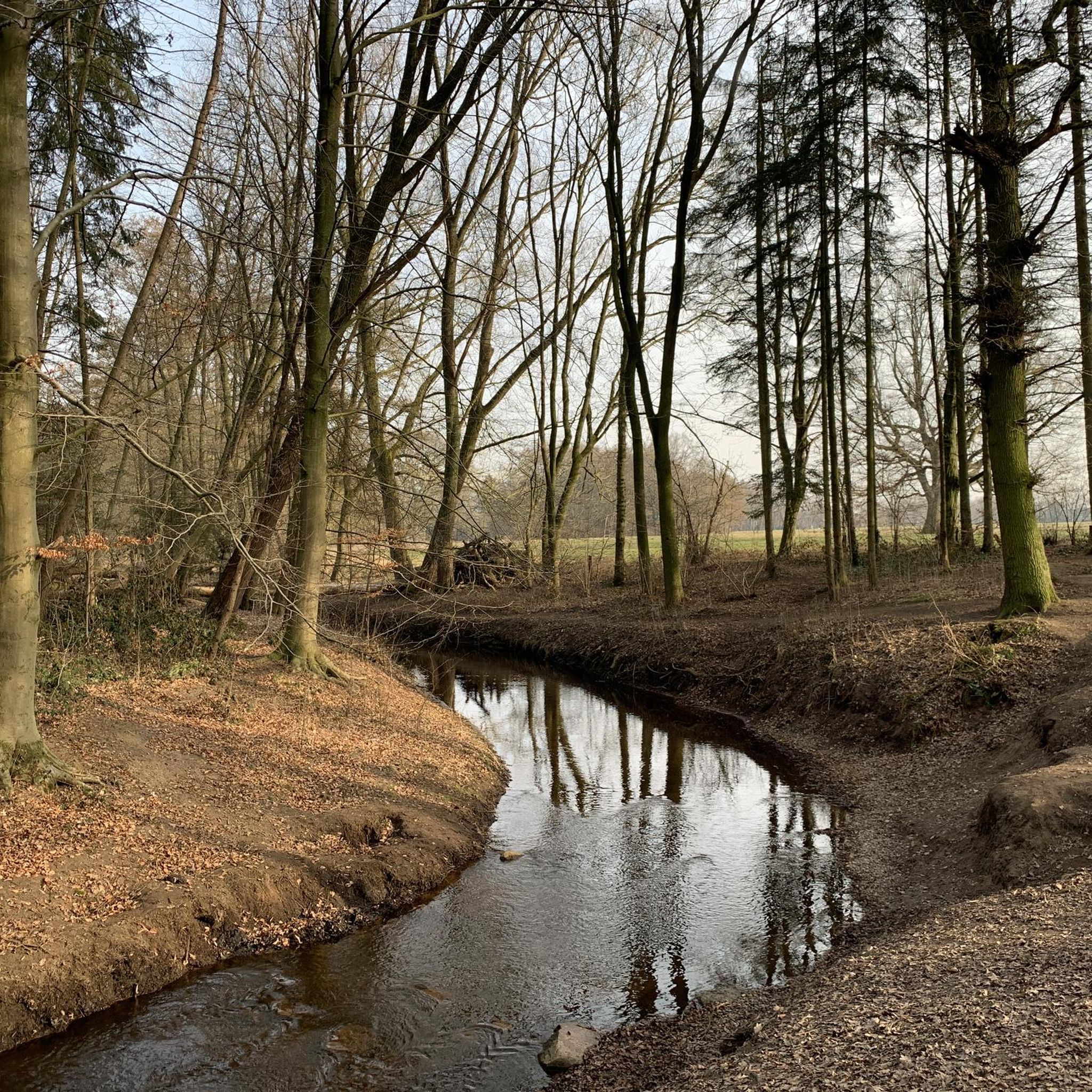
Very quiet here. The surface is perhaps not very suitable for road bikes.
0
0

Beautiful trail, easy to ride. Especially recommended in summer temperatures, as you ride a lot in the shade of the trees.
0
0

Even a four- or five-meter-high hill, built for visitors, offers a much better overview of the landscape left behind by decades of peat extraction.
11
0
5,810 meters of track remain from the Himmelmoor Peat Railway. Built in 1900, it was used to transport peat from the mining area to the peat works on the eastern edge of the moor, operating on constantly changing routes. Small diesel locomotives, some of which were built in-house, pulled the trains carrying the peat floes until mining ended in 2018. Since 2015, the Himmelmoor Peat Railway Association has offered tours on the remaining line. The association maintains the railway and the industrial facilities. Trains are also regularly used for renaturation work.
14
0
Peat cutting, i.e., the above-ground extraction of peat, is no longer economically viable today. Peat as a fuel has largely been replaced by other high-energy fossil fuels. Many large-scale peatlands suitable for industrial extraction have now been drained. New peat cutting areas are only permitted under strict conditions. Raised bogs have an important regulatory effect on the water balance due to the large amounts of precipitation they can absorb. The preservation of the original habitats serves landscape conservation and species protection, as most species of peatland flora and fauna are considered threatened or critically endangered. Bogs grow extremely slowly; an intact peat body increases in thickness by only one millimeter per year. It therefore takes a thousand years for a one-meter-high layer of peat to form. Thus, bog areas recover very slowly during restoration attempts.
13
0

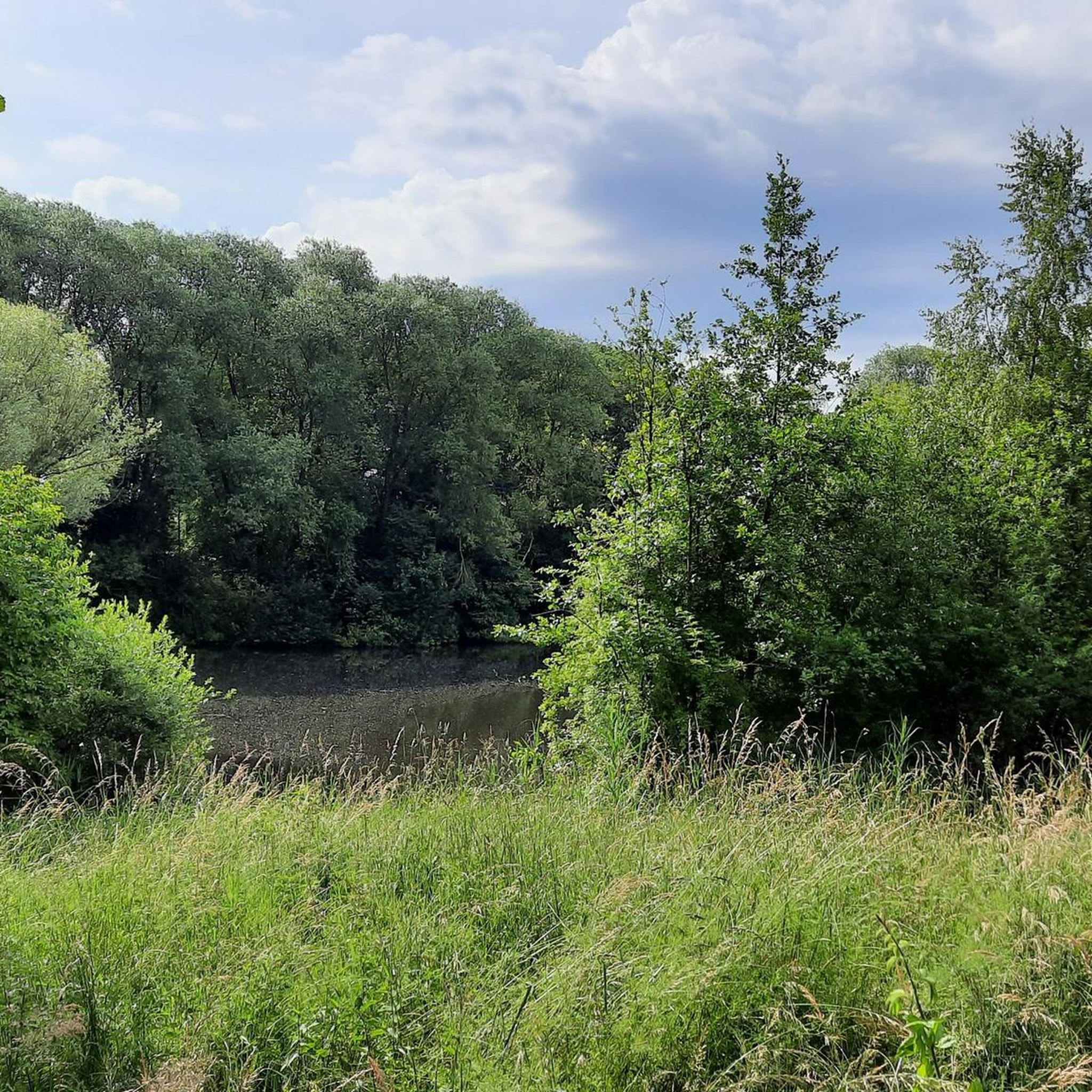
A quiet stretch of road with lots of nature
0
0

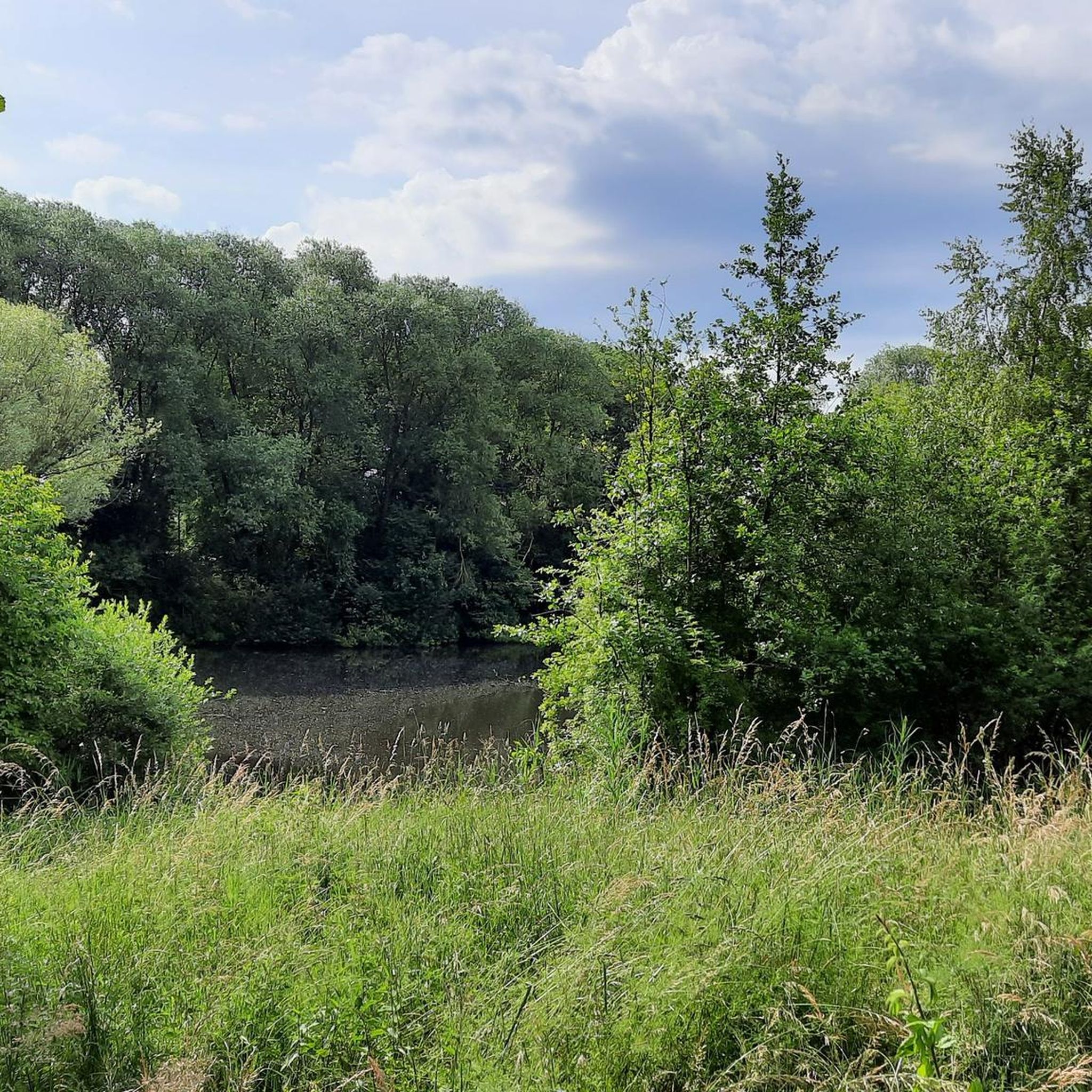
The Kupferteich (Copper Pond) on the border of the Hamburg districts of Poppenbüttel and Lemsahl-Mellingstedt was originally a mill pond and served as a copper mill. It is easily circumnavigated by bike or on foot. It was created by damming the Mellingbek and Twelenbek rivers, which flow from the Wittmoor and join in front of the pond, to a height of approximately 900 meters. In the mill at the Kupferteich, a copper hammer was used to produce panels for roofs, ship floors, and boilers for sugar refineries. Remains of fish ponds can be found at the northern end of the Kupferteich. In the mid-19th century, the Kupferteich became a sawmill, later an oil mill, after which the facility fell into disuse. Due to its dilapidated condition, it was demolished in 1929. The Kupferteich is now an approximately 7.0-hectare fishing lake, and since 2019, it, including its shoreline, has been designated a specially protected biotope area under the Federal Nature Conservation Act. A golf course has stretched east and west of the Kupferteich since the 21st century. There is a dog walking area on the western shore of the pond. Access to the Kupferteich is via the 1.5 km long Kupferteichweg, a road that leads to a sandy path leading to the pond. https://de.wikipedia.org/wiki/Kupferteich_(Mellingbek)
3
1

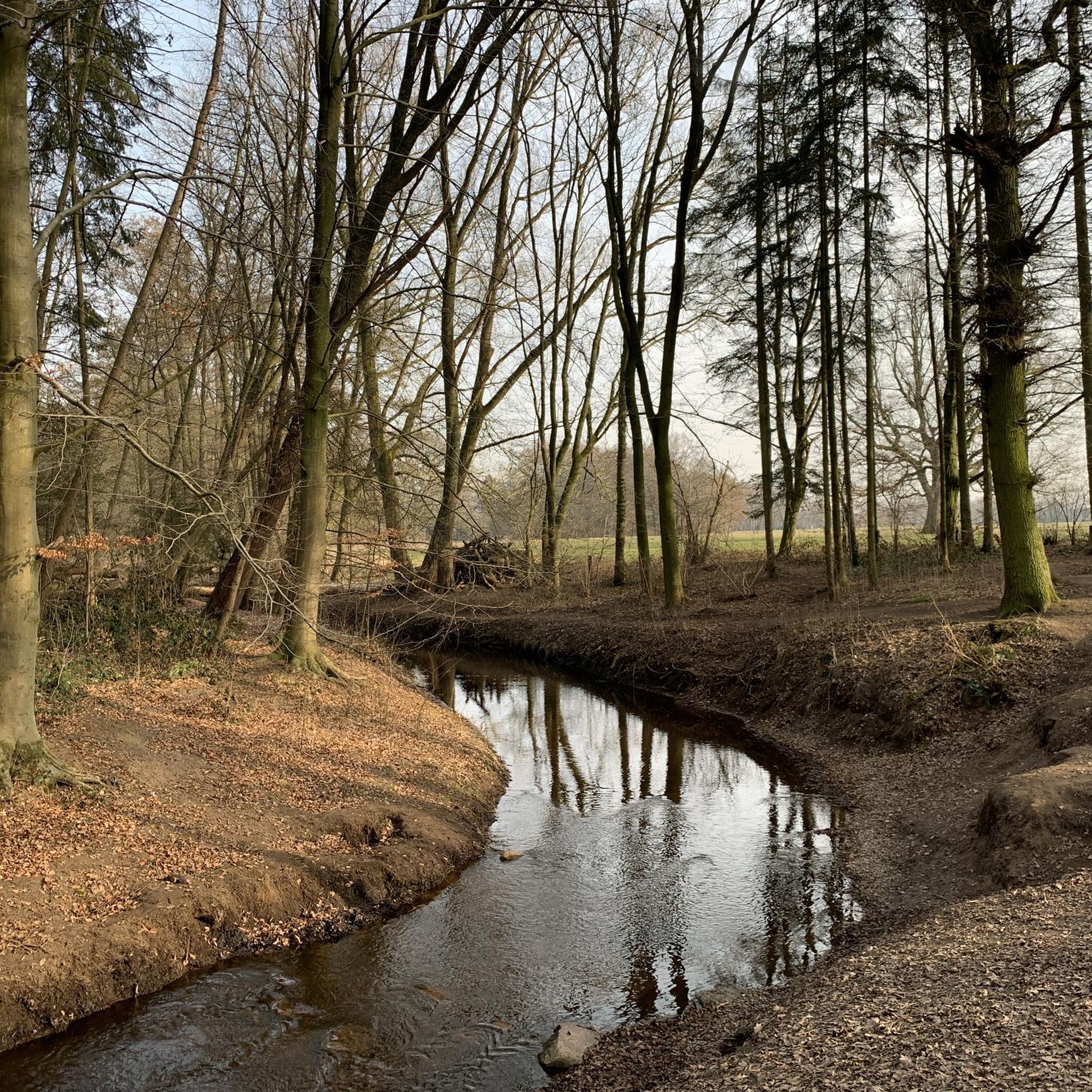
I passed through there on September 8, 1925, on my "Bevern and Hemdingen" tour. This tour features many beautiful forest paths.
0
0
Frequently Asked Questions
How many gravel bike trails are available around Ellerbek?
Ellerbek offers a wide selection of gravel biking opportunities, with over 180 routes available. These range from easy to difficult, ensuring there's something for every skill level.
What kind of terrain can I expect on gravel bike trails near Ellerbek?
The terrain around Ellerbek is diverse, featuring a mix of natural landscapes. You'll encounter forestry and service roads, paths along renaturalized waterways like the Beek and Mühlenau, and sections through nature reserves such as the Himmelmoor, which can include soft peat soil and birch forests. This variety makes it ideal for gravel bikes.
Are there any easy gravel bike trails suitable for beginners or families?
Yes, Ellerbek has a good selection of easier routes. Out of the over 180 trails, 62 are categorized as easy. While specific family-friendly routes aren't highlighted, the general network of low-traffic forestry roads and paths along waterways often provides pleasant and accessible options for less experienced riders.
What are some notable natural attractions or landmarks I can see while gravel biking in Ellerbek?
Many routes will take you through or near significant natural areas. The Himmelmoor Nature Reserve is a prominent feature, offering unique landscapes. You might also encounter the Alster Trail or the Alster Cycle Path in the wider region, known for their scenic beauty. Keep an eye out for various viewpoints and rest areas, such as the Rest area at the Himmelmoor Moor Educational Trail.
What do other gravel bikers enjoy most about the trails in Ellerbek?
The komoot community highly rates the gravel biking experience in Ellerbek, with an average score of 4.4 stars from over 900 reviews. Riders often praise the diverse natural landscapes, the extensive network of forestry and service roads, and the peaceful atmosphere found along the renaturalized waterways and through areas like the Himmelmoor Nature Reserve.
Are there any circular gravel bike routes around Ellerbek?
Yes, many of the gravel routes around Ellerbek are designed as loops, allowing you to start and finish at the same point. For example, the Forest trail in Klövensteen – Schnaakenmoor Nature Reserve loop from Burgwedel is a popular circular option that takes you through varied natural settings.
Where can I find parking for gravel biking trails in Ellerbek?
While specific parking spots for each trail are not listed, the region's proximity to Hamburg and its well-developed infrastructure suggest that parking is generally available in and around starting points of routes, especially in nearby towns like Thesdorf or Burgwedel, which serve as common access points for trails into areas like the Himmelmoor.
Can I access gravel biking routes in Ellerbek using public transport?
Ellerbek's location near Hamburg means good public transport connections are likely. Many routes start from or pass through towns with train or bus stations, such as Thesdorf or Burgwedel, making it feasible to reach the trails without a car. It's always advisable to check local public transport schedules and bike carriage policies before your trip.
Are there any cafes or places to stop for refreshments along the gravel bike trails?
While the trails themselves often traverse natural areas, you can find refreshment stops in nearby towns or at specific points of interest. For instance, the Corell Forest Café is a highlight that might be accessible from some routes. Planning your route to pass through villages or near known cafes is recommended.
What is the best time of year for gravel biking in Ellerbek?
The region generally offers good conditions for gravel biking for much of the year. Spring and autumn provide pleasant temperatures and beautiful scenery. Summer is also great, though some paths might be busier. Winter riding is possible, but conditions can vary, with some trails potentially being muddy or icy, especially in sensitive areas like the Himmelmoor.
Are there any long-distance or challenging gravel bike routes in the Ellerbek area?
Yes, for those seeking a greater challenge, there are 45 routes categorized as difficult. An example of a longer, more challenging route is the EBOE Trail Gravel Path – Henstedter Moor Trail loop from Niendorf Nord, which covers a significant distance and elevation, offering a demanding ride for experienced gravel bikers.
Can I bring my dog on the gravel bike trails around Ellerbek?
Many natural areas and public paths in Germany are dog-friendly, provided dogs are kept on a leash, especially in nature reserves or areas with wildlife. While specific dog-friendly routes aren't detailed, the general network of forestry roads and open paths should be suitable for cycling with a leashed dog. Always be mindful of local regulations and other trail users.
Most popular attractions around Ellerbek

Get inspired with the komoot mobile app


Explore more
Browse the best Gravel rides in other regions.
