Attractions and Places To See around Olbersleben - Top 20
Attractions and places to see around Olbersleben, a village in Thuringia, Germany, provide opportunities for exploring local landmarks and the wider region. The area is characterized by the rolling farmland of the Thuringian Basin, offering natural viewpoints such as Kirschberg. Olbersleben itself is home to the historic St. Wigbert Church, dating back to 1500. The surrounding region offers access to various historical, cultural, and natural sites, making it a base for diverse experiences.
Best attractions and places to see around…
Last updated: May 11, 2026
Wooden Suspension Bridge on the Rabensweg
Highlight • Bridge
Translated by Google •
Tip by

Wooden Sculpture Trail Garnbach
Highlight • Structure
Translated by Google •
Tip by

Sign up now to discover places like this
Get recommendations on the best single tracks, peaks, & plenty of other exciting outdoor places.
Sign up for free
Rabenswald Castle Ruins
Highlight • Castle
Translated by Google •
Tip by

Beichlingen Castle
Highlight • Castle
Translated by Google •
Tip by

Mägdesprung Rock
Highlight • Natural Monument
Translated by Google •
Tip by
Sign up for free to discover even more attractions around Olbersleben.
Sign up for free
Already have an account?
Start today with a free account
Your next adventure awaits.
Login or Signup



Tips from the Community

The Rabenswald family hiking trail is a great activity for families with children.
4
0

According to a legend, the two imprints in the stone come from the foot of a giant maiden and the horse's foot of the devil, both of which are said to have jumped here from the Wendelstein in ancient times.
1
0

This path is a really nice experience for children.
6
0

Very nice little ruin in the forest
4
0
Beautiful hike with great wooden figures
6
0

Art exhibition in the middle of nature
7
0
Legendary place, certainly in the distant past with ritual significance
5
0

A rather unknown gem in Thuringia. Beichlingen Castle. The support association takes care of its preservation. In GDR times it was also a boarding school for future teachers/kindergarteners. Then also a technical school for veterinary medicine.
2
0
Frequently Asked Questions
What unique attractions can I find around Olbersleben?
Around Olbersleben, you can discover several unique attractions. One popular spot is the Wooden Suspension Bridge on the Rabensweg, known for its beautiful and lovingly crafted design, offering new surprises along the trail. Another interesting site is the Wooden Sculpture Trail Garnbach, an outdoor art trail featuring various wooden works, from animal depictions to abstract sculptures, providing great photo opportunities.
What historical sites can I visit near Olbersleben?
The region offers several historical sites. Within Olbersleben itself, you can find the historic St. Wigbert Church, built in 1500. Nearby, you can explore Beichlingen Castle, a historical complex with a mighty residential tower from the 15th century and a castle chapel. The Rabenswald Castle Ruins also offer a glimpse into the past, though access to the ruins themselves is prohibited due to falling branches.
Are there any natural viewpoints or features to explore in the area?
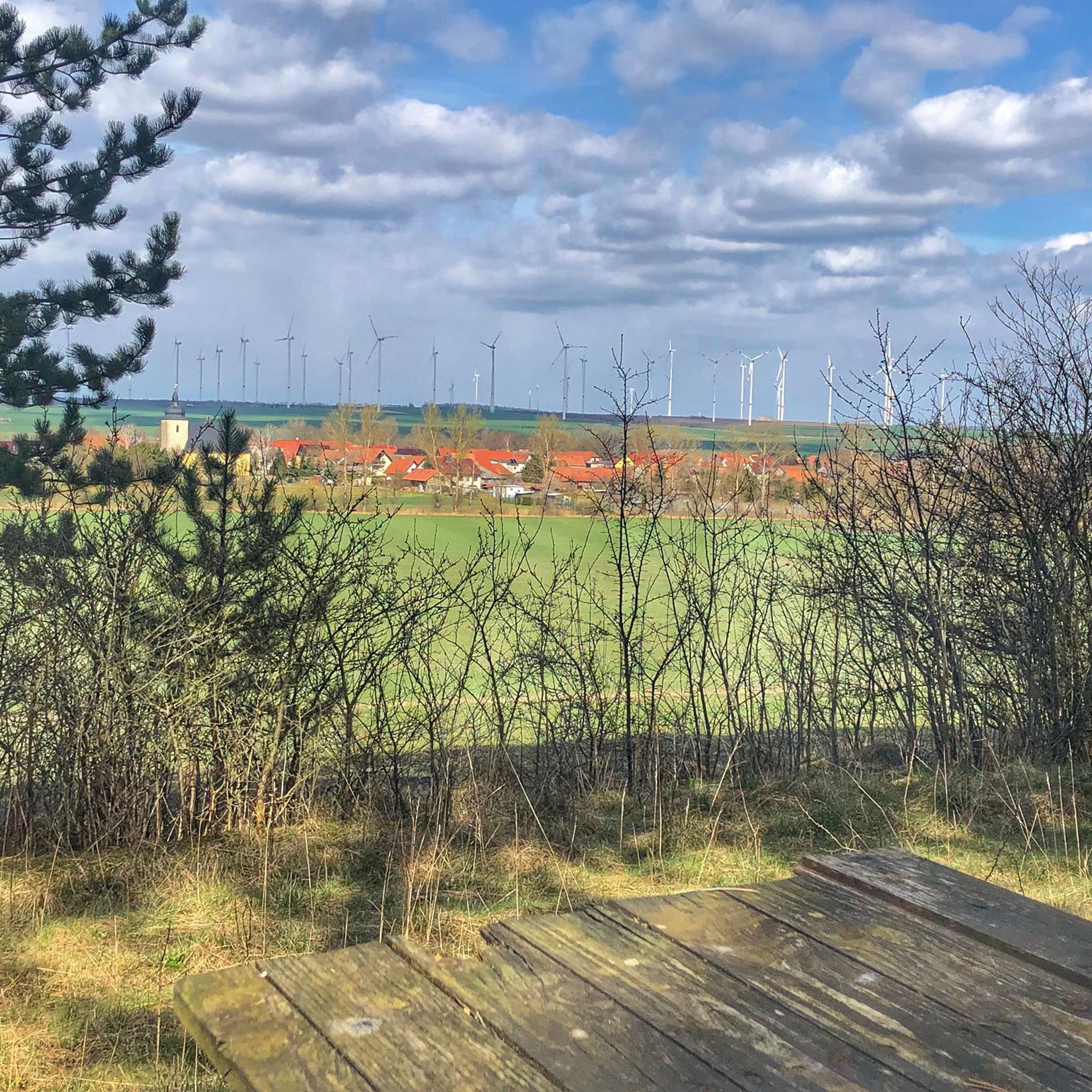
Yes, the area around Olbersleben offers natural beauty and viewpoints. The Kirschberg, located nearby, provides an impressive panoramic view of the rolling farmland of the Thuringian Basin, where you can see the entire rural community of Buttstädt and even Ettersberg near Weimar on a clear day. Another natural feature is the Mägdesprung Rock, a natural monument with local legends attached to its unique formations.
What family-friendly activities are available around Olbersleben?
For families, several attractions are suitable. The Wooden Suspension Bridge on the Rabensweg and the Wooden Sculpture Trail Garnbach are both noted as family-friendly. Further afield, the Erlebnistierpark Memleben is an adventure animal park, and the Waldschwimmbad Rastenberg (about 7.6 km away) is a public outdoor swimming pool, perfect for a warm day.
What outdoor activities, like hiking, can I do near Olbersleben?
The region around Olbersleben is excellent for outdoor activities, especially hiking. You can find several easy hiking routes, such as the 'Rastenberg Town Hall – Rastenberg Town Hall loop' or the 'Hiking loop from Ostramondra'. For more options, explore the Easy hikes around Olbersleben guide.
Are there cycling routes for different skill levels near Olbersleben?
Yes, there are cycling routes catering to various skill levels. For gravel biking enthusiasts, you can find routes like the 'Prinzenschneise Nature Reserve – Buchenwald Memorial loop' which is moderate, or more challenging options such as the 'View of the Sachsenburg castles – Arch Bridge Near Rothenberga loop'. Mountain biking trails are also available, including moderate routes like the 'Rabenswald Trail – Wiehe Outdoor Pool loop'. You can find more details in the Gravel biking around Olbersleben and MTB Trails around Olbersleben guides.
What cultural experiences can I find in the wider region?
Beyond Olbersleben, the wider region offers unique cultural experiences. You can visit the Thuringer Kloßmuseum, dedicated to the famous Thuringian dumpling, providing a fascinating insight into local culinary traditions. The city of Weimar, approximately 18-19 km away, is a significant cultural hub with attractions like Goethe's House, the Bauhaus-Museum, and the beautiful Park an der Ilm.
When is the best time to visit Olbersleben and its attractions?
The best time to visit Olbersleben and its attractions largely depends on your preferred activities. Spring and summer (April to September) are ideal for hiking, cycling, and enjoying outdoor attractions like the Kirschberg viewpoint and the Waldschwimmbad Rastenberg, with pleasant weather for exploring. Autumn offers beautiful foliage, while winter can be charming for cultural sites, though outdoor activities might be limited by snow or colder temperatures.
Are there any dog-friendly trails or attractions?
Many of the natural trails and outdoor areas around Olbersleben are dog-friendly, making them suitable for walks with your canine companion. The open landscape of the Thuringian Basin, including areas around the Kirschberg, offers fields and small paths perfect for exploring. Always ensure dogs are kept on a leash where required and respect local regulations.
How can I get to attractions around Olbersleben using public transport?
While Olbersleben is a small village, public transport options exist to connect to nearby towns and some regional attractions. However, for direct access to many specific highlights or trailheads, a car is often recommended for convenience. It's advisable to check local bus schedules for connections from Olbersleben to larger towns like Buttstädt or Weimar, from where further transport might be available to specific sites.
Are there any attractions suitable for visitors with accessibility needs?
Information on specific wheelchair-accessible attractions in Olbersleben is limited. Many of the natural trails and historical sites, such as castle ruins, may have uneven terrain or steps. For visitors with accessibility needs, it's recommended to inquire directly with specific venues or consider attractions in larger, more developed towns like Weimar, which typically offer better accessibility infrastructure at their museums and parks.
What do visitors enjoy most about the attractions near Olbersleben?
Visitors particularly enjoy the unique and lovingly crafted details of attractions like the Wooden Suspension Bridge on the Rabensweg, often noting the fun and surprises it offers. The Wooden Sculpture Trail Garnbach is praised for its beautiful works of art and excellent photo opportunities. The historical significance and impressive architecture of sites like Beichlingen Castle also receive high appreciation.
Most popular attractions around Olbersleben

Get inspired with the komoot mobile app


Explore more
Still not found the Highlight you’re looking for? See guides of the top attractions in other regions:
