The best gravel rides around Gräfendorf
4.8
(23)
142
riders
36
rides
Gravel biking around Gräfendorf offers diverse landscapes, from the open cultural plains to the east with views of the Rhön mountains, to the dense forests of the Spessart in the west. The region is characterized by the picturesque Fränkische Saale valley and features the Sodenberg, a 506-meter-high extinct volcano. This varied topography provides a mix of terrain suitable for gravel biking, including extensive cycling paths and challenging passages with loose ground. The area is nestled in the heart of the…
Last updated: July 2, 2026
4.5
(4)
34
riders
Moderate gravel ride. Good fitness required. Mostly paved surfaces. Suitable for all skill levels.
4.7
(3)
11
riders
21.8km
01:27
270m
270m
Moderate gravel ride. Good fitness required. Mostly paved surfaces. Suitable for all skill levels.

Sign up for free
4.3
(6)
63
riders
46.7km
02:41
340m
340m
Moderate gravel ride. Good fitness required. Mostly paved surfaces. Suitable for all skill levels.
5.0
(3)
8
riders
18.1km
01:08
210m
210m
Hard gravel ride. Good fitness required. You may need to push your bike for some segments of this route.
5.0
(1)
3
riders
Hard gravel ride. Very good fitness required. You may need to push your bike for some segments of this route.
Get access to more routes and recommendations from other explorers.
Sign up for free
Already have an account?
Our route recommendations are based on thousands of hikes, rides, and runs completed by other people on komoot.
Start today with a free account
Your next adventure awaits.
Login or Signup
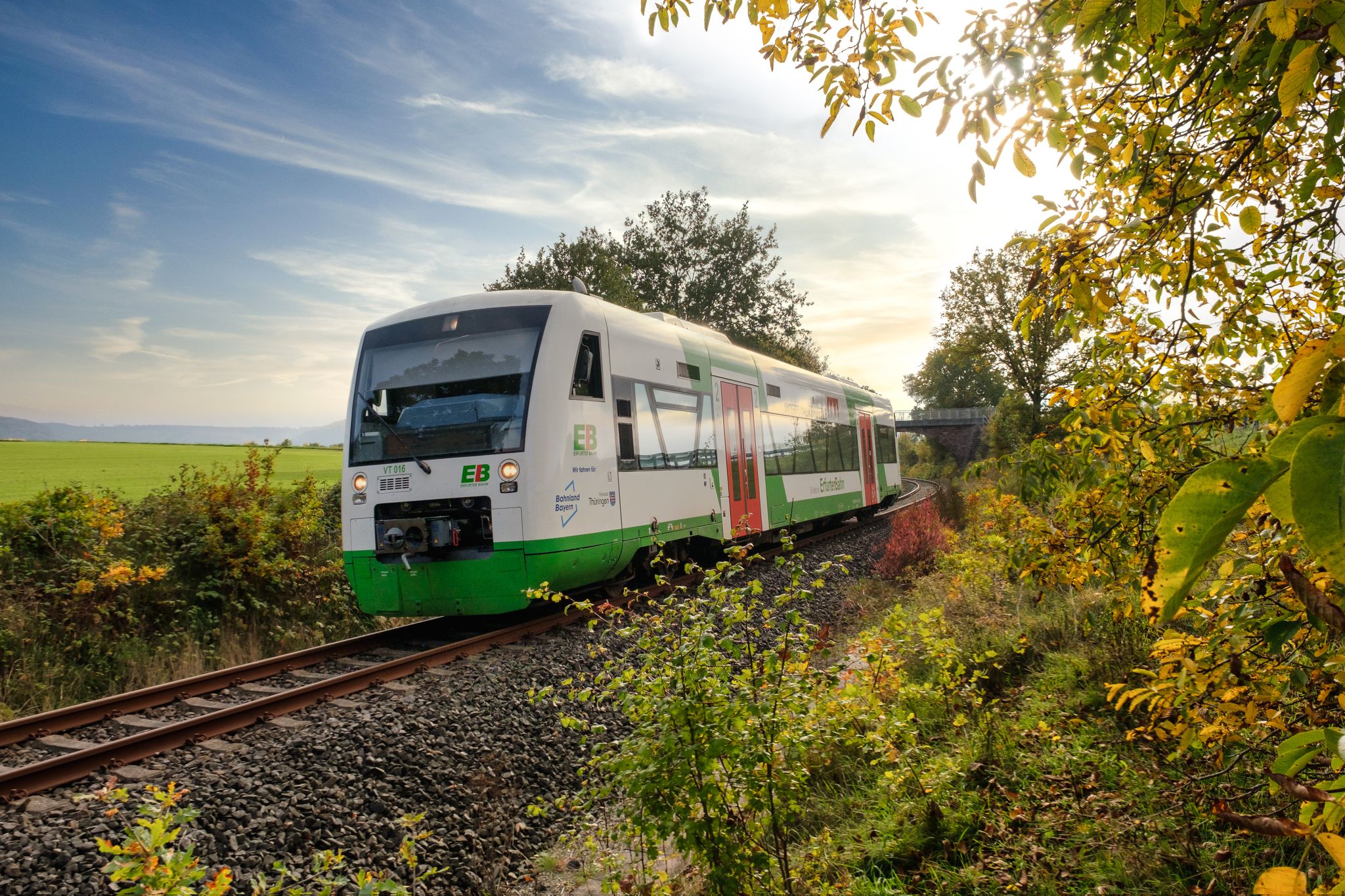
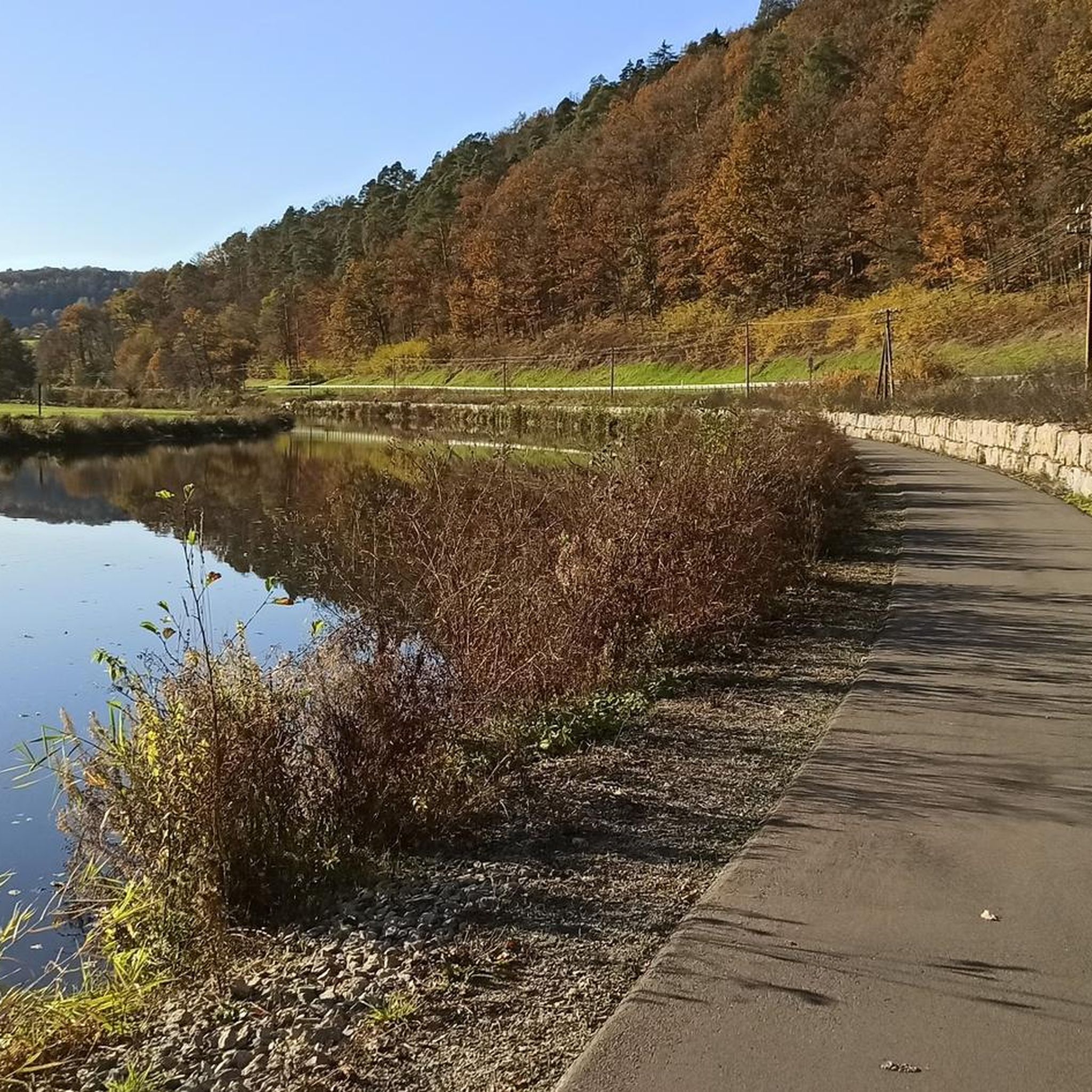
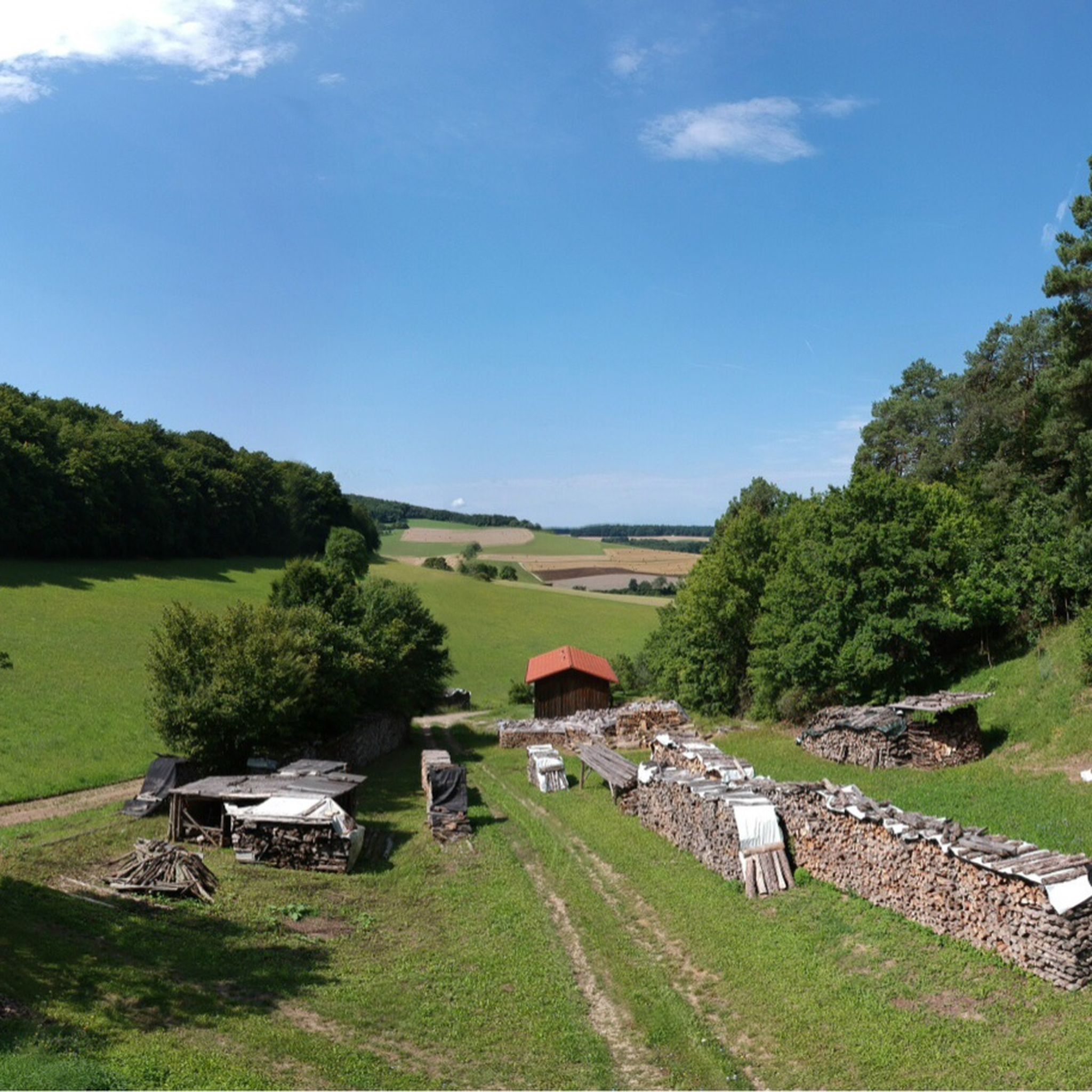
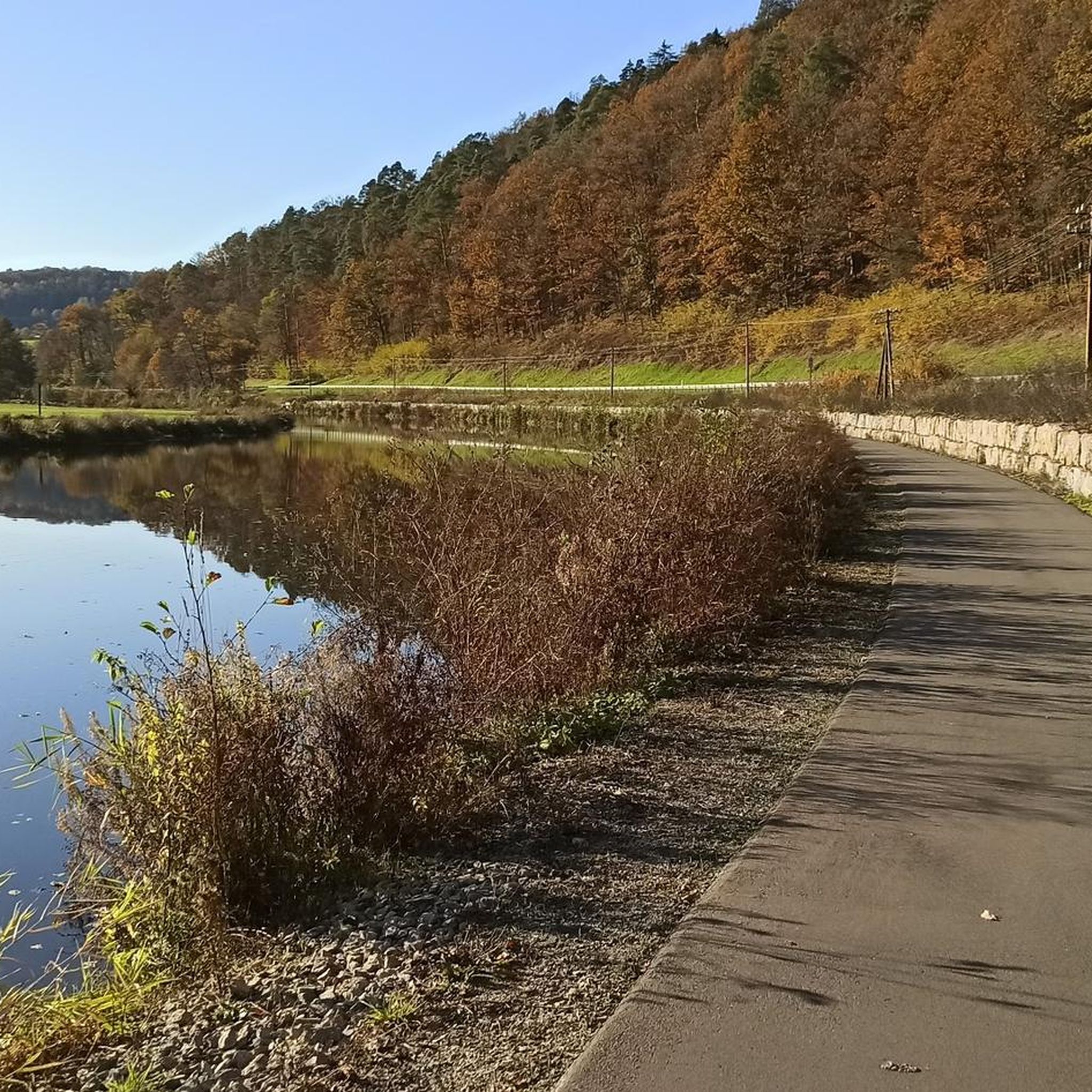
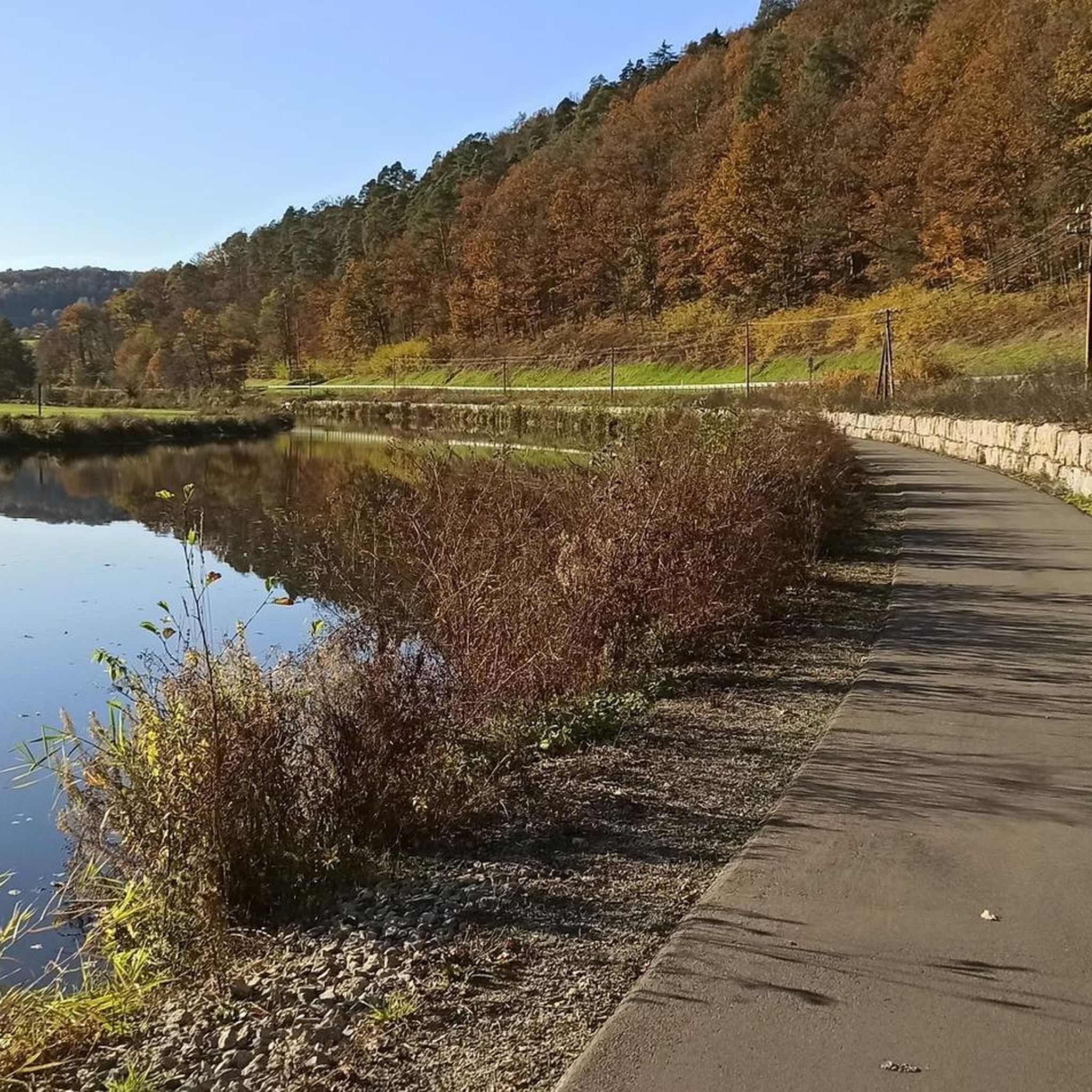
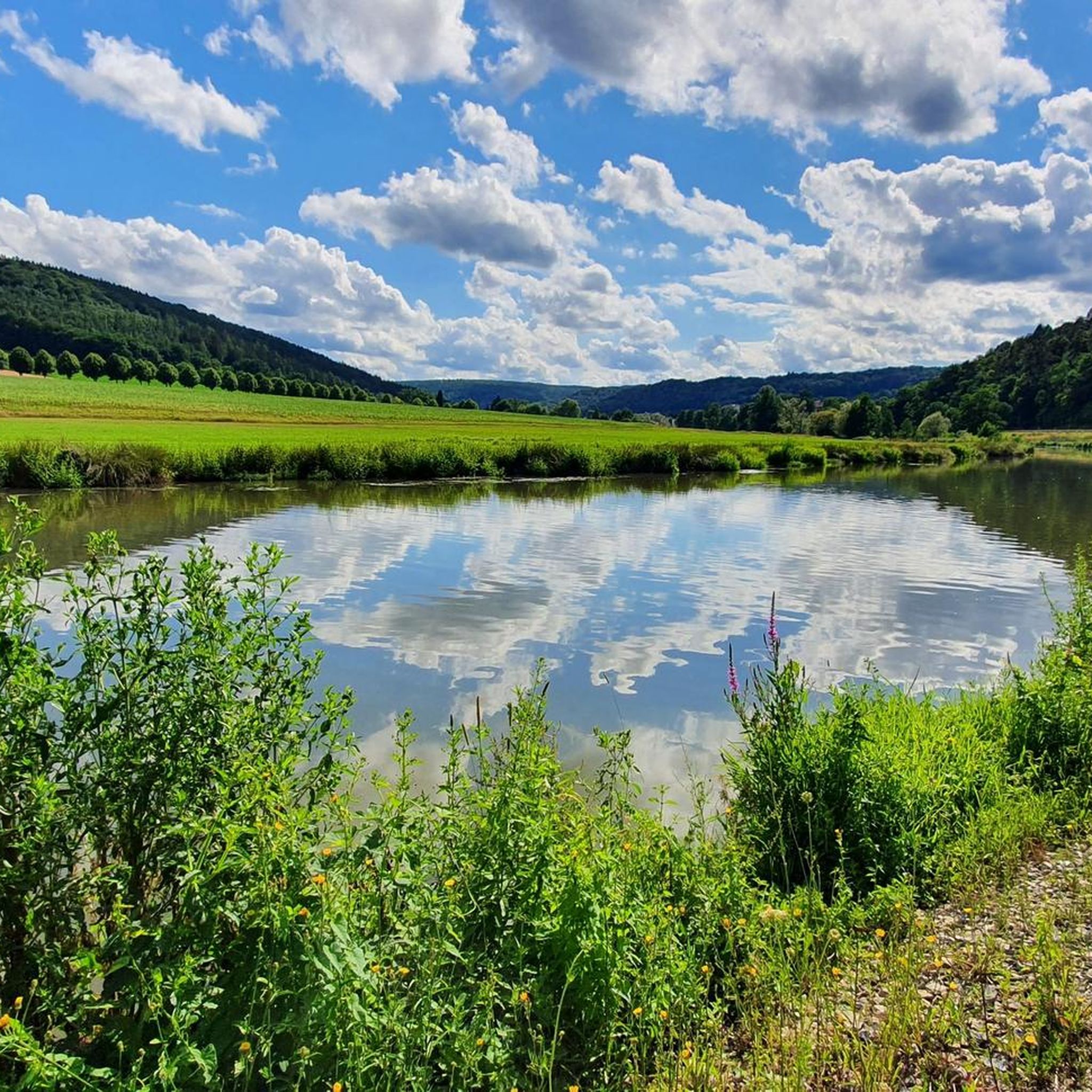
Other adventures around Gräfendorf

Tips from the Community

Extremely beautiful path along the Saale.
0
0

Beautiful bridge ensemble in the Lollbach valley.
1
0

Beautiful hiking area and many paragliders
0
0

A shady trail through the forest above the Franconian Saale River. A beautiful section.
0
0

The Steinbach lock is not only a technical structure, but also a place that combines nature, technology and leisure.
3
0

A cozy and inviting little village. You can enjoy the Saale River from the bridge.
0
0
A fast, beautiful descent with a view of the Franconian Saale River. It's a bit of a change from the usual bike path 👍🏼
0
0

The Steinbach barrage (Main km 200.80) has a retaining length of 18.79 km (main section). It consists of (from left to right in the direction of flow) a large shipping lock, a boat lock with an adjacent fish ladder, a movable weir, and a hydroelectric power plant. The left and right banks are connected by a weir bridge accessible to the public. The weir was commissioned in 1939 and consists of three bays, each 30 m wide. The weir is regulated by three different weir gates. The left weir bay contains a standard roller gate, the middle weir bay contains a three-barrel gate with a flap, and the right weir bay also contains a standard roller gate. The maximum head is 5.14 m. The theoretical service life of the weir of 80 years has already been exceeded. For years, there has been increasing damage and signs of wear to the solid structure, the weir gates, and the electrical and control systems. Investigations conducted in recent years show that the weir requires comprehensive overhaul, including the replacement of all closures. The Steinbach weir is one of a group of six weirs on the Main River that urgently require action. Planning for the Erlabrunn, Harrbach, Rothenfels, Freudenberg, and Faulbach weirs is ongoing in parallel. Further studies have shown that a complete overhaul of the weir, including the replacement of the closures with pressure segment closures, is more economical than a new construction or other comprehensive overhaul options. This will ensure that the weir is fit for a further 100 years of operation. Source: https://www.wna-aschaffenburg.wsv.de/Webs/WNA/WNA-Aschaffenburg/DE/Projekte/Projekte_am_Main/Wehre/SB_2_Wehr_Steinbach/steinbach_node.html
2
0
Frequently Asked Questions
How many gravel bike trails are available around Gräfendorf?
Gräfendorf offers a wide selection of gravel biking opportunities, with over 65 routes available. These range from easy excursions to more challenging rides, catering to various skill levels.
What do other gravel bikers say about the trails in Gräfendorf?
The gravel routes around Gräfendorf are highly regarded by the komoot community, boasting an average rating of 4.8 stars from over 60 reviews. Many riders praise the diverse landscapes, from open cultural plains to dense forests, and the varied terrain that makes for an engaging experience.
Are there gravel routes suitable for beginners or families in Gräfendorf?
Yes, Gräfendorf has a few easier gravel routes that are suitable for beginners or families. While many routes are moderate to difficult, you can find options that offer a gentler introduction to gravel biking in the region. For example, the area around the Fränkische Saale river often provides more accessible terrain.
What kind of terrain can I expect on Gräfendorf's gravel trails?
You can expect a diverse mix of terrain. To the east, routes traverse open cultural landscapes with views towards the Rhön mountains. To the west, you'll find extensive forests of the Spessart. The region also features the picturesque Fränkische Saale valley and the volcanic Sodenberg. Some sections may include challenging passages with loose ground, adding to the adventure.
Are there challenging gravel routes for experienced riders?
Absolutely. Gräfendorf offers numerous challenging gravel routes for experienced riders. For instance, the Historic center of Rothenfels loop from Langenprozelten is a difficult 84.9 km path with significant ascents. Another demanding option is the Stettener Stein Vineyards – Karlstadt Old Town loop from Kleingemünden, which also features challenging sections.
Are there any notable natural attractions or viewpoints along the gravel trails?
Yes, the region is rich in natural beauty. You can find routes that pass by the romantic Fränkische Saale river, offering tranquil spots. The Sodenberg, an extinct volcano, provides magnificent panoramic views of the Rhön and Spessart mountains. The Trettstein Waterfall near Dittlofsroda is another serene natural highlight. You might also encounter highlights like the View over the Sodenberg Crater toward the shelter or the Ringelbach Gorge and Spring.
Can I find routes that offer views of castles or historic sites?
Yes, several gravel routes in the Gräfendorf area incorporate views of historic landmarks. For example, the View of Rieneck Castle – Sinn River loop from Burgsinn offers scenic vistas of Rieneck Castle. Other routes, like the Historic center of Rothenfels loop from Langenprozelten, explore historic town centers and their surrounding landscapes.
Where can I park my car when starting a gravel bike tour in Gräfendorf?
While specific parking areas for each route are not detailed, Gräfendorf, as a recognized recreational area, typically offers public parking facilities in and around the main town and its districts. Look for designated parking near trailheads or in village centers, which often serve as convenient starting points for tours.
Is Gräfendorf accessible by public transport for cyclists?
Gräfendorf is situated in the Fränkische Saale valley, which is well-known for its cycling infrastructure, including the Saaletalradweg. While specific public transport options for carrying bikes might vary, regional train and bus services often connect smaller towns in Bavaria. It's advisable to check local transport schedules and bike carriage policies for the most up-to-date information.
Are there places to eat or grab a coffee along the gravel routes?
Gräfendorf and its surrounding villages offer various opportunities to refuel. While specific cafes or restaurants directly on every trail are not guaranteed, you'll find eateries and cafes in the main town of Gräfendorf and in the larger districts. Planning your route to pass through these villages can ensure you have access to refreshments.
What is the best time of year for gravel biking in Gräfendorf?
The spring, summer, and early autumn months generally offer the best conditions for gravel biking in Gräfendorf. Spring brings rare flowers to the Sodenberg's mountain meadows, while summer provides warm weather for exploring. Autumn showcases beautiful foliage in the Spessart forests. Winter can be challenging due to colder temperatures and potential snow or ice, especially on higher elevations or less maintained paths.
Are there any loop routes available for gravel biking?
Yes, many of the gravel routes around Gräfendorf are designed as loops, allowing you to start and end your ride in the same location. Examples include the View of Rieneck Castle – Sinn River loop from Burgsinn and the Röder Mill Diebach loop from Kleingemünden, providing convenient circular tours.
Most popular routes around Gräfendorf
Most popular attractions around Gräfendorf

Get inspired with the komoot mobile app


Explore more
Browse the best Gravel rides in other regions.
