The best gravel rides around Warnau
4.5
(64)
225
riders
28
rides
Gravel biking around Warnau is characterized by its location within the Elbe-Havel Triangle and the Lower Havel Floodplains. This region features a diverse natural cultural landscape with extensive floodplains, offering a mix of natural paths and established routes suitable for gravel bikes. The area is designated as a nature reserve, ensuring well-preserved environments for exploration. These landscapes provide varied terrain for gravel riding, from flat river-influenced paths to routes through natural habitats.
Best gravel bike trails around Warnau
- The most…
Last updated: July 3, 2026
4.9
(12)
64
riders
51.2km
03:16
290m
290m
Moderate gravel ride. Good fitness required. Mostly paved surfaces. Suitable for all skill levels.
4.8
(13)
38
riders
Easy gravel ride. Great for any fitness level. Mostly paved surfaces. Suitable for all skill levels.

Sign up for free
5.0
(2)
13
riders
41.3km
02:21
170m
170m
Moderate gravel ride. Good fitness required. Mostly paved surfaces. Suitable for all skill levels.
5.0
(3)
14
riders
47.8km
02:41
250m
250m
Moderate gravel ride. Good fitness required. Mostly paved surfaces. Suitable for all skill levels.
5.0
(2)
6
riders
Easy gravel ride. Great for any fitness level. Mostly paved surfaces. Suitable for all skill levels.
Get access to more routes and recommendations from other explorers.
Sign up for free
Already have an account?
Our route recommendations are based on thousands of hikes, rides, and runs completed by other people on komoot.
Start today with a free account
Your next adventure awaits.
Login or Signup
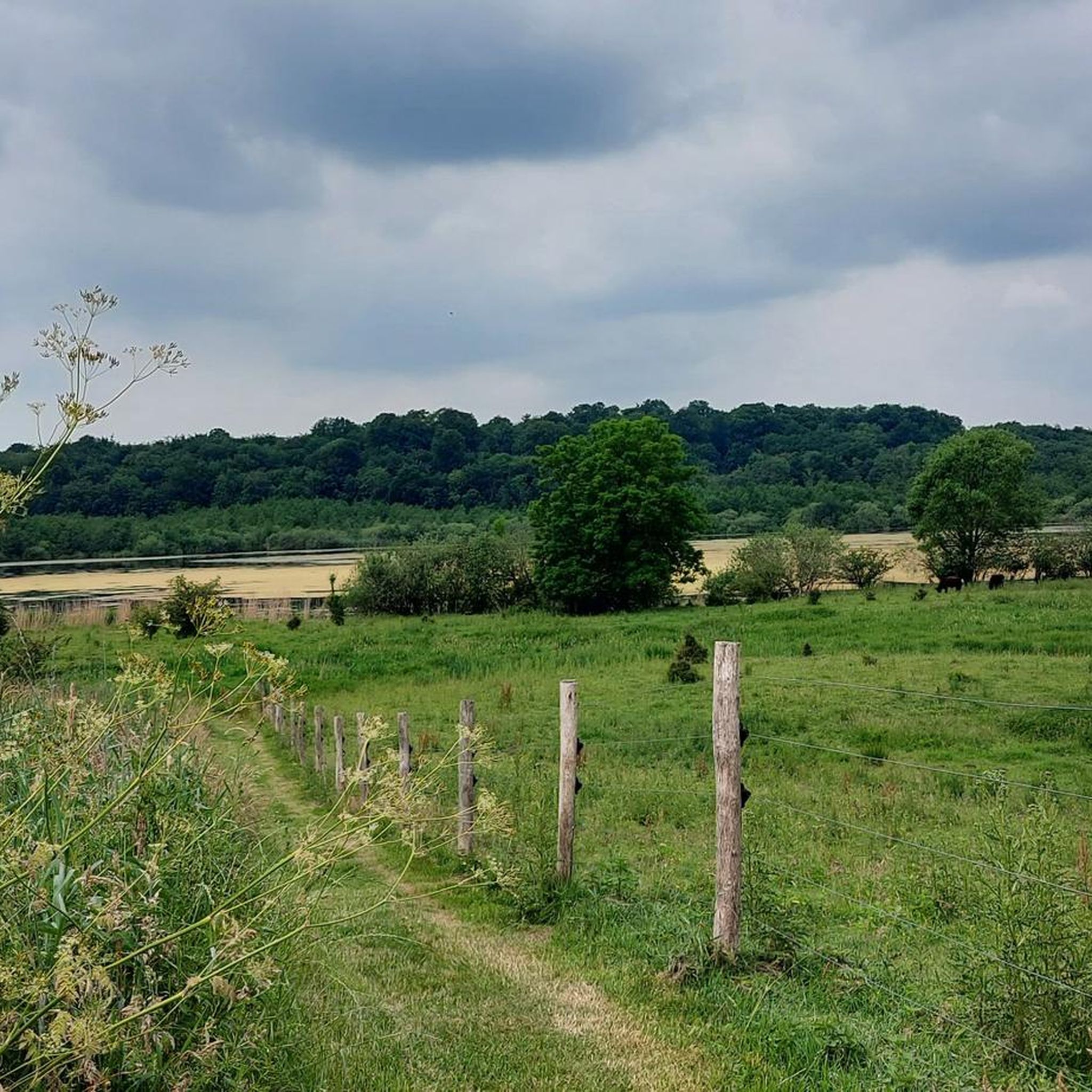
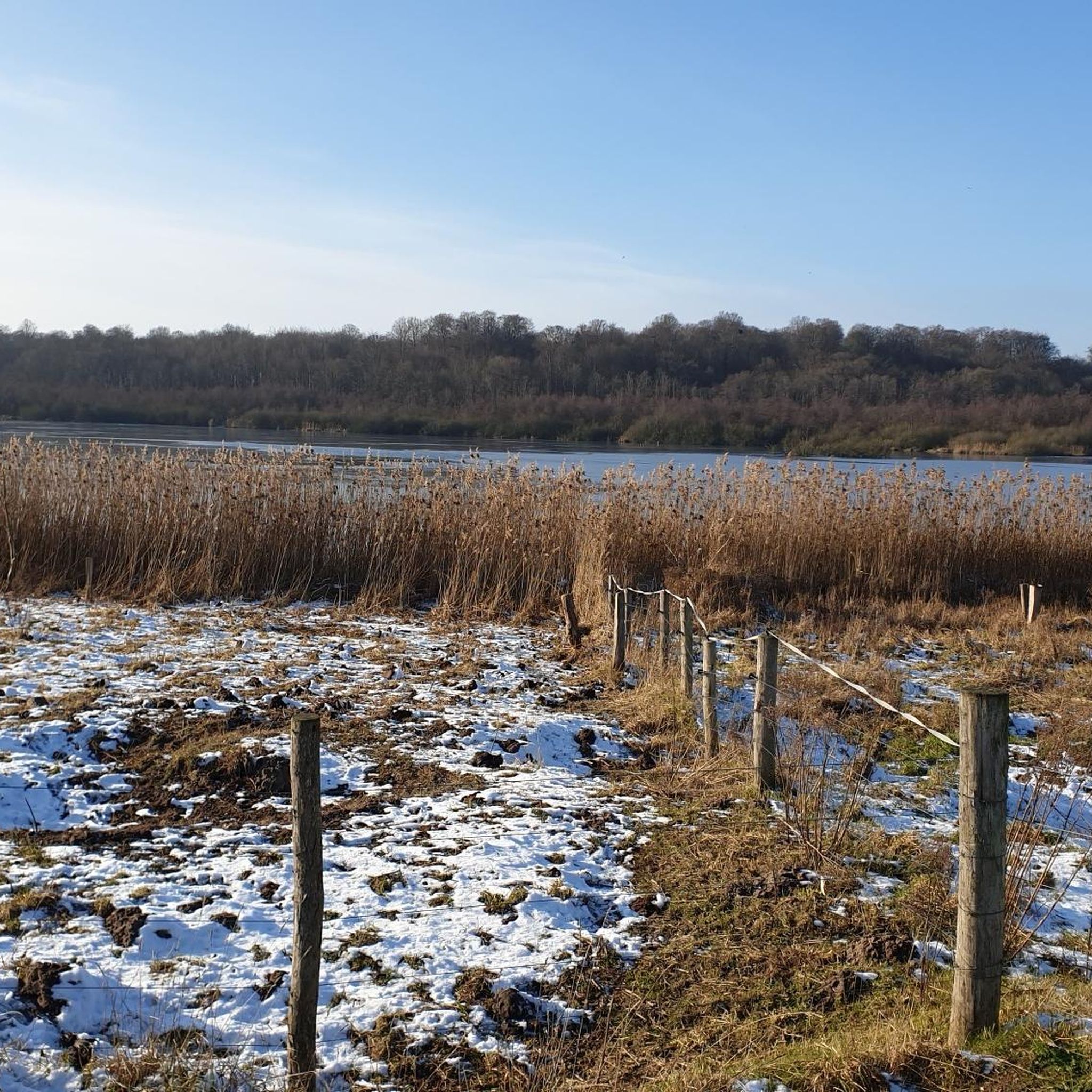
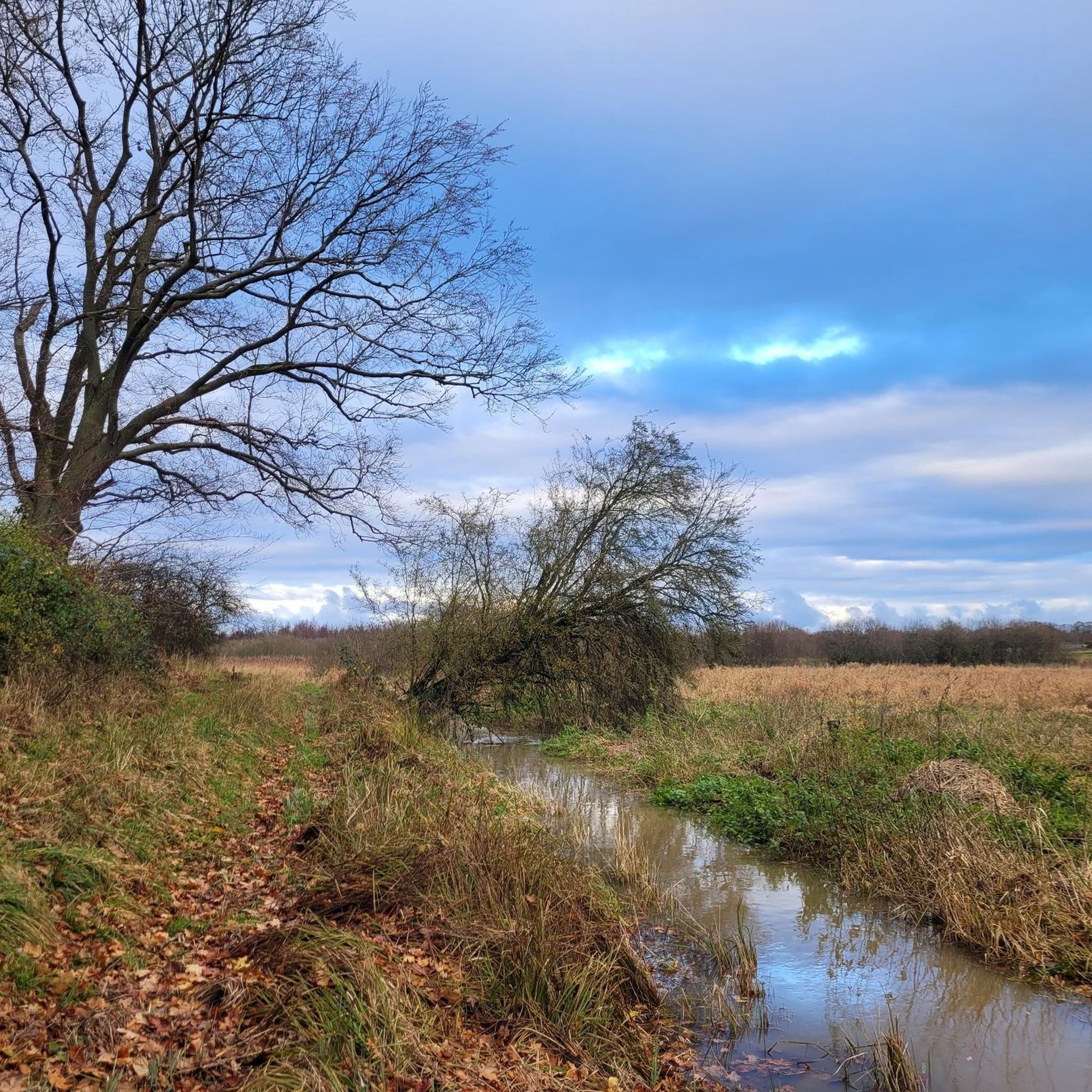
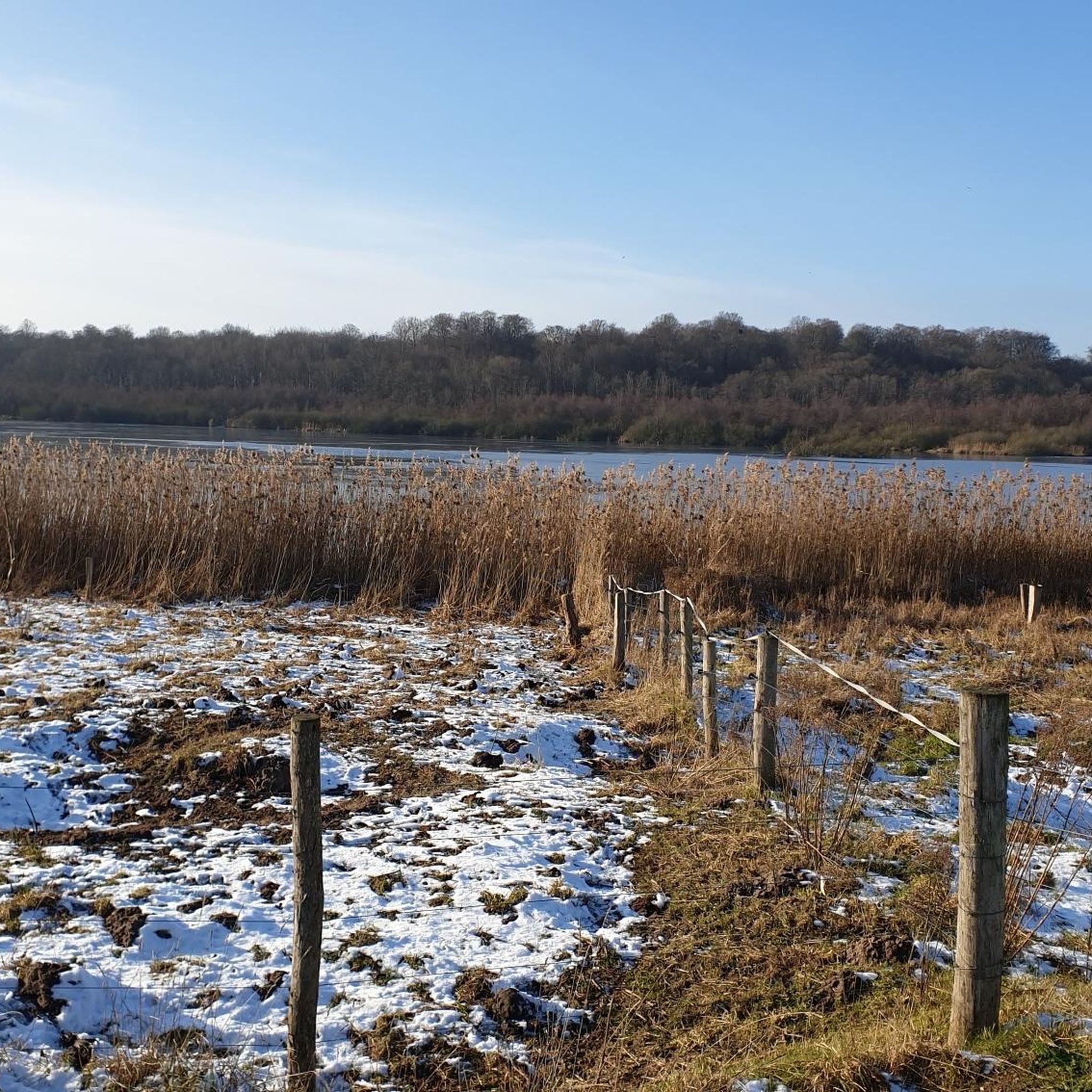
Tips from the Community

Pay attention to the water levels, I drove over a flooded road today and that was a wet and cheerful nunmer
0
0


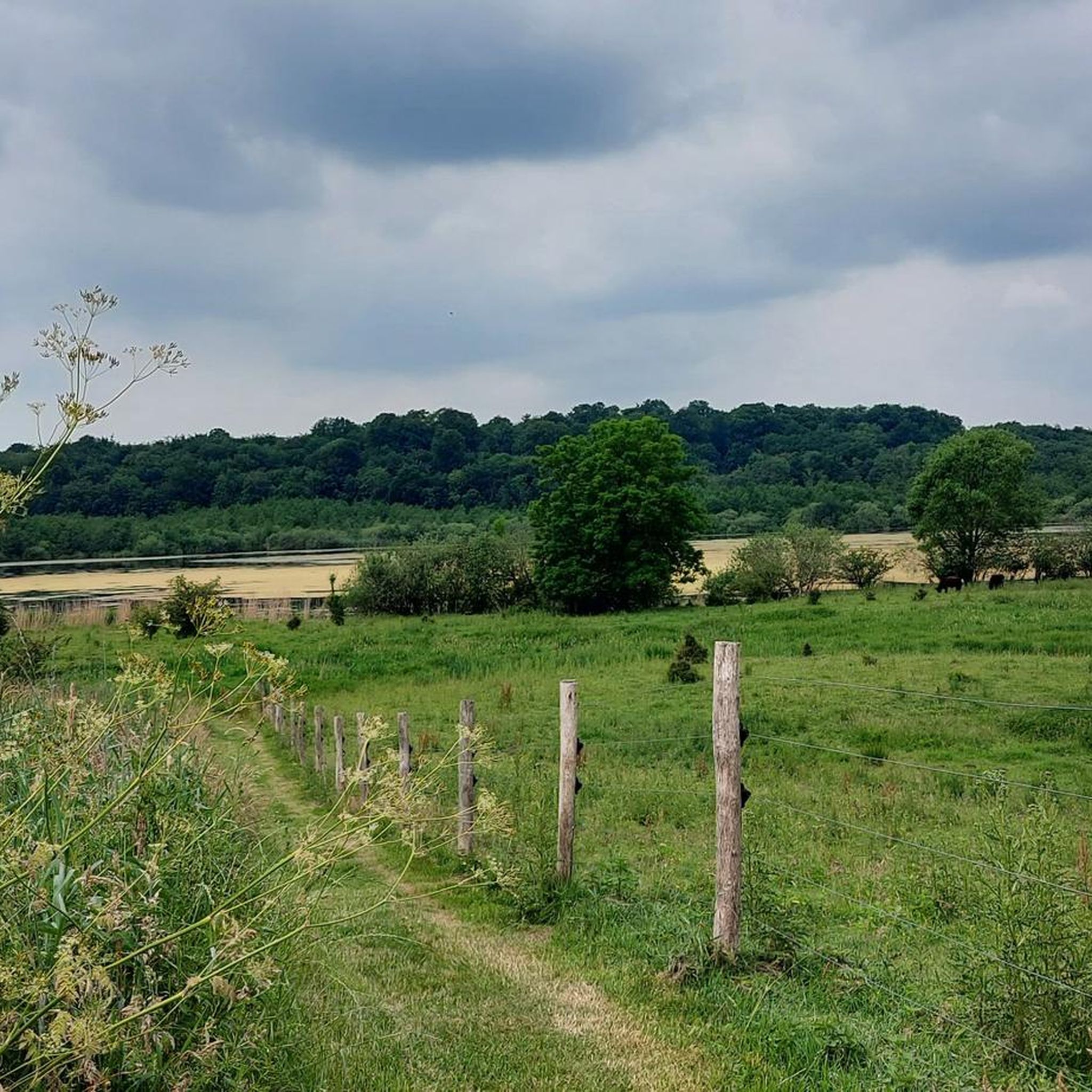
A wide view of the lake, which you probably can't get any closer to from this side.
0
1

There's a drinking water dispenser here. It's made of stainless steel; you could walk right past it. It was very useful today...
1
0

The lake was first mentioned in a document in 1075 in a description of the Limes Saxoniae by Adam of Bremen. The village was first mentioned in 1347, when the knight Nikolaus Splyth pledged his estate, including the village of Stocksee, to Reinfeld Monastery. From 1640 to 1649, Stocksee was owned by the noble Brockdorff family. In 1649, Duke Joachim Ernst (Schleswig-Holstein-Sonderburg-Plön), the first Duke of the Duchy of Schleswig-Holstein-Sonderburg-Plön, acquired Stocksee.[6]
6
0
On October 1, 1937, the municipality of Stocksee was merged with the neighboring village of Damsdorf under the name Stocksee. In 1948, the municipal council decided to separate the municipalities again, and this decision was implemented on March 31, 1951.[8][9] In the 1980s, divers found a roughly 700-year-old dugout canoe in the lake, indicating a longer settlement history in the village.
6
0
Today's lake fills a deeply incised glacial tongue basin from the Weichselian glaciation. This basin was formed by the advance of various glaciers, which carved out large basins in the soft soil and deposited the material laterally. This formation resulted in the lake's shores being relatively steep, and the reed beds along the shores are relatively narrow. The lake contains three islands (Großrethberg, Kleine Insel, and Lange Insel) and a peninsula, which, like the shoreline, are predominantly covered in alder swamp forests. In higher elevations, these wetland forests transition into extensively managed beech forests.
7
0
Cows and calves grazing on pasture is an image often associated with species-appropriate animal husbandry and a high quality of life for the animals. Spending time together on pasture promotes the animals' natural behavior, enables social interaction, and contributes to their health. Advantages of grazing cows and calves: Natural husbandry: Cows and calves can pursue their natural needs, such as eating, exercising, resting, and interacting with other animals. Social learning: Calves learn how to interact in the herd from older animals and imitate their eating behavior. Improved animal welfare: Grazing promotes the animals' health because they can exercise, soak up sunlight, and breathe fresh air. Stable herd structure: Grazing together contributes to the development of close relationships and promotes a calm and stable herd structure. Promoting natural feeding habits: Calves learn to eat pasture feed early on and can thus better meet their needs. Less stress and competition: Due to the larger space and forage variety on the pasture, stress caused by competition is reduced. Aspects to consider when grazing: Weather conditions: Dry weather is important to protect pasture soils and animals from wet conditions. Forage availability: A good pasture with sufficient forage is crucial for successful grazing. Shelter: A sheltered shelter with dry bedding should be available to protect the animals from the elements. Frost-free water troughs: A frost-free water supply is important in winter, so heated water troughs should be provided. Keeping cows and calves together on pasture is an animal-friendly and natural form of husbandry that has a positive effect on the well-being and health of the animals.
6
0
Frequently Asked Questions
How many gravel bike trails are available around Warnau?
There are 39 gravel bike trails around Warnau, offering a wide range of options for different skill levels. This includes 18 easy routes, 19 moderate routes, and 2 more challenging paths.
Are there gravel bike routes suitable for beginners in Warnau?
Yes, Warnau offers several easy gravel bike routes perfect for beginners. For instance, the Village Bay on Einfelder See – West shore of Lake Einfelder loop from Bordesholm is an accessible 16-mile (25.8 km) path that follows the scenic west shore of Lake Einfelder.
What is the typical length and duration of gravel bike trails in the Warnau area?
The gravel bike trails around Warnau vary significantly in length and duration. You can find shorter routes like the Schierensee Bathing Area – Westensee Swimming Area loop from Flintbek, which is about 14.7 miles (23.7 km) and takes around 1 hour 26 minutes. Longer routes, such as the View of the Eidertal Valley – Eidertal Trail loop from Bordesholm, can be up to 31.9 miles (51.3 km) and take over 3 hours.
What kind of landscapes can I expect to see while gravel biking around Warnau?
Gravel biking around Warnau offers a diverse natural cultural landscape. You'll ride through extensive floodplains, influenced by the Elbe and Havel rivers, and explore areas designated as nature reserves. Expect a mix of natural paths and established routes, with opportunities to observe rich biodiversity, especially birdlife during migration seasons.
Are there any circular gravel bike routes in Warnau?
Yes, many of the gravel bike routes around Warnau are designed as loops, allowing you to start and end at the same point. Examples include the Lakeside Path on Lake Plön – View of Großer Plöner See loop from Stolpe and the Einfelder Lake – West shore of Lake Einfelder loop from Flintbek.
What are some interesting sights or landmarks along the gravel bike trails near Warnau?
While exploring the gravel trails, you can discover several interesting sights. Consider visiting the historic Wahlstorf Manor, or experience nature at the Kührener Teich Nature Reserve and the Kührener Pond. The Boardwalk in the Dosenmoor Nature Reserve also offers a unique perspective on the local wetlands.
Are there places to stop for refreshments or shelter along the routes?
Yes, you can find several shelters and huts along the routes that might offer a place to rest or take a break. Notable spots include the Shelter at Viehteich, the Shelter at the west shore of Bordesholmer See, and the Shelter with a View of the Eider Lowlands. Some of these, like the Birdwatching hide at Kührener Teich, also offer opportunities for nature observation.
What do other gravel bikers enjoy most about gravel biking in Warnau?
The gravel biking experience in Warnau is highly rated by the komoot community, with an average score of 4.6 stars from over 60 reviews. Riders often praise the diverse natural cultural landscape, the extensive floodplains, and the well-preserved environments within the nature reserve areas. The variety of routes catering to different ability levels is also a frequently mentioned positive aspect.
When is the best time of year for gravel biking in Warnau?
The region is particularly renowned for its diverse birdlife, especially during autumn, making it an excellent time for nature observation during a ride. While gravel biking is possible year-round, spring and autumn offer pleasant temperatures and vibrant natural scenery. Winter conditions might involve colder weather and potentially some snow or ice, so checking local forecasts is advisable.
Is the Warnau area suitable for family-friendly gravel biking?
Yes, with 18 easy routes available, Warnau offers several options suitable for families. These routes often feature mostly flat terrain through the river-influenced landscape and along lake shores, providing a pleasant and accessible experience for riders of all ages. The Village Bay on Einfelder See – West shore of Lake Einfelder loop from Bordesholm is a good example of an easy, family-friendly path.
Can I bring my dog on the gravel bike trails around Warnau?
Many natural paths and established routes in the Warnau area, particularly within the extensive floodplains and nature reserves, are generally dog-friendly. However, it's always recommended to keep dogs on a leash, especially in nature reserve areas to protect local wildlife, and to check specific trail regulations before you go.
Are there any specific birdwatching opportunities along the gravel routes?
Absolutely. The region is a significant resting point for thousands of Nordic geese, swans, cranes, ducks, and snipe birds during their migration, especially in autumn. You might find dedicated spots like the Birdwatching hide at Kührener Teich, offering unique opportunities for nature observation directly from your bike route.
Most popular attractions around Warnau

Get inspired with the komoot mobile app


Explore more
Browse the best Gravel rides in other regions.
