The best gravel rides around Weistrach
4.5
(6)
100
riders
3
rides
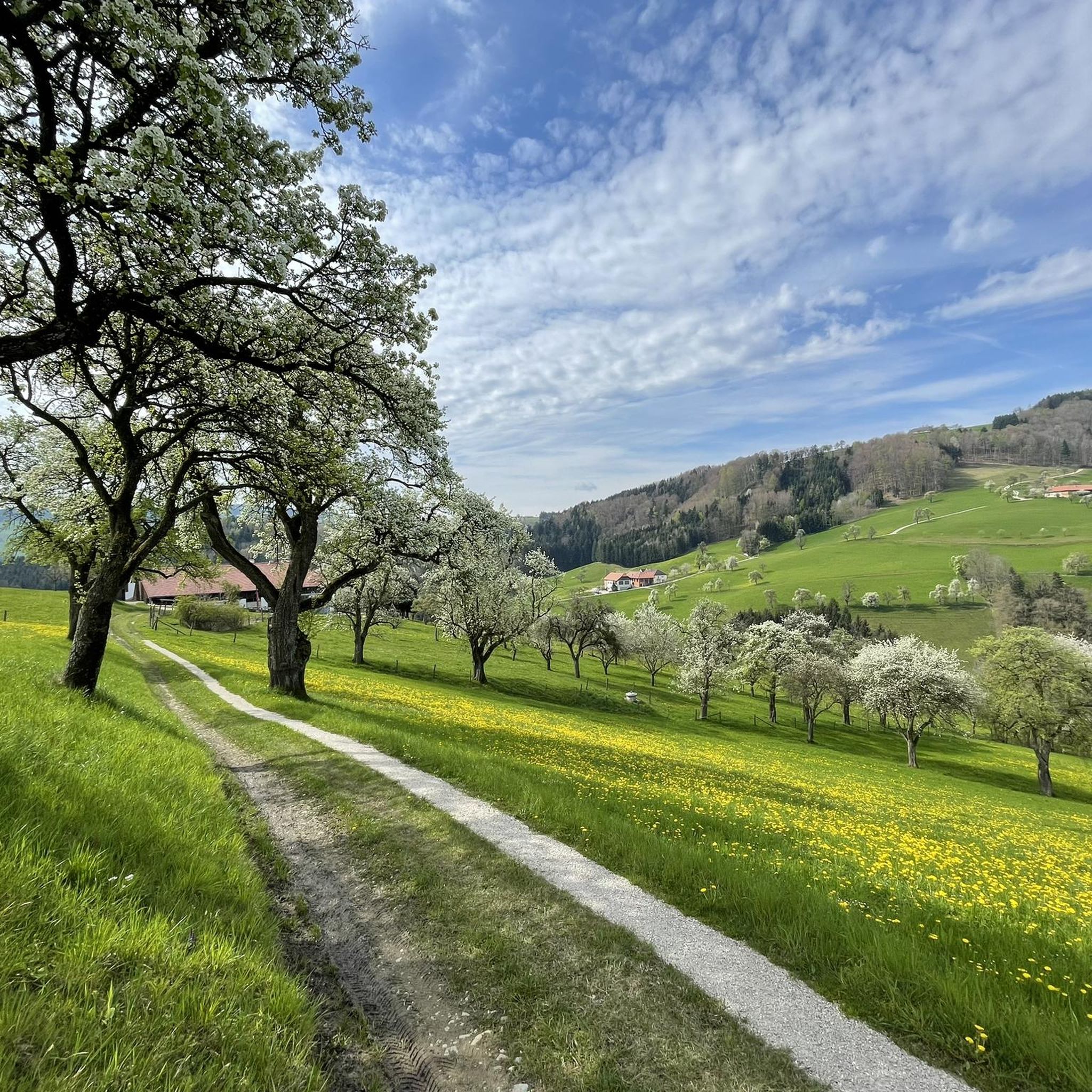
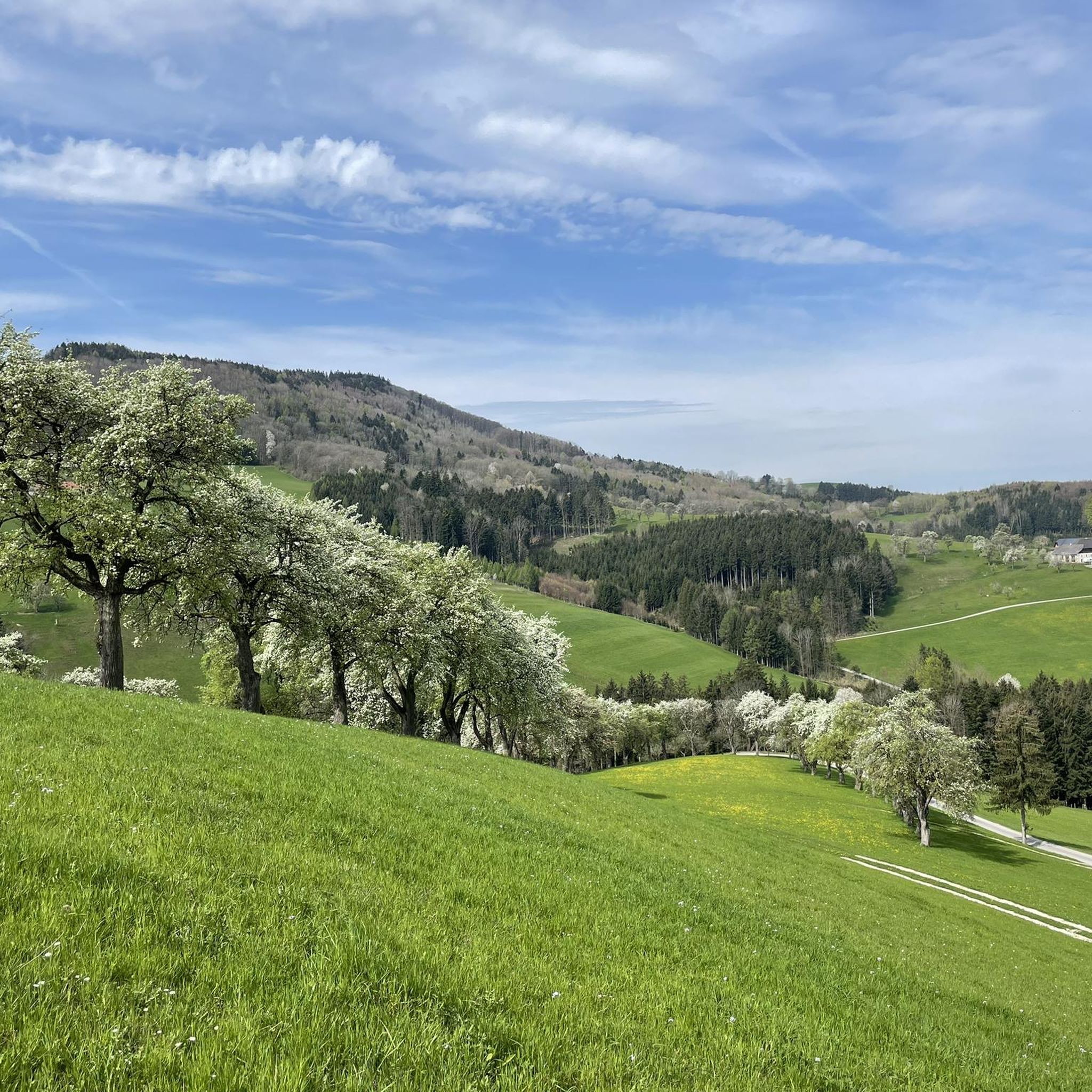
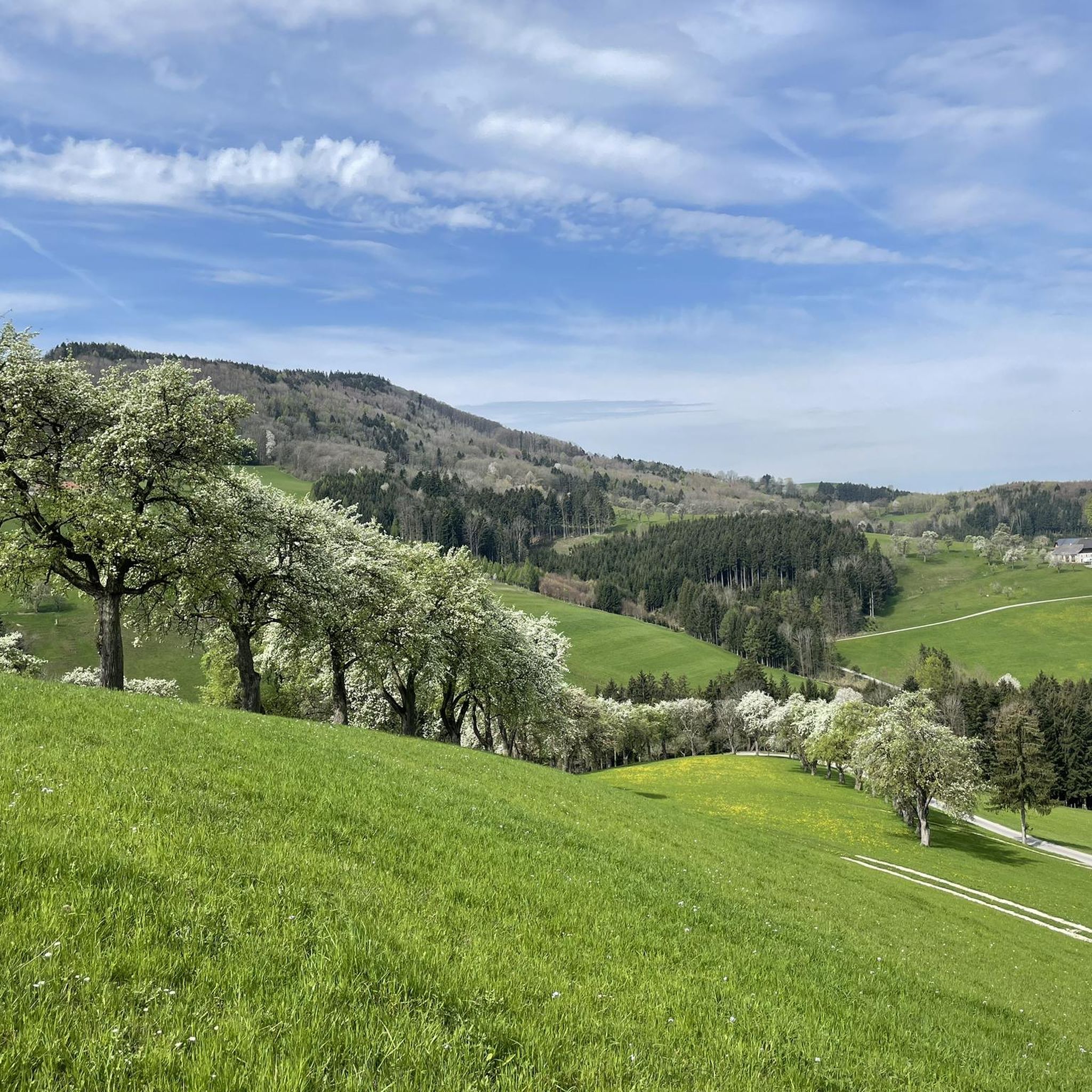
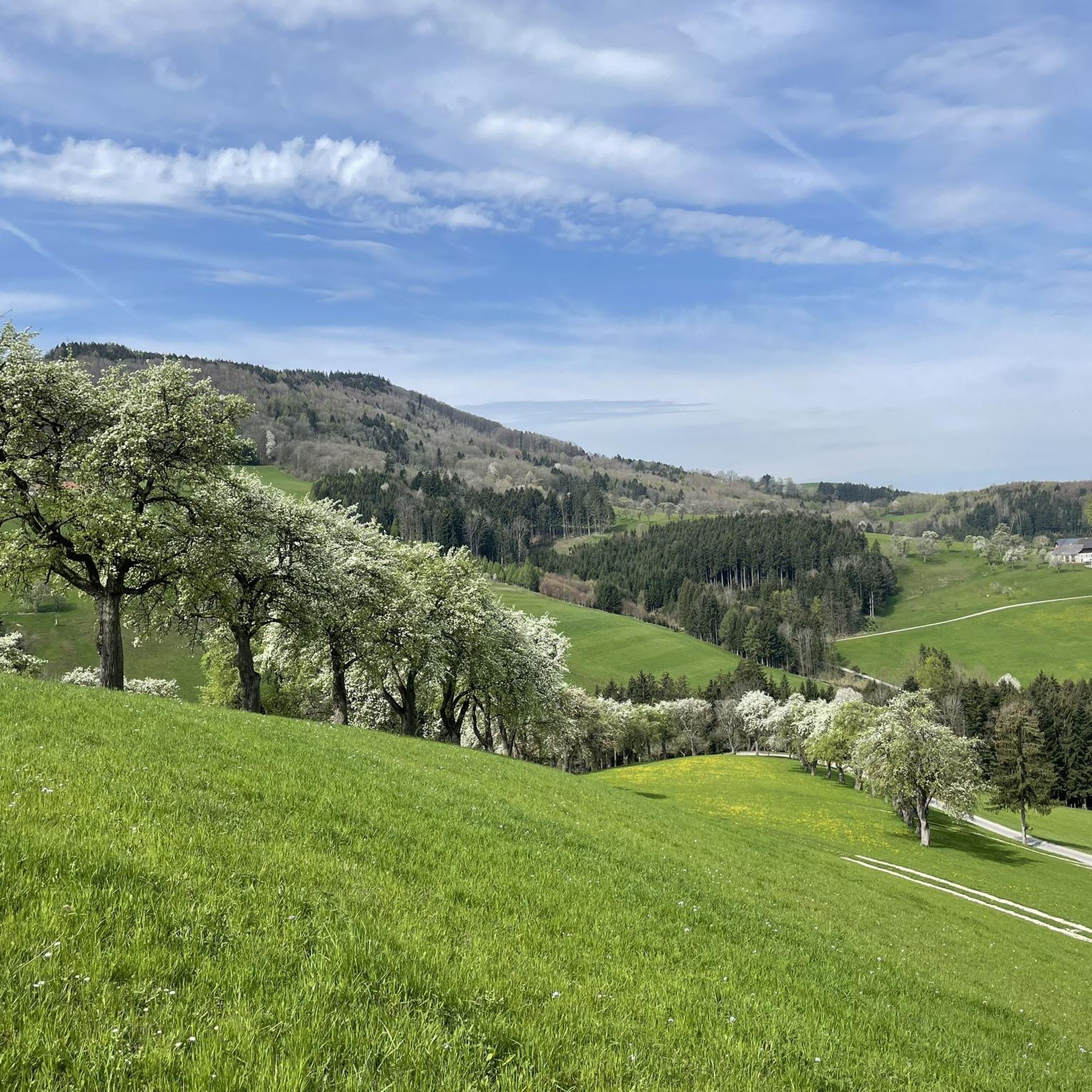
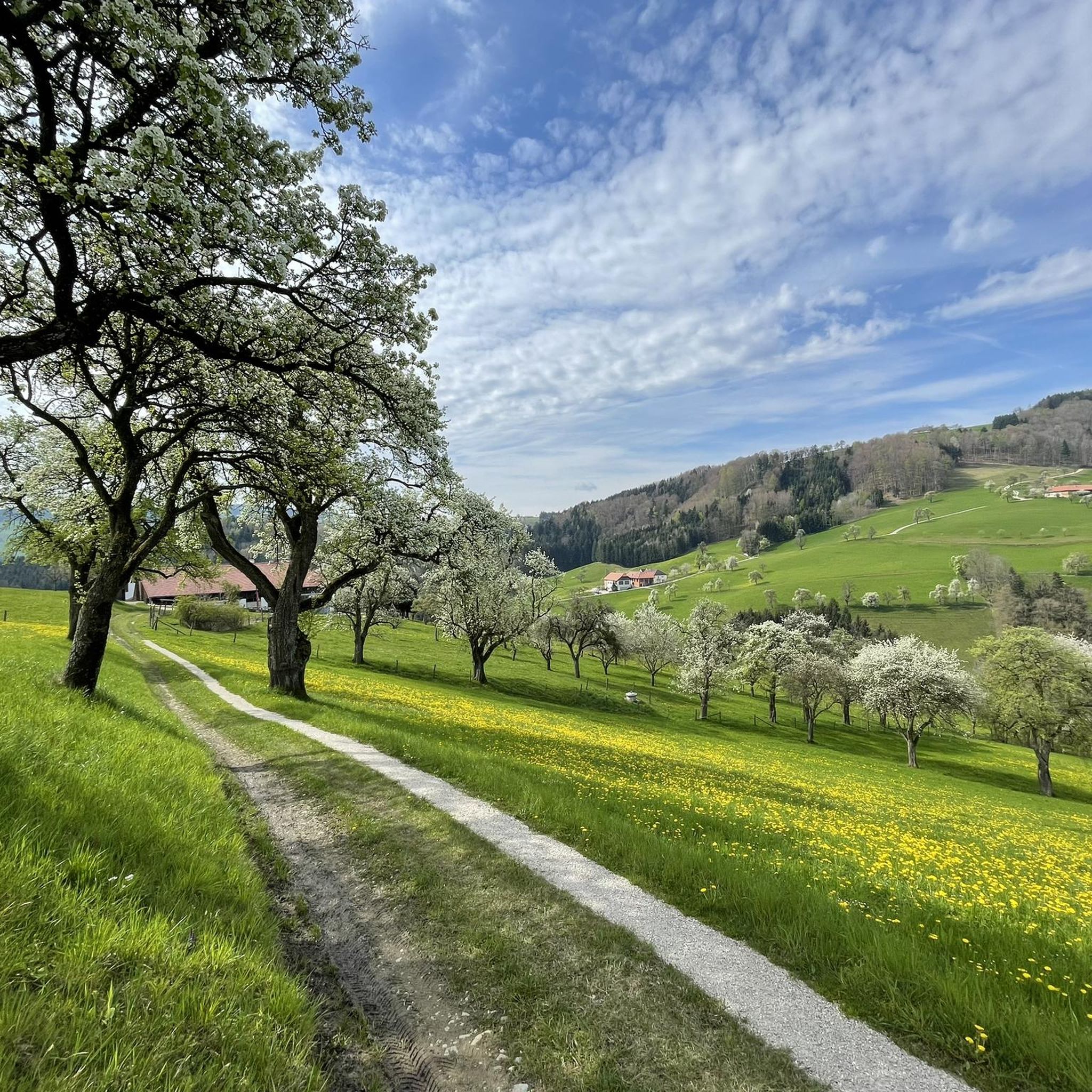
Gravel biking around Weistrach offers a diverse landscape within Austria's Mostviertel region, characterized by varied terrain suitable for cycling. The area features a mix of asphalt roads, gravel paths, and natural trails, allowing for flexible routes that transition between surfaces. Cyclists encounter rolling hills and the foothills of the Alps, providing both leisurely rides and more demanding climbs through forests and across meadows.
Best gravel bike trails around Weistrach
- The most popular gravel bike trail is Steyr Weir at Steinbach – View of the Trattenbach Valley loop from Steyr Lokalbahnhof, a 33.7 miles (54.2 km) trail that takes 3 hours 47 minutes to complete. This difficult route features significant elevation gain.
- Another top favourite among local gravel bikers is Laurenzikapelle – Historic Centre of Steyr loop from Steyr Lokalbahnhof, a difficult 22.5 miles (36.2 km) path. This route offers varied terrain with substantial climbing.
- Local gravel bikers also love the Laurenzikapelle – Steyr confluence loop from Garsten, a 24.1 miles (38.7 km) trail leading through rolling hills and natural landscapes, often completed in about 2 hours 53 minutes.
- Gravel biking around Weistrach is defined by rolling hills, forests, and the characteristic "Mostbirnbäume" of the Mostviertel region. The network offers options for different ability levels, from moderate to difficult.
- The routes in Weistrach are highly rated by the komoot community with an average score of 4.7 stars from more than 10 reviews. More than 200 gravel bikers have used komoot to explore Weistrach's varied terrain.
Last updated: July 2, 2026
5.0
(1)
26
riders
54.2km
03:47
1,060m
1,060m
Hard gravel ride. Very good fitness required. Mostly paved surfaces. Suitable for all skill levels.
13
riders
36.1km
02:51
850m
850m
Hard gravel ride. Very good fitness required. Mostly paved surfaces. Suitable for all skill levels.

Sign up for free
9
riders
38.7km
02:54
790m
790m
Hard gravel ride. Very good fitness required. Mostly paved surfaces. Suitable for all skill levels.
4.0
(1)
9
riders
25.5km
01:55
490m
490m
Hard gravel ride. Very good fitness required. Mostly paved surfaces. Suitable for all skill levels.
10
riders
39.7km
02:49
630m
630m
Hard gravel ride. Very good fitness required. Mostly paved surfaces. Suitable for all skill levels.
Our route recommendations are based on thousands of hikes, rides, and runs completed by other people on komoot.
Start today with a free account
Your next adventure awaits.
Login or Signup
Tips from the Community

Steyr is one of the most beautiful cities in Austria
0
0

through the gate uphill, it goes directly to the city park. A narrow alley leads to the city square. The gate itself is also worth a look, as is the whole area around it.
0
0

The old town of Steyr is one of the most beautiful in Austria.
0
0

A magnificent view of St. Michael's Church
0
0
At the foot of Lamberg Castle, a Gothic archway guards the path to the castle. A fresco depicting two emperors and a medieval cityscape adorns the structure, which is known as the Lower Castle Gate in Steyr.
0
0

Steyr's Old Town is one of Austria's most atmospheric historic city centers. Situated at the confluence of the Enns and Steyr rivers, it combines a medieval urban structure with well-preserved Gothic, Renaissance, and Baroque buildings. Around the town square with its magnificent burgher houses—including the famous Bummerlhaus—narrow lanes, courtyards, and squares unfold, reflecting the former prosperity of this iron-producing city. High above, Lamberg Castle sits atop the walls of the ancient Styraburg, the city's origin. A visit to the Old Town leads past characteristic facades, across bridges to the riverbanks, and to viewpoints offering particularly evocative vistas of the historic ensemble. Overall, Steyr's Old Town presents a harmonious blend of history, architecture, and picturesque urban ambiance.
0
0
The Memorial Tunnel in Steyr is a memorial site commemorating the Nazi era and, in particular, the forced labor at the former Steyr-Münichholz subcamp of the Dachau concentration camp. The exhibition is located in an approximately 140-meter-long air-raid shelter tunnel beneath Lamberg Castle, which was driven into the rock by concentration camp prisoners in 1943. In this original, preserved tunnel, the exhibition guides visitors through the years 1938 to 1945, using documents, photographs, and personal accounts to illustrate the profound impact of the armaments industry, forced labor, and persecution on life in Steyr. The deliberately simple and somber design evokes the confinement and atmosphere of the place, making the tunnel a central learning and memorial site used by many visitors and school groups to gain a deeper understanding of the local history of the Nazi period.
0
0
From the cycle path along the Enns River, there is a beautiful view of Steyr's old town and Lamberg Castle perched above it. Along the river, you can see the closely packed historic buildings, which rise in tiers from the riverbank, marking the transition from the river area to the old town. The castle sits on a raised position above the town and is clearly recognizable as the dominant structure from this perspective. Overall, Steyr is a worthwhile destination for a bike tour or a detour from the main route.
0
0
Frequently Asked Questions
What kind of terrain can I expect on gravel bike trails around Weistrach?
The Weistrach area, part of Austria's Mostviertel region, offers a diverse mix of terrain. You'll find asphalt roads, gravel paths, and natural trails that seamlessly transition, allowing for varied routes. The landscape features rolling hills and extends into the foothills of the Alps, providing both leisurely sections and more demanding climbs through lush forests and meadows.
Are there gravel routes suitable for beginners in Weistrach?
Yes, there are routes suitable for beginners. While the region offers varied difficulty, you can find easier options. For example, the area has 1 easy route and 6 moderate routes out of 14 total tours. A good starting point could be exploring parts of the Historic Centre of Steyr – View of the Enns River loop from Dorf an der Enns, which is rated moderate but offers scenic views.
How challenging are the gravel bike routes in the Weistrach area?
The gravel bike routes around Weistrach offer a range of challenges. Out of 14 available tours, 6 are rated moderate and 7 are considered difficult, with significant elevation gains on some. For a more challenging ride, consider the Steyr confluence – Laurenzikapelle loop from Penz, which features substantial elevation gain over its 15.8 miles (25.4 km).
Are there any circular gravel bike routes available in Weistrach?
Yes, many of the gravel bike routes in the Weistrach area are designed as loops, allowing you to start and end in the same location. Examples include the popular Historic Centre of Steyr – View of the Enns River loop from Dorf an der Enns and the Museumssteg Steyr – Historic Centre of Steyr loop from Steyr.
What natural features will I encounter on gravel rides near Weistrach?
Gravel rides near Weistrach often lead through lush forests and across open meadows, providing a close connection with nature. You'll also see the characteristic 'Mostbirnbäume' (pear trees used for cider production) that dot the Mostviertel landscape. Some routes within the broader Mostviertel region may even offer views of the majestic Ötscher mountain.
What cultural sights or attractions can I visit while gravel biking in Weistrach?
The Mostviertel region, including Weistrach, features charming villages and historic towns that you can explore. Routes often pass by cultural stops, allowing you to experience local history. For example, the Weistrach town centre – Schloss Sankt Peter in der Au loop from Katastralgemeinde St. Peter in der Au Markt takes you past the historic Schloss Sankt Peter in der Au. You can also find nearby mountain peaks like Schwarzberg Summit Cross or cozy huts like Glasner Hut.
Is it easy to find parking near the gravel bike trails in Weistrach?
While specific parking areas for each trail are not always signposted, Weistrach and the surrounding villages typically offer public parking options. Many routes start from town centers or accessible points where parking is generally available, making it convenient to begin your ride.
Can I reach the gravel trails around Weistrach using public transport?
Weistrach is a rural area, and while public transport options exist, they might be less frequent than in larger cities. It's advisable to check local bus or train schedules to nearby towns like Amstetten or Steyr, and then plan your route to connect to the gravel trails. Some routes, like those starting from Steyr, might be more accessible via public transport connections.
Are there places to eat or stay overnight for cyclists in the Weistrach region?
Yes, the Mostviertel region is known for its hospitality. You'll find cozy accommodations and family-run inns that cater to cyclists. Many routes pass through villages where you can stop for regional cuisine or a refreshing drink. For example, the Eigruberhof snack station is a highlight near some routes.
Are there family-friendly gravel biking options in Weistrach?
The varied terrain around Weistrach includes sections suitable for families, especially on the easier and moderate routes that feature less challenging elevation gains and smoother gravel paths. Look for routes that stick to low-traffic roads and offer scenic, gentle stretches through meadows and forests for a pleasant family outing.
When is the best time of year to go gravel biking in Weistrach?
The best time for gravel biking in Weistrach is typically from spring through autumn (April to October). During these months, the weather is generally mild, and the natural landscapes are at their most vibrant. Spring offers blooming 'Mostbirnbäume', while autumn provides beautiful foliage. Winter riding is possible but requires appropriate gear and awareness of trail conditions.
What do other gravel bikers enjoy most about the routes in Weistrach?
The gravel biking routes around Weistrach are highly rated by the komoot community, with an average score of 4.7 stars from more than 10 reviews. Cyclists often praise the diverse landscape, the blend of asphalt and gravel paths, and the peaceful rides through forests and past the characteristic 'Mostbirnbäume'. The varied topography also offers options for different fitness levels.
Most popular routes around Weistrach
Most popular attractions around Weistrach

Get inspired with the komoot mobile app


Explore more
Browse the best Gravel rides in other regions.
