The best gravel rides around Stratzing
4.5
(41)
207
riders
26
rides
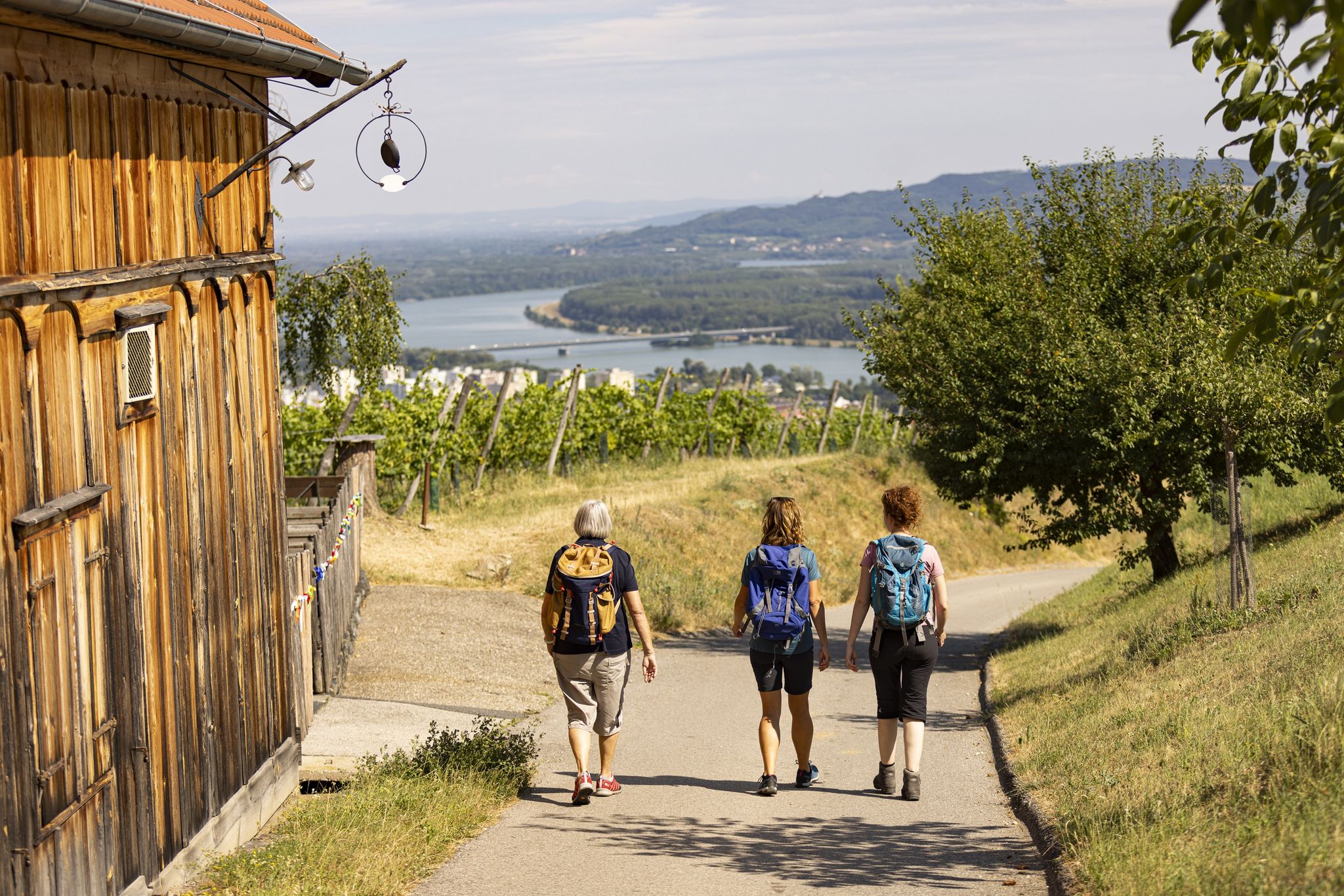
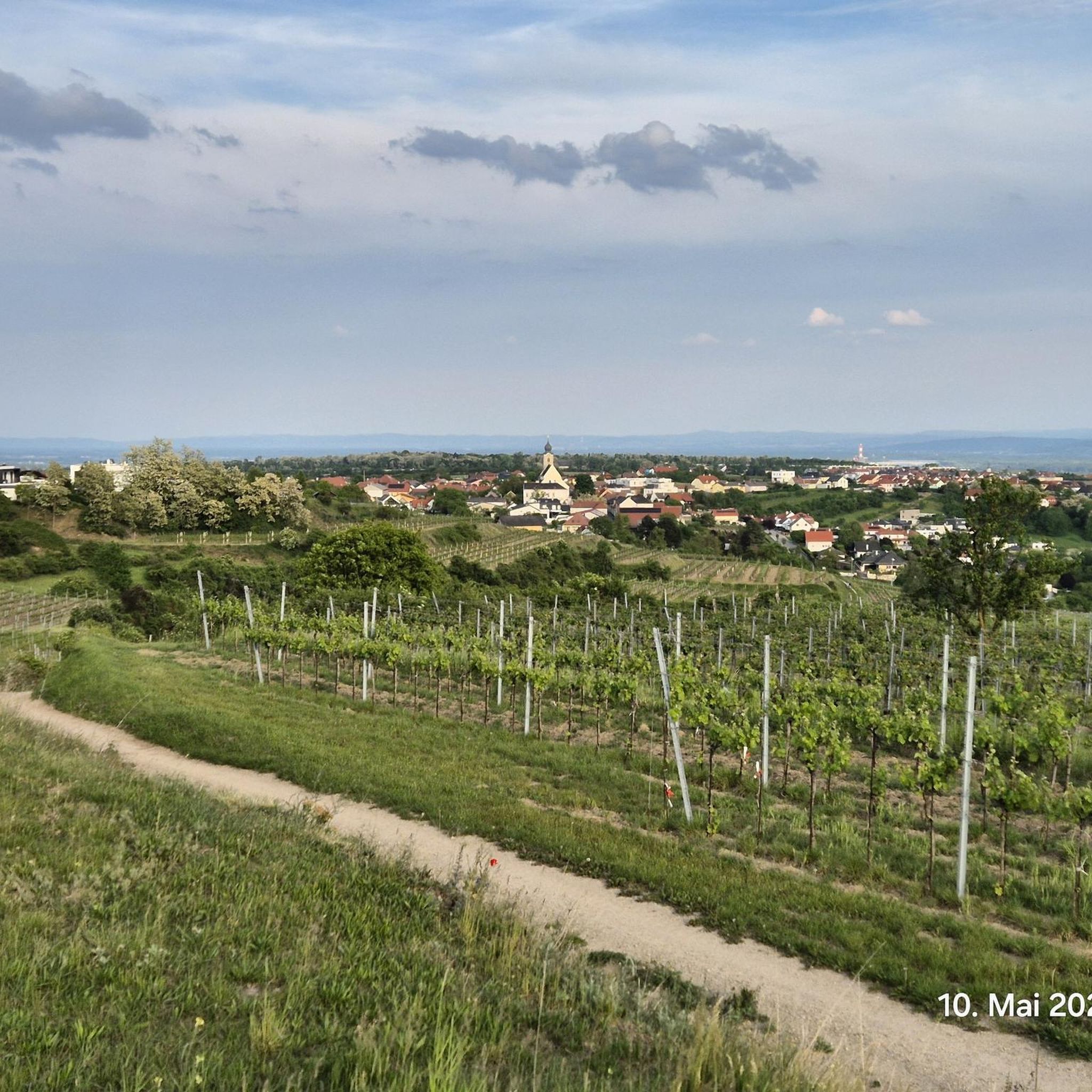
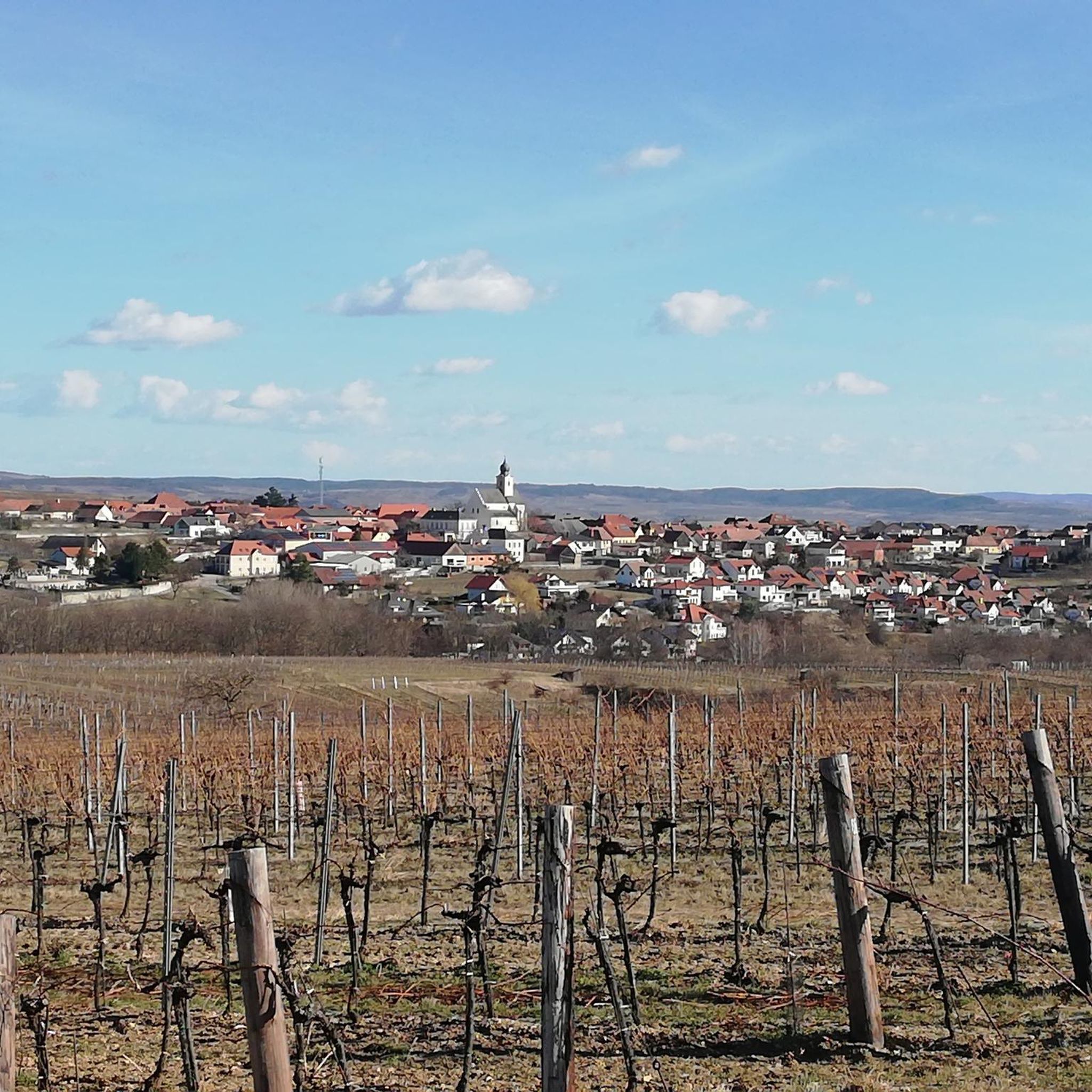
Gravel biking around Stratzing is characterized by its diverse terrain within the UNESCO World Heritage Wachau Valley. The region features rolling hills meticulously sculpted with terraced vineyards, offering varied surfaces for cycling. The Danube River often accompanies routes, providing tranquil riverside paths and scenic views. This area combines smooth asphalt with gravel and dirt paths, creating a dynamic riding experience.
Best gravel bike trails around Stratzing
- The most popular gravel bike trail is Langenlois and Gföhl Gravel Tour, a…
Last updated: October 5, 2026
5.0
(3)
26
riders
44.3km
03:53
650m
650m
Hard gravel ride. Very good fitness required. Mostly paved surfaces. Suitable for all skill levels.
4.8
(10)
47
riders
34.3km
02:02
280m
280m
Moderate gravel ride. Good fitness required. Mostly paved surfaces. Suitable for all skill levels.

3.0
(2)
15
riders
40.0km
02:12
70m
70m
Moderate gravel ride. Good fitness required. Mostly paved surfaces. Suitable for all skill levels.
4.3
(3)
13
riders
40.5km
02:48
650m
650m
Hard gravel ride. Very good fitness required. Mostly paved surfaces. Suitable for all skill levels.
4.3
(6)
12
riders
21.3km
01:25
310m
310m
Moderate gravel ride. Good fitness required. Mostly paved surfaces. Suitable for all skill levels.
Get access to more routes and recommendations from other explorers.
Already have an account?
Our route recommendations are based on thousands of hikes, rides, and runs completed by other people on komoot.
Start today with a free account
Your next adventure awaits.
Other adventures around Stratzing

Tips from the Community

Cool loop of water, fun to watch!
2
0

A historic castle next to a futuristic open-air stage in a landscape park, a 19th-century riding school next to a modern concert hall and much more await you in Grafenegg. The slender courtyard-facing turret of Schloss Grafenegg represents the late Gothic construction phase. The Renaissance era also lastingly shaped the development of the castle, which in the first half of the 17th century already presented a four-wing complex with two towering structures. A moat and four wall houses provided impressive protection. A chapel was erected on the east side. Grafenegg thus acquired the form that is still partially preserved today. The garden pavilion, where festivities were celebrated and theatre was performed, is reminiscent of the Baroque period. Following the example of English castles, a complex in the style of romantic historicism was to be erected. This is how Schloss Grafenegg, as we know it today as a landmark, came into being.
0
0
Beautiful view of the unfortunately very unknown castle Kronsegg.
1
0
The well-known Trinity Column (Pestsäule) in Langenlois stands as a striking centerpiece on the Kornplatz. It was erected in 1713 by the citizenry as thanks for being spared from the plague and consecrated on October 14th of the same year. The baroque monument was created by the renowned Krems sculptor Andreas Krimmer.
0
0
A beautiful view of the Kamp, the Kamptal-Thaya cycle path leads over it.
0
0
Answers to garden questions For those who want to know more, a garden tour is highly recommended. During the tour, you wander through the garden's extensive variety of species, listen to stories about almost forgotten cultivated plants, and learn valuable information about their cultivation and use. You will receive answers to personal gardening questions and learn the latest about ARCHE NOAH's seed policy. And because ARCHE NOAH is dedicated to preserving endangered vegetable, fruit, and grain varieties, seed propagation is also a topic: How to obtain seeds for propagation and what treasure the 5,500 cultivated plant varieties resting in the ARCHE NOAH seed archive represent – you will find out on the garden tour!
0
0
NOAH'S ARK Show Garden A walk through paradise for valuable cultivated plants. Old, valuable, and almost extinct cultivated plants are combined in the ARCHE NOAH Show Garden in Schiltern to create a unique garden experience. Delicious, robust, and endangered vegetable and fruit varieties remain alive this way. The baroque pavilion as a focal point in the Schlosspark of Schiltern Castle provides the dignified setting. In this historic ambience, the ARCHE NOAH Show Garden offers a colourful treasure trove of rare vegetables, herbs, cereals, fruits, and berries. Visitors stroll past colourful theme beds with changing cultivated plants, see carrots in all colours and shapes, and delight in aromatic cocktail tomatoes, Krachsalat, and mustard greens. In the ARCHE NOAH Show Garden's scattered fruit tree meadow, you can discover tasty fruit varieties with unusual names such as 'Himbeerapfel von Holovous' or 'Ananasmarille'.
0
0
From the farmstead to the castle Who would have thought that a small farmstead would become a "castle of the future"? The farmstead, founded in the 10th century by the lords of Schiltarn, is primarily used by various lords of Kronsegg Castle. It was not until the 16th century that the medieval structure was expanded into a castle and a new seat of power. After a varied succession of owners, Count Aichelberg-Ruhmerskirch sold the castle in 1929 to the municipality of Langenlois. Just one year later, it was acquired by the Order of the English Maidens, who have since operated various educational institutions for children here. This teaching activity was interrupted during World War II – the castle came into the possession of the SA. In 1987, Psychosoziale Zentrum Schiltern GmbH had the building complex renovated with the help of the state of Lower Austria and has since offered the ideal environment for psychotherapeutic rehabilitation on site.
2
0
Frequently Asked Questions
How many gravel bike trails are available around Stratzing?
There are over 60 gravel bike trails available around Stratzing, offering a wide range of options for different skill levels. You'll find everything from moderate routes to more challenging ascents through the Wachau Valley.
What kind of terrain can I expect on gravel bike trails near Stratzing?
Gravel biking near Stratzing offers a diverse mix of terrain. You can expect rolling hills, meticulously sculpted terraced vineyards with unpaved access roads, tranquil riverside paths along the Danube River, and a blend of smooth asphalt with gravel and dirt paths. This variety provides a dynamic riding experience.
What is the best time of year for gravel biking in the Wachau Valley?
The Wachau Valley is beautiful for gravel biking throughout much of the year. Spring and autumn offer pleasant temperatures and stunning scenery, especially with the vineyards changing colors. Summer can be warm, but riverside routes provide cooler options. Winter riding is possible, but conditions may vary, so checking local weather is always recommended.
Are there any easy gravel bike routes suitable for beginners around Stratzing?
Yes, while many routes offer moderate to difficult challenges, there are options suitable for beginners. For example, the Kronsegg Reservoir – Arche Noah Botanical Garden loop from Langenlois is a moderate route that offers a less strenuous ride while still enjoying the scenic beauty.
Are there scenic viewpoints along the gravel trails in the Wachau Valley?
Absolutely. The region is known for its stunning panoramas. You can find excellent viewpoints such as the Dürnstein Pulpit or the Danube Lookout on Braunsdorfer Hill, offering expansive views of the Danube River and the terraced vineyards. Many routes naturally incorporate these scenic spots.
Can I explore historical sites or cultural landmarks while gravel biking near Stratzing?
Yes, the Wachau Valley is rich in history and culture. Routes often pass through charming historical towns like Krems an der Donau and Dürnstein, where you can see landmarks such as the Steiner Gate or the iconic Dürnstein Castle ruins. The Wagram Peace Stupa – Grafenegg Castle loop from Langenlois is a great example of a route that leads through cultural landmarks and vineyards.
Are there family-friendly gravel biking options around Stratzing?
While many routes involve elevation, there are sections along the Danube River that are flatter and more suitable for families. Look for routes with less elevation gain and smoother gravel paths. The region's mixed terrain means you can often find segments that cater to a more relaxed family pace.
Can I bring my dog on gravel bike trails in the Wachau Valley?
Many outdoor trails in the Wachau Valley are dog-friendly, but it's always best to check specific trail regulations or local signage. Ensure your dog is well-behaved, on a leash where required, and that you carry water for them, especially on longer rides. Some routes may pass through vineyards or private land where dogs might not be permitted.
Where can I find parking for gravel biking routes near Stratzing?
Parking is generally available in and around the towns and villages that serve as starting points for many routes, such as Stratzing, Langenlois, or Krems. Look for designated parking areas or public car parks. It's advisable to check specific starting points for parking availability before your ride.
Is it possible to reach gravel biking starting points near Stratzing using public transport?
Yes, the Wachau Valley is well-connected by public transport, including train and bus services that run along the Danube. This makes it convenient to reach various starting points for gravel biking routes. Check local timetables for the best connections to towns like Krems or Langenlois, which are common access points.
Are there circular gravel bike routes available around Stratzing?
Many of the gravel bike routes around Stratzing are designed as loops, allowing you to start and end in the same location. For instance, the View of the Danube – Altenwörth fish pass loop from Gedersdorf is a great example of a circular route that offers scenic views and varied terrain.
What do other cyclists say about the gravel biking experience in Stratzing?
The gravel biking experience around Stratzing is highly rated by the komoot community, with an average score of 4.5 stars from over 70 reviews. Cyclists often praise the diverse terrain, the stunning vineyard landscapes, and the beautiful views of the Danube River, highlighting the region's unique blend of natural beauty and cultural interest.
Are there places to stop for refreshments along the gravel trails?
Yes, the Wachau Valley is dotted with charming villages and towns where you can find cafes, restaurants, and traditional 'Heurigen' (wine taverns). Many routes pass directly through or near these spots, offering opportunities to refuel and enjoy local delicacies. Langenlois and Krems, for example, have numerous options.
Most popular attractions around Stratzing

Get inspired with the komoot mobile app


Explore more
Browse the best Gravel rides in other regions.
