The best gravel rides around Zwölfaxing
4.3
(66)
295
riders
52
rides
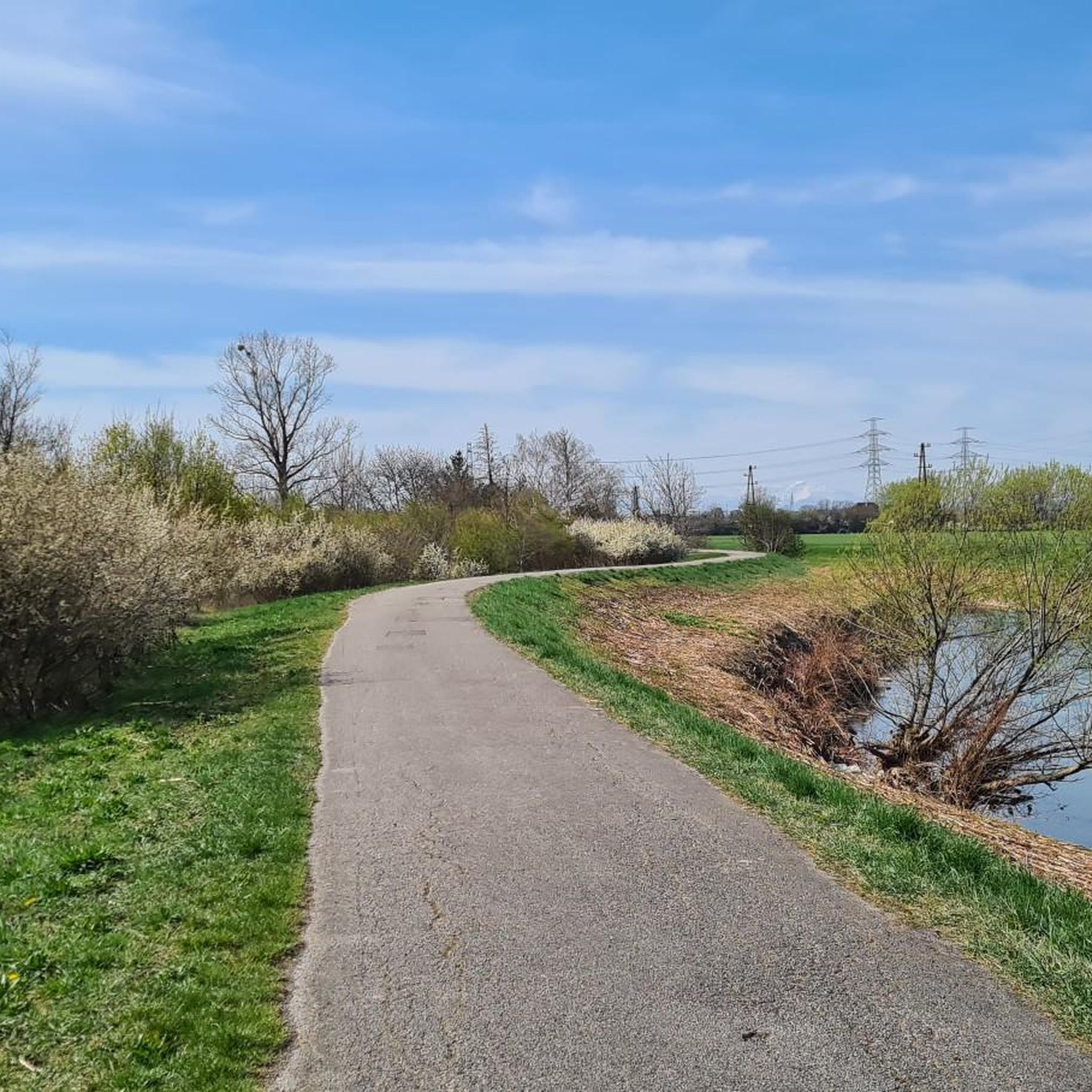
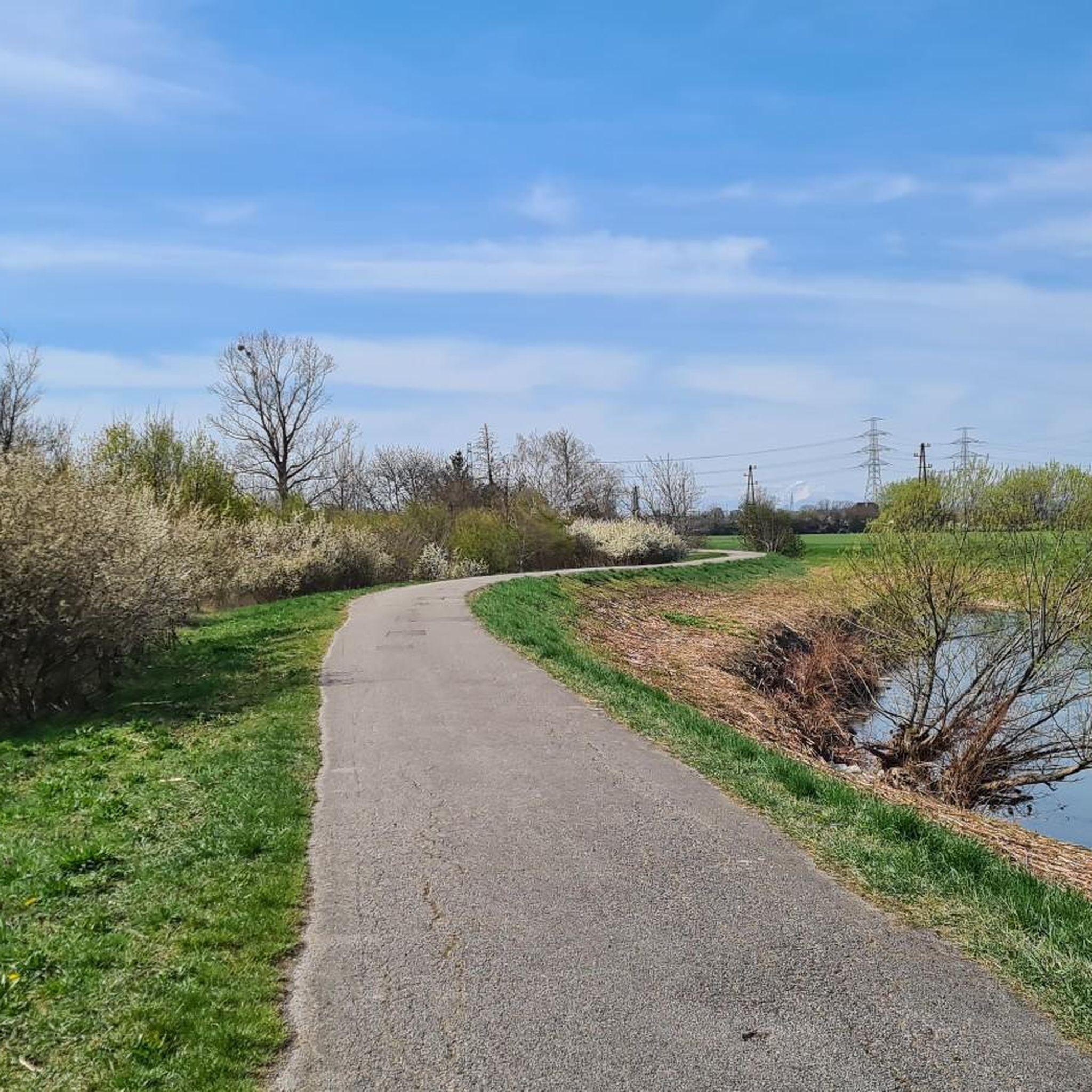
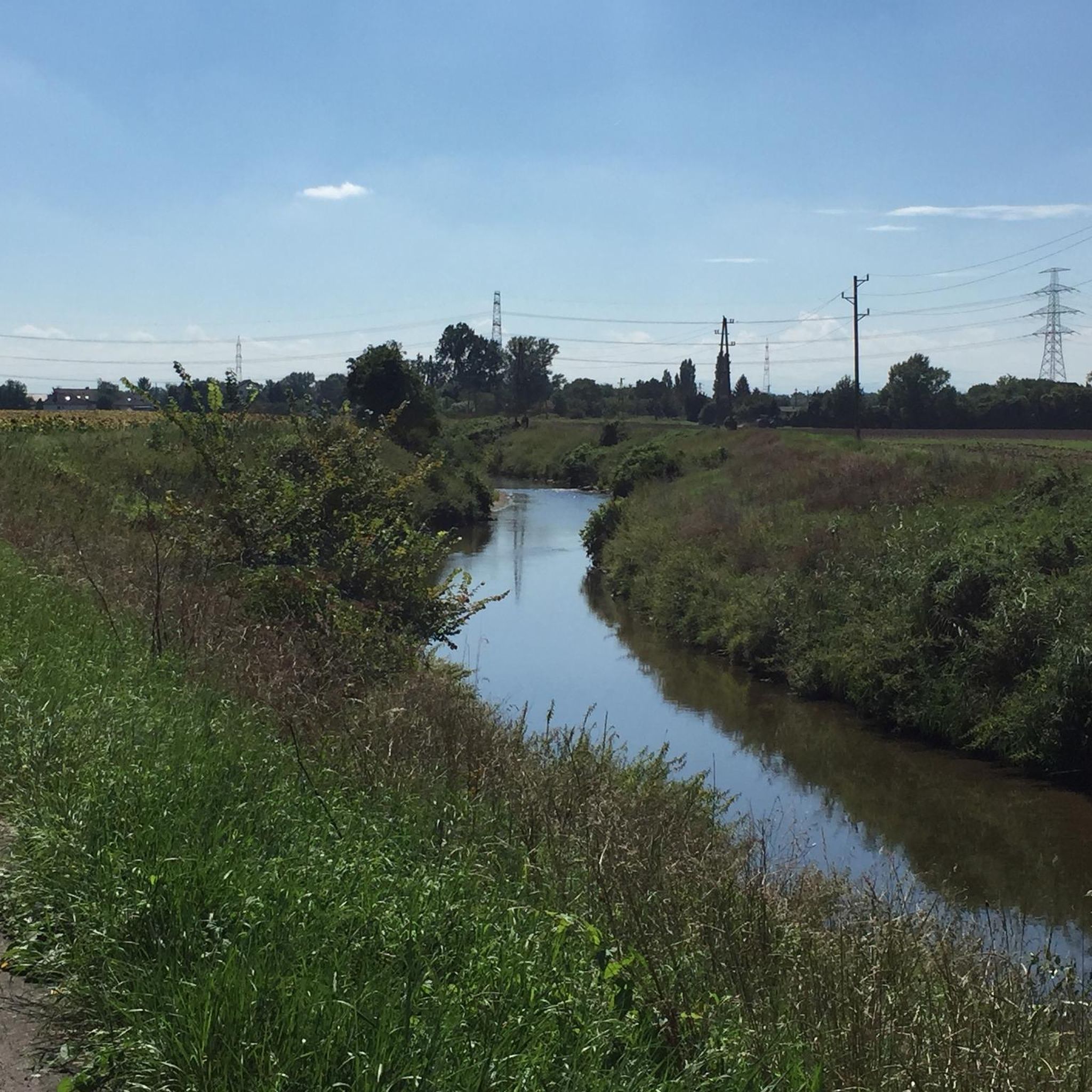
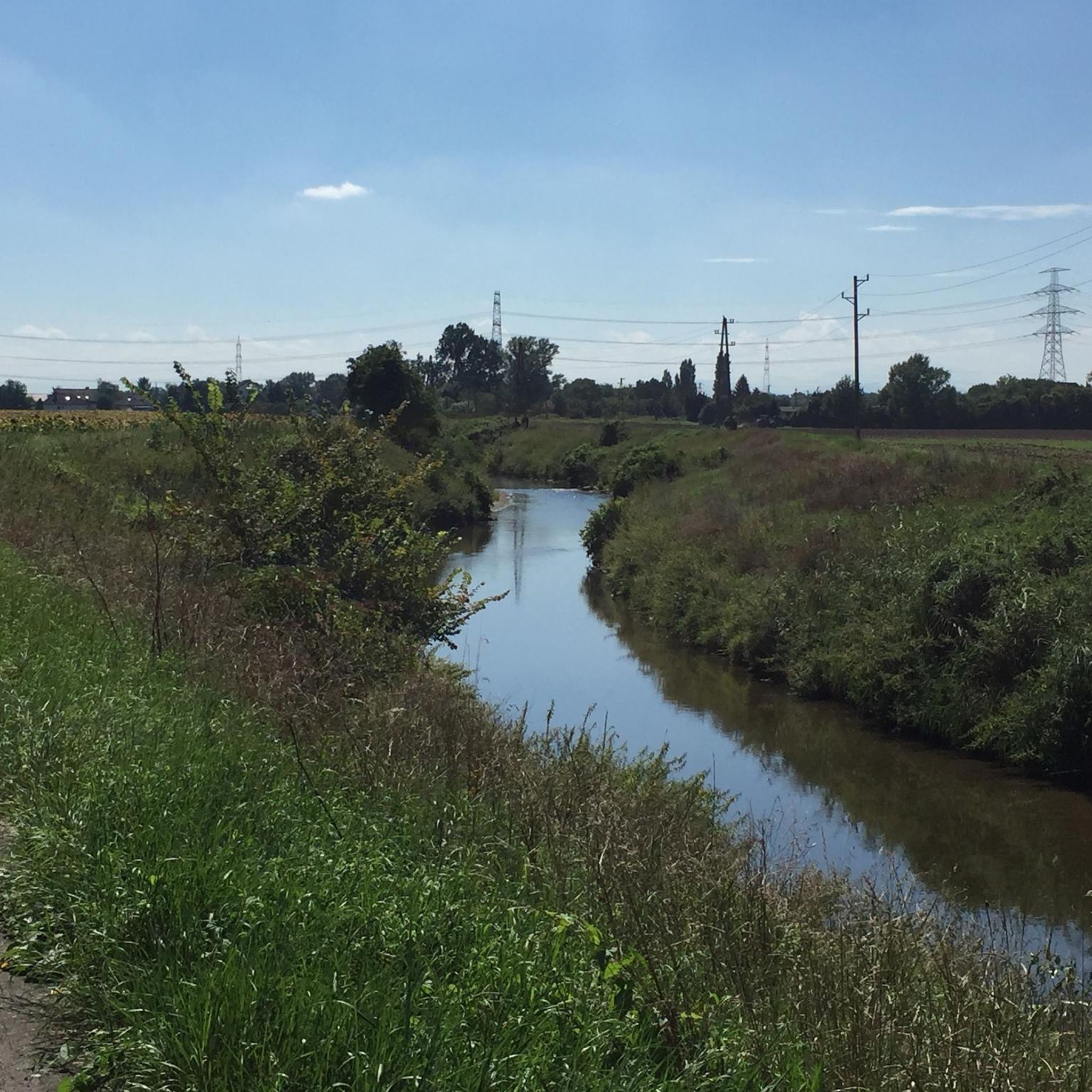
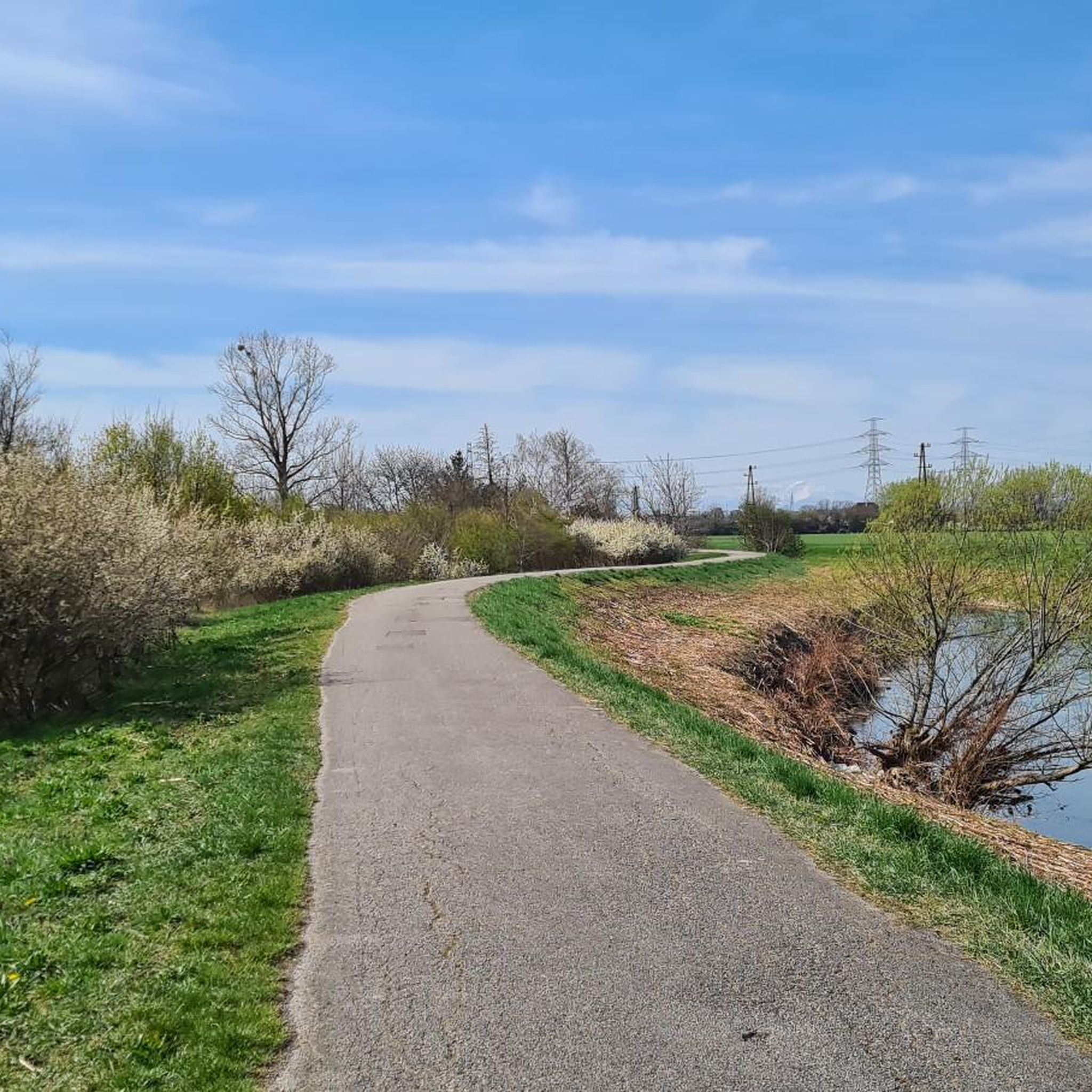
Gravel biking around Zwölfaxing offers routes through a landscape characterized by riverine paths, open fields, and areas around local water bodies. The region features generally flat to gently rolling terrain, with modest elevation gains suitable for various skill levels. Many routes are loop gravel bike trails Zwölfaxing, providing diverse scenery without significant climbs. This makes it an accessible area for easy gravel bike trails Zwölfaxing, often following waterways and agricultural lands.
Best gravel bike trails around Zwölfaxing
- The most popular…
Last updated: October 6, 2026
3.0
(1)
5
riders
94.7km
07:25
280m
280m
Hard gravel ride. Very good fitness required. You may need to push your bike for some segments of this route.
4.8
(12)
24
riders
Easy gravel ride. Great for any fitness level. Mostly paved surfaces. Suitable for all skill levels.

4.7
(3)
28
riders
Moderate gravel ride. Good fitness required. Mostly paved surfaces. Suitable for all skill levels.
4.0
(1)
12
riders
51.2km
02:50
220m
220m
Moderate gravel ride. Good fitness required. Mostly paved surfaces. Suitable for all skill levels.
4.5
(4)
12
riders
23.7km
01:23
80m
80m
Hard gravel ride. Great for any fitness level. You may need to push your bike for some segments of this route.
Get access to more routes and recommendations from other explorers.
Already have an account?
Our route recommendations are based on thousands of hikes, rides, and runs completed by other people on komoot.
Start today with a free account
Your next adventure awaits.
Tips from the Community

In the middle of the Mannswörth recreation area is the small but fine ornamental pond. In addition to numerous other fish species, this artificially created foil pond has a very good stock of carp and pike. A perfect fishing and recreation opportunity for young and old on the outskirts of the municipality of Schwechat.
0
0

a nice (intermediate) destination for an afternoon tour. Opening hours in summer 13:00 - 20:00.
0
0

The respectable bridge is located at a small cycling junction with a route that is not very confusing.
0
0

Good for walking, as there are always shady paths. But… the recklessness of cyclists and e-scooters is terrible. It is both a walking path for pedestrians and a cycle path. Why don't all cyclists' bells work then? All broken or has humanity already become so callous that pedestrians with dogs on leashes cannot be considered. As already mentioned, neither bells are rung nor the speed is reduced. Sorry, but dogs also get startled and, like us, don't have eyes in the back of their heads. A shame
0
0
In the winter of 1872/1873, the contractor Antonio Gabrielli suggested to the municipal council that the work be completed in October 1873, instead of 1874 as contractually agreed, in return for a bonus payment. As both the sanitary situation – Vienna was again threatened by a cholera epidemic from 1872 onwards and the Kaiser-Ferdinands-Wasserleitung supplied insufficient water – and the financial situation were extremely strained, this led to difficult discussions within the water supply commission. On February 18, 1873, it submitted a motion to the municipal council to pay Gabrielli a bonus of one million guilders if the construction work was completed by October 1, 1873. This was accepted.
3
0
The Schlössl was built in the first half of the 18th century. It was probably designed by an architect from the circle of Johann Bernhard Fischer von Erlach.
0
0

The Frauenbachbrücke near Pellendorf (Lower Austria) is a historically interesting structure that often stands in the shadow of larger infrastructure projects, but plays a significant role in regional transport history.
0
0
Frequently Asked Questions
How many gravel bike trails are available around Zwölfaxing?
There are over 80 gravel bike trails around Zwölfaxing listed on komoot. This includes a variety of routes, with 22 easy, 43 moderate, and 15 difficult options to choose from.
Are there easy gravel bike routes suitable for beginners in Zwölfaxing?
Yes, Zwölfaxing offers several easy gravel bike routes perfect for beginners. A great option is the Liesingbach Restoration – Johann-Friedl Footbridge loop from Maria Lanzendorf, an easy 16.8-mile (27.1 km) path that follows the Liesingbach through restored natural areas. Another accessible choice is the Bridge Over the Kalter Gang – Jakobus Chapel with panoramic views loop from Schwechat, which is 17.0 miles (27.3 km) and also rated easy.
What are the typical distances for gravel trails in the Zwölfaxing area?
Gravel trails around Zwölfaxing vary in distance. You'll find shorter loops like the Liesingbach Restoration – Johann-Friedl Footbridge loop from Maria Lanzendorf at 16.8 miles (27.1 km), up to longer, more challenging routes such as the New Danube and Vösendorf Castle circuit from Himberg, which spans 58.9 miles (94.7 km).
Are there challenging gravel bike routes for advanced riders near Zwölfaxing?
Absolutely. For advanced gravel bikers, there are 15 difficult routes available. The New Danube and Vösendorf Castle circuit from Himberg is a demanding 58.9-mile (94.7 km) trail that explores the New Danube area. Another challenging option is the Field Path Near Rauchenwarth – Rothmühle Castle loop from Schwechat, a 23.4-mile (37.6 km) route also rated difficult.
What kind of views or landmarks can I expect along the gravel bike trails?
The gravel trails often lead through riverine landscapes, open fields, and past local water bodies. Some routes, like the Bridge Over the Kalter Gang – Jakobus Chapel with panoramic views loop from Schwechat, offer panoramic views. You might also encounter historical sites or natural features. For example, the New Danube and Vösendorf Castle circuit from Himberg passes Vösendorf Castle. Other notable attractions in the wider region include the Freudenau power station and the Lusthaus, Vienna.
Are there many loop gravel bike trails around Zwölfaxing?
Yes, the Zwölfaxing area is well-suited for loop gravel bike trails. Many routes are designed as loops, allowing you to start and finish in the same location without retracing your steps. Examples include the Liesingbach Restoration – Johann-Friedl Footbridge loop from Maria Lanzendorf and the Bründlkirche – Schwechat Park Pond loop from Lanzendorf-Rannersdorf.
What do other gravel bikers enjoy most about gravel biking in Zwölfaxing?
The gravel biking routes in Zwölfaxing are highly rated by the komoot community, with an average score of 4.4 stars from over 100 reviews. Riders often praise the diverse scenery, which includes river paths, open fields, and local parklands, as well as the accessibility for various skill levels.
When is the best time of year for gravel biking around Zwölfaxing?
The region's generally flat to gently rolling terrain makes it enjoyable for gravel biking throughout much of the year. Spring and autumn offer pleasant temperatures and vibrant scenery. Summer is also suitable, though it can be warmer. Winter conditions might include colder temperatures and potential for snow or ice, especially on unpaved sections, so checking local weather is advisable.
Are there any family-friendly gravel bike routes in Zwölfaxing?
Given the region's generally flat to gently rolling terrain and the presence of easy routes, many trails can be considered family-friendly. The routes following waterways and agricultural lands, such as the Liesingbach Restoration – Johann-Friedl Footbridge loop from Maria Lanzendorf, are often suitable for families looking for a relaxed ride.
Can I find places to stop for refreshments or cafes near the gravel trails?
While specific cafes aren't listed directly on the trails, many routes start or pass through towns and villages like Himberg, Maria Lanzendorf, or Schwechat. These locations typically offer opportunities for refreshments, cafes, or restaurants where you can take a break during your ride.
Is public transport available to reach the gravel trails around Zwölfaxing?
Many of the starting points for gravel trails, such as Himberg, Maria Lanzendorf, and Schwechat, are accessible by public transport, particularly regional trains and buses connecting to Vienna. This makes it convenient to reach the trails without a car. It's recommended to check local public transport schedules for specific connections to your chosen starting point.
Most popular routes around Zwölfaxing
Most popular attractions around Zwölfaxing

Get inspired with the komoot mobile app


Explore more
Browse the best Gravel rides in other regions.
