The best gravel rides around Straß im Straßertale
4.6
(40)
202
riders
27
rides
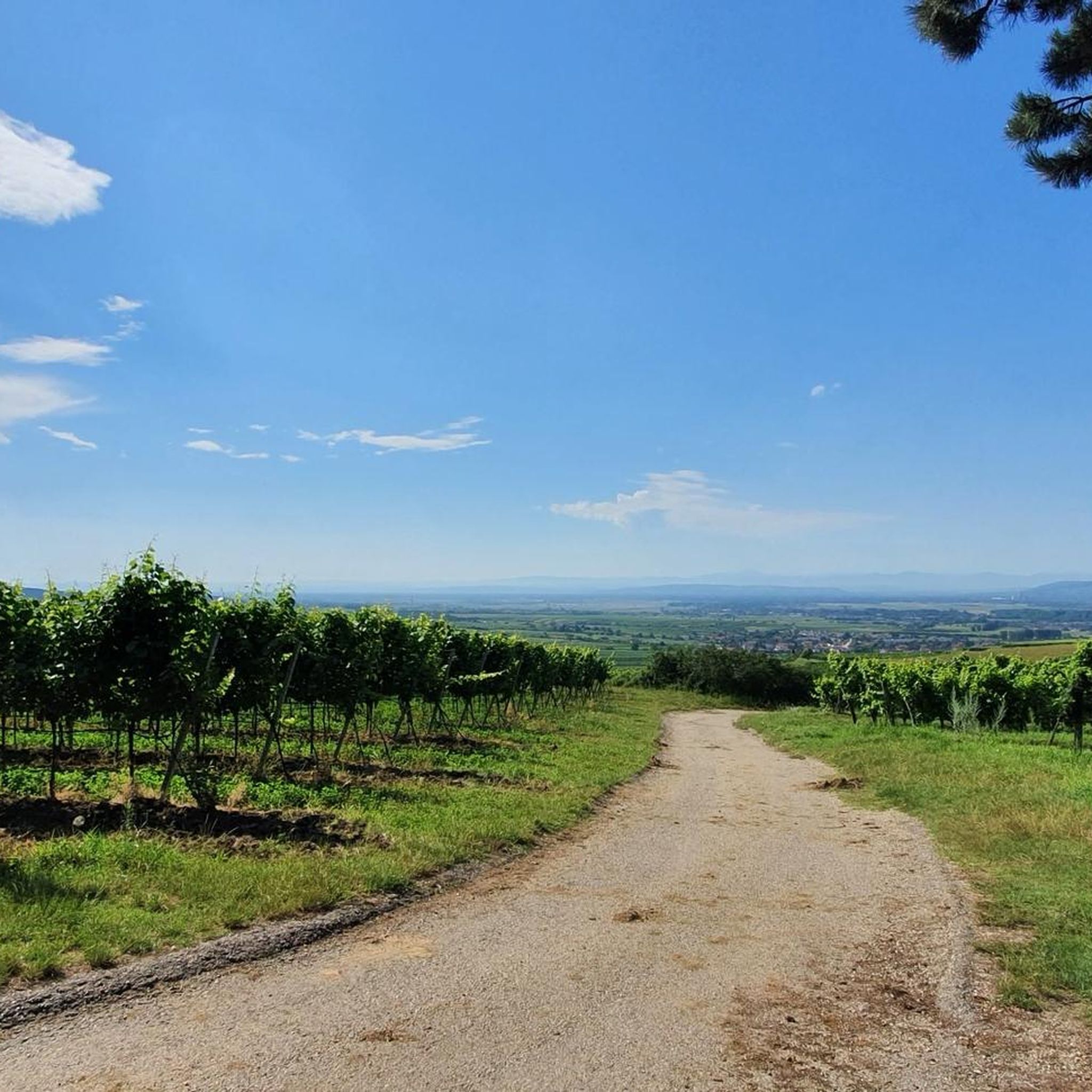
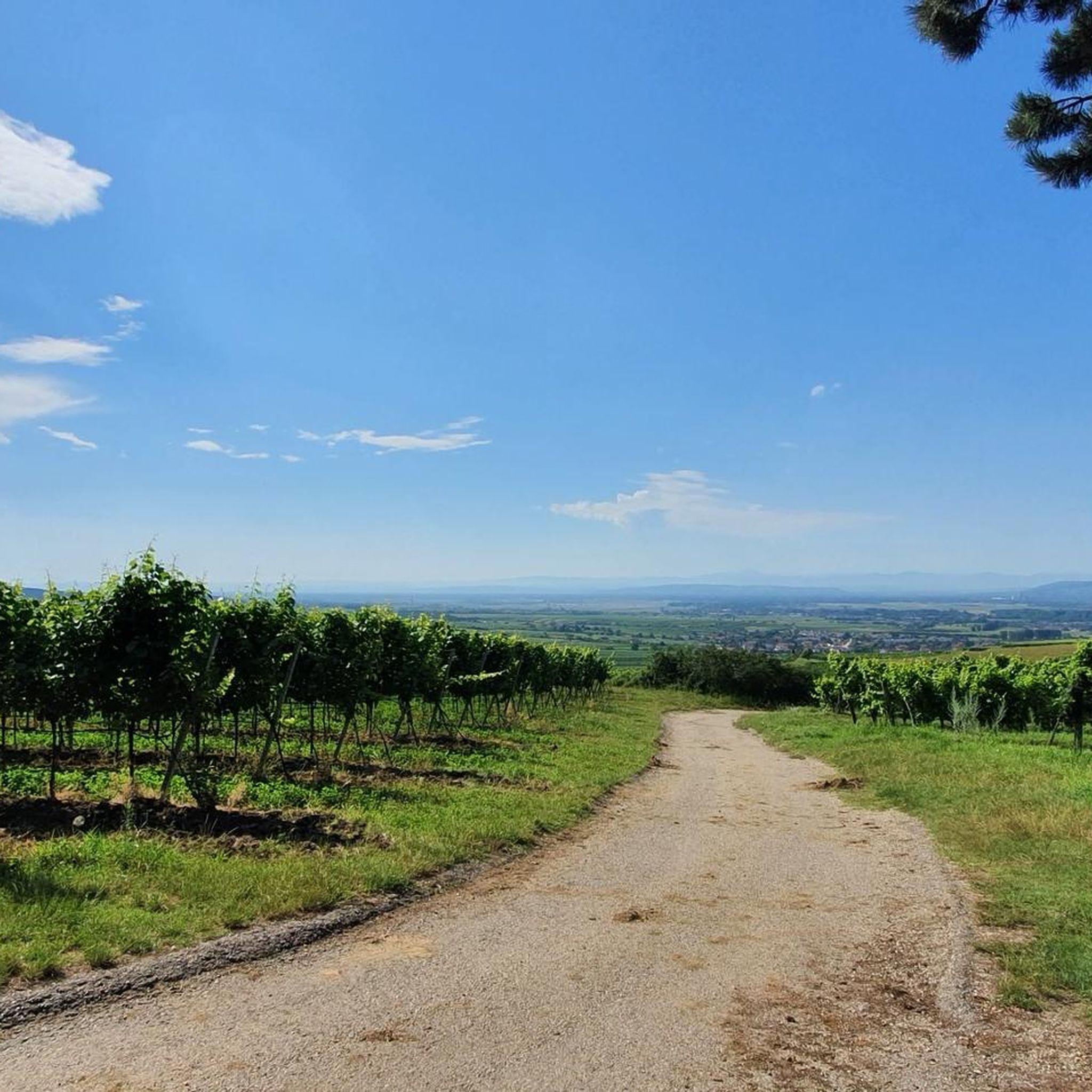
Gravel biking around Straß im Straßertale offers diverse landscapes characterized by sunny vineyards and varied hilly terrain. The region features extensive networks of paths suitable for mixed-surface cycling, often transitioning from open countryside to secluded, tranquil trails. Proximity to the Danube and Kamp rivers provides both flatter routes along the Danube Cycle Path and immersive natural experiences within the Kamp Valley. Routes frequently traverse forests, including the Dunkelsteinerwald, offering shaded paths and varied terrain.
Best gravel bike trails around Straß…
Last updated: October 5, 2026
5.0
(3)
26
riders
44.3km
03:53
650m
650m
Hard gravel ride. Very good fitness required. Mostly paved surfaces. Suitable for all skill levels.
4.8
(10)
47
riders
34.3km
02:02
280m
280m
Moderate gravel ride. Good fitness required. Mostly paved surfaces. Suitable for all skill levels.

5.0
(1)
10
riders
59.8km
04:03
980m
980m
Hard gravel ride. Very good fitness required. Mostly paved surfaces. Suitable for all skill levels.
4.8
(11)
51
riders
40.0km
02:20
280m
280m
Moderate gravel ride. Good fitness required. Mostly paved surfaces. Suitable for all skill levels.
3.0
(2)
15
riders
40.0km
02:12
70m
70m
Moderate gravel ride. Good fitness required. Mostly paved surfaces. Suitable for all skill levels.
Get access to more routes and recommendations from other explorers.
Already have an account?
Our route recommendations are based on thousands of hikes, rides, and runs completed by other people on komoot.
Start today with a free account
Your next adventure awaits.
Tips from the Community

Gars am Kamp is first mentioned in documents as a market town in 1279, and the market rights were confirmed in 1403. Gars Castle was expanded by the Kuenringers; later lords of the castle included the Maissauers and the Counts of Lamberg. The large Renaissance castle built in the 16th century fell into ruin in the 19th century due to the burden of the roof tax.
0
0

Cool loop of water, fun to watch!
2
0
A historic castle next to a futuristic open-air stage in a landscape park, a 19th-century riding school next to a modern concert hall and much more await you in Grafenegg. The slender courtyard-facing turret of Schloss Grafenegg represents the late Gothic construction phase. The Renaissance era also lastingly shaped the development of the castle, which in the first half of the 17th century already presented a four-wing complex with two towering structures. A moat and four wall houses provided impressive protection. A chapel was erected on the east side. Grafenegg thus acquired the form that is still partially preserved today. The garden pavilion, where festivities were celebrated and theatre was performed, is reminiscent of the Baroque period. Following the example of English castles, a complex in the style of romantic historicism was to be erected. This is how Schloss Grafenegg, as we know it today as a landmark, came into being.
0
0
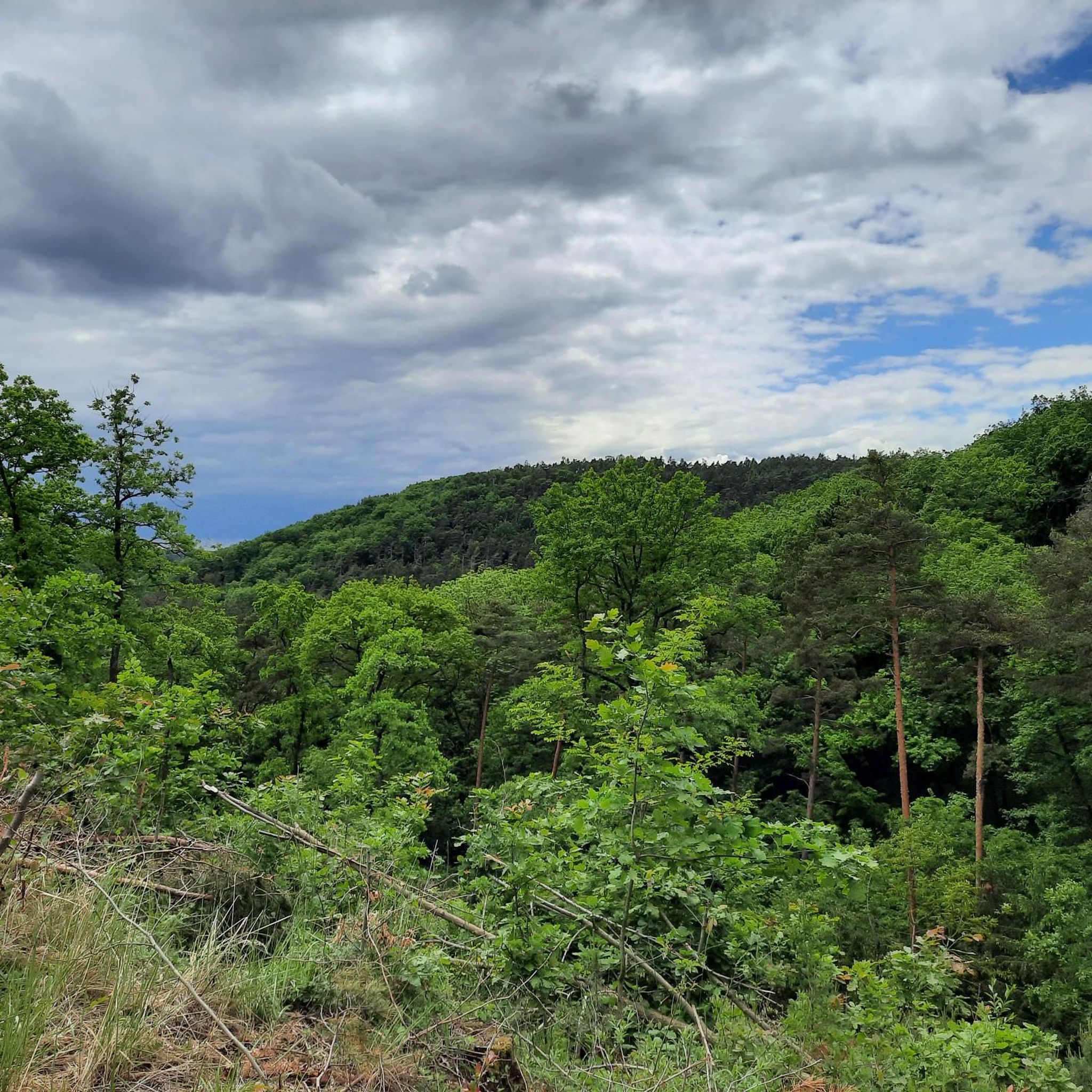
Beautiful view of the unfortunately very unknown castle Kronsegg.
1
0
The well-known Trinity Column (Pestsäule) in Langenlois stands as a striking centerpiece on the Kornplatz. It was erected in 1713 by the citizenry as thanks for being spared from the plague and consecrated on October 14th of the same year. The baroque monument was created by the renowned Krems sculptor Andreas Krimmer.
0
0
A beautiful view of the Kamp, the Kamptal-Thaya cycle path leads over it.
0
0
A very beautiful castle in Tullnerfeld, a cycle path passes by on every corner, in the east the Wagram-Radtour and in the west the Manhartsberg-Radweg.
0
0
From the farmstead to the castle Who would have thought that a small farmstead would become a "castle of the future"? The farmstead, founded in the 10th century by the lords of Schiltarn, is primarily used by various lords of Kronsegg Castle. It was not until the 16th century that the medieval structure was expanded into a castle and a new seat of power. After a varied succession of owners, Count Aichelberg-Ruhmerskirch sold the castle in 1929 to the municipality of Langenlois. Just one year later, it was acquired by the Order of the English Maidens, who have since operated various educational institutions for children here. This teaching activity was interrupted during World War II – the castle came into the possession of the SA. In 1987, Psychosoziale Zentrum Schiltern GmbH had the building complex renovated with the help of the state of Lower Austria and has since offered the ideal environment for psychotherapeutic rehabilitation on site.
2
0
Frequently Asked Questions
How many gravel bike trails are available around Straß im Straßertale?
There are over 55 gravel bike trails around Straß im Straßertale. These routes offer a diverse range of experiences, from leisurely rides through vineyards to more challenging segments in hilly terrain and forests.
What kind of landscapes can I expect to see on gravel bike trails here?
The region is characterized by sunny vineyards and varied hilly terrain, offering picturesque views. You'll also find routes along the Danube and Kamp rivers, providing both flatter paths and immersive natural experiences. Many trails traverse forests, including the Dunkelsteinerwald, offering shaded sections and varied surfaces.
What are the difficulty levels of gravel bike trails in the region?
The trails around Straß im Straßertale cater to various skill levels. You'll find 2 easy routes, 17 moderate routes, and 36 difficult routes. This variety ensures options for beginners looking for a relaxed ride and experienced riders seeking a challenge.
Are there historical sites or castles I can visit along the routes?
Yes, the region is rich in historical landmarks. Many routes pass by or near impressive castles. For example, the Wagram Peace Stupa – Grafenegg Castle loop from Langenlois includes Grafenegg Castle. Other notable castles in the area include Gobelsburg Castle and the Kronsegg Castle Ruins.
Can I find scenic viewpoints on the gravel bike trails?
Absolutely. The hilly terrain and vineyard landscapes offer numerous opportunities for breathtaking views. Elevated points like the Kamptalwarte on Heiligenstein near Zöbing provide magnificent panoramic vistas, making for rewarding stops during your ride.
Are there opportunities to experience local wine culture on the trails?
Definitely. As part of Austria's prominent wine region, many gravel routes wind through vineyards and past wineries. You can often find traditional "Heurigen" (wine taverns) along the way, where you can enjoy local wines and regional cuisine. The Rohrendorfer Kellergasse, Austria's longest cellar lane, is a prime example of this cultural experience.
Are there any family-friendly gravel bike routes in Straß im Straßertale?
While many routes involve varied terrain, there are options suitable for families, particularly those with some cycling experience. Look for routes described as 'easy' or 'moderate' with less elevation gain. The proximity to the Danube Cycle Path also offers flatter, more relaxed options that can be adapted for family outings.
What kind of surfaces can I expect on the gravel bike trails?
The gravel biking routes in Straß im Straßertale are known for their mixed surfaces. You'll encounter a blend of tarmac, gravel paths, and natural trails. This varied terrain is what makes gravel biking in the region so appealing, combining smooth sections with more rugged, off-road experiences.
What do other gravel bikers say about the trails in Straß im Straßertale?
The gravel biking routes around Straß im Straßertale are highly rated by the komoot community, with an average score of 4.4 stars from over 60 reviews. More than 390 gravel bikers have explored the varied terrain, often praising the scenic vineyards, tranquil river valleys, and the diverse mix of challenging and leisurely paths.
Are there any moderate gravel bike routes suitable for intermediate riders?
Yes, for intermediate riders, a great option is the Kronsegg Reservoir – Arche Noah Botanical Garden loop from Langenlois. This moderate 21.2 km route takes you through varied landscapes, including the Arche Noah Botanical Garden, and has an elevation gain of around 308 meters.
What about more challenging gravel bike routes for experienced riders?
Experienced riders seeking a challenge might enjoy the Rosenburg Castle – Kamp Valley Riverside Trail loop from Schönberg am Kamp. This difficult 39.7 km route features significant elevation changes and takes you through the scenic Kamp Valley, offering a demanding yet rewarding experience.
Is it possible to reach the trails using public transport?
Straß im Straßertale and surrounding towns are generally accessible by public transport, primarily trains and buses. It's advisable to check local schedules for connections to specific starting points of the gravel bike trails. Some regional trains allow bicycles, but it's best to confirm in advance.
Where can I park my car when starting a gravel bike tour?
Many towns and villages in the region, including Straß im Straßertale, Langenlois, and Schönberg am Kamp, offer public parking facilities. When planning your route, check the starting point for designated parking areas, which are often available near train stations or town centers.
Most popular routes around Straß im Straßertale
Most popular attractions around Straß im Straßertale

Get inspired with the komoot mobile app


Explore more
Browse the best Gravel rides in other regions.
