Top 20 Castles around Eisleben
Best castles around Eisleben offer a journey through history in a region known for its UNESCO World Heritage Luther Memorials. The surrounding area features a diverse landscape, from the Süß See to the Saale River valley, providing scenic backdrops for historical sites. These castles provide compelling historical insights and unique features for visitors exploring the region.
Best castles around Eisleben
- The most popular castles is Mansfeld Castle, a castle that features fantastic paths and small single trails around the castle. From the unique castle to the old ruins and hidden vaults and corridors, it is a must-visit for adventurers and explorers.
- Another must-see spot is Querfurt Castle, a castle complex often booked for films. Visitors can explore the well-preserved complex with its two defiant towers, mighty curtain walls, and castle chapel.
- Visitors also love Seeburg Castle, a castle fantastically located on the Süß See. This picturesque fairytale castle can be seen from afar, offering a scenic view.
- Eisleben is known for well-preserved fortifications, historical ruins, and ancestral homes. The region offers a variety of castles to see and explore, each with unique architectural styles and historical significance.
- The castles around Eisleben are appreciated by the komoot community, with over 1000 upvotes and more than 400 photos shared by visitors.
Last updated: June 22, 2026
Seeburg Castle
Highlight • Castle
It would be nice if it got a castle lord who saved it
Translated by Google •
Tip by

Mansfeld Castle
Highlight • Castle
Translated by Google •
Tip by

Sign up now to discover places like this
Get recommendations on the best single tracks, peaks, & plenty of other exciting outdoor places.
Sign up for free
Wettin Castle
Highlight • Castle
Translated by Google •
Tip by

Querfurt Castle
Highlight • Castle
Translated by Google •
Tip by

Bornstedt Castle Ruins
Highlight • Castle
Translated by Google •
Tip by
Sign up for free to discover even more castles around Eisleben.
Sign up for free
Already have an account?
Start today with a free account
Your next adventure awaits.
Login or Signup
Tips from the Community

Seeburg is dominated by the castle of the same name, visible from afar and rising majestically on a peninsula above the Süßer See (Sweet Lake). It is the western part of an ancient, very large refuge. Since the late 1990s, the castle has been divided into private ownership, changing hands several times. This has resulted in the castle remaining unrenovated, standing empty, and falling into disrepair. The Widow's Tower and the castle church, however, have been renovated and are owned by a fruit farm. They are used as a residence, for vacation apartments, as a registry office, and for concerts. The new orangery on the lake promenade represents a further step toward tourism. The architecturally sophisticated new building will allow year-round operation.
12
0
In 979, a document first mentions a "Castellum." Querfurt has had a castle since then at the latest. The town itself was first mentioned in documents about a hundred years earlier. The castle was the ancestral seat of the noble lords of Querfurt, who for centuries were also burgraves of Magdeburg. With the death of Bruno XI of Querfurt in 1496, the noble family died out. The castle proved impregnable until 1640, but changed hands several times during the Thirty Years' War (1618 to 1648). The Swedish occupation lasted from 1642 to 1650. In 1663, the princes of Saxe-Querfurt made the castle their residence and Querfurt the capital of their domain.
15
0
The 57-meter-high Paris Tower at Querfurt Castle was originally called the Hausmannsturm (Houseman's Tower). It dates back to the late 14th century. Its baroque dome was added in 1659. It served as a fire watchtower until 1969; today, it can be climbed as an observation tower. There is also a tower dungeon.
12
0
Since 1949, the Bornstedt local festival has taken place every year in the ruins.
8
0
Bornstedt Castle, also known as Schweinsburg, stands high on the Hornburger Sattel – a ridge on the eastern edge of the Harz Mountains. The impressive, thirty-meter-high keep of the castle ruins can be seen from far away. The former Carolingian rampart was probably built in the 8th century. The "Brunstediburg" was first mentioned in documents around 880 in the Hersfeld tithe register. It consisted of a stone core castle with a keep and an outer castle, once surrounded by a ring wall and a moat. In 1115, Emperor Henry V used Bornstedt Castle as a station for his troops in the battles at Welfesholz during the Saxon Wars. From 1301 to 1780, the complex was owned by the Counts of Mansfeld, and from 1502 it was one of their residences. During the Thirty Years' War, Bornstedt Castle lost importance and began to decay.
10
0

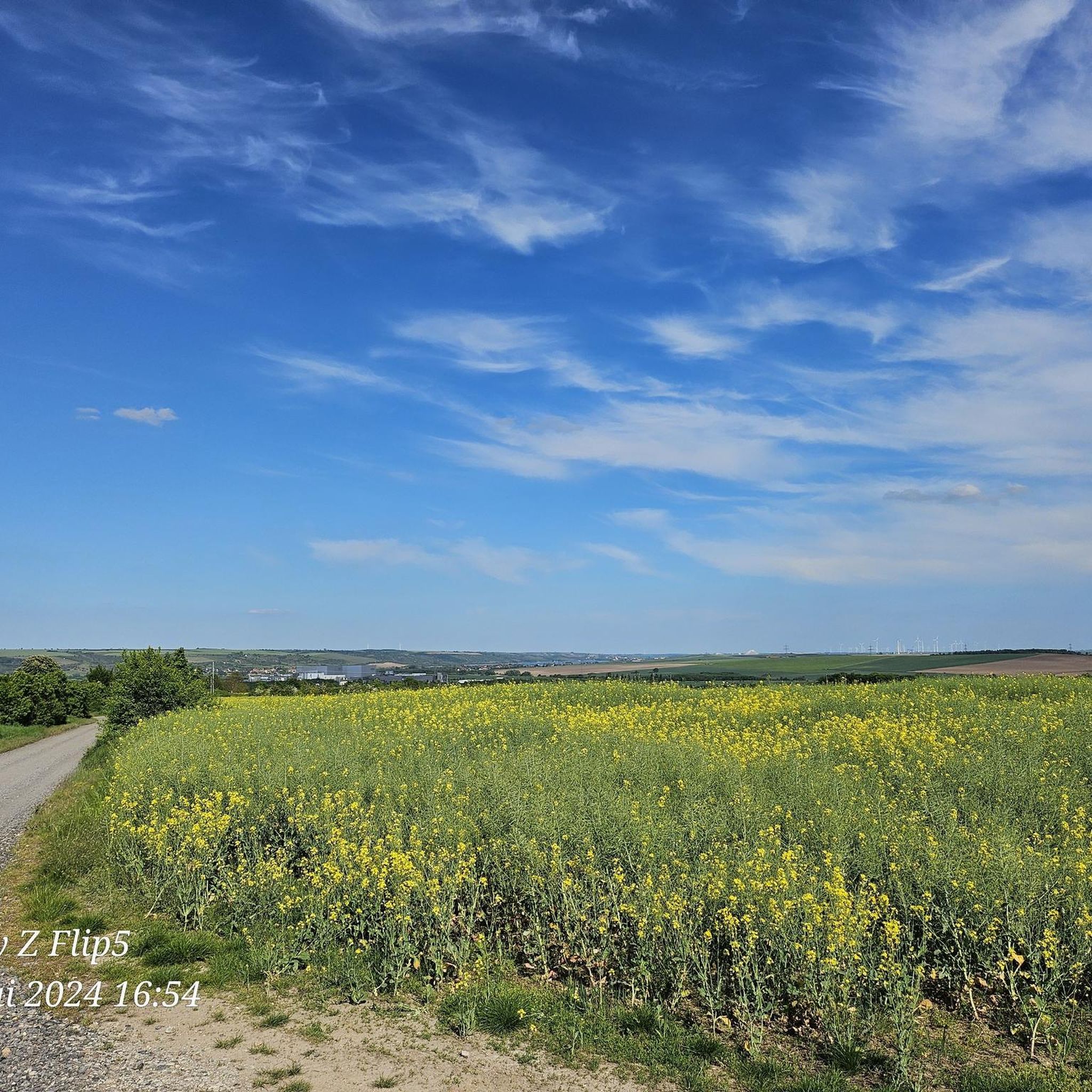
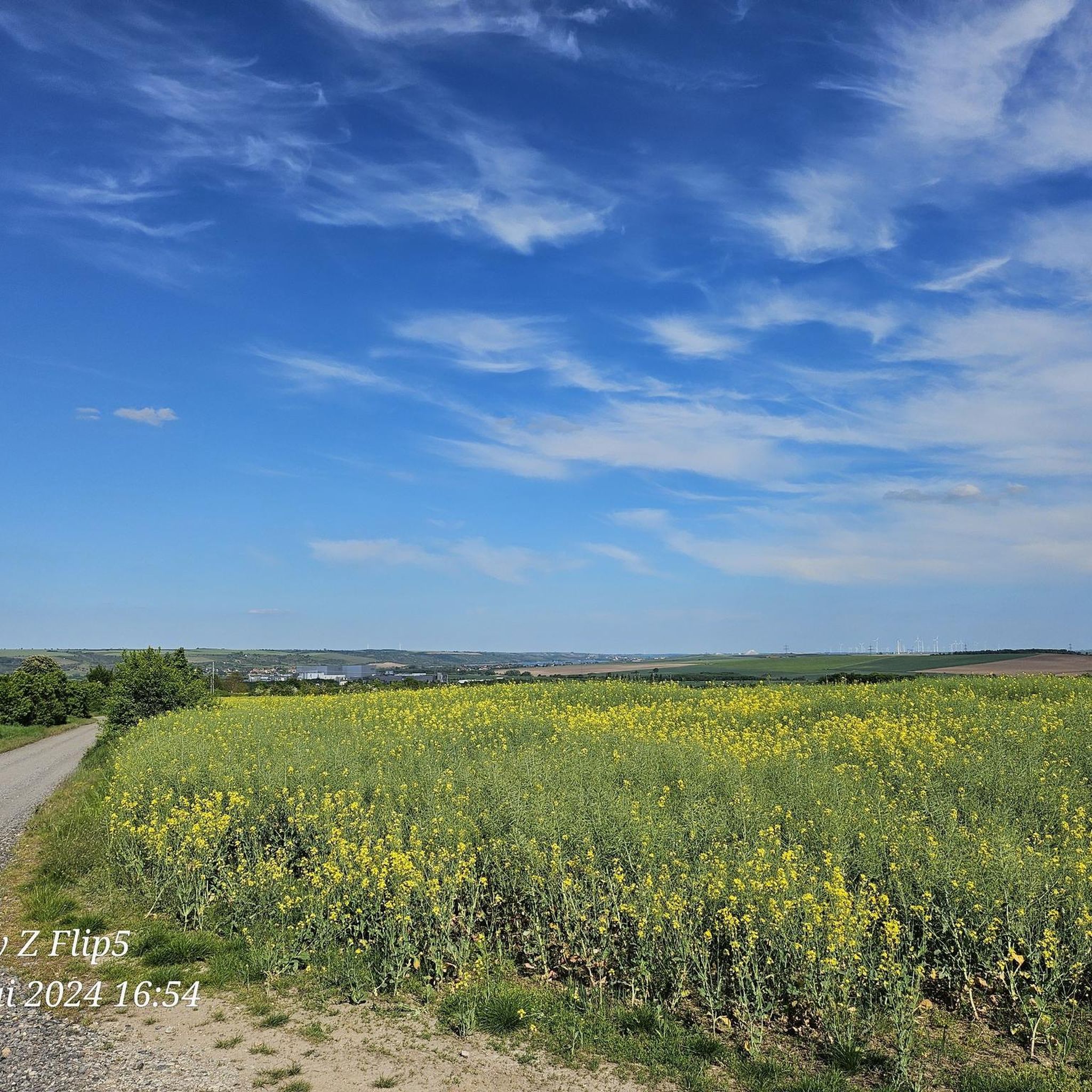
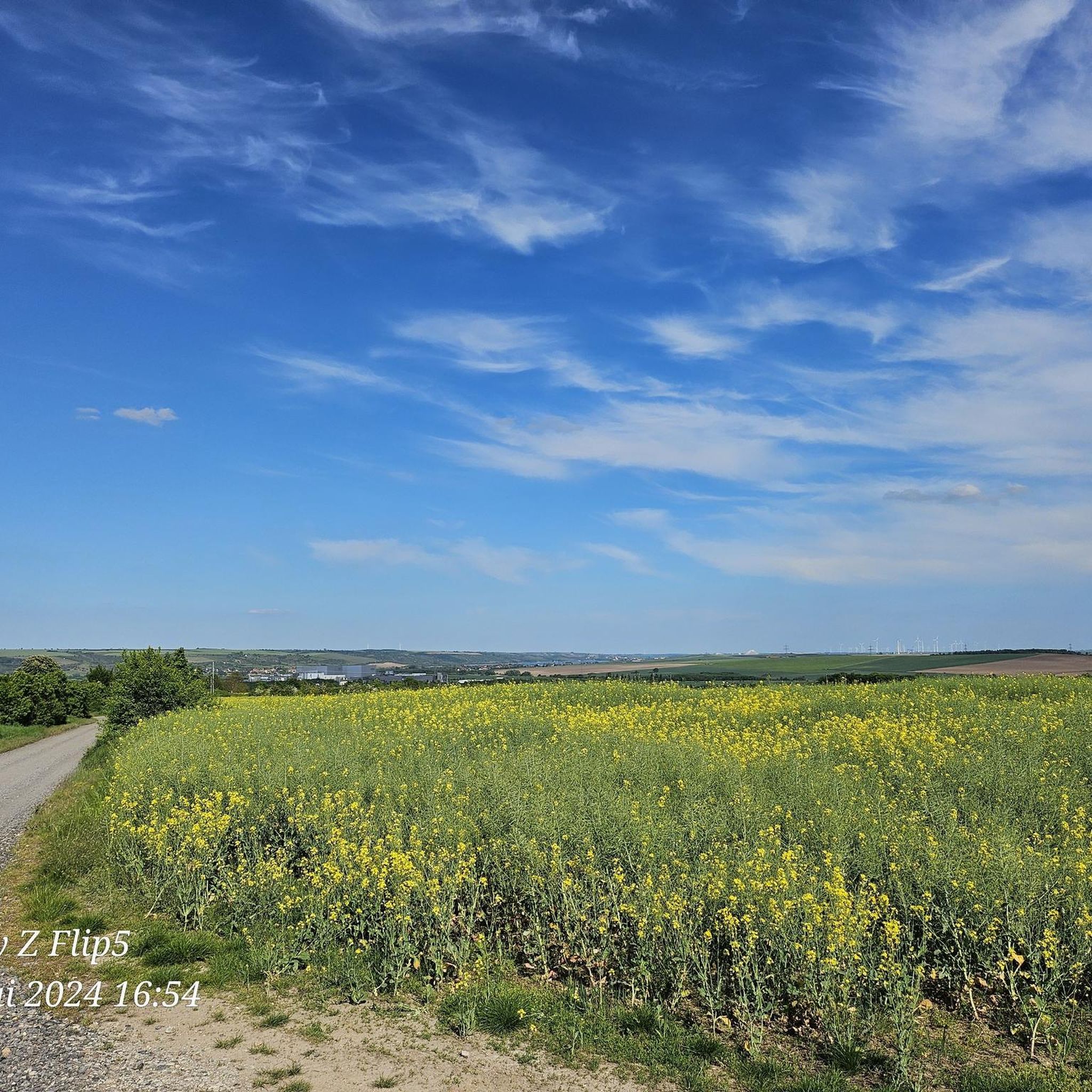
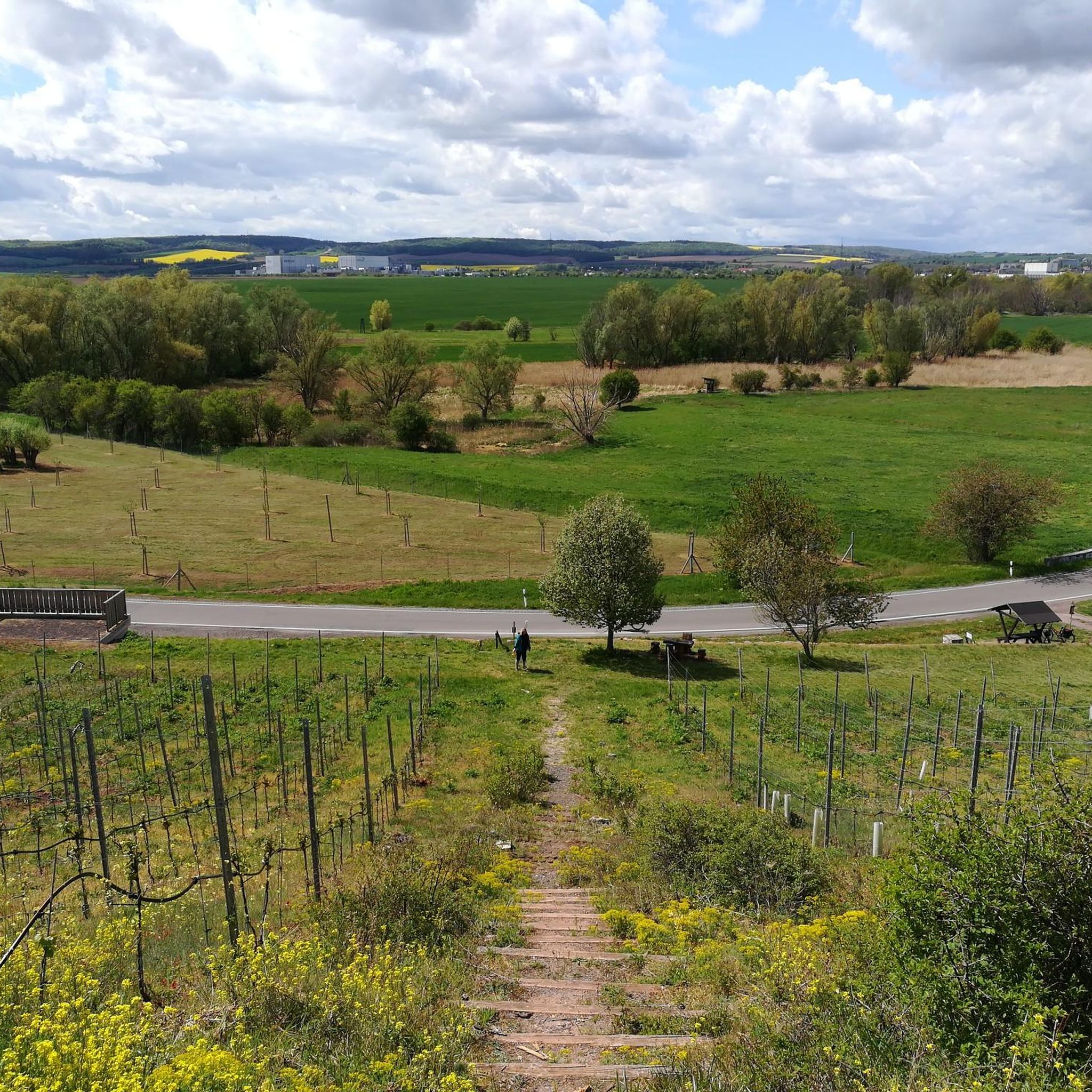
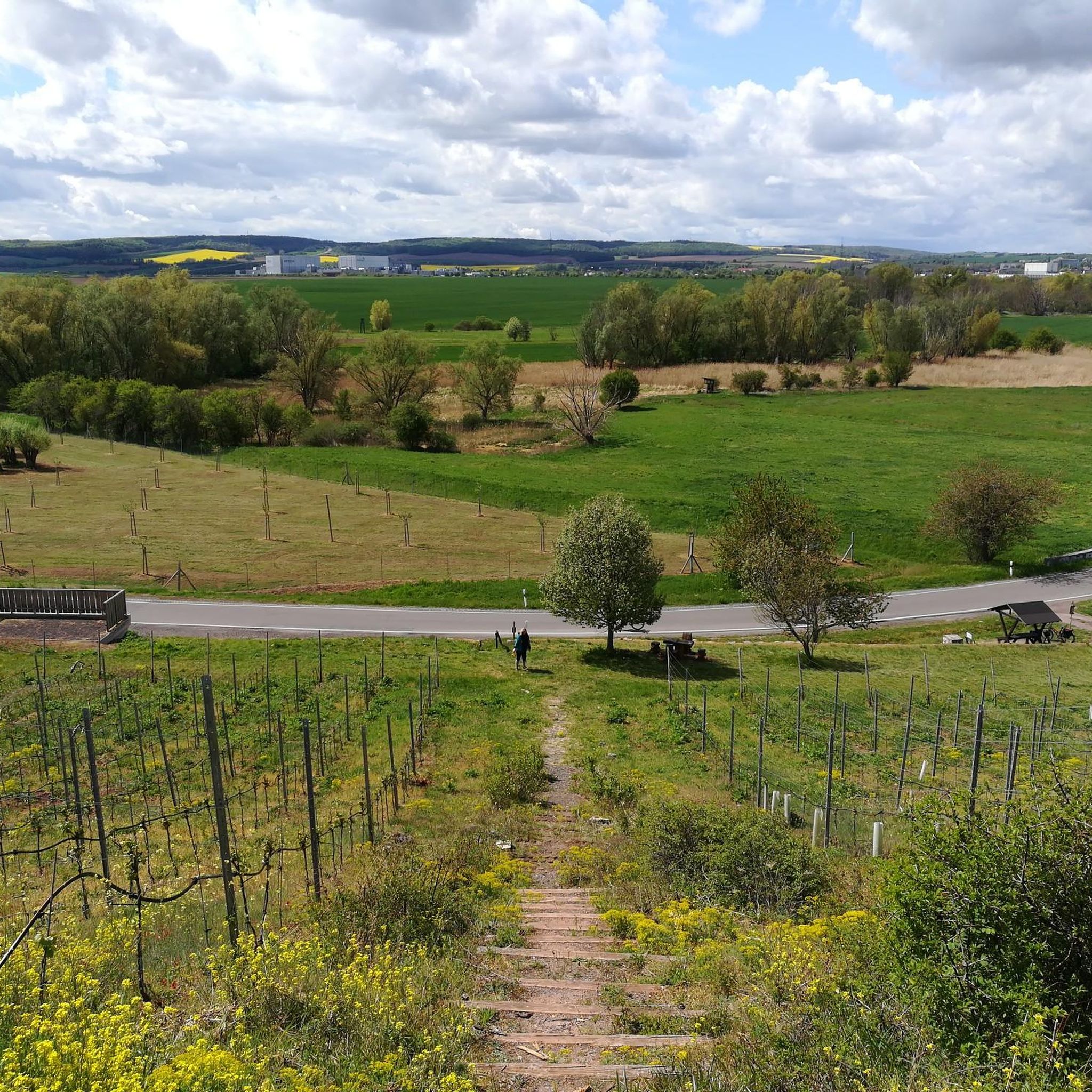
With fantastic views of Mansfeld and the country. A must🥰
15
2

In a tithe register of the Hersfeld monastery created between 881 and 899, Querfurt is mentioned for the first time as a place where Curnfurt im Friesenfeld is subject to tithing and was first titled castellum in a document from Emperor Otto II from 979. The castle there has been the ancestral home of the noble lords of Querfurt since the 10th century. Traces of the oldest surviving building structure also date from the 10th century, which are parts of the inner curtain wall and the granary and armory. The stone buildings were limited to the area between today's granary, the Dicker Heinrich keep and the castle church. These period solid buildings also underline the importance of the Querfurt noblemen. In 1004, at the same time as the foundation of a castle chapel, a canons' monastery was founded, which was followed from 1162 by the construction of a Romanesque church in the middle of the castle courtyard. In the 14th century, a burial chapel with the tumba of Gebhard XIV of Querfurt was added. The Fat Henry was built at the beginning of the 12th century, followed by the construction of the Martial Tower at the beginning of the 13th century and the construction of the Paris Tower at the beginning of the 14th century. The outer curtain wall was added around 1350. During the 15th century, mainly fortificational changes were made. The bastions and the west gate date from the period between 1460 and 1490. After the death of the last lord of the castle, Bruno IX. von Querfurt In 1496, Querfurt and its castle were confiscated as a fief of the Archdiocese of Magdeburg. Albrecht of Brandenburg then had structural changes made to the complex in 1528 and 1535. Towards the end of the Thirty Years' War, from 1640 to 1642, the fortress, which was considered impregnable, changed hands several times after heavy sieges and shelling. The subsequent period of occupation by the Swedes lasted from 1642 to 1650. In 1663, the imperial princes of Saxony-Querfurt made the complex their residence and thus Querfurt the capital of their territory. The so-called Princely House was therefore built between 1660 and 1668. Around 1700, new gun emplacements were built on the widened berm above the Zwinger, before Querfurt was built after the death of Adolph III. of Saxony-Weißenfels fell back to the Electorate of Saxony. Source: Wikipedia
13
1

The tower can be climbed as a lookout tower.
10
0
Frequently Asked Questions
What are some of the most historically significant castles to visit near Eisleben?
The region around Eisleben boasts several castles with deep historical roots. Querfurt Castle is one of Central Germany's oldest and best-preserved medieval fortifications, dating back to the 9th century. Wettin Castle is the ancestral home of the powerful House of Wettin, with origins in the 10th century. The Bornstedt Castle Ruins, also known as Schweinsburg, played a strategic military role in the High Middle Ages and dates back to the 8th century.
Which castles offer unique experiences beyond just historical exploration?
Querfurt Castle, known as 'FilmBurg Querfurt,' is a popular film set and houses a comprehensive museum detailing its history and archaeological finds. It also hosts annual festivities and summer cinema. Bornstedt Castle Ruins is associated with local folklore and hosts local festivals and medieval events.
Are there family-friendly castles to visit near Eisleben?
Yes, several castles are noted as family-friendly. Querfurt Castle offers museum exhibitions and events suitable for families. Mansfeld Castle provides fantastic paths and small single trails around the castle, making it ideal for adventurers and explorers of all ages. Seeburg Castle, with its picturesque setting on the Süß See, offers a scenic backdrop for a family outing.
What kind of natural features or scenic views can I find near these castles?
Seeburg Castle is fantastically located on the Süß See, offering picturesque views of the lake. Wettin Castle overlooks the Saale River, providing stunning panoramic views of the river valley from its hill. The area around Mansfeld Castle features fantastic paths and small single trails, offering scenic routes.
What outdoor activities can I do near the castles around Eisleben?
The region offers various outdoor activities. Near Seeburg Castle and the Süß See, you can find several cycling routes, including the 'Seeburg Castle – View of Süßer See loop'. For hiking, routes like 'Bornstedt Castle (Schweinsburg) – Teufelshütte loop' are available near the Bornstedt Castle Ruins. You can explore more options for cycling, hiking, and MTB trails in the area by visiting the Cycling around Eisleben, Hiking around Eisleben, and MTB Trails around Eisleben guides.
What is the best time of year to visit the castles around Eisleben?
While specific data isn't available, the spring and summer months generally offer pleasant weather for exploring the castle grounds and enjoying outdoor activities. Many castles, like Querfurt Castle and Bornstedt Castle Ruins, host special events and festivals during these seasons, enhancing the visitor experience.
Can I reach these castles using public transport?
Public transport options to castles like Querfurt, Wettin, and Bornstedt are available, though specific routes and schedules would need to be checked with local transport providers. Planning your journey in advance is recommended.
Are dogs allowed at the castles near Eisleben?
Policies regarding dogs can vary by castle. While some castle grounds or outdoor areas might be dog-friendly, access to indoor museums or specific historical buildings is often restricted. It's advisable to check the specific dog policy for each castle, such as Querfurt Castle, Wettin Castle, or Bornstedt Castle Ruins, directly before your visit.
Are there cafes or accommodation options near the castles?
Yes, some castles offer amenities. Querfurt Castle has a castle café where visitors can enjoy refreshments. Wettin Castle also features a café in its lower castle area. For accommodation, you'll find options in the nearby towns and villages, including Eisleben itself.
What do visitors enjoy most about the castles around Eisleben?
Visitors appreciate the diverse historical insights and unique features of each castle. The komoot community particularly enjoys the well-preserved fortifications, historical ruins, and ancestral homes. Many highlight the fantastic paths and small single trails around castles like Mansfeld Castle, making them ideal for adventurers. The scenic locations, such as Seeburg Castle on the Süß See, are also highly valued.
Is <a href="https://www.komoot.com/highlight/93079" target="_blank" rel="noopener">Wettin Castle</a> accessible to the public?
While Wettin Castle is the ancestral home of a significant dynasty, much of its interior now houses a grammar school with an art department, limiting public access. However, visitors can still appreciate the beautiful castle from the outside, enjoy the café in the lower castle, and take in the stunning panoramic views of the Saale River valley from the castle hill. Guided tours can be booked for a more in-depth experience.
Most popular routes around Eisleben
Most popular attractions around Eisleben

Get inspired with the komoot mobile app


Explore more
Looking for the best castles somewhere else? Discover other guides around Eisleben:
