The best gravel rides around Velburg
4.6
(124)
883
riders
74
rides
Gravel biking around Velburg offers a diverse landscape characterized by rolling hills, historical waterways, and varied unpaved paths. The region features a mix of open countryside, dense woodlands, and river valleys, providing a range of terrain suitable for gravel bikes. Historical elements like the Ludwig-Danube Canal and castle ruins are often integrated into routes, adding cultural depth to the outdoor experience. This area provides a robust network of trails for exploring the Upper Palatinate region.
Best gravel bike trails around…
Last updated: October 6, 2026
4
riders
61.0km
04:12
510m
630m
Hard gravel ride. Very good fitness required. Mostly paved surfaces. Suitable for all skill levels.
5.0
(2)
65
riders
75.1km
04:30
880m
880m
Hard gravel ride. Very good fitness required. Mostly paved surfaces. Suitable for all skill levels.

4.9
(8)
41
riders
61.8km
03:49
750m
750m
Hard gravel ride. Very good fitness required. Mostly paved surfaces. Suitable for all skill levels.
4.5
(4)
15
riders
46.1km
02:56
570m
570m
Hard gravel ride. Very good fitness required. Mostly paved surfaces. Suitable for all skill levels.
4.8
(5)
17
riders
30.5km
01:48
310m
310m
Moderate gravel ride. Good fitness required. Mostly paved surfaces. Suitable for all skill levels.
Get access to more routes and recommendations from other explorers.
Already have an account?
Our route recommendations are based on thousands of hikes, rides, and runs completed by other people on komoot.
Start today with a free account
Your next adventure awaits.
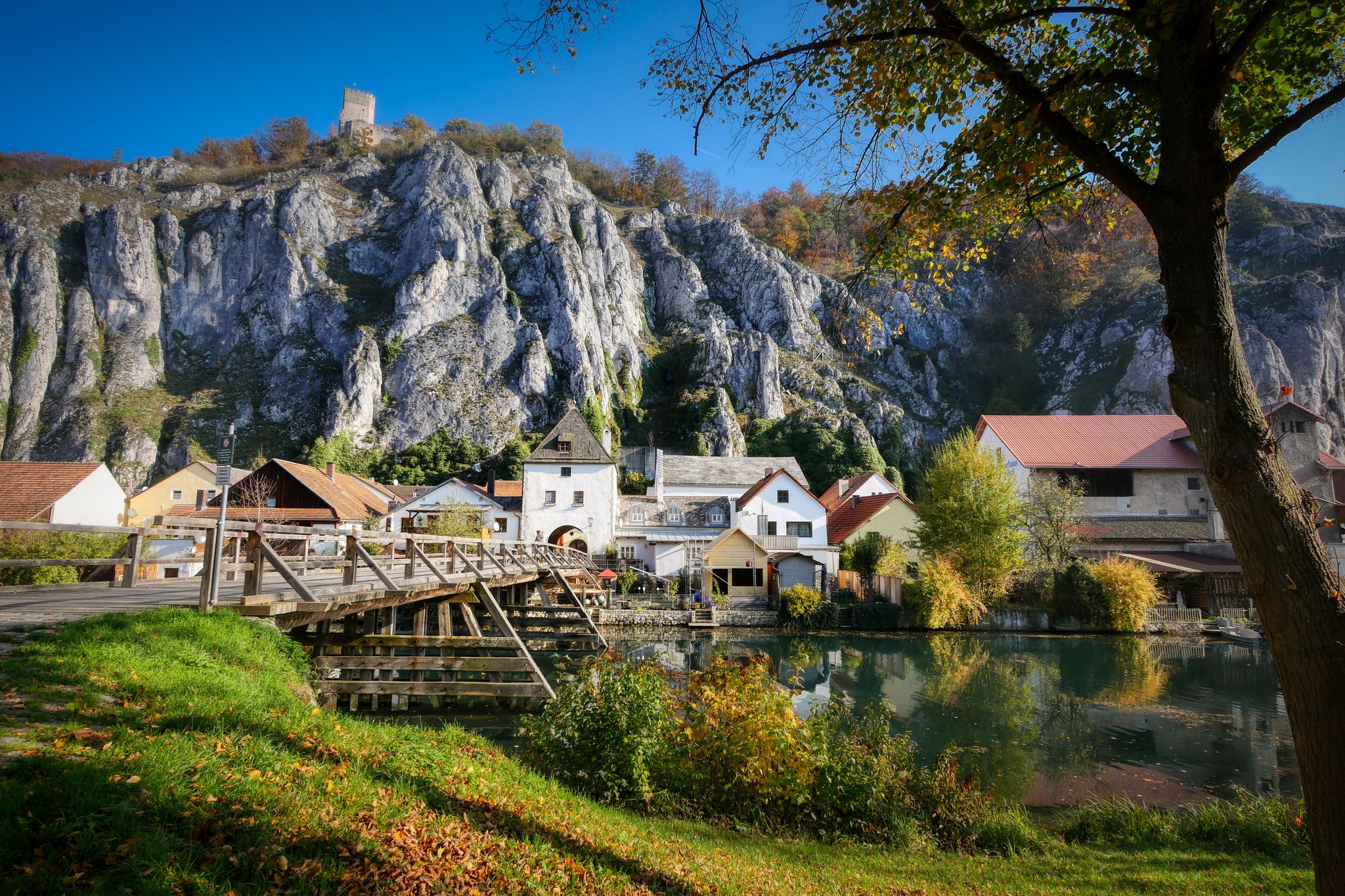
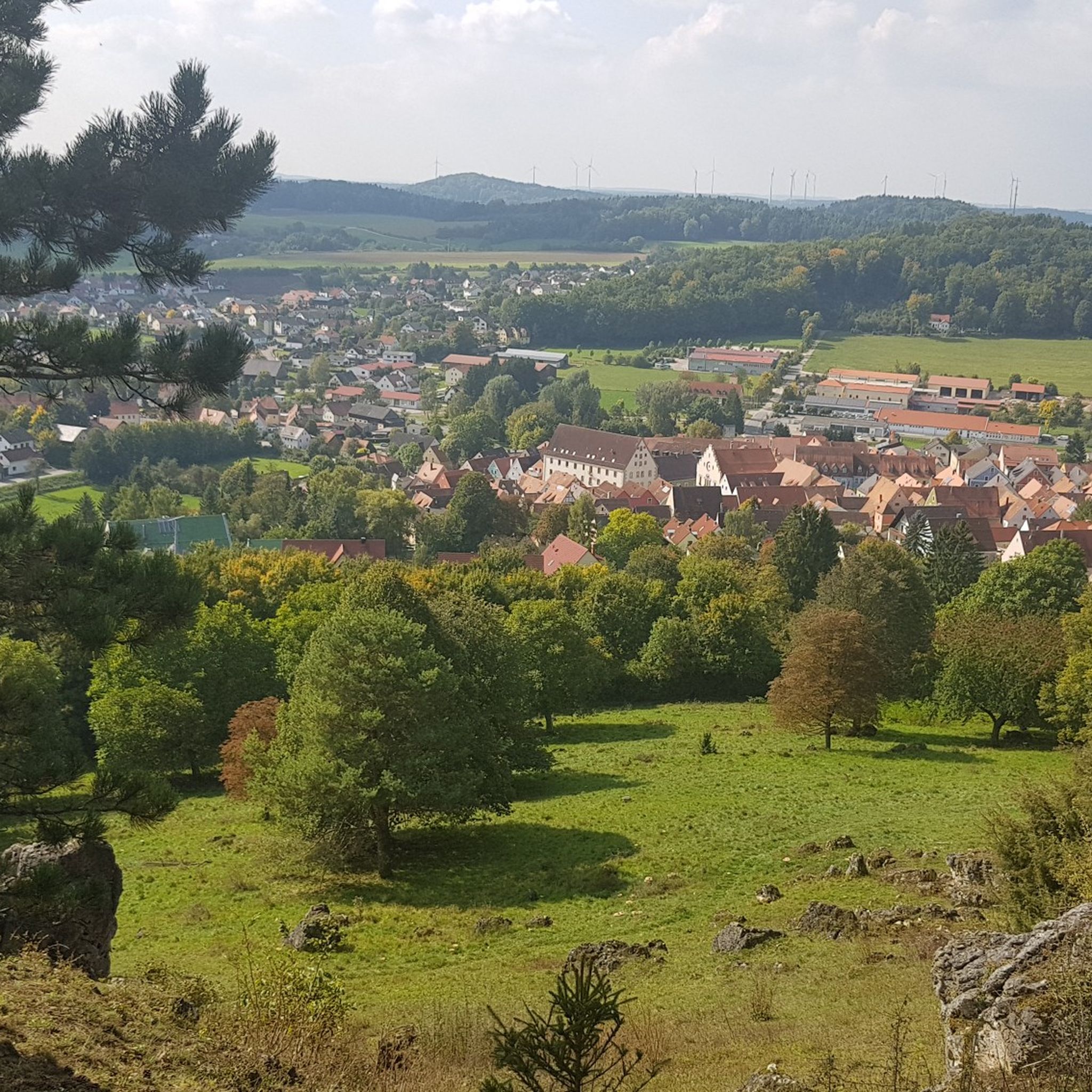
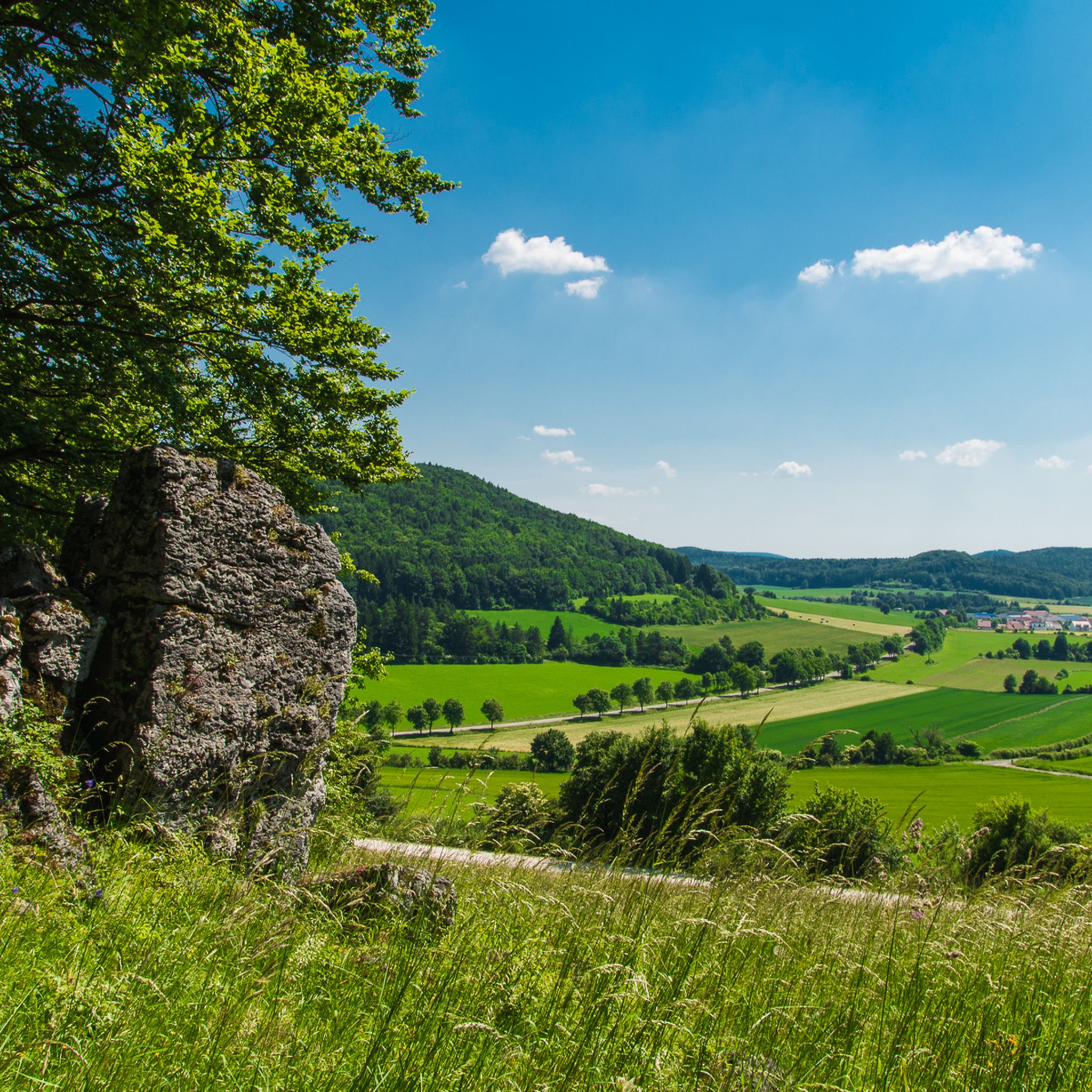
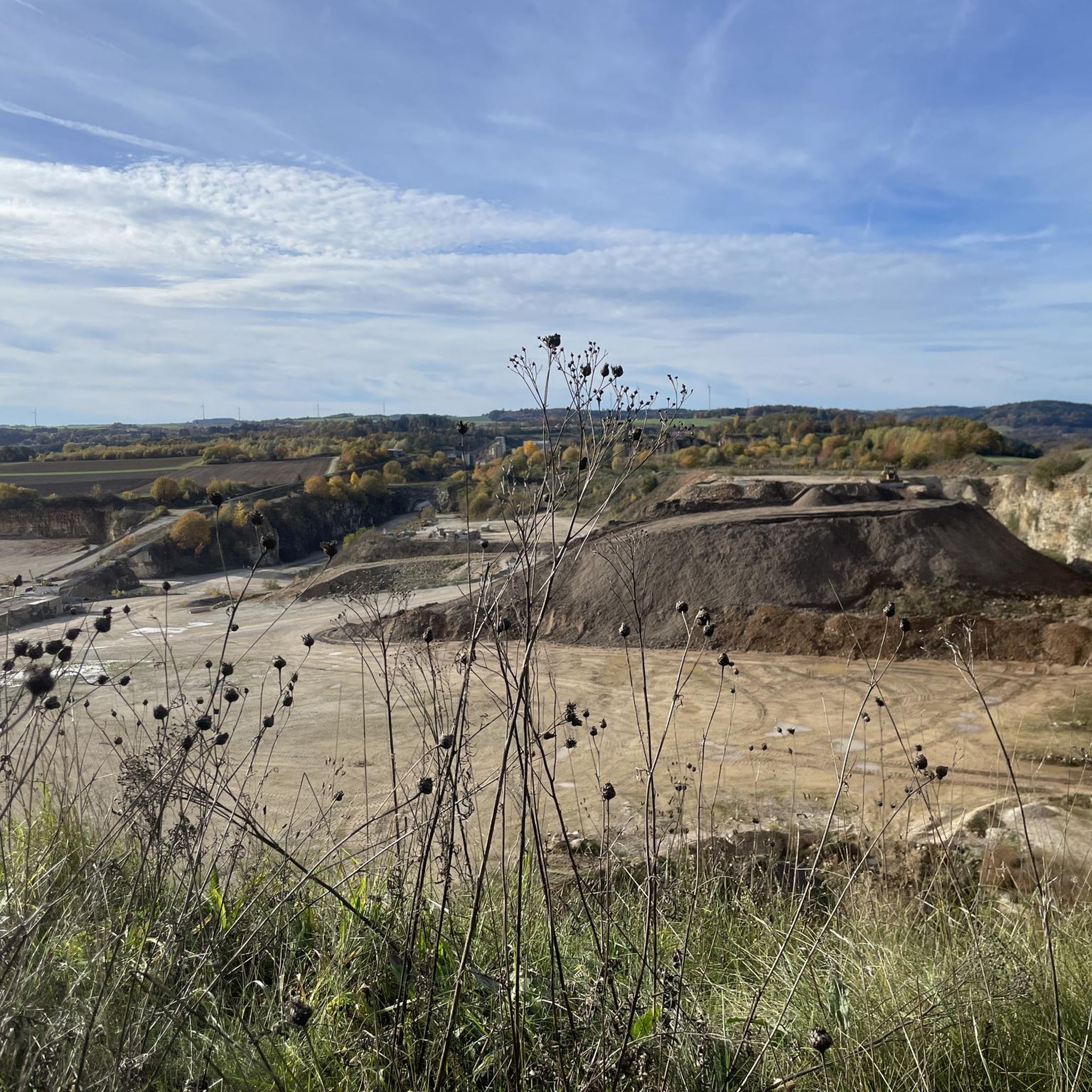
Other adventures around Velburg

Tips from the Community

very nice Biergarten Zur Radschuffa near Rieden
0
0

Beautiful forest path through the rock
0
0
Mega! The most beautiful passages of the Laber
0
0

Very beautiful and natural, something you rarely find these days.
0
0

We are located here directly in Bachhaupt and in the Bachhaupt Valley.
2
0
A very nice section of the trail just before the Kohlmühle. There are two or three confusing corners.
1
0

Lupburg Castle Ludewicus Luppurch is first mentioned as a witness in a document from the Wessobrunn monastery in 1142. In the 12th century, the Lupburgs exercised the bailiwick over the important Regensburg monastery of St. Emmeram, and large parts of their property were on monastery property. They also had escort rights on the King's Road in the Laber Valley and thus also held high jurisdiction. Despite their high position, the Lupburgs did not manage to form a permanent and closed area of rule, even though Konrad von Lupburg was even titled count in 1185. The last representative of the family, another Konrad von Lupburg, was elected bishop of Regensburg in 1296. The castle came to the Bishopric of Regensburg in 1300, and the Bavarian duke's claims were settled by Bishop Konrad with a compensation payment. In 1387, Lupburg was then purchased by the Wittelsbachs. In 1395, Duke John of Bavaria-Munich pawned it to the knight Hans from nearby Parsberg, in whose family it remained after that. The Wittelsbach dukes of Palatinate-Neuburg tried to take possession of the Lupburg from 1530 onwards. However, there was disagreement about how much they should pay to redeem the pledge. They even claimed that they were entitled to a payment instead, and the dispute dragged on for decades until the emperor in Vienna intervened and the redemption was set at 14,000 guilders - in favour of the Parsberg family. From 1572 until the mediatisation in 1806, the Duchy of Palatinate-Meiburg maintained a custodianship there. The castle itself was destroyed by the Swedes in 1632 and rebuilt in 1710 - but only the lower castle. After secularisation, the Lupburg became private property and fell into disrepair. In the 20th century, the public sector took over the complex; more recently, it has been extensively renovated and the lower castle partially rebuilt. The courtyard of the lower castle is surrounded in a horseshoe shape by castle buildings from the 16th and 17th centuries: to the south there is a well-preserved residential building and the rebuilt gatehouse, to the west the main building, which has recently been expanded and roofed, and to the north a large storage building. On the rock several meters above the courtyard, only the foundations of the keep on the access side, which was built from smooth, large limestone blocks, remain. Source: Extracts from www.burgenseite.de
2
0
Frequently Asked Questions
How many gravel bike trails are available around Velburg?
Velburg offers a robust network of over 110 gravel biking routes. These trails cater to various skill levels, ensuring there's a suitable option for almost every rider.
What are the general difficulty levels of gravel biking routes in Velburg?
The gravel biking routes in Velburg range from moderate to difficult. You'll find around 60 moderate routes and 46 difficult routes, with a few easier options available for those just starting out.
What do other gravel bikers say about the trails in Velburg?
The komoot community highly rates the gravel biking experience in Velburg, with an average score of 4.7 stars from over 90 reviews. Many riders praise the diverse landscapes, varied unpaved paths, and the integration of historical elements into the routes.
Are there any circular gravel bike routes in Velburg?
Yes, many of the gravel routes in Velburg are designed as circular loops, allowing you to start and end your ride in the same location. For example, the challenging route Heutal on the Wissinger Laber – View from Winnberg loop from Parsberg offers expansive views and returns to its starting point.
What kind of landscapes can I expect on gravel bike trails in Velburg?
Gravel biking in Velburg takes you through a diverse landscape of rolling hills, open countryside, and dense woodlands. You'll also encounter river valleys and historical waterways like the Ludwig-Danube Canal, providing a rich variety of terrain and scenery.
Are there scenic viewpoints along the gravel bike trails in Velburg?
Absolutely. The region's rolling hills and mountain peaks offer numerous opportunities for panoramic views. Routes like Heutal on the Wissinger Laber – View from Winnberg loop from Parsberg are known for their expansive vistas across the local landscape.
What historical sites or landmarks can I see while gravel biking in Velburg?
You can integrate several historical attractions into your rides. The prominent Wolfstein Castle Ruins are often visible from a distance, and the historic Ludwig-Danube Canal Path provides miles of cycling alongside a significant piece of history.
Are there any natural attractions to explore on a gravel bike ride?
Yes, the Velburg area is rich in natural formations. You can explore routes that pass by natural monuments, canyons, and even caves. The Hohlloch Cave (Velburg) is one such natural highlight you might encounter.
Are there family-friendly gravel biking options in Velburg?
While many routes are moderate to difficult, there are easier gravel biking options available that could be suitable for families. These typically feature less elevation gain and smoother unpaved paths. Always check the route details for specific difficulty and terrain before heading out with family.
Where can I find parking for gravel bike trails in Velburg?
Parking is generally available in and around Velburg, particularly near trailheads or in the towns where routes often begin, such as Parsberg. It's advisable to check specific route descriptions or local maps for designated parking areas before your ride.
Are there any routes that follow river valleys?
Yes, several routes in Velburg lead through picturesque river valleys. For instance, the Heutal on the Wissinger Laber – Schwarze Laaber River loop from Parsberg is a popular trail that takes you through river valleys and rural areas, offering a scenic and engaging ride.
Can I find routes with varied terrain, including both open country and woodlands?
Absolutely. Velburg's gravel trails are known for their varied terrain, often transitioning between open countryside and dense woodlands. This mix provides a dynamic riding experience and diverse scenery throughout your journey.
Are there any routes that offer a good challenge for experienced gravel bikers?
For experienced riders seeking a challenge, Velburg offers several difficult routes with significant elevation changes and technical sections. The Upper Palatinate countryside journey is a prime example, traversing varied countryside with notable climbs.
Most popular routes around Velburg
Most popular attractions around Velburg

Get inspired with the komoot mobile app


Explore more
Browse the best Gravel rides in other regions.
