Top 20 Lakes around Kabelsketal
Lakes around Kabelsketal overview reveals a region in Saxony-Anhalt, Germany, characterized by lakes primarily formed from recultivated opencast lignite mines. These transformed landscapes offer diverse recreational opportunities and natural features. The area provides access to both local lakes and those within the broader Leipzig New Lakeland region, making it a destination for outdoor activities.
Best lakes around Kabelsketal
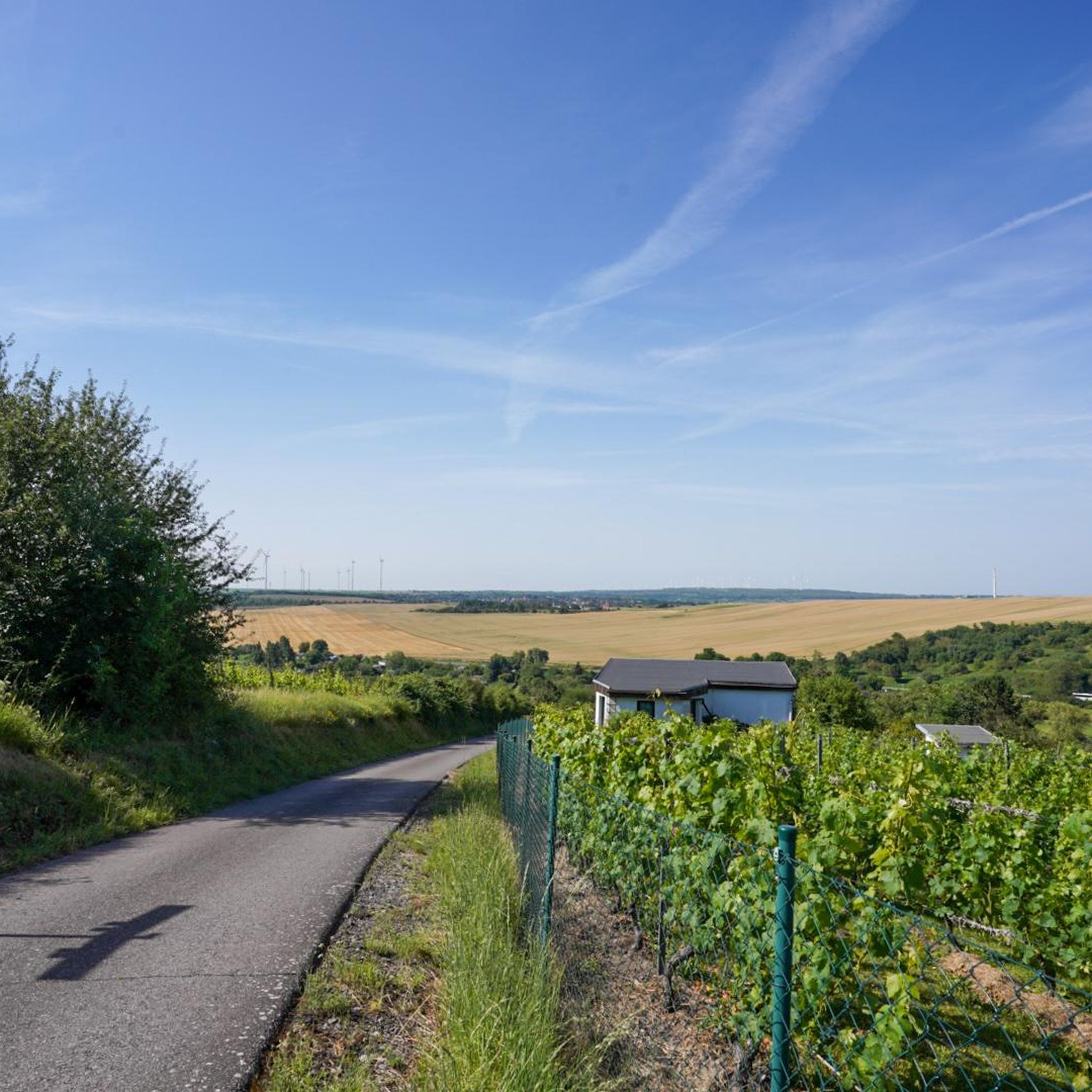
- The most popular lakes is Rassnitzer Lake, a lake that originated from a residual hole of an open pit mine. Swimming is permitted, and nature is spreading on its banks. It offers a natural beach and views from a lookout tower.
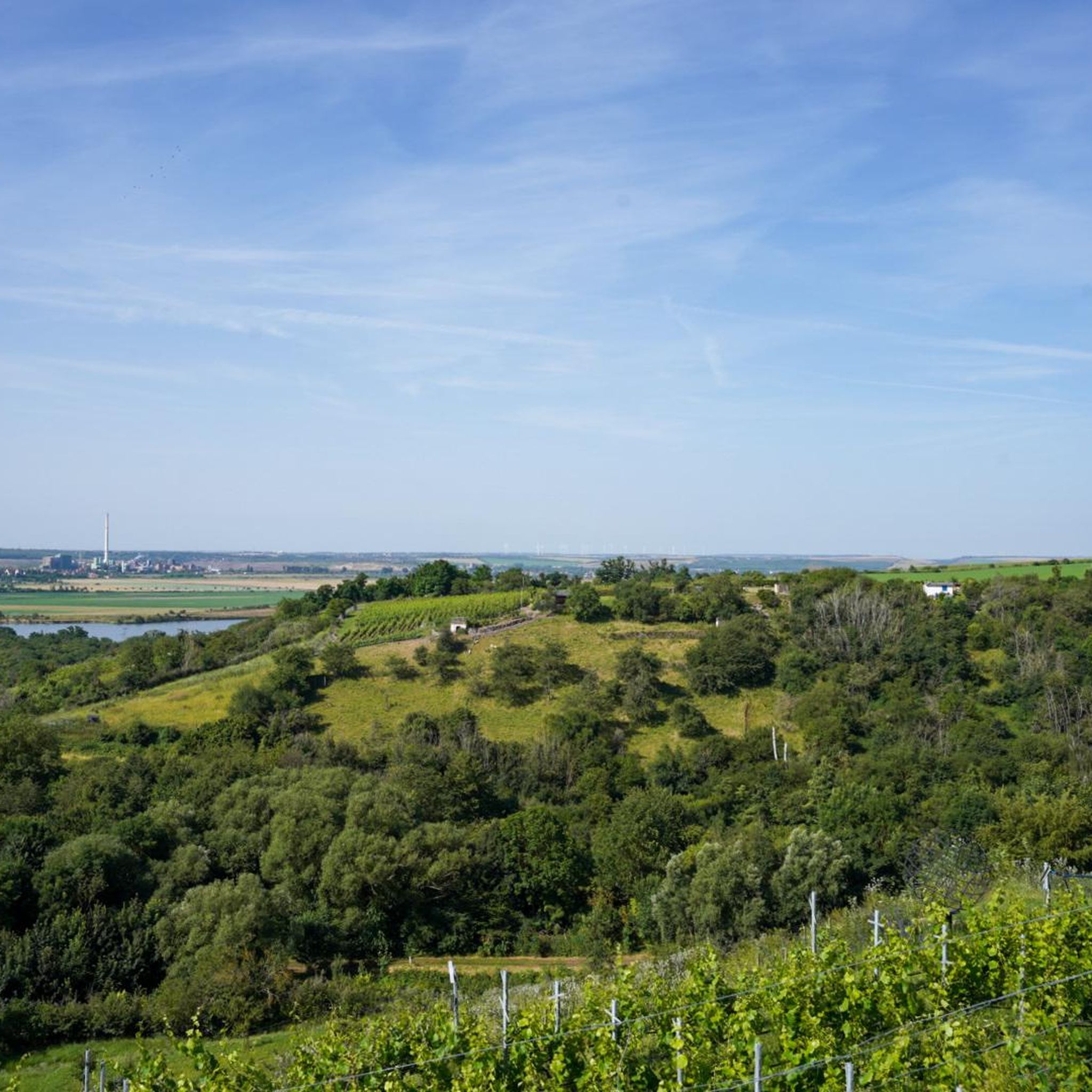
- Another must-see spot is Wooden pier at Wallendorfer Lake, a lake formed from a former opencast mine, flooded between 1998 and 2000. This lake, along with Raßnitzer See, provides a scenic natural area for visitors.
- Visitors also love Dam path between gravel pit and Lake Wallendorf, a trail offering views of both the Wallendorfer See and an adjacent gravel mine. This path is suitable for cyclists and allows for observation of various bird species.
- Kabelsketal is known for its recultivated opencast mine lakes and recreational lakes. These bodies of water offer a variety of activities, from swimming and water sports to hiking and cycling.
- The lakes around Kabelsketal are appreciated by the komoot community, with over 1300 upvotes and more than 300 photos shared by visitors.
Last updated: May 9, 2026
Biedermeier Beach Hayna at Lake Schladitz
Highlight • Beach
Translated by Google •
Tip by

Werbeliner See cycle path
Highlight • Cycleway
Translated by Google •
Tip by

Sign up now to discover places like this
Get recommendations on the best single tracks, peaks, & plenty of other exciting outdoor places.
Sign up for free
Rassnitzer Lake
Highlight • Lake
Translated by Google •
Tip by

Wooden pier at Wallendorfer Lake
Highlight • Lake
Source: saale-unstrut-tourismus.de/sehenswertes/wallendorfer-see
Translated by Google •
Tip by

Diana Pond and Diana Temple
Highlight • Lake
Translated by Google •
Tip by

Sign up for free to discover even more lakes around Kabelsketal.
Sign up for free
Already have an account?
Start today with a free account
Your next adventure awaits.
Login or Signup

Tips from the Community

More info at https://biedermeierstrand.de/
5
0

The lakeside stage is also located here, and concerts, etc., are regularly held. Therefore, there is, of course, also a nice parking lot.
3
0
Asphalted circular path unfortunately with many root damages
4
0

Don't forget a towel on the bike tour, because it's worth jumping into. Very clean water. Catering for breaks available at reasonable prices.
3
0

Everything is there that you need for a bathing day, ok snack is missing 🙄🤭
10
0

In every season, the Schloßpark offers something new to discover. While in March the spring snowflakes transformed the park into a white carpet of flowers, currently the blossoms of anemones and wild garlic follow with another white sea of flowers. Many sculptures adorn the beautiful Schloßpark. The river Elster meanders through the park. The water accompanies the visitor and reflects the special beauty of the temples that emerge on islands or small elevations in the lush green of the park. The different seasons transform the park, sometimes into a white sea of flowers, sometimes into a green gem. Baron Maximilian Speck v. Sternburg acquired the Lützschena estate with the park in 1822. He had the park, originally laid out as a pleasure garden, redesigned as an English landscape park immediately after its acquisition. The park forms a special unity with the landscape through its winding paths. Baron Maximilian Speck v. Sternburg introduced many elements into the landscape park, such as temples or memorials, thus giving it its character. The park is included in the list of Saxon cultural monuments. Source: http://www.schloss-luetzschena.de/schlosspark/
1
0

The remaining holes 1a and 1b of the Merseburg Ost opencast mine were acquired in 2003 by the then special-purpose association Saale-Elster-Luppe-Aue, with the support of the municipality of Schkopau. The two remaining holes were flooded from 1998 to 2000 by pipelines from the White Elster. The resulting lakes were given the names Wallendorfer See and Raßnitzer See in 2002. Source: https://www.saale-unstrut-tourismus.de/sehenswertes/wallendorfer-see/
8
0
The remaining holes 1a and 1b of the Merseburg Ost opencast mine were acquired in 2003 by the then special-purpose association Saale-Elster-Luppe-Aue, with the support of the municipality of Schkopau. The two remaining holes were flooded from 1998 to 2000 by pipelines from the White Elster. The resulting lakes were given the names Wallendorfer See and Raßnitzer See in 2002. Source: https://www.saale-unstrut-tourismus.de/sehenswertes/wallendorfer-see/
10
0
Frequently Asked Questions
What kind of lakes can I expect around Kabelsketal?
The lakes around Kabelsketal are primarily former opencast lignite mines that have been recultivated and flooded. This transformation has created diverse landscapes offering recreational opportunities and natural beauty. You'll find a mix of local lakes and those within the broader Leipzig New Lakeland region, all easily accessible.
What are some of the most popular lakes for visitors near Kabelsketal?
Visitors frequently enjoy Rassnitzer Lake, which originated from a former open-pit mine and now permits swimming with a natural beach and a lookout tower. Another popular spot is the Wooden pier at Wallendorfer Lake, also formed from a flooded opencast mine, offering a scenic natural area. The Dam path between gravel pit and Lake Wallendorf is also highly rated for its views and birdwatching opportunities.
Are there good hiking trails around the lakes near Kabelsketal?
Yes, there are several hiking opportunities. For instance, a path around Osendorfer See is part of a dog-friendly hiking route through the Dieskau castle park. You can also find easy hikes around Kabelsketal, including routes like the 'Chinese Bridge – Hoffmann Pond, Dieskau loop' or the 'Castle Park – Chinese Bridge loop'. For more options, explore the Easy hikes around Kabelsketal guide.
Can I go cycling around the lakes in Kabelsketal?
Absolutely. Many lakes, like Markkleeberger See, feature asphalt paths suitable for cyclists. The Dam path between gravel pit and Lake Wallendorf is also suitable for cyclists. For extensive cycling tours, you can explore routes like the 'Neue Luppe – Elsterflutbett Trail loop' or the 'Raßnitzer See Beach – Kulkwitzer Lake loop'. More cycling routes are available in the Cycling around Kabelsketal guide.
Are there opportunities for water sports or swimming at the lakes?
Yes, many lakes offer water activities. Swimming is permitted at Rassnitzer Lake, which has a natural beach. Kulkwitzer See is known for its excellent water quality and is popular for diving, surfing, water skiing, boat tours, and stand-up paddling. Cospudener See boasts Saxony's longest sandy beach for swimming and beach volleyball, and Markkleeberger See offers sailing, diving, and surfing.
Which lakes are suitable for families with children?
Several lakes are family-friendly. Rassnitzer Lake has a natural beach. Kulkwitzer See features Miltitz beach, which is popular with families. Markkleeberger See has the family-friendly Seepark Auenhain and a model building park nearby. The Biedermeier Beach Hayna at Lake Schladitz is also a good option for families.
Are there dog-friendly trails or areas around the lakes?
Yes, the path around Osendorfer See is part of a dog-friendly hiking route through the Dieskau castle park, making it a pleasant environment for walks with your dog.
What natural features or wildlife can I observe at the lakes?
The recultivated opencast mine lakes offer unique natural features. Werbeliner See is reserved for birdlife, with many islands making it an excellent spot for birdwatching. The Dam path between gravel pit and Lake Wallendorf also provides opportunities to observe various bird species. Kulkwitzer See is known for its rich flora and fauna, and Cospudener See is surrounded by the city's floodplain forest.
What is the history behind the lakes in the Kabelsketal region?
Many of the lakes in the Kabelsketal region, including Raßnitzer See and Wallendorfer See, originated from former opencast lignite mines. These mining sites were recultivated and flooded, transforming industrial landscapes into the scenic natural areas you see today. The nearby Mining Technology Park at Störmthaler See provides further insight into this history.
Are there cafes or places to eat near the lakes?
Yes, some lakes offer dining options. Near Rassnitzer Lake and Wallendorfer See, you can find the Weinkeller or cyclist meeting in Wallendorf for food and drinks. The Biedermeier Beach Hayna at Lake Schladitz also has a snack bar.
What unique landmarks or viewpoints can I find at the lakes?
At Rassnitzer Lake, there's a lookout tower offering views of the lake. Cospudener See features the Bistumshöhe tower, providing a wonderful view over the lake and surrounding areas. Störmthaler See is known for its unique floating art object, VINETA, which also serves as an event venue.
What is the best time to visit the lakes around Kabelsketal?
The lakes offer diverse activities throughout the year. For swimming and water sports, the warmer months are ideal. For hiking, cycling, and enjoying nature, spring and autumn provide pleasant temperatures and beautiful scenery. Winter walks can also be charming, especially around the more developed lakes.
Most popular routes around Kabelsketal
Most popular attractions around Kabelsketal

Get inspired with the komoot mobile app


Explore more
Still not found your perfect lake around Kabelsketal? Check out the guides of these regions to see even more beautiful places.
