Top 20 Castles around Schönburg
Best castles around Schönburg include historic fortifications situated in diverse landscapes. The region features Late Romanesque ruins, such as the Schönburg Castle in Saxony-Anhalt, perched on a 40-meter-high cliff overlooking the Saale River. Another notable site is the Schönburg Castle above Oberwesel in Rhineland-Palatinate, a hilltop castle within the UNESCO World Heritage Site of the Upper Middle Rhine Valley, offering panoramic views of the Rhine. These sites represent significant historical periods and architectural styles.
Best castles around Schönburg
- The most…
Last updated: August 30, 2026
Ducal Vineyard below Neuenburg Castle
Highlight • Structure
High above the wine-growing town of Freyburg lies Neuenburg, the sister castle of Wartburg, founded around 1090 by the Thuringian Count Ludwig the Springer. The first mighty …
Translated by Google •
Tip by

Rudelsburg
Highlight • Castle
Translated by Google •
Tip by

Sign up now to discover places like this
Get recommendations on the best single tracks, peaks, & plenty of other exciting outdoor places.
Sign up for free
Saaleradweg Vineyards and Castle Ruins
Highlight • Cycleway
Translated by Google •
Tip by

View of Schönburg Castle
Highlight • Castle
Translated by Google •
Tip by

View of Goseck Castle
Highlight • Viewpoint
Translated by Google •
Tip by
Sign up for free to discover even more castles around Schönburg.
Sign up for free
Already have an account?
Start today with a free account
Your next adventure awaits.
Login or Signup


Other adventures around Schönburg

Tips from the Community

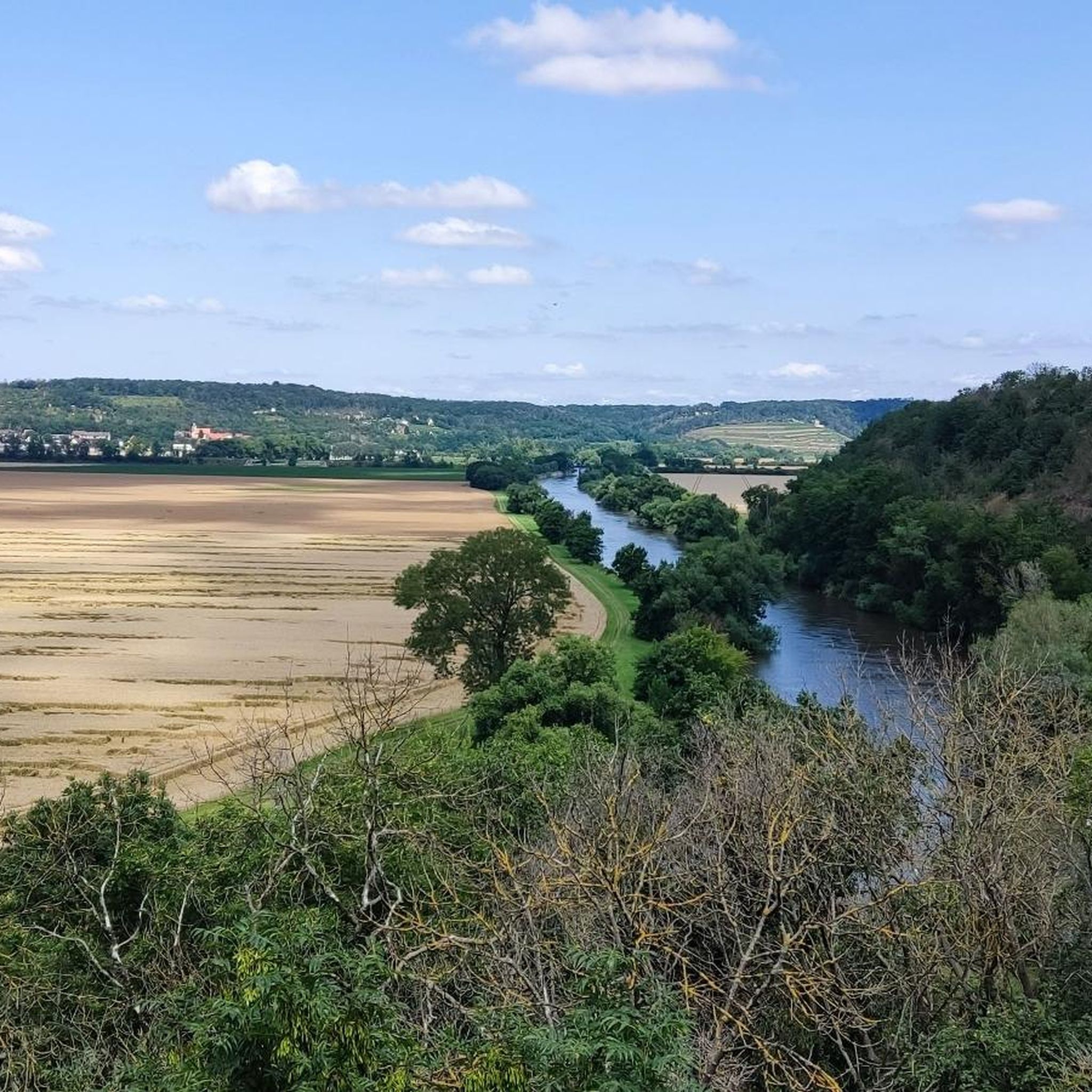
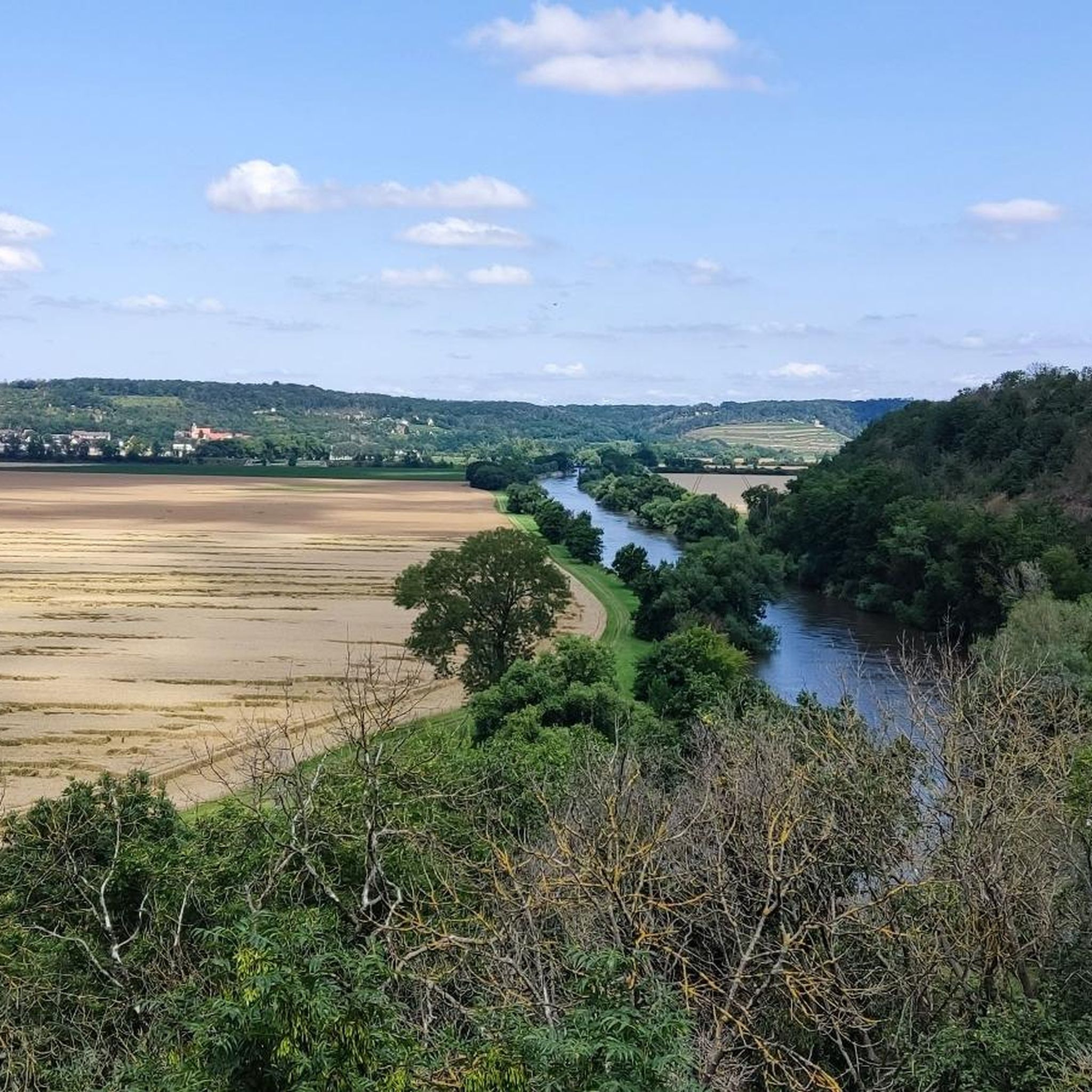
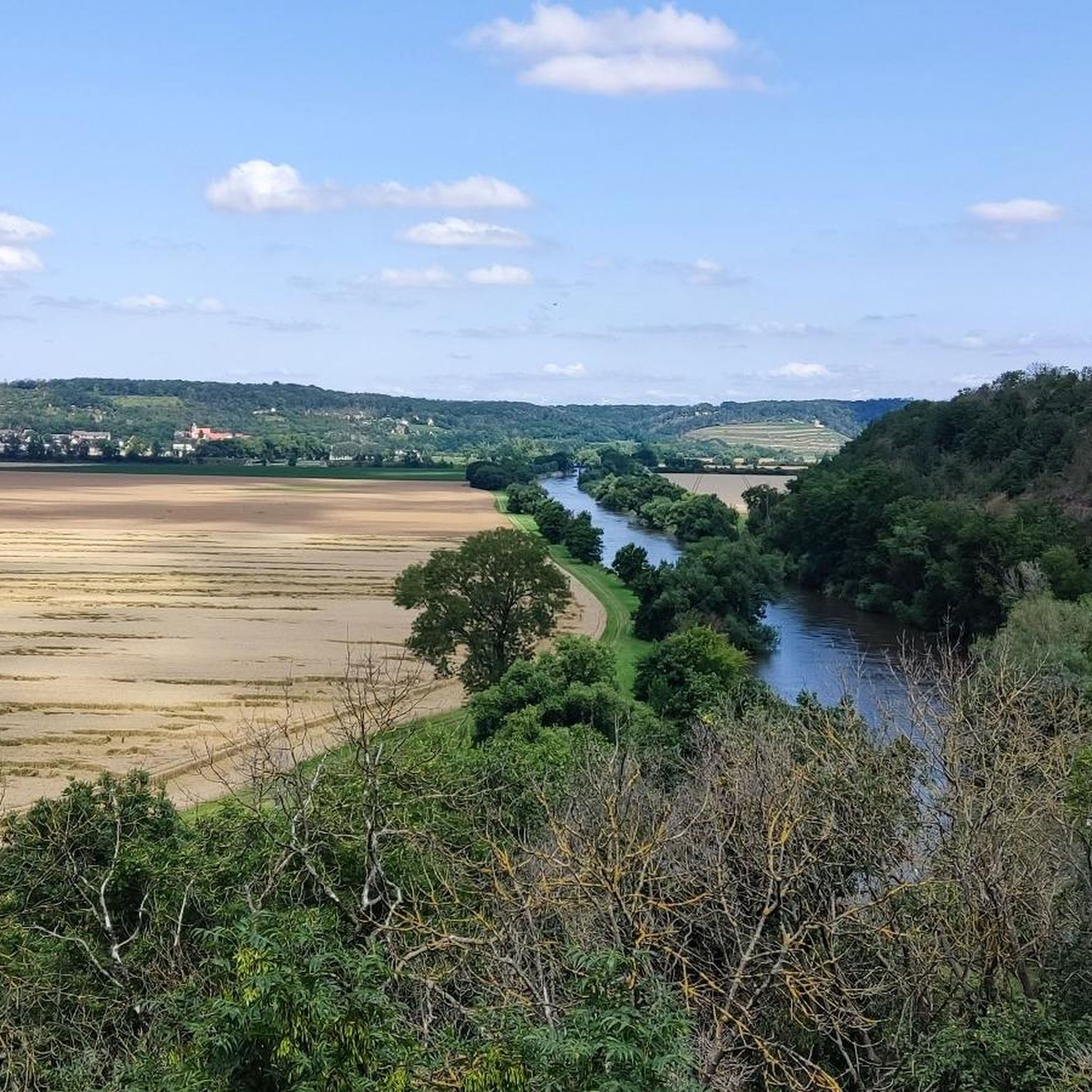
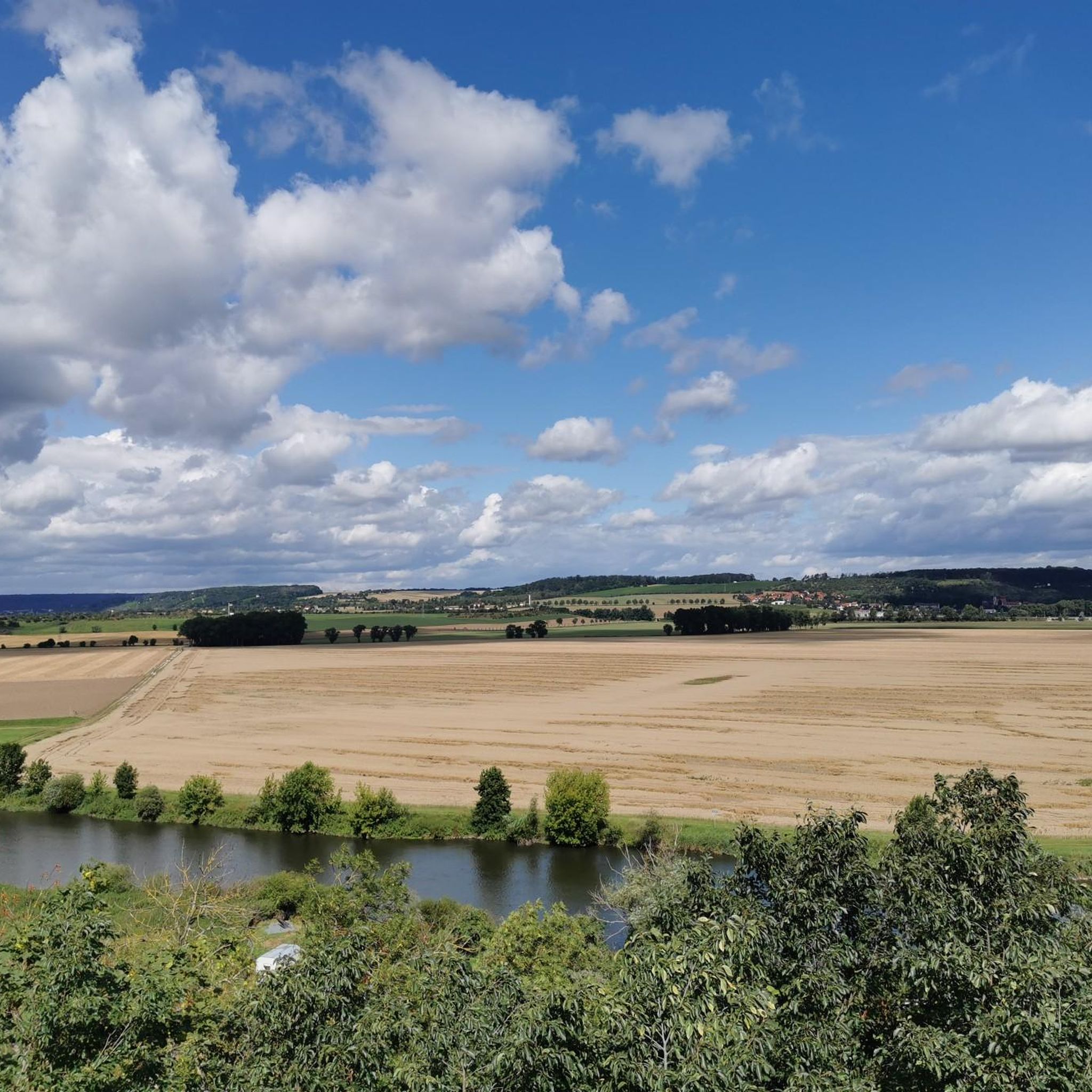
A beautiful landscape on the Saale.
0
0

Please keep the area clean👍🏻
0
0

I liked the cycle path here and it was properly marked.
4
0

Museum & Exhibitions High above the wine-growing town of Freyburg lies Neuenburg, the sister castle of Wartburg, founded around 1090 by the Thuringian Count Ludwig the Springer. The first mighty complex was built by 1150. The rise of the Landgraves of Thuringia was accompanied by further magnificent expansion. By 1230, Neuenburg was already around three times as large as Wartburg! The Romanesque double chapel built around 1170/75 is still an architectural gem today. On behalf of Hermann I, Heinrich von Veldeke completed the Eneasroman around 1185, the first Middle High German knightly-courtly verse epic ever. Neuenburg experienced the end of its high medieval heyday under Landgrave Ludwig IV and his wife, Saint Elisabeth.
13
0

Goseck Castle is a real landmark. You can also see it from the train.
5
0
The castle and the castle tavern also regularly offer cultural events. You should definitely visit the Castle Church... Well worth seeing.
6
0
You can cycle wonderfully to the left and right of the river, so "laps" are also possible
7
0

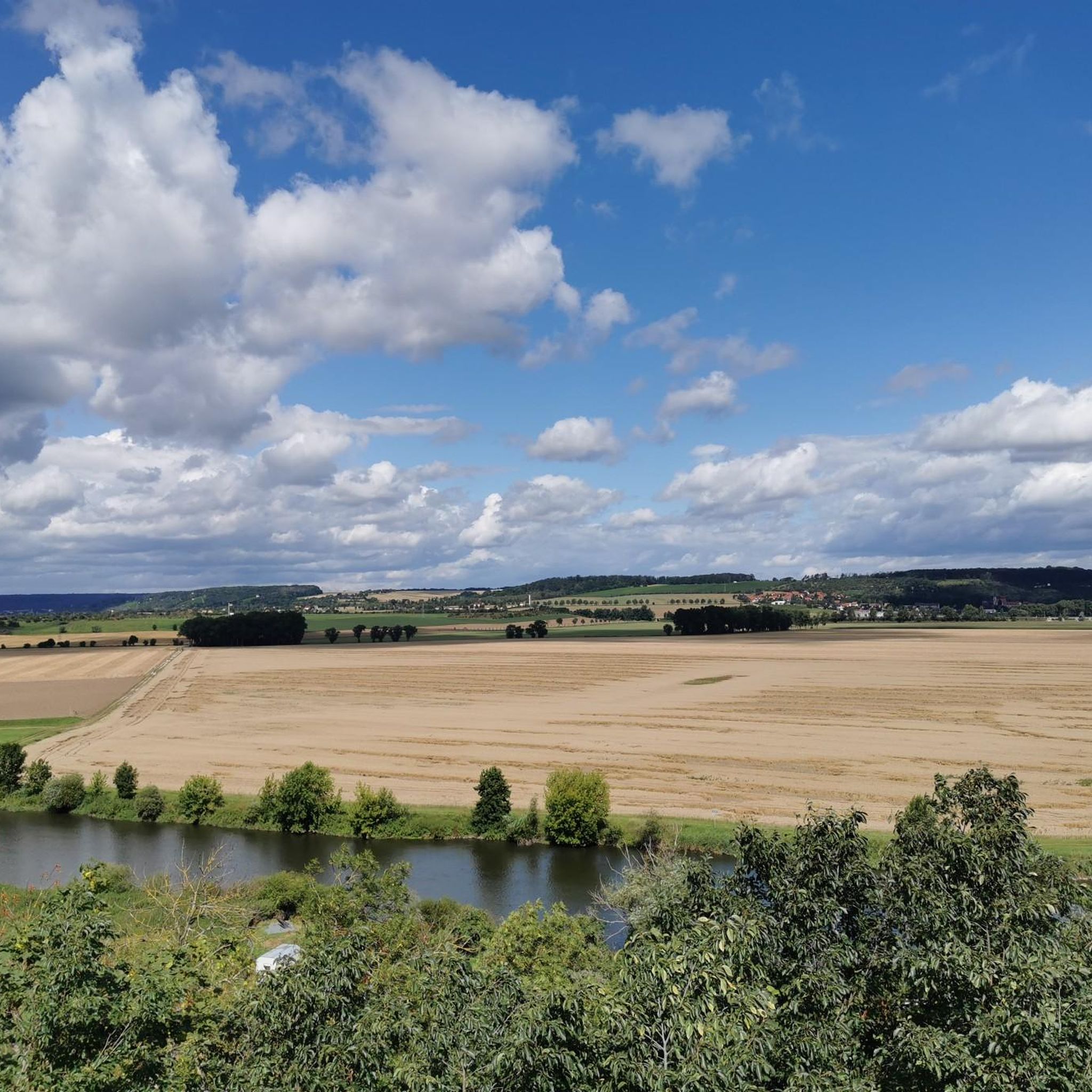
Beautiful scenery, good bike path
1
1
Frequently Asked Questions
Where is Schönburg Castle located?
There are two prominent castles named Schönburg. One is a significant Late Romanesque ruin in Schönburg, Saxony-Anhalt, perched above the Saale River. The other is a historic hilltop castle above Oberwesel in Rhineland-Palatinate, offering views of the Rhine River.
What historical significance do the castles in the Schönburg region hold?
The castles in the region represent various historical periods. For instance, the Schönburg Castle in Saxony-Anhalt is a 12th-century Late Romanesque ruin, part of a proposed World Heritage Site. Neuenburg Castle (Freyburg) is a well-preserved ring castle from the early 12th century, once the largest castle of the Landgraves of Thuringia. The Schönburg Castle in Oberwesel is notable for its shared inheritance history (Ganerbenburg) and extensive restoration after being burned down in 1689.
Are there family-friendly castles to visit around Schönburg?
Yes, many castles in the region are family-friendly. Neuenburg Castle (Freyburg) and Rudelsburg are popular choices. The Schönburg Castle in Oberwesel also operates as a youth castle, making it suitable for families.
What kind of views can I expect from the castles?
The castles offer stunning panoramic views. The Schönburg Castle in Saxony-Anhalt overlooks the Saale River from a 40-meter-high cliff. The Schönburg Castle above Oberwesel provides picturesque views of the Rhine River and the medieval town. From Rudelsburg, visitors can enjoy wonderful views over the Saale valley.
What outdoor activities can I do near these castles?
The region offers various outdoor activities. You can find numerous hiking routes, such as the RheinBurgenWeg leading to Schönburg Castle in Oberwesel. For cycling enthusiasts, the Saaleradweg Vineyards and Castle Ruins is a well-marked path passing by castle ruins. You can explore more options for hiking, MTB trails, and cycling around Schönburg.
Are there hiking trails near Schönburg Castle?
Yes, there are several hiking trails. For example, the RheinBurgenWeg leads directly to Schönburg Castle from Oberwesel. In the Saxony-Anhalt area, you can find trails like the 'Wooden Bridge over the Wethau – Schönburg Castle loop from Schönburg' or 'Schönburg Castle – Naumburg Market Square loop from Schönburg'. More hiking routes are available in the hiking guide for Schönburg.
Can I find places to eat or stay overnight at the castles?
Yes, some castles offer dining and accommodation. Rudelsburg has an inn where visitors can stop for food and drinks. The Schönburg Castle in Oberwesel operates as a successful hotel and restaurant, allowing visitors to stay overnight in a medieval setting. The View of Schönburg Castle highlight mentions a Gasthof Alter Felsenkeller nearby for a break.
What is unique about the architecture of these castles?
The castles showcase diverse architectural styles. The Schönburg Castle in Saxony-Anhalt is a prime example of classical Late Romanesque construction with preserved walls, gates, and parts of the *Palas*. The Schönburg Castle in Oberwesel features a notable high shield wall, over 20 meters tall, and extensive *zwingers*. Neuenburg Castle (Freyburg) is a very well-preserved two-part ring castle.
What do visitors enjoy most about the castles around Schönburg?
Visitors frequently praise the historical atmosphere, the stunning views, and the opportunities for outdoor activities. Many appreciate the well-preserved structures and the scenic locations overlooking rivers like the Saale and Rhine. The community has shared over 500 photos and given more than 2500 upvotes to highlights in the area, indicating a high level of enjoyment.
Is there a castle that is part of a UNESCO World Heritage site?
Yes, the Schönburg Castle above Oberwesel is located within the UNESCO World Heritage Site of the Upper Middle Rhine Valley in Rhineland-Palatinate. The Schönburg Castle in Saxony-Anhalt is also part of a cultural landscape proposed as a World Heritage Site.
Are there any cycling routes that pass by castle ruins?
Absolutely. The Saaleradweg Vineyards and Castle Ruins is a popular cycle path that allows you to cycle along the river and past various castle ruins. It's well-marked and offers a pleasant experience for cyclists.
What is the best season to visit the castles?
While castles can be visited year-round, spring and autumn often offer pleasant weather for exploring and hiking, with vibrant foliage or blooming landscapes. Summer is also popular, though it can be busier. Winter visits can provide a unique, serene experience, especially if you enjoy quiet walks.
Most popular routes around Schönburg
Most popular attractions around Schönburg

Get inspired with the komoot mobile app


Explore more
Looking for the best castles somewhere else? Discover other guides around Schönburg:
