Attractions and Places To See around Schönburg - Top 20
Best attractions and places to see around Schönburg are found in a region characterized by its historical castles, scenic river valleys, and viticulture. Situated by the Saale River, the area offers a blend of cultural landmarks and natural beauty. Visitors can explore medieval architecture, extensive vineyards, and significant religious sites. This landscape provides diverse opportunities for outdoor activities and cultural discovery.
Best attractions and places to see around Schönburg
- The most popular attractions is Naumburg Cathedral of St. Peter and…
Last updated: July 6, 2026
Ducal Vineyard below Neuenburg Castle
Highlight • Structure
High above the wine-growing town of Freyburg lies Neuenburg, the sister castle of Wartburg, founded around 1090 by the Thuringian Count Ludwig the Springer. The first mighty …
Translated by Google •
Tip by

Vines on the Saalberge
Highlight • Natural
Showing Translation
Tip by

Sign up now to discover places like this
Get recommendations on the best single tracks, peaks, & plenty of other exciting outdoor places.
Sign up for free
Confluence of the Saale and Unstrut Rivers
Highlight • River
Translated by Google •
Tip by

Rudelsburg
Highlight • Castle
Translated by Google •
Tip by

Saaleradweg Vineyards and Castle Ruins
Highlight • Cycleway
Translated by Google •
Tip by

Sign up for free to discover even more attractions around Schönburg.
Sign up for free
Already have an account?
Start today with a free account
Your next adventure awaits.
Login or Signup


Other adventures around Schönburg

Tips from the Community

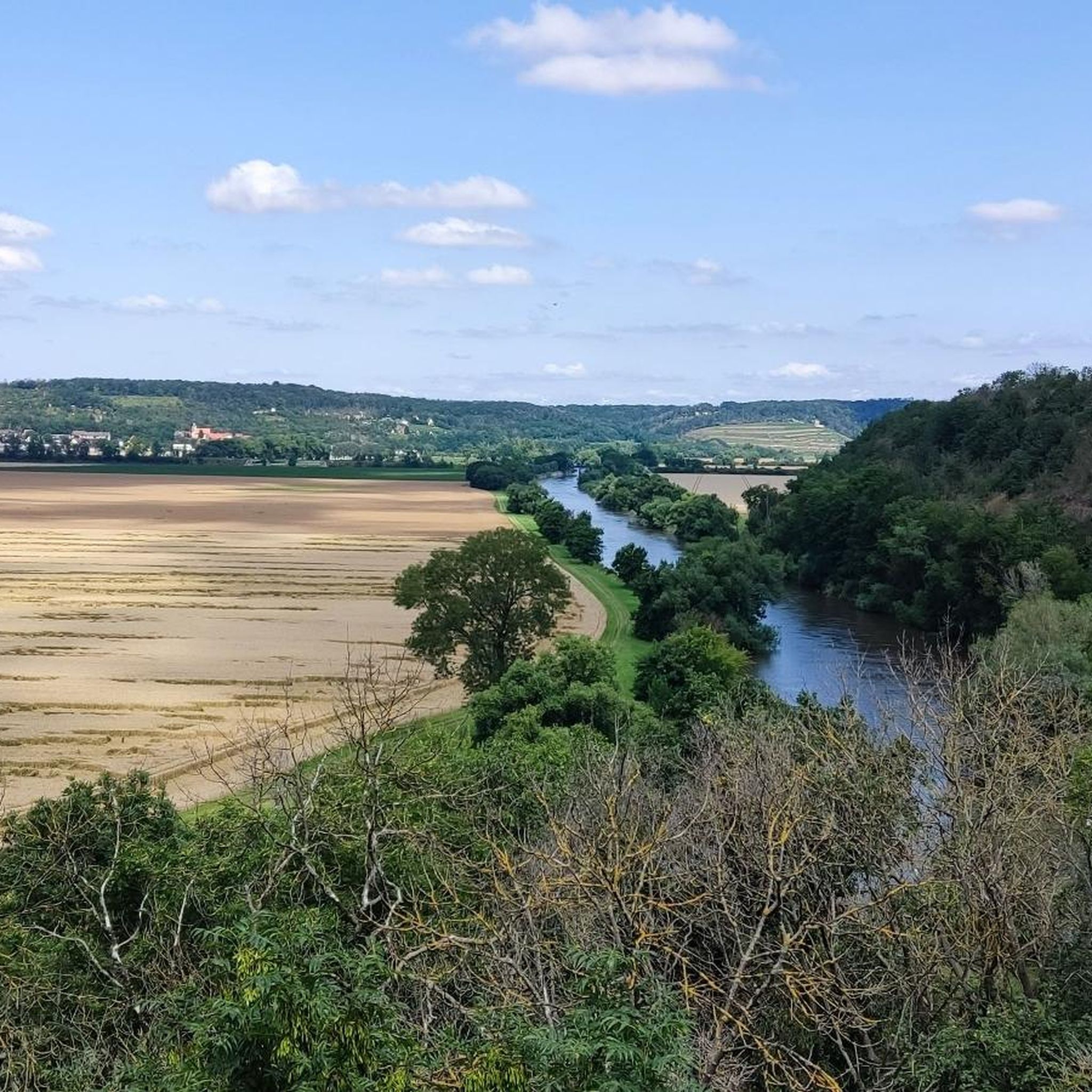
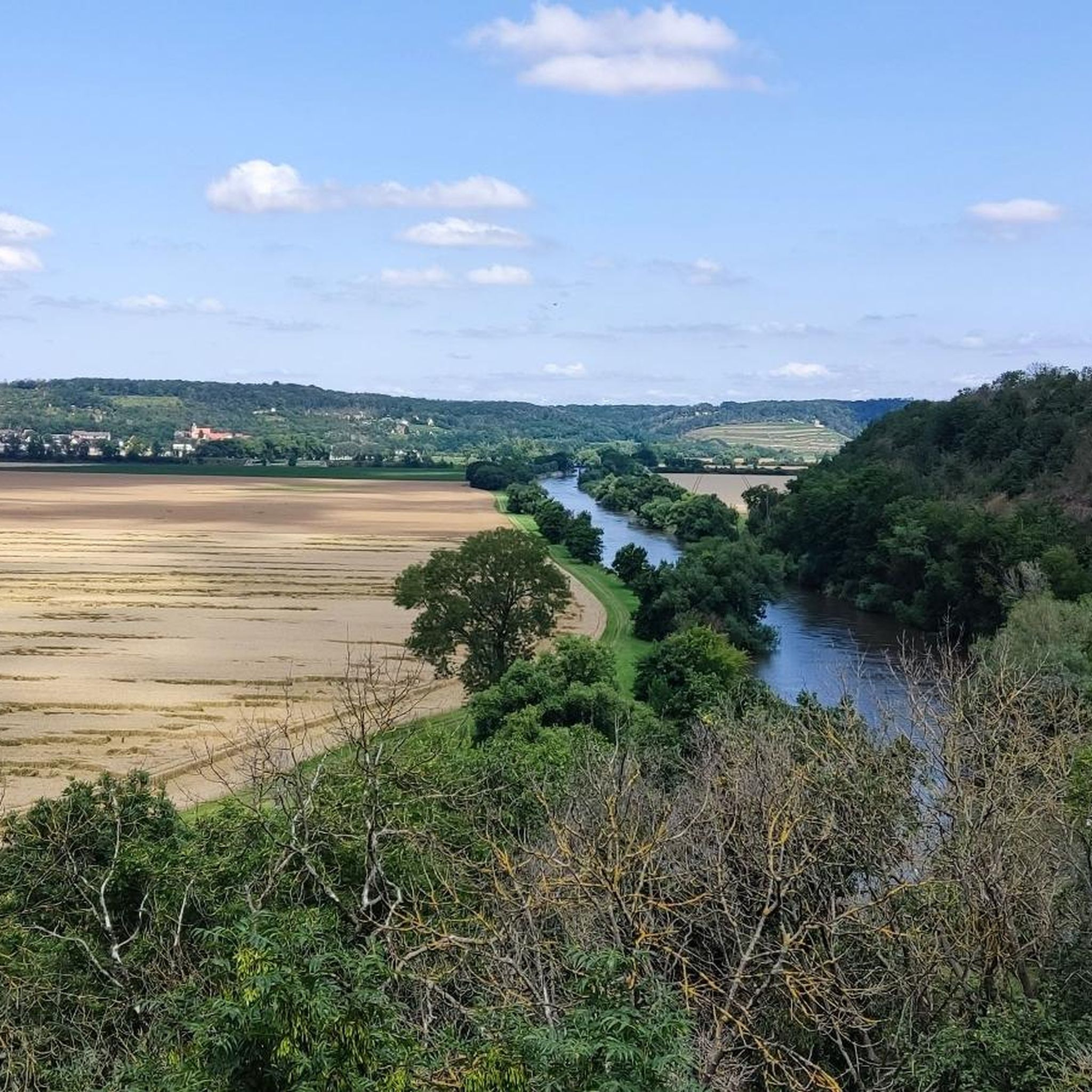
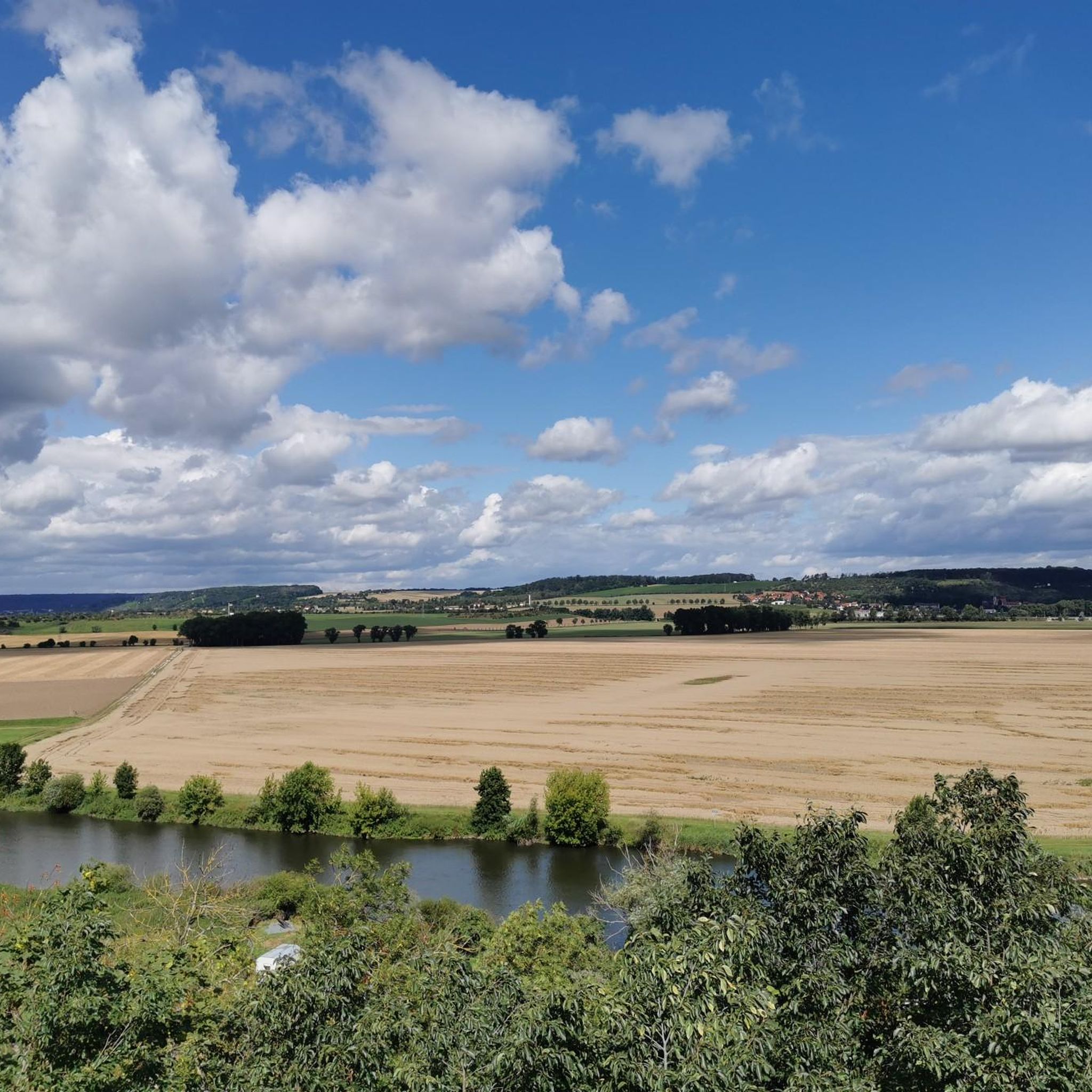
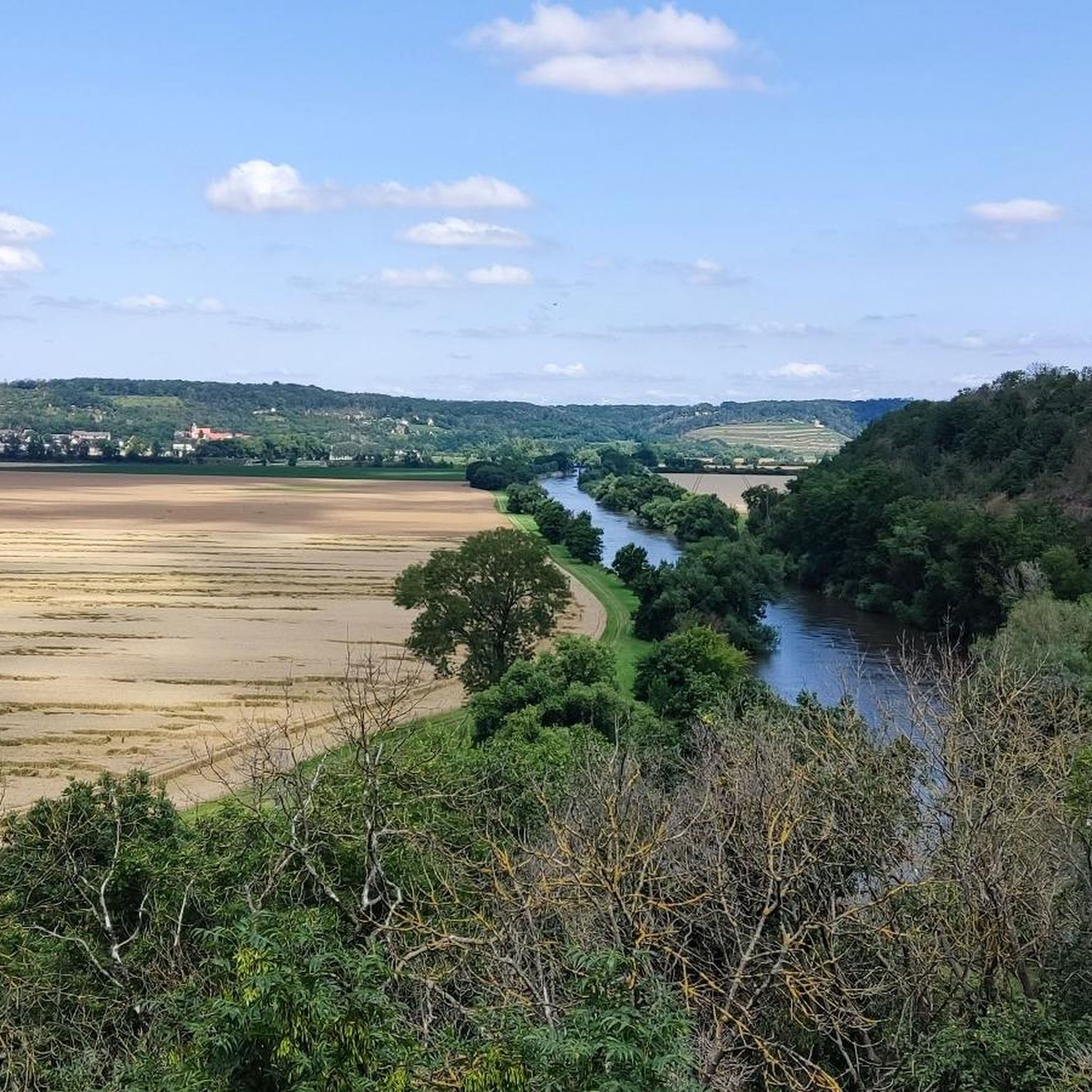
A beautiful landscape on the Saale.
0
0

Please keep the area clean👍🏻
0
0

I liked the cycle path here and it was properly marked.
4
0

Museum & Exhibitions High above the wine-growing town of Freyburg lies Neuenburg, the sister castle of Wartburg, founded around 1090 by the Thuringian Count Ludwig the Springer. The first mighty complex was built by 1150. The rise of the Landgraves of Thuringia was accompanied by further magnificent expansion. By 1230, Neuenburg was already around three times as large as Wartburg! The Romanesque double chapel built around 1170/75 is still an architectural gem today. On behalf of Hermann I, Heinrich von Veldeke completed the Eneasroman around 1185, the first Middle High German knightly-courtly verse epic ever. Neuenburg experienced the end of its high medieval heyday under Landgrave Ludwig IV and his wife, Saint Elisabeth.
13
0

UNSTRUT Source near Kefferhausen in Eichsfeld (400m); Length 192 km; Estuary Großjena near Naumburg into the Saale The Unstrut rises west of Kefferhausen near Dingelstädt in northern Thuringia in southern Eichsfeld. In the Sachsenburg or Thuringian Gate it breaks through the Hainleite. In its lower reaches it flows in numerous loops through the Burgenland district in southern Saxony-Anhalt; below Memleben it is initially flanked by the Ziegelroda Plateau, near Laucha by the Dorndorf Plateau, near Freyburg by the limestone-rich Silent Mountains and flows into the Großjenaer Blumengrund near Naumburg Saale. SAALE Source near Zell in the Fichtelgebirge (728m); Length 413 km; Estuary near Barby into the Elbe The Saale rises in the Fichtelgebirge in Upper Franconia between Zell and Weißenstadt. The upper reaches of the Saale between Zell and Hof are quite leisurely. The river then runs straight through the Thuringian Slate Mountains. The Saale is dammed several times here. The area of the middle Saale begins with the river exiting the Thuringian Slate Mountains and entering the Triassic plate and hill country. After leaving the Saale-Unstrut-Triasland Nature Park near Naumburg, the lower reaches of the river begin. This runs in a flat landscape to the mouth of the Elbe near Barby. Source: http://www.reportagereisen.de/unstrut_01.html
11
0

You can cycle wonderfully to the left and right of the river, so "laps" are also possible
7
0

Beautiful scenery, good bike path
1
1
On the other side of the Wasserschlösschen also very interesting and a place with plenty of fish
12
1
Frequently Asked Questions
What historical sites can I explore around Schönburg?
The region around Schönburg is rich in history. You can visit the impressive Naumburg Cathedral of St. Peter and St. Paul, a significant religious building with intricate architectural details. Another notable site is Rudelsburg, a castle offering panoramic views over the Saale River, which also features an inn. Don't miss the Ducal Vineyard below Neuenburg Castle, which combines viticulture with medieval architecture and offers views of the Weinburg and Neuenburg Castle itself.
Are there family-friendly activities or attractions in the Schönburg area?
Yes, several attractions are suitable for families. The Naumburg Cathedral of St. Peter and St. Paul offers many fascinating details to discover inside. The Confluence of the Saale and Unstrut Rivers is a beautiful natural spot for a family outing. Additionally, the Rudelsburg castle is a great place for all ages, with its historical setting and an inn.
What natural features or viewpoints are prominent around Schönburg?
The region boasts beautiful natural landscapes and viewpoints. The Confluence of the Saale and Unstrut Rivers, also known as Blütengrund, is a picturesque spot where these two rivers meet. You can also enjoy the scenic Vines on the Saalberge, which offer stunning views and are part of a small wine route. The Rudelsburg provides excellent panoramic views over the Saale River valley.
What outdoor activities can I do near Schönburg's attractions?
The area around Schönburg is perfect for various outdoor activities. You can explore numerous cycling routes, such as the 'Saale-Unstrut vineyards loop' or the 'Schönburg Castle – Naumburg (Saale) Market Square loop'. For running enthusiasts, there are trails like the 'Ferry crossing at Blutengrund – Saale Weir loop'. Mountain biking is also popular, with routes like the 'Naumburg Market Square – View of the Freyburg Vineyards loop'. Find more details on these activities and routes on our dedicated guides for cycling, running, and MTB trails around Schönburg.
Are there specific hiking trails near the attractions?
While specific hiking trails directly from the attractions are not detailed, the region's landscape is ideal for walking and exploring. Many of the cycling and running routes mentioned in our guides can also be enjoyed on foot, offering scenic paths along the Saale River and through vineyards. Consider exploring the areas around the Vines on the Saalberge for picturesque walks.
What do visitors enjoy most about the attractions around Schönburg?
Visitors frequently praise the blend of historical significance and natural beauty. They particularly appreciate the breathtaking architecture of the Naumburg Cathedral and the stunning views from castles like Rudelsburg. The scenic vineyards and the tranquil Confluence of the Saale and Unstrut Rivers are also highly rated for their picturesque settings and opportunities for relaxation.
Can I experience local wine culture near Schönburg?
Absolutely! The region is renowned for its viticulture. You can visit the Ducal Vineyard below Neuenburg Castle to learn about the area's wine-making history. The Vines on the Saalberge offer a small wine route where you can stop at various points to enjoy delicious Saale-Unstrut wine. The annual wine festival in the region is also a cultural highlight for wine lovers.
Is there a museum or cultural center in the Schönburg area?
While the guide data doesn't specify a dedicated museum in Schönburg itself, the Naumburg Cathedral of St. Peter and St. Paul in nearby Naumburg functions as a living museum, offering a deep dive into religious art and history. The region also hosts cultural events like the Bach Festival, attracting music enthusiasts.
What is the best time to visit Schönburg for sightseeing and outdoor activities?
The region around Schönburg is beautiful year-round, but the spring and autumn months are particularly pleasant for sightseeing and outdoor activities. Spring brings blooming vineyards and mild temperatures, while autumn offers vibrant foliage and harvest festivals. Summer is also popular for river activities and exploring the castles, though it can be warmer. Winter provides a different charm, especially for those interested in quieter visits to historical sites.
Are there any unique or hidden gems to discover near Schönburg?
Beyond the main attractions, the charm of the region lies in its smaller, picturesque spots. The area around the Confluence of the Saale and Unstrut Rivers is considered a beautiful piece of earth, offering a tranquil natural pool setting. Exploring the small wine routes through the Vines on the Saalberge can also lead to delightful discoveries and local wine experiences.
Can I find places to eat or drink near the attractions?
Yes, you can. For instance, the Rudelsburg castle features an inn where you can stop for food and drinks while enjoying the views. The local wine region also means there are numerous opportunities to enjoy regional specialties and local wines, especially along the wine routes.
Most popular routes around Schönburg
Most popular attractions around Schönburg

Get inspired with the komoot mobile app


Explore more
Still not found the Highlight you’re looking for? See guides of the top attractions in other regions:
