Top 20 Natural Monuments around Südharz
Best natural monuments around Südharz are primarily shaped by a distinctive gypsum karst landscape, offering a diverse range of geological wonders. This region features caves formed from rock crevices, streams that vanish underground, and funnel-shaped depressions known as dolines. It is recognized as a biodiversity hotspot, supporting varied flora and fauna within its unique geological features. Visitors can explore a landscape rich in ponors, karst springs, subsidence lakes, and steep gypsum cliffs.
Best natural monuments around Südharz
- The most popular…
Last updated: July 10, 2026
Bode Riverbank
Highlight • River
You should take advantage of this opportunity.
It is a welcome way to cool off in the summer.
Translated by Google •
Tip by

Great Devil's Mill (Harzer Wandernadel 189)
Highlight • Natural Monument
Translated by Google •
Tip by

Sign up now to discover places like this
Get recommendations on the best single tracks, peaks, & plenty of other exciting outdoor places.
Sign up for free
Köthener Hut
Highlight • Mountain Hut
Translated by Google •
Tip by

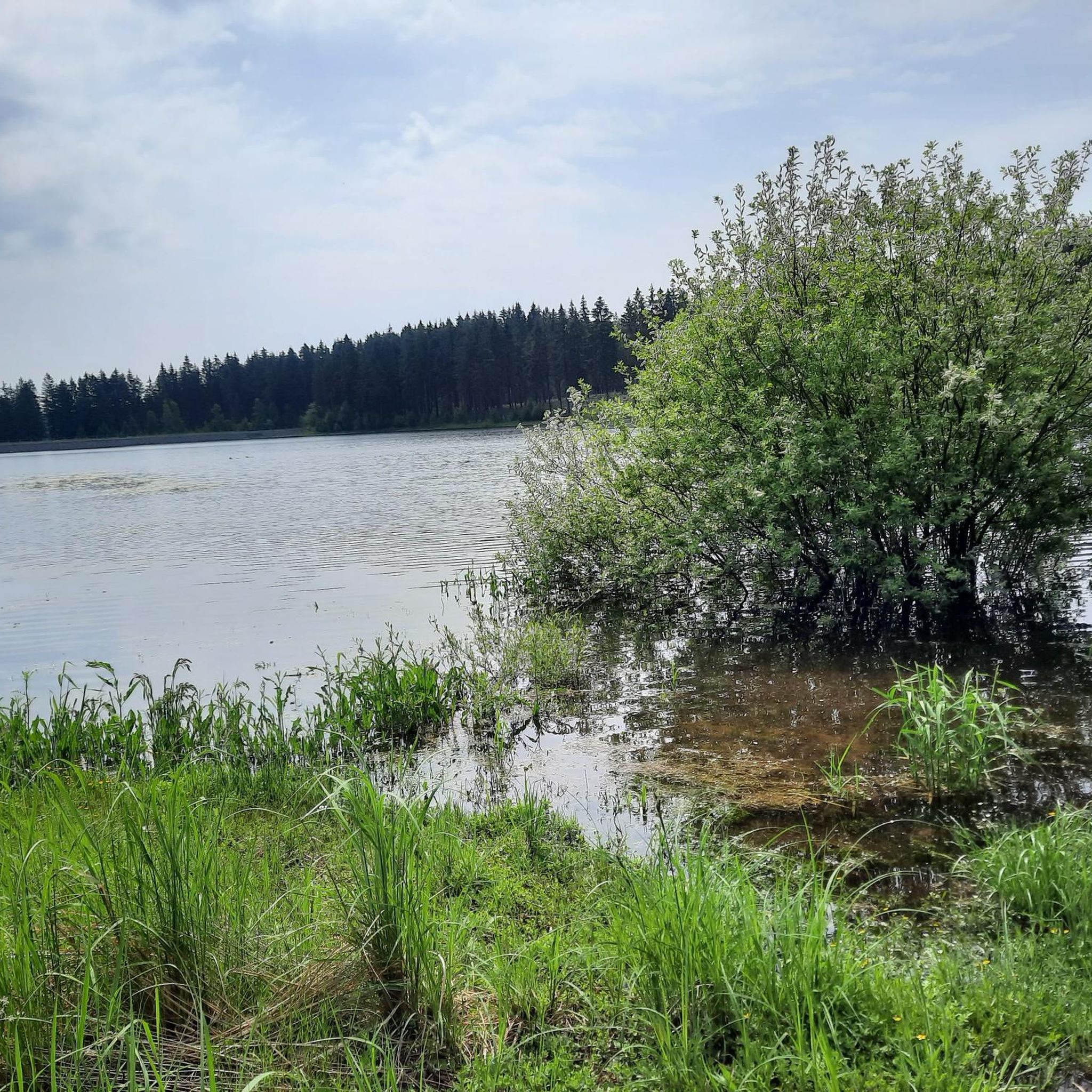
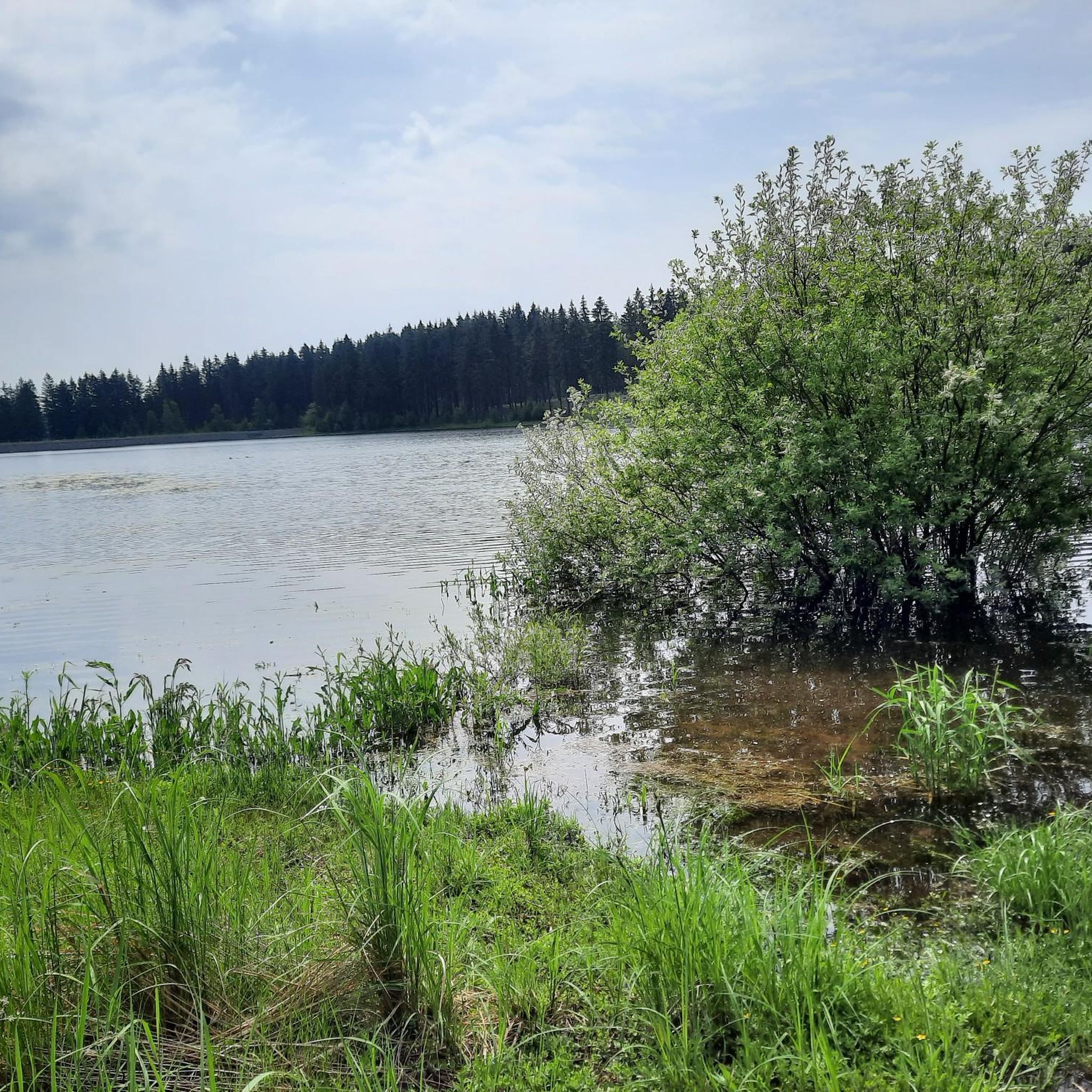
Bergrat Müller Pond (HWN 190)
Highlight • Lake
Translated by Google •
Tip by
View of Treseburg from the Weißer Hirsch (HWN 67)
Highlight • Viewpoint
Translated by Google •
Tip by
Sign up for free to discover even more natural monuments around Südharz.
Sign up for free
Already have an account?
Start today with a free account
Your next adventure awaits.
Login or Signup
Popular around Südharz
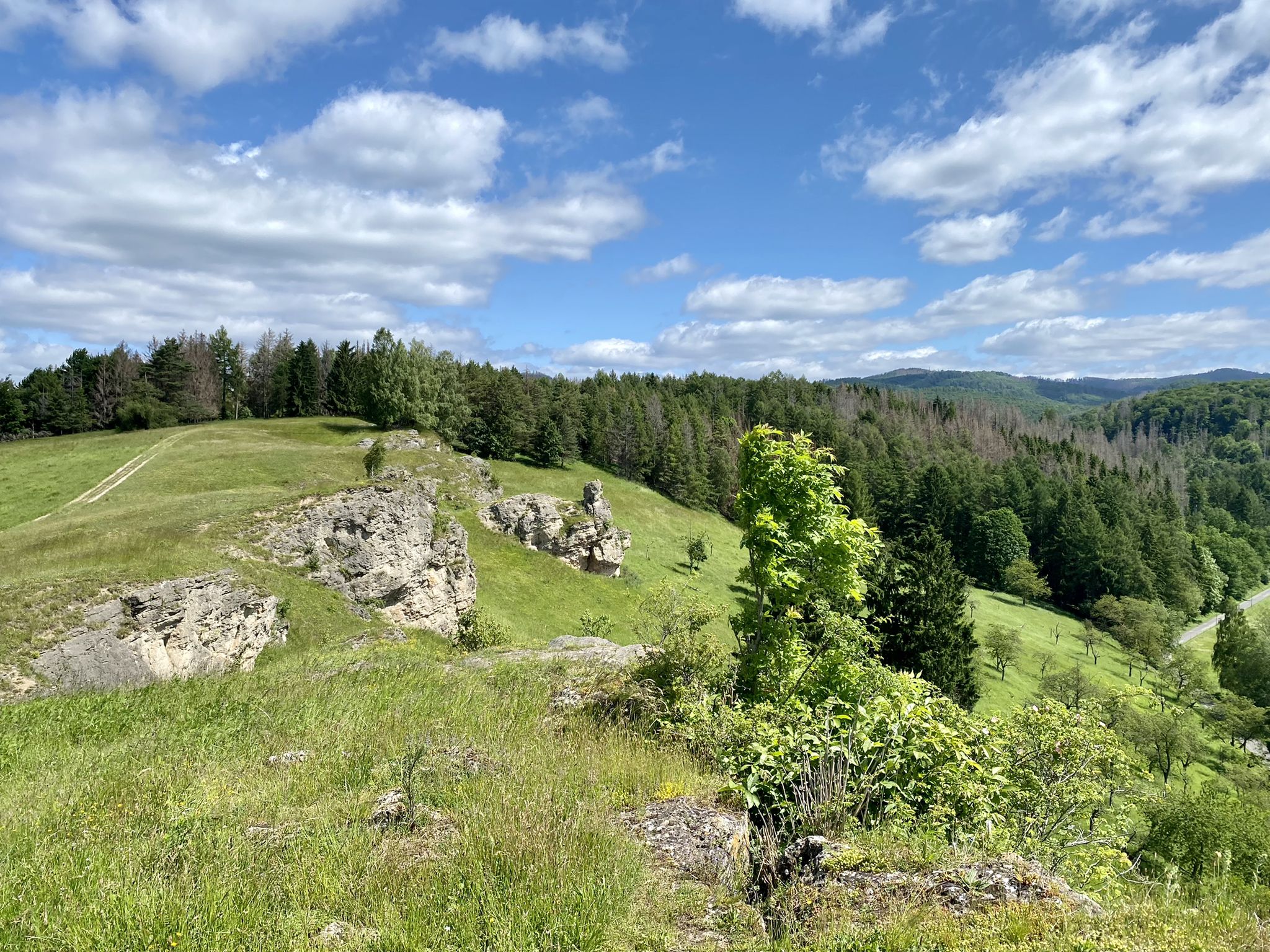
Karst Trail in Germany's Southern Harz Mountains – Where Water Meets Limestone
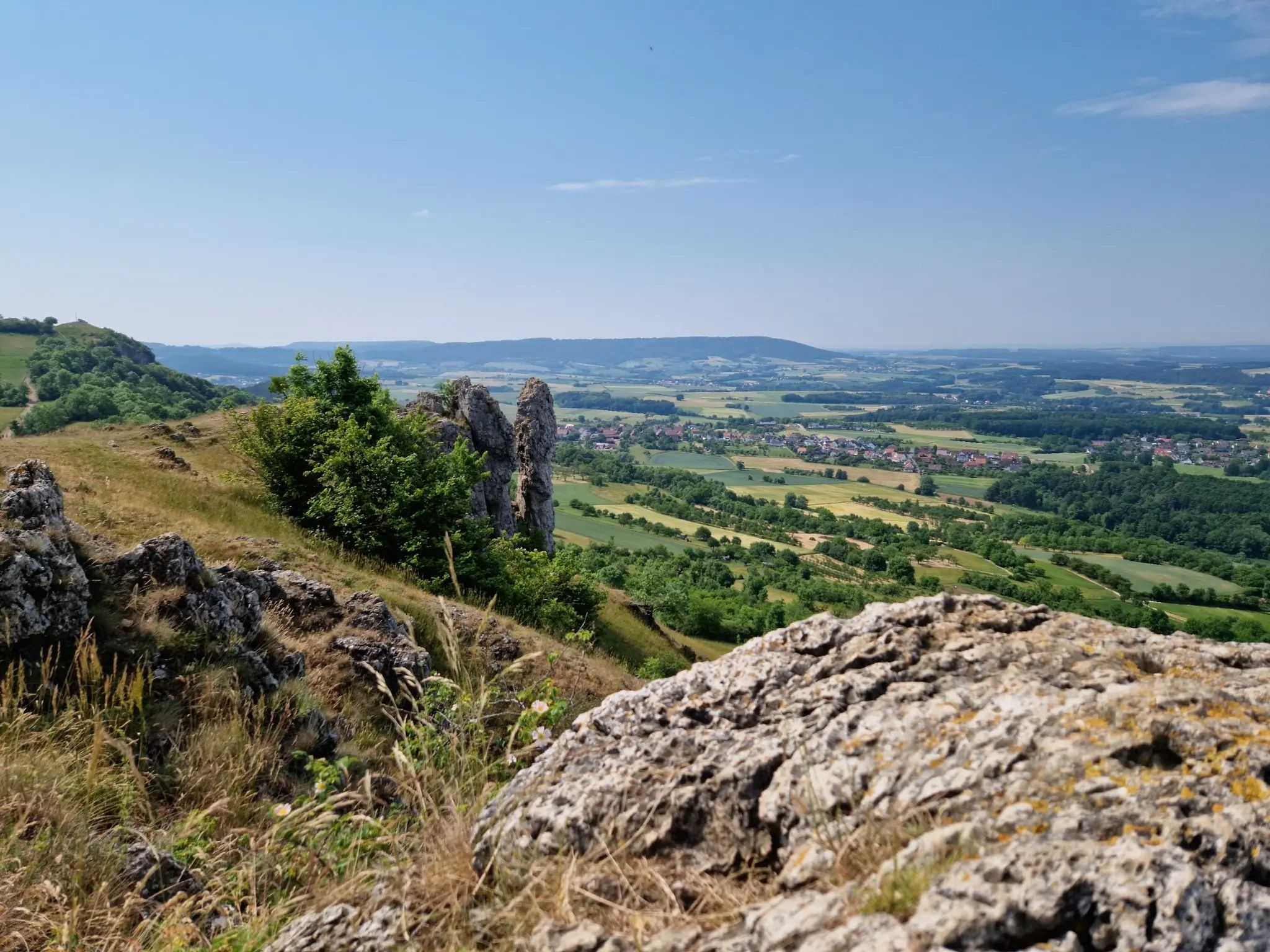
Ten fantastic hikes throughout Germany
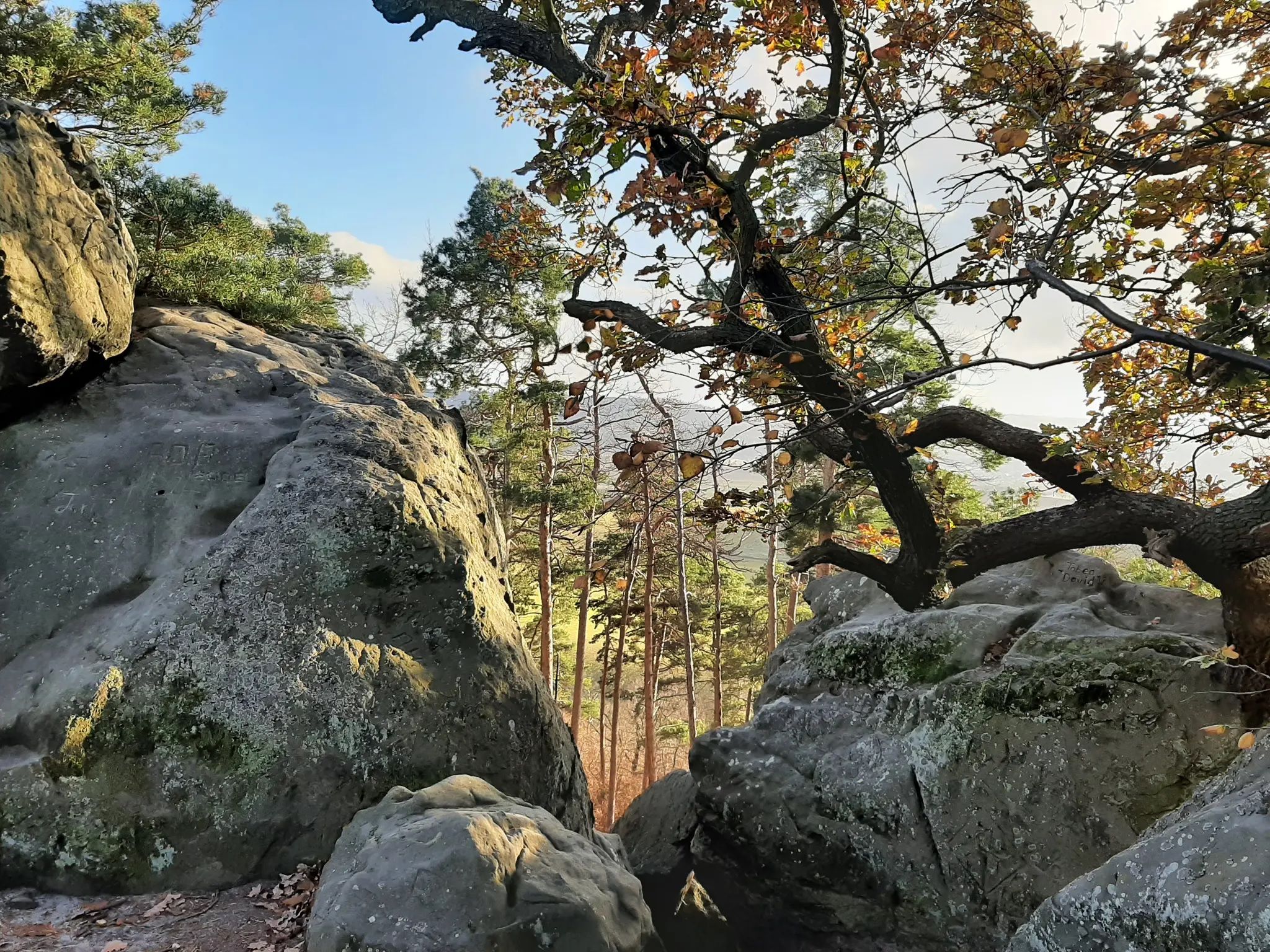
Legendary hikes in the Harz Mountains
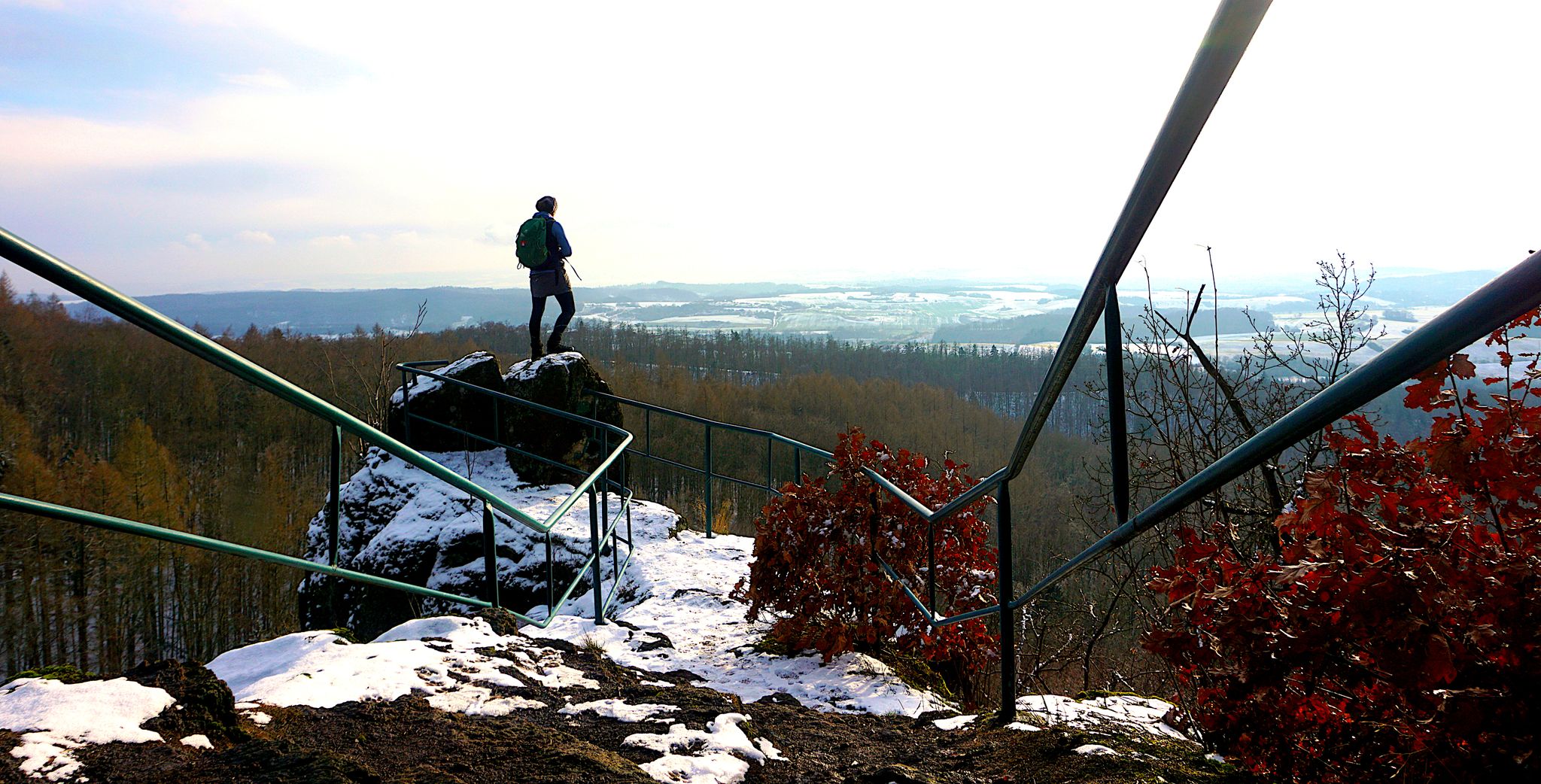
My 25 most beautiful Highlights in the Harz
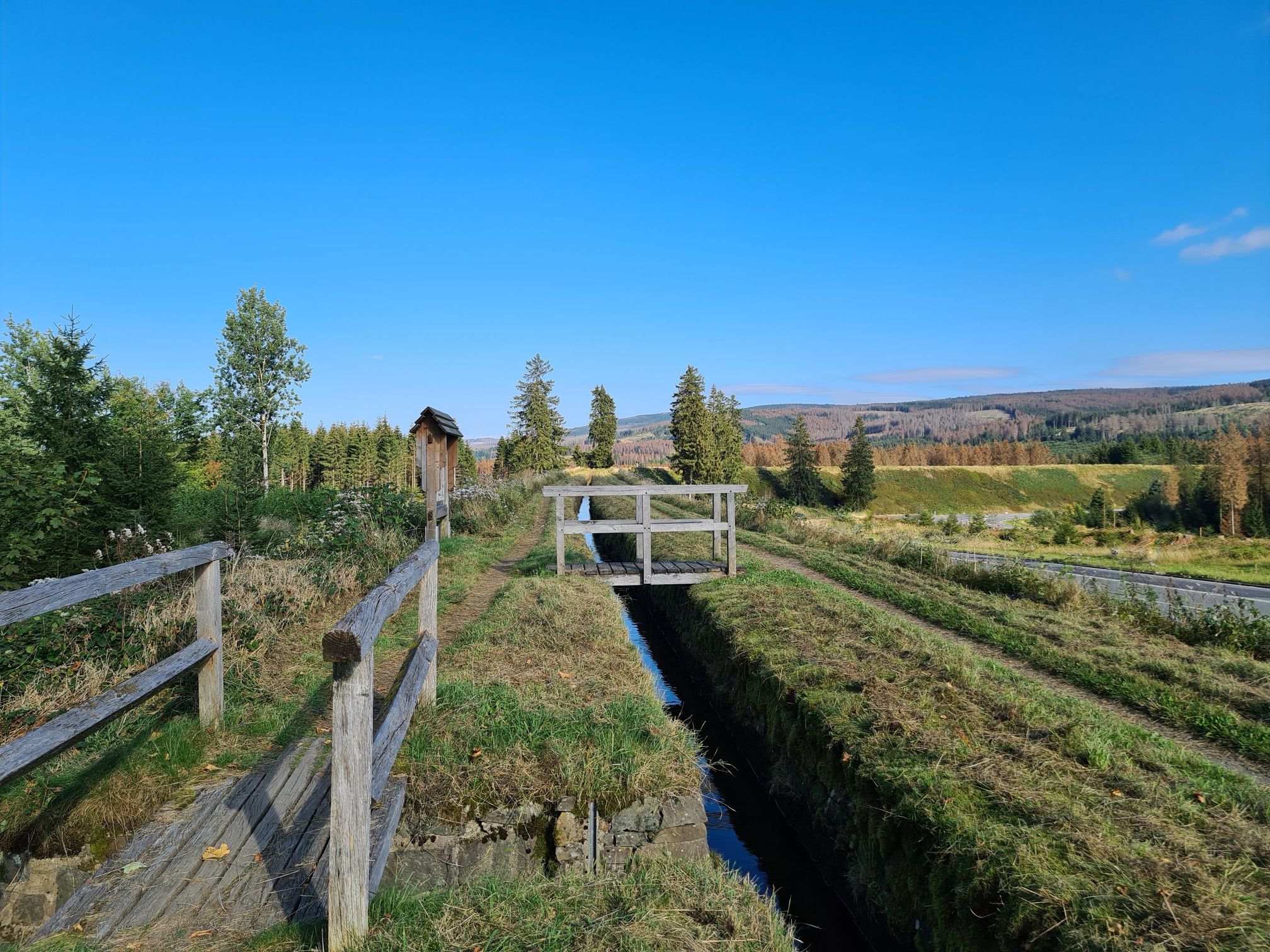
Explore Germany’s mining history — explore the Harz Mountains
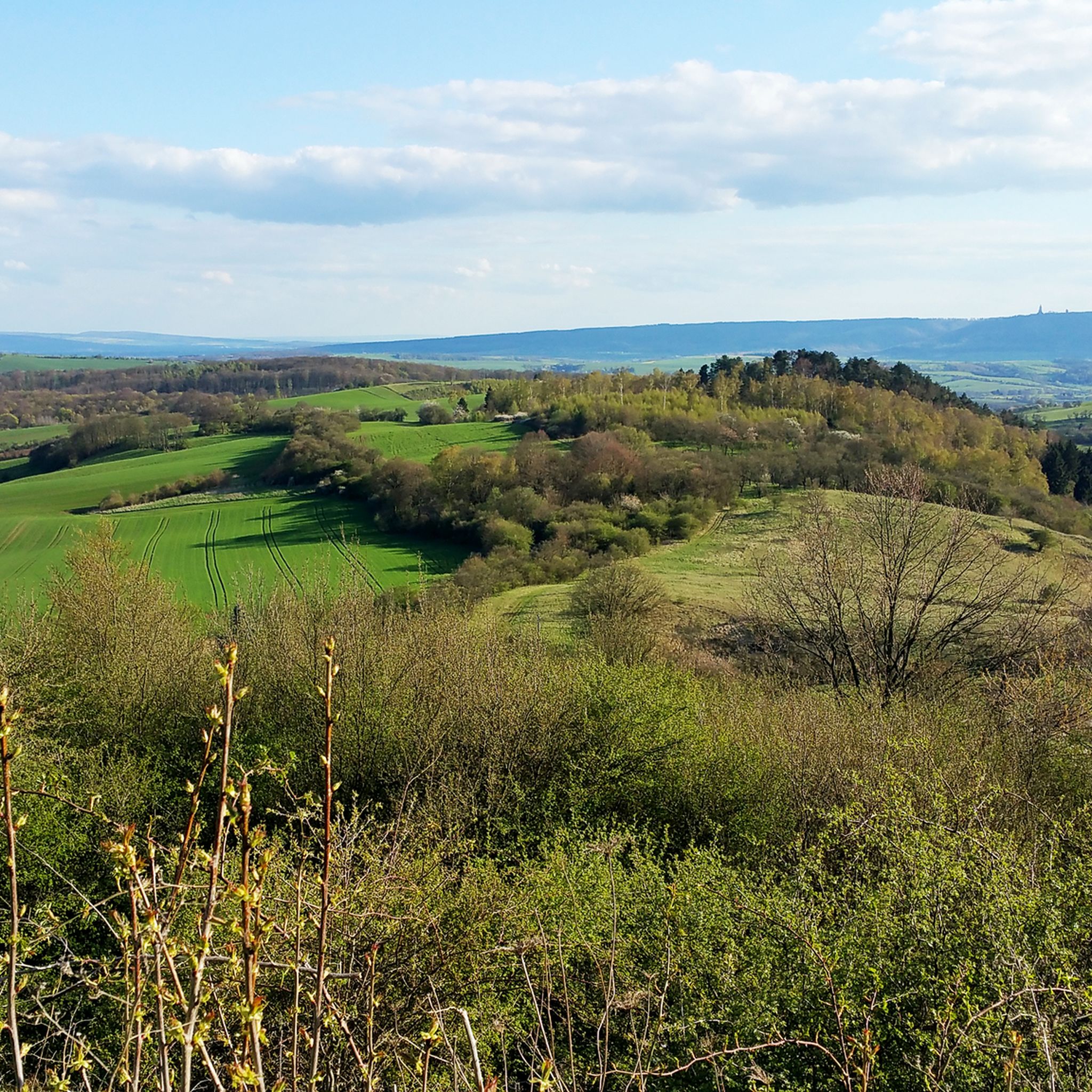
Hiking around Südharz
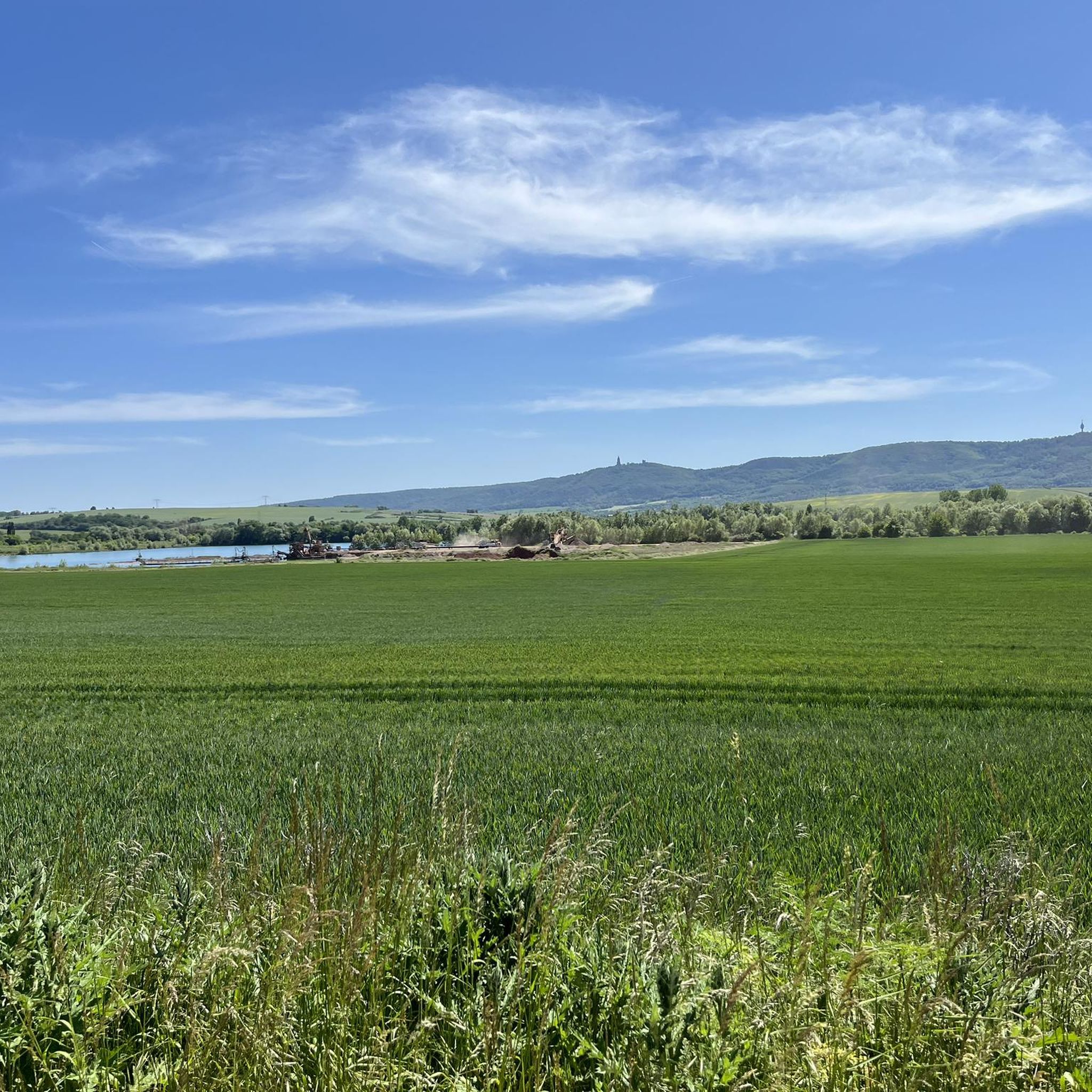
Cycling around Südharz
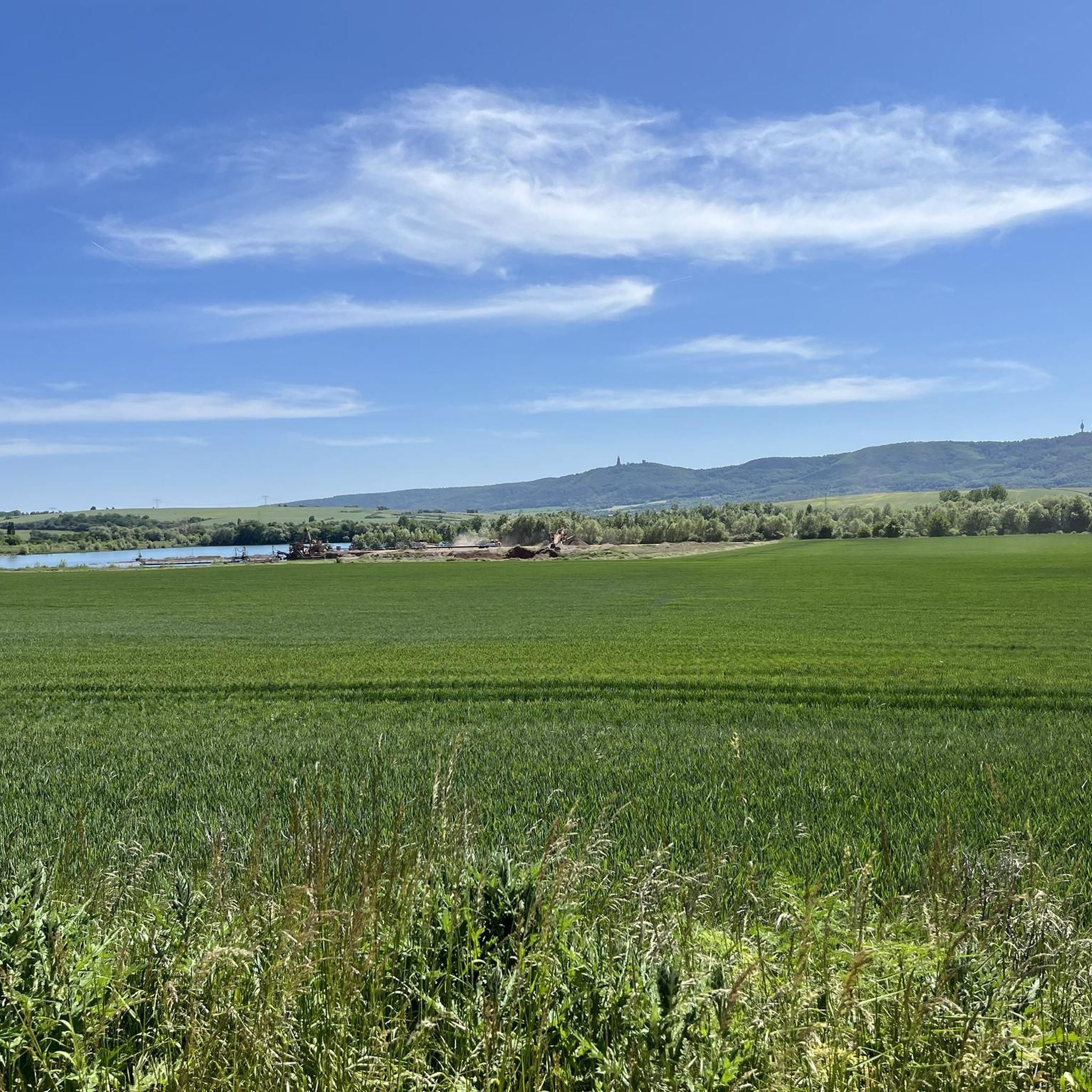
Road Cycling Routes around Südharz
Running Trails around Südharz
MTB Trails around Südharz
Other adventures around Südharz


Tips from the Community

Funny building with a curious interior
11
0
It is clearly visible that it is an artificial oak, a structure that is over 250 years old
13
0
Also a nice place to rest there...
7
0

Super spot for a great photo.
10
0

In some places you can pause directly at the Bode
11
0

Full concentration but really cool.
7
0

The hut was rebuilt by Harzclub. The previous one was dilapidated. It looks like a small church and is also nicknamed the chapel.
27
7

Stamp office of the HWN and a great photo motif, a bank invites you to rest
7
0
Frequently Asked Questions
What makes the natural monuments in Südharz unique?
The natural monuments in Südharz are primarily shaped by a distinctive gypsum karst landscape. This unique geology features caves formed from tiny rock crevices, streams that vanish underground, funnel-shaped depressions known as dolines, and even a lake that occasionally disappears. The constant dripping of water has hollowed out the rock, creating bizarre formations and a rich environment for diverse flora and fauna.
What are some popular natural monuments to visit in Südharz?
Visitors often enjoy the Köthener Hut, which resembles a small church and offers a contemplative break with views over the Selketal. Another must-see is the Great Devil's Mill (Harzer Wandernadel 189), known for its wildly piled granite rock groups. The Poppenberg Tower (HWN 92) also offers magnificent panoramic views over the Harz National Park.
What natural features can I expect to see in the Südharz natural monuments?
You can expect to see a variety of geological wonders, including gypsum karst formations with sinkholes, dolines, and karst springs. The region also features unique rock groups like the granite formations at the Great Devil's Mill, and scenic viewpoints such as the Poppenberg Tower. Forests, lakes like the Bergrat Müller Pond, and even caves like the Kelle near Appenrode are part of the landscape.
Are there family-friendly natural monuments around Südharz?
Yes, many natural monuments in Südharz are suitable for families. The Bergrat Müller Pond (HWN 190) is noted as family-friendly, offering a beautiful spot for photos and a hut for breaks. Exploring the general karst landscape with its unique formations can also be an engaging experience for children.
What historical or cultural sites are integrated with the natural monuments?
The region blends natural beauty with historical elements. For instance, the Engagement Urn on Habichtstein (HWN 177) is a listed monument from 1845, offering a historical perspective alongside stunning views of the Selketal. The Bergrat Müller Pond is an artificial oak structure over 250 years old, showcasing historical engineering within a natural setting.
What is the best time to visit the natural monuments in Südharz?
The Südharz region offers beauty year-round. Spring brings vast carpets of wild garlic and wood anemones. Summer is ideal for hiking the karst trail and exploring cool forests. Autumn provides magnificent views of red and golden leaves. Winter transforms the landscape into a romantic, snow-covered scene, offering a different kind of charm.
Are there viewpoints offering panoramic views of the Südharz region?
Absolutely. The Poppenberg Tower (HWN 92) is a prominent viewpoint, offering clear panoramic views over the Harz National Park, including the Brocken and the Kyffhäuser. The Red Shot mountain also provides wonderful views of the southern Harz foreland, the karst landscape, and the Kyffhäuser region.
How can I explore the unique gypsum karst landscape of Südharz?
The Karstlandschaft Südharz Biosphere Reserve is a prime area to explore the gypsum karst. You can hike or cycle through this expansive reserve to witness its geological wonders, including caves, sinkholes, and disappearing streams. The Karstwanderweg (Karst Hiking Trail) is an excellent route specifically designed to showcase this fascinating landscape, including areas like Lichtenstein with its numerous dolines.
What outdoor activities can I do near the natural monuments in Südharz?
The Südharz region offers a variety of outdoor activities. You can find numerous running trails, such as the 'Thyra Lake – Old Mint Museum, Stolberg loop', which can be explored via the Running Trails around Südharz guide. For cycling enthusiasts, routes like the 'Schlossteich Rottleberode – Bike path along the Zorge loop' are available in the Cycling around Südharz guide. Gravel biking options, including the 'Rittertor Stolberg – Stolberg Historic Old Town loop', can be found in the Gravel biking around Südharz guide.
Are there any caves to explore in the Südharz region?
Yes, the Südharz region, particularly within the Naturpark Südharz, features gypsum caves as part of its karst landscape. The Kelle near Appenrode is one such notable gypsum cave, offering an insight into the dramatic geological processes that have shaped the area. Exploring these caves provides a unique perspective on the region's natural history.
What kind of wildlife can be observed in the Südharz natural monuments?
The Karstlandschaft Südharz Biosphere Reserve is recognized as one of Germany's 'biodiversity hotspots.' This means it supports a wide variety of flora and fauna within its unique geological features. While specific animals are not detailed, visitors can expect to encounter diverse ecosystems, especially in the forests and around the water features, making it a rich area for nature observation.
What do visitors enjoy most about the natural monuments in Südharz?
Visitors frequently praise the stunning views, especially from spots like the Poppenberg Tower. The unique geological formations, such as the wildly piled rock groups at the Great Devil's Mill, are also a major draw. Many appreciate the peaceful atmosphere and the opportunity for contemplative breaks at places like the Köthener Hut, often describing the region as unjustly underestimated for its beauty and interesting excursion destinations.
Most popular routes around Südharz
Most popular attractions around Südharz

Get inspired with the komoot mobile app


Explore more
Extend your search for the best caves by checking out these guides of the top ones around Südharz:
