Top 17 Caves around Berga
Caves around Berga offer access to subterranean formations. The region provides a variety of caving experiences, from accessible show caves to more challenging routes. This area is characterized by its geological features, including unique anhydrite and gypsum formations. The natural landscape around Berga supports diverse cave systems.
Best caves around Berga
- The most popular caves is Barbarossa Cave (Touringen Stamp Point No. 135), a cave that is one of two accessible anhydrite caves in the world. It covers 13,000…
Last updated: June 22, 2026
Barbarossa Cave (Touringen Stamp Point No. 135)
Highlight • Cave
Translated by Google •
Tip by

Heimkehle Show Cave
Highlight • Cave
Translated by Google •
Tip by

Sign up now to discover places like this
Get recommendations on the best single tracks, peaks, & plenty of other exciting outdoor places.
Sign up for free
Barbarossa Cave
Highlight • Cave
Translated by Google •
Tip by

Princes' Cave (Kyffhäuser)
Highlight • Cave
Translated by Google •
Tip by

Ziegenschwanz Cave
Highlight • Cave
Translated by Google •
Tip by

Sign up for free to discover even more caves around Berga.
Sign up for free
Already have an account?
Start today with a free account
Your next adventure awaits.
Login or Signup
Tips from the Community

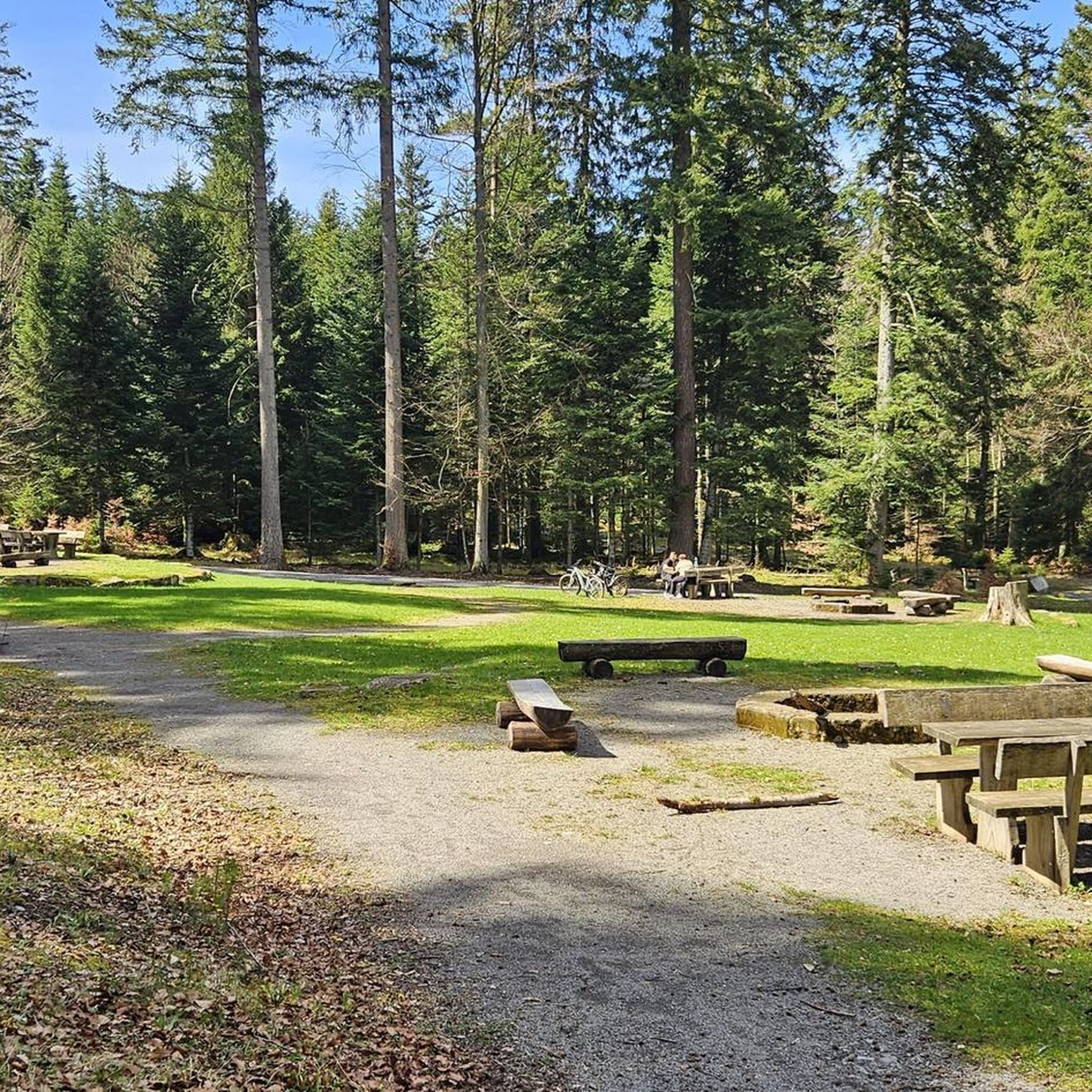
The cozy restaurant serves Thuringian specialties. There is a snack bar with outdoor seating. Here you can wait with a drink and a little something to eat until the tours of the cave begin.
14
0
The Barbarossa Cave covers 13,000 square meters and is one of only two existing show caves in the world, made of anhydrite rock, making it a geological rarity. The unique charm of this magical subterranean world lies in the uniquely beautiful, multi-layered play of colors of the white to gray rock.
16
0
The Barbarossa Cave was discovered purely by chance. The idea was to revive copper shale mining in the Kyffhäuser region. In 1860, the entrepreneur Wilhelm von Born therefore had a tunnel dug beneath the ruins of the Falkenburg and directly on the old salt road to Bad Frankenhausen. Meter by meter, the miners penetrated further and further into the mountain. And then: after a distance of 178 meters, on December 22, 1865, the mountain suddenly opened up in front of them - they came across natural cavities of impressive size and beauty.
13
0

The Barbarossa Cave was discovered in 1865 by miners searching for copper shale and opened to the public as a show cave two weeks later. A visit is definitely worthwhile, admission costs €9.50.
3
0

I went in and the mosquitoes in the shady cave were happy about my visit.
1
0

The cave is actually open to the public.
1
0

In the Prince's Cave you can marvel at Marienglas, in the right light it sparkles like a dream.
20
0

Entrance fees are currently €9.50 with a guided tour
2
0
Frequently Asked Questions
What types of caves can I explore in the Berguedà region?
The Berguedà region offers a diverse range of caves. You can find deep cavities with spacious chambers like Bòfia de la Boixadera, extensive gypsum caves with unique formations such as Cova de Rotgers, and karstic resurgences like Cova de la Font Calenta. There are also caves notable for their geological processes and distinct internal structures, such as Cova de l'ínsula.
Are there any family-friendly caves suitable for beginners in Berguedà?
Yes, Bòfia de la Boixadera in Montmajor is an excellent choice for those new to caving and is suitable for families. Guided tours are available, providing necessary equipment like helmets and headlamps for a half-day adventure, making it an accessible introduction to underground exploration.
Which cave offers a more challenging caving experience in the region?
For adventurers seeking a greater challenge, Cova de Rotgers in Borredà provides a medium-level caving experience. It's the longest known cave in the region, featuring narrow and often wet passages, crawling through tight spaces, and a relatively easy five-meter pit descent. It's ideal for experiencing the natural beauty of the earth's interior.
What unique geological features can be found in the caves near Berga?
The caves around Berga showcase several unique geological features. The Cova de la Font Calenta is notable for its warm springs, emerging at approximately 17.5°C. Cova de Rotgers features curious gypsum formations, including the 'Sala Blanca' (White Hall). Cova de l'ínsula displays a thick crust of concretions, stalagmites, and fractured formations resulting from tectonic shifts.
Are there any caves with historical or cultural significance in the Berguedà area?
Yes, Les Fonts de la Cova, also known as de la Mare de Déu de Lourdes, near La Nou de Berguedà, offers a cultural and spiritual dimension. This cave system contains springs historically believed to possess healing properties, and it is associated with a nearby sanctuary and a venerated image of the Virgin Mary.
What should I wear or bring when exploring caves in Berguedà?
For caves like Bòfia de la Boixadera, guided tours typically provide equipment like helmets and headlamps. For more challenging caves such as Cova de Rotgers or Forester's Cave, you will need a headlamp. Grippy shoe soles are also highly recommended for varied terrain and potentially wet conditions. It's also wise to pack a jacket, as underground temperatures can be consistently cool.
Can I explore caves on my own, or are guided tours recommended?
While some easily accessible caves might be explored independently with proper equipment like a flashlight (e.g., Ziegenschwanz Cave), guided tours are highly recommended for many caves, especially for beginners or those seeking a deeper understanding of the formations. For instance, Bòfia de la Boixadera offers guided tours, and Cova de Rotgers is best explored with experience due to its medium-level challenge.
What outdoor activities can I combine with a visit to the caves around Berga?
The region around Berga offers excellent opportunities for outdoor activities. You can enjoy gravel biking on routes like the Rittertor Stolberg – Stolberg Historic Old Town loop, or explore road cycling routes such as the Kyffhäuser Monument – Descent from Kulpenberg loop. There are also general cycling tours like the View of Kyffhäuser Monument – Kelbra Reservoir loop, providing diverse options for exploring the natural landscape.
Are there any caves that are particularly significant for their rarity?
Yes, the Barbarossa Cave is one of only two accessible anhydrite caves in the world and the only anhydrite show cave in Europe. Its 13,000 square meters exhibit a unique, multi-layered play of colors in the white to gray rock, making it a geological rarity and a must-see for those interested in unique geological formations.
What is the best time to visit the caves in the Berguedà region?
Caves generally maintain a consistent temperature year-round, making them a good destination in various seasons. However, for caves with subterranean streams or wet passages like Cova de Rotgers, drier periods might offer a more comfortable experience. Always check local conditions and opening times, especially for guided tours.
Where can I find accommodation or dining options near the caves?
While specific accommodation and dining options vary by individual cave location, the town of Berga and surrounding municipalities like Montmajor, Borredà, and La Nou de Berguedà offer various services. For example, the area around Barbarossa Cave includes a cozy restaurant serving Thuringian specialties and a snack bar with outdoor seating.
What makes the Heimkehle Show Cave a notable visit?
The Heimkehle Show Cave is a significant gypsum cave and natural monument. Visitors can explore it on a guided tour lasting about an hour, learning about its history and geological importance. It's one of only two gypsum caves in Germany open to the public as a show cave, offering a unique insight into the region's subterranean world.
Most popular routes around Berga
Most popular attractions around Berga

Get inspired with the komoot mobile app


Explore more
Extend your search for the best caves by checking out these guides of the top ones around Berga:
