Top 9 Castles around Niederbösa
Castles around Niederbösa offer insights into the region's historical architecture. The area features a variety of historical sites, including fortified structures and medieval ruins. These locations provide opportunities to explore historical remnants and experience the cultural heritage of the Niederbösa region. The landscape surrounding these sites often includes natural features, enhancing the exploration experience.
Best castles around Niederbösa
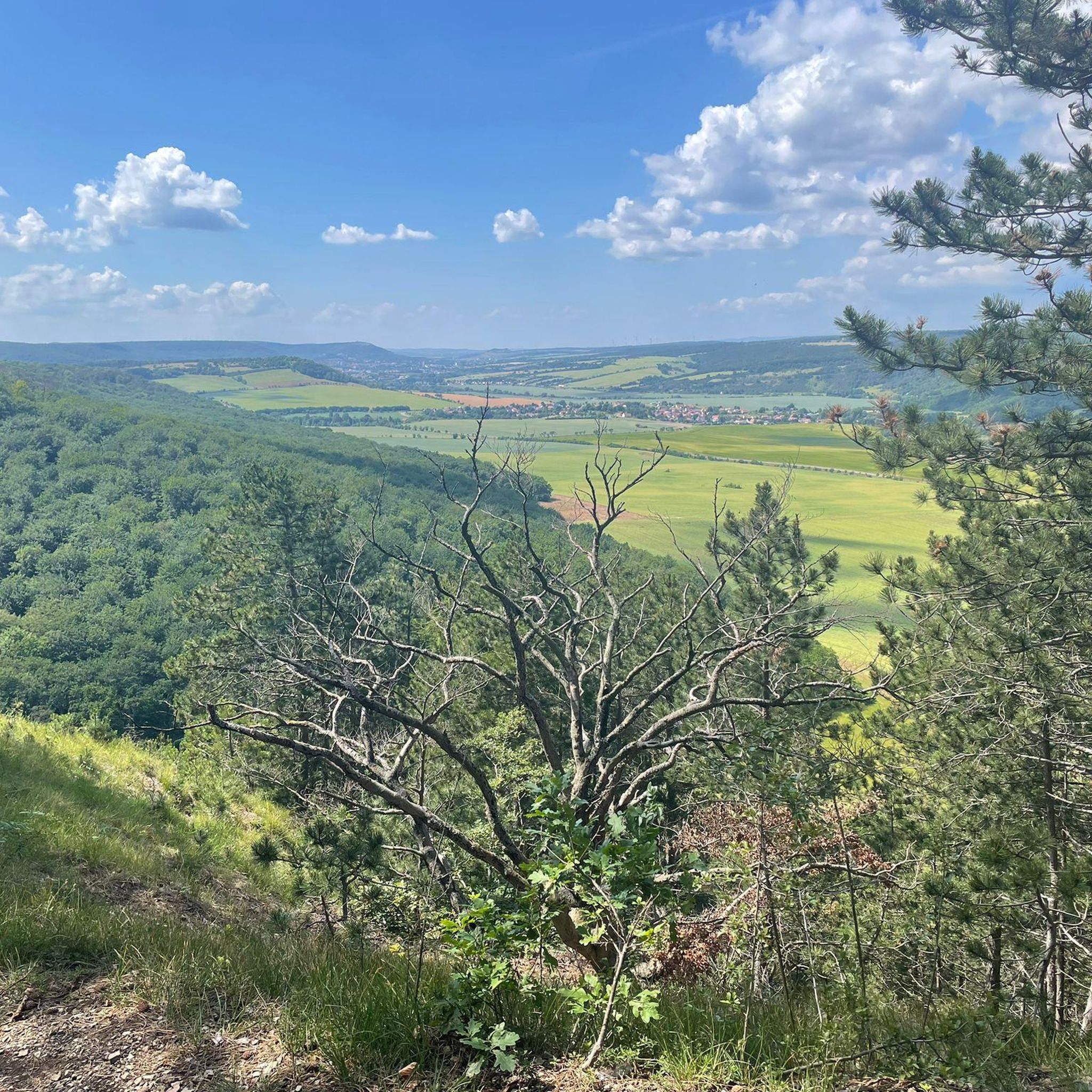
- The most popular castles is Arnsburg Ruins, a castle that offers views of the Wipperdurchbruch. The ruins invite exploration.
- Another must-see…
Last updated: October 4, 2026
Arnsburg Ruins
Highlight • Castle
Translated by Google •
Tip by

Kannawurf Castle and Renaissance Garden
Highlight • Castle
Translated by Google •
Tip by
Sign up now to discover places like this
Get recommendations on the best single tracks, peaks, & plenty of other exciting outdoor places.
Falkenburg ruins
Highlight • Castle
Translated by Google •
Tip by

Weissensee Old Town
Highlight • Settlement
Translated by Google •
Tip by

Runneburg Weißensee (Touringen Stamp Point No. 376)
Highlight • Castle
Translated by Google •
Tip by
Sign up for free to discover even more castles around Niederbösa.
Already have an account?
Start today with a free account
Your next adventure awaits.
Tips from the Community

The ruins lie above the Barbarossa Cave. All that remains of the castle are a single, large wall fragment of the residential tower and the remains of a cistern. The access is signposted and leads via a trail.
3
0

A Romanesque building at its core, it has been redesigned several times. The façade was redesigned in the 16th century and again in 1840. One of the oldest historic town halls in Germany.
0
0

In 1564, Georg II Vitzthum von Eckstedt built the Renaissance castle Kannawurf on the estate, which had been in the family since 1539; there were also three other manors in the village. Inscriptions on doors and windows date from between 1563 and 1565. Instead of a medieval moated castle, a three-wing complex was built around an almost square inner courtyard by around 1570, the fourth side of which is closed off by a shield wall with a central round tower. A row of dormer windows decorates the roof. With this form of the so-called castle type, Georg II Vitzthum cited the construction of the new Dresden residential palace of Elector Moritz of Saxony, in whose service he was a marshal, which began around 1547. Owned by the Thuringian Monument Preservation Center and the Thuringian Artists' House since 2007, the partially renovated castle is now used for cultural events. Source: Wikipedia
9
2

We didn't see much on our little stroll through Weissensee, as our main goal was the Chinese Garden, but on the little tour we discovered a few things that we will take a closer look at on our next visit: e.g. the town hall, church and castle. We will also pay a visit to the windmill.
0
0

Runneburg Castle is maintained and looked after by the Weissensee Castle Administration. Despite its small size, it is a really beautiful complex. The coveted Touring stamp box 376 is also located in the courtyard.
1
0

A very beautiful town hall for a city that is largely influenced by the Middle Ages.
5
0

The town hall of the town of Weißensee was first mentioned in 1351 but has existed since 1200. This can be seen inside, as the original stone house is well preserved. It is worth taking a look inside. Later extensions were added, which is why the year 1547 is written on the entrance. This makes the town hall in Weißensee the oldest in Thuringia and one of the oldest in Germany. Source: https://www.weissensee.de/kultur-tourismus/willkommen-in-weissensee/mittelalter-erleben/das-romanische-rathaus/
7
0

It's a bit out of the way but a short visit is fine...a lot of investment has been made in recent years
1
0
Frequently Asked Questions
What historical castles and ruins can I explore near Niederbösa?
The region around Niederbösa offers several historical sites. You can explore the Arnsburg Ruins, which provide excellent views of the Wipperdurchbruch. Another significant site is Kannawurf Castle and Renaissance Garden, a renovated historical complex used for cultural events. Don't miss Runneburg Weißensee, one of Germany's most important Romanesque secular buildings, featuring a residential tower, palas, and ring wall. Additionally, the Falkenburg ruins offer a great vantage point, even if only a piece of the wall remains.
Are there any family-friendly castles or historical sites in the Niederbösa area?
Yes, Kannawurf Castle and Renaissance Garden is noted as family-friendly and hosts cultural events. Runneburg Weißensee is also considered family-friendly, offering a deep dive into medieval history. The nearby Weissensee Old Town, with its historic town hall and church, provides an authentic High Middle Ages experience suitable for families.
What kind of views can I expect from castles around Niederbösa?
Many of the castle sites offer scenic views. From the Arnsburg Ruins, you get a brilliant view of the Wipperdurchbruch. The Falkenburg ruins are also known for their great vantage point and very nice views. Further afield, the medieval Hausmann Tower in Bad Frankenhausen provides unique views of the town.
Are there easy walking trails to castles near Niederbösa?
Yes, there are easy hiking options in the vicinity. For example, an easy 4.5 km loop from Seega leads to the Arnsburg Ruins. You can find more easy hikes and routes in the Easy hikes around Niederbösa guide.
What outdoor activities can I combine with a castle visit near Niederbösa?
The area offers various outdoor activities. You can find numerous running trails, easy hikes, and cycling routes that pass by or are close to historical sites. For instance, a cycling route connects Runneburg Weißensee with the Weißensee Tower Windmill.
What is special about Runneburg Weißensee?
Runneburg Weißensee was a high medieval residence of the Landgraves of Thuringia. It is considered one of the most important Romanesque secular buildings in Germany, featuring a well-preserved residential tower, palas, castle gate, and ring wall. Visitors often remark on its authentic historical atmosphere, connecting it to figures like St. Elizabeth of Thuringia and Emperor Otto IV.
Are there any lesser-known or 'hidden gem' castles in the Niederbösa region?
While not directly in Niederbösa, the broader region includes sites like Beichlingen Castle, near Heldrungen. It features a mighty 15th-century residential tower (Hohes Haus), a new castle, and significant portions of its ring wall, offering a glimpse into regional history beyond the more prominent sites.
What is the history behind Kannawurf Castle?
Kannawurf Castle and Renaissance Garden was built as a Renaissance castle by Georg II Vitzthum von Eckstedt around 1564, replacing an earlier moated castle. Its three-winged complex around a square courtyard was inspired by the Dresden residential palace. The castle has been painstakingly renovated by an association since 2007 and is now used for cultural events.
What do visitors particularly enjoy about the castles around Niederbösa?
Visitors appreciate the historical insights and the scenic beauty. Many enjoy the brilliant views from sites like the Arnsburg Ruins and the Falkenburg ruins. The authentic medieval atmosphere and the well-preserved Romanesque architecture of Runneburg Weißensee are also highly valued. The komoot community has shared over 360 photos and given more than 190 upvotes for these locations.
Can I visit Rabenswald Castle Ruins?
The Rabenswald Castle Ruins are located in the vicinity, but entry to the ruins is currently prohibited due to safety concerns like falling branches or trees. However, they can still be viewed from the outside as a historical remnant.
Are there any other notable historical structures besides castles in the area?
Yes, the Weissensee Old Town is home to the oldest town hall in Thuringia and one of the oldest in Germany, first mentioned in 1351. It offers an authentic experience of the High Middle Ages with its historic buildings and city walls. The Hausmann Tower in Bad Frankenhausen, first mentioned in 980, is another significant medieval structure.
Most popular attractions around Niederbösa

Get inspired with the komoot mobile app


Explore more
Looking for the best castles somewhere else? Discover other guides around Niederbösa:
