Attractions and Places To See around Wurzbach - Top 20
Best attractions and places to see around Wurzbach offer a diverse range of natural and historical sites within a scenic landscape. This region, located in Germany, is characterized by its valleys, forests, and the Selbitz river. Visitors can explore significant industrial heritage sites alongside unique natural monuments. The area provides opportunities to experience local history and natural beauty.
Best attractions and places to see around Wurzbach
- The most popular attractions is Jungfernsteg — Covered wooden bridge over the Selbitz,…
Last updated: May 9, 2026
Jungfernsteg — Covered wooden bridge over the Selbitz
Highlight • Bridge
Source and more information:
frankenwald-tourismus.de/de/poi/detail/595260c3975aaf0aba5a1fab
Translated by Google •
Tip by

👹 Höllental (Hell Valley)
Highlight (Segment) • Bridge
Source and further information
frankenwald-tourismus.de/de/poi/detail/595260c3975aaf0aba5a1fab
Translated by Google •
Tip by
Sign up now to discover places like this
Get recommendations on the best single tracks, peaks, & plenty of other exciting outdoor places.
Sign up for free
Teufelssteg — Across the Selbitz
Highlight (Segment) • Bridge
Translated by Google •
Tip by

Göpelschacht Shaft Complex, Lehesten
Highlight • Monument
The Göpel shaft system was …
Translated by Google •
Tip by
Lehesten Slate Quarry Industrial Heritage Site
Highlight • Monument
Translated by Google •
Tip by
Sign up for free to discover even more attractions around Wurzbach.
Sign up for free
Already have an account?
Start today with a free account
Your next adventure awaits.
Login or Signup
Popular around Wurzbach
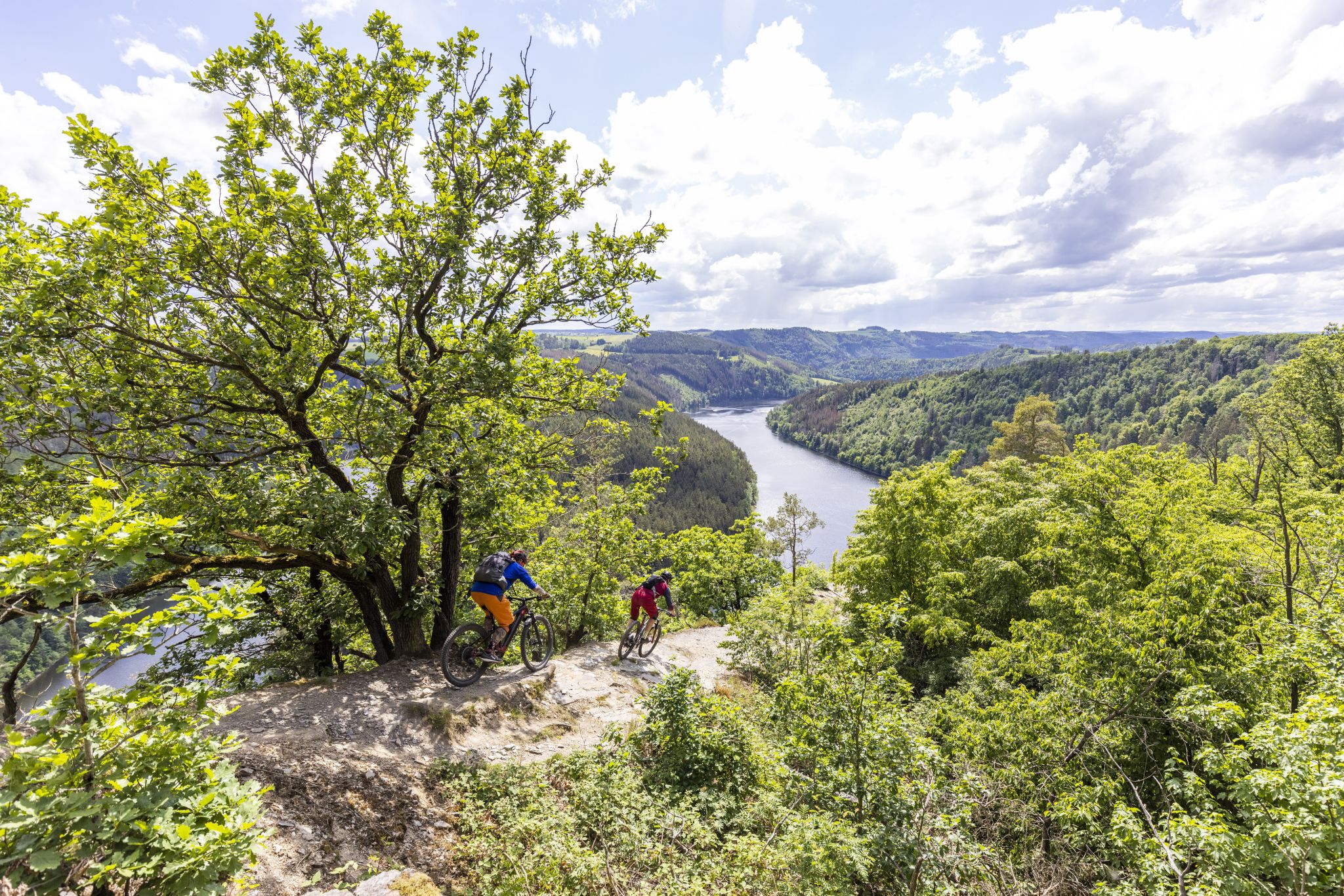
In the land of blue gold – Trail guide Thuringian Slate Mountains
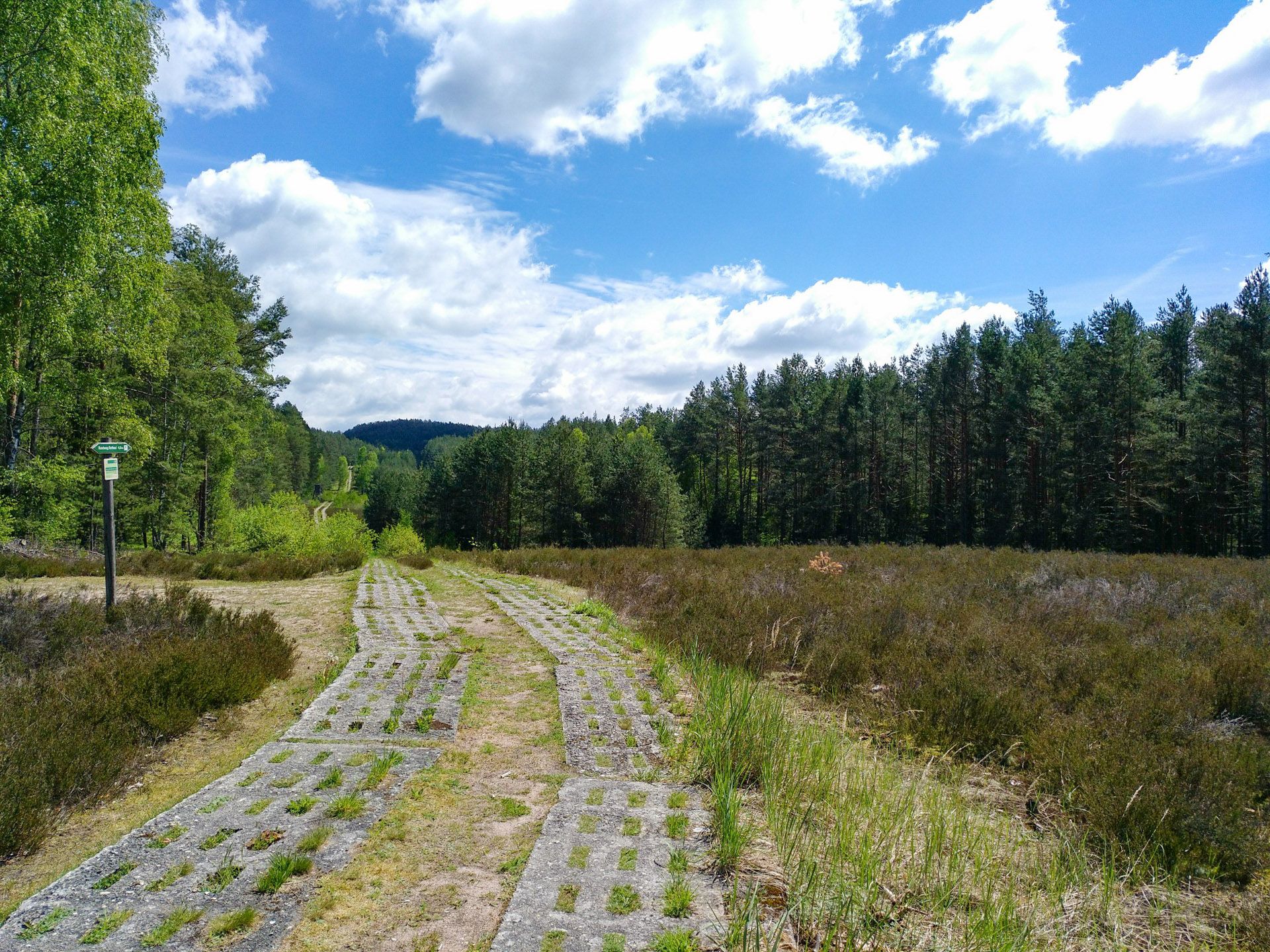
Discover the Green Belt in Germany’s Thuringian Slate Mountains with BUND
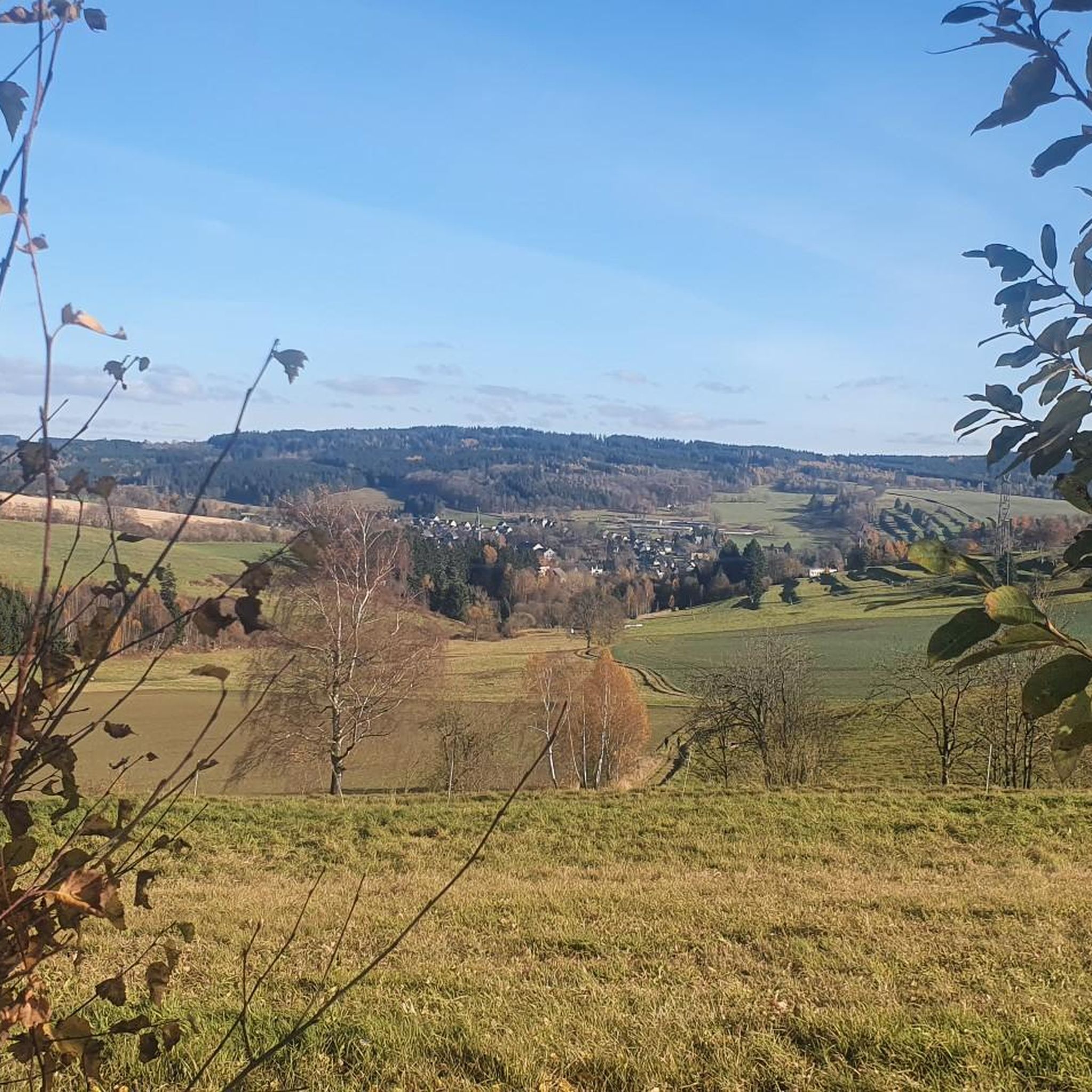
Hiking around Wurzbach
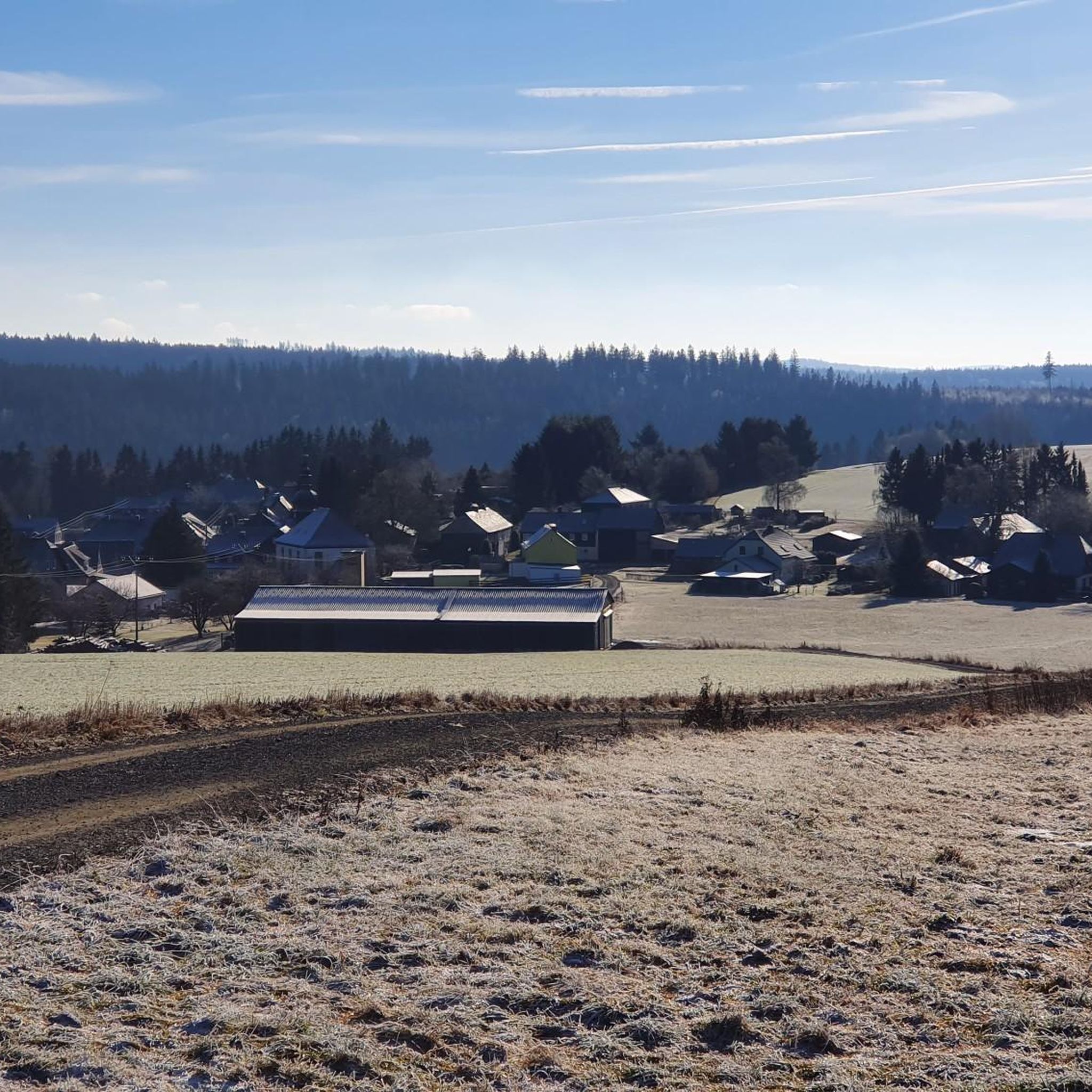
Cycling around Wurzbach
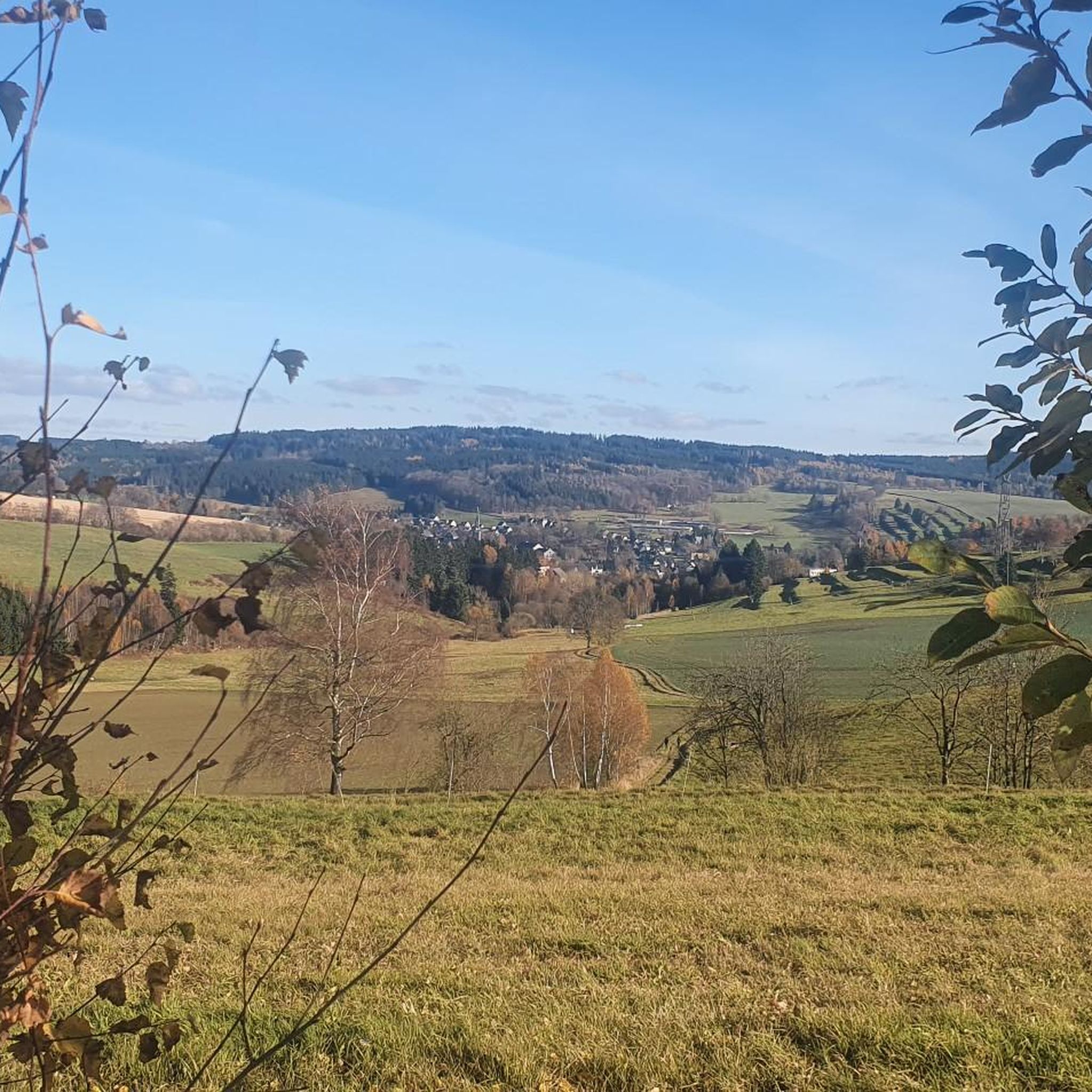
Running Trails around Wurzbach
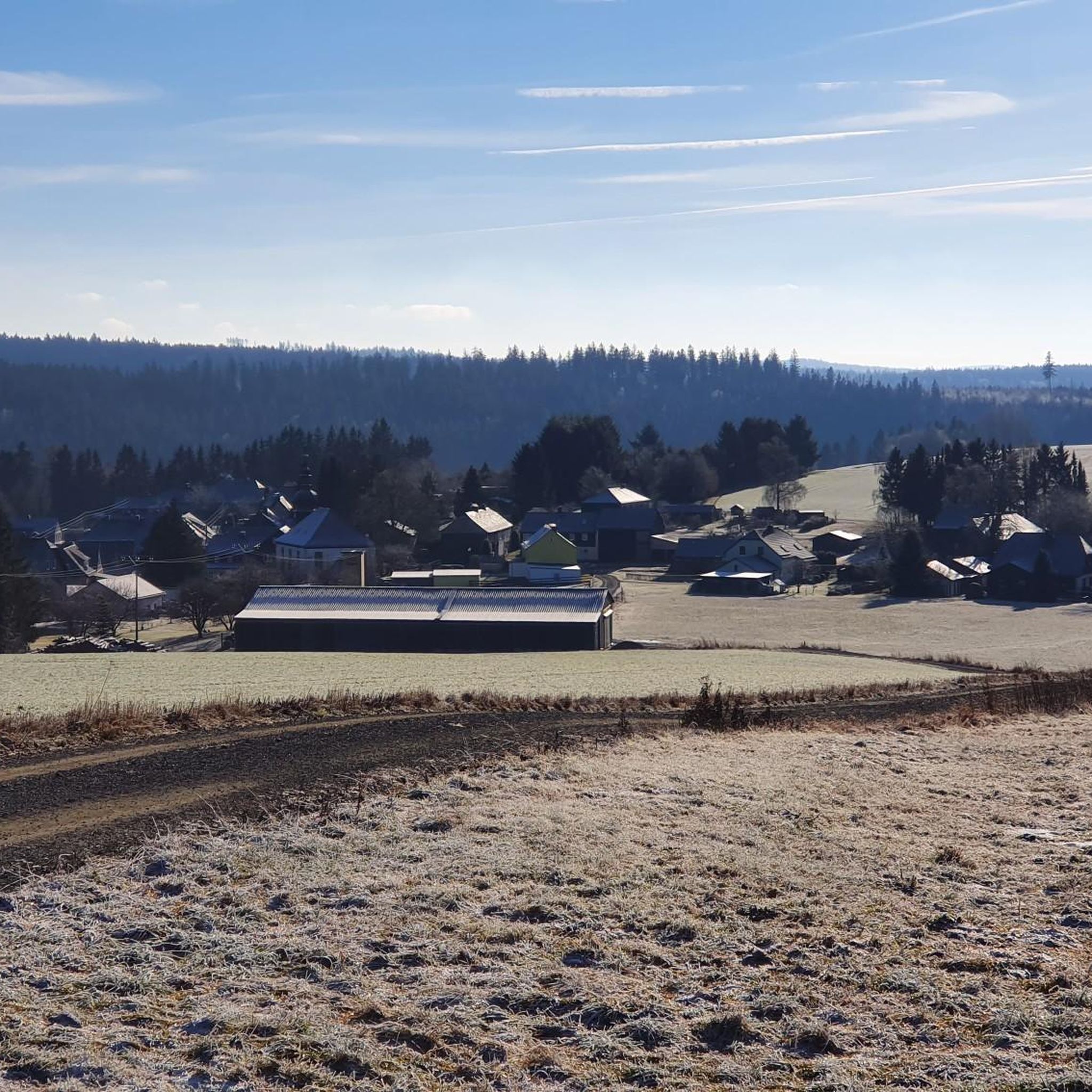
MTB Trails around Wurzbach
Road Cycling Routes around Wurzbach

Gravel biking around Wurzbach


Tips from the Community

A remarkable wooden bridge over the Selbitz River and a very popular photo subject in the Höllental Valley. According to legend, the Prince of Hell was once seen on the Devil's Bridge.
11
0

This is the former Lehesten roofing slate opencast mine. Its dimensions alone are impressive; along with the nearby Oertelsbruch, it was one of the largest slate quarries on the continent (approximately 800 m long, 300 m wide, and up to 80 m deep). Source: Wikipedia
10
1

A beautiful region 🤩 If you like, you can also take a detour to the Alvater Tower.
20
2
In the "Land of Blue Gold," as the slate is called here because of its distinctive color, the tradition of Thuringian-Franconian slate mining can still be experienced today. This extraordinary industrial complex, located at what was once one of Europe's largest open-cast slate mines, provides a hands-on experience of the history and processing of slate. The entire Staatsbruch Slate Park area is a nature reserve. 170 Red List species have now been confirmed to have settled in this partially inaccessible area.
23
1
The Göpel shaft system, unique in Europe, is the heart of the “Historic Lehesten Slate Mining” monument ensemble and the trademark of the slate park. The Göpel shaft system was built around 1850, five years after the open-cast mine opened. On the north-west edge of the now closed and flooded roofing slate open-cast mine, the Göpel shaft was used to lift mined slate rock and thus stabilize the production flow. The rock was transported to the adjacent double-slitting hut and processed.
23
1

A wooden bridge over the Sebnitz, partly with different roofs, a truly magnificent construction.
11
0

Be sure to visit and take enough time with you.
10
1

Rustic wooden bridge over the Selbitz!👍 We had a great hike through the Höllental! 🤩👍
5
0
Frequently Asked Questions
What natural features can I explore around Wurzbach?
The region around Wurzbach is rich in natural beauty. You can visit the 👹 Höllental (Hell Valley), a dramatic gorge carved by the Selbitz river, offering views almost like the Alps. The Lehesten Slate Quarry Industrial Heritage Site, while historical, also features a beautiful, clear lake within the former open-cast mine, which is now a nature reserve.
Are there any historical or industrial heritage sites to visit in Wurzbach?
Yes, Wurzbach has significant industrial heritage. The Lehesten Slate Quarry Industrial Heritage Site allows you to experience the history and processing of slate at what was once one of Europe's largest open-cast slate mines. Additionally, the Göpelschacht Shaft Complex, Lehesten, a unique European monument, showcases the historical methods of slate extraction.
What are some family-friendly attractions in the Wurzbach area?
Families can enjoy several attractions. The Jungfernsteg — Covered wooden bridge over the Selbitz and the Teufelssteg — Across the Selbitz are popular for their scenic views and easy access. The Lehesten Slate Quarry Industrial Heritage Site and the Göpelschacht Shaft Complex, Lehesten are also marked as family-friendly, offering educational insights into the region's history.
Are there accessible attractions for visitors with mobility needs?
The 👹 Höllental (Hell Valley) is noted as wheelchair accessible, allowing visitors to enjoy the natural beauty of the gorge. While specific details for other attractions vary, the main paths around the bridges and heritage sites are generally well-maintained.
What kind of hiking trails can I find near Wurzbach?
Wurzbach offers a variety of hiking trails for different skill levels. You can find easy routes like the 'Source of the Sormitz – Archimedes' Screw loop from Oßla' (6.58 km) or the 'Wurzbacher Markt – Archimedes' Screw loop from Wurzbach' (5.07 km). For more challenging hikes, consider the 'Black Pond – Titschendorf Mill Rest Area loop from Rodacherbrunn' (20 km). Explore more options on the Hiking around Wurzbach guide.
Are there options for road cycling around Wurzbach?
Yes, road cyclists can find several routes near Wurzbach. Options range from moderate to difficult, such as the 'Slate architecture in Lehesten loop from Wurzbach (Thür)' (48.4 km) or the more challenging 'Hohenwarte Dam – Hohenwarte Dam loop from Wurzbach (Thür)' (90.2 km). Discover more routes on the Road Cycling Routes around Wurzbach guide.
What do visitors particularly enjoy about the attractions in Wurzbach?
Visitors frequently praise the scenic beauty of the wooden bridges like the Jungfernsteg and Teufelssteg, often describing them as 'beautiful' and 'worth seeing' with 'fascinating' views. The Lehesten Slate Quarry is appreciated for its 'incredible view' and 'crystal clear water,' with many finding the historical aspect and the unique landscape captivating.
Can I find running trails near Wurzbach?
Absolutely. There are various running trails available, including moderate loops like the 'Running loop from Oßla' (8.88 km) or the 'Dorfteich loop from Wurzbach' (5.68 km). For longer runs, consider the 'Memorial stone – At Kulmberg Shelter loop from Grumbach' (32.87 km). Find more details on the Running Trails around Wurzbach guide.
Are there any unique bridges or viewpoints to see in Wurzbach?
Wurzbach is known for its historical bridges and viewpoints. The Jungfernsteg — Covered wooden bridge over the Selbitz is a lovely covered wooden bridge offering views of the Hirschsprung. The Teufelssteg — Across the Selbitz is another remarkable wooden bridge and a popular photo subject in the Höllental Valley, providing gorge-like views.
What is the best time to visit Wurzbach attractions?
The region's natural beauty, including the valleys and forests, is enjoyable throughout the warmer months, typically from spring to autumn, when hiking and cycling conditions are ideal. The historical sites like the slate quarry are accessible year-round, though specific operating hours might vary seasonally. The lush foliage in spring and summer, and the vibrant colors of autumn, enhance the experience of the outdoor attractions.
Are there any hidden gems or lesser-known spots around Wurzbach?
While popular, the Göpelschacht Shaft Complex, Lehesten is a unique European monument that might be considered a hidden gem for those interested in industrial history beyond the main slate quarry. The various smaller trails and viewpoints within the Höllental also offer quiet spots away from the main routes.
Most popular routes around Wurzbach
Most popular attractions around Wurzbach

Get inspired with the komoot mobile app


Explore more
Still not found the Highlight you’re looking for? See guides of the top attractions in other regions:
