Top 5 Caves around Döbritz
Caves around Döbritz are located in the Gamsental valley in Thuringia, forming a significant archaeological area known as the Döbritzer Höhlen. These sites offer insights into Paleolithic findings and early *Homo sapiens* habitation during the Ice Age. The region features several notable caves, providing a window into prehistoric art and tools.
Best caves around Döbritz
- The most popular caves is Hertha Cave, a historical site and natural monument. Bone remains of Ice Age animals and stone tools from the Paleolithic period have been recovered here.
- Another must-see spot is Large cave in the Zechstein reef at Altenburg, a natural monument. This location offers a journey into prehistoric times.
- Visitors also love Bildermollen Cave, a natural monument and historical site. This cave is associated with Friedrich Ludwig Molle, who regularly stayed here during summer months.
- Döbritz is known for its archaeological sites, historical caves, and natural monuments. The area provides a variety of caves to explore, many with evidence of ancient human habitation.
- The caves around Döbritz are appreciated by the komoot community, with more than 100 upvotes and over 100 photos shared by visitors.
Last updated: July 1, 2026
Ilsen Cave
Highlight • Cave
Translated by Google •
Tip by

Hertha Cave
Highlight • Cave
Translated by Google •
Tip by
Sign up now to discover places like this
Get recommendations on the best single tracks, peaks, & plenty of other exciting outdoor places.
Sign up for free
Bildermollen Cave
Highlight • Cave
Translated by Google •
Tip by

Kniegrotte Cave
Highlight • Cave
Translated by Google •
Tip by

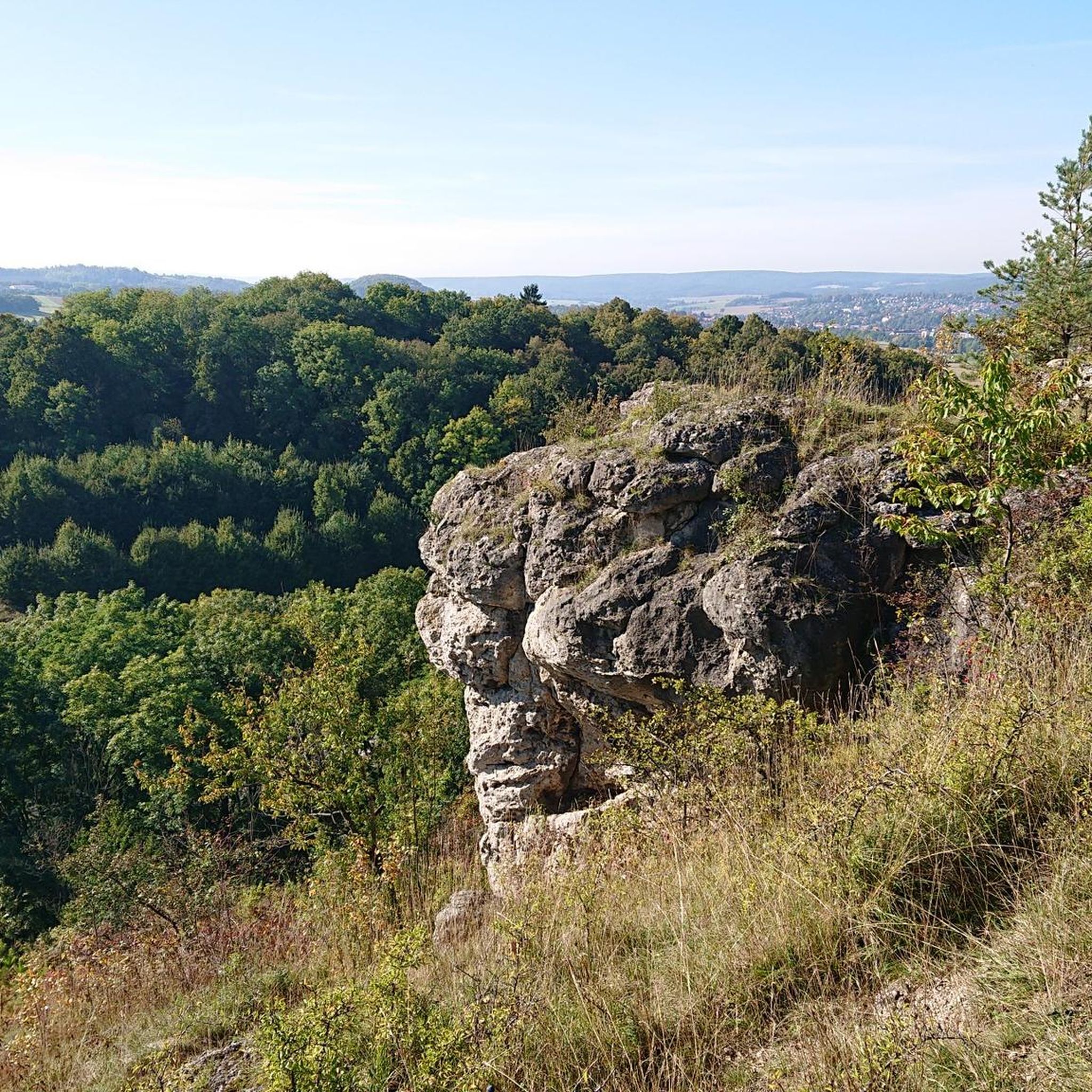
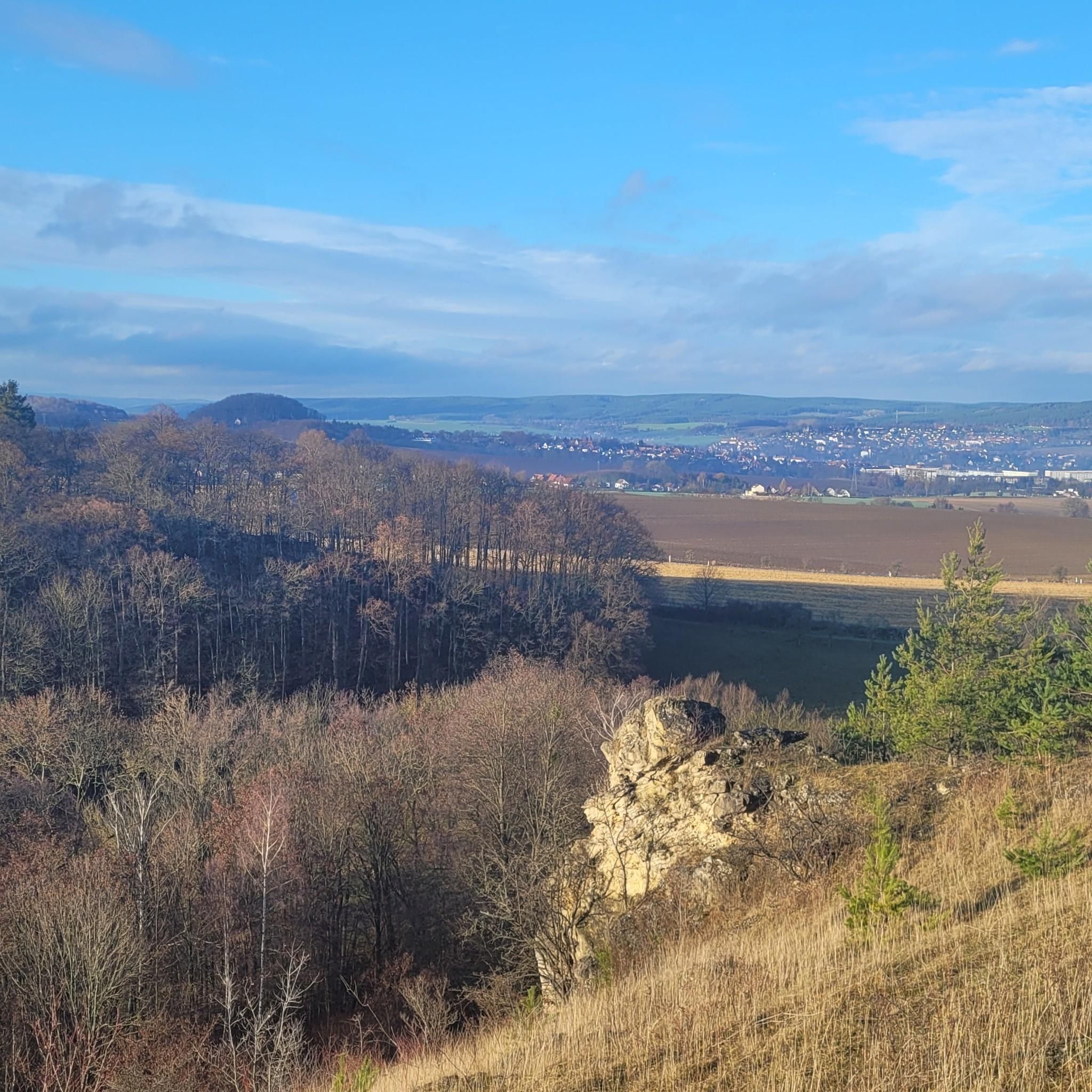
Döbritz Caves
Highlight • Cave
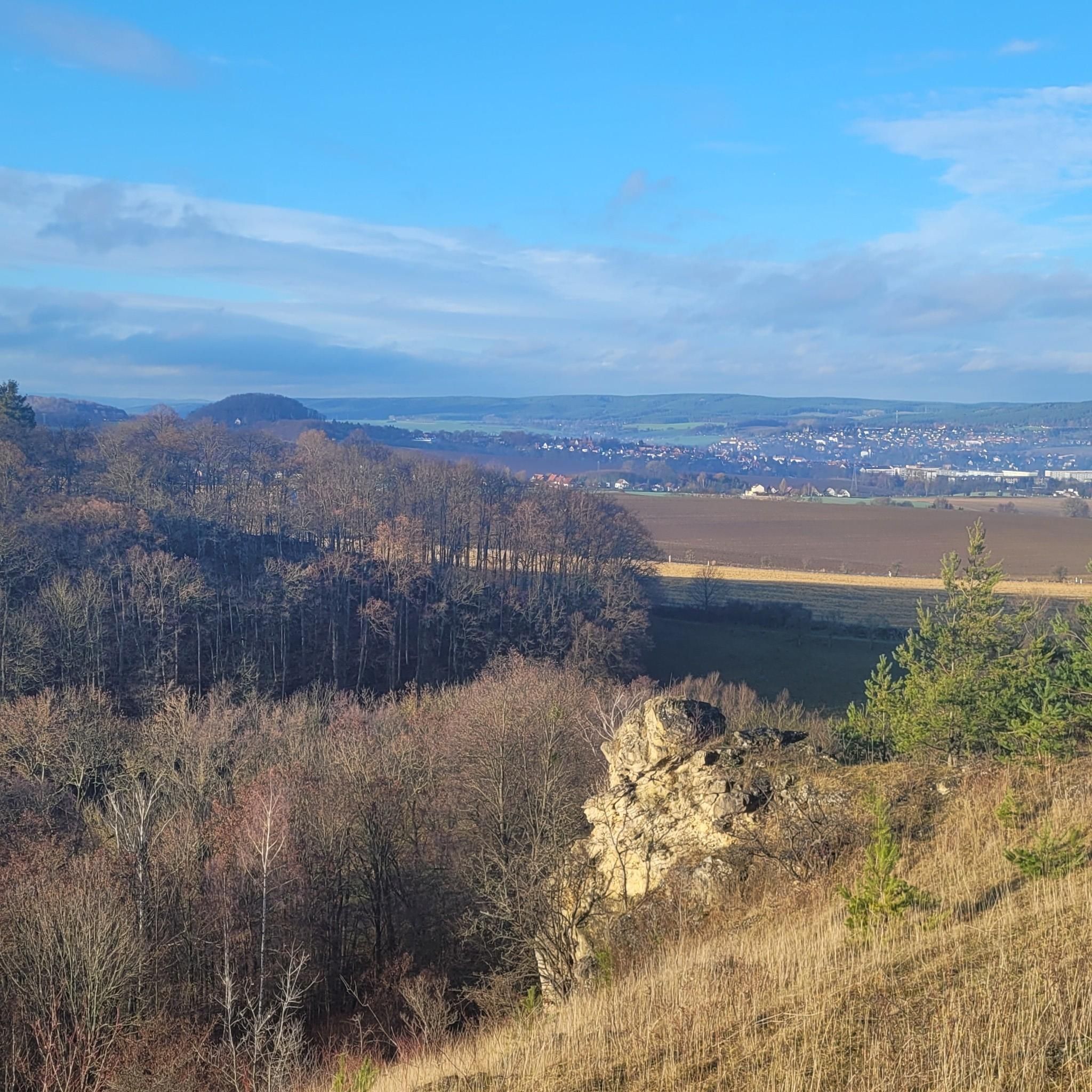
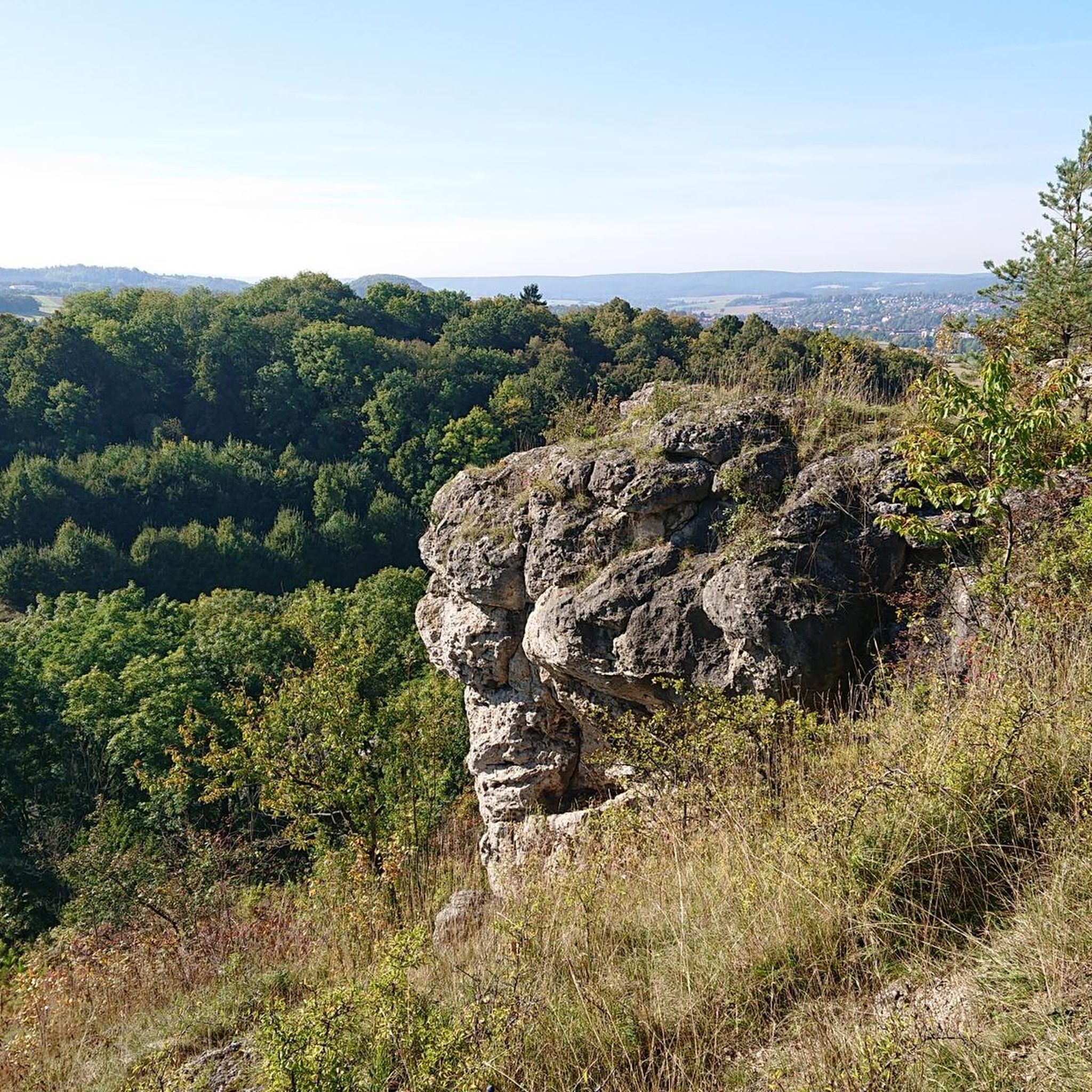
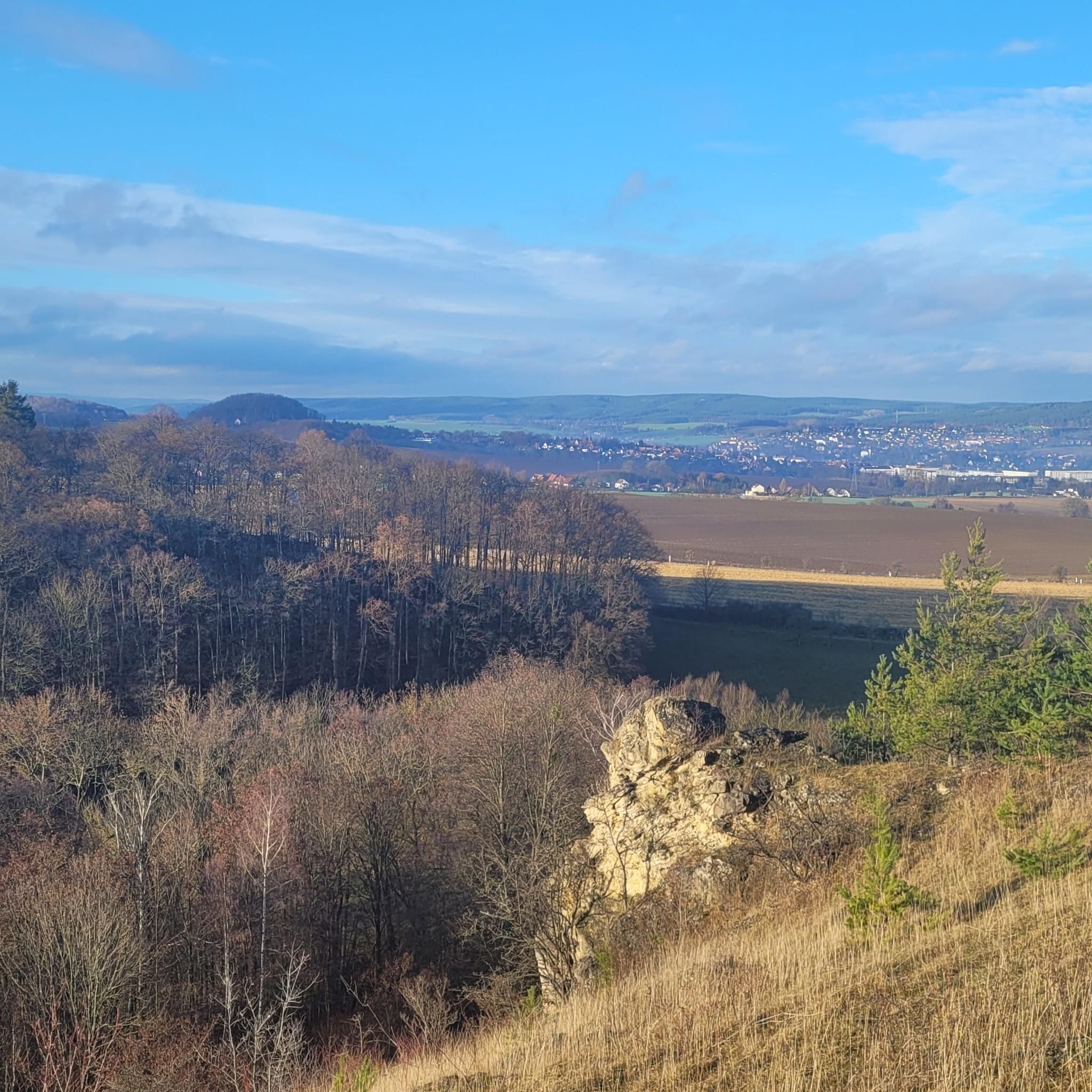
Great view of Pößneck and beyond
The Döbritzer caves are located in the Gamsental, south of the town of Döbritz, in the Saale-Orla district in Thuringia. The Zechstein massif, known as Döbritzer Switzerland, has a series of rock crevices and three caves.
(📜 Wikipedia)
Translated by Google •
Tip by

Sign up for free to discover even more caves around Döbritz.
Sign up for free
Already have an account?
Start today with a free account
Your next adventure awaits.
Login or Signup

Tips from the Community

Very interesting cave in which Stone Age people may have once lived.
21
0
The Ilsen Cave was inhabited over 40,000 years ago. Archaeological excavations have uncovered some artifacts from the Stone Age.
26
0

Spend the night where our ancestors had their tool shed.
0
0

It doesn't go far into the stone, but the whole rock is a highlight🫶
14
0
The excavations in this cave are world famous and date back more than 47,500 years. Unfortunately not accessible.
14
0

It is really awe-inspiring to think that people were here tens of thousands of years ago...
0
0

Unfortunately it is currently closed due to excavations. There is no sign indicating how long it will be closed.
2
0

In the course of this, sensational historical excavations were also carried out there and only recently, through bone finds, the first evidence of the existence of modern humans Homo Sapiens in northern Europe around 45,000 years ago was provided.
1
0
Frequently Asked Questions
What makes the caves around Döbritz historically significant?
The caves in the Döbritz area, particularly the Döbritzer Höhlen complex in the Gamsental valley, are renowned for their rich Paleolithic findings. They offer a unique glimpse into the lives of early *Homo sapiens* during the Ice Age, with discoveries of prehistoric art, tools, and evidence of human occupation spanning from the Middle Young Paleolithic to the Middle Ages.
Which caves in the Döbritz area are known for important archaeological discoveries?
Several caves are significant for archaeological finds. The Kniegrotte Cave is famous for its exceptional artworks, including engraved animal bones, and a substantial Magdalenian sediment layer with around 14,500 artifacts. The Urdhöhle, part of the Döbritzer Höhlen, yielded a significant bear skull, while the Ilsen Cave has world-famous excavations dating back over 47,500 years, though it is not accessible to the public.
What kind of prehistoric discoveries have been made in the Döbritz caves?
The caves have revealed a wealth of prehistoric artifacts, including engraved animal bones, stone tools from the Paleolithic period, and evidence of fire pits. Discoveries also include bone remains of Ice Age animals and relics from various cultures such as the Bell Beaker culture, Late Bronze Age, and Middle Ages, indicating long-term human habitation.
Are the caves around Döbritz generally accessible to visitors?
Accessibility varies among the caves. While some, like the Hertha Cave and Bildermollen Cave, are generally approachable, others like the Ilsen Cave are not accessible to the public due to ongoing archaeological work or preservation efforts. It's advisable to check specific cave details before planning your visit.
What natural features can I expect to see when visiting the caves?
The caves are nestled within the picturesque Gamsental valley in Thuringia, offering scenic natural surroundings. Many caves are natural monuments, often featuring unique rock formations, such as the Zechstein reef where the Large cave in the Zechstein reef at Altenburg is located. The area itself provides beautiful landscapes for exploration.
Are the caves around Döbritz suitable for families with children?
Many of the caves, particularly those with easier access and clear historical significance, can be interesting for families. Exploring the natural monuments and learning about prehistoric life can be an engaging activity for children. However, some caves might involve challenging terrain, so it's best to research individual cave details for suitability.
What outdoor activities can I combine with a visit to the Döbritz caves?
The Döbritz region offers various outdoor activities. You can find numerous hiking trails, such as the 'Kniegrotte Cave – Kirchwand (Dobritz) loop from Döbritz' or the 'Schloss Oppurg – Rittergut Positz loop from Oppurg'. For more options, explore the hiking routes around Döbritz. There are also running trails and road cycling routes available in the area.
Are there hiking trails that lead to or past the caves?
Yes, several hiking trails in the Gamsental valley and surrounding areas lead to or near the caves. For instance, the 'Kniegrotte Cave – Kirchwand (Dobritz) loop from Döbritz' is an easy 5.1 km hike that includes the Kniegrotte. You can find more detailed information and routes on the hiking guide for Döbritz.
What is the best time of year to visit the caves in the Döbritz region?
While caves maintain a relatively constant temperature year-round, the surrounding natural areas are best enjoyed during spring, summer, and early autumn. These seasons offer pleasant weather for hiking to the cave entrances and exploring the scenic Gamsental valley. Winter visits might be possible, but trails could be icy or muddy.
What do visitors enjoy most about the caves around Döbritz?
Visitors frequently appreciate the historical and archaeological significance of the caves, with many finding the evidence of Stone Age human habitation fascinating. The natural beauty of the cave formations and the surrounding landscape, particularly the Gamsental valley, also receives high praise. The opportunity to combine cave exploration with hiking in a picturesque setting is a major draw.
Are there any hidden gem caves in the Döbritz area worth exploring?
While the main caves like Kniegrotte and the Döbritzer Höhlen complex are well-known, the region's rich geological history suggests there may be smaller, less-frequented rock shelters or formations. These might require more local knowledge or off-trail exploration, offering a sense of discovery for adventurous visitors interested in the natural landscape beyond the main archaeological sites.
Most popular attractions around Döbritz

Get inspired with the komoot mobile app


Explore more
Extend your search for the best caves by checking out these guides of the top ones around Döbritz:
