The 6 Most Amazing Peaks around Gräfelfing
Best mountain peaks around Gräfelfing are not traditional alpine summits. Gräfelfing, located west of Munich, features green landscapes and a relatively low average elevation of approximately 540 meters. The area offers opportunities for outdoor activities in a generally flat or gently rolling environment, rather than mountainous terrain. True mountain peaks, such as those in the Bavarian Alps, are situated about 90 kilometers south of Munich.
Best mountain peaks around Gräfelfing
- The most popular mountain peaks is Luitpoldhügel, a viewpoint…
Last updated: May 11, 2026
Olympic mountain
Highlight • Viewpoint
Translated by Google •
Tip by

Luitpoldhügel
Highlight • Viewpoint
Translated by Google •
Tip by

Sign up now to discover places like this
Get recommendations on the best single tracks, peaks, & plenty of other exciting outdoor places.
Sign up for free
Pumuckl Fountain
Highlight • Monument
Translated by Google •
Tip by

Baldehöhe – Munich's Highest Geographical Point
Highlight • Summit
Translated by Google •
Tip by

Baldehöhe
Highlight • Summit
Translated by Google •
Tip by

Start today with a free account
Your next adventure awaits.
Login or Signup
Tips from the Community


The climb can be strenuous for some, but the path winds its way up with regular benches for resting or catching your breath. From the top, there's a beautiful view of the Alps and the Frauenkirche (Church of Our Lady), weather permitting.
0
0

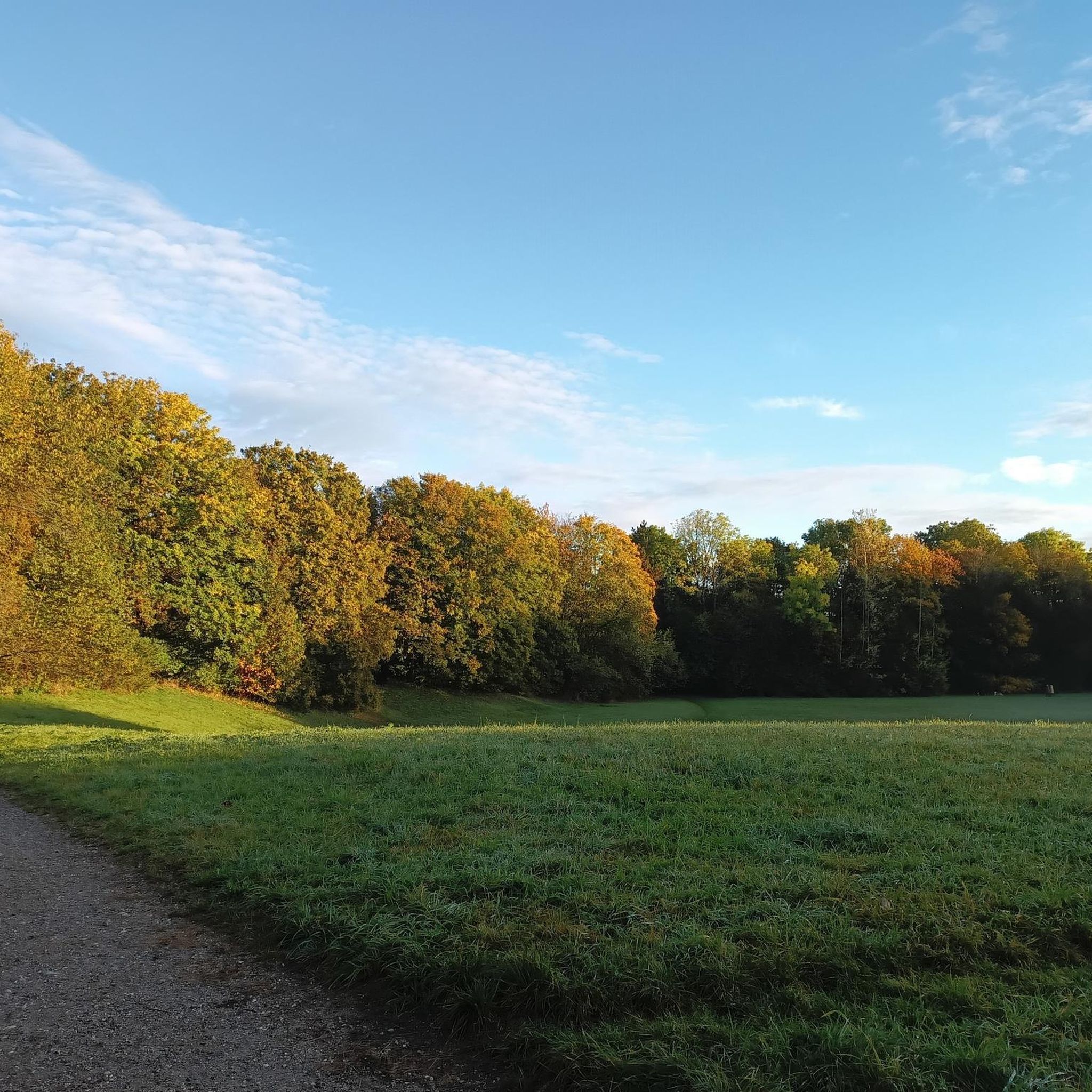
Luitpold Hill was created from rubble and debris after World War II. The now green hill serves as a small viewing point and is used for sledding in winter. A memorial cross has stood on its summit since 1958.
1
0

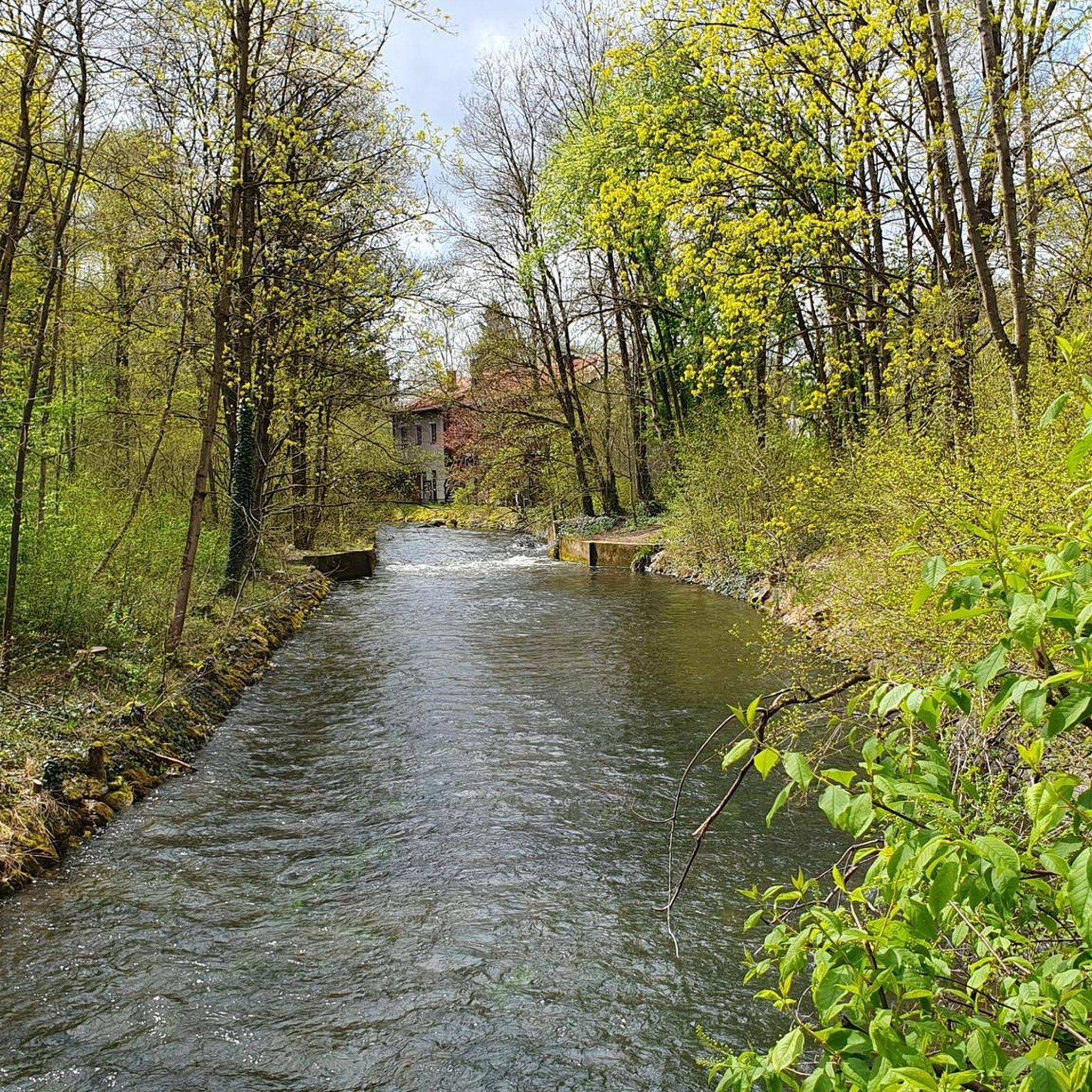
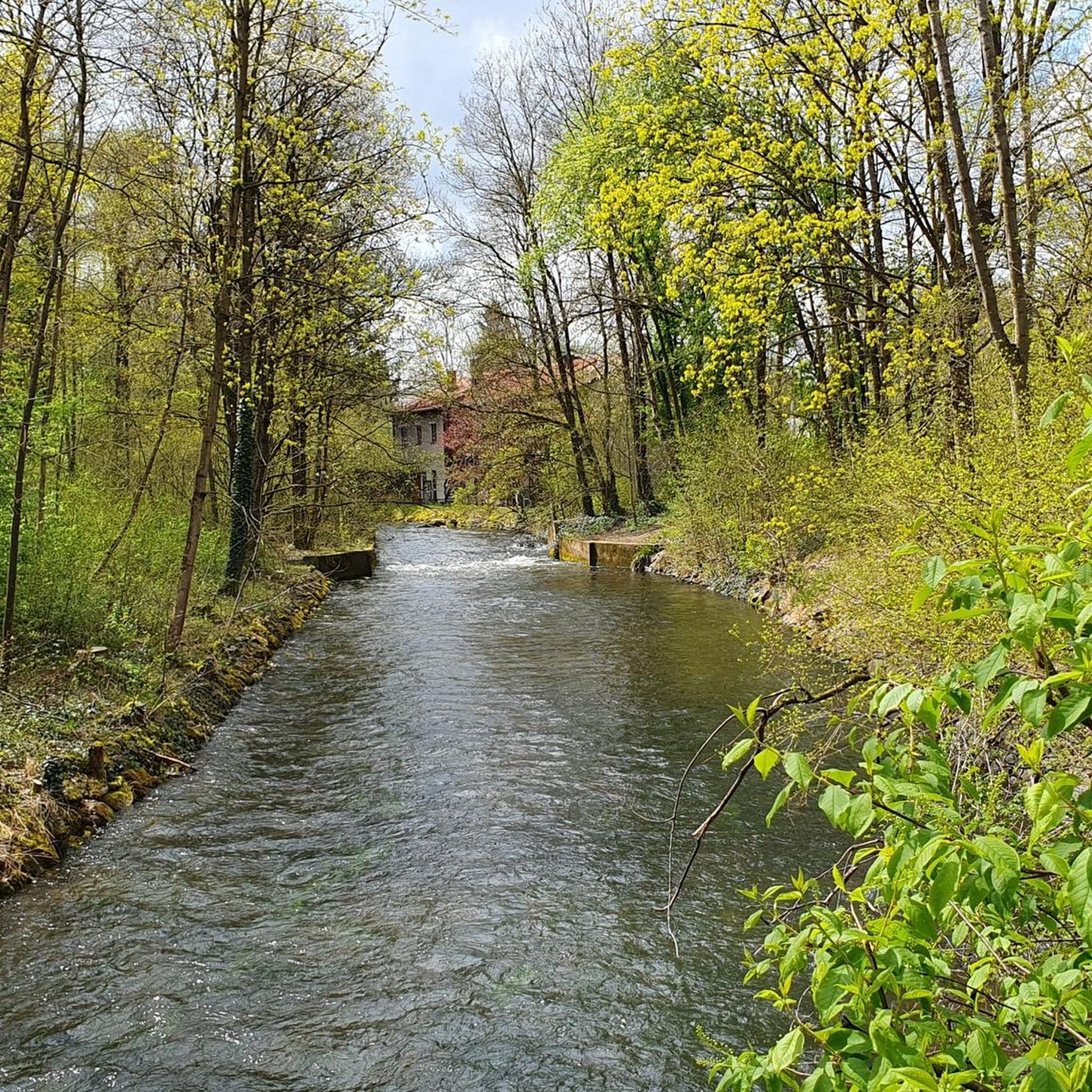
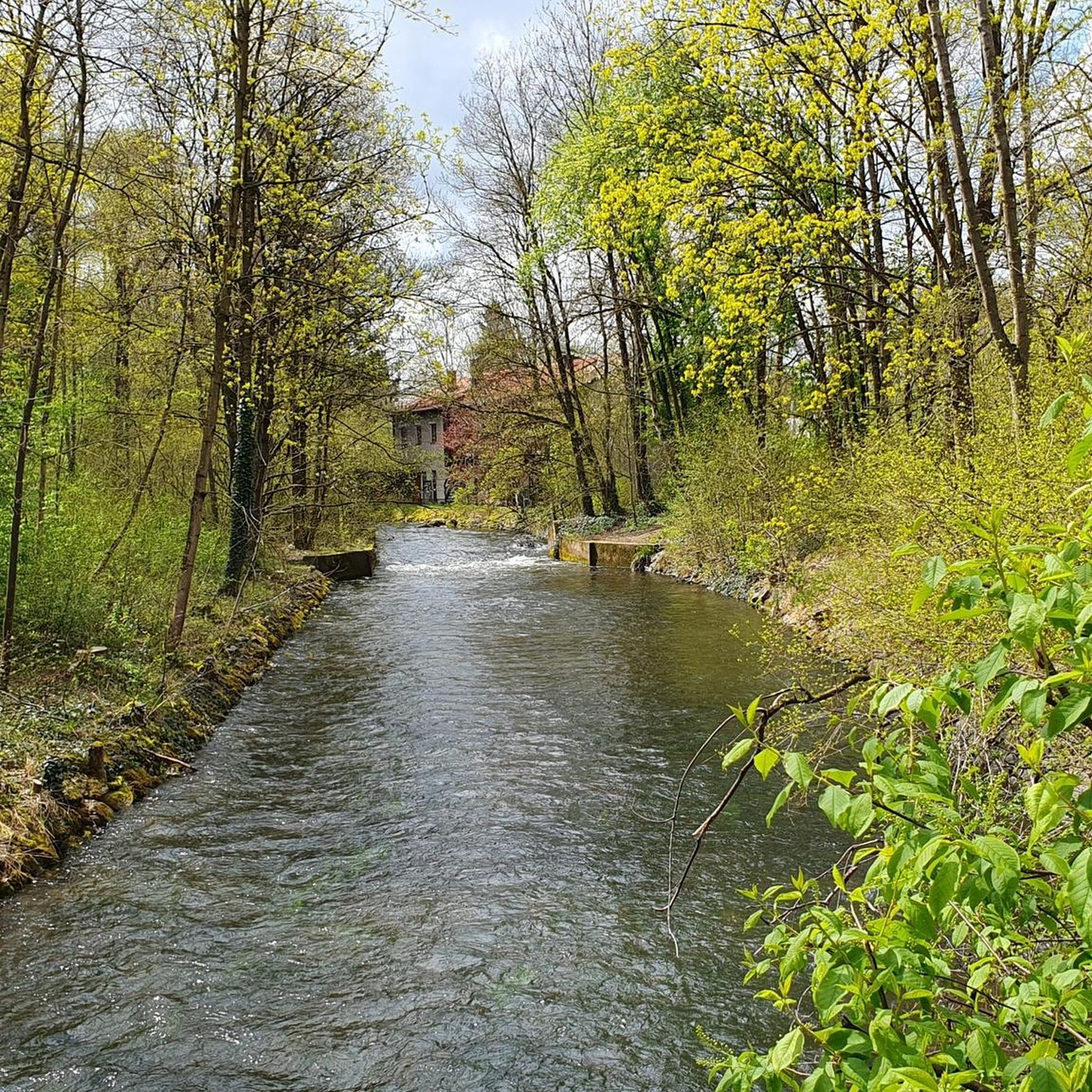
Apart from fields, the small Warnberg pond and views of the Warnberg estate, there is actually nothing to see here. The geographically highest natural point in Munich's urban area is on the estate's private property and is not accessible. On the path around the farm you can at least walk around the grounds.
4
0

A spilled mountain is the highest point in Munich
1
0

A part of old Munich lies buried beneath this mountain, the Luitpold Hill. Thousands upon thousands of incendiary bombs and explosive devices fell on the city in the final years of the Second World War; to this day, unexploded bombs are still being found in the ground during construction work. Munich was a key target for Allied bombers, not only as the location of many armaments factories, but also as the Nazi "capital of the movement." By 1945, every second building in the city was destroyed. The Luitpold Hill didn't exist back then. Luitpold Park, laid out in 1911 in honor of Prince Regent Luitpold, was originally largely flat. After the war, however, the people of Munich brought the rubble from their houses here and piled up the Luitpold Hill, just as they did with the Neuhofener Hill on the Sendlinger Isar high bank or today's Olympiaberg on the Oberwiesenfeld. Source and further information: https://www.sueddeutsche.de/muenchen/luitpoldpark-der-schuttberg-1.4257581
5
1

A fantastic view of the Olympic area. People meet for a sundowner, to listen to concerts, to end the evening... simply to relax
11
1
The small, red-haired goblin Pumuckl, a character by the author Ellis Kaut, is a kobold and invisible to everyone except for the master carpenter Eder (Gustl Bayrhammer), because Pumuckl once got stuck to a pot of glue in his workshop. Since then, Pumuckl has been living with Master Eder and hatching all sorts of pranks. The television series, which ran from 1982 to 1986, was directed by Ulrich König. Pumuckl's voice came from actor Hans Clarin. Source and more info https://www.filmtourismus.de/pumuckl/
1
0
Frequently Asked Questions
What kind of 'mountain peaks' can I expect to find around Gräfelfing?
Gräfelfing is characterized by green landscapes and a generally flat or gently rolling environment, rather than traditional mountainous terrain. The 'peaks' in this area are typically raised hills, geographical high points, or artificial elevations that offer viewpoints over the surroundings. True mountain peaks, like those in the Bavarian Alps, are located approximately 90 kilometers south of Munich.
Which are the most notable high points or viewpoints near Gräfelfing?
Among the most popular high points are Luitpoldhügel, a green hill created from post-WWII rubble offering a small viewing point, and Baldehöhe – Munich's Highest Geographical Point, which stands at 580.5 meters. Another interesting spot is Parsberg Summit and Geological Trail, a small mountain with a geological nature trail.
Are there any historical or cultural sites among these high points?
Yes, Luitpoldhügel is a significant historical site, as it was formed from the rubble of Munich after World War II and features a memorial cross. Baldehöhe is named after the Jesuit Jacob Balde and was historically used as a sentry post in the Middle Ages.
What natural features can I explore on these elevated spots?
While not alpine, these spots offer unique natural experiences. For instance, the Parsberg Summit features a geological nature trail within a forest. The area around Baldehöhe includes fields and the small Warnberg pond, though the highest point itself is on private property. The region generally offers green landscapes and proximity to the Würm River.
Are there family-friendly options for exploring the high points near Gräfelfing?
Many of the elevated points and viewpoints around Gräfelfing are considered family-friendly. Luitpoldhügel is popular for sledding in winter and offers easy ascents. Baldehöhe and Parsberg Summit are also suitable for families, often featuring gentle trails and natural exploration opportunities.
Can I access these high points using public transport?
Gräfelfing itself has good transport links to Munich, and many of these elevated points are within or close to urban areas, making them accessible by public transport. For example, the Olympic mountain is located within Munich's Olympic Park, easily reachable by public transport.
What is the best time of year to visit these elevated areas?
The elevated areas around Gräfelfing can be enjoyed year-round. Spring and summer are ideal for walking and cycling through the green landscapes. Autumn offers pleasant temperatures and colorful foliage. In winter, spots like Luitpoldhügel are popular for sledding, and clear days can offer views of the distant Alps.
What outdoor activities can I do near Gräfelfing's elevated points?
The Gräfelfing area, with its gently rolling terrain and proximity to the Würm River, is excellent for various outdoor activities. You can find numerous routes for mountain biking, road cycling, and touring. For example, explore MTB trails like the "View of the Würm River – Würmtal Cycle Path loop from Gräfelfing" or road cycling routes such as the "Cycle Path to Söcking – Starnberg Lakeside Promenade loop from Gräfelfing." You can find more details on these and other routes in the MTB Trails around Gräfelfing, Road Cycling Routes around Gräfelfing, and Cycling around Gräfelfing guides.
Are there specific cycling routes that pass by these high points?
While the high points themselves might not be directly on major cycling paths, many routes in the region offer views or pass nearby. For instance, cycling routes often follow the Würm River, providing access to the general area. You can explore routes like the "Würmtal Riverbank – Recreation area on the Würm loop from Gräfelfing" for scenic rides in the vicinity. Check the Cycling around Gräfelfing guide for detailed routes.
What kind of terrain should I expect when exploring the Gräfelfing area?
The terrain around Gräfelfing is generally flat to gently rolling. You'll encounter green landscapes, parks, and paths along the Würm River. While there are elevated points, they are typically modest hills rather than steep mountain ascents. This makes the area suitable for leisurely walks, cycling, and family-friendly outdoor activities.
What makes Luitpoldhügel a unique spot to visit?
Luitpoldhügel is unique because it's an artificial hill created from the rubble of Munich after World War II. Despite its origins, it's now a green, harmonious spot that serves as a small viewing point with a memorial cross on its summit. It's also a popular destination for sledding in winter and offers multiple fortified ascent paths, making it an interesting destination for runners.
Where is Munich's highest geographical point located, and what can I see there?
Munich's highest geographical point is Baldehöhe, located in the Solln district at 580.5 meters. While the exact highest point is on the private property of the Warnberg estate and not directly accessible, you can walk around the site. The area offers views of fields and the small Warnberg pond. It's primarily notable for its geographical significance rather than dramatic vistas.
Is there a 'mountain' with a nature trail near Gräfelfing?
Yes, the Parsberg Summit and Geological Trail is a small mountain featuring a geological nature trail. The highest point of the Parsberg is located within a forest, offering an opportunity to explore natural features and learn about the area's geology.
Most popular routes around Gräfelfing
Most popular attractions around Gräfelfing

Get inspired with the komoot mobile app


Explore more
See even more amazing summits around Gräfelfing with these guides:
