Attractions and Places To See around Groß Wüstenfelde - Top 20
Best attractions and places to see around Groß Wüstenfelde include historical sites, natural landscapes, and cultural points of interest. Located in Mecklenburg-Vorpommern, this village is characterized by its scenic surroundings, featuring wide fields, green meadows, and dense forests. The area offers a variety of attractions, from historic manor houses and churches to opportunities for outdoor activities like hiking and cycling. Visitors can explore sites with centuries of history and enjoy the diverse natural environment.
Best attractions and places to see…
Last updated: August 16, 2026
Teschow Castle
Highlight • Castle
Today it is operated as a golf and wellness hotel.
Translated by Google •
Tip by

Teterow Town Hall and Hechtbrunnen Fountain
Highlight • Monument
Source: teterow.m-vp.de
Translated by Google •
Tip by
Sign up now to discover places like this
Get recommendations on the best single tracks, peaks, & plenty of other exciting outdoor places.
Sign up for free
Polchow Church
Highlight • Religious Site
Translated by Google •
Tip by

Gutshaus Dalwitz
Highlight • Historical Site
Translated by Google •
Tip by

Teterow Lake
Highlight • Lake
Translated by Google •
Tip by

Sign up for free to discover even more attractions around Groß Wüstenfelde.
Sign up for free
Already have an account?
Start today with a free account
Your next adventure awaits.
Login or Signup
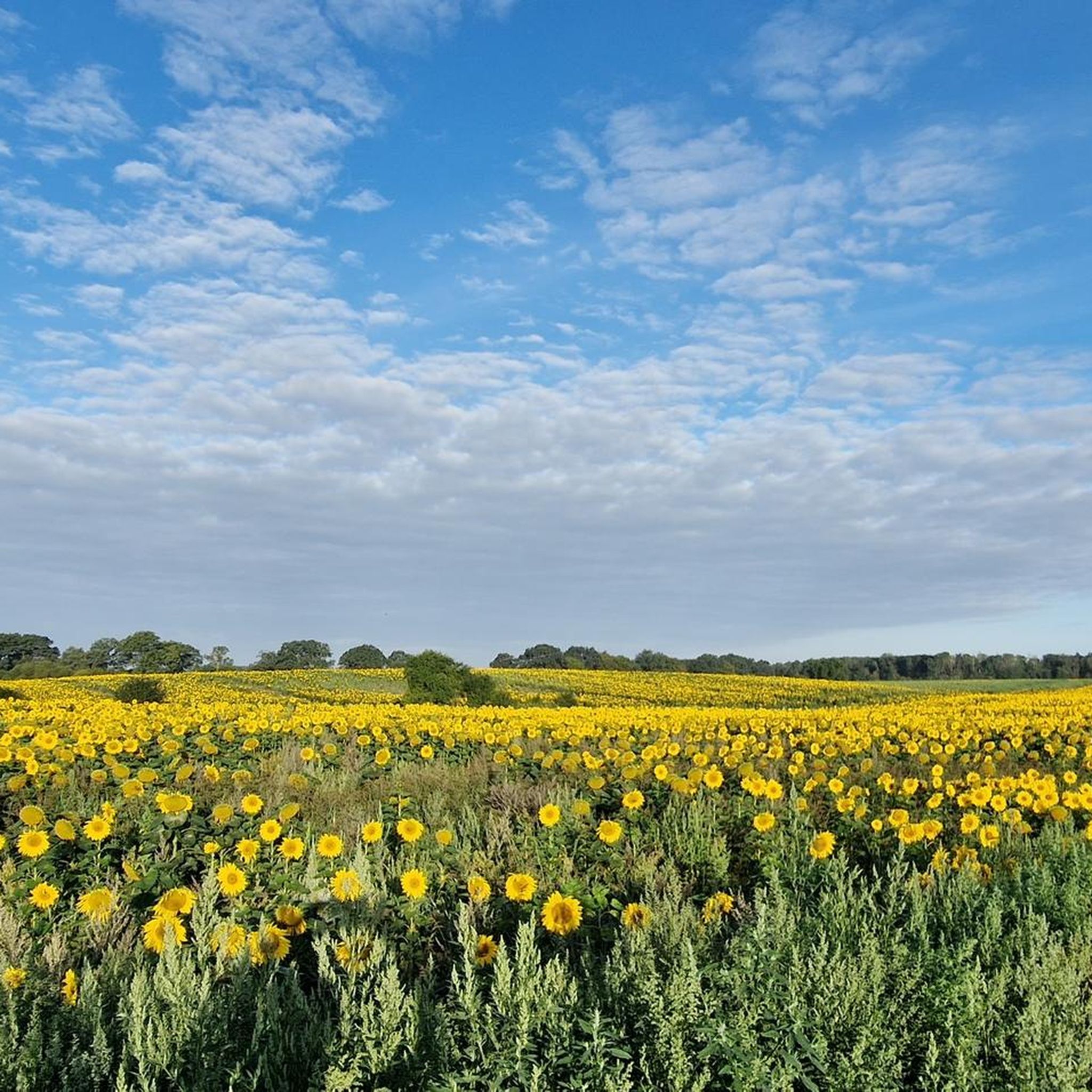
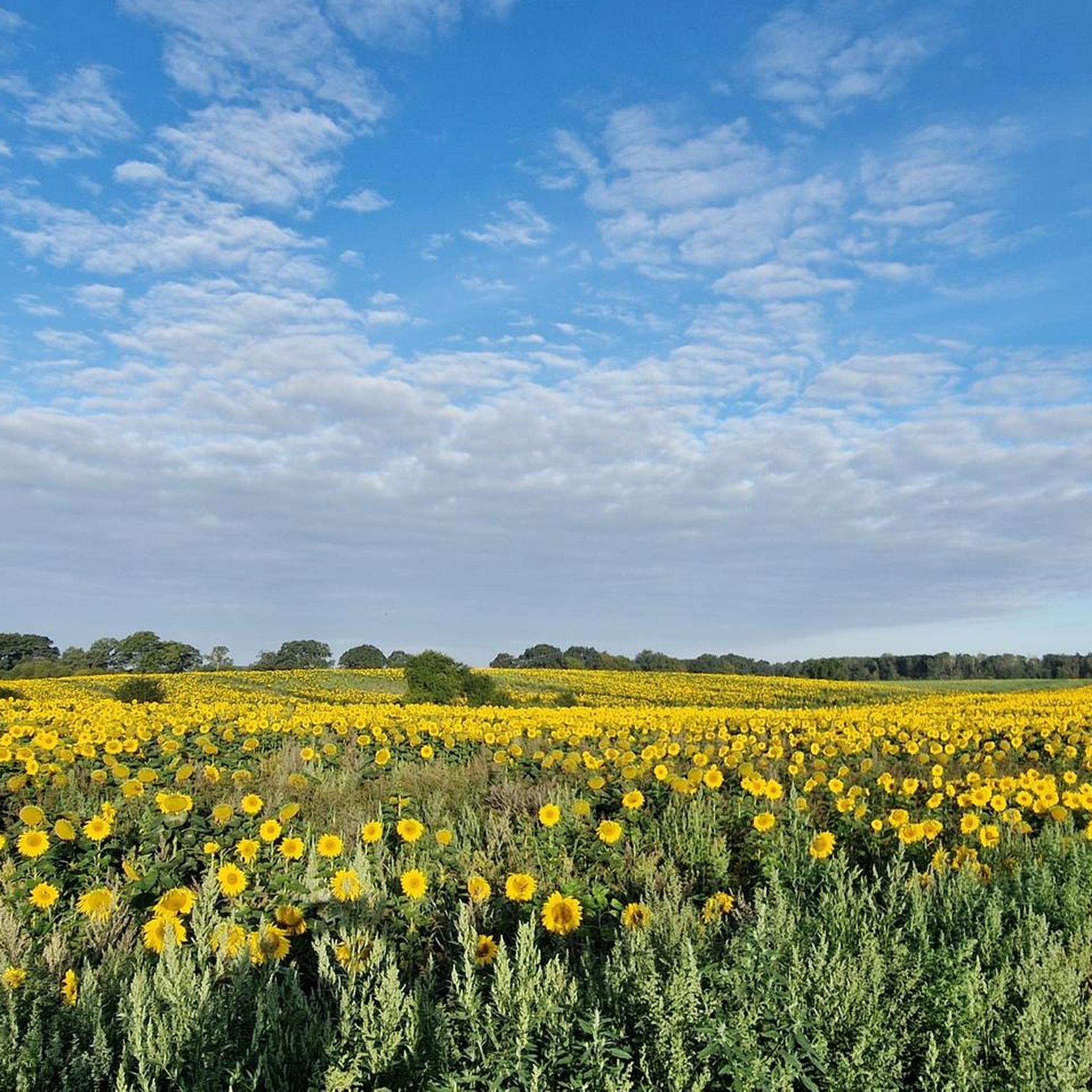
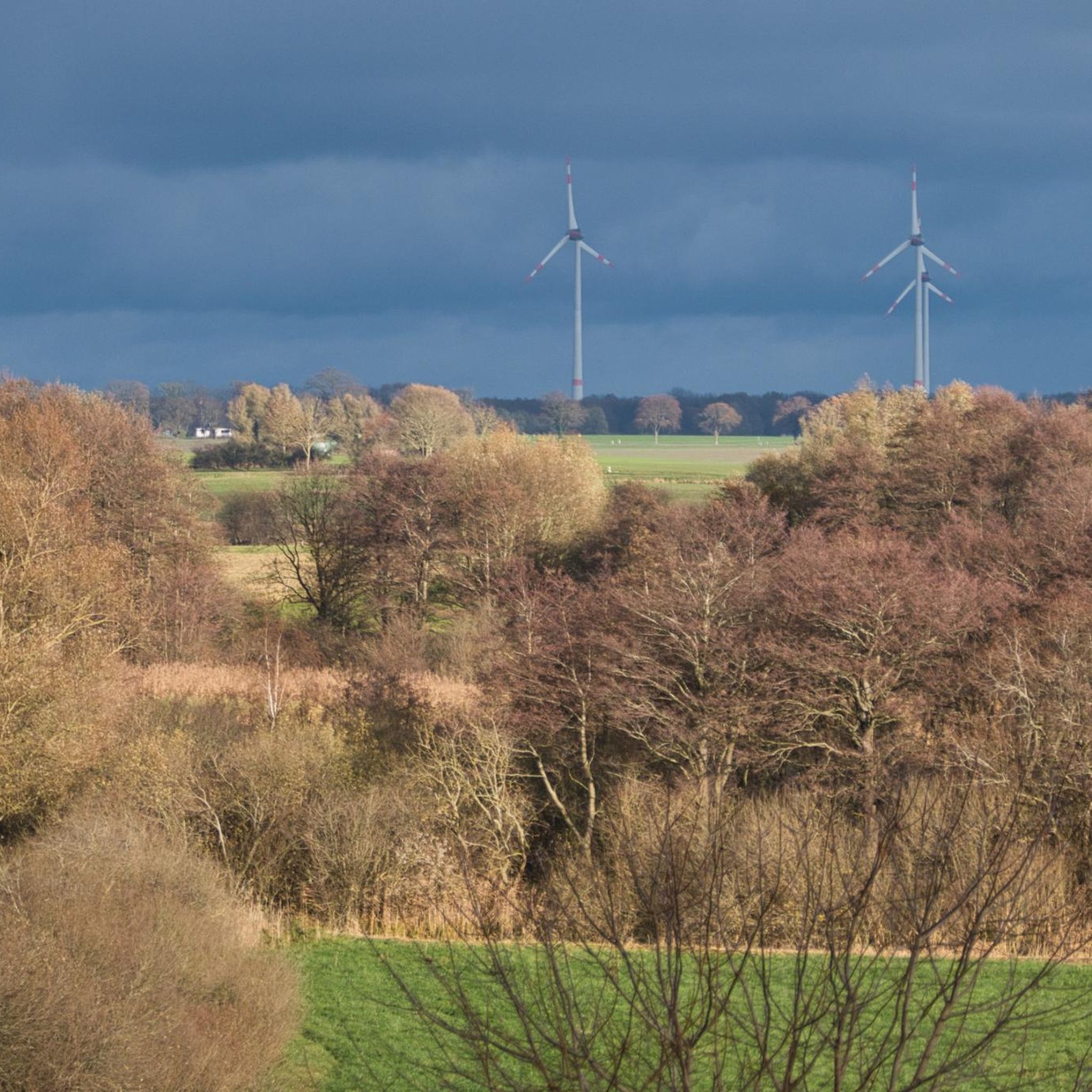
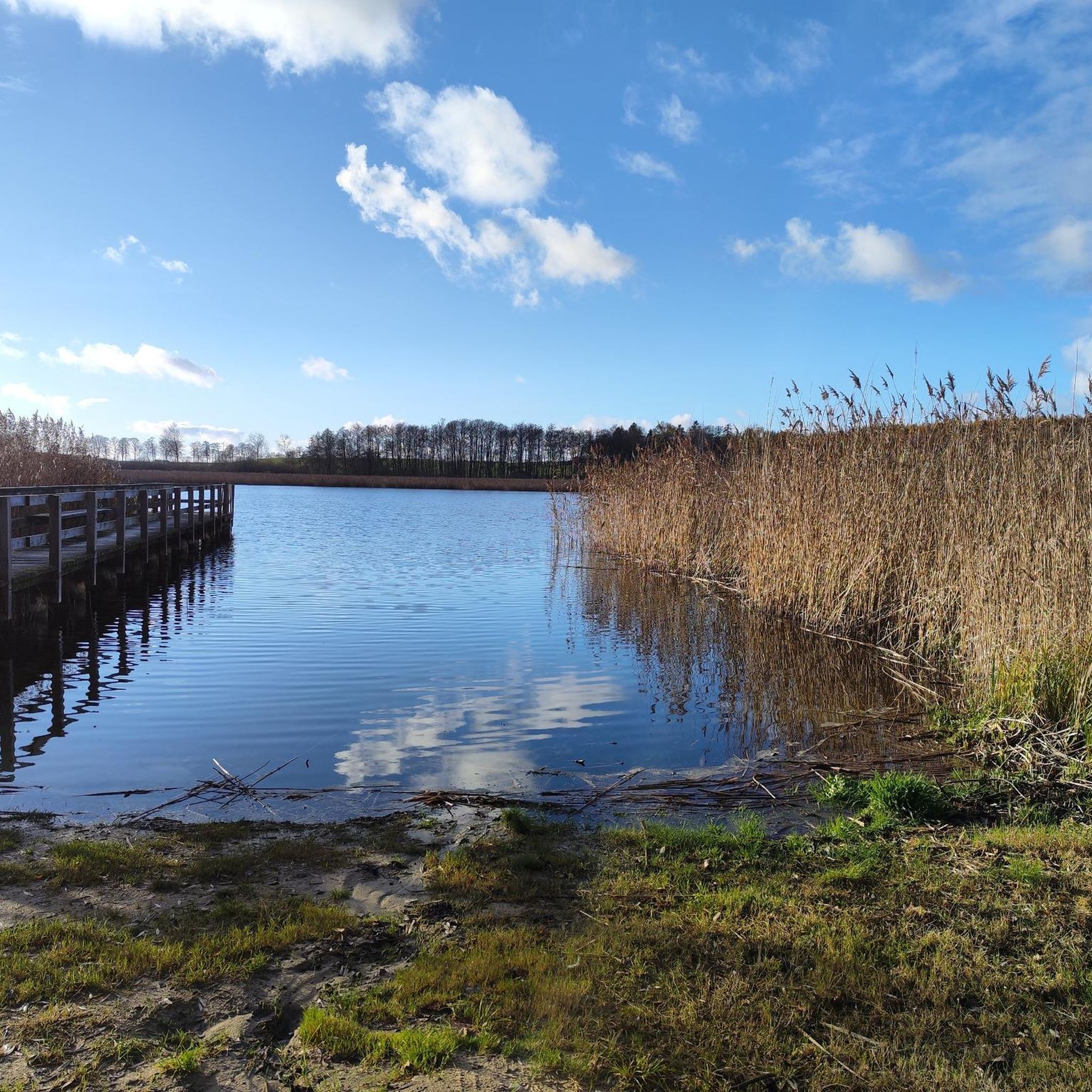
Tips from the Community

Great, small natural swimming pool! €1 entrance and nicely refreshing water.
0
0


The Dalwitz Estate is located in Mecklenburg, about an hour from Rostock. It is owned by Dr. Heinrich von Basswitz and his wife, Countess Lucy von Basswitz. Here, you can spend a wonderful, relaxing vacation.
0
0

Polchow lay on Mecklenburg's oldest trade route, the Via Regia, which ran through this area 1,000 years ago and was already used by Slavic and Arab traders. The church in Polchow was built between 1888 and 1891 by Gotthilf Ludwig Möckel and is a neo-Gothic brick building with a recessed choir and a west tower, constructed over a three-year period. The choir windows depict the apostles Peter and Paul. The stone epitaph depicts the Crucifixion in its center, flanked by kneeling family members turning toward the scene of the crucifixion. Above it is the Resurrection. The old linden tree in the cemetery was declared a natural monument in 1937 and is considered the oldest linden tree in Mecklenburg. As early as 1886, its circumference was given as 13 meters.
1
0
Dalwitz was a manor village. Since 1349, the land around Dalwitz has been owned by the Counts of Bassewitz. Starting in 1992, Count Heinrich Bassewitz expanded the Dalwitz estate into an organic farm. The farm received the Agricultural Culture Prize in 1999 and the Thünen Medal in 2001. The manor house, built in the Swedish country house style in 1726, was remodeled and expanded in the Tudor style in 1855. After 1992, vacation apartments were built on the estate, as well as a riding stable with a riding facility and a restaurant. This offers numerous options for vacationers. The farm shop and the excellent restaurant "La Remise" offer supplies, as does the nearby small shop "Ihre Kette."
0
0

Freely accessible. A clinic is housed here. The extension was adapted to fit the manor house.
2
0

Huge hotel complex, but beautifully decorated and worth seeing
2
0

200 years passed between the laying of the foundation stone in 1215 and the completion of the church - the reason for two different architectural styles (late Romanesque and Baroque.
1
0
Frequently Asked Questions
What historical sites can I visit around Groß Wüstenfelde?
The region offers several historical sites. You can explore the baroque Gutshaus Dalwitz, which has been an organic farm since 1992 and features vacation apartments and a restaurant. Another significant site is Teschow Castle, built around 1835 by the Blücher family, now operating as a golf and wellness hotel. The area also boasts the historic Teterow Town Hall and Hechtbrunnen Fountain, marking the geographical center of Mecklenburg-Western Pomerania.
Are there any notable churches or religious buildings in the area?
Yes, there are two prominent churches. The Polchow Church is a neo-Gothic brick building constructed between 1888 and 1891, located in one of the oldest villages in the Güstrow district. Its cemetery is home to a remarkable 1000-year-old linden tree. Additionally, the St. Peter and Paul Town Church Teterow, an Evangelical Lutheran church, began construction in 1215 and showcases a typical North German architectural style.
What kind of outdoor activities can I do near Groß Wüstenfelde?
Groß Wüstenfelde is ideal for nature enthusiasts, offering diverse landscapes for various outdoor activities. You can find numerous routes for running, road cycling, and mountain biking. For running, explore trails like the "Hohes Holz loop from Teterow" or the "Teterower See loop." Cyclists can enjoy routes such as the "Rostock Gate Teterow – View of the Wind Turbines loop." Mountain bikers have options like the "Beach on Lake Malchin – Schorssow Castle loop." You can find more detailed routes in the respective guides for Running Trails around Groß Wüstenfelde, Road Cycling Routes around Groß Wüstenfelde, and MTB Trails around Groß Wüstenfelde.
Are there family-friendly attractions or activities in the area?
Yes, several attractions are suitable for families. The Teterow Town Hall and Hechtbrunnen Fountain in the historic town center is an interesting spot for all ages. Teschow Castle, now a golf and wellness hotel, offers a scenic estate to explore. Additionally, Gutshaus Dalwitz provides vacation apartments and a riding stable, making it a great option for family stays and activities.
What natural features or landscapes can I experience in Groß Wüstenfelde?
Groß Wüstenfelde is surrounded by picturesque natural landscapes. You'll find wide fields, green meadows, and dense forests, perfect for experiencing the outdoors. The region is part of Mecklenburg-Vorpommern, known for its varied natural beauty. Visitors can enjoy beautiful sunsets in summer and a snow-covered fairytale landscape in winter, making it appealing year-round for nature lovers.
Where can I find local food and drink options?
The region offers culinary delights, including local fish or game dishes and various types of beer. For a specific recommendation, Gutshaus Dalwitz features an excellent restaurant called "La Remise" and a farm shop with good goods, providing a taste of local produce and cuisine.
What is the best time to visit Groß Wüstenfelde for outdoor activities?
The region offers different experiences depending on the season. Summer provides beautiful sunsets and ideal conditions for hiking and cycling. Winter transforms the landscape into a snow-covered fairytale, suitable for those who enjoy colder weather activities. The diverse natural landscapes can be enjoyed throughout the year, with each season offering its unique charm for outdoor enthusiasts.
Are there any cultural events or unique points of interest?
Groß Wüstenfelde regularly hosts concerts, theater performances, and art exhibitions, offering cultural experiences. A unique point of interest is the filming location for the 2004 ARD series "Adventure 1900 – Life in the Manor House," which fans can visit. The area also has the Hechtbrunnen Fountain in Teterow, which is a local landmark and symbol of the town.
Can I find accommodations or places to stay near the attractions?
Yes, there are accommodation options available. Teschow Castle operates as a golf and wellness hotel. Additionally, Gutshaus Dalwitz offers vacation apartments on its organic farm estate, providing a comfortable stay with access to a restaurant and riding facilities.
What makes the <a href="https://www.komoot.com/highlight/711367" target="_blank" rel="noopener">Teterow Town Hall and Hechtbrunnen Fountain</a> a significant attraction?
The Teterow Town Hall and Hechtbrunnen Fountain is significant for several reasons. The neo-baroque town hall, dating from 1910, is an impressive architectural piece. The Hechtbrunnen (Pike Fountain), inaugurated in 1914, is a landmark and symbol of Teterow. Notably, a cast-iron relief plate on the fountain marks the geographical center of Mecklenburg-Western Pomerania, making it a unique point of interest.
What is special about the <a href="https://www.komoot.com/highlight/2727352" target="_blank" rel="noopener">Polchow Church</a>?
The Polchow Church is a beautiful neo-Gothic brick building constructed between 1888 and 1891. It stands in Polchow, one of the oldest villages in the Güstrow district, first mentioned in 1216. A particularly special feature is the 1000-year-old linden tree located in its cemetery, which was declared a natural monument in 1937 and is considered the oldest linden tree in Mecklenburg.
Most popular attractions around Groß Wüstenfelde

Get inspired with the komoot mobile app


Explore more
Still not found the Highlight you’re looking for? See guides of the top attractions in other regions:
