Top 20 Castles around St. Peter
Best castles around St. Peter offers a diverse range of historical sites, from well-preserved ruins to former fortresses. The region features varied terrain, including hilltops overlooking valleys and forested areas, providing scenic backdrops for these ancient structures. Visitors can explore centuries of history embedded in these landmarks, many of which offer panoramic views of the surrounding landscape. This area provides opportunities for historical exploration combined with outdoor activity.
Best castles around St. Peter
- The most popular castles is Kastelburg Castle…
Last updated: June 22, 2026
Kastelburg Castle Ruins
Highlight • Castle
Translated by Google •
Tip by

Zähringen Castle Tower
Highlight • Castle
Translated by Google •
Tip by

Sign up now to discover places like this
Get recommendations on the best single tracks, peaks, & plenty of other exciting outdoor places.
Sign up for free
Wiesneck Castle Ruins
Highlight • Castle
Translated by Google •
Tip by

Ruins of St. Severin Chapel (Mauracher Berg)
Highlight • Religious Site
Translated by Google •
Tip by

View of Hochburg Castle
Highlight • Viewpoint
Translated by Google •
Tip by

Sign up for free to discover even more castles around St. Peter.
Sign up for free
Already have an account?
Start today with a free account
Your next adventure awaits.
Login or Signup
Popular around St. Peter
Germany's Kandelhöhenweg — More westerly than the Westweg
The Black Forest Crossing – From north to south in eight days
Hiking adventures in the Black Forest
Schwarzwälder Hütteneinkehr – Genussmomente zwischen Wald und Weite
Hiking around St. Peter
Road Cycling Routes around St. Peter
Cycling around St. Peter
MTB Trails around St. Peter
Running Trails around St. Peter

Gravel biking around St. Peter
Other adventures around St. Peter


Tips from the Community


Only a part of the wall and a tower wall remain.
0
0

Below the Sexau vineyard you have a beautiful view over the countryside to the impressive Hochburg ruins near Emmendingen. It is one of the largest castle ruins on the Upper Rhine.
1
0

The castle was first mentioned in documents in 1079. The relatively extensive area is not secured. Enter the ruins at your own risk! The center of the castle is located on a hill surrounded by a deep moat. There is still an impressive wall at the top. Crashed and fallen trees are lying everywhere. But if you like castles and forests, you're in good hands here. Below the remains of the wall in the middle you have a wonderful view towards the Höllental entrance. The streets here were probably also the reason for the construction of the castle. For more information see e.g. here: https://de.wikipedia.org/wiki/Burg_Wiesneck
2
1

It was first mentioned as “Hachberg” castle in the 12th century; The gentlemen from Hachberg are possible founders and first owners. The Margraves of Baden and the Hachberg branch had owned and used the complex since the 13th century. The castle's heyday began in the 17th century, when Margrave Georg Friedrich von Baden had it expanded into a fortress.
2
0
The St. Severin ruins are located on the eastern slope of the Mauracher Mountain, an elevation in the municipality of Denzlingen in northern Breisgau. One of Denzlingen's first places of worship was probably located here 1,000 years ago. The ruin bears the year 1497 on the Gothic door arch. Already in the Middle Ages one often heard the name of the "eclesia in Muron" or "eclesia in Gloter", church in Maurach" or in the parish of Glotter. However, the patronage was first mentioned in 1488, when the church of St. Serverin was called "S. Severini in Murach" is mentioned in writing. A relief plate made of red sandstone, which depicts St. Severin as a bishop and was found within the church ruins, is now in the Catholic Jakobuskirche in Denzlingen. Until the Reformation, pilgrimages took place regularly on the Mauracher Mountain. The Reformation, which was carried out in the towns of the Margraves of Baden in 1556, ended the pilgrimages and processions. 1575 It is mentioned that the margrave, after accepting the change of religion, banned pilgrimages to the chapel on the Mauracherberg and closed the little church. However, this probably did not stop many believers from continuing to pray in St. Severin, as the inscriptions on the relief panel from 1771 show. Today only a very dilapidated ruin remains of the old pilgrimage center on the Mauracher Berg, which was once the mother church of the Glottertal. https://www.alemannische-seiten.de/deutschland/denzlingen_st-severin-denzlingen.php
3
0

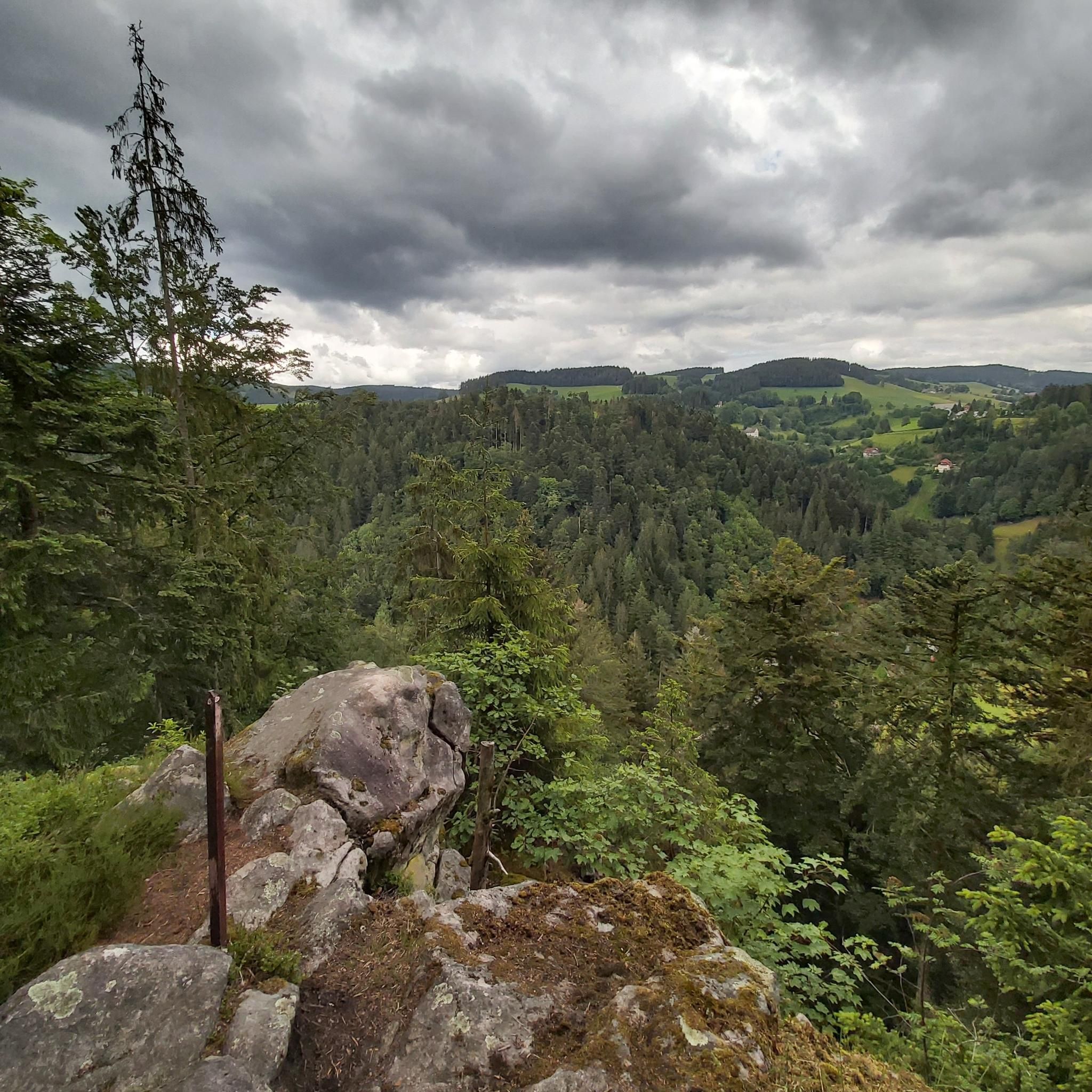
Great view. You should be surefooted. Making fire is forbidden.
0
0

The tower is not open. According to a sign, keys for the door can be borrowed from the forest restaurant just below.
3
0
Frequently Asked Questions
What are the most popular castles to visit around St. Peter?
The most popular castles in the region include Kastelburg Castle Ruins, which offers excellent views of Waldkirch, and Zähringen Castle Tower, known for its magnificent views of Freiburg and the Feldberg. Visitors also appreciate the Ruins of St. Severin Chapel (Mauracher Berg), a historical site with benches perfect for a picnic.
Are there family-friendly castles or historical sites to visit near St. Peter?
Yes, the Ruins of St. Severin Chapel (Mauracher Berg) is noted as family-friendly. It's a great little church ruin with plenty of benches for a picnic, located on the eastern slope of the Mauracher Mountain, offering a pleasant historical outing for all ages.
What kind of views can I expect from the castles around St. Peter?
Many castles in the St. Peter area offer impressive panoramic views. For example, Kastelburg Castle Ruins provides a very nice view of Waldkirch and the surrounding area. From Zähringen Castle Tower, you can enjoy magnificent views of Freiburg and the Feldberg. Even from the remains of Ruins of Falkenstein Castle (Höllental), you get a breathtaking view down into the Höllental and the Hirschsprung.
What outdoor activities can I combine with a visit to the castles?
The region around St. Peter is excellent for outdoor activities. You can find numerous running trails, such as the 'St. Peter Abbey loop' or 'View of St. Peter and Feldberg loop'. There are also options for gravel biking and mountain biking, with routes like 'View of the Platte – View of St. Peter loop'. You can explore these and more on the Running Trails around St. Peter, Gravel biking around St. Peter, and MTB Trails around St. Peter guide pages.
Are there challenging hikes to reach any of the castle ruins?
Yes, some castle ruins involve challenging ascents. For instance, reaching the Ruins of Falkenstein Castle (Höllental) requires a steep climb, and good footwear, surefootedness, and a head for heights are recommended. The reward is a magnificent view into the Höllental.
What historical information is available at the castle sites?
Many sites provide historical context. At Kastelburg Castle Ruins, an information board at the entrance details its history. Zähringen Castle Tower also features informative panels about its past. The Ruins of St. Severin Chapel (Mauracher Berg) has a rich history dating back to the Middle Ages as a pilgrimage site.
What is the best time of year to visit the castles around St. Peter?
The castles around St. Peter can be visited year-round, but spring, summer, and early autumn generally offer the most pleasant weather for exploring and enjoying the outdoor trails and viewpoints. Winter visits can be picturesque, especially after snowfall, but some paths might be more challenging due to ice or snow, particularly for ruins like Falkenstein.
Are there any hidden gems among the castle ruins in the St. Peter area?
While not explicitly a 'hidden gem,' the Wiesneck Castle Ruins are described as a romantic spot in the forest, even though only a few walls remain. It offers countless small paths and corners to explore, providing a more secluded experience.
What should I know about accessibility and terrain when visiting these castles?
The terrain around the castles varies. Some, like Ruins of Falkenstein Castle (Höllental), involve steep and challenging paths requiring good footwear. Others, like the Ruins of St. Severin Chapel (Mauracher Berg), are more accessible with benches for resting. Always check the specific highlight details for difficulty ratings and tips on footwear.
Can I find cafes or places to eat near the castle ruins?
While specific cafes directly at every ruin are not listed, the Zähringen Castle Tower mentions that the key for the tower can be borrowed from the inn below the castle, suggesting a nearby establishment. The Ruins of St. Severin Chapel (Mauracher Berg) is equipped with benches, making it an ideal spot for a picnic.
What makes the castles around St. Peter unique?
The castles around St. Peter are unique for their diverse range, including well-preserved ruins, hill castles, and historical religious buildings with castle elements. This variety allows visitors to explore different types of ancient structures, each offering a glimpse into centuries of history and often providing panoramic views of the surrounding Black Forest landscape.
Most popular routes around St. Peter
Most popular attractions around St. Peter

Get inspired with the komoot mobile app


Explore more
Looking for the best castles somewhere else? Discover other guides around St. Peter:
