The best road cycling routes around Inchenhofen
4.6
(485)
6,868
riders
14
rides
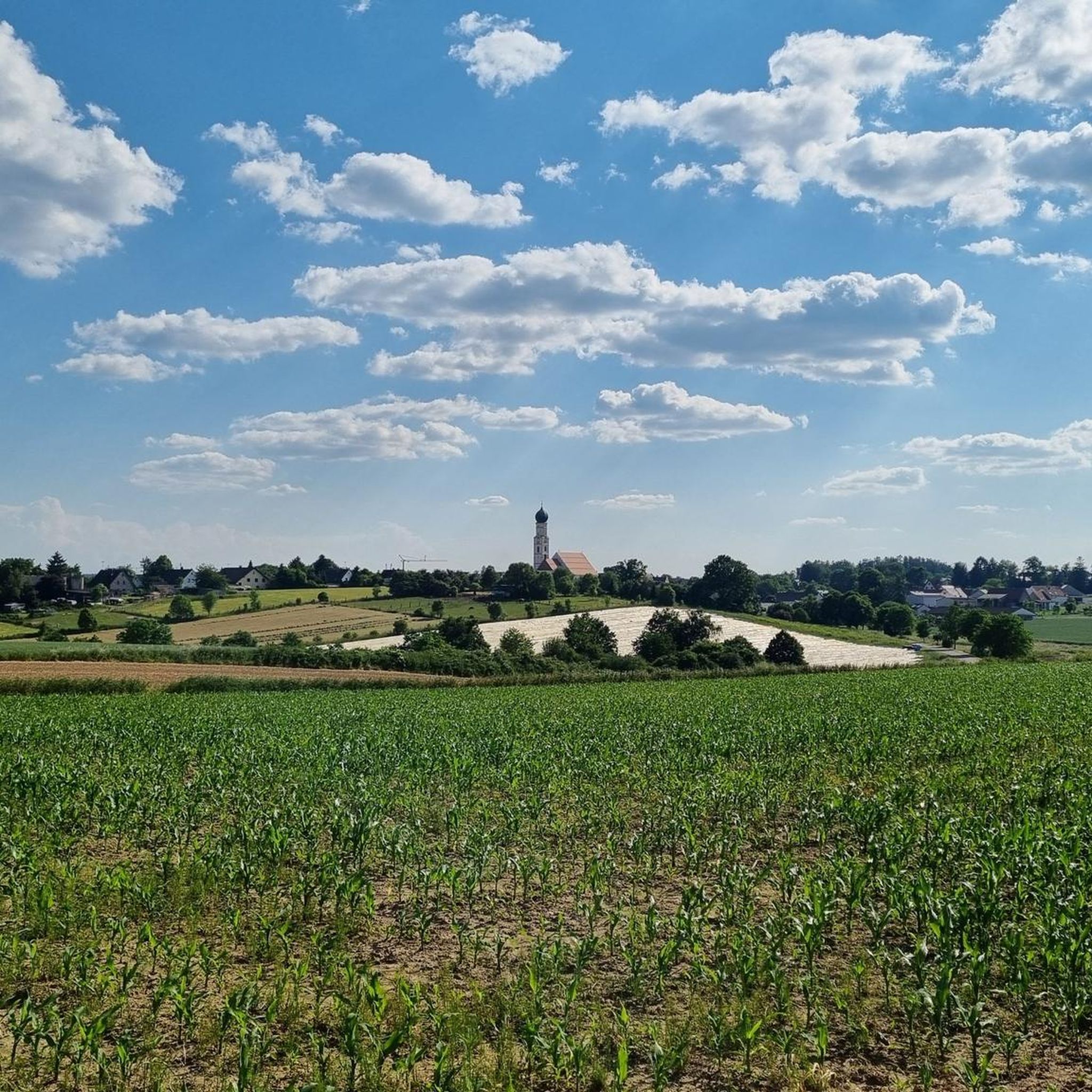
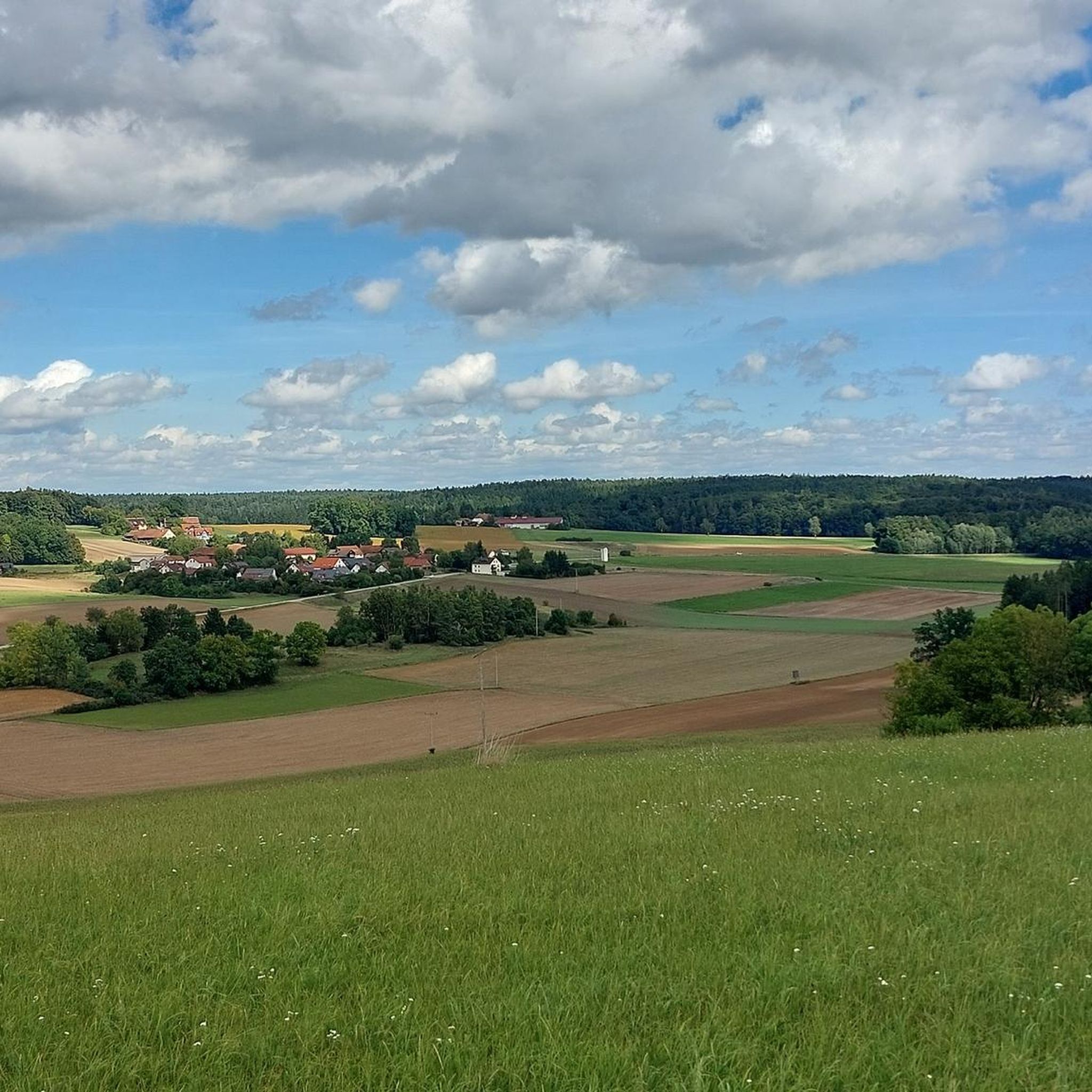
Road cycling around Inchenhofen offers routes through green fields and forests, situated between the Donaumoos ridge and the Paartal valley. The terrain is characterized by mostly paved surfaces, providing a diverse natural environment for cyclists. This region, located northwest of Munich, features picturesque landscapes suitable for various road cycling experiences.
Best road cycling routes around Inchenhofen
- The most popular road cycling route is East City Gate Pöttmes – Descent Towards Radersdorf loop from Inchenhofen, an easy 25.0 miles (40.3…
Last updated: May 15, 2026
5.0
(2)
29
riders
40.1km
01:36
200m
200m
Easy road ride. Great for any fitness level. Mostly well-paved surfaces and easy to ride.
10
riders
Moderate road ride. Good fitness required. Some segments of this route may be unpaved and difficult to ride.

Sign up for free
14
riders
20.8km
00:52
110m
110m
Easy road ride. Great for any fitness level. Mostly well-paved surfaces and easy to ride.
5.0
(1)
12
riders
Easy road ride. Great for any fitness level. Mostly well-paved surfaces and easy to ride.
10
riders
33.4km
01:24
190m
190m
Easy road ride. Great for any fitness level. Mostly well-paved surfaces and easy to ride.
Get access to more routes and recommendations from other explorers.
Sign up for free
Already have an account?
Our route recommendations are based on thousands of hikes, rides, and runs completed by other people on komoot.
Start today with a free account
Your next adventure awaits.
Login or Signup
Other adventures around Inchenhofen

Tips from the Community

It's very interesting to walk along the city wall, passing various towers. The path leads to a church...
3
0
There is also a large, even illustrated, information board here with many interesting and noteworthy details! 👍 You just have to take the time to read and process everything.
6
0


Lakeside restaurant in the evening and sausage house during the day when the weather is nice.
1
0

The pilgrimage church of St. Leonhard is located in the Inchenhofen district of the Inchenhofen municipality in the Aichach-Friedberg district of Bavaria. It is one of the most important pilgrimage sites in the region and was one of the most important pilgrimage sites in all of Europe in the 14th century. History: The origins of the pilgrimage date back to the 12th century. The church is dedicated to St. Leonhard, who is venerated as the patron saint of animals, especially cattle. In the 14th century, the pilgrimage church was one of the most important pilgrimage sites in Europe. Architecture: The church is characterized by its Gothic architecture. The baroque high altar from 1740 is particularly noteworthy. The church has an impressive ceiling fresco that amazes visitors. Current use: Today, the pilgrimage church of St. Leonhard serves as a place of devotion and prayer. It is a popular destination for pilgrims and visitors who want to experience the historical atmosphere and spiritual significance of the place. The church is open to visitors during the summer months.
1
0
The Wittelsbach National Monument is a neo-Gothic monument erected in 1834 in Oberwittelsbach, a district of the town of Aichach in the Aichach-Friedberg district, Bavaria. It stands on the site of the former ancestral castle of the Wittelsbachs, which was destroyed in 1209. The monument was designed by Joseph Daniel Ohlmüller and commemorates the thousand-year reign of the Wittelsbachs in Bavaria. The inscription reads: “Faithful Bavaria to its thousand-year line of rulers. 1834.” The monument is located on the castle hill in Oberwittelsbach, where the Wittelsbach Castle once stood. Today, only a few remnants of the ruin's walls, memorial plaques, and the neo-Gothic pinnacle column of the National Monument can be seen there. A historical trail with seven stations offers numerous information about the former castle, the life of the Wittelsbachs, and the significance of the place. The Wittelsbach National Monument is an important historical monument that commemorates the origins of the House of Wittelsbach and its role in Bavarian history. It is a popular excursion destination for history enthusiasts and offers an insight into the region's past.
1
0
The pilgrimage church of St. Leonhard in Inchenhofen, Bavaria, is an important religious and cultural building with a history spanning over 700 years. Originally built in the 13th century, the church was replaced by a new late Gothic building in the 15th century. In the 17th and 18th centuries it underwent baroque and rococo renovations, which shape its current magnificent appearance. The church was once the center of one of the most important pilgrimages in Europe, especially to St. Leonhard, the patron saint of prisoners and livestock. Today it is a popular destination for pilgrims and visitors who appreciate the artistic furnishings and spiritual atmosphere. A special highlight is the Leonhardiritt, which takes place every year in November and is considered the oldest of its kind in Bavaria and attracts numerous visitors. The pilgrimage church of St. Leonhard is therefore an important testimony to Bavarian history and culture that appeals to both believers and art lovers.
1
0
In 1283, Cistercians from Fürstenfeld took over the pilgrimage, which had been insignificant until then, and which flourished within a few decades. This was preceded by the donation of the parish of Hollenbach, to which Inchenhofen belonged at the time, to the Fürstenfeld monastery by Duke Ludwig the Strict in 1266. Eight clergymen were each in the "branch monastery" of Inchenhofen and looked after the pilgrimage. The former and current churches, as well as the priory to the north of the church, were built under the supervision of the abbots. After secularization in 1803, the work of the Cistercians in Inchenhofen ended. The Cistercian Order emerged from the Benedictine Order in the 11th/12th century. Its name is derived from the French town of Citeaux (Cistercium). Saint Bernard of Clairvaux entered the reform monastery in 1113. He made a decisive contribution to the rise of the new religious order: with the founding of numerous new monasteries, the strict order quickly spread throughout Europe. The Cistercian monks in the Inchenhofen priory not only acted as pastors for the local believers, but above all for the ever-increasing number of pilgrims. In addition to the solemn design of the liturgy, the well-being of the many people was particularly important to them. The miracle books they wrote show how many people experienced salvation and healing here through the intercession of Saint Leonard.
1
0
Frequently Asked Questions
How many road cycling routes are available around Inchenhofen?
There are 14 road cycling routes around Inchenhofen, offering a variety of experiences for different skill levels. You'll find a good mix of easy and moderate routes to explore the region.
What kind of terrain can I expect on road cycling routes in Inchenhofen?
The region around Inchenhofen is characterized by green fields and forests, nestled between the Donaumoos ridge and the Paartal valley. The routes feature mostly paved surfaces, providing a smooth and enjoyable ride through picturesque landscapes.
Are there road cycling routes suitable for beginners or families in Inchenhofen?
Yes, Inchenhofen offers 6 easy road cycling routes perfect for beginners or families. An example is the Road Past Chapel and Pond – Descent Towards Radersdorf loop from Inchenhofen, which is a shorter, gentle ride through local landscapes.
Are there more challenging road cycling routes for experienced cyclists?
Absolutely. For those seeking a moderate challenge, there are 8 routes available. A popular choice is the Asphalt Cycle Path Weilach – Paved Cycle Path (Halsbach) loop from Inchenhofen, which covers a longer distance and features dedicated asphalt cycle paths.
What natural features can I expect to see while road cycling in Inchenhofen?
While cycling, you'll encounter untouched nature, fresh country air, blooming meadows, streams, and woods. The region is known for its green fields and forests, and you might pass by natural highlights like the Schreierbach Wetland Area or the Silberbrünnel Spring.
Are there any historical or cultural sights along the road cycling routes?
Yes, the area offers several points of interest. You could cycle past the impressive Castle Church and Castle Hill Oberwittelsbach, or the historic Sisi Castle Unterwittelsbach. The Pilgrimage Church of St. Leonhard in Inchenhofen is also a significant cultural landmark.
Are there places to stop for refreshments or to charge e-bikes?
Yes, cyclists can find welcoming stops. The Blumenthal Castle Beer Garden is a great option, offering refreshments and even an e-bike charging station. Lake Radersdorf also provides a beautiful spot for a break with refreshments available.
What is the best season for road cycling in Inchenhofen?
The region's beauty is particularly striking in spring and summer when flora is in full bloom, and in autumn with its vibrant foliage. These seasons generally offer pleasant weather conditions for road cycling.
Are there circular road cycling routes around Inchenhofen?
Many of the routes around Inchenhofen are designed as loops, allowing you to start and end in the same location. For example, the East City Gate Pöttmes – Descent Towards Radersdorf loop from Inchenhofen is a popular circular option.
What do other road cyclists enjoy most about the routes in Inchenhofen?
The road cycling routes in Inchenhofen are highly rated by the komoot community, with an average score of 4.6 stars from over 500 reviews. Cyclists often praise the diverse natural environment, the mostly paved surfaces, and the variety of routes catering to different ability levels.
Are there any particularly scenic road cycling routes in Inchenhofen?
The entire region is known for its picturesque landscapes. Routes that pass through the Paartal valley or towards Lake Radersdorf, such as the Lake Radersdorf – Upper Gate, Aichach loop from Inchenhofen, offer beautiful views of green fields and forests.
Is there parking available at road cycling trailheads in Inchenhofen?
While specific trailhead parking is not detailed, Inchenhofen and nearby towns offer various parking options. It's generally advisable to check local parking availability in the starting points of your chosen routes.
Most popular routes around Inchenhofen
Most popular attractions around Inchenhofen

Get inspired with the komoot mobile app


Explore more
Browse the best Road cycling routes in other regions.
