The best MTB trails in John Heinz National Wildlife Refuge
5.0
(5)
101
riders
3
rides
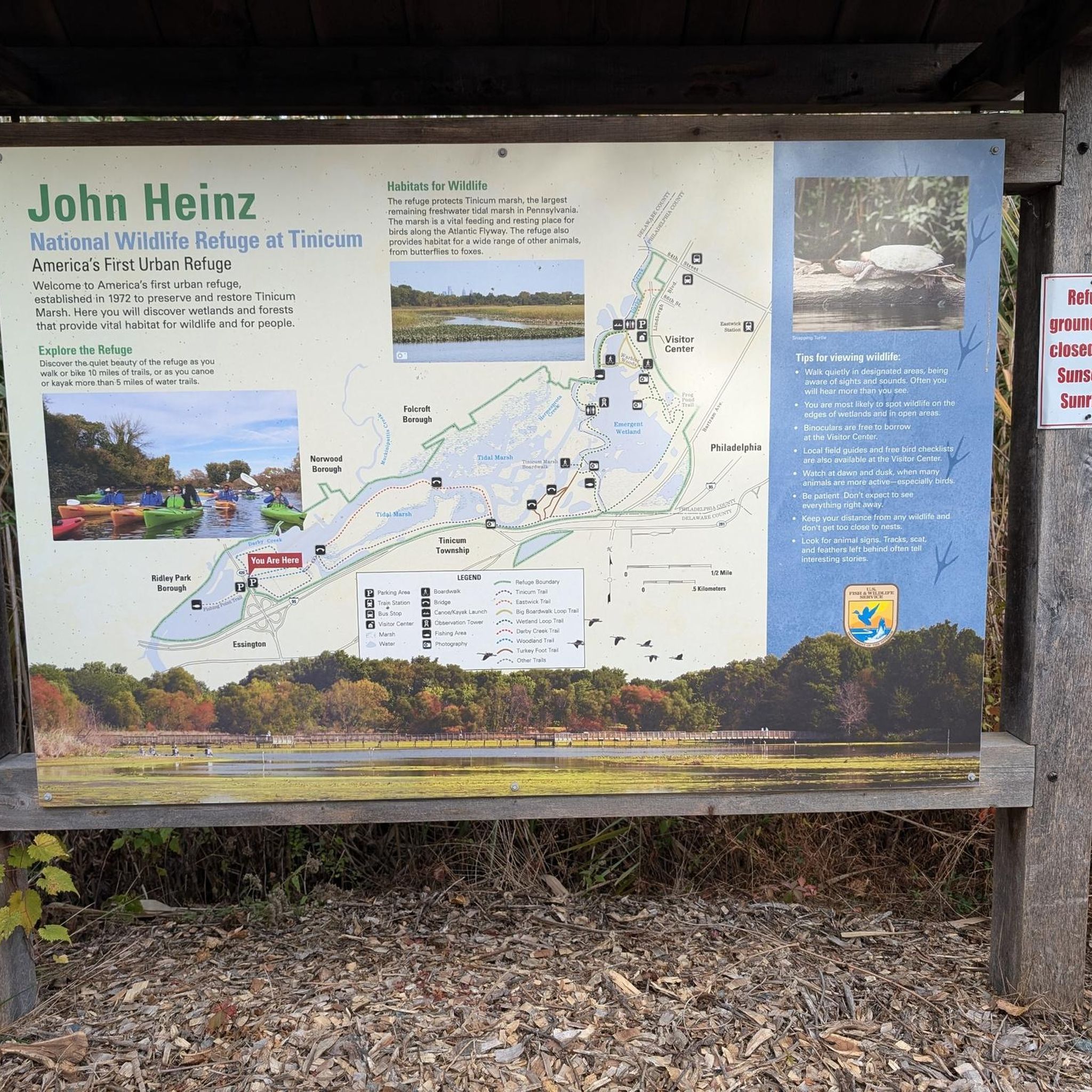
Mountain biking in John Heinz National Wildlife Refuge offers a unique experience within America's first urban refuge. The terrain is predominantly flat, characterized by extensive freshwater tidal marshes, open water, and riparian forests. Trails are primarily composed of hard-packed dirt and gravel surfaces, making them suitable for mountain bikes seeking a natural setting rather than technical challenges. This refuge provides a network of multi-use trails amidst varied wetland habitats, supporting diverse wildlife.
Best mountain bike trails in John Heinz National…
Last updated: July 12, 2026
4
riders
22.9km
01:56
300m
300m
Moderate mountain bike ride. Good fitness required. Suitable for all skill levels.
5.0
(1)
56
riders
49.1km
03:39
560m
560m
Hard mountain bike ride. Good fitness required. Advanced riding skills necessary. Some portions of the route may require you to push your bike.

Sign up for free
4
riders
23.3km
01:51
290m
290m
Easy mountain bike ride. Great for any fitness level. Suitable for all skill levels.
5.0
(2)
25
riders
36.0km
02:27
280m
280m
Moderate mountain bike ride. Good fitness required. Advanced riding skills necessary.
5.0
(2)
12
riders
26.0km
01:53
200m
200m
Moderate mountain bike ride. Great for any fitness level. Advanced riding skills necessary.
Our route recommendations are based on thousands of hikes, rides, and runs completed by other people on komoot.
Start today with a free account
Your next adventure awaits.
Login or Signup
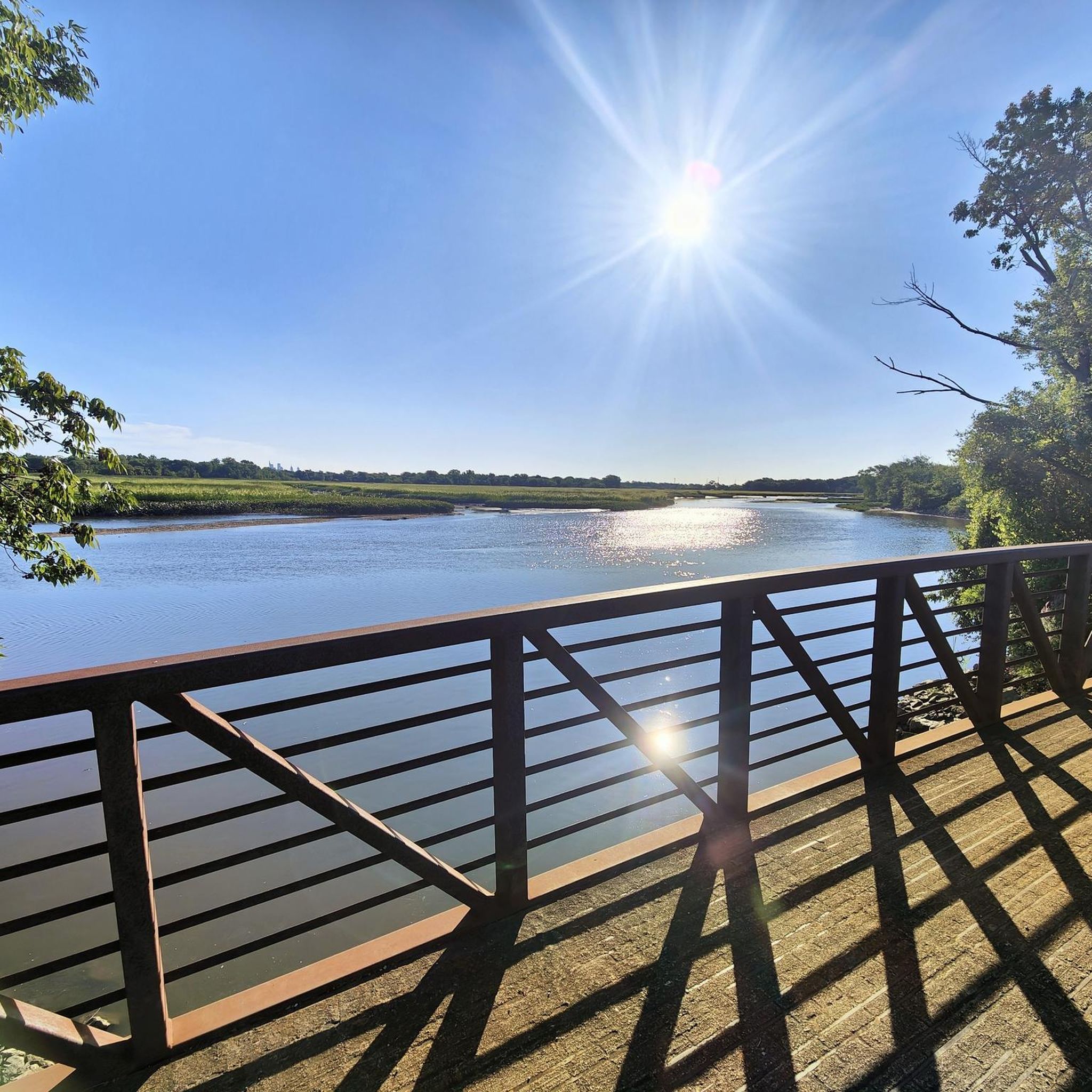
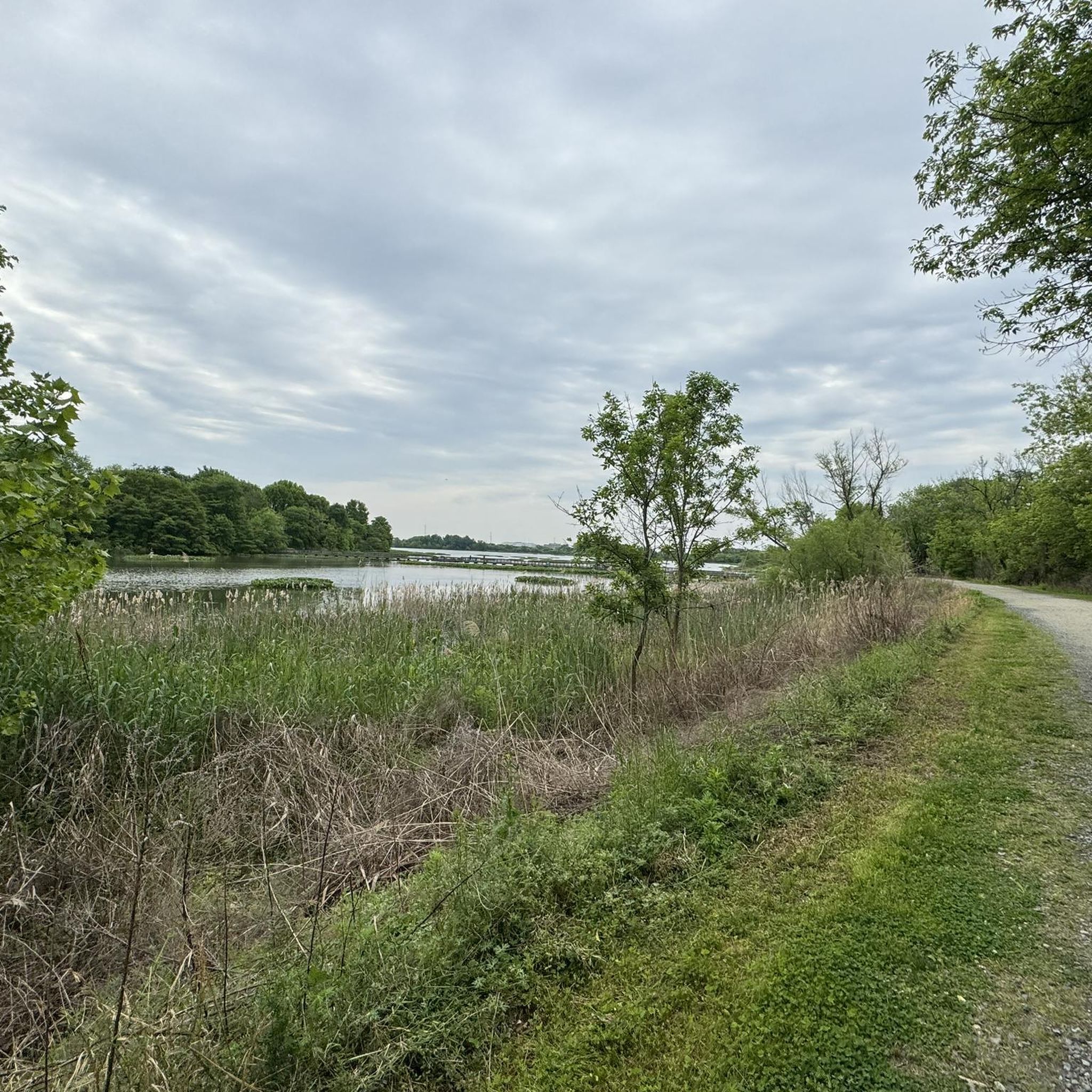

Tips from the Community


The Falls Bridge is a 556-foot steel bridge that crosses the Schuylkill River through Fairmount Park. It was built in 1894.
0
0

Wissahickon Creek flows over an old man-made stone shelf to create a wide waterfall that you can walk out towards on slabs of stone that rise up from the riverbed.
0
0

The Mercury Pavilion offers a sweet view of the Schuylkill River down below. You can even spot the Fairmount Dam from this particular pavilion, which is actually one of three such structures on this part of the walkway.
3
0

This rocky outcropping in Wissahickon Valley Park is said to have been the site of a Romeo & Juliet type ending for a Native American couple whose disputing tribes forbade them the marriage they desired.
1
0
Built in the 1880s in Philadelphia, Pennsylvania, the Turtle Rock Light is a famous lighthouse on the Schuylkill River. It's a beautiful piece of architecture that can be viewed from both sides of the river.
1
0

This park was named after Samuel L. Smedley, the founder of Delaware County's Parks and Recreation Board. It is popular with hikers, runners, and bikers, offering miles of trails, ruins, and the scenic Crum Creek running throughout.
1
0
This area, similar to the world-famous Stonehenge, consists of a several-acre meadow with a circular arrangement of massive boulders. While mostly used for bonfires by local college students, it also offers a unique perspective from this viewpoint.
1
0
Frequently Asked Questions
What is the typical terrain and difficulty level for mountain biking in John Heinz National Wildlife Refuge?
The terrain in John Heinz National Wildlife Refuge is predominantly flat, characterized by hard-packed dirt and gravel surfaces. While it's not a destination for technical mountain biking challenges, it's well-suited for casual cycling and enjoying nature on a mountain bike. The refuge offers a mix of trails, including Crum Woods Trails – Smedley Park loop from Moylan-Rose Valley which is rated easy, and Crumhenge – Smedley Park loop from Morton which is moderate.
Are the mountain bike trails in John Heinz National Wildlife Refuge suitable for families?
Yes, the refuge's trails are largely flat and accessible, making them suitable for families. The generally easy and moderate difficulty levels, combined with the natural setting, provide a pleasant experience for riders of various ages and skill levels. Many trails are multi-use, so be mindful of hikers and birdwatchers.
Can I bring my dog on the mountain bike trails in John Heinz National Wildlife Refuge?
The John Heinz National Wildlife Refuge has specific regulations regarding pets. Generally, dogs are permitted on leash on designated trails. It's always best to check the official refuge website or visitor center for the most current pet policies to ensure a smooth visit.
What kind of wildlife can I expect to see while mountain biking in the refuge?
The refuge is a haven for wildlife, especially birds, with over 300 species recorded. You might spot great blue herons, bald eagles, wood ducks, and ospreys. Beyond birds, the refuge is home to mammals like white-tailed deer, muskrats, red foxes, and beavers, as well as various amphibians and reptiles. Observation platforms are available for enhanced viewing.
Are there any scenic viewpoints or natural features to look out for along the trails?
The refuge itself is a significant natural feature, protecting Pennsylvania's largest remaining freshwater tidal marsh, Tinicum Marsh. The trails wind through varied wetland habitats, including open water, mudflats, and riparian forests, offering continuous scenic views of this dynamic ecosystem. The main trail forms a figure-eight loop along the impoundment lake and Darby Creek, providing excellent opportunities for nature observation.
How long are the mountain bike trails in John Heinz National Wildlife Refuge?
The refuge boasts more than 10 miles of trails in total. Individual mountain bike routes vary in length. For example, the Rest area with fire place loop from 56th Street is 12.6 miles (20.3 km), while the Wissahickon Creek Viewpoint – Wissahickon Creek Waterfall loop from Penn Medicine is a longer 30.1 miles (48.4 km).
What is the best time of year to go mountain biking in John Heinz National Wildlife Refuge?
The refuge offers a pleasant experience year-round, but spring and fall are particularly popular for wildlife viewing, especially bird migrations. Summer can be warm and humid, while winter offers a quieter experience, though some trails might be affected by snow or ice. Always check local weather and trail conditions before heading out.
Is there parking available for mountain bikers at John Heinz National Wildlife Refuge?
Yes, the John Heinz National Wildlife Refuge has a visitor center with parking facilities. These are generally well-suited for visitors arriving by car to access the trail network. It's advisable to check the refuge's official website for specific parking lot locations and operating hours.
Can I access the refuge trails using public transport?
The John Heinz National Wildlife Refuge is considered an urban refuge and is accessible via public transportation. SEPTA bus routes serve the area, providing connections to the refuge. For detailed information on routes and schedules, it's best to consult the SEPTA website or the refuge's visitor information.
Are there any permits required for mountain biking in John Heinz National Wildlife Refuge?
Generally, no special permits are required for recreational activities like mountain biking on the designated multi-use trails within the John Heinz National Wildlife Refuge. However, it's always a good practice to check the official refuge website (fws.gov) or contact the visitor center directly for any updated regulations or specific requirements.
What do other mountain bikers enjoy most about the trails in John Heinz National Wildlife Refuge?
The area is highly rated by the komoot community, with an average score of 5.0 stars. Reviewers often praise the refuge for its peaceful natural setting, the opportunity for wildlife observation, and the accessible, flat trails that provide a relaxing ride away from urban bustle. The multi-use trails are appreciated for offering a diverse outdoor experience.
Are there any loop mountain bike trails in the refuge?
Yes, many of the trails within the John Heinz National Wildlife Refuge are designed as loops or can be combined to form loop routes, allowing for varied ride lengths without retracing your path. The main trail system itself forms a figure-eight loop. An example is the Mercury Pavilion – View of Boathouse Row loop from Ellsworth-Federal, which offers a substantial loop experience.
Most popular routes in John Heinz National Wildlife Refuge

Get inspired with the komoot mobile app


Explore more
Browse the best MTB trails in other regions.
