Attractions and Places To See around Alt Zachun - Top 20
Best attractions and places to see around Alt Zachun include a mix of historical sites, natural landscapes, and cultural experiences within the broader Mecklenburg-Vorpommern region. Alt Zachun serves as a gateway to exploring this area, characterized by its extensive natural beauty and rich history. The region is known for its numerous lakes, forests, and historical architecture. Visitors can find diverse points of interest that highlight the area's heritage and natural environment.
Best attractions and places to see around Alt Zachun
…Last updated: July 6, 2026
Mirow Village Church
Highlight • Religious Site
Translated by Google •
Tip by

Pampow Village Church
Highlight • Religious Site
Translated by Google •
Tip by

Sign up now to discover places like this
Get recommendations on the best single tracks, peaks, & plenty of other exciting outdoor places.
Sign up for free
St. George's Church Warsow
Highlight • Religious Site
Translated by Google •
Tip by

Siebendörfer Moor Nature Reserve
Highlight • Natural Monument
Translated by Google •
Tip by

Bridge ruins of the planned RAB 44 near Viez
Highlight • Monument
-----------
Nich quits from Hagenow at Viez …
Translated by Google •
Tip by

Sign up for free to discover even more attractions around Alt Zachun.
Sign up for free
Already have an account?
Start today with a free account
Your next adventure awaits.
Login or Signup



Tips from the Community

There are very few graves on the church grounds. The properly laid-out cemetery is located 200m away.
0
0

The Warsow Church is a Gothic building and the oldest church in the Stralendorf district, probably built in the 12th or 13th century. The interior is brick-walled. The ceiling was originally vaulted. Its choir is constructed from an octagon, and its tower is extended into the single-nave space in such a way that it appears to grow out of the roof. Its retaining walls stand at the bottom of the church and divide the front part of the nave into three parts. The tower supports an octagonal pyramid covered with slate. In 1863, the windows were enlarged, thus depriving them of their original form. In 1891/1892, the church was expanded and its interior renovated. In the 1970s, work on the roof and interior became necessary, resulting in the loss of some of the wood paneling. A baptismal font, pulpit, and pews from 1892 have been preserved, as has the old carved altar screen on the north side. During the renovations from 1974 to 1976, a simple altar table was installed.
5
0

small church surrounded by green
2
1

Neo-Gothic brick church from 1896-1898. West tower with pointed helmet
0
0

This ruined bridge is located on Lindenstrasse south of the A24 north of the city of Hagenow between the Viez district and the Gammelin district of Bakendorf. It dates from the 1930s and was intended to lead the connecting road over the originally planned course of the Hamburg-Berlin Reichsautobahn. The A 24 motorway, completed in 1982, runs in a northern arc around the former route planning, which can still be seen on aerial photographs. https://de.wikipedia.org/wiki/Hagenow
3
5
The church in Mirow is located in the southern part of the village, west of the street "Unter den Linden" and close to the historic village center, on a hill. On March 25, 1270, Mirow first entered the spotlight of contemporary history. The reason for its first documented mention was the transfer of Mirow to Reinfeld Monastery. The existing church was granted independent status and the Lübesse and Uelitz churches became branches. Over time, the Mirow church underwent numerous renovations. As a result, this building, with its cemetery wall newly restored in 1999, is still well preserved and of interest to visitors to the village. It is surrounded by a well-maintained cemetery, which also houses a war memorial. The Mirow church is one of the finest neo-Gothic churches in the Schwerin area. It was built between 1842 and 1845 as a replacement building on a hilltop, one of the earliest examples of neo-Gothic architecture. A bell tower is located to the west of the five-axled nave with a flat gable roof, and a sacristy with a basement was later added to the side. The church tower was completed in 1883. The so-called pulpit altar is rare for Mecklenburg churches. The altarpiece depicts the "Disciples of Emmaus," a copy of a painting that the Grand Duke donated to St. George's Church in Parchim. Unfortunately, the visible structural damage to the village church has increased in recent years. Leaks in the roof have led to extensive moisture damage inside the building. Repairs to the roof and ceiling support structures are therefore urgently needed. https://www.gemeinde-banzkow.de/index.php/kirchengemeinde.html
6
2

The village church of Mirow in Mirow, a district of Banzkow in the district of Ludwigslust-Parchim, Mecklenburg-Western Pomerania, is a church built in 1842 in the neo-Gothic style on the fieldstone foundation of the earlier Mirow church. Inside there is a pulpit altar, an altar form that is not exactly common in Mecklenburg. An altarpiece with the disciples of Emmaus is a copy of a painting in the Georgenkirche in Parchim. The organ was built in 1857 by Johann Heinrich Runge (Hagenow). The instrument has 6 stops on a manual. The pedals are attached. Of the original 378 pipes, 355 are original. The 23 front pipes, which had to be delivered in 1917 for war purposes, were only renewed in their historical form during the restoration in 2000.
3
0

Frequently Asked Questions
What historical churches can I visit near Alt Zachun?
The area around Alt Zachun is rich in historical churches. You can visit the Mirow Village Church, an early example of Neo-Gothic architecture dating back to the 13th century. Another notable site is the Pampow Village Church, built in a neo-Gothic red brick style between 1896 and 1898, featuring a 42-meter-high tower. Additionally, St. George's Church Warsow is a Gothic building, likely from the 12th or 13th century, and is the oldest church in the Stralendorf district.
Where can I experience nature and wildlife near Alt Zachun?
For nature enthusiasts, the Siebendörfer Moor Nature Reserve is a must-see. This large natural monument southwest of Schwerin is a fen landscape, serving as a vital breeding, resting, and wintering ground for various bird species. It offers accessible paths for hiking and cycling. Beyond this, the broader Mecklenburg-Vorpommern region boasts the vast Mecklenburg Lake District, Müritz National Park (home to white-tailed eagles and ancient beech forests), and pristine forests and waterways like the Peene River, where you might spot kingfishers, otters, and beavers.
Are there opportunities for hiking or cycling around Alt Zachun?
Yes, the natural landscapes around Alt Zachun are ideal for outdoor activities. The Siebendörfer Moor Nature Reserve has paved and unpaved paths suitable for both hiking and cycling. For more structured routes, you can explore various options. For running, check out the Running Trails around Alt Zachun. Mountain biking enthusiasts can find routes in the MTB Trails around Alt Zachun guide, while road cyclists can discover scenic rides in the Road Cycling Routes around Alt Zachun.
What cultural and historical sites are there in the broader Mecklenburg-Vorpommern region?
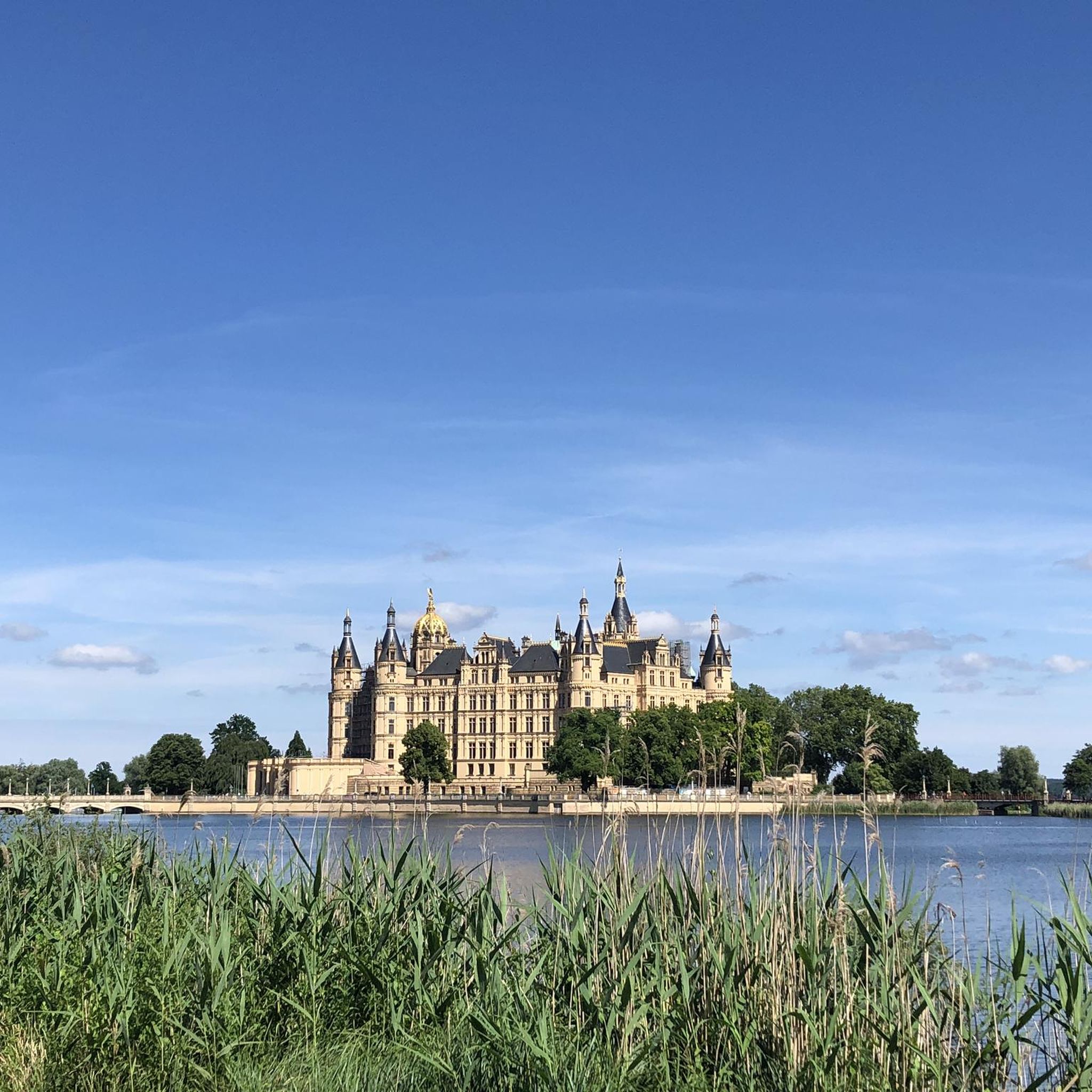
Beyond the local churches, the Mecklenburg-Vorpommern region offers a wealth of cultural and historical sites. Schwerin Castle, often considered one of Germany's most beautiful castles, is situated on Lake Schwerin and is part of a UNESCO World Heritage site. The region also features numerous other castles and manor houses, such as Broock Manor Estate and Schloss Neetzow. Historic Hanseatic cities like Wismar and Stralsund, both UNESCO World Heritage Sites, showcase impressive medieval urban structures and brick Gothic architecture. You can also find various museums, including castle museums in Schwerin, Güstrow, and Ludwigslust, displaying valuable artworks.
Are there any family-friendly attractions or activities in the area?
Many of the natural and historical sites around Alt Zachun are suitable for families. The Siebendörfer Moor Nature Reserve offers easy paths for walking and cycling, where children can enjoy spotting cows, sheep, and various bird species. Exploring the historical churches like Mirow Village Church can also be an engaging educational experience. The broader Mecklenburg Lake District provides opportunities for water sports and gentle walks, making it a great destination for families.
What is the Mecklenburg Lake District and what can I do there?
The Mecklenburg Lake District is Europe's largest networked location for water sports, boasting over 1,000 natural lakes, including Germany's largest inland lake, the Müritz. It's an ideal destination for activities like kayaking, canoeing, sailing, and swimming. The area is also perfect for cycling and hiking along its many lakeside trails, offering serene landscapes and opportunities for nature observation.
What is the best time to visit Alt Zachun and its surrounding attractions?
The best time to visit Alt Zachun and the Mecklenburg-Vorpommern region largely depends on your preferred activities. Spring (April-May) and autumn (September-October) offer pleasant temperatures for hiking and cycling, with beautiful natural scenery. Summer (June-August) is ideal for water sports on the lakes and enjoying the longer daylight hours, though attractions can be busier. Winter offers a quieter experience, with opportunities for peaceful walks, though some outdoor activities may be limited by weather conditions.
Are there any unique historical remnants or monuments to discover?
Yes, near Alt Zachun, you can find the intriguing Bridge ruins of the planned RAB 44 near Viez. These ruins are remnants of a bridge from the 1930s, intended for the Reichsaotobahn RAB 44 Hamburg-Berlin, offering a glimpse into historical infrastructure projects that were never completed. It's a unique spot for those interested in local history and abandoned architecture.
What kind of outdoor activities are popular in the area surrounding Alt Zachun?
The region around Alt Zachun is excellent for various outdoor activities. Hiking and cycling are very popular, with numerous trails through forests, along lakes, and in nature reserves like the Siebendörfer Moor Nature Reserve. Water sports are also a major draw, especially in the nearby Mecklenburg Lake District, where you can enjoy kayaking, canoeing, and swimming. The area's pristine nature makes it perfect for wildlife spotting and general outdoor exploration.
What do visitors particularly enjoy about the attractions near Alt Zachun?
Visitors to the attractions near Alt Zachun often appreciate the blend of historical charm and natural beauty. The historical churches, such as Mirow Village Church and Pampow Village Church, are admired for their architecture and historical significance. The Siebendörfer Moor Nature Reserve is highly rated for its peaceful atmosphere, accessible paths, and opportunities for birdwatching and enjoying the unique fen landscape. The overall tranquility and diverse outdoor activities are frequently highlighted by visitors.
Are there any UNESCO World Heritage Sites accessible from Alt Zachun?
Yes, the broader region offers access to several UNESCO World Heritage Sites. Schwerin Castle, a prominent landmark on Lake Schwerin, is part of the Residence Ensemble Schwerin, which holds UNESCO status. Additionally, the historic Hanseatic cities of Wismar and Stralsund, known for their medieval urban structures and brick Gothic architecture, are also UNESCO World Heritage Sites. Portions of the ancient beech forests within Müritz National Park are also recognized as a UNESCO World Heritage Site.
Where can I find more information about the culture and history of Mecklenburg-Vorpommern?
For more in-depth information about the rich culture and history of the Mecklenburg-Vorpommern region, including its numerous castles, manor houses, and museums, you can visit the official tourism website: visit-mv.com/culture. This resource provides details on various cultural experiences and historical sites across the state.

Get inspired with the komoot mobile app


Explore more
Still not found the Highlight you’re looking for? See guides of the top attractions in other regions:
