Attractions and Places To See in Fort Pulaski National Monument - Top 3
Best attractions and places to see in Fort Pulaski National Monument include a historic masonry fort, diverse natural landscapes, and extensive tidal marshes. Located on Cockspur Island near Savannah, Georgia, the monument offers insights into Civil War history and coastal ecosystems. Visitors can explore a 19th-century fort, observe wildlife, and traverse various trails. The area is characterized by its blend of historical significance and natural features.
Best attractions and places to see in Fort Pulaski National Monument
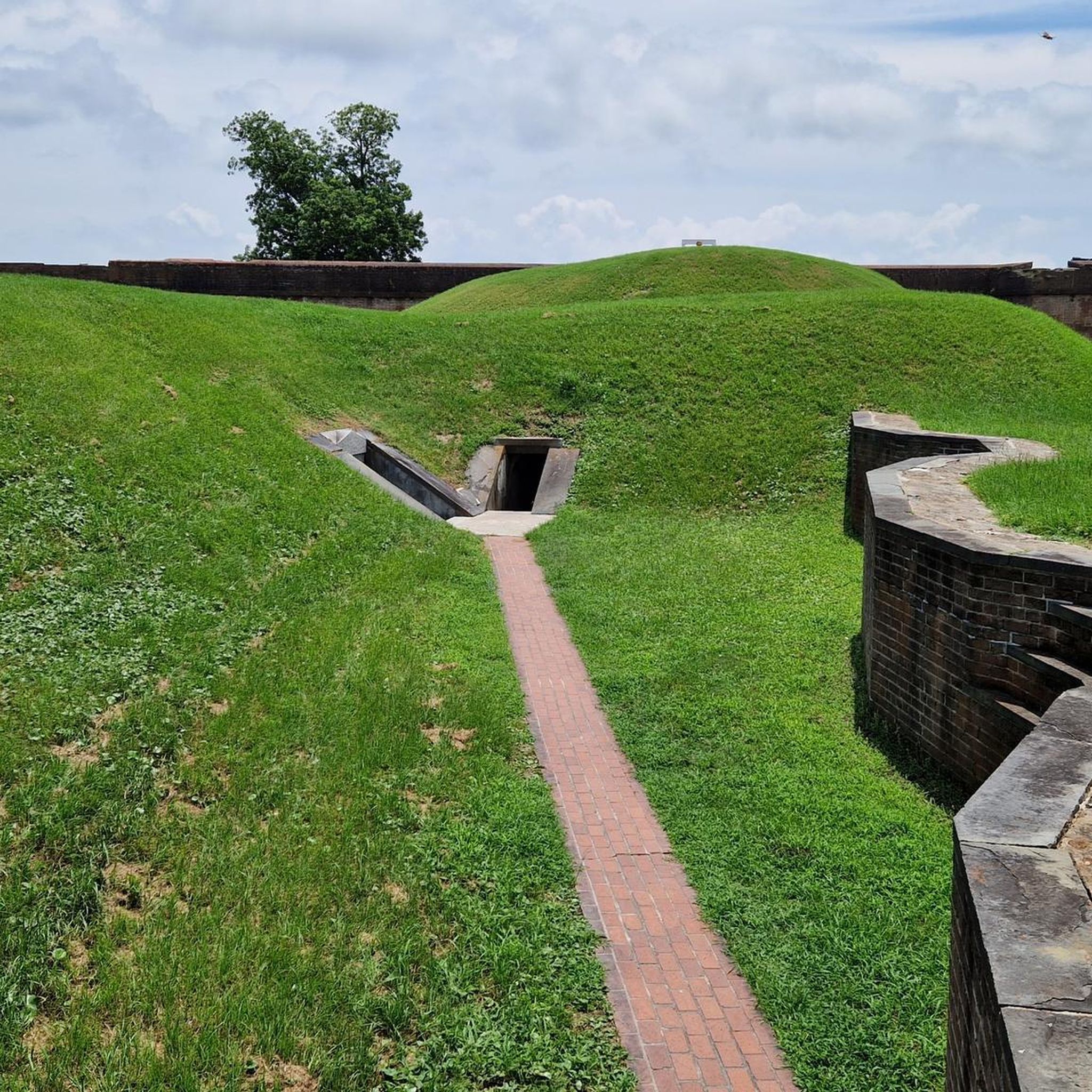
- The most popular attractions is Fort Pulaski, a historical site built in the 1800s to defend Savannah. It played a key role in the Civil War, showcasing 19th-century military architecture with walls over 10 feet thick.
- Another must-see spot is Fort Pulaski National Monument, a man-made monument that serves as a significant part of American history. Visitors can learn about the fort's history through exhibits and ranger programs, and explore its construction and design.
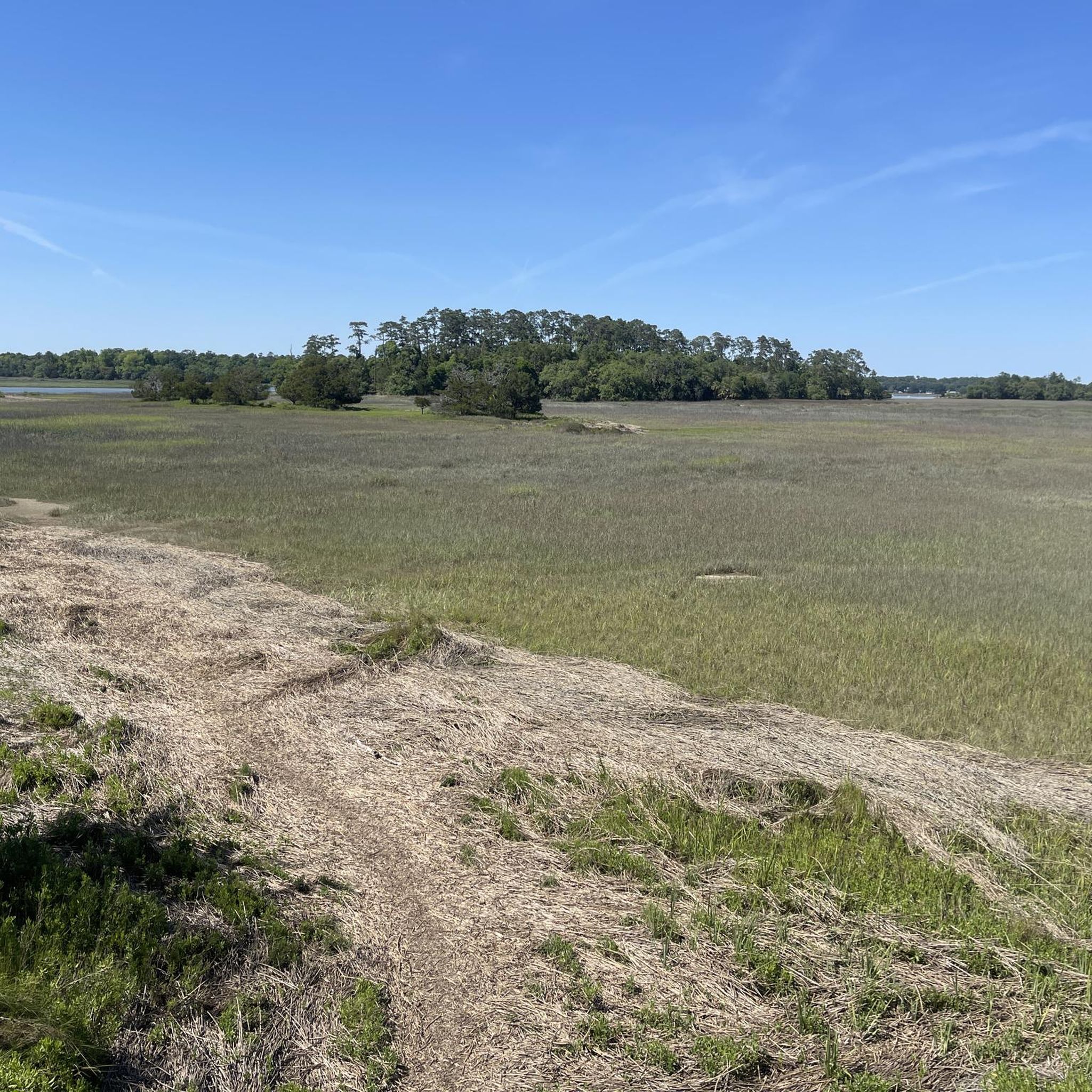
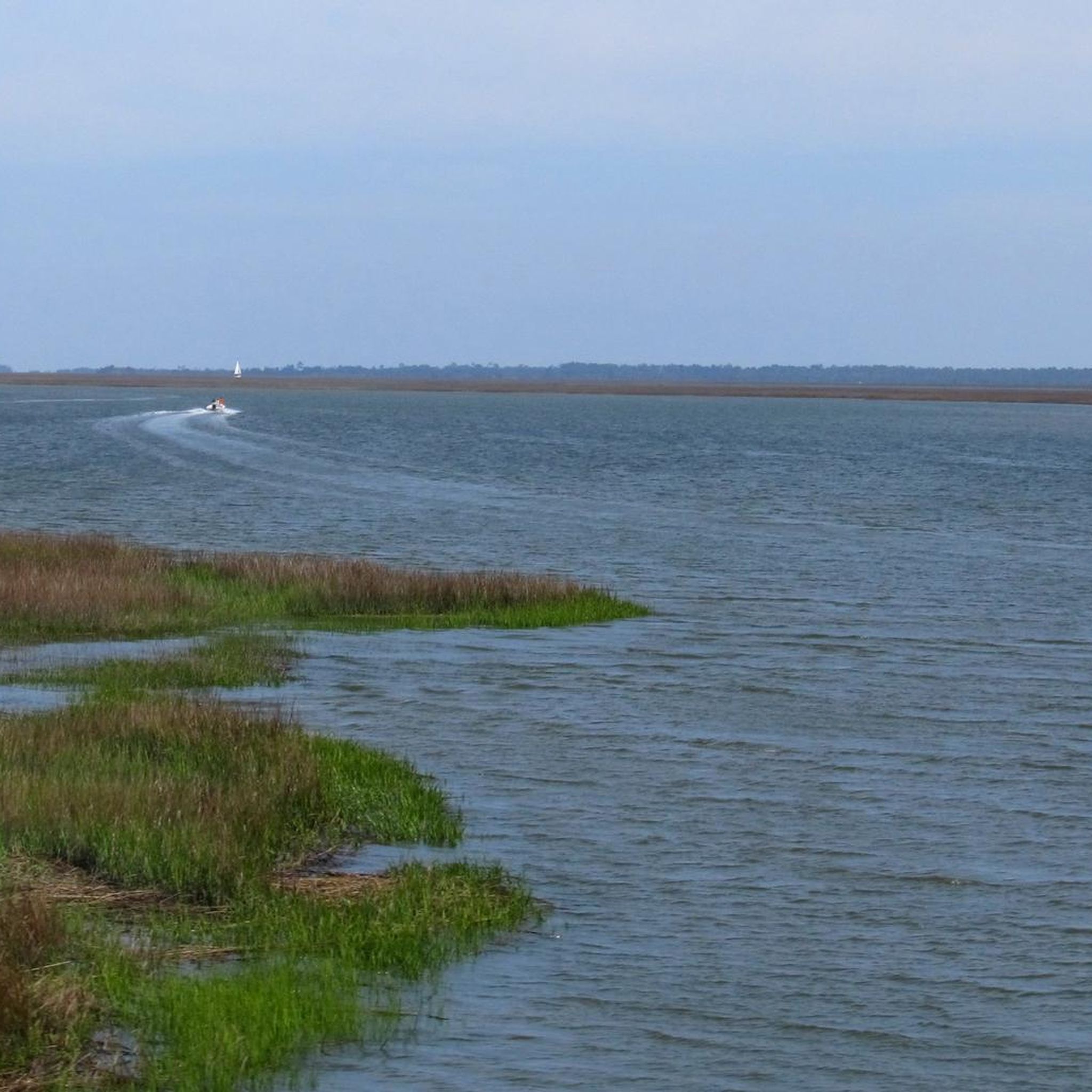
- Visitors also love McQueens-Tybee Island Trail, a scenic trail that traces a historic railway. This trail offers views of coastal marshes and the Savannah River, providing opportunities to spot wildlife.
- Fort Pulaski National Monument is known for historical sites, trails, and natural areas. The monument offers a variety of attractions to see and explore, including fortifications, marshlands, and river views.
- The attractions in Fort Pulaski National Monument are appreciated by the komoot community, with 1 highlight upvote and 11 photos shared.
Last updated: July 6, 2026
Fort Pulaski
Highlight • Historical Site
The Fort is a beautiful example of 19th-century architecture. The fort's walls are made of brick and are over 10 feet thick. Visitors can explore the fort's interior and learn about its construction and design.
Fort Pulaski is located on Cockspur Island, which is a beautiful natural area. Visitors can enjoy the island's beaches, marshes, and forests. There are also hiking trails and a campground on the island.
Tip by

McQueens-Tybee Island Trail
Highlight (Segment) • Trail
Tip by
Sign up now to discover places like this
Get recommendations on the best single tracks, peaks, & plenty of other exciting outdoor places.
Sign up for free
Fort Pulaski National Monument
Highlight • Monument
Translated by Google •
Tip by

McQueen's Island Trail
Highlight (Segment) • Trail
Tip by
Start today with a free account
Your next adventure awaits.
Login or Signup
Tips from the Community

interesting preserved fortification
1
0

The McQueen’s Island Trail is a scenic trail that traces the historic railway that linked Savannah to Tybee Island. The trail offers stunning views of the coastal marshes, where you can spot a variety of wildlife, from turtles and alligators to hawks and pelicans. You can also see the Savannah River, where ships and boats cruise by. And if you’re interested in history, you can visit Fort Pulaski, where a pivotal Civil War battle took place. The Union soldiers used a new type of cannon to breach the fort’s wall and capture it. Most of this trail is currently closed due to erosion and hurricane damage, but it is slowly reopening again.
0
0
Fort Pulaski is a National Monument and a significant part of American history. It was built in the 1800s to defend Savannah from attack, and it played a key role in the Civil War. Visitors can learn about the fort's history through guided tours, exhibits, and ranger programs. The Fort is a beautiful example of 19th-century architecture. The fort's walls are made of brick and are over 10 feet thick. Visitors can explore the fort's interior and learn about its construction and design. Fort Pulaski is located on Cockspur Island, which is a beautiful natural area. Visitors can enjoy the island's beaches, marshes, and forests. There are also hiking trails and a campground on the island.
0
0
The McQueen’s Island Trail is a scenic trail that traces the historic railway that linked Savannah to Tybee Island. The trail offers stunning views of the coastal marshes, where you can spot a variety of wildlife, from turtles and alligators to hawks and pelicans. You can also see the Savannah River, where ships and boats cruise by. And if you’re interested in history, you can visit Fort Pulaski, where a pivotal Civil War battle took place. The Union soldiers used a new type of cannon to breach the fort’s wall and capture it. Most of this trail is currently closed due to erosion and hurricane damage, but it is slowly reopening again.
2
1
Fort Pulaski is a National Monument and a significant part of American history. It was built in the 1800s to defend Savannah from attack, and it played a key role in the Civil War. Visitors can learn about the fort's history through guided tours, exhibits, and ranger programs. The Fort is a beautiful example of 19th-century architecture. The fort's walls are made of brick and are over 10 feet thick. Visitors can explore the fort's interior and learn about its construction and design. Fort Pulaski is located on Cockspur Island, which is a beautiful natural area. Visitors can enjoy the island's beaches, marshes, and forests. There are also hiking trails and a campground on the island.
2
0

The story of Fort Pulaski is told relatively quickly, but it is impressive nonetheless, or perhaps because of it. The fort was built after the English-American War of 1812-15 to secure the city of Savannah from Cockspur Island off the coast. After its completion in 1847, it was not really used, but after the outbreak of the Civil War, Confederate troops quickly occupied it with a force of about 385 men and fortified it additionally. However, they "forgot" to secure Tybee Island, which was even farther out and which the Union troops gratefully used as a beachhead. From here, the siege of the fort took place in April 1862, although the term "siege" is not really an accurate description of this short military operation. The Union's used a new type of rifled guns, which had much greater range, accuracy, and penetrating power than the old smoothbore guns. Moreover, the commander of the siege, Quincy Gilmore, knew of the fort's weak points from his time as a civil engineer in the army. Thus, on April 11 and 12, 1862, more than 5,000 rounds were fired at the fort from a range of 1.5 to 3.5 kilometers, causing considerable damage to the brick walls. The Confederate commander rightly feared an explosion of his gunpowder stores and, after 30 hours of shelling, ordered the white flag to be waved. Brick fortifications had thus finally had their day, and Quincy Gilmore was promoted to brigadier general. In the further course of the Civil War, Fort Pulaski still served as a prison for the so-called "600 Immortals". There were a little less than 600 Confederate officers who had to hold out here the winter of 1864/65 as prisoners of war. Due to malnutrition and poor prison conditions, 13 of them died. After the Civil War, the fort was militarily abandoned and eventually became a National Monument for memorial purposes in the 1920s. Today's visitors are treated to an up-close look at the fort's history. Similar to Fort Sumter near Charleston, numerous details are provided. One gets a glimpse of the officers' and enlisted men's quarters, the infirmary, the chapel, the guardroom, the ammunition dumps, the prison and, of course, the casemates and gun emplacements. The park rangers are extremely friendly, helpful and forthcoming. A walk around the outer walls is particularly impressive, because here you can see "first hand" the damage done by the Union cannons. Information at https://www.nps.gov/fopu/index.htm
6
0
Frequently Asked Questions
What historical significance does Fort Pulaski National Monument hold?
Fort Pulaski is a meticulously restored 19th-century masonry fort with a rich history, particularly during the Civil War. It was built to defend Savannah and played a pivotal role when Union forces breached its defenses using rifled cannons. The fort also served as a prisoner-of-war camp and was involved in the Underground Railroad. You can explore its interior, see preserved rooms, and learn about its construction and military technology. The Visitor Center offers a 20-minute film, "The Battle for Fort Pulaski," detailing its significance.
What natural features can I explore at Fort Pulaski National Monument?
The monument is situated on Cockspur Island, offering diverse natural beauty including beaches, marshes, and forests. Its 5,365 acres encompass expansive tidal marshes and mudflats, providing stunning vistas. The area is a haven for wildlife, with over 200 species of birds, as well as turtles, alligators, hawks, and pelicans inhabiting the coastal marshes. You can enjoy bird watching and observe the unique ecosystem.
Are there hiking trails available at Fort Pulaski National Monument?
Yes, there are several hiking trails. Popular options include the Quarter-mile North Pier Trail through wooded landscapes, the three-quarter-mile Lighthouse Overlook Trail offering views of the Cockspur Lighthouse and Savannah River, and the 2-mile Historic Dike System loop that encircles the fort. Additionally, parts of the scenic McQueens-Tybee Island Trail, which traces a historic railway, are slowly reopening. For more hiking options, you can explore easy hikes in Fort Pulaski National Monument.
What activities are available for families at Fort Pulaski National Monument?
Families can enjoy exploring the historic Fort Pulaski itself, which offers a fascinating glimpse into 19th-century military life. The park frequently hosts cannon and musket demonstrations, providing an exciting experience of Civil War-era armaments. The various hiking trails are suitable for different ages, and the abundant wildlife offers opportunities for bird watching and nature observation. The Visitor Center also provides educational exhibits and a film.
What is the best time of year to visit Fort Pulaski National Monument?
The monument is open year-round, but spring and fall generally offer the most pleasant weather for exploring, with milder temperatures ideal for outdoor activities like hiking and bird watching. Summers can be hot and humid, while winters are typically mild. Checking the weather forecast before your visit is always recommended.
How long should I plan for a visit to Fort Pulaski National Monument?
To fully experience the fort, explore the exhibits, watch the film, and walk some of the trails, you should plan for at least 2 to 4 hours. If you wish to engage in more extensive hiking, bird watching, or attend specific ranger programs or demonstrations, you might consider dedicating half a day or more.
Are there cycling routes near Fort Pulaski National Monument?
Yes, the area around Fort Pulaski National Monument offers several cycling opportunities. You can find various routes for touring bicycles and road cycling. For example, there are easy bike loops from Talahi Island and Wilmington Island, as well as moderate road cycling routes like the Tybee Island Lighthouse loop. You can find more details on cycling in Fort Pulaski National Monument and road cycling routes in the area.
Is Fort Pulaski National Monument accessible for visitors with mobility challenges?
While the historic fort itself has some uneven surfaces and stairs typical of a 19th-century structure, the National Park Service strives to make areas as accessible as possible. The Visitor Center and some main pathways are generally accessible. For specific accessibility information and to plan your visit, it's best to consult the official NPS website or contact the park directly.
Can I bring my dog to Fort Pulaski National Monument?
Dogs are generally welcome in outdoor areas of national parks and monuments, including on trails, as long as they are on a leash no longer than 6 feet. However, pets are typically not allowed inside buildings, including the fort itself or the Visitor Center. Always clean up after your pet and ensure they do not disturb wildlife or other visitors.
What are some unique historical sites to see beyond the main fort?
Beyond the main fort, you can visit the Contraband Camp site along the north walking trail. This location includes a cistern that served as living quarters for formerly enslaved people, marking Cockspur Island as a place of freedom in 1862. The historic Cockspur Island Lighthouse, visible from several trails, is also a significant nearby landmark offering picturesque views.
What kind of wildlife can I expect to see?
The coastal marshes and natural areas surrounding Fort Pulaski National Monument are teeming with wildlife. Birdwatchers can spot over 200 species of birds, including various waterfowl, raptors like hawks, and pelicans. You might also encounter turtles, alligators, and other marsh inhabitants. The diverse ecosystem provides excellent opportunities for wildlife observation.
Most popular routes in Fort Pulaski National Monument

Get inspired with the komoot mobile app


Explore more
Still not found the Highlight you’re looking for? See guides of the top attractions in other regions:
