Merritt Island National Wildlife Refuge
Merritt Island National Wildlife Refuge
Attractions and Places To See in Merritt Island National Wildlife Refuge - Top 7
Best attractions and places to see in Merritt Island National Wildlife Refuge. This 140,000-acre refuge on Florida's Atlantic coast encompasses diverse ecosystems, including coastal dunes, saltwater marshes, and pine flatwoods. Established in 1963, it functions as a buffer zone for NASA's Kennedy Space Center. The area is a significant habitat for wildlife, including manatees and over 310 bird species.
Best attractions and places to see in Merritt Island National Wildlife Refuge
- The most popular attractions is Manatee Observation Deck, Merritt Island National Wildlife Refuge, a viewpoint that offers frequent opportunities to observe manatees. Visitors often report seeing multiple manatees in this area.
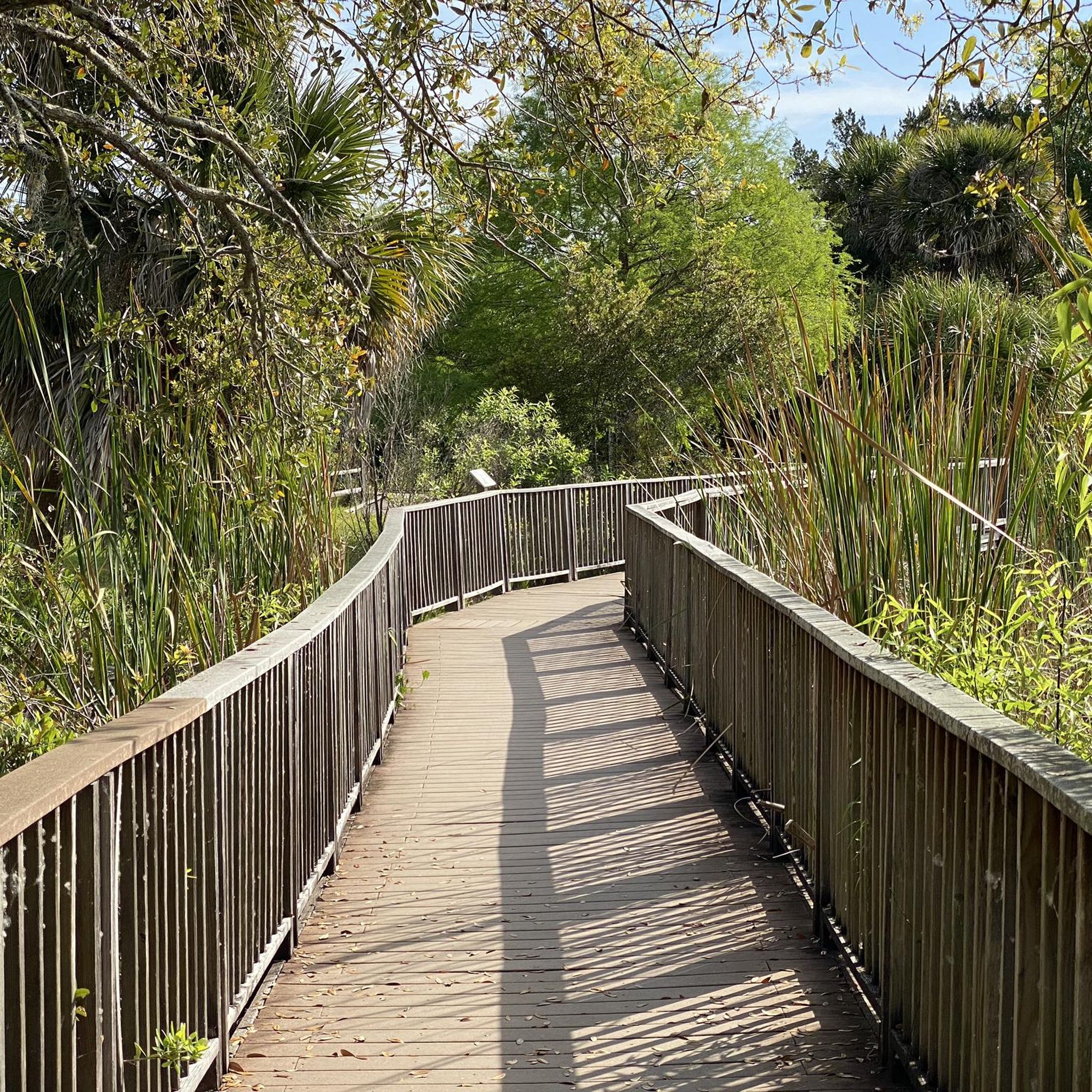
- Another must-see spot is Merritt Island National Wildlife Refuge Visitor Center Boardwalk, a trail with facilities. This accessible quarter-mile loop boardwalk provides elevated views over wetlands and marshes, and the visitor center offers exhibits and restrooms.
- Visitors also love Playalinda Beach, a beach located along the eastern edge of Cape Canaveral. It is known for its undeveloped coastline and offers views of rocket launches when timed correctly.
- Merritt Island National Wildlife Refuge is known for its diverse natural features, wildlife viewing opportunities, and accessible trails. The area offers a variety of attractions to see and explore, from scenic drives to observation decks.
- The attractions in Merritt Island National Wildlife Refuge are appreciated by the komoot community, with 3 upvotes and 7 photos shared across the highlights.
Last updated: July 2, 2026
Manatee Observation Deck, Merritt Island National Wildlife Refuge
Highlight • Viewpoint
A visitor told his companion that instead of only ten today, 30 manatees can be seen more often.
Translated by Google •
Tip by

Merritt Island National Wildlife Refuge
Highlight • Natural
Tip by

Sign up now to discover places like this
Get recommendations on the best single tracks, peaks, & plenty of other exciting outdoor places.
Sign up for free
Merritt Island National Wildlife Refuge Visitor Center Boardwalk
Highlight • Trail
Tip by

Playalinda Beach
Highlight • Beach
Tip by

Manatee Observation Tower
Highlight • Viewpoint
Tip by
Start today with a free account
Your next adventure awaits.
Login or Signup
Tips from the Community

Please stop here, as it's right next to the highway. If there are any animals, you can observe them very well.
0
0

Playalinda Beach stretches along the eastern edge of Cape Canaveral and lives up to its name, which means beautiful beach in Spanish. And while Florida has hundreds of beautiful beaches, this one is of particular interest because you can watch a rocket launch if you time your visit right.
0
0
The name says it all really, but your chances of spotting a manatee...or ten, are really high here. It's worth hopping off the bike for a short walk to the viewing platform.
0
0

Unfortunately the link no longer works 😕
0
0

Merritt Island National Wildlife Refuge, located on Florida's east coast, spans 140,000 acres of diverse ecosystems. A haven for wildlife, it preserves habitats for manatees, migratory birds, and endangered species. Visitors enjoy nature trails, bird watching, and the Kennedy Space Center's proximity.
0
0

From what I've heard from local visitors, there seems to be almost a guaranteed manatee sighting here. A visitor told his companion that instead of only ten today, 30 manatees can be seen more often.
4
0

Friendly staff, plus bathrooms, water, cold drinks, stickers, t-shirts, etc.
0
0
Restrooms, water, cold drinks, stickers, etc.
0
0
Frequently Asked Questions
What kind of wildlife can I expect to see in Merritt Island National Wildlife Refuge?
Merritt Island National Wildlife Refuge is a haven for diverse wildlife. You can frequently spot manatees, especially from the Manatee Observation Deck. The refuge is also home to alligators and a wide variety of birds, including flamingos, roseate spoonbills, wood storks, and bald eagles. During winter migratory seasons, bird sightings are particularly abundant.
Are there good opportunities for birdwatching?
Yes, the refuge is a premier birding destination, hosting over 310 to 357 species of birds. The Black Point Wildlife Drive is a popular seven-mile scenic route specifically designed for birdwatching from your vehicle, winding through marshes and mud flats.
Where can I observe manatees in the refuge?
The best place to observe manatees is the Manatee Observation Deck at the Haulover Canal. Manatees frequently congregate in this area year-round, offering excellent viewing opportunities. Another spot is Bairs Cove, which is also known for manatee sightings.
Are there accessible options for visitors with mobility needs?
Yes, the Merritt Island National Wildlife Refuge Visitor Center Boardwalk is an accessible quarter-mile loop that provides elevated views over wetlands and marshes. The Visitor Center itself also offers facilities and exhibits.
Can I go hiking in the refuge?
Absolutely. The refuge offers several hiking trails. Options include the interpretive Oak Hammock Trail, the longer 4.8-mile Allan Cruickshank Memorial Trail, the Scrub Ridge Trail (known for Florida scrub-jay views), and the short Wild Bird Trail. For more detailed route information, you can explore running trails in Merritt Island National Wildlife Refuge.
Are there any beaches accessible from the refuge?
Yes, Playalinda Beach, while part of Canaveral National Seashore, is accessed through the refuge. It's an undeveloped coastline popular for beachgoers and offers spectacular views of rocket launches when timed correctly.
What activities are available for families?
Merritt Island National Wildlife Refuge is very family-friendly. Children and adults alike will enjoy wildlife viewing, especially spotting manatees from the Manatee Observation Deck. The accessible Visitor Center Boardwalk is also a great option. Exploring the diverse habitats and looking for birds and alligators along the Black Point Wildlife Drive are also popular family activities.
What is the best time of year to visit for wildlife viewing?
While wildlife can be seen year-round, the winter migratory seasons are particularly excellent for birdwatching. Manatees are frequently observed throughout the year, especially at the Haulover Canal.
Can I go cycling near the attractions?
Yes, cycling is a popular activity. You can find various routes, including the Cruickshank Trail, which is also suitable for cycling. For more cycling options, check out the cycling guide for Merritt Island National Wildlife Refuge.
What is the historical context of Merritt Island National Wildlife Refuge?
The refuge was established in 1963, partly to serve as a buffer zone for NASA's Kennedy Space Center, which shares a boundary with the refuge. The island also holds significant archaeological importance, with evidence of at least seven distinct Indian cultures dating back as early as 7,000 BC, including burial mounds and shell middens.
Are there unique water activities like bioluminescent kayaking?
Yes, Bairs Cove serves as a launch point for bioluminescent kayaking tours. This unique nighttime experience allows visitors to witness plankton glowing in the water, creating a vibrant blue illumination when disturbed.
What are the main natural habitats found within the refuge?
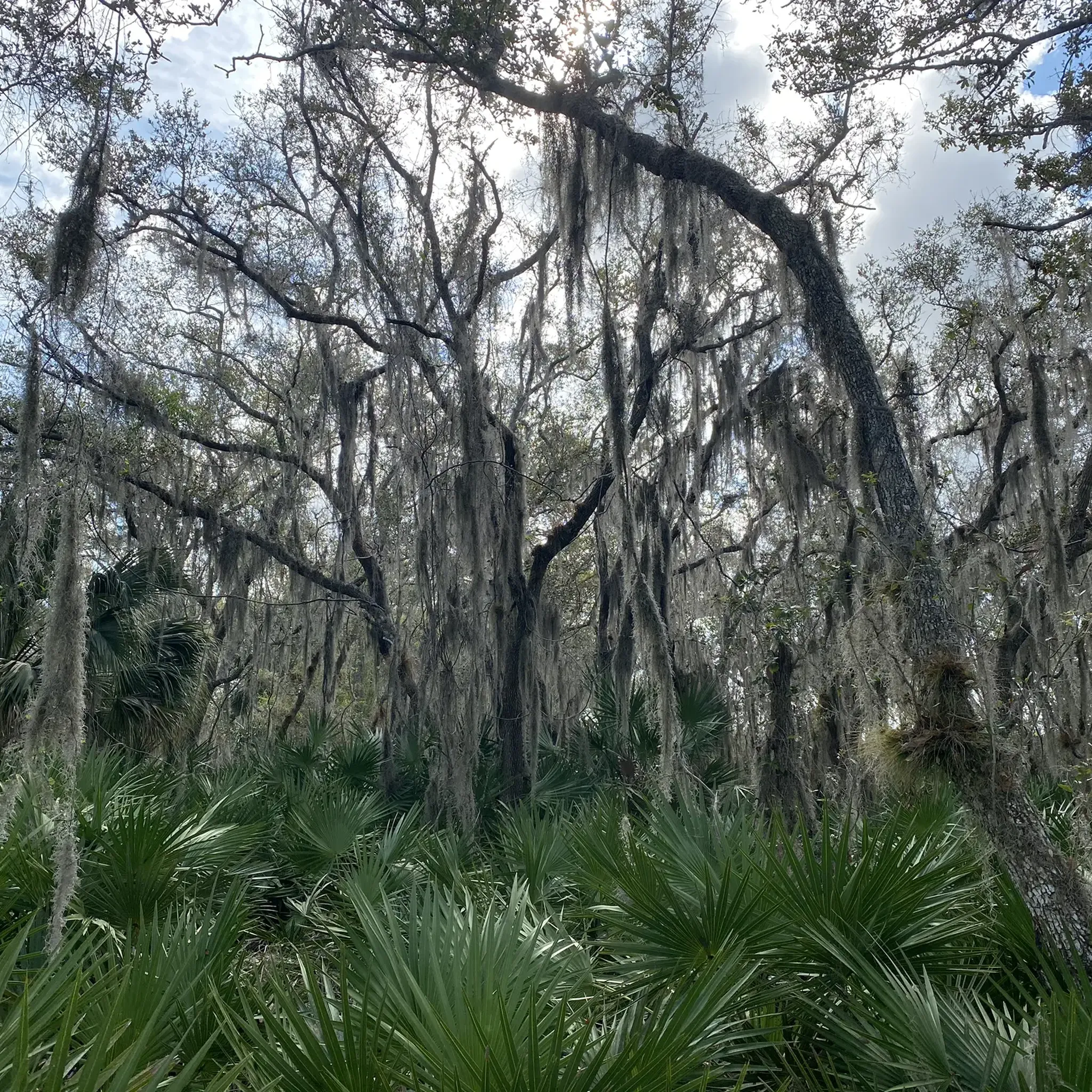
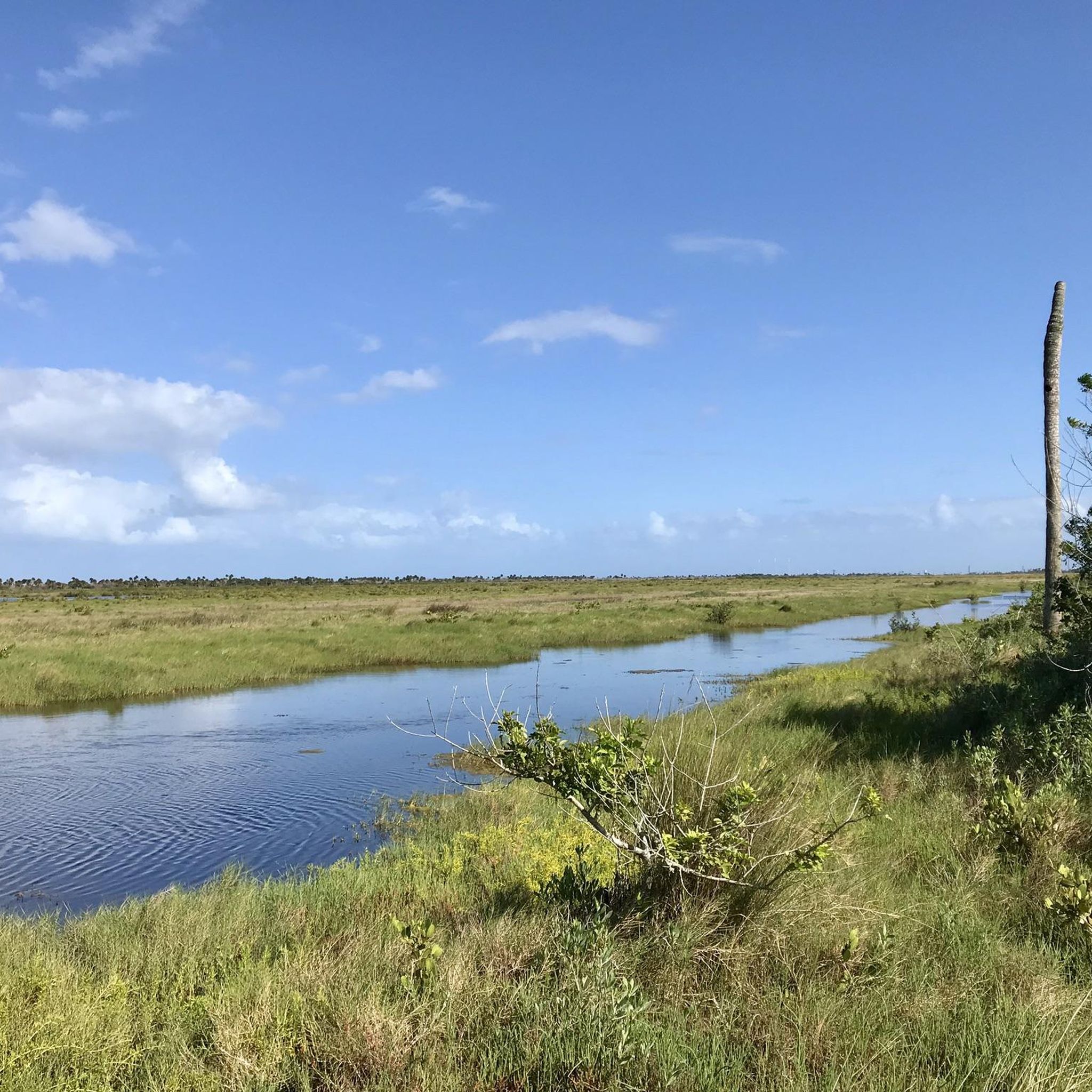
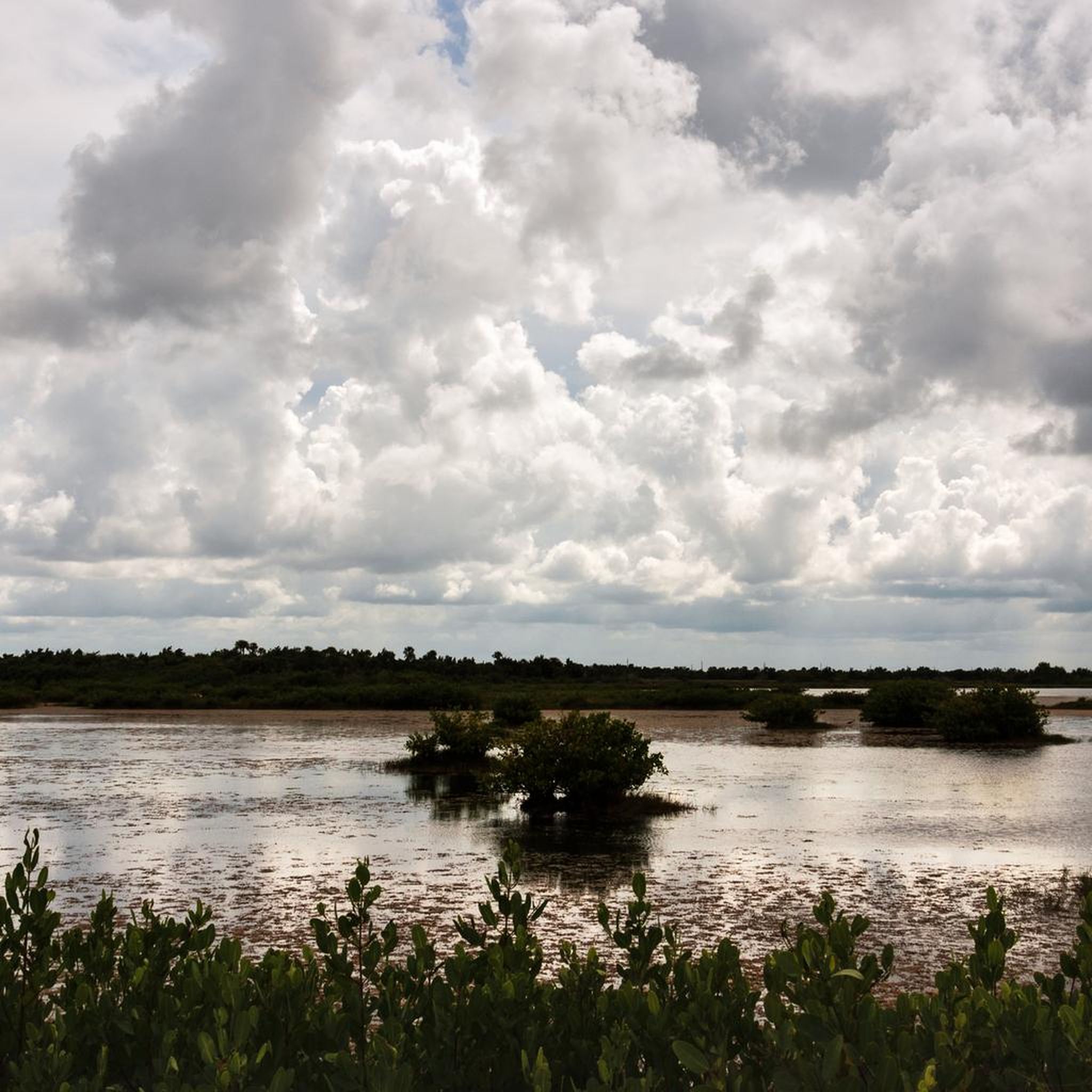
The refuge is characterized by a wide variety of ecosystems. These include coastal dunes, saltwater marshes, managed impoundments, scrub, pine flatwoods, and hardwood hammocks. The Indian River Lagoon and Mosquito Lagoon are also integral brackish water habitats supporting diverse marine life.
Is there a visitor center with facilities?
Yes, the Merritt Island National Wildlife Refuge Visitor Center offers exhibits, movies, programs, restrooms, water, and a bookstore. It's also the starting point for the accessible boardwalk.
Most popular routes in Merritt Island National Wildlife Refuge

Get inspired with the komoot mobile app


Explore more
Still not found the Highlight you’re looking for? See guides of the top attractions in other regions:
