Arthur R. Marshall Loxahatchee National Wildlife Refuge
Arthur R. Marshall Loxahatchee National Wildlife Refuge
Attractions and Places To See in Arthur R. Marshall Loxahatchee National Wildlife Refuge - Top 4
Best attractions and places to see in Arthur R. Marshall Loxahatchee National Wildlife Refuge include a diverse range of natural features within this 145,188-acre sanctuary. As the northernmost remnant of the historic Everglades wetland ecosystem, the refuge offers extensive wetland habitats. Visitors can explore various trails and boardwalks that provide access to unique environments like cypress swamps and sawgrass ridges. This area is a critical habitat for a wide array of wildlife, including alligators and numerous bird species.
Best attractions…
Last updated: August 26, 2026
Service Road at Arthur R. Marshall Loxahatchee National Wildlife Refuge
Highlight (Segment) • Trail
Tip by

Marsh Trail
Highlight (Segment) • Trail
Tip by

Sign up now to discover places like this
Get recommendations on the best single tracks, peaks, & plenty of other exciting outdoor places.
Sign up for free
Observation Tower
Highlight • Viewpoint
Tip by
Arthur R. Marshall Loxahatchee National Wildlife Refuge
Highlight • Natural
Tip by

Equestrian Trail
Highlight (Segment) • Trail
Tip by

Start today with a free account
Your next adventure awaits.
Login or Signup
Popular around Arthur R. Marshall Loxahatchee National Wildlife Refuge
Tips from the Community

The Equestrian Trail is one of the popular trails in Wellington Preserve. It runs the perimeter of the park and passes through marshland and next to several ponds. As the name suggests, the trail is open to horseback riders, but it is also popular with walkers and joggers.
0
0

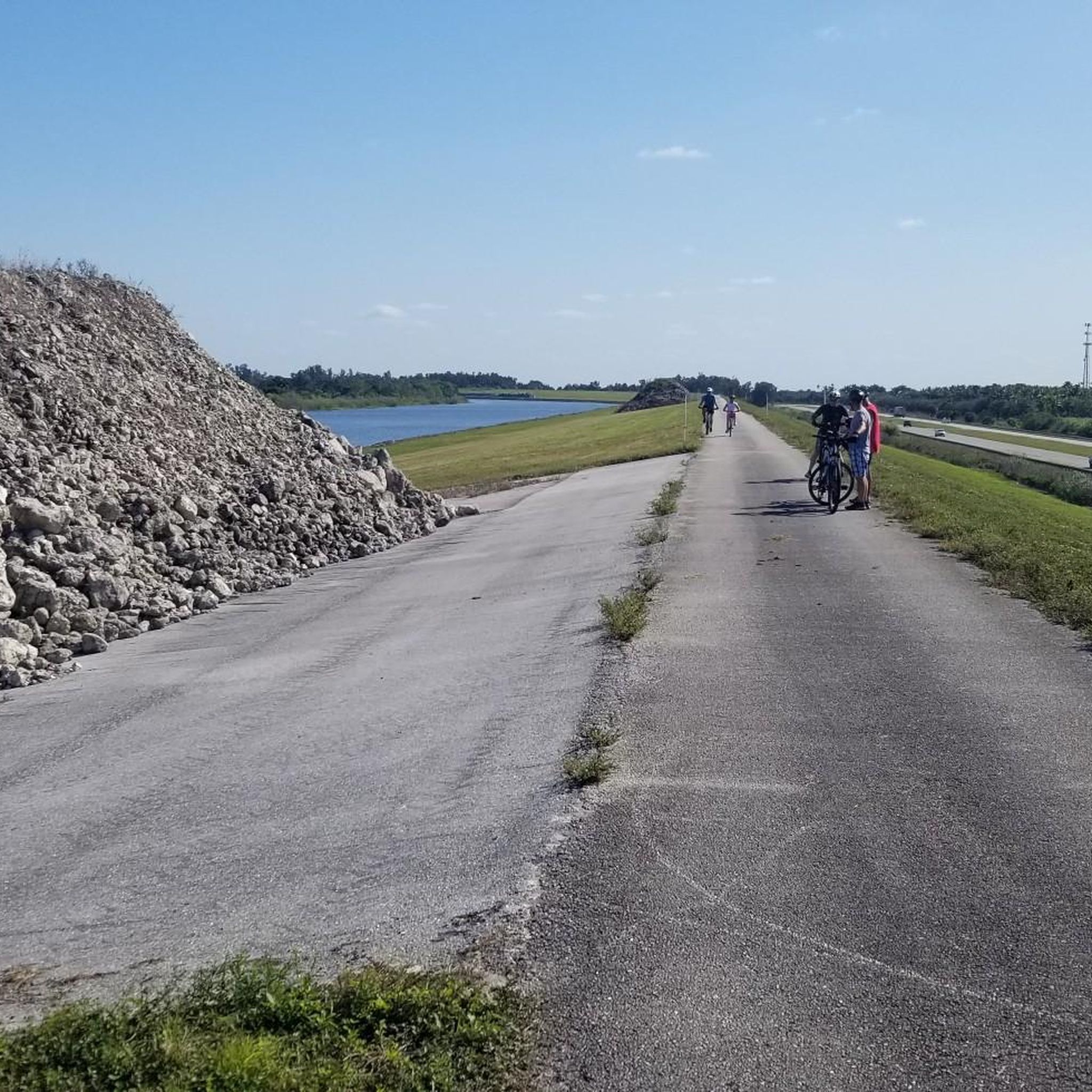
A lovely stretch of path following the border of the Arthur R. Marshall Loxahatchee National Wildlife Refuge. Partially paved, partially gravel, this service road is flat and offers great nature views!
1
0

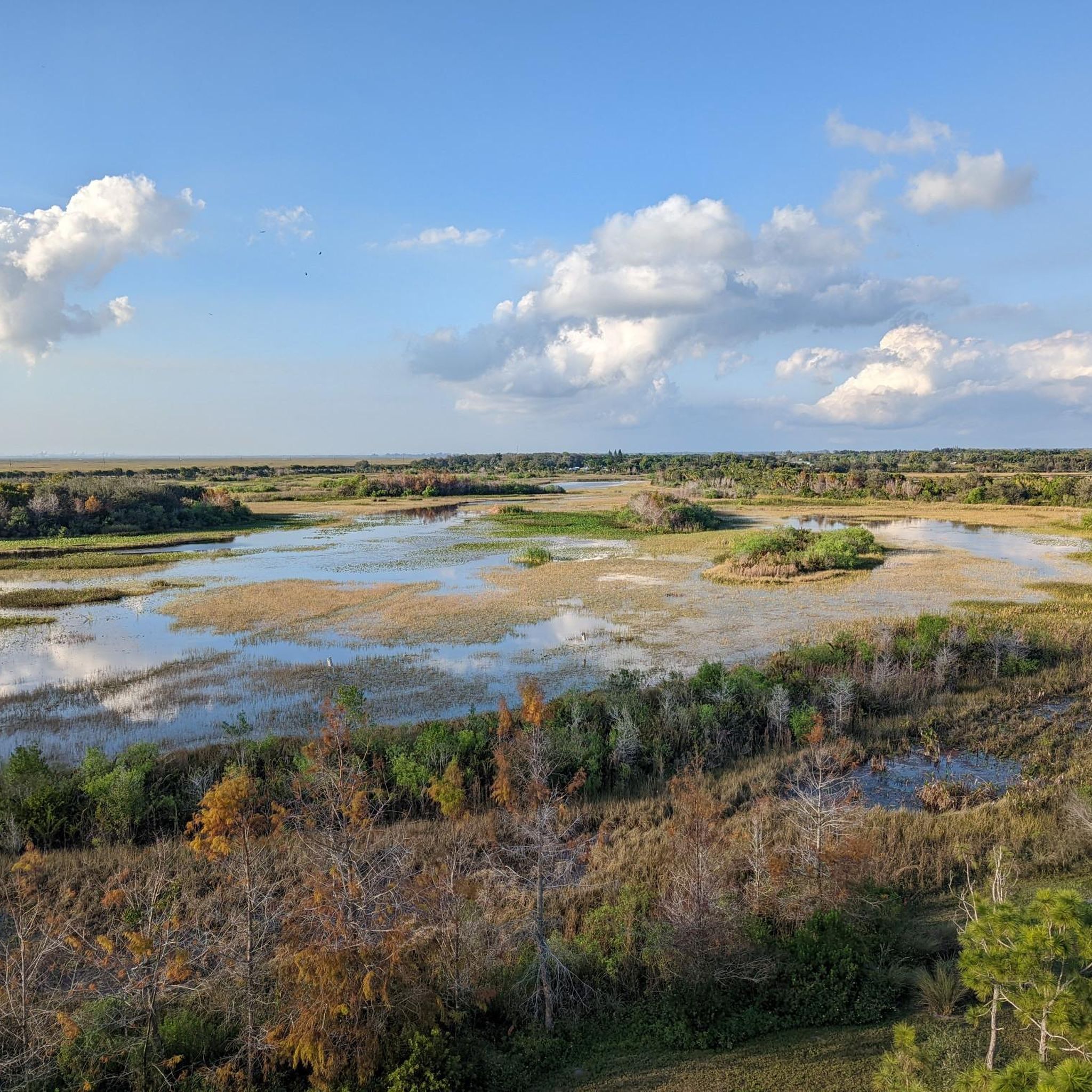
This is the site of the observation tower. It isn't crazy tall, but there aren't many tall trees or hills on the property, so it's still a really great lookout.
0
0
The Marsh Trail in the Loxahatchee National Wildlife Refuge is a really popular trail that winds in and out of different meadows and wetland areas. There is an observation tower in the middle of the path that looks over the entire refuge.
0
0
This is the site of the observation tower. It isn't crazy tall, but there aren't many tall trees or hill on the property, so it's still a really great lookout.
0
0
The Marsh Trail in the Loxahatchee National Wildlife Refuge is a really popular trail that winds in and out of different meadows and wetland areas. There is an observation in the middle of the path that looks over the entire refuge.
1
0

Loxahatchee Wildlife Refuge is one of the largest urban wildlife refuges in the nation with more than 145,000 acres of land! The refuge visitor center is open daily from 9:00 am to 4:00 pm.
0
0

Arthur R. Marshall Loxahatchee National Wildlife Refuge is located seven miles west of the city of Boynton Beach in Palm Beach County, Florida. All refuge visitors are required to pay an entrance fee with the following exceptions: Entrance fees are waived for visitors entering the refuge on foot, bicycle, or horseback; or if the visitor is in possession of a current and signed Federal Duck Stamp or America the Beautiful Interagency Pass. The initial 5km is a paved road, after is nice gravel.
0
0
Frequently Asked Questions
What are the most popular trails for exploring the refuge?
Among the most popular trails are the Service Road at Arthur R. Marshall Loxahatchee National Wildlife Refuge, which offers flat, partially paved and gravel paths with great nature views, and the Marsh Trail, known for winding through meadows and wetlands to an observation tower.
Are there any observation points to get panoramic views of the refuge?
Yes, the Observation Tower, located along the Marsh Trail, provides excellent panoramic views of the flat terrain and extensive wetland habitat. The Marsh Trail itself also features an observation point.
What kind of wildlife can I expect to see in the refuge?
The refuge is a critical habitat for diverse wildlife. You can often spot American alligators, wading birds, turtles, frogs, butterflies, and dragonflies, especially along the C-Impoundment Trails. It's also home to the endangered Everglades snail kite, deer, iguanas, otters, and bobcats, making it a prime location for wildlife viewing and birdwatching.
Are there family-friendly activities available in the refuge?
Many areas within the refuge are family-friendly. The Service Road and Marsh Trail are suitable for families. The Cypress Swamp Boardwalk, located behind the Visitor Center, is a 0.4-mile accessible loop, perfect for an up-close experience with the unique cypress swamp habitat without getting wet. The Visitor Center also offers interactive exhibits.
What are the options for hiking in Arthur R. Marshall Loxahatchee National Wildlife Refuge?
The refuge offers numerous hiking opportunities. Beyond the popular Marsh Trail, you can explore the Cypress Swamp Boardwalk Trail or the West Delray Regional Park Trail. For more options and detailed routes, check out the dedicated guide for Hiking in Arthur R. Marshall Loxahatchee National Wildlife Refuge.
Can I go cycling in the refuge?
Yes, the refuge has a 12-mile bicycle trail, and many trails are multi-use. The Service Road is partially paved and suitable for cycling. For more detailed routes and options, explore the Road Cycling Routes in Arthur R. Marshall Loxahatchee National Wildlife Refuge guide.
Are there opportunities for horseback riding?
Yes, the Equestrian Trail in Wellington Preserve, bordering the refuge, is popular for horseback riding, as well as walking and jogging. This trail runs the perimeter of the park, passing through marshland and next to several ponds.
What are the entrance fees and permit requirements for the refuge?
All refuge visitors are generally required to pay an entrance fee. However, entrance fees are waived for visitors entering the refuge on foot, bicycle, or horseback. Fees are also waived if you possess a current and signed Federal Duck Stamp or an America the Beautiful Interagency Pass. For the most current information on fees, please visit the official FWS website: fws.gov.
What is the best time of year to visit Arthur R. Marshall Loxahatchee National Wildlife Refuge?
The refuge is open year-round, but the cooler, drier months from November to April are generally considered the most pleasant for visiting, offering comfortable temperatures for outdoor activities and often prime conditions for wildlife viewing. During these months, migratory birds are also more abundant.
Are there accessible trails for visitors with mobility needs?
Yes, the Cypress Swamp Boardwalk, located directly behind the Visitor Center, is a 0.4-mile accessible boardwalk loop. It provides an excellent opportunity to experience the unique cypress swamp habitat up close without encountering difficult terrain.
Can I go paddling or fishing in the refuge?
Yes, the refuge offers extensive opportunities for canoeing and kayaking along its waterways, including a 5.5-mile marked canoe trail accessible from the Lee Road Boat Ramp. Fishing, particularly for bass, is permitted in designated areas within the refuge.
What kind of natural landscapes define the Arthur R. Marshall Loxahatchee National Wildlife Refuge?
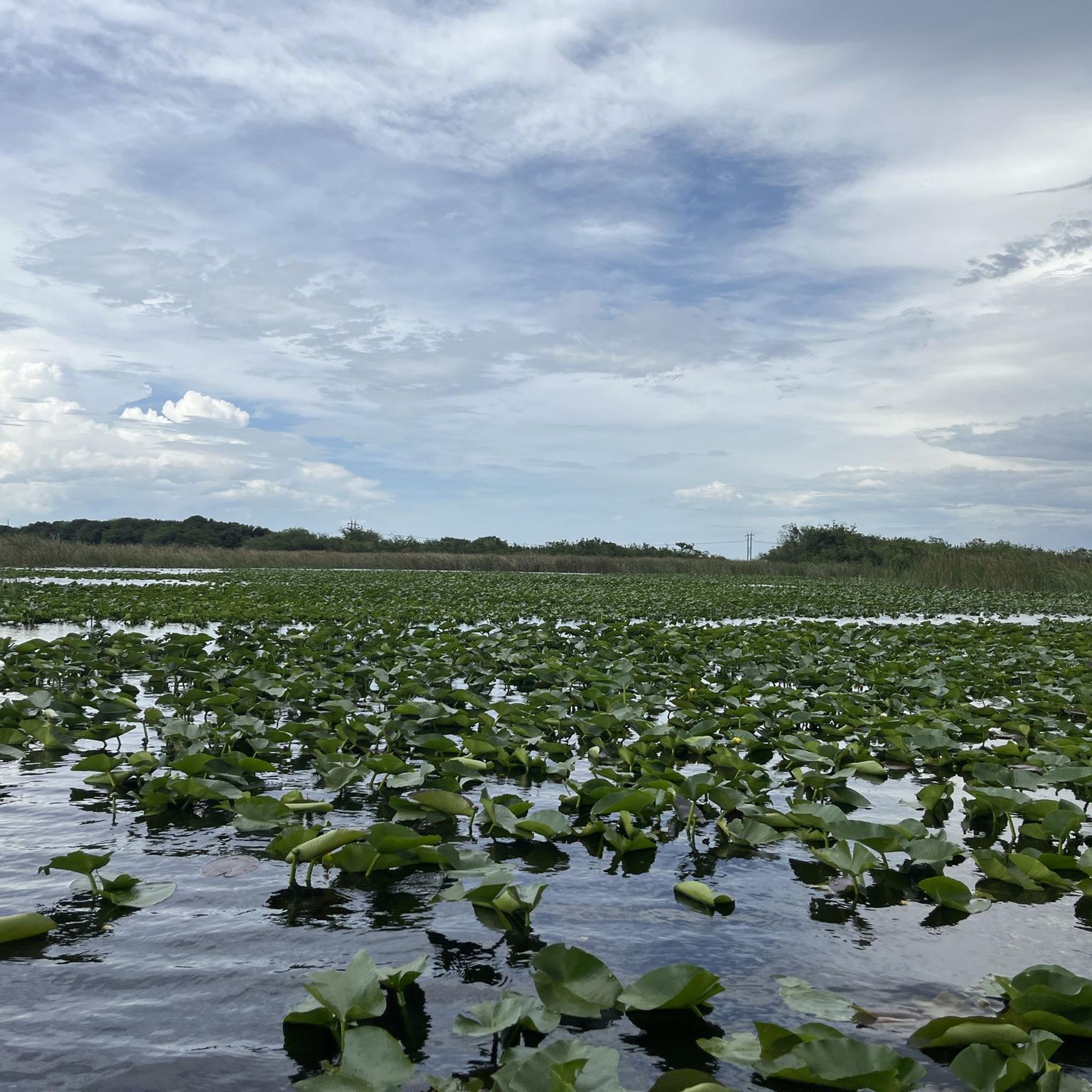
The refuge is primarily defined by its vast Everglades wetland ecosystem, covering nearly 145,000 acres. This includes diverse landscapes such as wet prairies, sawgrass ridges, sloughs, tree islands, cattail communities, and one of the last remaining extraordinary cypress swamps in the area.
Most popular routes in Arthur R. Marshall Loxahatchee National Wildlife Refuge

Get inspired with the komoot mobile app


Explore more
Still not found the Highlight you’re looking for? See guides of the top attractions in other regions:
