Valley Of Stones National Nature Reserve
Valley Of Stones National Nature Reserve
The best walks and hikes in Valley Of Stones National Nature Reserve
4.5
(463)
2,877
hikers
200
hikes
Hiking in Valley Of Stones National Nature Reserve explores a landscape in West Dorset defined by its unique geology and prehistoric features. The area is characterized by open chalk grasslands and distinctive sarsen stones, which are large sandstone boulders scattered across the valley floor. The terrain features gentle paths through meadows and moderate ascents to viewpoints over the surrounding countryside. This ancient landscape also includes dry chalk valleys and undulating slopes, offering diverse hiking experiences.
Best hiking trails in Valley Of Stones National Nature Reserve
- The most popular hiking route is The Valley of Stones loop from Littlebredy, a 6.9 miles (11.2 km) trail that takes 3 hours 9 minutes to complete. This route offers a comprehensive exploration of the reserve, combining valley paths with ascents for wider views.
- Another top favourite among local hikers is Portland views from Hardy's Monument — National Trust coastal walks in West Dorset, a moderate 4.6 miles (7.4 km) path. This trail leads to a historic monument and provides views towards Portland.
- Local hikers also love the Hardy Monument Trail — National Trust North and West Dorset, a 3.7 miles (6.0 km) trail leading through chalk downland, often completed in about 2 hours 2 minutes.
- Hiking in Valley Of Stones National Nature Reserve is defined by its sarsen stone fields, chalk grasslands, and ancient monuments. The network of trails provides options for both leisurely walks and more moderate hikes.
- The routes in Valley Of Stones National Nature Reserve are highly rated by the komoot community with an average score of 4.6 stars from more than 350 reviews. More than 2,500 hikers have used komoot to explore Valley Of Stones National Nature Reserve's varied terrain.
Last updated: September 3, 2026
4.3
(12)
40
hikers
Moderate hike. Good fitness required. Mostly accessible paths. Sure-footedness required.
4.9
(7)
28
hikers
11.2km
03:09
240m
240m
Hike the moderate 6.9-mile Valley of Stones loop from Littlebredy, exploring unique sarsen stones and enjoying views from Smitten Corner.

Sign up for free
5.0
(4)
12
hikers
5.97km
02:02
130m
130m
Moderate hike. Good fitness required. Easily-accessible paths. Suitable for all skill levels.
4.7
(12)
45
hikers
Easy hike. Great for any fitness level. Easily-accessible paths. Suitable for all skill levels.
4.7
(9)
34
hikers
Moderate hike. Good fitness required. Easily-accessible paths. Suitable for all skill levels.
Get access to more routes and recommendations from other explorers.
Sign up for free
Already have an account?
Our route recommendations are based on thousands of hikes, rides, and runs completed by other people on komoot.
Start today with a free account
Your next adventure awaits.
Login or Signup
Tips from the Community

Great place to rest and take in the views
0
0

Under the full moon’s silver glow, the Hampton Stones near Abbotsbury do not remain cold, silent granite. As the light reaches its peak, the boulders groan and stretch, shedding their stony shells. They emerge as towering, grey-skinned humans and prowling, heavy-limbed beasts, driven by an eternal, agonizing thirst. They wander the ridgeway, desperate to reach the cool waters of the Fleet. Yet, they are cursed; as the moon begins to fade and the first hint of dawn touches the sky, their forms stiffen. Fearful, they scramble toward their original positions, desperately trying to return to the safety of the earth. But if the moon fades too quickly, they are caught in the open—frozen mid-stride, trapped forever in stone, waiting for the next full moon to grant them another fleeting, thirsty night of life.
0
0
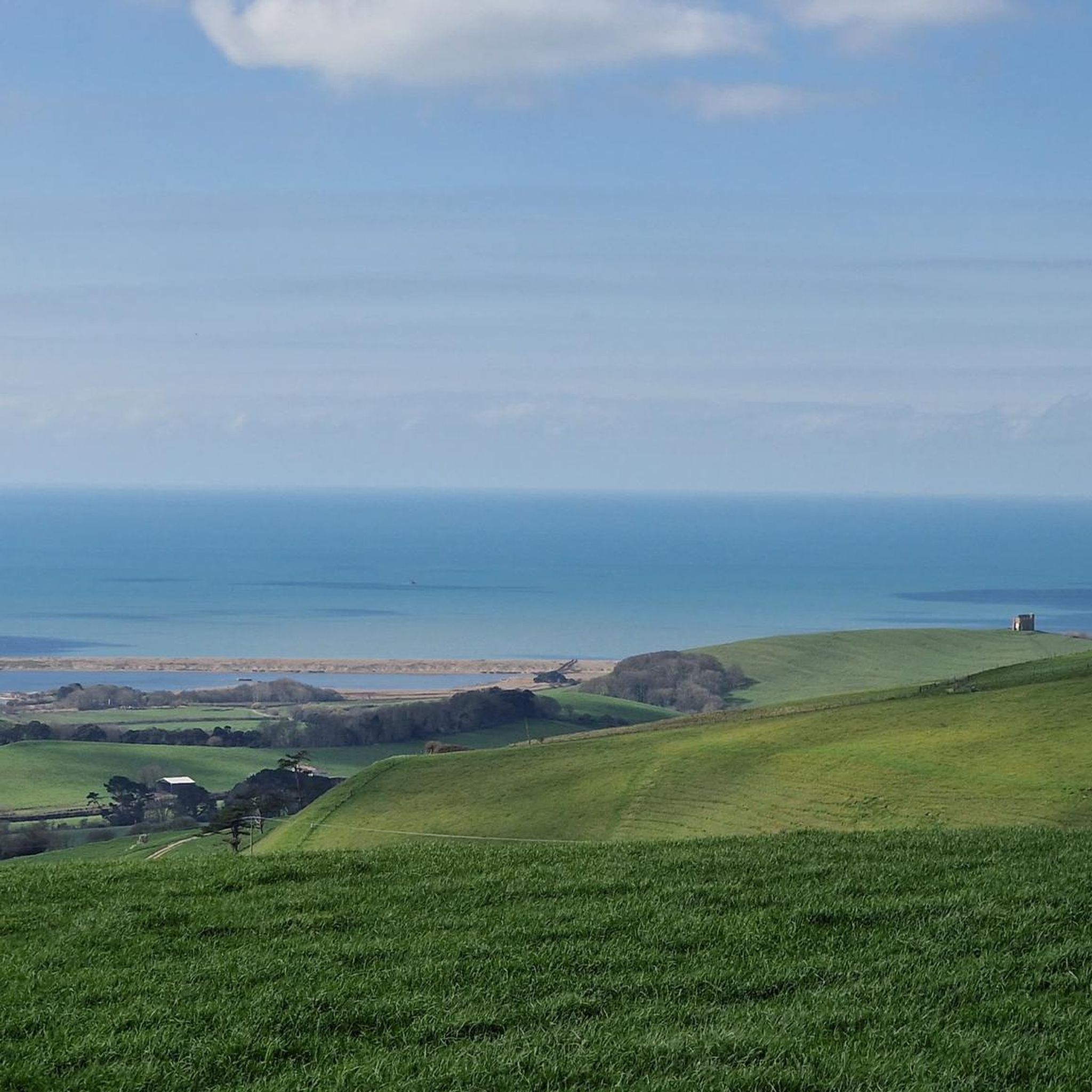
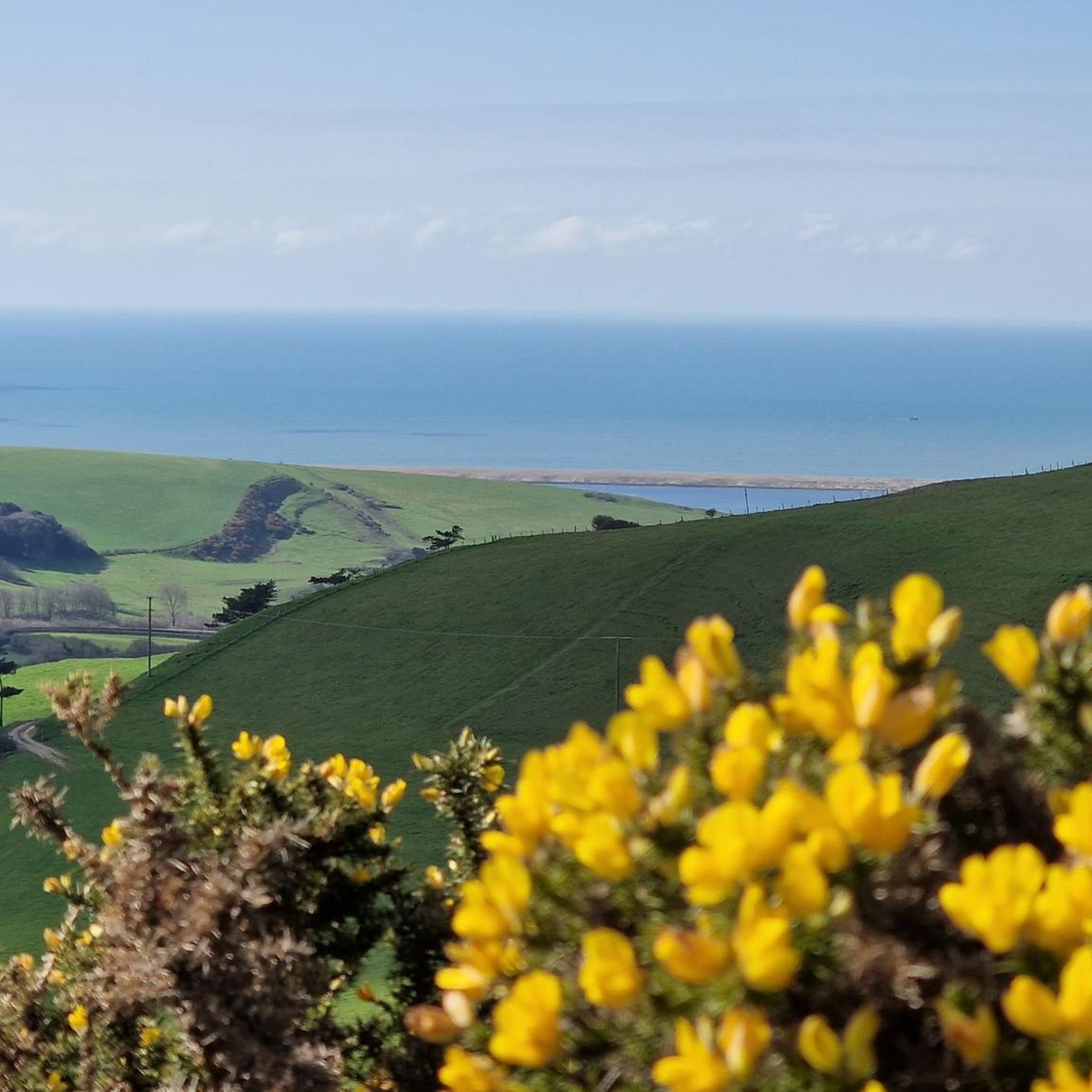
Standing at the crest of the South Dorset Ridgeway gives you one of the most striking coastal panoramas in the UK. Because the ridge rises sharply just inland from the coast, the landscape unfolds below you like a massive, living map. The Fleet Lagoon and Chesil Beach The most dominating feature from this height is the massive sweep of Chesil Beach, a 18-mile barrier of shingles stretching out toward the Isle of Portland in the distance. Trapped right behind it is The Fleet, a shallow, glassy lagoon. From the Ridgeway, you get a clear view of how this narrow strip of water mirrors the sky, contrasting sharply with the rougher English Channel waves breaking on the outer side of the bank. Abbotsbury Vale Looking directly down into the valley, the village of Abbotsbury looks nestled into the rolling green landscape. St Catherine’s Chapel: The 14th-century stone chapel sits entirely exposed on its own smaller hill down in the vale, looking like a tiny solitary sentinel against the backdrop of the sea. The Subtropical Gardens and Swannery: You can trace the dark, wooded canopy of the gardens and the open waterways of the swannery where the Fleet tapers off into the land. On a clear day, the perspective is incredible—you can track the entire curve of the Jurassic Coast all the way out to the red cliffs of Devon in the west.
0
0
Legend says the Devil was hanging out up on Portland Hills, feeling competitive. He spotted the church tower down in Abbotsbury and decided to try his luck at a game of quoits, using a massive, multi-ton boulder as his ring. He hurled the rock across the landscape, but his aim was off—it smashed down onto Black Down ridge instead. Today, locals call that ancient burial chamber the Hell Stone, marking the Devil's bad throw.
0
0
Located near the village pub in Martinstown, this historic, stone-lined sheep wash pool dates back to the 19th century. Once a vital hub for local farmers to dip and clean their livestock, it now serves a much lighter purpose, most famously hosting the village's annual charity duck race.
0
0
While Dorset is famous for ancient megaliths, the Black Down Stone Circle is actually a contemporary twist on history. Created by artist Amanda Moore, this modern monument features five dry-stone "totems" made of local Forest Marble. They act as a solar and lunar calendar, perfectly framing the solstice sunrises and sunsets.
0
0
Part of the 17 mile Spine ( The Dead City ).
0
0
Frequently Asked Questions
Are there any circular walks in the Valley of Stones?
Yes, the area is well-suited for circular hikes. A popular option is The Valley of Stones loop from Littlebredy, which provides a comprehensive tour of the reserve's unique landscape. Many routes in the area are designed as loops, allowing you to start and finish in the same location.
What is the terrain like on the hiking trails?
The terrain is varied, featuring a mix of gentle paths through open chalk grassland and more moderate ascents to viewpoints. The most distinctive feature is the valley floor, which is littered with large sarsen stones, creating a unique and sometimes uneven walking surface. Most trails are on unpaved footpaths.
Where can I park to hike in the Valley of Stones?
Parking is available in small, informal lay-bys near the main entrances to the reserve, particularly around the village of Littlebredy. These spots can fill up quickly, especially on weekends. Some routes also start from nearby villages like Portesham, which may offer more on-street parking options.
Are there any easy hikes suitable for a family or casual walk?
Yes, there are several easier options available. The Hardy Monument – Smitten Corner Trail Junction loop from Winterbourne Steepleton is a relatively short and gentle walk that still offers a great experience of the local landscape. In general, the paths in the valley bottoms are flatter and more accessible than the routes that climb the ridges.
What is the best time of year to visit the Valley of Stones?
The reserve is beautiful year-round, but late spring and summer are particularly special. During this time, the chalk grasslands are vibrant with wildflowers, including various orchids and bellflowers, and you can spot a wide range of butterflies. Autumn offers its own charm with rich colours and the appearance of autumn gentian flowers.
What are the sarsen stones I've heard about?
The sarsen stones are the reserve's most famous geological feature. They are large, prehistoric sandstone boulders that form a 'stone river' through the valley. These stones are remnants from the last Ice Age and are similar to those used to build ancient monuments like Stonehenge. They create a unique and atmospheric landscape for hiking.
How many hiking trails are there in the Valley of Stones area?
There are over 200 hiking routes to explore in and around the Valley of Stones National Nature Reserve. These range from short, easy walks to more challenging all-day hikes, with nearly half of them rated as moderate difficulty.
Are there any historical sites to see on the hikes?
Absolutely. The entire area is part of the South Dorset Ridgeway, a landscape rich in prehistoric monuments. Besides the sarsen stones themselves, many trails pass near ancient burial mounds (barrows) and hill forts. A great route for history lovers is the Hardy Monument Trail, which leads to a prominent historic landmark.
What do other hikers say about the trails in the Valley of Stones?
The trails are highly regarded by the komoot community, with an average rating of 4.6 stars. Hikers often praise the unique and dramatic landscape created by the sarsen stones, the beautiful wildflower meadows, and the sense of walking through thousands of years of history.
Are dogs allowed in the Valley of Stones National Nature Reserve?
Yes, dogs are generally welcome in the reserve. However, it is a working landscape where cattle and sheep are used for conservation grazing. You must keep your dog on a lead and under close control, especially when livestock are present, to protect both the animals and the sensitive grassland habitat.
Are there any visitor facilities like toilets or cafes in the reserve?
The Valley of Stones is a natural reserve with very limited facilities. There are no public toilets, cafes, or visitor centres directly within the reserve itself. It's best to be self-sufficient and bring your own water and snacks. Nearby villages like Littlebredy or Portesham may have pubs or small shops.
Can I get to the trailheads using public transport?
Accessing the trailheads directly by public transport is challenging due to the reserve's rural location. Bus services may run to nearby villages, but they are often infrequent. Most visitors find it more convenient to arrive by car. Check local Dorset bus timetables for the latest service information to villages like Portesham or Winterbourne Abbas.
Most popular routes in Valley Of Stones National Nature Reserve

Get inspired with the komoot mobile app


Explore more
Browse the best Hikes in other regions.
