The best cycling routes in Elmley National Nature Reserve
4.2
(152)
1,298
riders
167
rides
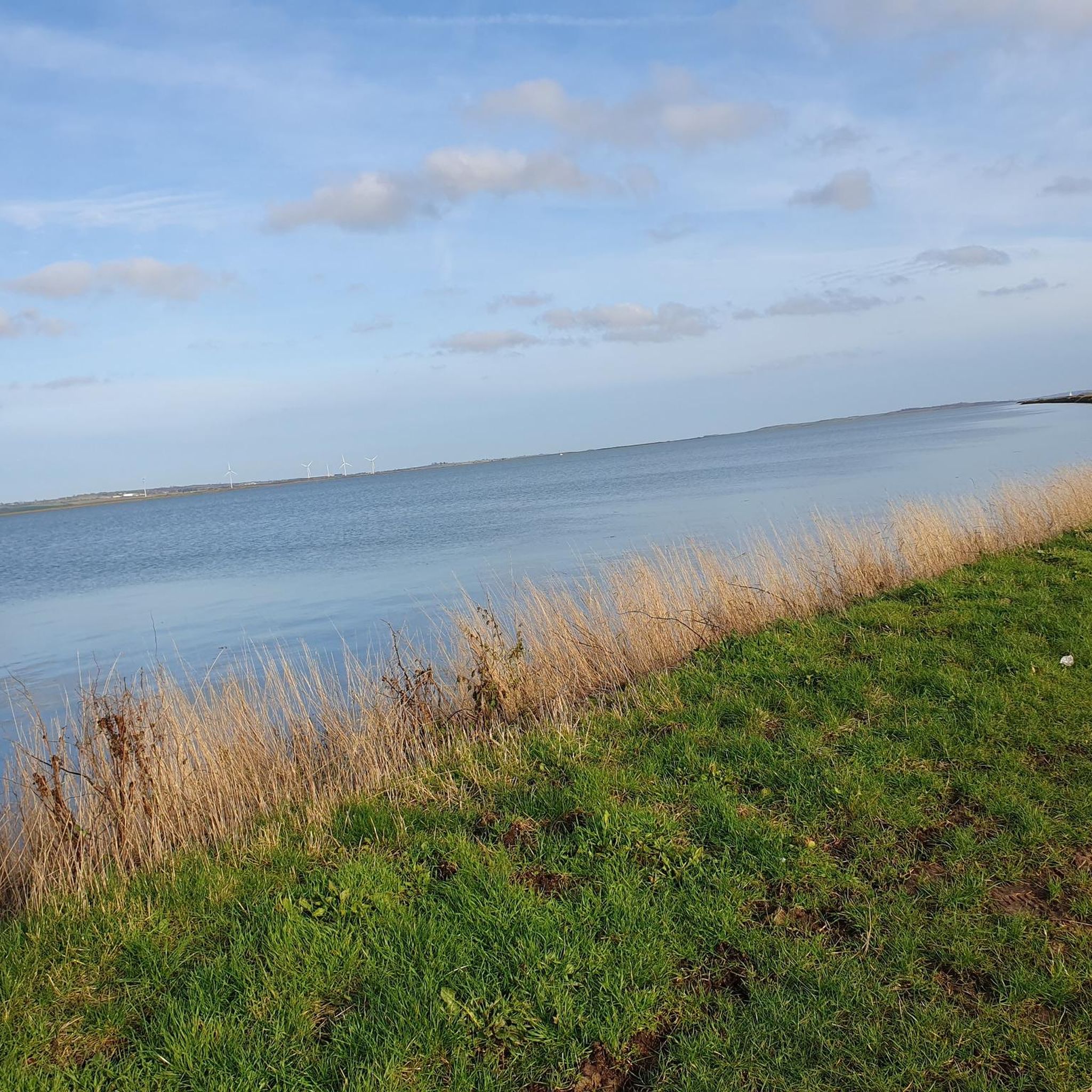
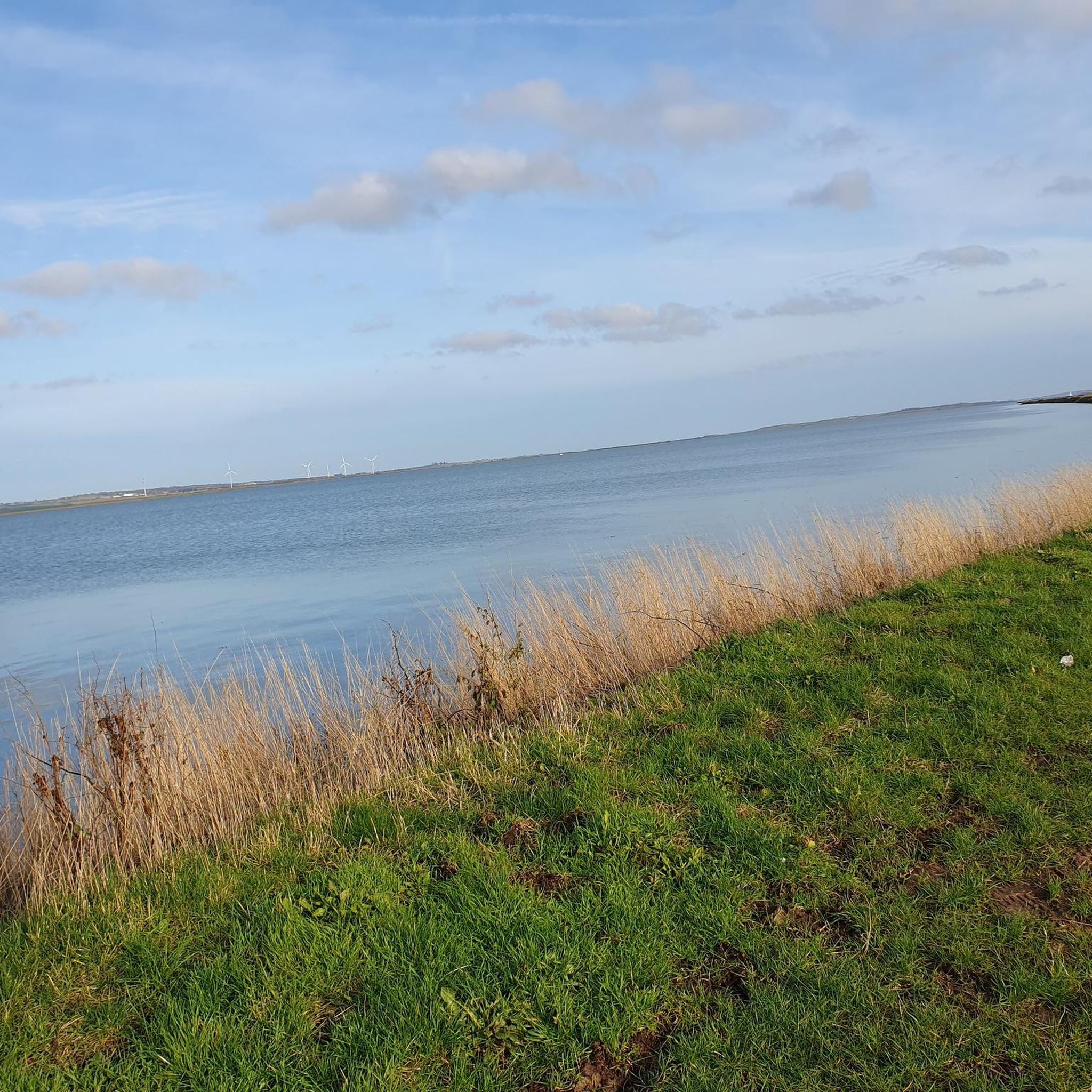
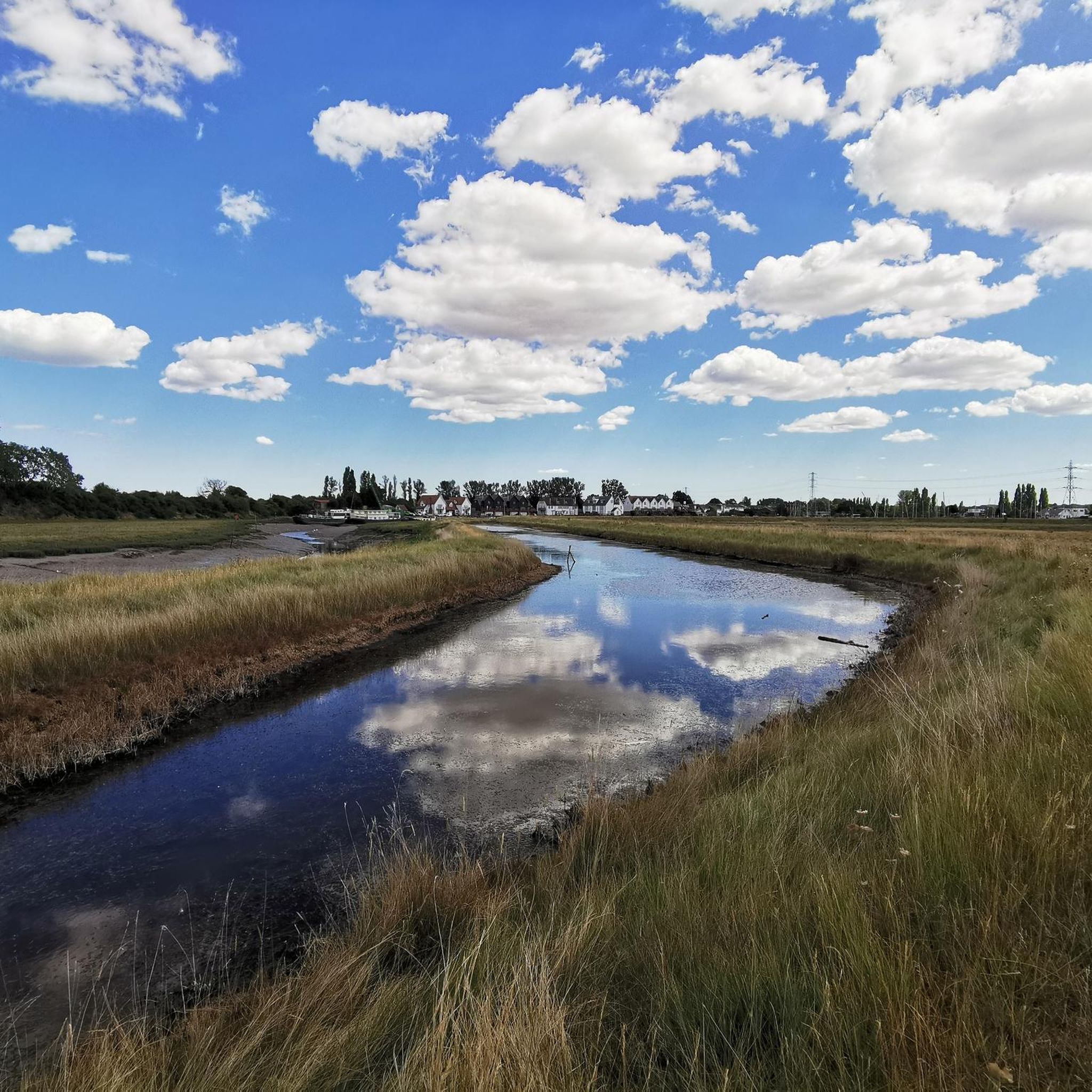
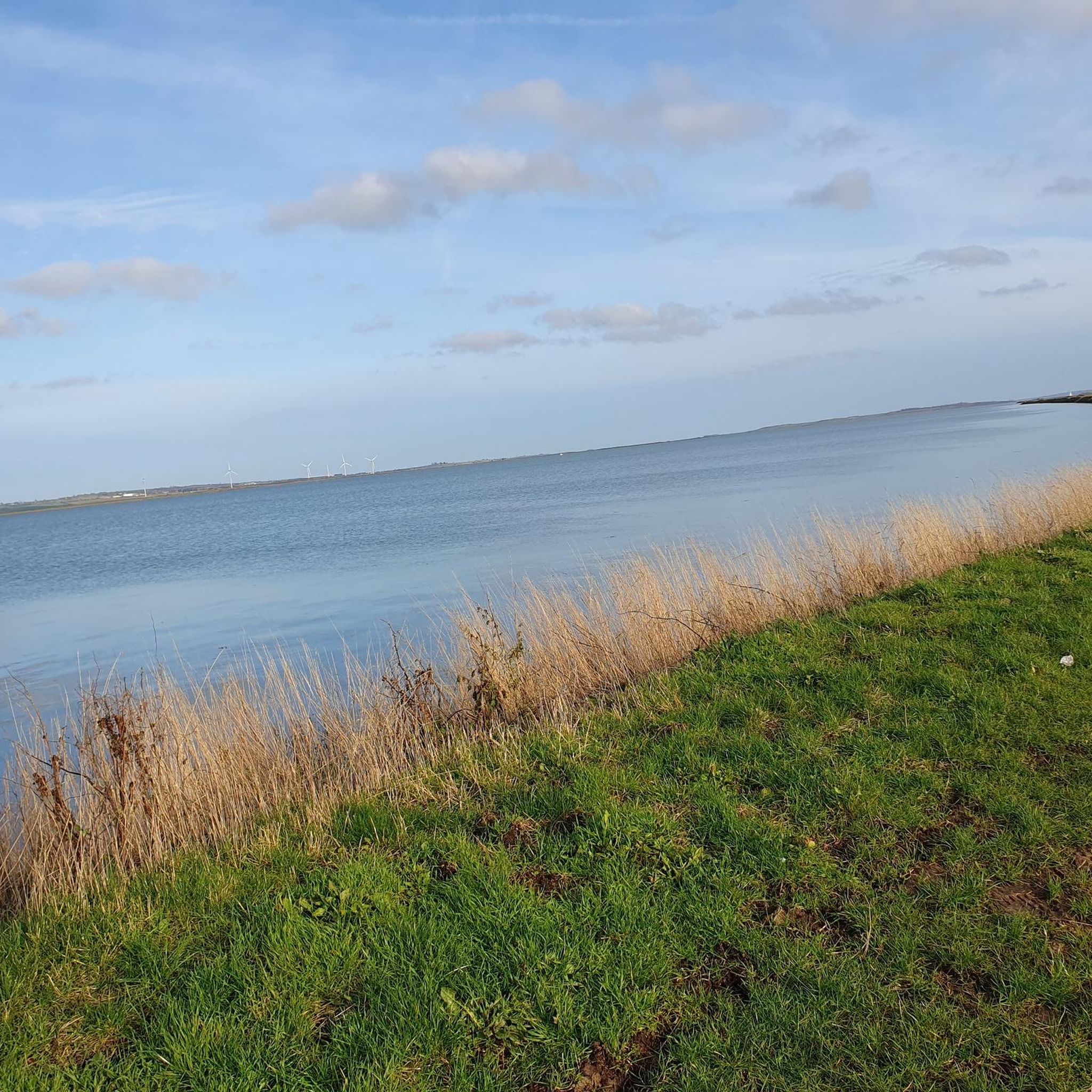
Touring cycling in Elmley National Nature Reserve offers routes through a freshwater grazing marsh wetland on the Isle of Sheppey. The landscape features wide fleets, reed beds, rough grassland, hay meadows, and nine kilometers of sea walls. Cyclists will find miles of gravel paths, with some routes extending into surrounding areas. This environment is characterized by open skies and diverse natural features.
Best touring cycling routes in Elmley National Nature Reserve
- The most popular touring cycling route is Seafront View – Pebble Beach loop from Minster, a 5.9 miles (9.4 km) trail that takes about 35 minutes to complete. This easy, mostly paved loop is suitable for various skill levels.
- Another top favourite among local touring cyclists is Capel Fleet – Leysdown-on-Sea Beach loop from Minster, a moderate 20.7 miles (33.3 km) path. This route offers coastal views and marshland scenery.
- Local touring cyclists also love the Rochester Cathedral – Conyer Creek Marina loop from Kemsley, a 60.9 miles (98.0 km) trail leading through varied terrain, often completed in about 6 hours 4 minutes. This is a more demanding ride that may involve unpaved sections.
- Touring cycling in Elmley National Nature Reserve is defined by freshwater grazing marsh wetlands, extensive sea walls, and gravel paths. The network offers options for different ability levels, from easy loops to more challenging, longer rides.
- The routes in Elmley National Nature Reserve are highly rated by the komoot community with an average score of 4.2 stars from over 130 reviews. More than 1,300 touring cyclists have used komoot to explore Elmley National Nature Reserve's varied terrain.
Last updated: August 27, 2026
5
riders
38.9km
02:18
250m
250m
Moderate bike ride. Good fitness required. Mostly paved surfaces. Suitable for all skill levels.
3.7
(9)
38
riders
97.1km
06:07
530m
530m
Hard bike ride. Very good fitness required. Mostly paved surfaces. Suitable for all skill levels.

Sign up for free
3.7
(3)
21
riders
33.3km
02:17
220m
220m
Moderate bike ride. Good fitness required. Mostly paved surfaces. Suitable for all skill levels.
2.0
(2)
22
riders
9.42km
00:35
50m
50m
Easy bike ride. Great for any fitness level. Mostly paved surfaces. Suitable for all skill levels.
2.0
(2)
15
riders
12.3km
00:46
70m
70m
Easy bike ride. Great for any fitness level. Mostly paved surfaces. Suitable for all skill levels.
Get access to more routes and recommendations from other explorers.
Sign up for free
Already have an account?
Our route recommendations are based on thousands of hikes, rides, and runs completed by other people on komoot.
Start today with a free account
Your next adventure awaits.
Login or Signup
Tips from the Community

Easily accessible, wouldn't advise using skinny tires. Other than that all good
0
0

Beautiful ride on dry and sunny days. The surface is compact gravel, easy to ride with 35mm tires
0
0


When visiting this impressive church, every visitor, regardless of their denomination, should feel the breath of history. The cathedral—the episcopal church of the Anglican diocese of the same name—in the city of Rochester takes us far back to the beginnings of the Christianization of England, to the early seventh century.
2
0

Regarding the patronage of this church: The apostle Thomas, one of the twelve whom Jesus called into the inner circle of his disciples, is not often mentioned in the biblical writings of the New Testament. The passage probably best known to most Christians is the one following the resurrection of Jesus Christ, which has earned him the unflattering nickname "Doubting Thomas" in popular parlance. The Evangelist John reports on this in the 20th chapter of his version of the "Good News" (this is the translation of the word "Gospel"). This theme, of course, also provided an opportunity for dissemination in religious art throughout many eras, for example in one of Caravaggio's most famous paintings – if you're interested, see =>> https://de.wikipedia.org/wiki/Der_ungl%C3%A4ubige_Thomas_(Caravaggio)#/media/Datei:The_Incredulity_of_Saint_Thomas.jpg – The feast day of the Apostle Thomas in the calendar of saints is sometimes celebrated on July 3rd, sometimes on December 21st.
0
0

In the 12th century a highway was laid out as a grand approach to the Abbey which had survived Henry VIII's dissolution of the monasteries to become a residential area popular with anyone who owed their livelihood to the Creek, whether as merchant, craftsman or seaman. Toward the end of the 19th century its middle-class residents started moving to new houses elsewhere in the town, and many of its properties became tenanted. The new occupiers were often much poorer than their predecessors. Landlords neglected the properties and so the street came to look 'down-at-heel'. Determination to build a 'brave new world' after the end of the Second World War encouraged local councils to sweep away houses that lacked modern amenities. Most of those in Abbey Street qualified, but they were also historic buildings of importance. After intervention by the Society for the Protection of Ancient Buildings, an ingenious pioneering scheme launched by Faversham Borough Council in the late 1950s saved them from the fate that overtook many of their counterparts elsewhere. Apart from Arden's House (No 80), none of the properties is of outstanding national importance, and so they were not eligible for historic building repair grants. However, collectively they are of national importance, and so the first 'town scheme' was introduced to make them eligible. Most of them were bought by the council under slum-clearance powers, and their occupants re-housed elsewhere. However, instead of being demolished the properties in Abbey Street were sold to sympathetic owners who covenanted with the council to restore them under the supervision of an architect with experience of historic building care. To cover its costs, the council made a slight profit on each - buying the smaller houses for about £250 each and then selling them for about £300. In other historic towns, streets were being brutally widened, but in Abbey Street the carriageway was actually narrowed - the first in the UK - to reduce traffic nuisance. At the same time, the street was planted with trees. Abbey Street is sometimes said to be the finest medieval street in southeast England. It is certainly a wonderful "gallery" of old buildings, mainly timber-framed. As already noted, the ace in the pack is Arden's House, one of the few surviving buildings of Faversham Abbey, and possibly its guesthouse. With 81 (Arden's Cottage), it originally formed a big "open courtyard" house. It dates from around 1450-1500, with remains of the Abbey outer gatehouse of c 1200, which spanned the street here.
1
0
Frequently Asked Questions
How many touring cycling routes are available in Elmley National Nature Reserve?
There are over 180 touring cycling routes available in and around Elmley National Nature Reserve, catering to a wide range of abilities and preferences. The komoot community has rated these routes highly, with an average score of 4.2 stars.
What kind of terrain can I expect when cycling in Elmley National Nature Reserve?
Elmley National Nature Reserve features a diverse landscape of freshwater grazing marsh wetlands, extensive sea walls, and tranquil meadows. Cyclists will primarily encounter miles of gravel paths, which are well-suited for touring bikes. Some longer routes extending beyond the reserve may include unpaved sections, offering varied terrain.
Are there easy touring cycling routes suitable for beginners or families?
Yes, Elmley National Nature Reserve offers several easy, mostly paved loops perfect for beginners or families. An excellent option is the Barton Point Coastal Park – Pebble Beach loop from Minster, which is 10.7 km (6.6 miles) long and takes about 40 minutes to complete.
What are the best times of year to cycle in Elmley National Nature Reserve?
The most favorable time for touring cycling in Elmley National Nature Reserve is from June to September, when bikes are permitted on all permissive paths. While cycling is allowed year-round from the car park to the bird hides, during autumn, winter, and spring, visitors are generally requested to use vehicles for the initial two-mile entry road to minimize disturbance to wildlife.
What kind of wildlife can I expect to see while cycling?
Elmley is a haven for wildlife. While cycling, you might encounter various water birds, majestic birds of prey like hen harriers and marsh harriers, and hares in the meadows. The reserve is known for its high concentration of breeding waders such as lapwing and avocet, and during colder months, it's a crucial wintering ground for large flocks of ducks and geese. You might also spot elusive water voles, grass snakes, and vibrant butterflies.
Are there any circular touring cycling routes available?
Yes, many of the touring cycling routes in the area are designed as loops. For example, the Sheerness Way Cycle Path – View of Sheppey Crossing loop from Minster is a moderate 28.7 km (17.8 miles) circular route that offers coastal views and marshland scenery.
What historical sites or points of interest can I explore along the routes?
Beyond its natural beauty, Elmley holds a rich historical legacy. You can find sites like the house where King James II was imprisoned in 1688 and remnants of a Victorian village. The evocative marshes themselves are believed to have inspired Charles Dickens' novel, 'Great Expectations.' While cycling, you'll pass through landscapes steeped in this history.
Is parking available for cyclists at Elmley National Nature Reserve?
Yes, parking is available at Elmley National Nature Reserve. From the car park, you can cycle to the bird hides year-round. During certain seasons (autumn, winter, spring), vehicles are generally requested for the initial two-mile entry road to protect wildlife, but cycling is still accessible from the car park onwards.
Can I reach Elmley National Nature Reserve by public transport with my bike?
While the region research mentions public transport access, specific details about bringing bikes on public transport to Elmley National Nature Reserve are not provided. It's advisable to check with local public transport operators for their bike carriage policies before planning your trip.
Are there any cafes or places to eat near the cycling routes?
The region research indicates that there are cafes and accommodation options near Elmley National Nature Reserve. While specific establishments aren't detailed, you can find places to refuel and relax in the surrounding areas of the Isle of Sheppey.
What do other touring cyclists enjoy most about Elmley National Nature Reserve?
The area is highly rated by the komoot community, with an average score of 4.2 stars from over 130 reviews. Reviewers often praise the tranquil meadows, open skies, and the unique quality of light, which also attracts photographers. The diverse wildlife and the peaceful cycling experience on gravel paths are frequently highlighted.
Are there any restrictions on cycling with dogs in Elmley National Nature Reserve?
The provided information does not explicitly state policies regarding cycling with dogs within Elmley National Nature Reserve. Given its status as a National Nature Reserve with abundant wildlife, it is recommended to check the official website for specific rules on pets to ensure minimal disturbance to the natural environment. You can find more information on their visitor guidelines at elmleynaturereserve.co.uk.
Most popular routes in Elmley National Nature Reserve

Get inspired with the komoot mobile app


Explore more
Browse the best Cycling routes in other regions.
