Spurn National Nature Reserve
Spurn National Nature Reserve
The best walks and hikes in Spurn National Nature Reserve
4.6
(124)
2,213
hikers
20
hikes
Hiking in Spurn National Nature Reserve offers routes across a unique, narrow peninsula in East Riding of Yorkshire, where the North Sea meets the Humber Estuary. The landscape is characterized by dynamic coastal environments, including sandy beaches, mudflats, saltmarsh, and dunes. This area features expansive open skies and views across both the sea and estuary. The terrain is generally flat, with minimal elevation changes.
Best hiking trails in Spurn National Nature Reserve
- The most popular hiking route is Around Spurn…
Last updated: July 6, 2026
4.9
(54)
436
hikers
14.5km
03:39
20m
20m
Moderate hike. Good fitness required. Easily-accessible paths. Suitable for all skill levels.
5
hikers
11.2km
02:50
20m
20m
Moderate hike. Good fitness required. Easily-accessible paths. Suitable for all skill levels.

Sign up for free
2
hikers
5.42km
01:22
10m
10m
Easy hike. Great for any fitness level. Easily-accessible paths. Suitable for all skill levels.
5.0
(1)
2
hikers
Easy hike. Great for any fitness level. Easily-accessible paths. Suitable for all skill levels.
6
hikers
Moderate hike. Good fitness required. Easily-accessible paths. Suitable for all skill levels.
Get access to more routes and recommendations from other explorers.
Sign up for free
Already have an account?
Our route recommendations are based on thousands of hikes, rides, and runs completed by other people on komoot.
Start today with a free account
Your next adventure awaits.
Login or Signup
Popular around Spurn National Nature Reserve
Tips from the Community


You can't go much further south on the Holderness peninsula than Easington (if you do, you'll get wet). The church dates to the Norman period, with a 12th-century north aisle and 13th-century south aisle. There are a 14th-century clerestory and west tower, and a 15th-century chancel. Set into the wall of the north aisle is a lovely Early English doorway that may have been brought here from Birstall (Burstall) Priory, perhaps when that monastery sank into the Humber River due to erosion. Some of the north nave windows are made using Saxon grave slabs and evidence of the Saxon carvings can easily be seen.
1
0
Fantastic place to visit, walk the entire length for the full experience. Checking tide times is essential, I entered an hour after high tide, meaning there was some nice solid wet sand to walk on rather than wading with difficulty through heaped dry sand. However, this is only an issue for the first few hundred metres. After that there is a concrete road/track that runs all the way down past the lighthouse and RNLI station to the point.
1
0
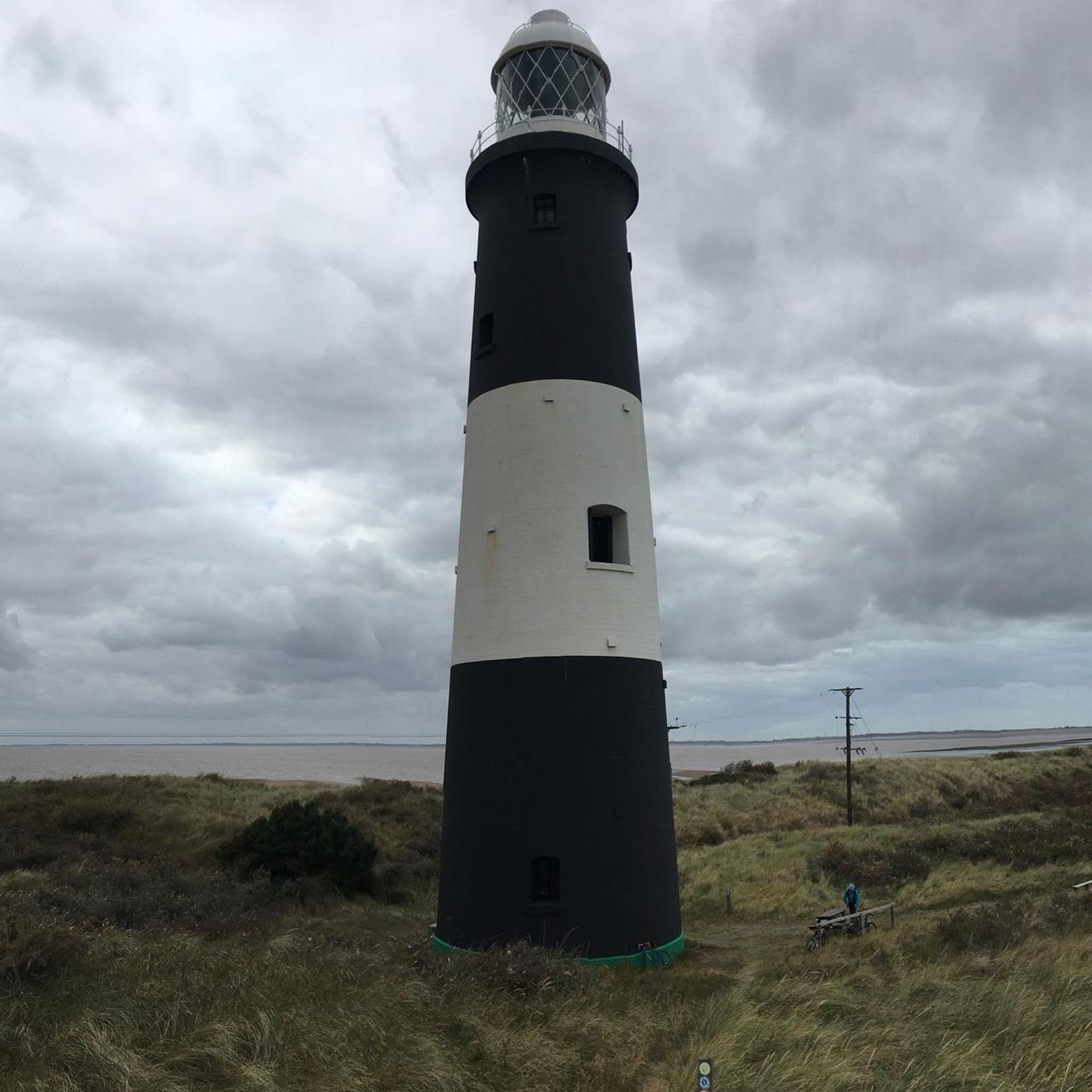
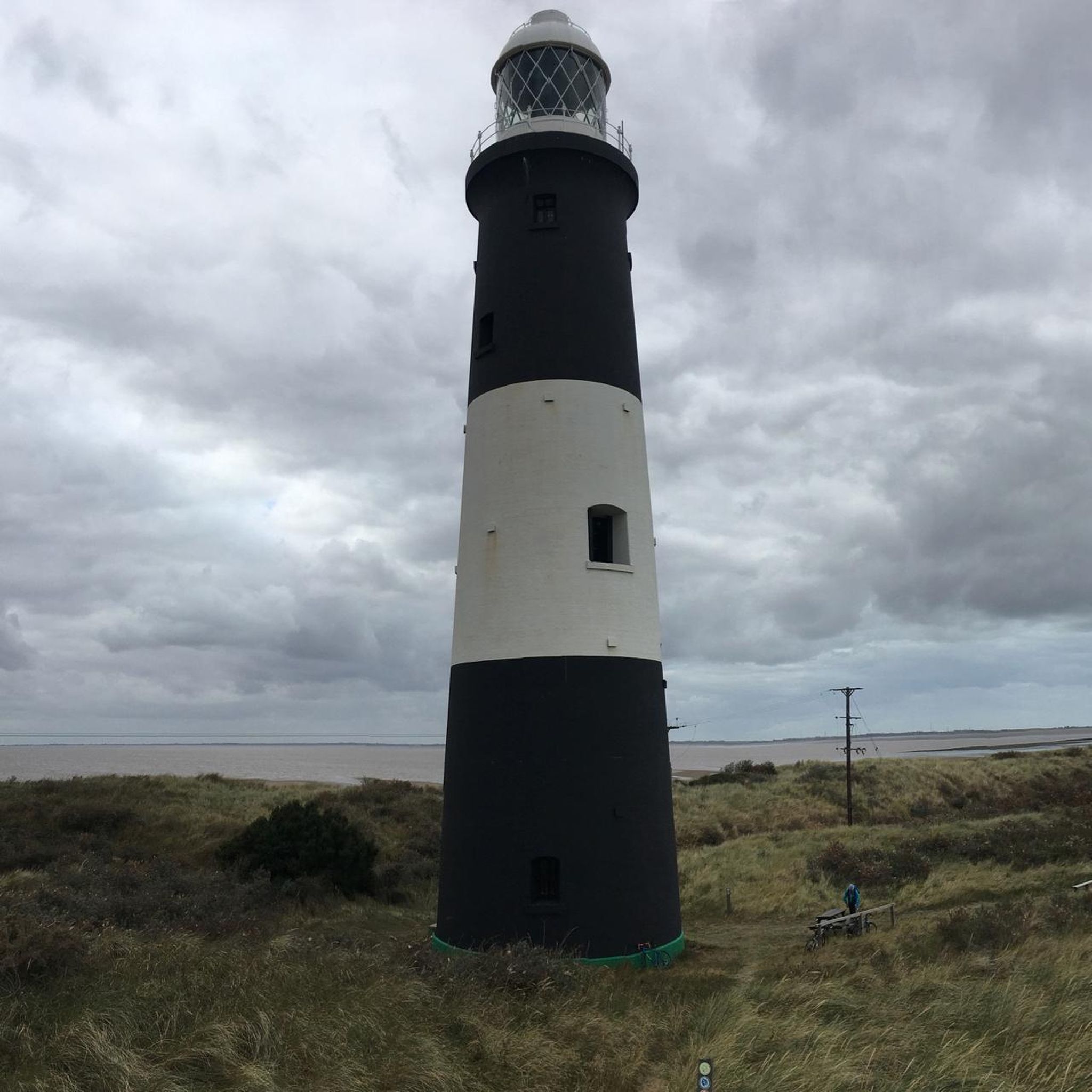
Visible for 17 nautical miles, this lighthouse was sectored so that mariners could identify particular shoals/sandbanks as well as the main channel through which to enter the Humber.
2
1
Easy to miss, hiding behind a fence on the east side of the track.
1
0
Fort Godwin was a coastal battery built to defend the ports along the Humber estuary. It opened in 1915 and was constructed for two 9.2-inch breech-loading Mark X guns. The battery was in use throughout the First World War and kept in use during the inter-war period. The battery was modified during the Second World War and in 1940 was equipped with a 4-inch Mark IX gun on naval mountings and a new pair of searchlights. The battery was retained for use after the war. The strongpoint, coastal artillery searchlight and the 4-inch gun emplacement have been destroyed. The gun aprons have both collapsed, half lying on the beach, half on the cliff top but highly unstable.
2
0
The World War I early warning acoustic mirror 335m north east of Kilnsea Grange is one of only four known surviving examples in the north east of England, and the only known example in the country that still retains its sounding column. The device survives well and makes a significant contribution to the study of early 20th century defences in England. At their most sophisticated, the devices could identify the sounds of surface vessels or aircraft up to 25 miles (c40km) away.
2
0
Kilnsea Wetlands is intended to provide refuge for passage and wintering roosting waders that leave the adjacent Humber mudflats at high tide to roost. Plenty of birdwatchers around, although some of the pools were dry when I visited in November.
2
0
Frequently Asked Questions
How many hiking trails are available in Spurn National Nature Reserve?
There are over 20 hiking trails in Spurn National Nature Reserve, offering a variety of experiences across this unique peninsula. These routes are generally flat, with options for both easy and moderate ability levels.
What is the overall difficulty of hiking in Spurn National Nature Reserve?
Hiking in Spurn National Nature Reserve is characterized by relatively flat terrain, making it accessible for most abilities. There are 11 easy routes and 9 moderate routes available, with no difficult trails.
What makes hiking in Spurn National Nature Reserve unique?
Spurn National Nature Reserve offers a unique hiking experience due to its dynamic and ever-changing coastal landscape. You'll traverse a narrow peninsula where the North Sea meets the Humber Estuary, encountering sandy beaches, mudflats, saltmarsh, and dunes. The expansive open skies and diverse habitats, constantly reshaped by tides, create a dramatic backdrop for exploration.
What do other hikers say about the trails in Spurn National Nature Reserve?
The trails in Spurn National Nature Reserve are highly rated by the komoot community, with an average score of 4.5 stars from over 100 reviews. Hikers often praise the unique coastal scenery, the abundance of wildlife, and the sense of remoteness found on the peninsula.
Are there any specific safety considerations for hiking at Spurn National Nature Reserve?
Yes, it is crucial to check tide times before setting out, especially if you plan to walk to Spurn Point. Certain high tides can cover the 'washover' section, temporarily cutting off access to the Point and making it a tidal island. Always be aware of your surroundings and the changing conditions.
Is Spurn National Nature Reserve suitable for families with children?
Yes, Spurn National Nature Reserve offers several family-friendly options. The relatively flat terrain and diverse natural features make it an engaging place for children to explore. Shorter, easy routes like the Hiking loop from The Lagoons SSSI are ideal for families.
Can I bring my dog on the trails in Spurn National Nature Reserve?
Dogs are generally welcome in Spurn National Nature Reserve, but restrictions apply in some sensitive wildlife areas, particularly during nesting seasons. It's advisable to keep dogs on a lead and check local signage for specific rules to protect the diverse birdlife and other wildlife.
Are there circular walking routes available?
Yes, there are several circular walking routes in Spurn National Nature Reserve. An example is the Lockham Trig Point (S2456) loop from Easington, which offers a pleasant walk through open grassland and takes about 1 hour 22 minutes to complete.
Where can I find facilities like toilets or refreshments?
The Spurn Discovery Centre serves as a central hub for visitors and provides essential facilities. Here you can find a cafe for refreshments and toilets, making it an ideal starting point or break stop during your visit.
What kind of wildlife can I expect to see while hiking?
Spurn National Nature Reserve is a haven for wildlife, especially birds. It's renowned for birdwatching, particularly during spring and autumn migrations when vast numbers of wildfowl and wading birds can be observed. You might also spot Roe Deer grazing on the beaches and unique flora such as sea lavender and various orchids.
What are the main landmarks or points of interest along the trails?
Beyond the natural beauty, you can explore several landmarks. The prominent Spurn Lighthouse offers panoramic views from its top. The reserve also features fascinating historical and military structures, such as The Searchlight Bunker at The Point, providing glimpses into its past.
Are there any easy hiking routes for beginners?
Yes, Spurn National Nature Reserve has several easy hiking routes suitable for beginners. For example, the Hiking loop from The Lagoons SSSI is a relatively short and flat trail, perfect for those new to hiking or looking for a relaxed walk.
Are there parking facilities available for hikers?
Yes, parking facilities are available at Spurn National Nature Reserve, typically near the entrance or the Spurn Discovery Centre. These serve as convenient starting points for various trails across the peninsula.
Most popular routes in Spurn National Nature Reserve
Most popular attractions in Spurn National Nature Reserve

Get inspired with the komoot mobile app


Explore more
Browse the best Hikes in other regions.
