Durlston National Nature Reserve
Durlston National Nature Reserve
The best road cycling routes in Durlston National Nature Reserve
4.6
(25)
832
riders
26
rides
Road cycling routes in Durlston National Nature Reserve traverse a landscape characterized by coastal cliffs, rolling hills, and historic villages within the Purbeck region. The area offers varied terrain, from relatively flat sections near the coast to more undulating paths inland. Road cyclists can expect routes that connect significant landmarks and natural features, providing diverse riding experiences. The region's geology includes limestone formations and areas of heathland, influencing the character of the available road surfaces and gradients.
Best road cycling…
Last updated: October 9, 2026
5.0
(3)
38
riders
21.5km
01:02
300m
300m
Easy road ride. Great for any fitness level. Mostly well-paved surfaces and easy to ride.
5.0
(1)
17
riders
51.8km
02:07
320m
320m
Moderate road ride. Good fitness required. Mostly well-paved surfaces and easy to ride.

3.0
(2)
9
riders
21.4km
00:55
180m
180m
Easy road ride. Great for any fitness level. Mostly well-paved surfaces and easy to ride.
5.0
(4)
138
riders
63.0km
02:50
670m
670m
Moderate road ride. Good fitness required. Mostly well-paved surfaces and easy to ride.
5.0
(2)
21
riders
Moderate road ride. Good fitness required. Mostly well-paved surfaces and easy to ride.
Get access to more routes and recommendations from other explorers.
Already have an account?
Our route recommendations are based on thousands of hikes, rides, and runs completed by other people on komoot.
Start today with a free account
Your next adventure awaits.

Tips from the Community

The Parish Church of St Edward the Martyr sits prominently in the square at the heart of Corfe Castle village, Dorset. Granted Grade II* listed status, this historic Anglican church is named after the teenage Saxon King, Edward the Martyr, who was murdered nearby in 978 AD on the orders of his stepmother, Queen Alfthryth. Local folklore asserts that the church stands directly on the site of a blind woman's hovel where the king's body was initially concealed, miraculously restoring her sight upon its discovery. While the first stone church on the site was constructed during the 12th century and later expanded in the 13th century, the building has survived immense turmoil. During the English Civil War (1642–1646), Parliamentary troops besieged the nearby royal fortress and used the church to billet men and stable horses. The soldiers caused severe damage, using the masonry for target practice, burning parish records, and stripping lead from the roof to melt into musket balls. Musket shot marks are still visible on the stone walls today. Between 1859 and 1860, architect T.H. Wyatt oversaw a major Victorian reconstruction because the medieval walls were bulging severely. Apart from the majestic 15th-century West Tower built by the Beaufort family, the entire church was pulled down and rebuilt. Notable surviving interior treasures include a 15th-century font carved from local Purbeck Marble and ten intricately carved medieval roof bosses preserved over the sanctuary.
0
0
Corfe Castle railway station is a beautifully preserved, Grade II listed station on the heritage Swanage Railway in Dorset. Opened in 1885 and restored by volunteers, its traditional Purbeck stone buildings, vintage signage, and steam locomotives transport visitors back to the 1950s, directly beneath the castle ruins.
0
0
From here you get the sense of of the historical beauty that surrounds Corfe.
0
0
The Old Town Hall in Corfe Castle, Dorset, is famous as the smallest town hall in England. Rebuilt around 1774 following a fire, its ground floor utilizes stone salvaged from the historic castle ruins. The tiny building features a 350-square-foot former council chamber on the first floor. Today, it is managed by the Corfe Castle Town Trust and houses a free local history museum on its ground floor.
0
0

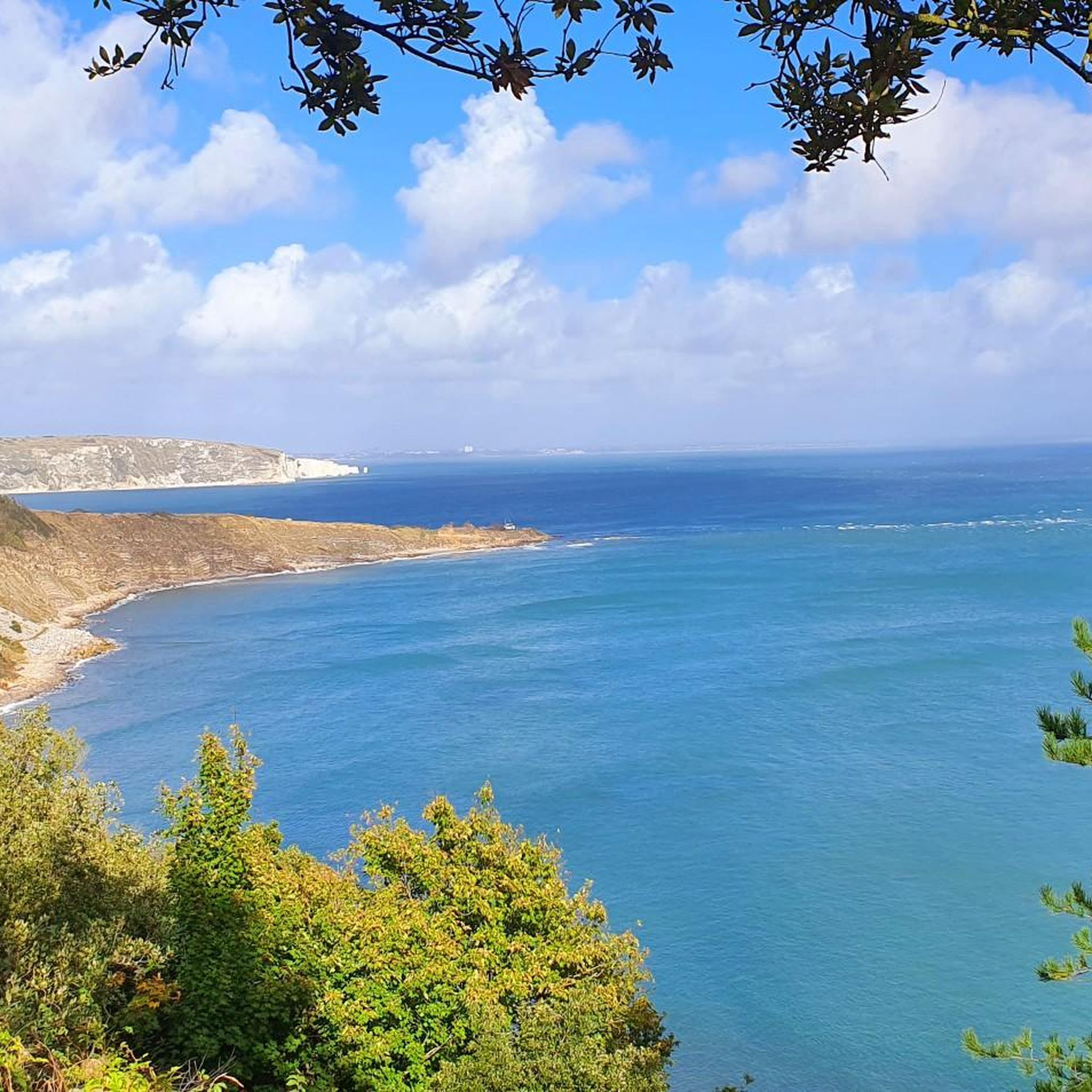
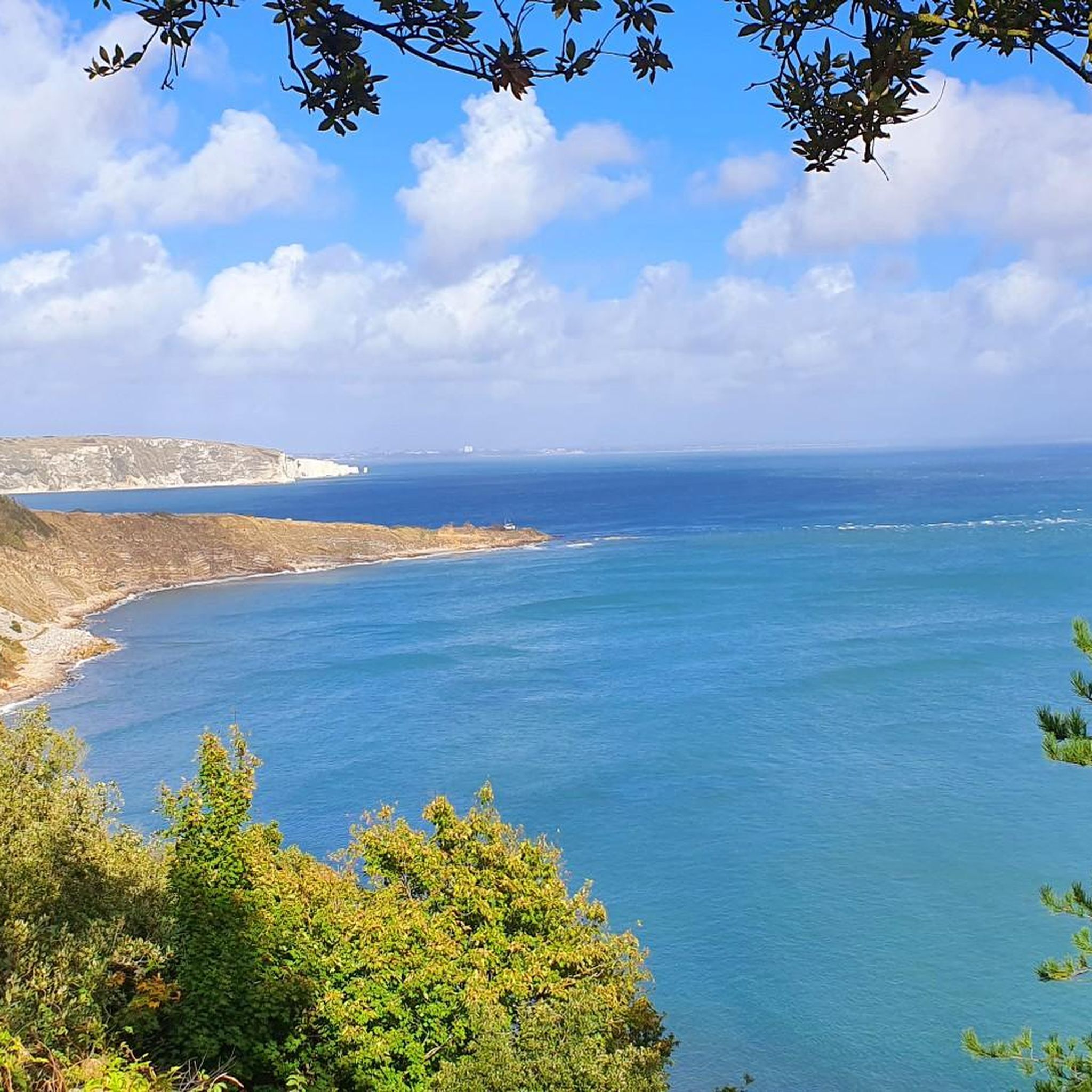
Looking down from Grange Hill, Kimmeridge Bay looks like a stunning, prehistoric masterpiece. From up there, the fossil-rich waters look less like a geological marvel and more like a massive, glittering puddle left behind by a very confused, very ancient dinosaur.
0
0

Things must have improved! Great cycling on quiet lanes in April 2026
0
0

lovely cafe in the RSPB nature reserve. Wonderful walks from here around the reserve down to Poole Harbour
0
0
Frequently Asked Questions
How many road cycling routes are available in Durlston National Nature Reserve?
There are 26 road cycling routes in Durlston National Nature Reserve, catering to various skill levels. This includes 13 easy routes, 11 moderate routes, and 2 more challenging options.
Are there any family-friendly road cycling routes in Durlston National Nature Reserve?
Yes, Durlston National Nature Reserve offers several family-friendly road cycling routes. For an easier ride, consider the Corfe Castle Town Hall – Entrance Road to Corfe Castle loop from Swanage, which is 21.4 km long and offers scenic views suitable for a shorter outing.
What are the best viewpoints along road cycling routes in Durlston National Nature Reserve?
Road cycling routes in Durlston National Nature Reserve offer stunning coastal views. Notable viewpoints include Durlston Castle and Anvil Point Lighthouse. Many routes also provide glimpses of the dramatic Tilly Whim Caves and the Rocky Shoreline on the South West Coast Path.
Are there circular road bike routes in Durlston National Nature Reserve?
Yes, many road cycling routes in Durlston National Nature Reserve are circular, allowing you to start and end in the same location. An example is the Wareham Quay – Entrance Road to Corfe Castle loop from Swanage, a 51.9 km moderate route.
What kind of terrain can I expect on road cycling routes in Durlston National Nature Reserve?
The terrain in Durlston National Nature Reserve is varied, featuring coastal roads, rolling hills, and sections that connect historic sites. You'll encounter both relatively flat stretches near the coast and more undulating paths inland, reflecting the region's limestone formations and heathland.
What historical sites or landmarks can I explore while road cycling in the area?
Road cycling routes often pass by significant historical landmarks. The Corfe Castle, Poole Harbour & Durdle Door loop from Swanage — Purbeck, for instance, takes you past the iconic Corfe Castle. You can also visit The Great Globe at Durlston Country Park.
Are there routes suitable for advanced road cyclists in Durlston National Nature Reserve?
Yes, for advanced road cyclists seeking a challenge, there are 2 difficult routes available. These routes typically feature more significant elevation changes and longer distances, providing a more demanding ride through the Purbeck landscape.
What do other road cyclists say about the routes in Durlston National Nature Reserve?
The road cycling routes in Durlston National Nature Reserve are highly rated by the komoot community, with an average score of 4.6 stars from over 20 reviews. Cyclists often praise the diverse terrain, the stunning coastal and countryside views, and the well-connected routes to historic towns and landmarks.
Can I access road cycling routes in Durlston National Nature Reserve using public transport?
Many routes in Durlston National Nature Reserve are accessible from towns like Swanage and Wareham, which have public transport links. Planning your route to start or end near bus or train stations can facilitate access without a car.
Are there any cafes or pubs near the road cycling routes in Durlston National Nature Reserve?
Yes, many road cycling routes in the Durlston National Nature Reserve area pass through or near villages and towns like Swanage, Corfe Castle, and Wareham, where you can find various cafes, pubs, and other amenities for refreshments and breaks.
What is a good moderate road cycling route to try in Durlston National Nature Reserve?
A good moderate option is the RSPB Arne Nature Reserve – Entrance Road to Corfe Castle loop from Swanage. This 34.7 km route offers a balanced challenge with varied scenery, including views towards the RSPB Arne Nature Reserve and Corfe Castle.
What are the typical weather conditions for road cycling in Durlston National Nature Reserve?
Durlston National Nature Reserve, being a coastal area, can experience changeable weather. Expect coastal breezes, and be prepared for sun, wind, and occasional rain. It's always advisable to check the local forecast before heading out, especially for exposed sections along the cliffs.
Most popular routes in Durlston National Nature Reserve
Most popular attractions in Durlston National Nature Reserve

Get inspired with the komoot mobile app


Explore more
Browse the best Road cycling routes in other regions.
