The best walks and hikes around Maes-Y-Facrell, Pen Y Gogarth National Nature Reserve
4.5
(687)
7,395
hikers
253
hikes
Hiking around Maes-Y-Facrell, Pen Y Gogarth National Nature Reserve, offers a diverse landscape primarily characterized by coastal paths, limestone cliffs, and varied terrain. The region encompasses the Great Orme, a prominent headland that provides elevated views and distinct geological features. Trails often traverse open areas, offering expansive vistas of the surrounding sea and land. The nature reserve status ensures a protected environment with diverse flora and fauna.
Best hiking trails around Maes-Y-Facrell, Pen Y Gogarth National Nature Reserve
- The most…
Last updated: August 31, 2026
4.2
(6)
95
hikers
4.18km
01:10
80m
80m
Easy hike. Great for any fitness level. Easily-accessible paths. Suitable for all skill levels.
2.0
(1)
10
hikers
2.62km
00:42
30m
30m
Easy hike. Great for any fitness level. Easily-accessible paths. Suitable for all skill levels.

Sign up for free
4.8
(63)
593
hikers
Moderate hike. Good fitness required. Easily-accessible paths. Suitable for all skill levels.
4.8
(12)
58
hikers
Moderate hike. Good fitness required. Easily-accessible paths. Suitable for all skill levels.
4.5
(4)
57
hikers
5.35km
01:40
210m
210m
Easy hike. Great for any fitness level. Easily-accessible paths. Suitable for all skill levels.
Get access to more routes and recommendations from other explorers.
Sign up for free
Already have an account?
Our route recommendations are based on thousands of hikes, rides, and runs completed by other people on komoot.
Start today with a free account
Your next adventure awaits.
Login or Signup
Popular around Maes-Y-Facrell, Pen Y Gogarth National Nature Reserve
Tips from the Community

Known locally as Ffynnon Rufeinig, the Roman Well is an ancient spring tucked away on the south side of a track on the limestone headland. The Legend & The Reality: While the name suggests a bustling engineering feat from the Roman occupation—and local tradition long held that Roman miners used its waters to wash nearby copper ore—modern historians lean toward it being a bit of wishful thinking. However, Roman copper "cakes" and artifacts have been discovered elsewhere on the Orme, proving they definitely worked the headland's mineral wealth. The Site Today: Though heavy summer droughts can sometimes leave the stone-walled trough dry or reduced to a humble puddle, the well has been carefully rebuilt by the trackside. A clear stone plaque marks the spot, making it an atmospheric piece of historical folklore to stumble across as you explore the ancient landscape.
0
0
Perched high on the dramatic cliff edge along Marine Drive, the Rest and Be Thankful Café is the ultimate halfway reward when you’re exploring the headland.The Location: Sitting right at one of the highest points of the 4.5-mile toll road, it commands jaw-dropping, uninterrupted views out across the open expanse of the Irish Sea. It’s a prime spot for watching the light shift over the water or catching a fiery coastal sunset.The Vibe: It has a wonderfully welcoming, unpretentious atmosphere. Famously dog-friendly, it’s a haven for walkers, cyclists, and drivers alike where you can track in with a muddy pup or wind-swept hair without a second thought. The Menu: True to its pitstop nature, it serves up hearty comforts to combat the sea breeze—think steaming mugs of hot chocolate, hot tea, coffees, and a selection of comforting bakes, cakes, and light bites. Whether you've tackled the loop on two feet, two wheels, or by car, stepping inside for a brew while looking out over those massive clifftop drops makes the name feel entirely earned.
0
0
Towering straight out of the crashing waves, the sheer limestone cliffs of the Great Orme are a masterclass in raw, dramatic geology. The Vertical Drop: Standing at the edge of the summit or walking the cliff-top paths, looking down is a vertigo-inducing experience. The pale, weathered limestone plunges hundreds of feet straight into the foaming Irish Sea below. Geological Layers: The cliff faces are a striking open book of ancient history. Formed from fossilized coral reefs millions of years ago, the rock is etched with horizontal strata, jagged fissures, and massive vertical cracks carved out by relentless wind and tide. Wildlife Action: The ledges and crags aren't just bare rock—they are teeming with life. You can look down on bustling colonies of seabirds like guillemots, fulmars, and razorbills wheeling past the stone face. If you're lucky, you might even spot a fearless herd of the Great Orme's famous Kashmiri goats nonchalantly picking their way across seemingly impossible, vertical cliff ledges. The Marine Drive Angle: Viewing the cliffs from down on Marine Drive gives you the reverse perspective. Looking straight up, the massive white walls tower over you like ancient castle ramparts, glowing brilliantly against the deep blue of the water and the sky. Whether buffeted by sea spray or catching the golden hour light, these cliffs offer a raw, untamed edge to the North Wales coast that demands a respectful look over the edge.
0
0
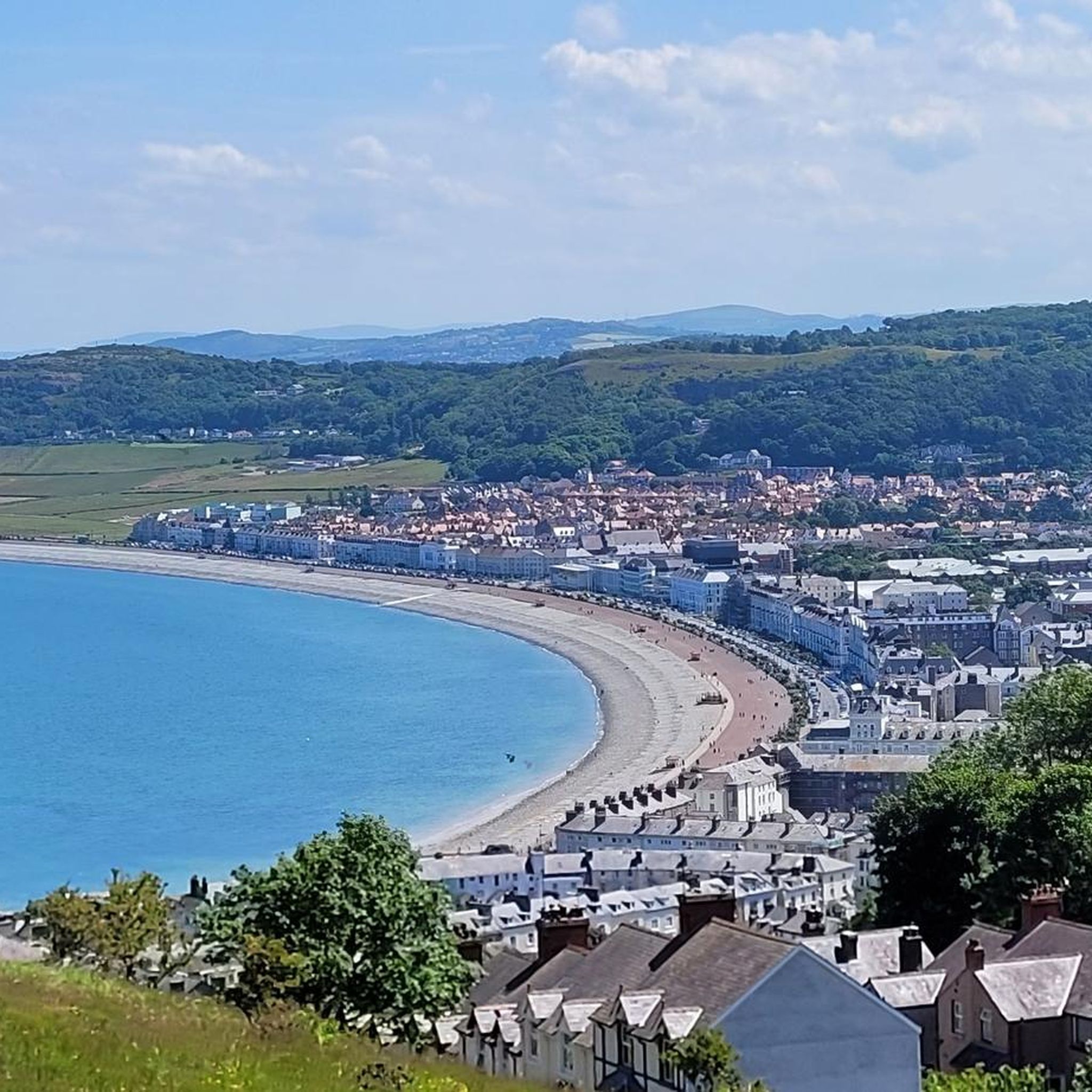
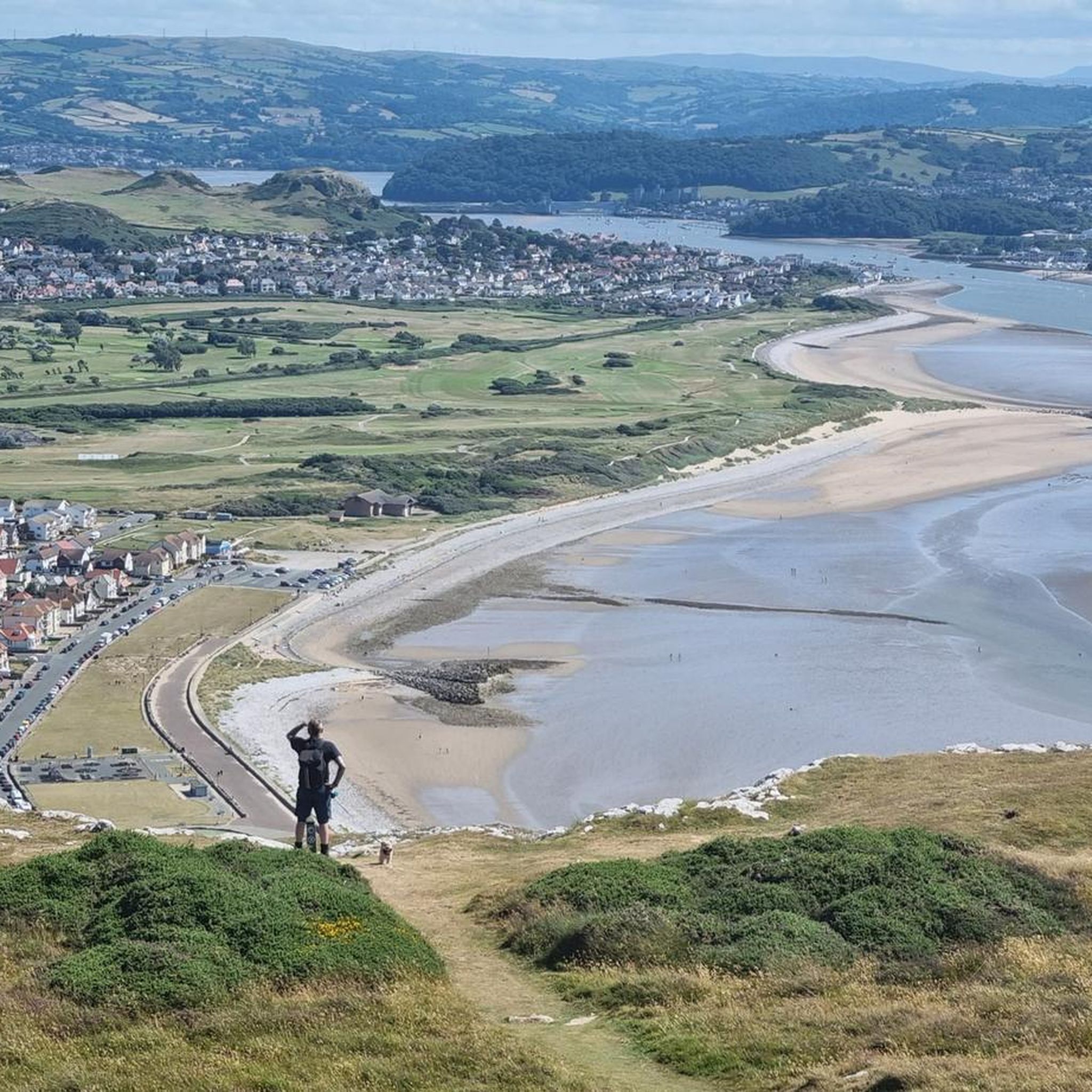
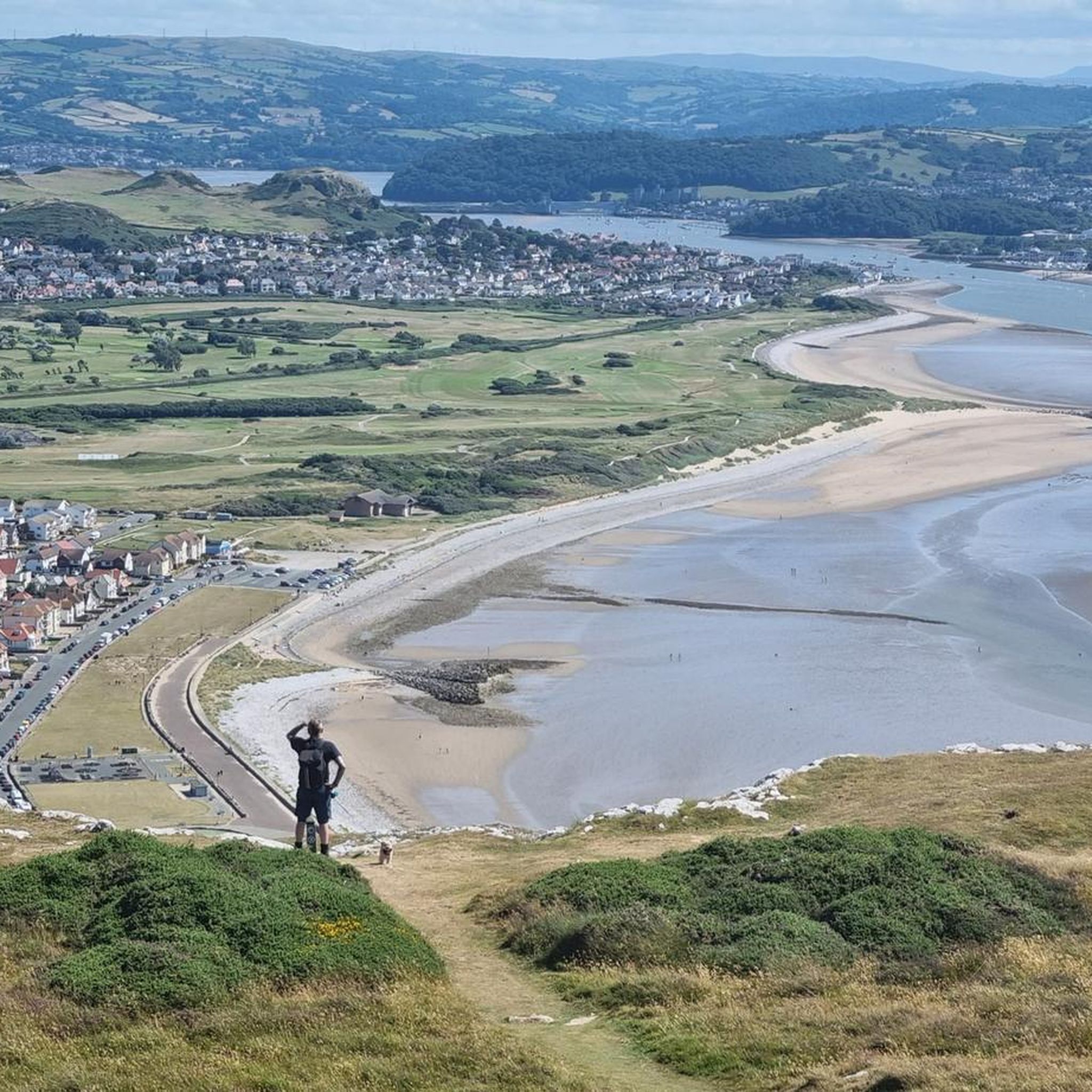
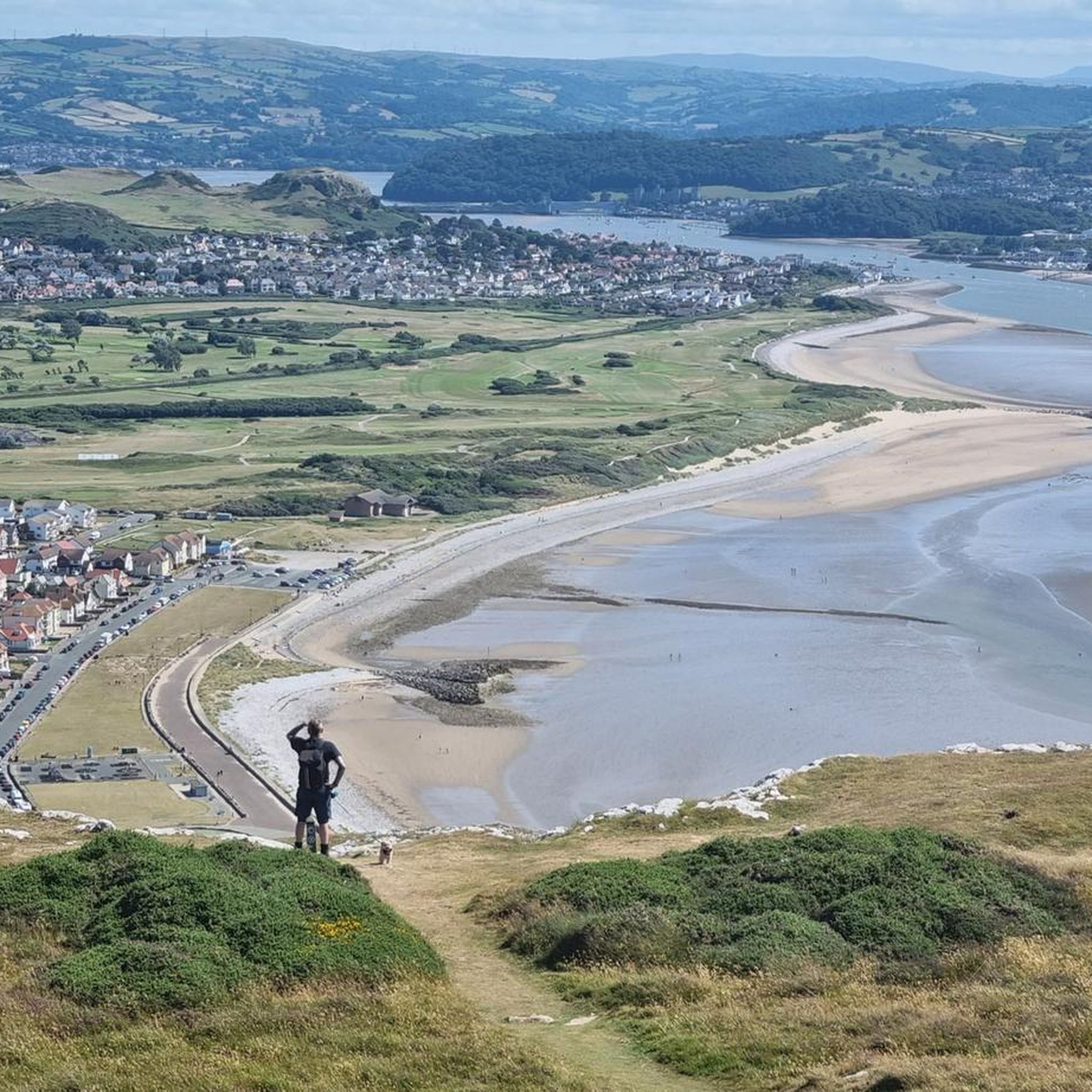
The coastal views from the Great Orme are genuinely world-class, wrapping around a massive limestone headland that plunges dramatically straight down into the Irish Sea. The Marine Drive Perspective: Hugging the cliff edges from a lower vantage point, the 4.5-mile toll road puts you right at the water's edge. Looking down, you can often spot grey seals hauled out on the rocks or seabirds—like guillemots and razorbills—nesting furiously on the sheer limestone ledges. The Town and Bays: From the higher paths and the summit, you get a sweeping, high-altitude look at Llandudno’s grand Victorian crescent, the long finger of the pier stretching into the blue, and the contrasting gentle curve of the West Shore. Across the bay, the smaller silhouette of the Little Orme mirrors your view. The Wider Horizons: On a clear day, the panorama explodes outward. You can trace the flat, sandy expanses of the Isle of Anglesey to the west, follow the winding green cleft of the Conwy Estuary, and look inland as the jagged, mighty peaks of Snowdonia (Eryri) form a dramatic backdrop. If the weather is exceptionally crisp and clear, you might even catch the faint outline of the Isle of Man or the Cumbrian coast far across the open water. Whether you're catching the glint of the sun on the waves from a cliff-top bench or watching the spray hit the base of the cliffs below, every angle of the Orme's coastline offers something unforgettable.
0
0
Gliding up from Happy Valley, the views from the cable cars are easily some of the best in North Wales. As the colourful cabins drift above the slopes, the landscape opens up beneath you in every direction: Llandudno Bay & Town: You get a brilliant bird’s-eye perspective of the Victorian pier, the sweeping crescent promenade, and the town shrinking away below. The Coastline: The eye sweeps across the neighboring Little Orme, the curving Conwy Estuary, and far out across the blue expanse of the Irish Sea. On exceptionally clear days, you can even spot the Isle of Man on the horizon. Inland Peaks: Turning away from the water, the dramatic, rugged peaks of Snowdonia (Eryri) fill the horizon. Directly Below: Closer to the ground, you'll glide right past the manicured green lawns of Happy Valley, the dry ski slope, and the rugged limestone terrain of the Great Orme Country Park. It’s a quiet, nine-minute floating viewpoint that lets you take in the scale of the headland without a single heavy footstep.
0
0
Nestled in a sheltered hollow on the windswept headland, St. Tudno’s Church is a remarkably atmospheric spot that gave the town of Llandudno its name. Its origins stretch back to the 6th century when the Celtic saint Tudno established a humble monastic cell here. While nothing remains of that original primitive structure, the current building incorporates stone walls dating from the 12th century, with later medieval expansions from the 15th century. Left abandoned and roofless after a ferocious 1839 storm, the church was lovingly restored in the 1850s and remains an active place of worship hosting popular summer open-air services. The surrounding churchyard—and the adjoining municipal cemetery opened in 1903—is scattered with weathered headstones, elaborate Celtic crosses, and local memorials. Set against sweeping backdrop views of the sea, it is a deeply peaceful sanctuary steeped in centuries of heritage, weathering the elements high above the modern coastline below.
0
0
Puffing up this steep limestone track, lungs burning, I’m passing the old Great Orme workings. Crazy to think ancient miners hacked out copper here four thousand years ago with stone tools. Now it’s just me, the wind, and sweeping views of the blue bay below.
0
0

Frequently Asked Questions
How many hiking trails are there in Maes-Y-Facrell, Pen Y Gogarth National Nature Reserve?
There are over 250 hiking routes available in Maes-Y-Facrell, Pen Y Gogarth National Nature Reserve. These range from easy coastal strolls to more challenging paths across the headland, ensuring options for all fitness levels.
Are there easy or beginner-friendly hiking trails in the area?
Yes, the region offers a good selection of easy trails, with over 140 routes classified as easy. Many of these are found along the lower slopes of the Great Orme or offer gentle ascents with rewarding views. For a relatively easy walk with great views, consider the Happy Valley Botanical Gardens – Great Orme Summit loop from Llandudno.
What are the best circular walks in Maes-Y-Facrell, Pen Y Gogarth National Nature Reserve?
Many of the trails in the region are designed as circular routes, allowing you to return to your starting point. A popular option is the Happy Valley Botanical Gardens – Great Orme Summit loop from Llandudno, which offers varied scenery and panoramic views. Another excellent choice is the Seal Beach at Great Orme – Great Orme Summit loop from Llandudno, providing coastal vistas and a chance to reach the summit.
Are the hiking trails in Pen Y Gogarth National Nature Reserve suitable for families with children?
Absolutely. The Great Orme, which forms a significant part of the reserve, has many paths suitable for families. Look for trails marked as 'easy' or those that stick to the lower, less steep sections. The varied landscape, including views of the sea and opportunities for wildlife spotting, makes it an engaging experience for children.
Can I bring my dog on the hiking trails?
Dogs are generally welcome on the hiking trails within Maes-Y-Facrell, Pen Y Gogarth National Nature Reserve. However, it's important to keep them on a lead, especially around livestock, nesting birds, or the famous Great Orme Kashmir goats, to protect the local wildlife and ensure their safety.
Where can I find parking for hiking in Maes-Y-Facrell, Pen Y Gogarth National Nature Reserve?
Parking is available in and around Llandudno, which serves as a primary gateway to the Great Orme. There are several car parks in the town, and some smaller parking areas closer to specific trailheads on the Great Orme itself. Always check local signage for fees and restrictions.
What is the best time of year to hike in Maes-Y-Facrell, Pen Y Gogarth National Nature Reserve?
The region can be enjoyed year-round, but spring and autumn often offer the most pleasant hiking conditions with milder temperatures and fewer crowds. Spring brings blooming wildflowers, while autumn provides beautiful coastal light. Summer is popular but can be busier, and winter hikes are possible, though paths can be exposed to wind and rain.
What kind of wildlife can I expect to see while hiking?
Pen Y Gogarth National Nature Reserve is renowned for its wildlife. Hikers often spot various seabirds, including guillemots, razorbills, and kittiwakes, especially during nesting season. The most iconic residents are the wild Kashmir goats, which roam freely across the Great Orme. Keep an eye out for butterflies and other insects in the unique limestone grassland habitats.
Are there any cafes or refreshment stops along the trails?
While many trails are in natural areas, the Great Orme summit features a visitor centre with a cafe. Additionally, the nearby town of Llandudno offers a wide array of cafes, restaurants, and pubs where you can refuel before or after your hike. It's always advisable to carry water and snacks, especially on longer routes.
What do other hikers enjoy most about hiking in Maes-Y-Facrell, Pen Y Gogarth National Nature Reserve?
The area is highly rated by the komoot community, with an average score of 4.6 stars from over 560 reviews. Reviewers often praise the stunning coastal views, the unique geological features of the Great Orme, and the diverse wildlife, particularly the wild goats. The well-maintained paths and variety of routes for different abilities are also frequently highlighted.
Are there any accessible trails for wheelchairs or strollers?
While many trails involve uneven terrain, some sections of the Great Orme's paths, particularly those closer to Llandudno or paved sections, may be suitable for strollers or robust wheelchairs. For specific accessible routes, it's recommended to check local visitor information or trail descriptions for gradient and surface details.
What should I wear for hiking in Pen Y Gogarth National Nature Reserve?
Given the coastal and exposed nature of the Great Orme, it's best to dress in layers. Waterproof and windproof outer layers are highly recommended, even on sunny days, as weather conditions can change quickly. Sturdy hiking shoes with good grip are essential for navigating varied terrain, including potentially slippery limestone paths.
Most popular routes around Maes-Y-Facrell, Pen Y Gogarth National Nature Reserve

Get inspired with the komoot mobile app


Explore more
Browse the best Hikes in other regions.
