Attractions and Places To See in Tamar Valley Aonb - Top 20
Best attractions and places to see in Tamar Valley Aonb is a region characterized by its high visual quality, unique wildlife resources, and remarkable heritage. Situated on the border of Devon and Cornwall, it features diverse attractions, blending historical landmarks, significant natural features, and cultural sites. The area is known for its mining heritage landscape, market gardening history, scenic river valleys, and abundant wildlife.
Best attractions and places to see in Tamar Valley Aonb
- The most popular attractions is Double…
Last updated: September 25, 2026
Kit Hill Trig Point
Highlight • Historical Site
The hill boasts a wide array of history, including 18 burial mounds, neolithic and …
Tip by

Wheal Anna Maria Calciner Complex
Highlight • Structure
It was named after the Duchess of Bedford! …
Tip by

Sign up now to discover places like this
Get recommendations on the best single tracks, peaks, & plenty of other exciting outdoor places.
Cotehele Quay
Highlight • River
It is now a Discovery Centre but was once a bustling quay transporting goods to …
Tip by

Maristow Weir
Highlight • River
Tip by

Double Waters — Confluence of the Rivers Walkham and Tavy
Highlight • Viewpoint
Tip by

Sign up for free to discover even more attractions in Tamar Valley Aonb.
Already have an account?
Start today with a free account
Your next adventure awaits.
Other adventures in Tamar Valley Aonb

Tips from the Community

Where the river Tavy and Walkham meet
0
0

Wheal Anna Maria – a copper and arsenic mine – covered 3.2 hectares and had over 6,850 cubic metres of arsenic flues! It was named after the Duchess of Bedford! Her main workings were on the ‘Main Lode‘ (the largest sulphide deposit in southwest England). When its rich copper waned, Devon Great Consols became the largest arsenic mine in the world because the margins of the copper-rich lode were dominated by arsenopyrite. In 1860 the copper lode at Anna Maria was up to 45 feet wide and yielding up to 80 tons per fathom, but by around 1880 the copper boom was over. Thankfully, arsenic production sustained the mine into the 1900s, until the company folded. Arsenic ore, unlike copper ore, was refined on site using the ‘calcination’ process – and at Wheal Anna Maria they yielded over 72,000 tons of refined arsenic! – Whoop!
0
0

A nice and easy short walk
0
0

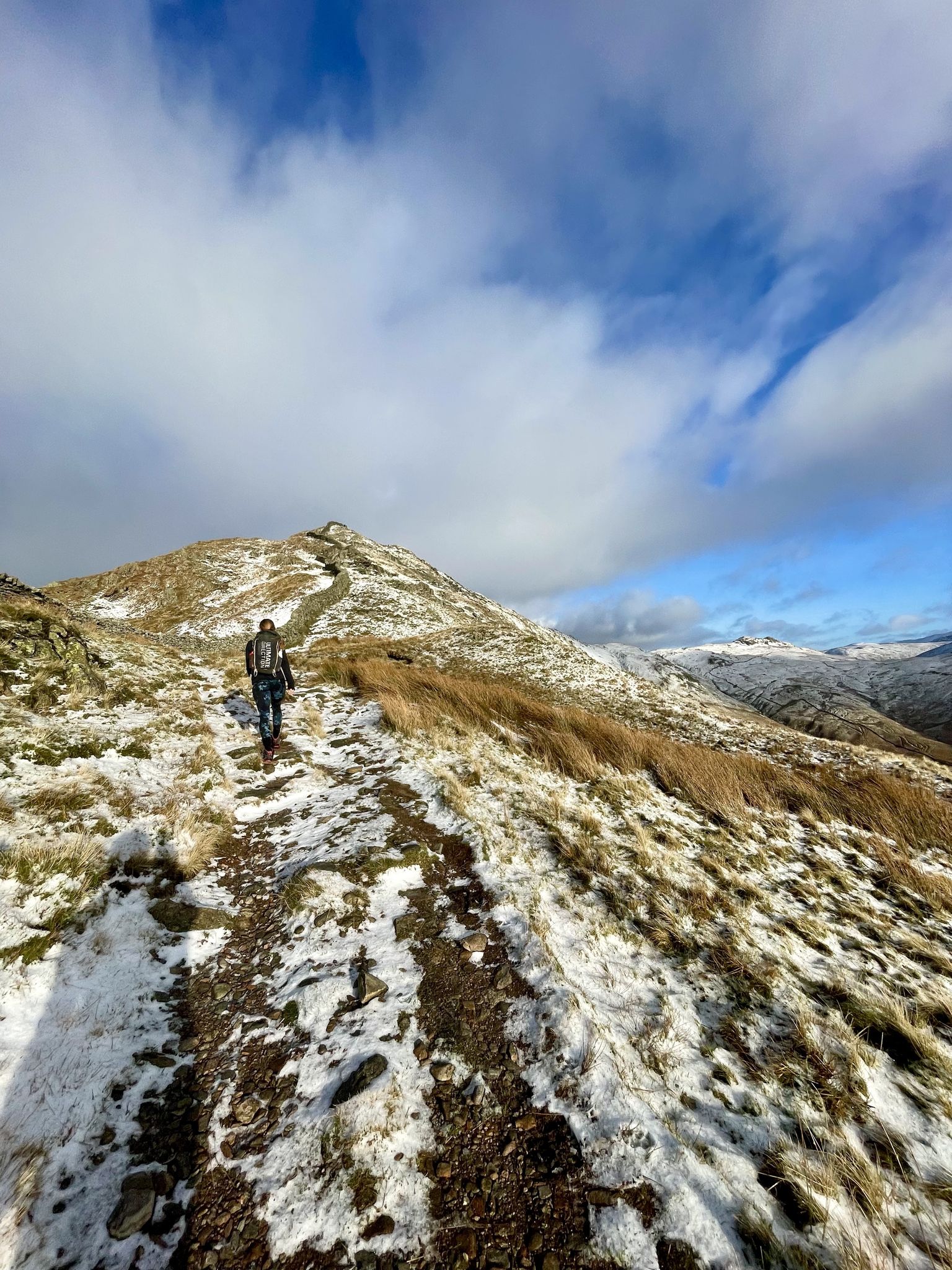
Kit Hill sits high above the Tamar Valley, overlooking the river and the valley it formed. The hill boasts a wide array of history, including 18 burial mounds, neolithic and bronze-age barrows, as well as pointers towards Cornwall's more contemporary mining history.
1
0

Also, you can get a nice cup of tea and tasty flapjack, in The Edgcumbe cafe!
0
0
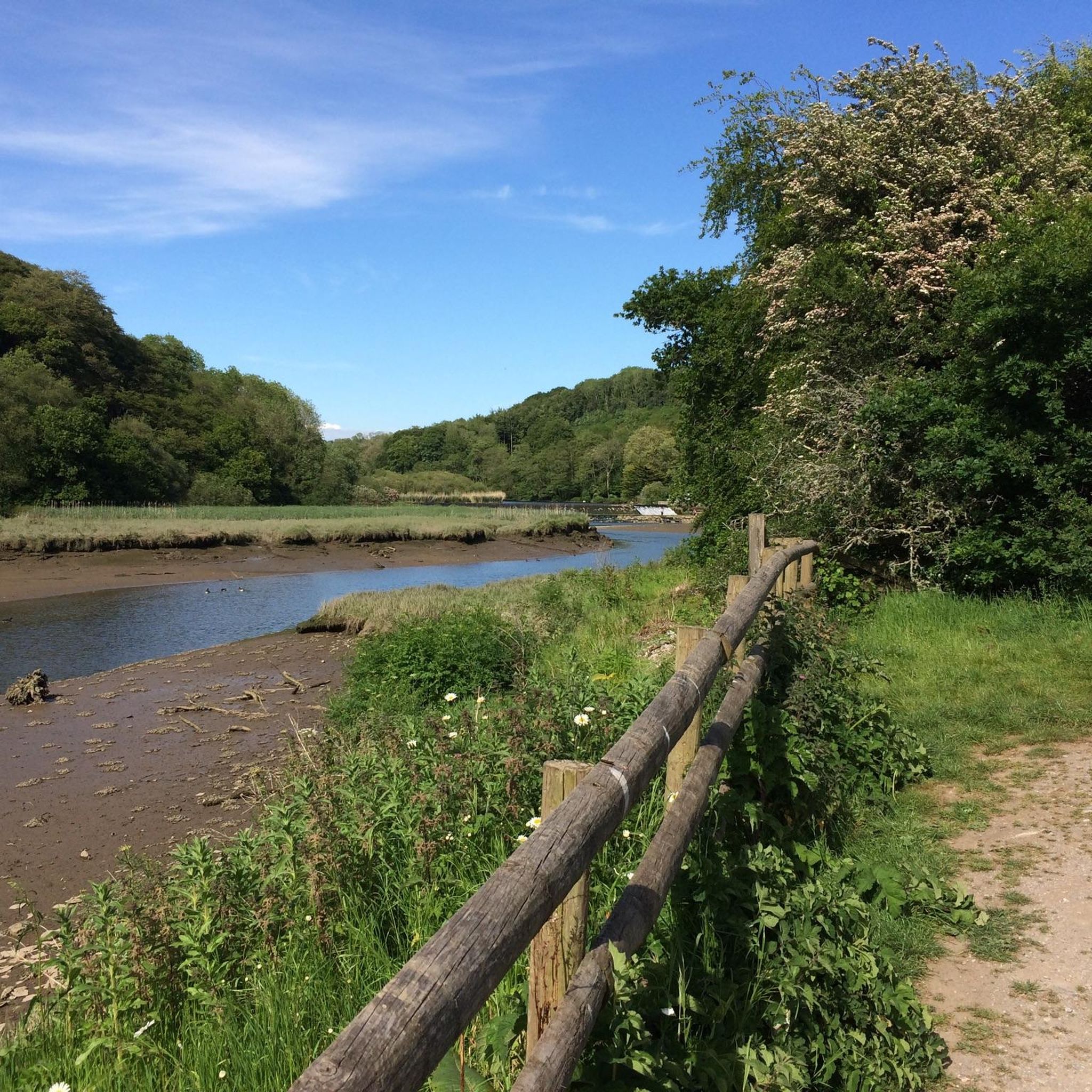
A National Trust estate. In it's prime, a busy working quay from which goods were moved via the River Tamar to and from Plymouth
0
0

Wheal Anna Maria was originally a copper and later an arsenic mine. The biggest arsenic mine in the world. The ruins you can see are from the arsenic calcining complex where the arsenic-ore was crushed then roasted (calcinated). The white powder of arsenic would coat the walls of the flues and be scraped off by men and children. They were protected from the extremely toxic poison only by cotton wool in their ears and noses and rags covering their mouths! They even had to scrape the white powder off their boots before going home.
0
1
Frequently Asked Questions
What natural features and viewpoints can I explore in Tamar Valley AONB?
The Tamar Valley AONB is rich in natural beauty. You can visit Double Waters — Confluence of the Rivers Walkham and Tavy, known for its clear water and mossy rocks, perfect for picnics. Kit Hill Trig Point offers panoramic views across the valley. The Bere Peninsula provides beautiful views, orchards, and tranquil riverside walks. Lopwell Dam and Nature Reserve is excellent for wildlife observation, including herons and otters.
What historical sites and cultural landmarks are there in Tamar Valley AONB?
The region boasts a rich history. Explore Cotehele Quay, a historic river location with a Discovery Centre and working watermill, part of the larger National Trust property Cotehele, a medieval house with extensive gardens. Visit Buckland Abbey, a 700-year-old former monastery and home of Sir Francis Drake. The iconic Calstock Viaduct spans the River Tamar, offering extraordinary views, especially from the Bere Peninsula. The ancient market town of Tavistock, part of the Cornwall and West Devon Mining Landscape UNESCO World Heritage Site, also has the remains of Tavistock Abbey.
Can I learn about the mining heritage of the Tamar Valley?
Yes, the Tamar Valley AONB is a UNESCO World Heritage Site due to its significant mining heritage. You can visit Wheal Anna Maria Calciner Complex, a former copper and arsenic mine, to see remnants of this industrial past. Morwellham Quay is a living history museum that was once a bustling inland port serving the region's mines, featuring a historic port, a copper mine, and a working Victorian farm where you can journey underground to experience 19th-century mining conditions.
Are there family-friendly attractions in Tamar Valley AONB?
Absolutely. Double Waters is a great spot for picnics. Cotehele Quay, with its Discovery Centre and watermill, is also family-friendly. Morwellham Quay offers an immersive living history experience with its mine and Victorian farm. The Tamar Trails Centre provides woodland paths suitable for various activities, and canoe/kayak hire for river exploration.
What outdoor activities can I do in Tamar Valley AONB?
The Tamar Valley offers a wide range of outdoor activities. You can explore over 10 miles of woodland paths for hiking, running, and mountain biking at the Tamar Trails Centre. The rivers Tamar, Tavy, and Lynher provide opportunities for canoeing and boat trips. For hiking, consider routes like the 'Gem Bridge & Double Waters loop' or the 'River Walkham and River Tavy loop'. Mountain biking enthusiasts can try 'The Mineral Railway & Wheal Maria Trails'. Find more routes on our Hiking in Tamar Valley Aonb, MTB Trails in Tamar Valley Aonb, and Running Trails in Tamar Valley Aonb guides.
Are there opportunities for wild swimming in the Tamar Valley?
Yes, Double Waters — Confluence of the Rivers Walkham and Tavy is an enchanting spot known for wild swimming and picnics. The clear water and natural setting make it a popular choice, but always be mindful of currents and water temperature.
What is the best way to experience the scenic beauty of the Tamar Valley?
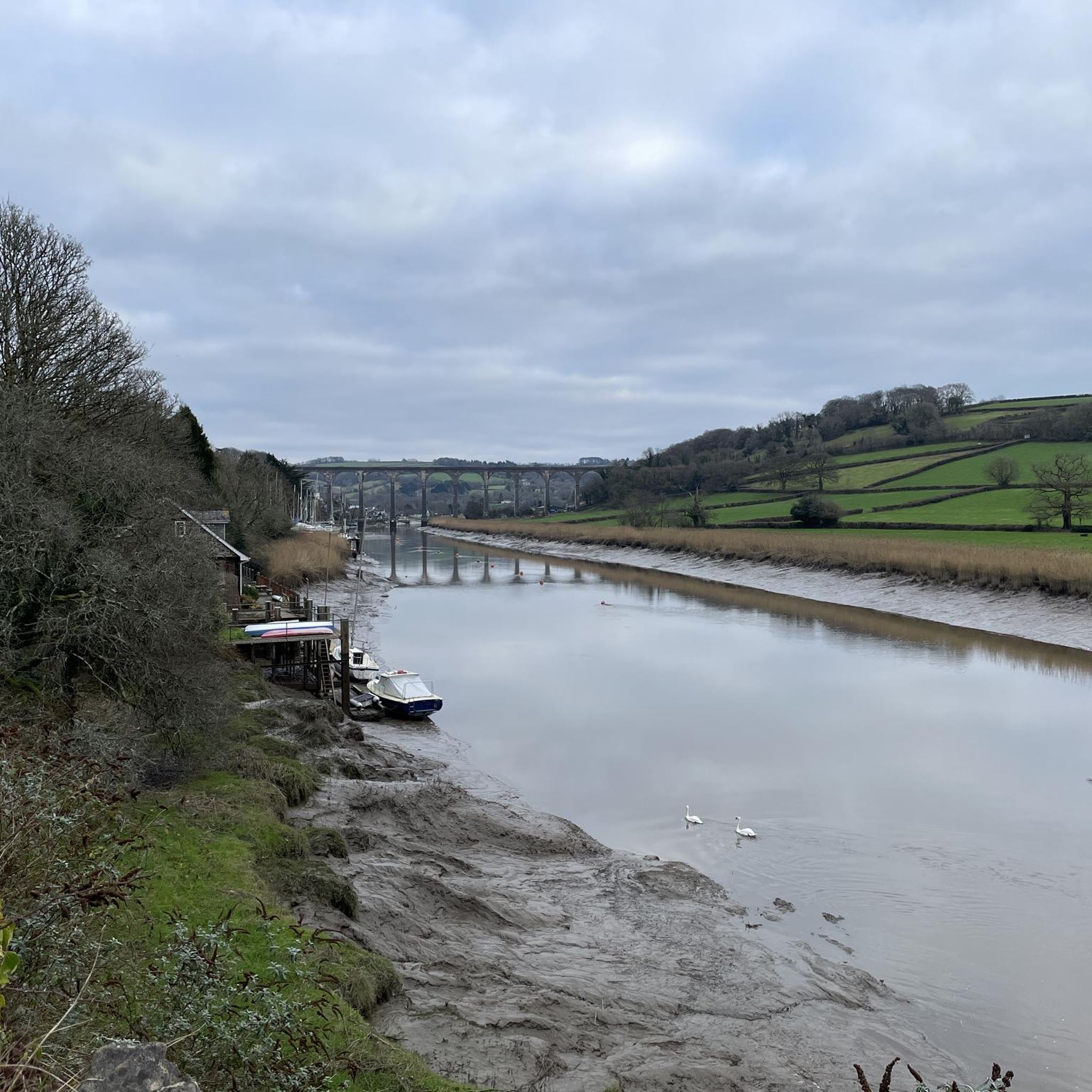
One of the most picturesque ways to experience the valley's scenery is by taking a ride on the Tamar Valley Line. This scenic railway connects Gunnislake to Plymouth, winding through woodlands, past estuaries, and historic villages, including crossing the impressive Calstock Viaduct. Additionally, exploring the Bere Peninsula offers beautiful views and tranquil riverside walks.
When is the best time to visit Tamar Valley AONB?
The Tamar Valley AONB offers beauty year-round. Spring brings blooming orchards and vibrant greenery, while summer is ideal for river activities and exploring the many outdoor trails. Autumn showcases stunning foliage, and winter provides a peaceful, atmospheric experience, especially for walks along the rivers and through woodlands.
Are there any unique experiences related to the rivers in the Tamar Valley?
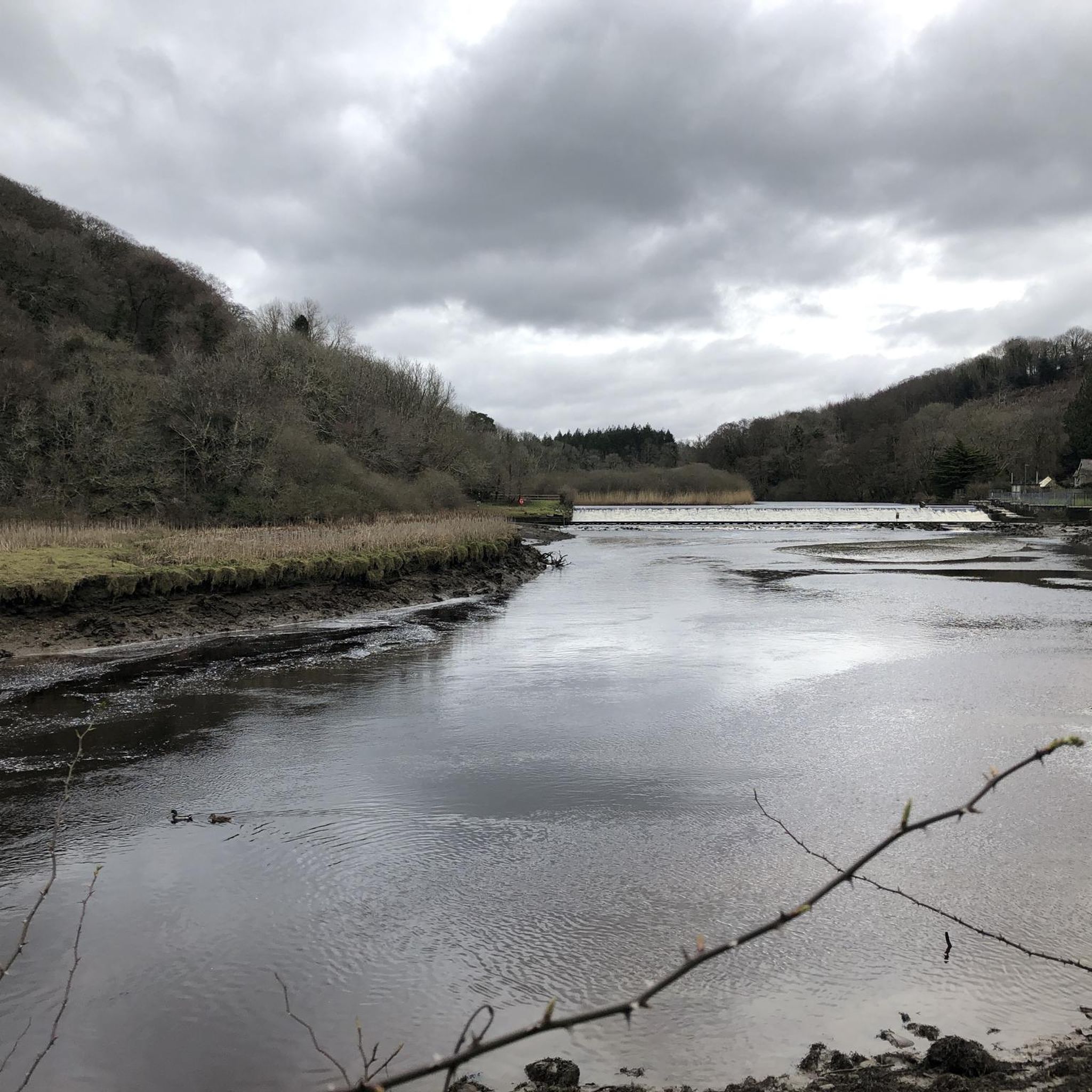
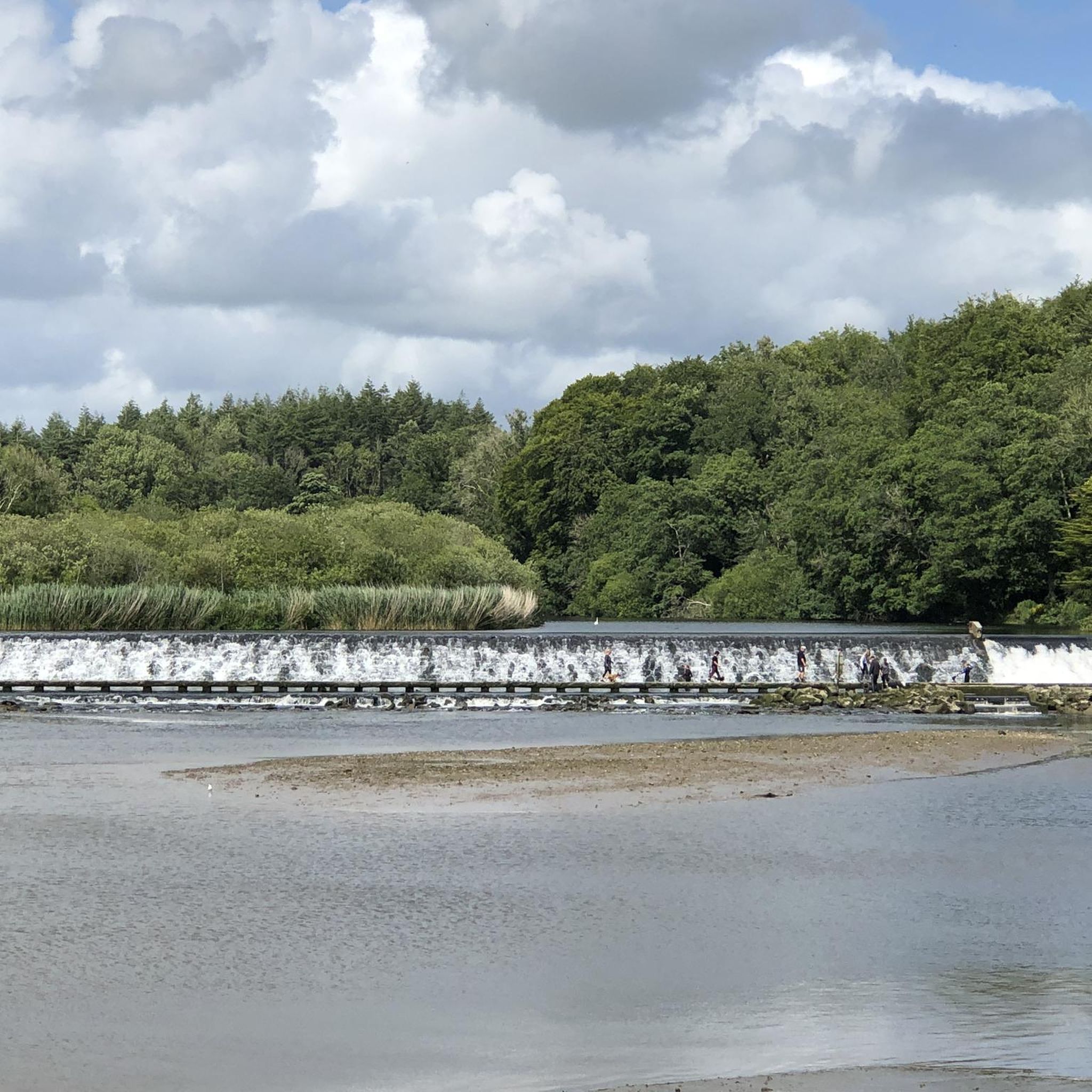
The rivers Tamar, Tavy, and Lynher are central to the AONB. You can enjoy canoeing and boat trips on these rivers. A unique experience is crossing Maristow Weir, a beautiful tidal weir that can be crossed by car at low tide or on foot via a submerged footpath at high tide, adding an adventurous element to your journey.
Can I find accessible trails or attractions in Tamar Valley AONB?
While specific accessible trail information varies, many of the main attractions like Cotehele and Morwellham Quay offer facilities and pathways designed to accommodate visitors with varying mobility. For specific trail accessibility, it's recommended to check with individual sites or local visitor centers. The Tamar Trails Centre also has a network of paths, some of which may be suitable for easier access.
What do visitors enjoy most about Tamar Valley AONB?
Visitors frequently praise the blend of serene natural beauty and captivating history. The enchanting spot of Double Waters is loved for wild swimming and picnics. The panoramic views from Kit Hill are a highlight, as are the historical insights provided by sites like Cotehele Quay and Morwellham Quay. The peacefulness of places like Maristow Weir and the diverse wildlife at Lopwell Dam are also highly appreciated.
Most popular routes in Tamar Valley Aonb

Get inspired with the komoot mobile app


Explore more
Still not found the Highlight you’re looking for? See guides of the top attractions in other regions:
